

Free Central Visayas Travel Guide & Mobile App
Explore Central Visayas with free travel guides. Discover regional history, expert tips, proposed trips, and audio guides on web or mobile app.


Explore Central Visayas for Cebu’s history, Bohol’s limestone hills, coral seas, island villages, heritage churches and distinctive Filipino cuisine.
Read more about Central Visayas
When is the best time to visit Central Visayas?
Best: February–April · 30–32°C| Month | High (°C) | Rainfall (mm) |
|---|---|---|
| January | 30 | 90 |
| February (best) | 30 | 70 |
| March (best) | 31 | 60 |
| April (best) | 32 | 60 |
| May | 32 | 90 |
| June | 32 | 120 |
| July | 32 | 130 |
| August | 32 | 140 |
| September | 31 | 150 |
| October | 31 | 140 |
| November | 31 | 130 |
| December | 30 | 110 |
Getting to and around Central Visayas
How to get there
Transportation
Top city travel guides in Central Visayas
The cities of Central Visayas, and the easiest places to base yourself.
-

-


Swipe for more cities
Destinations in Central Visayas
Resorts, valleys and scenic spots worth a trip of their own.
-

-

-

-


Swipe for more destinations
Best attractions in Central Visayas
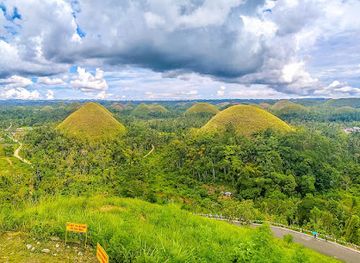
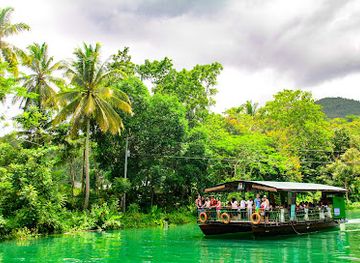
Central Visayas offers a broad mixture of urban heritage, marine recreation and rural landscapes. In Cebu City, visitors can explore the historic core around the Basilica Minore del Santo Niño, Magellan’s Cross and Fort San Pedro, alongside museums, markets and contemporary cultural spaces. Lapu-Lapu City and the waters around Mactan Island are gateways to diving, snorkelling and island excursions. Elsewhere in Cebu province, Moalboal is known for reef and open-water experiences, while mountain roads lead to waterfalls, viewpoints and smaller coastal communities. Bohol’s attractions range from the Chocolate Hills and forested interior to the Loboc River, countryside roads, heritage churches and the tarsier sanctuary area near Corella. Panglao combines beaches, dive centres and boat trips to surrounding reefs and islands, while Anda offers a quieter eastern-coast setting. Protected landscapes and marine sanctuaries are important parts of the visitor experience, but conditions, access arrangements and environmental rules vary. The region is best understood as a collection of contrasting districts rather than a single resort corridor.
-
Historical landmark
Magellan's Cross
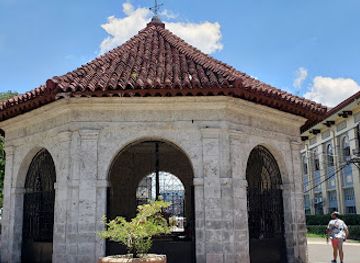
Explore the rich history of Magellan's Cross, a monument marking the arrival of Christianity in the Philippines, located in the heart of Cebu City.
-
Tourist attraction
Chocolate Hills Complex
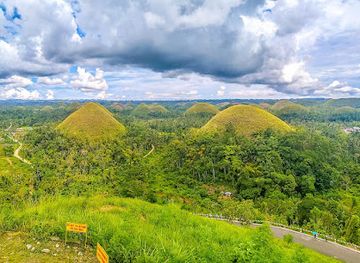
Explore the breathtaking Chocolate Hills in Bohol, a unique natural wonder that captivates with its stunning landscape and rich cultural experiences.
-
 Museum
Fort San Pedro
Explore Fort San Pedro, the historic fortress in Cebu City, offering a fascinating glimpse into the Philippines' rich colonial history and stunning views.
-
Tourist attraction
Loboc River Cruise
Discover the serene beauty and cultural richness of Bohol on the enchanting Loboc River Cruise, a must-visit attraction for all travelers.

Best landmarks in Central Visayas
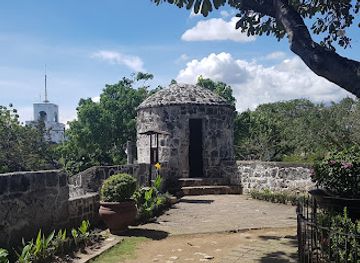
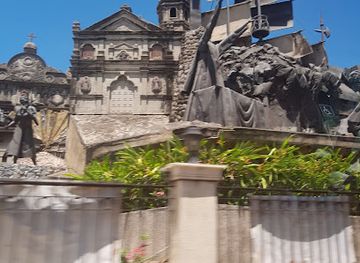
The Basilica Minore del Santo Niño and nearby Magellan’s Cross in Cebu City are among Central Visayas’ most recognisable historic landmarks. Together they represent the importance of Cebu in the early Spanish colonial period and the continuing prominence of Santo Niño devotion. Fort San Pedro, also in the historic centre, preserves a compact defensive structure associated with Spanish rule. On Mactan Island, the Mactan Shrine commemorates the 1521 battle in which Lapulapu’s forces defeated Magellan, making the site significant both historically and symbolically. Bohol’s Chocolate Hills are the region’s defining natural landmark, a large field of regularly rounded limestone hills whose seasonal colour change gives them their familiar name. The Blood Compact Monument in Tagbilaran records a celebrated episode in the island’s colonial-era historical narrative, while the churches of Baclayon and Loboc illustrate Bohol’s long Catholic and architectural heritage. These landmarks differ in scale and meaning, but together reveal the region’s maritime history, religious transformation, resistance traditions and distinctive geology.
-
Historical landmark
Magellan's Cross
Explore the historical significance of Magellan's Cross in Cebu City, a monument that symbolizes the arrival of Christianity in the Philippines.
-
Tourist attraction
Chocolate Hills Complex
Explore the enchanting Chocolate Hills Complex in Bohol, a natural wonder with stunning landscapes, outdoor activities, and rich cultural experiences.
-
Museum
Fort San Pedro
Discover Fort San Pedro, a historical fortress in Cebu City offering captivating views, lush gardens, and a glimpse into the Philippines' colonial heritage.
-
Historical landmark
Yap-San Diego Ancestral House
Explore the rich heritage of Cebu at the Yap-San Diego Ancestral House, a historical landmark showcasing Filipino culture and architecture.
Explore Central Visayas on the map
Plan your trip on one map. See where the top cities, national parks and sights are, and book hotels and experiences in a few clicks.
Best hotels in Central Visayas
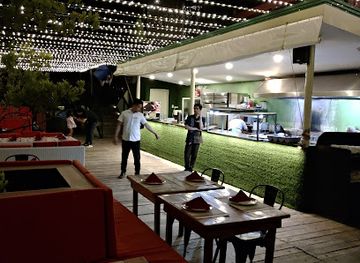
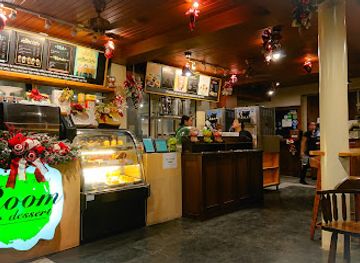
Best restaurants in Central Visayas
Dining in Central Visayas ranges from Cebu’s dense urban food scene to roadside eateries, resort restaurants and family-run establishments across Bohol. Cebu is strongly associated with lechon, served at celebrations and specialist eateries, as well as grilled seafood, roasted meats, noodle dishes and modern Filipino cooking. Cebu City and surrounding urban areas offer the broadest choice of regional and international food, while coastal communities make seafood and simple grilled dishes prominent. Bohol’s cooking reflects farming, fishing and tropical produce, with rice-based snacks, native sweets, fresh fruit and seafood appearing in markets and local restaurants. Panglao has the region’s most concentrated resort dining, whereas inland Bohol offers informal meals near touring routes and river communities. Markets are useful for discovering seasonal produce and prepared snacks. Imported and international food is readily available in major visitor centres, but local cafés, carinderias and provincial eateries provide a more direct sense of everyday culinary life.
-
Filipino
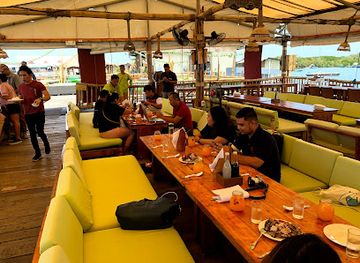
Lantaw Floating Native Restaurant - Cordova
Discover authentic Filipino flavors at Lantaw Floating Native Restaurant in Cordova, where stunning views meet exceptional cuisine.
-
Filipino
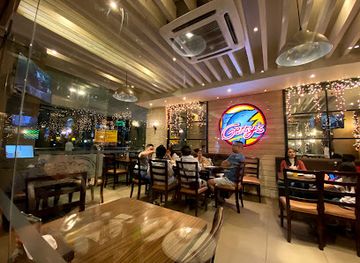
Gerry's Grill
Experience authentic Filipino cuisine and vibrant culture at Gerry's Grill in Cebu City – where every meal is a celebration.
-
Restaurant
Top of Cebu
Experience authentic Filipino cuisine with stunning views at Top of Cebu – where every meal is paired with breathtaking landscapes.
-
Restaurant
Casa Verde
Experience authentic Filipino flavors at Casa Verde in Cebu City - where culinary tradition meets modern dining.
Best bars in Central Visayas
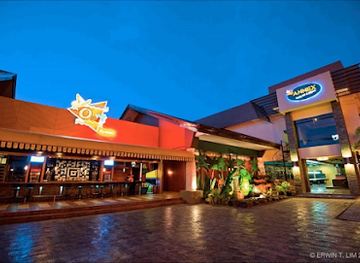
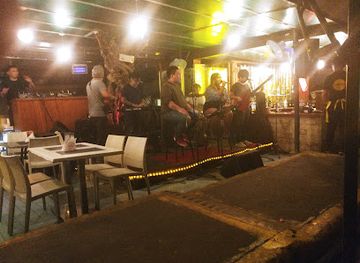
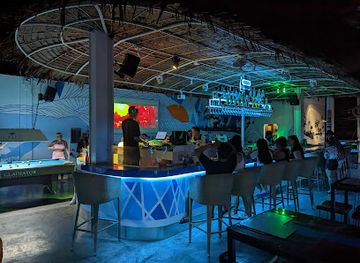
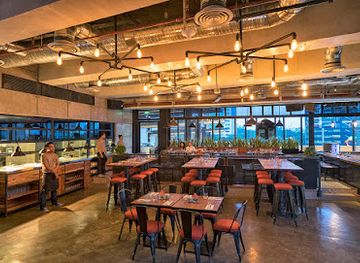
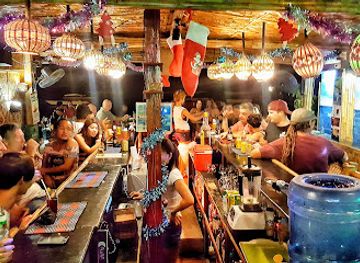
Nightlife is concentrated in Cebu City, the commercial districts of Metro Cebu and the resort areas of Mactan and Panglao. Cebu City has the broadest evening choice, including Filipino restaurants, breweries, cocktail bars, karaoke venues, live music and late-night establishments, while Mactan and Panglao cater more to resort guests, divers and seaside diners. In smaller Cebu and Bohol communities, evenings generally centre on neighbourhood restaurants, videoke, modest bars and traditional pubs rather than large clubs. Panglao’s entertainment scene can become busy in peak periods but remains largely built around beachside dining and drinks. Live music and local events are common forms of evening entertainment. Visitors should check current arrangements locally, avoid leaving drinks unattended, use reputable transport after dark and remember that nightlife outside the main urban and resort centres may finish early.
-
Bar
MO2 Restobar Cebu
Discover the ultimate nightlife experience at MO2 Restobar Cebu, where delicious food, live music, and karaoke unite in a vibrant atmosphere.
-
Live music bar
Cubana
Discover Cubana, Cebu City's lively live music bar offering unforgettable performances, delicious drinks, and a vibrant nightlife experience.
-
Lounge
ISLA BAR
Discover Isla Bar in Moalboal: a vibrant lounge offering delicious food, refreshing drinks, and unforgettable nightlife amidst the beauty of Cebu.
-
Grill
The Social
Experience the vibrant flavors of Australian cuisine and the lively atmosphere of The Social, a perfect spot for dining and socializing in Cebu.
Best nightclubs in Central Visayas
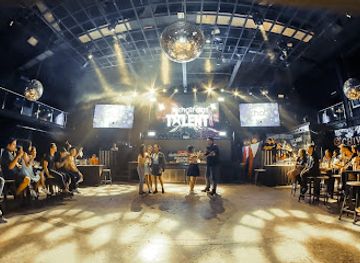
Nightlife is concentrated in Cebu City, the commercial districts of Metro Cebu and the resort areas of Mactan and Panglao. Cebu City has the broadest evening choice, including Filipino restaurants, breweries, cocktail bars, karaoke venues, live music and late-night establishments, while Mactan and Panglao cater more to resort guests, divers and seaside diners. In smaller Cebu and Bohol communities, evenings generally centre on neighbourhood restaurants, videoke, modest bars and traditional pubs rather than large clubs. Panglao’s entertainment scene can become busy in peak periods but remains largely built around beachside dining and drinks. Live music and local events are common forms of evening entertainment. Visitors should check current arrangements locally, avoid leaving drinks unattended, use reputable transport after dark and remember that nightlife outside the main urban and resort centres may finish early.
-
Disco club
Uptown Cebu
Discover the electrifying nightlife at Uptown Cebu, a premier disco club that sets the rhythm for unforgettable nights in the heart of Cebu City.
-
Night club
CEBU ICON
Dive into Cebu's nightlife at Cebu Icon, a vibrant night club offering electrifying music, skilled DJs, and an unforgettable atmosphere for all party lovers.
-
Night club
Club FLEX
Discover the ultimate nightlife experience at Club FLEX, Mandaue City’s premier night club offering electrifying music and vibrant atmospheres.
-
Bar
Aluna Beach Lounge
Experience the vibrant nightlife and inviting atmosphere at Aluna Beach Lounge, the perfect beach bar in Panglao, Bohol.


Best shops in Central Visayas
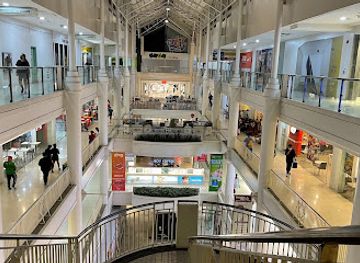
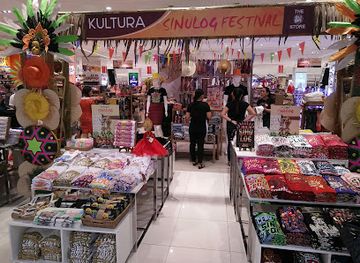
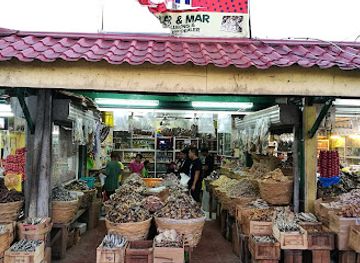
Shopping in Central Visayas is most varied in Cebu City and Metro Cebu, where large malls sit alongside public markets, department stores, independent boutiques and shops selling Filipino food products. The Carbon Market area in Cebu City is associated with fresh produce, prepared food and everyday commerce, although visitors should take normal care with belongings and check current local conditions. Mactan Island is known for souvenir outlets and locally made shell, wood and guitar-related products, while Cebu is also a practical place to look for dried mangoes, woven goods and packaged regional foods. Bohol’s shopping is smaller in scale and more dispersed, with Tagbilaran markets, Panglao souvenir shops, craft outlets and roadside sellers near popular touring areas. Common purchases include peanut-based sweets, calamansi products, woven items, handicrafts and locally produced foodstuffs. Compare quality and provenance, avoid buying products made from protected wildlife or coral, and remember that rural markets may accept cash only.
-
Shopping mall
Ayala Center Cebu
Discover Ayala Center Cebu: A vibrant hub for shopping, dining, and entertainment in the heart of Cebu City, perfect for every traveler.
-
Shopping mall
SM Seaside City Cebu
Experience unparalleled shopping and entertainment at SM Seaside City Cebu, where modern design meets diverse retail and dining options.
-
Market
Carbon Market
Experience the vibrant local culture and rich culinary delights at Carbon Market in Cebu City, a bustling hub of commerce and tradition.
-
Market
Taboan Public Market
Discover the vibrant Taboan Public Market in Cebu City, where local flavors and culture come to life in a bustling market atmosphere.

Get your free copy of our complete guide to Central Visayas, delivered straight to you.
Everything on this page, from attractions and restaurants to essentials and local phrases, in one PDF you can read offline, print or share.
Already have an account? Sign in
Your Central Visayas guide is ready.
We'll send it to · Not you? Sign out

Getting your guide ready…
We are putting together a fresh copy of the Central Visayas guide. This can take up to a minute.
This can take a few moments. If your browser asks, choose Allow so the download can start. You'll find the guide in your Downloads folder.
Nothing happened? Download it again
Sorry, the guide is taking longer than usual. Please try again in a minute, or get it by email instead.
Central Visayas essentials
Currency and Payment
Safety
Emergency Situations
Do's and Don'ts
Local Tips
From Eve
Local phrases worth knowing
You don't need to get them perfect. A few words go a long way, and locals appreciate the effort.
Basics
| English | Local | Say it |
|---|---|---|
| Hello | Kumusta | [koo-moos-tah] |
| Goodbye | Babay | [bah-bye] |
| Yes | Oo | [oh-oh] |
| No | Dili | [dee-lee] |
| Please/You're welcome | Palihug | [pah-lee-hoog] |
| Thank you | Salamat | [sah-lah-mat] |
| Excuse me/Sorry | Pasensya | [pah-sen-syah] |
| How are you? | Kumusta ka? | [koo-moos-tah kah] |
| Fine. And you? | Maayo. Ikaw? | [mah-ah-yoh. ee-kaw] |
| Do you speak English? | Nakasabot ka og Iningles? | [nah-kah-sah-bot kah og een-glehs] |
| I don't understand | Wala ko kasabot | [wah-lah koh kah-sah-bot] |
Eating & Drinking
| English | Local | Say it |
|---|---|---|
| I'd like to see the menu, please | Gusto ko makita ang menu, palihug | [goos-toh koh mah-kee-tah ang meh-noo, pah-lee-hoog] |
| I don't eat meat | Dili ko mokaon og karne | [dee-lee koh moh-kah-on og kar-neh] |
| Cheers! | Tagay! | [tah-guy] |
| I would like to pay, please | Gusto ko magbayad, palihug | [goos-toh koh mag-bah-yad, pah-lee-hoog] |
Emergencies
| English | Local | Say it |
|---|---|---|
| Help! | Tabang! | [tah-bang] |
| Go away! | Palayo! | [pah-lah-yoh] |
| Call the Police! | Tawga ang pulis! | [taw-gah ang poo-lees] |
| Call a doctor! | Tawga ang doktor! | [taw-gah ang dok-tor] |
| I'm lost | Nawala ko | [nah-wah-lah koh] |
| I'm ill | Sakit ko | [sah-kit koh] |
Shopping
| English | Local | Say it |
|---|---|---|
| I'd like to buy... | Gusto ko mopalit... | [goos-toh koh moh-pah-leet] |
| I'm just looking | Nangita ra ko | [nahn-gee-tah rah koh] |
| How much is it? | Tagpila ni? | [tag-pee-lah nee] |
| That's too expensive | Sobra ka mahal | [soh-brah kah mah-hal] |
| Can you lower the price? | Pwede nimo ibus ang presyo? | [pwuh-deh nee-mo ee-boos ang pres-yoh] |
Time & Numbers
| English | Local | Say it |
|---|---|---|
| What time is it? | Unsang orasa na? | [oon-sang oh-rah-sah nah] |
| It's one o'clock | Oras na uno | [oh-rahs nah oo-noh] |
| Half past (10) | Nakahalfs (10) | [nah-kah-halfs (10)] |
| Morning | Buntag | [boon-tahg] |
| Afternoon | Hapon | [hah-pon] |
| Evening | Gabii | [gah-bee-ee] |
| Yesterday | Kahapon | [kah-hah-pon] |
| Today | Karun | [kah-roon] |
| Tomorrow | Ugma | [oog-mah] |
| 1 | Usa | [oo-sah] |
| 2 | Dua | [doo-ah] |
| 3 | Tulo | [too-loh] |
| 4 | Upat | [oo-paht] |
| 5 | Lima | [lee-mah] |
| 6 | Unom | [oo-nom] |
| 7 | Pito | [pee-toh] |
| 8 | Walo | [wah-loh] |
| 9 | Siyam | [see-yahm] |
| 10 | Sampulo | [sahm-poo-loh] |
Transport & Directions
| English | Local | Say it |
|---|---|---|
| Where's a/the...? | Asa ang...? | [ah-sah ang] |
| What's the address? | Unsa ang address? | [oon-sah ang ad-dress] |
| Can you show me (on the map)? | Pwede nimo ipakita nako (sa mapa)? | [pwuh-deh nee-mo ee-pah-kee-tah nah-koh (sah mah-pah)] |
| When's the next (bus)? | Kanus-a ang sunod (bus)? | [kah-noos-ah ang soo-nod] |
| A ticket (to ....) | Usa ka tiket (paingon sa ...) | [oo-sah kah tee-ket (pah-ing-on sah ...)] |
History of Central Visayas
Pre-colonial maritime trade
Before Spanish colonisation, Cebu was a significant maritime settlement connected to trading networks across the Visayas, Mindanao and Southeast Asia. Coastal communities exchanged goods, ideas and political influence by sea, while Bohol’s settlements developed through agriculture, fishing and regional commerce. Archaeological evidence and early colonial accounts indicate societies with established leadership, craft production and religious traditions rather than isolated island communities. This seaborne heritage remains important to understanding why Cebu became an early focus of European expansion in the Philippines.
Magellan and the Battle of Mactan, 1521
Ferdinand Magellan reached Cebu in 1521 during the first circumnavigation of the world. His expedition formed an alliance with Rajah Humabon and introduced Christianity to the local ruling community, but Spanish intervention in a dispute on nearby Mactan led to Magellan’s death in battle. The encounter, associated with the Mactan leader Lapulapu, became a powerful symbol of resistance in Philippine history. Sites and monuments on Mactan Island continue to interpret this early collision between European imperial ambitions and local political authority.
Spanish settlement and the rise of Cebu, 1565 onward
Miguel López de Legazpi established a permanent Spanish settlement in Cebu in 1565, making the island a base for the broader colonisation of the Philippines. Cebu’s port, churches and religious institutions expanded, while Catholic communities developed through missions and colonial administration. The Santo Niño tradition became especially influential, and Cebu City grew around the port and ecclesiastical centre. Spanish-era buildings, devotional practices and the urban pattern of the historic core remain among the clearest signs of this formative period.
Bohol’s long Dagohoy rebellion, 1744–1829
Bohol was the setting for the Dagohoy rebellion, generally regarded as the longest recorded revolt in Philippine history. It began in 1744 after a conflict involving Francisco Dagohoy, local communities and Spanish religious authority, and continued for roughly eight decades in the island’s interior. The rebellion reflected resistance to colonial demands, forced labour and mission control, while also drawing on local geography and community organisation. Its memory is central to Bohol’s historical identity and helps explain the importance of the island’s upland landscapes in regional history.
Ports, commerce and modern urban growth
During the nineteenth and twentieth centuries, Cebu developed into a major commercial and shipping centre. Trade, sugar, fisheries, manufacturing and port activity connected the island more closely with Manila and international markets, while Cebu City expanded beyond its colonial core. Bohol remained more strongly associated with agriculture and inter-island trade, though Tagbilaran and other coastal towns also grew. These different economic trajectories shaped the region’s present contrast between Cebu’s metropolitan concentration and Bohol’s more dispersed settlement pattern.
War, independence and post-war reconstruction
The Japanese occupation during the Second World War disrupted communities throughout the Visayas, while resistance movements operated across the islands. The Allied return to the Philippines in 1944 and the subsequent liberation of Cebu marked a decisive change, followed by reconstruction and the consolidation of Philippine independence. Post-war investment strengthened Cebu’s role as a regional centre. Roads, ports, aviation and later tourism development gradually brought Bohol and Cebu into a more integrated visitor economy.
Tourism and environmental awareness
From the late twentieth century, Central Visayas became one of the Philippines’ principal tourism regions, driven by Cebu’s international connectivity, Bohol’s landscapes and the marine attractions around both islands. Resorts, diving businesses and transport links expanded rapidly, bringing employment and investment but also pressure on reefs, water supplies, wildlife and coastal communities. Contemporary tourism increasingly includes marine sanctuaries, protected landscapes and responsible-wildlife policies, although enforcement and visitor behaviour remain important to the region’s future.
Central Visayas in Photos
Browse through our photo collection highlighting the charm and character of the destination.
Neighbouring regions of Central Visayas
The closest regions to Central Visayas, if you have time for more than one.
-

-

-

-

-


Swipe for more regions
Explore more

Explore more of Philippines
Discover the Philippines: A tropical paradise of islands, rich history, and warm hospitality, perfect for adventurers and relaxation seekers alike.
Explore Philippines