

Free Bicol Region Travel Guide & Mobile App
Explore Bicol Region with free travel guides. Discover regional history, expert tips, proposed trips, and audio guides on web or mobile app.


Explore the Bicol Region for Mayon Volcano, Pacific beaches, island landscapes, whale sharks and a celebrated chilli-and-coconut cuisine.
Read more about Bicol Region
When is the best time to visit Bicol Region?
Best: March–May · 31–32°C| Month | High (°C) | Rainfall (mm) |
|---|---|---|
| January | 30 | 250 |
| February | 30 | 200 |
| March (best) | 31 | 150 |
| April (best) | 31 | 125 |
| May (best) | 32 | 125 |
| June | 32 | 150 |
| July | 31 | 200 |
| August | 31 | 200 |
| September | 31 | 200 |
| October | 30 | 200 |
| November | 30 | 225 |
| December | 29 | 250 |
Getting to and around Bicol Region
How to get there
Transportation
Top city travel guides in Bicol Region
The cities of Bicol Region, and the easiest places to base yourself.

Swipe for more cities
Destinations in Bicol Region
Resorts, valleys and scenic spots worth a trip of their own.

Swipe for more destinations
Best attractions in Bicol Region
Bicol's attractions are defined by the meeting of volcanoes, rainforest, farmland and open sea. In Albay, Mayon Volcano provides the region's central landscape, with viewpoints, countryside roads and heritage places such as the Cagsawa Ruins offering different perspectives on its history and power. The Quitinday Hills and coastal districts around Albay Gulf add rural scenery, while Legazpi provides museums, civic spaces and access to guided outdoor activities. Naga combines religious heritage with urban culture, and Camarines Sur extends from inland towns to the limestone islands and lagoons of Caramoan. Camarines Norte is known for beach trips and island landscapes, including the Calaguas group, though boat access is weather-dependent. Catanduanes offers Pacific-facing beaches, surfing, sea cliffs and quiet roads through agricultural countryside. Masbate brings a different atmosphere, with island excursions and a longstanding cattle and rodeo tradition. In Sorsogon, Donsol is associated with responsible seasonal whale-shark encounters, while Bulusan Volcano Natural Park provides forest trails, volcanic scenery and Lake Bulusan. Across the region, activities range from swimming, snorkelling and diving to hiking, birdwatching, photography and cultural visits; the most remote experiences generally need local guides, boat arrangements and additional travel time.
-
Historical landmark
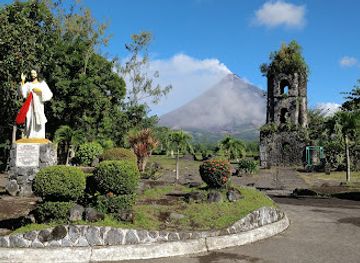
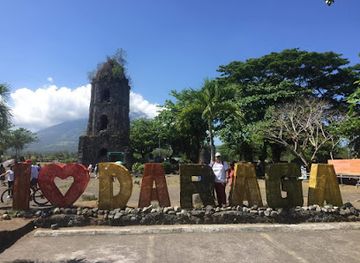
Cagsawa Ruins
Discover the stunning Cagsawa Ruins in Daraga, Albay, where history and breathtaking views of Mayon Volcano come together.
-
Catholic church
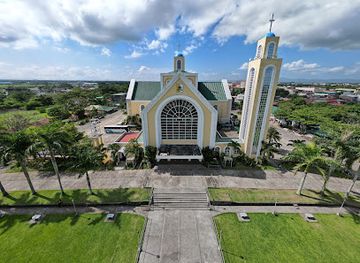
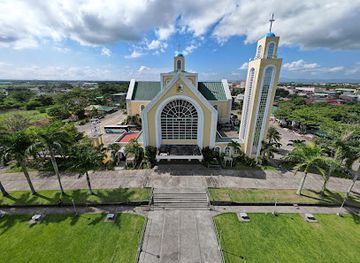
Minor Basilica and National Shrine of Our Lady of Peñafrancia
Experience the spiritual heart of Naga City at the Minor Basilica and National Shrine of Our Lady of Peñafrancia, a vibrant symbol of faith and culture in the Philippines.
-
Sports complex
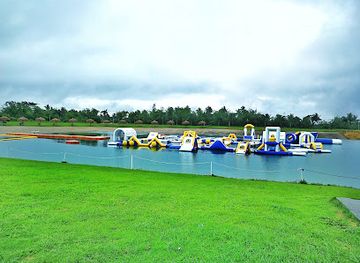
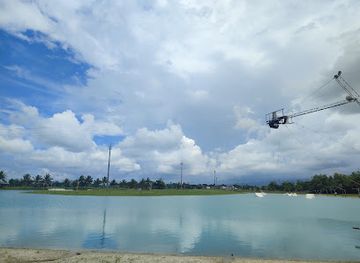
CamSur Watersports Complex
Experience the ultimate water sports adventure at CamSur Watersports Complex, where thrill-seekers find endless excitement in a stunning natural setting.
-
National park
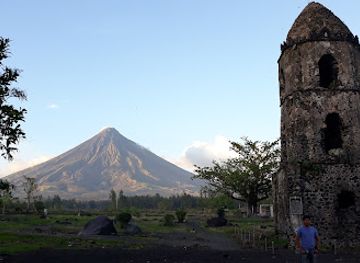
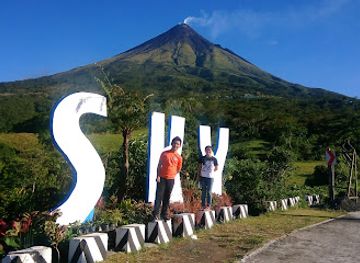
Mayon Volcano Natural Park
Experience the breathtaking beauty of Mayon Volcano Natural Park, a true natural wonder in Albay, Philippines, showcasing rich biodiversity and stunning landscapes.
Best landmarks in Bicol Region
Mayon Volcano is Bicol's defining natural landmark: its symmetrical cone dominates Albay's skyline and remains both a cultural emblem and an active geological presence. At its foot, the Cagsawa Church belfry in Daraga is a powerful historic landmark, all that remains visibly above ground after the 1814 eruption buried much of the church and settlement. In Naga, the Basilica Minore of Our Lady of Peñafrancia and the Naga Metropolitan Cathedral represent the city's long religious history and its continuing importance to Bicolano Catholic devotion. Bulusan Volcano and Lake Bulusan provide Sorsogon with a contrasting volcanic landscape of forest, water and steep slopes. The limestone formations and karst islands of Caramoan are landmarks of a different kind, shaped by the sea into cliffs, coves and distinctive rock profiles. Catanduanes is marked less by monumental architecture than by exposed headlands, surf beaches and Pacific-facing coastal scenery, while Masbate's urban and rural identity is strongly connected with cattle country and rodeo tradition. Across the region, old churches, town plazas, volcanic landscapes and fishing harbours show how natural forces and settlement have shaped Bicol's visual character.
-
Historical landmark
Cagsawa Ruins
Explore the Cagsawa Ruins, where history meets breathtaking views of Mayon Volcano, a must-visit landmark in Albay, Philippines.
-
Catholic church
Minor Basilica and National Shrine of Our Lady of Peñafrancia
Explore the Minor Basilica and National Shrine of Our Lady of Peñafrancia, a spiritual landmark brimming with history and vibrant local culture in Naga, Philippines.
-
Sports complex
CamSur Watersports Complex
Experience the thrill of water sports and the joy of leisure at CamSur Watersports Complex, a premier destination in the picturesque Camarines Sur, Philippines.
-
National park
Mayon Volcano Natural Park
Experience the breathtaking beauty of Mayon Volcano Natural Park, a UNESCO World Heritage Site in Albay, famous for its perfect cone shape and rich biodiversity.
Explore Bicol Region on the map
Plan your trip on one map. See where the top cities, national parks and sights are, and book hotels and experiences in a few clicks.
Best hotels in Bicol Region
Best restaurants in Bicol Region
Bicolano cooking is recognised for its confident use of coconut milk, chilli, garlic, ginger and seafood, although local recipes differ between provinces and households. Laing, made with dried taro leaves and coconut milk, pinangat, and Bicol express are widely encountered regional dishes; visitors should ask about heat levels before ordering. Fresh fish, shellfish and other coastal ingredients are particularly prominent in Sorsogon, Donsol, Catanduanes, Masbate and Camarines Norte, while rural eateries often serve hearty rice meals with vegetables, pork or chicken. Pili nuts, cultivated widely in Bicol, appear in sweets, pastries and savoury preparations and make practical food gifts. Legazpi and Naga have the broadest selection of restaurants, cafés, bakeries and modern Filipino cooking, while smaller towns rely more on carinderias, markets and family-run eateries. Food stalls and public markets are useful places to sample local snacks, but choose busy establishments with good food turnover and sensible hygiene. The region also has a growing craft-drink and contemporary dining scene, though Bicol's strongest culinary identity remains rooted in coconut-based home cooking and the produce of its farms and seas.
-
Filipino
Bob Marlin
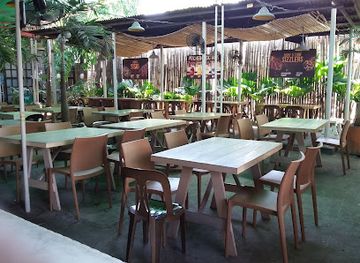
Experience authentic Filipino flavors at Bob Marlin in Naga – where tradition meets taste.
-
Restaurant
Red Platter
Experience authentic Filipino cuisine with a focus on Bicol specialties at Red Platter in Naga City.
-
Restaurant
BIGGS Daraga
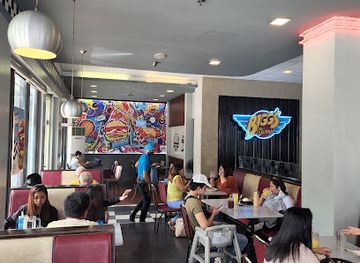
Experience the best of comfort food at Bigg's Daraga in Legazpi City—where every meal feels like home.
-
 Resort hotel
Bagasbas Lighthouse Hotel Resort
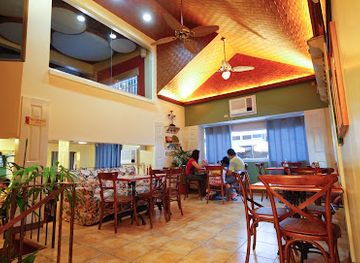
Experience unparalleled comfort and breathtaking views at Bagasbas Lighthouse Hotel Resort in Daet – your perfect getaway in Camarines Norte.
Best bars in Bicol Region
Nightlife in Bicol is concentrated in Legazpi, Naga and the larger provincial towns rather than spread evenly across the region. These centres offer casual bars, karaoke, cafés, restaurants and a modest selection of live-music venues, with evenings often beginning over food rather than in purpose-built clubs. Naga's student, civic and religious importance supports a busier urban social scene, while Legazpi has restaurants and bars serving residents, business travellers and visitors using the city as a base for Albay. In Donsol, Caramoan, Catanduanes and other coastal destinations, evening life is generally quieter and centres on small eateries, guesthouse bars, beachside gatherings and early starts for boat trips. Traditional neighbourhood pubs and karaoke remain more characteristic than a large nightclub culture. Drinking is not necessary to experience local nightlife, and visitors should follow local guidance in small communities, arrange transport in advance and avoid walking unfamiliar rural roads late at night.
-
Bar
GABBI'S RESTOBAR & GRILL
Experience the vibrant flavors and lively atmosphere at Gabbi's Restobar & Grill, the perfect destination for food lovers in Legazpi City.
-
Bar
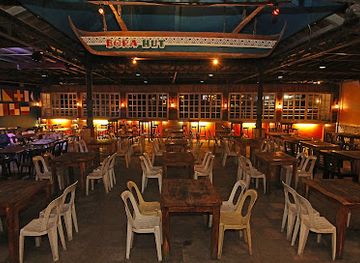
Bora Hut
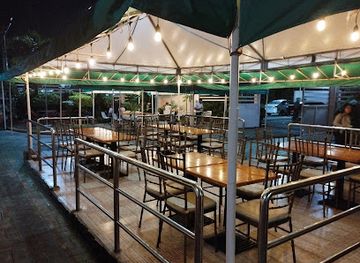
Experience the vibrant nightlife at Bora Hut, a welcoming bar in Naga, Camarines Sur, perfect for socializing and enjoying local flavors.
-
Bar
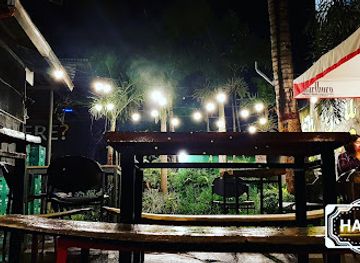
Back Draft Resto Bar
Discover the lively atmosphere and delicious offerings at Back Draft Resto Bar, the perfect dining spot for tourists in Naga.
-
Pub
Bar 101
Experience the vibrant nightlife of Legazpi City at Bar 101, your go-to pub for drinks, live music, and a great atmosphere.

Best nightclubs in Bicol Region
Nightlife in Bicol is concentrated in Legazpi, Naga and the larger provincial towns rather than spread evenly across the region. These centres offer casual bars, karaoke, cafés, restaurants and a modest selection of live-music venues, with evenings often beginning over food rather than in purpose-built clubs. Naga's student, civic and religious importance supports a busier urban social scene, while Legazpi has restaurants and bars serving residents, business travellers and visitors using the city as a base for Albay. In Donsol, Caramoan, Catanduanes and other coastal destinations, evening life is generally quieter and centres on small eateries, guesthouse bars, beachside gatherings and early starts for boat trips. Traditional neighbourhood pubs and karaoke remain more characteristic than a large nightclub culture. Drinking is not necessary to experience local nightlife, and visitors should follow local guidance in small communities, arrange transport in advance and avoid walking unfamiliar rural roads late at night.
-
Pub
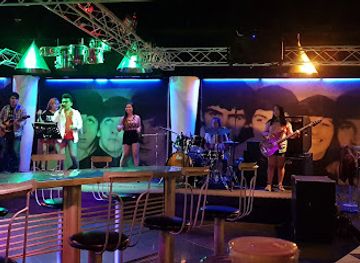
Bar 101
Experience the vibrant nightlife of Legazpi City at Bar 101, where great drinks and lively ambiance await you.
-
Bar
Chilo Bar
Experience the vibrant nightlife and delicious flavors at Chilo Bar in Legazpi City, your go-to spot for relaxation and fun.
-
Lounge
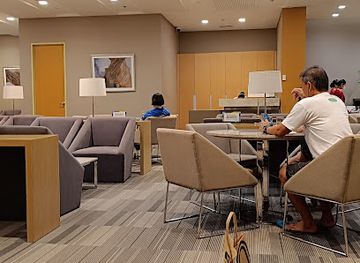
SM City Legazpi Prestige Lounge
Experience tranquility and elegance at SM City Legazpi Prestige Lounge, a perfect escape for tourists looking to unwind in style.
-
Resort hotel
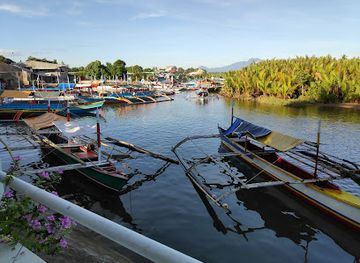
Port Logpond, Calaguas Eco-tours
Experience the serene beauty of Port Logpond, the gateway to the enchanting Calaguas Islands, where adventure meets tranquility.
Best shops in Bicol Region
Shopping in Bicol is strongest in Legazpi, Naga and the principal provincial towns, where modern shops sit alongside public markets, bakeries and independent retailers. Markets are useful for fresh produce, dried seafood, coconut products, woven goods and regional snacks, while smaller craft shops and food stores often stock pili-nut brittle, sweets, pastries and other shelf-stable specialities. Bicol's chilli-based sauces and packaged versions of laing or pinangat can be convenient souvenirs when properly labelled and sealed. In coastal communities, locally made shell and woven products may be available, but visitors should avoid buying items made from protected wildlife or coral. Naga's established commercial areas have a more urban mix of national brands, books, clothing and cafés, whereas Legazpi combines shopping centres with food-oriented retail and Albay handicrafts. Catanduanes, Masbate, Sorsogon and Camarines Norte offer a more practical market-town experience, with local produce and everyday goods rather than extensive luxury shopping. Carry cash for market purchases and ask whether a product is locally made before paying a premium for claims of regional origin.
-
Shopping mall
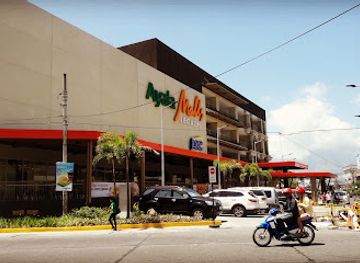
Ayala Malls Legazpi
Discover the ultimate shopping experience at Ayala Malls Legazpi, where local culture meets modern shopping and dining delights.
-
Shopping mall
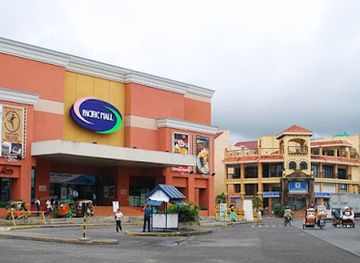
Pacific Mall
Explore Pacific Mall in Legazpi City - a vibrant shopping oasis with diverse stores, delicious dining, and exciting entertainment options.
-
Shopping mall
Robinsons Place Naga
Explore Robinsons Place Naga, a vibrant shopping mall offering diverse retail, dining, and entertainment options in the heart of Naga.
-
Hotel
Villa Caceres Hotel
Discover the perfect blend of comfort, culture, and hospitality at Villa Caceres Hotel in Naga.
Get your free copy of our complete guide to Bicol Region, delivered straight to you.
Everything on this page, from attractions and restaurants to essentials and local phrases, in one PDF you can read offline, print or share.
Already have an account? Sign in
Your Bicol Region guide is ready.
We'll send it to · Not you? Sign out

Getting your guide ready…
We are putting together a fresh copy of the Bicol Region guide. This can take up to a minute.
This can take a few moments. If your browser asks, choose Allow so the download can start. You'll find the guide in your Downloads folder.
Nothing happened? Download it again
Sorry, the guide is taking longer than usual. Please try again in a minute, or get it by email instead.
Bicol Region essentials
Currency and Payment
Safety
Emergency Situations
Do's and Don'ts
Local Tips
From Eve
Local phrases worth knowing
You don't need to get them perfect. A few words go a long way, and locals appreciate the effort.
Basics
| English | Local | Say it |
|---|---|---|
| Hello | Kamusta | [kah-moos-tah] |
| Goodbye | Paalam | [pah-ah-lahm] |
| Yes | Opo | [oh-poh] |
| No | Hindi | [hin-dee] |
| Please/You're welcome | Pakiusap/ Walang anuman | [pah-kee-oo-sahp/ wah-lang ah-noo-mahn] |
| Thank you | Salamat | [sah-lah-maht] |
| Excuse me/Sorry | Pasensya na | [pah-sen-shah nah] |
| How are you? | Kamusta ka? | [kah-moos-tah kah?] |
| Fine. And you? | Ayos lang. Ikaw? | [ah-yos lahng. ee-kaw?] |
| Do you speak English? | Marunong ka bang mag-Ingles? | [mah-roo-nohg kah bahng mahg-een-glehs?] |
| I don't understand | Hindi ko naiintindihan | [hin-dee koh nai-een-tin-dee-han] |
Eating & Drinking
| English | Local | Say it |
|---|---|---|
| I'd like to see the menu, please | Gusto kong makita ang menu, pakiusap | [goos-toh kong mah-kee-tah ahng meh-noo, pah-kee-oo-sahp] |
| I don't eat meat | Hindi ako kumakain ng karne | [hin-dee ah-koh koo-mah-kah-een nahng kar-neh] |
| Cheers! | Tagay! | [tah-guy] |
| I would like to pay, please | Gusto kong magbayad, pakiusap | [goos-toh kong mag-bah-yahd, pah-kee-oo-sahp] |
Emergencies
| English | Local | Say it |
|---|---|---|
| Help! | Tulong! | [too-long] |
| Go away! | Lumayo ka! | [loo-mah-yoh kah!] |
| Call the Police! | Tawagan ang pulis! | [tah-wah-gahn ahng poo-lees!] |
| Call a doctor! | Tawagan ang doktor! | [tah-wah-gahn ahng dok-tor!] |
| I'm lost | Nawawala ako | [nah-wah-lah koh] |
| I'm ill | May sakit ako | [my sah-kit ah-koh] |
Shopping
| English | Local | Say it |
|---|---|---|
| I'd like to buy... | Gusto kong bumili ng... | [goos-toh kong boo-mee-lee nahng...] |
| I'm just looking | Tinitingnan ko lang | [tee-nee-ting-nahn koh lahng] |
| How much is it? | Magkano ito? | [mahg-kah-noh ee-toh?] |
| That's too expensive | Sobrang mahal yan | [soh-brang mah-hal yahn] |
| Can you lower the price? | Puwede bang ibaba ang presyo? | [pweh-deh bahng ee-bah-bah ahng preh-syo?] |
Time & Numbers
| English | Local | Say it |
|---|---|---|
| What time is it? | Anong oras na? | [ah-nong oh-rahs nah?] |
| It's one o'clock | Isang oras | [ee-sahng oh-rahs] |
| Half past (10) | Kalahating (10) | [kah-lah-hat-eeng (10)] |
| Morning | Umaga | [oo-mah-gah] |
| Afternoon | Hapon | [hah-pon] |
| Evening | Gabi | [gah-bee] |
| Yesterday | Kahapon | [kah-hah-pon] |
| Today | Ngayon | [ngah-yohn] |
| Tomorrow | Bukas | [boo-kahs] |
| 1 | Isa | [ee-sah] |
| 2 | Dalawa | [dah-lah-wah] |
| 3 | Tatlo | [taht-loh] |
| 4 | Apat | [ah-paht] |
| 5 | Lima | [lee-mah] |
| 6 | Anim | [ah-neem] |
| 7 | Pito | [pee-toh] |
| 8 | Walo | [wah-loh] |
| 9 | Siyam | [see-yahm] |
| 10 | Sampu | [sahm-poo] |
Transport & Directions
| English | Local | Say it |
|---|---|---|
| Where's a/the...? | Nasaan ang...? | [nah-sah-ahn ahng...?] |
| What's the address? | Ano ang address? | [ah-noh ahng ahd-dress?] |
| Can you show me (on the map)? | Maaari mo bang ipakita sa akin (sa mapa)? | [mah-ah-ree moh bahng ee-pah-kee-tah sah ah-keen (sah mah-pah)?] |
| When's the next (bus)? | Kailan ang susunod na (bus)? | [kai-lahn ahng soo-soo-nohd nah (bus)?] |
| A ticket (to ....) | Isang tiket (papuntang ...) | [ee-sahng tee-ket (pah-pun-tang ...)] |
History of Bicol Region
Early Austronesian Settlement and Maritime Trade
Long before Spanish rule, communities settled Bicol's river valleys, volcanic plains and coastal areas, developing agriculture, fishing and seaborne trade. The region's position between Luzon, the Visayas and the Pacific encouraged contact among different island communities. Archaeological evidence across the wider Bicol area includes pottery, shell materials and other remains associated with early settlement and exchange. Indigenous languages and local customs developed in several related but distinct forms, while coastal communities maintained connections through boats and seasonal trading routes. This maritime outlook remains visible in the importance of fishing, inter-island transport and coastal commerce today.
Spanish Conquest and the Founding of Settlements
Spanish expeditions reached Bicol in the sixteenth century, followed by missionaries and colonial administrators who established towns around churches, roads and agricultural communities. Naga became an important religious centre, while settlements around Albay Gulf and the Bicol River developed as nodes of trade and administration. Catholic institutions reshaped public life without erasing older local practices, and the region's church architecture began to reflect the resources and hazards of a volcanic and typhoon-prone landscape. Spanish rule also connected Bicol more closely to Manila and other parts of the archipelago, although travel remained slow and coastal.
The Peñafrancia Devotion and Naga's Religious Importance
The devotion to Our Lady of Peñafrancia grew from the veneration of an image brought to the Bicol area during the Spanish period. Naga developed into the centre of the devotion, and the annual Peñafrancia celebrations became one of the Philippines' most important religious gatherings. Their best-known moment is the fluvial procession, when the image is carried along the Naga River amid prayers and public observance. The tradition is significant not only for its religious meaning but also for the way it connects families and communities across Bicol and among Bicolano migrants elsewhere in the Philippines.
Volcanic Eruptions and the Shaping of Albay
Mayon Volcano has influenced settlement, farming, folklore and public memory throughout Albay. Its most destructive historic eruption occurred in 1814, when ash and volcanic material buried parts of Cagsawa and left the church tower as a surviving reminder of the disaster. Later eruptions and periods of unrest continued to affect communities around the volcano, requiring evacuations and shaping land-use practices. Mayon also enriches surrounding soils and has become an emblem of Albay, while the region's population has developed practical knowledge of volcanic hazards alongside a powerful cultural relationship with the mountain.
Colonial Trade, Agriculture and the Coconut Economy
During the Spanish and American periods, Bicol's ports and agricultural districts were increasingly drawn into regional and international trade. Coconut, abaca and other crops became important sources of income, while coastal towns handled the movement of produce and manufactured goods. Abaca was especially significant in parts of Bicol because its fibre was used for rope, cordage and other products. Roads, schools and administrative institutions expanded during the twentieth century, although uneven access and exposure to storms continued to shape economic life. Coconut farming, fishing and small-scale commerce remain important across much of the region.
The Pacific War and Post-war Reconstruction
Bicol experienced Japanese occupation, resistance activity and wartime disruption during the Second World War. Transport, agriculture and local government were affected, and civilians faced displacement, shortages and violence, as in other parts of the Philippines. The post-war decades brought reconstruction, expansion of roads and public services, and the gradual strengthening of regional towns such as Legazpi and Naga. Later improvements in tourism infrastructure opened more of the region's coastlines, islands and volcano landscapes to visitors, while communities continued to manage the competing demands of development, disaster preparedness and environmental protection.
Bicolano Cultural Expression in the Modern Era
Modern Bicolano identity is expressed through related but distinct languages, religious observances, food traditions, music, craft practices and strong links between local communities and Bicolanos living elsewhere. Chilli-and-coconut cooking has become the region's best-known culinary signature, while festivals such as Peñafrancia and local celebrations connected with agriculture, fishing and equestrian traditions give towns their own calendars. Tourism has brought wider attention to Mayon, Donsol, Caramoan and the region's beaches, but contemporary Bicol remains shaped by working landscapes, seasonal storms, volcanic risk and the continuing importance of family and community networks.
Bicol Region in Photos
Browse through our photo collection highlighting the charm and character of the destination.
Neighbouring regions of Bicol Region
The closest regions to Bicol Region, if you have time for more than one.
-

-

-

-

-


Swipe for more regions
Explore more
Explore more of Philippines
Discover the Philippines: A tropical paradise of islands, rich history, and warm hospitality, perfect for adventurers and relaxation seekers alike.
Explore Philippines