

Free Eastern Visayas Travel Guide & Mobile App
Explore Eastern Visayas with free travel guides. Discover regional history, expert tips, proposed trips, and audio guides on web or mobile app.


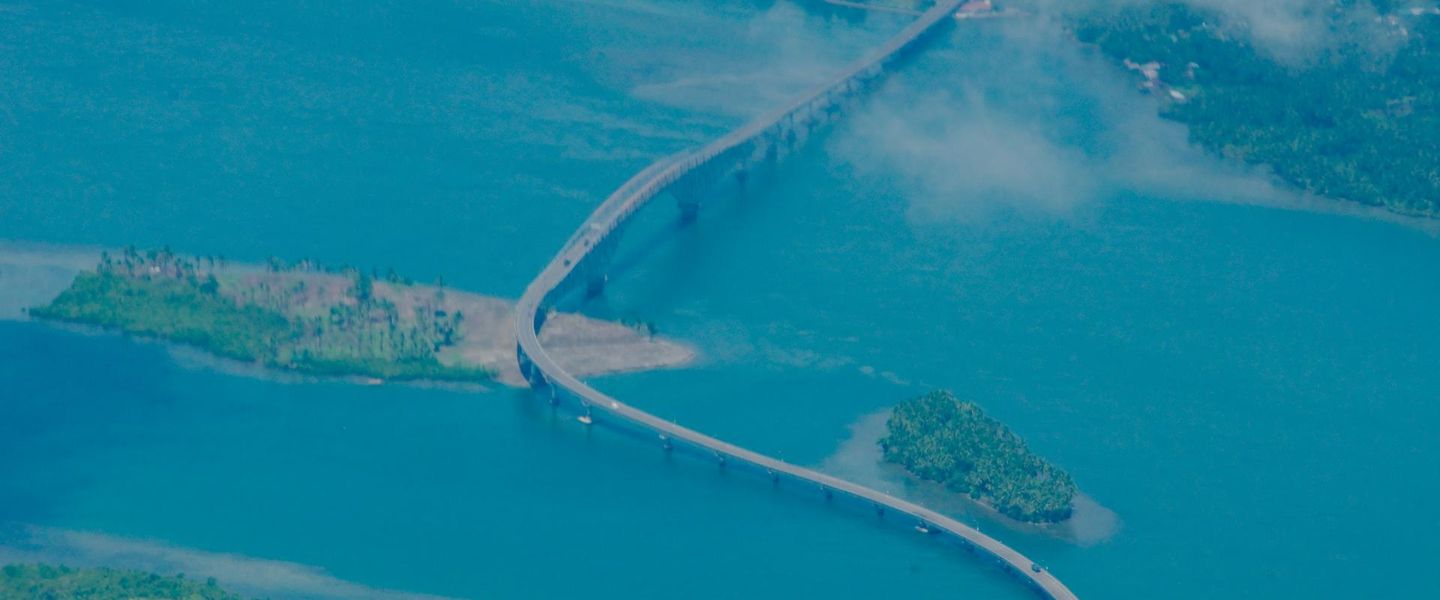


Explore Eastern Visayas in the Philippines for Pacific coastlines, Waray culture, World War II history, forested islands and adventurous island travel.
Read more about Eastern Visayas
When is the best time to visit Eastern Visayas?
Best: March–May · 30–31°C| Month | High (°C) | Rainfall (mm) |
|---|---|---|
| January | 28 | 250 |
| February | 29 | 200 |
| March (best) | 30 | 150 |
| April (best) | 31 | 150 |
| May (best) | 31 | 150 |
| June | 30 | 200 |
| July | 29 | 200 |
| August | 29 | 210 |
| September | 29 | 220 |
| October | 29 | 250 |
| November | 29 | 230 |
| December | 29 | 250 |
Getting to and around Eastern Visayas
How to get there
Transportation
Destinations in Eastern Visayas
Resorts, valleys and scenic spots worth a trip of their own.

Swipe for more destinations
Best attractions in Eastern Visayas
Eastern Visayas offers a varied set of attractions spread across long distances. Leyte combines the historical sites of Tacloban and Palo with the San Juanico Strait, coastal resorts, diving areas and island excursions from places such as Palompon, including access to Kalanggaman Island. Southern Leyte is suited to travellers interested in marine life, waterfalls, forested hills and quieter coastal communities, while Biliran brings together volcanic landscapes, hot springs, waterfalls and boat trips to offshore islands such as Sambawan. Samar’s limestone country is represented by the Sohoton Caves and Natural Bridge Park in Basey, where river travel, karst scenery and guided cave visits form the central experience. Eastern Samar offers Pacific beaches, surfing around Borongan and Guiuan, and the historic islands associated with Homonhon and Suluan. Northern Samar is known for coastal scenery, Biri’s weather-shaped rock formations and the old island settlement of Capul. Outdoor activities are strongly weather-dependent, and local guides are often necessary for caves, reefs, rivers and less accessible beaches.
-
Bridge
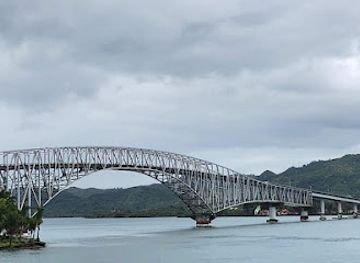
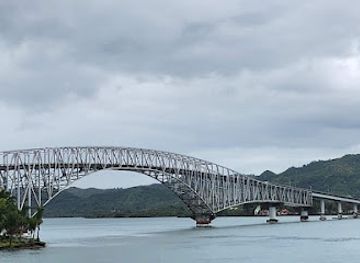
San Juanico Bridge
Experience the stunning views and rich history of San Juanico Bridge, the longest bridge in the Philippines connecting Leyte and Samar.
-
Bridge
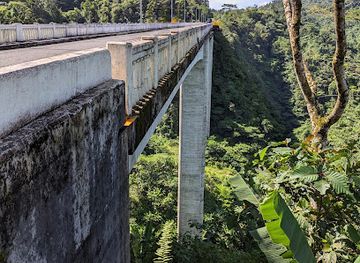
Agas-Agas Bridge
Explore the breathtaking heights of Agas-Agas Bridge in Southern Leyte, a stunning engineering feat with spectacular views and local charm.
-
National park
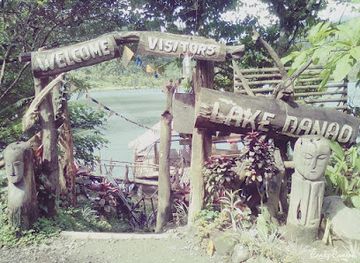
Lake Danao Natural Park
Explore Lake Danao Natural Park in Leyte, a serene national park featuring a stunning lake and lush landscapes perfect for adventure and relaxation.
-
Tourist attraction
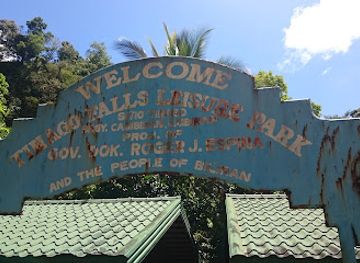
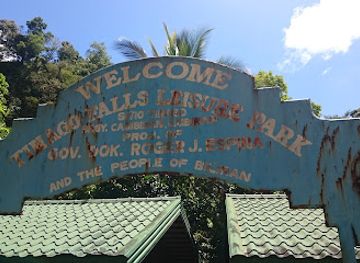
Tinago Falls
Explore Tinago Falls in Biliran—an enchanting waterfall oasis framed by lush greenery, perfect for adventure and relaxation in nature's embrace.
Best landmarks in Eastern Visayas
The MacArthur Landing Memorial National Park at Red Beach in Palo, Leyte, is Eastern Visayas’ most recognisable historical landmark, commemorating the Allied return to the Philippines in 1944 with its monumental landing figures facing Leyte Gulf. In nearby Tacloban, the Santo Niño Shrine and Heritage Museum reflects the public and political history of the late twentieth century, while the San Juanico Bridge forms a major visual marker between Leyte and Samar. Eastern Samar’s Homonhon Island and Suluan are associated with the 1521 arrival of Magellan’s expedition and carry significance within the history of global maritime exploration. In Northern Samar, Biri Island’s enormous natural rock formations are landmarks created by the meeting of the Pacific and the San Bernardino Strait. Samar’s Sohoton karst landscape, including its natural bridge and cave systems, demonstrates the geological character of the island’s interior. Capul’s historic church and Spanish-era coastal setting add a different kind of landmark, linking architecture, island settlement and maritime history.
-
Bridge
San Juanico Bridge
Discover the stunning San Juanico Bridge, an engineering marvel connecting Leyte and Samar, offering breathtaking views and rich cultural heritage.
-
Hiking area
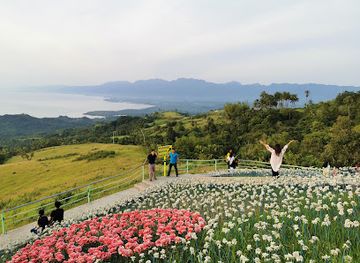
Lintaon Peak
Discover the breathtaking beauty of Lintaon Peak in Leyte, a must-visit hiking destination with stunning views and serene landscapes.
-
Tourist attraction
Tinago Falls
Experience the enchanting beauty of Tinago Falls in Biliran, a hidden gem perfect for adventure seekers and nature lovers alike.
-
Tourist attraction
Canhugas Nature Park
Explore Canhugas Nature Park in Eastern Samar, a serene escape with lush landscapes and diverse wildlife perfect for nature lovers and adventurers.
Explore Eastern Visayas on the map
Plan your trip on one map. See where the top cities, national parks and sights are, and book hotels and experiences in a few clicks.
Best hotels in Eastern Visayas
Best restaurants in Eastern Visayas
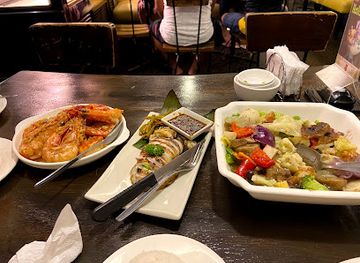
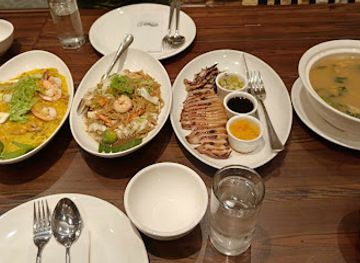
Food in Eastern Visayas reflects Waray and wider Visayan cooking, with rice, seafood, coconut, root crops and pork appearing frequently in home-style meals and local eateries. Tacloban and the larger provincial capitals have the broadest choice, from casual carinderias and bakeries to contemporary restaurants, while smaller coastal towns concentrate on grilled fish, shellfish, noodle dishes and simple rice plates. Regional sweets and snacks include binagol, a sweet taro preparation traditionally associated with Leyte; moron, a chocolate-flavoured rice delicacy; and sagmani, a cassava-based treat found in the area. Recipes differ from province to province, so market stalls and family-run food shops can be as informative as formal restaurants. Fresh coconut, bananas, seafood and locally grown vegetables are common, while coffee, beer and soft drinks are widely available. Ask about ingredients where dishes contain seafood, nuts or pork, and expect menus to be more limited in remote islands and rural municipalities.
-
Restaurant
Ochó Seafood and Grill
Discover authentic Filipino cuisine at Ochó Seafood and Grill in Tacloban City—where every dish tells a story.
-
Restaurant
Gerry's Grill - Catarman
Experience authentic Filipino flavors at Gerry's Grill - Catarman, where every meal is a celebration of taste and hospitality.
-
Seafood
Pagatpat Seafoods Restaurant
Experience authentic Filipino seafood cuisine amidst stunning mangrove views at Pagatpat Seafoods Restaurant in Matalom, Leyte.
-
Restaurant
Seafood & Ribs Warehouse Restaurant
Experience fresh seafood and succulent ribs at Leyte's finest dining destination, Seafood & Ribs Warehouse Restaurant.
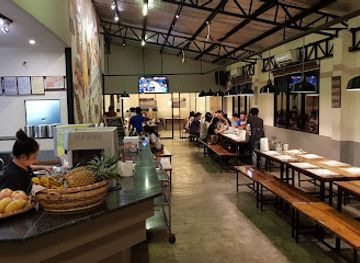
Best bars in Eastern Visayas
Nightlife is concentrated in Tacloban and the larger provincial capitals rather than spread evenly across Eastern Visayas. Tacloban has the region’s broadest selection of casual bars, karaoke venues, cafés, restaurants and places with live music, with activity generally greatest at weekends. In cities such as Catbalogan, Calbayog, Borongan and Maasin, evening life is more likely to centre on neighbourhood bars, food parks, karaoke and restaurants than on large clubs. Coastal resorts and surfing areas in Eastern Samar may offer relaxed evening gatherings, but entertainment is often seasonal and weather-dependent. In smaller towns and islands, the evening usually becomes quieter after dinner, with family visits, local eateries and occasional community events providing the main social setting. Check current arrangements locally, particularly after severe weather, and avoid assuming that a remote beach has late transport or a large nightlife scene.
-
Restaurant
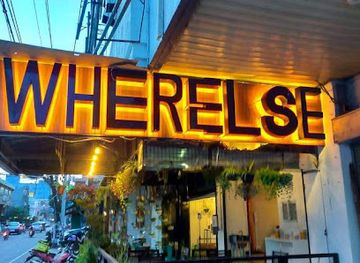
WHERELSE
Experience Tacloban's vibrant culinary scene at WHERELSE, where local flavors meet a lively atmosphere in a delightful dining experience.
-
Beer Garden
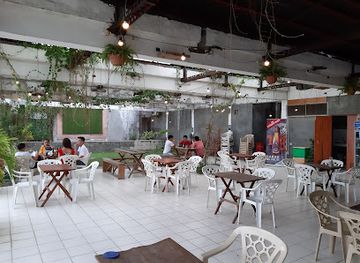
Aguz Beer Garden
Experience the best of Tacloban's nightlife at Aguz Beer Garden, where great beers meet vibrant atmosphere.
-
Coffee shop
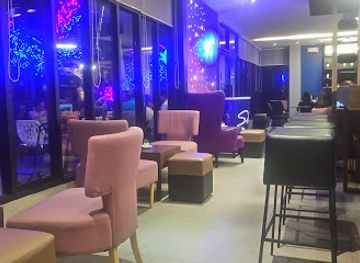
Skye coffee + wine
Discover Skye Coffee + Wine in Tacloban City, where exquisite coffee meets fine wines in a cozy, artistic atmosphere.
-
Bar
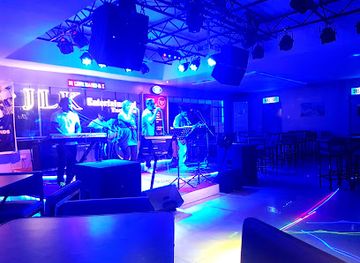
Jlk Tacloban
Discover the lively atmosphere and diverse drink selection at Jlk Tacloban, a must-visit bar in the heart of Tacloban City.
Best nightclubs in Eastern Visayas
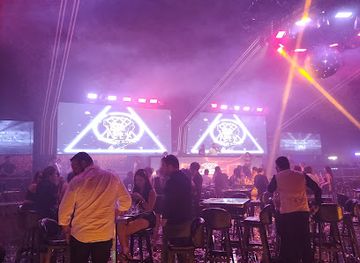
Nightlife is concentrated in Tacloban and the larger provincial capitals rather than spread evenly across Eastern Visayas. Tacloban has the region’s broadest selection of casual bars, karaoke venues, cafés, restaurants and places with live music, with activity generally greatest at weekends. In cities such as Catbalogan, Calbayog, Borongan and Maasin, evening life is more likely to centre on neighbourhood bars, food parks, karaoke and restaurants than on large clubs. Coastal resorts and surfing areas in Eastern Samar may offer relaxed evening gatherings, but entertainment is often seasonal and weather-dependent. In smaller towns and islands, the evening usually becomes quieter after dinner, with family visits, local eateries and occasional community events providing the main social setting. Check current arrangements locally, particularly after severe weather, and avoid assuming that a remote beach has late transport or a large nightlife scene.
-
Night club
Club FLEX
Discover the electrifying nightlife at Club FLEX, Mandaue City’s premier night club offering exceptional cocktails and upbeat music in a vibrant atmosphere.
-
Night club
Club Tipsy Cebu
Dance the night away at Club Tipsy Cebu, where vibrant music, exquisite drinks, and an electric atmosphere await in Mandaue City.
-
Night club
APEX Super Club
Discover the vibrant nightlife at APEX Super Club in Mandaue City, Cebu, where electrifying music and signature cocktails create an unforgettable experience.
-
Night club
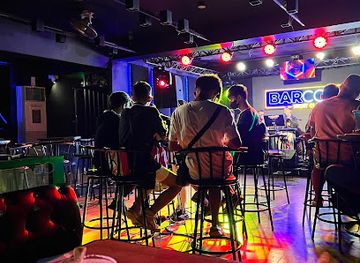
Barcode Resto Grill
Discover the lively nightlife at Barcode Resto Grill in Tacloban City, where great food meets an energetic atmosphere for unforgettable evenings.


Best shops in Eastern Visayas
Shopping in Eastern Visayas is centred on public markets, town high streets, supermarkets and independent stalls rather than major luxury retail. Tacloban has the widest urban choice, including department stores, cafés, pharmacies and shops selling regional food products, while provincial capitals provide practical clothing, household goods and local produce. Markets are good places to look for dried fish, coconut products, rice delicacies, bananas, root crops and seasonal fruit, although packaging and transport should be considered when buying food for travel. Handicrafts, woven items, shell-based products and small souvenirs appear in tourist areas, but quality and provenance vary; avoid purchasing coral, archaeological material or products made from protected wildlife. In coastal and island communities, locally produced snacks and simple craft goods are more meaningful purchases than generic souvenirs. Carry cash for markets and rural shops, and expect opening arrangements and product availability to vary between towns.
-
Shopping mall
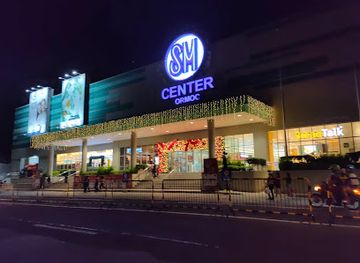
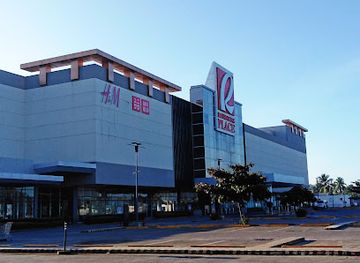
SM city Center Ormoc
Experience shopping, dining, and entertainment at SM City Center Ormoc, the premier shopping mall in Leyte, Philippines.
-
Toy store
Toys"R"Us Tacloban
Experience joy and nostalgia at ToysRUs Tacloban, your ultimate destination for toys and games in the heart of Leyte.
-
Shopping mall
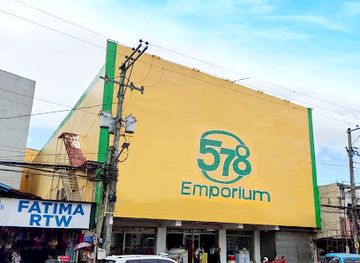
578 Emporium Main
Discover vibrant shopping, dining, and local culture at 578 Emporium Main in Tacloban City, a must-visit mall for every tourist.
-
Grocery store
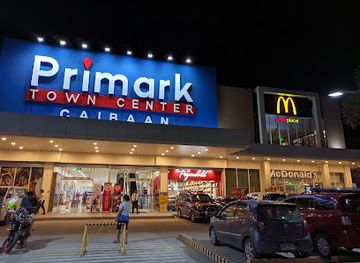
Savemore Market Primark Caibaan
Explore Savemore Market Primark Caibaan for a taste of local culture with diverse groceries and unique Filipino ingredients in Tacloban City.
Get your free copy of our complete guide to Eastern Visayas, delivered straight to you.
Everything on this page, from attractions and restaurants to essentials and local phrases, in one PDF you can read offline, print or share.
Already have an account? Sign in
Your Eastern Visayas guide is ready.
We'll send it to · Not you? Sign out

Getting your guide ready…
We are putting together a fresh copy of the Eastern Visayas guide. This can take up to a minute.
This can take a few moments. If your browser asks, choose Allow so the download can start. You'll find the guide in your Downloads folder.
Nothing happened? Download it again
Sorry, the guide is taking longer than usual. Please try again in a minute, or get it by email instead.
Eastern Visayas essentials
Currency and Payment
Safety
Emergency Situations
Do's and Don'ts
Local Tips
From Eve
Local phrases worth knowing
You don't need to get them perfect. A few words go a long way, and locals appreciate the effort.
Basics
| English | Local | Say it |
|---|---|---|
| Hello | Kumusta | [koo-moos-tah] |
| Goodbye | Paalam | [pah-ah-lahm] |
| Yes | Oo | [oh-oh] |
| No | Hindi | [hin-dee] |
| Please/You're welcome | Sige | [see-ge] |
| Thank you | Salamat | [sah-lah-maht] |
| Excuse me/Sorry | Pasensya na | [pah-sen-shah nah] |
| How are you? | Kumusta ka? | [koo-moos-tah kah] |
| Fine. And you? | Mayo. Ikaw? | [mah-yoh. ee-kaw] |
| Do you speak English? | Nagsasalita ka ba ng Ingles? | [nagh-sah-sah-lee-tah kah bah ng ing-les] |
| I don't understand | Wala akong maintindihan | [wah-lah ah-kong mah-een-tin-dee-han] |
Eating & Drinking
| English | Local | Say it |
|---|---|---|
| I'd like to see the menu, please | Gusto kong makita ang menu, palihug | [goos-toh kong mah-kee-tah ang meh-noo, pah-lee-hoog] |
| I don't eat meat | Dili ko mokaon og karne | [dee-lee koh moh-kah-on og kar-neh] |
| Cheers! | Tagay! | [tah-gah-ee] |
| I would like to pay, please | Gusto ko magbayad, palihug | [goos-toh koh mag-bah-yad, pah-lee-hoog] |
Emergencies
| English | Local | Say it |
|---|---|---|
| Help! | Tabang! | [tah-bahng] |
| Go away! | Palayo! | [pah-lah-yoh] |
| Call the Police! | Tawga ang pulis! | [taw-gah ang poo-lees] |
| Call a doctor! | Tawga ang doktor! | [taw-gah ang dok-tor] |
| I'm lost | Nawala ko | [nah-wah-lah koh] |
| I'm ill | Masakit ko | [mah-sah-kit koh] |
Shopping
| English | Local | Say it |
|---|---|---|
| I'd like to buy... | Gusto kong mopalit... | [goos-toh kong moh-pah-lit] |
| I'm just looking | Nangita lang ko | [nah-gee-tah lang koh] |
| How much is it? | Tagpila ni? | [tag-pee-lah nee] |
| That's too expensive | Sobra ka mahal | [soh-brah kah mah-hal] |
| Can you lower the price? | Pwede nimo ibus ang presyo? | [pweh-deh nee-moh ee-boos ang pres-yo] |
Time & Numbers
| English | Local | Say it |
|---|---|---|
| What time is it? | Unsay oras? | [oon-sigh oh-ras] |
| It's one o'clock | Alas uno | [ah-lahs oo-no] |
| Half past (10) | Alas diyes y medya | [ah-lahs dee-yes ee meh-dyah] |
| Morning | Buntag | [boon-tahg] |
| Afternoon | Hapon | [hah-pon] |
| Evening | Gabi-i | [gah-bee-ee] |
| Yesterday | Kahapon | [kah-hah-pon] |
| Today | Karong adlawa | [kah-rong ahd-lah-wah] |
| Tomorrow | Ugma | [oog-mah] |
| 1 | Usa | [oo-sah] |
| 2 | Duha | [doo-hah] |
| 3 | Tulo | [too-loh] |
| 4 | Upat | [oo-paht] |
| 5 | Lima | [lee-mah] |
| 6 | Unom | [oo-nom] |
| 7 | Pito | [pee-toh] |
| 8 | Walo | [wah-loh] |
| 9 | Nueve | [nweh-veh] |
| 10 | Sampo | [sahm-poh] |
Transport & Directions
| English | Local | Say it |
|---|---|---|
| Where's a/the...? | Asa ang...? | [ah-sah ang] |
| What's the address? | Unsay address? | [oon-sigh ah-dres] |
| Can you show me (on the map)? | Pwede nimo ipakita nako (sa mapa)? | [pweh-deh nee-moh ee-pah-kee-tah nah-koh (sah mah-pah)] |
| When's the next (bus)? | Kanus-a ang sunod (bus)? | [kah-noos-ah ang soo-nod (boos)] |
| A ticket (to ....) | Usa ka tiket (paingon sa....) | [oo-sah kah tee-ket (pah-ee-ngon sah....)] |
History of Eastern Visayas
Early Austronesian settlement and maritime exchange
Long before Spanish rule, the islands of Eastern Visayas were inhabited by Austronesian-speaking communities whose livelihoods combined farming, fishing, forest gathering and inter-island trade. The region’s waterways linked settlements along Leyte Gulf, the San Juanico Strait and the Pacific-facing coasts, while archaeological evidence elsewhere in the Visayas places the islands within wider networks of pottery, tools and maritime exchange. Communities developed varied local identities rather than a single political kingdom, and coastal life remained closely tied to boats, seasonal weather and trade with neighbouring islands.
Homonhon, Suluan and the 1521 expedition
In March 1521, the expedition led by Ferdinand Magellan reached islands now identified with Eastern Samar, traditionally associated with Homonhon and Suluan, during the first recorded circumnavigation of the world. The voyage was not the beginning of Philippine history, but it created an early European record of contact with communities in the eastern Visayas. The expedition then continued westwards, and the events that followed elsewhere in the archipelago opened a period of Spanish involvement. Homonhon and Suluan are therefore important sites in the region’s global maritime history.
Spanish missions and colonial coastal settlements
Spanish colonial rule expanded unevenly across Leyte and Samar from the sixteenth century, with missionaries and colonial officials establishing parishes and settlements along navigable coasts and rivers. Churches, town plans and religious festivals became enduring parts of local life, although the process also brought coercive administration, tribute demands and disruption to existing communities. The islands’ difficult terrain limited colonial control in many inland areas. Coastal towns such as Guiuan, Basey, Palo and others developed as religious, agricultural and maritime centres within the wider Spanish Philippines.
The American period and changing communications
After Spain’s defeat in the Spanish-American War and the subsequent Philippine-American conflict, Eastern Visayas became part of the American-administered Philippines. Education, public health and new forms of local government expanded, while roads, ports and communications gradually connected towns more closely. The region remained predominantly agricultural, with coconut, abaca, rice and fishing supporting many communities. American rule also altered political institutions and encouraged migration and commercial links, but it did not erase the linguistic and cultural distinction of Waray-speaking areas.
Leyte Gulf and the Allied return, 1944
Eastern Visayas was central to the Second World War in the Philippines. On 20 October 1944, General Douglas MacArthur and Allied forces landed at Red Beach in Palo, Leyte, beginning the campaign to retake the archipelago from Japanese occupation. The subsequent Battle of Leyte Gulf, fought across waters around Leyte and Samar, was one of the largest naval battles in history. War, occupation and civilian hardship left deep scars, while memorials, museums and the MacArthur Landing Memorial National Park preserve the region’s role in the Allied return.
San Juanico Bridge and regional integration
Opened in 1973, San Juanico Bridge connected Leyte and Samar across the San Juanico Strait and became one of the Philippines’ most recognisable infrastructure landmarks. Its construction strengthened road links between Tacloban, western Samar and the wider national transport network, reducing dependence on water crossings for travellers between the two islands. The bridge also acquired symbolic importance as a visible expression of regional connection, while the strait beneath it remains a working maritime environment bordered by small communities and mangrove-fringed shores.
Typhoon Haiyan and reconstruction
Typhoon Haiyan, known locally as Yolanda, struck Eastern Visayas in November 2013 with catastrophic winds, storm surges and flooding. Tacloban and coastal communities in Leyte, Samar and nearby provinces suffered extensive loss of life, housing, infrastructure and livelihoods. The disaster prompted a major international relief and reconstruction effort, but recovery has also depended on local organisations, families and municipal authorities. Its legacy remains visible in memorials, rebuilt public spaces, coastal resilience projects and continuing discussions about evacuation, land use and the risks faced by Pacific-facing communities.
Eastern Visayas in Photos
Browse through our photo collection highlighting the charm and character of the destination.
Neighbouring regions of Eastern Visayas
The closest regions to Eastern Visayas, if you have time for more than one.
-

-

-

-

-


Swipe for more regions
Explore more
Explore more of Philippines
Discover the Philippines: A tropical paradise of islands, rich history, and warm hospitality, perfect for adventurers and relaxation seekers alike.
Explore Philippines