

Free Visayas Travel Guide & Mobile App
Explore Visayas with free travel guides. Discover regional history, expert tips, proposed trips, and audio guides on web or mobile app.


Explore the Philippines’ Visayas for island-hopping, historic cities, coral seas, mountain scenery and distinctive Cebuano, Hiligaynon and Waray food cultures.
Read more about Visayas
When is the best time to visit Visayas?
Best: February–April · 29–32°C| Month | High (°C) | Rainfall (mm) |
|---|---|---|
| January | 29 | 120 |
| February (best) | 29 | 95 |
| March (best) | 31 | 80 |
| April (best) | 32 | 80 |
| May | 32 | 110 |
| June | 31 | 160 |
| July | 31 | 160 |
| August | 31 | 160 |
| September | 31 | 160 |
| October | 30 | 140 |
| November | 30 | 130 |
| December | 30 | 130 |
Getting to and around Visayas
How to get there
Transportation
Top city travel guides in Visayas
The cities of Visayas, and the easiest places to base yourself.
-

-

-

-

-

-


Swipe for more cities
Destinations in Visayas
Resorts, valleys and scenic spots worth a trip of their own.
-

-

-

-

-


Swipe for more destinations
Best attractions in Visayas
The Visayas offers a wide range of experiences across its islands rather than a single concentrated sightseeing circuit. Cebu combines Spanish-period heritage in Cebu City with mountain landscapes, diving centres and coastal excursions elsewhere on the island. Bohol’s Chocolate Hills, tarsier habitat, river scenery, caves and coral islands make it one of the region’s most varied destinations. Panay brings together Iloilo’s museums and heritage districts, Antique’s upland and coastal landscapes, and the beaches of northern and western Panay. Negros offers the food culture of Bacolod, former sugar-country landscapes, diving around its coasts and highland scenery near the volcanic interior. Leyte and Samar are important for wartime history, waterfalls, forests, caves and limestone coastlines, while Siquijor is suited to slower island travel, swimming and coastal exploration. Boracay is highly developed for beach holidays and water sports. Across the region, marine sanctuaries, mangroves, reefs, mountain trails, festivals and local markets reward visitors who allow time for community-based experiences rather than moving only between major resorts.
-
Historical landmark
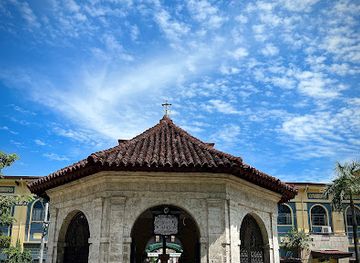
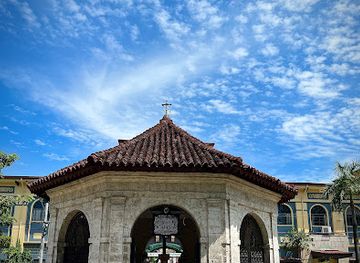
Magellan's Cross
Explore Magellan's Cross, a historic landmark in Cebu City that marks the dawn of Christianity in the Philippines with rich cultural significance.
-
Tourist attraction
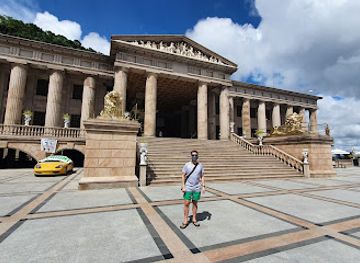
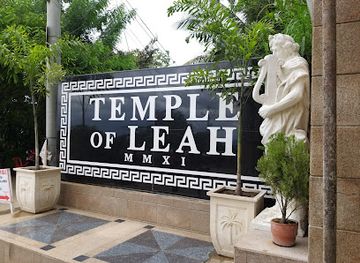
Temple of Leah
Discover the enchanting Temple of Leah in Cebu, a stunning tribute to love surrounded by breathtaking landscapes and rich cultural heritage.
-
 Museum
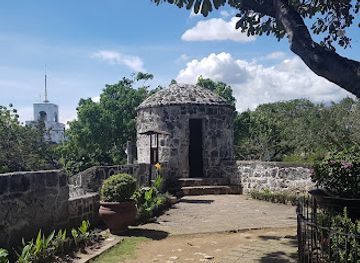
Fort San Pedro
Discover the historical significance of Fort San Pedro, Cebu's oldest fort, where stunning architecture meets lush gardens in a captivating cultural experience.
-
Scenic spot
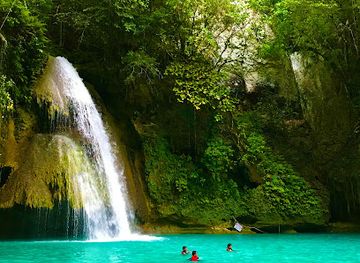
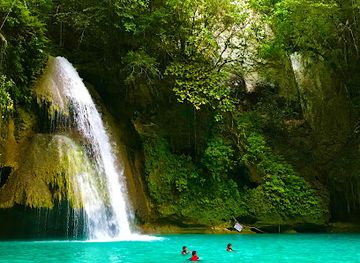
Kawasan Falls
Explore the stunning turquoise waters and lush surroundings of Kawasan Falls, a breathtaking natural wonder in Cebu, Philippines.
Best landmarks in Visayas
The Basilica Minore del Santo Niño and Magellan’s Cross in Cebu City are among the Visayas’ most recognisable historical landmarks, linking the city to the arrival of Spanish colonial rule and the enduring Sinulog devotion. In Bohol, the Loboc Church and the church of San Agustin in Panglao illustrate the region’s Spanish-period religious architecture, while the Chocolate Hills form its most distinctive natural landmark. Iloilo City’s Calle Real and surrounding heritage buildings record the wealth generated by nineteenth-century commerce, and the Molo Church is a prominent example of regional Gothic Revival architecture. Bacolod and nearby Negros preserve landmarks associated with the sugar economy, including historic houses and estates, while Guimaras is defined visually by its cultivated hills and coastal waters. On Leyte, the MacArthur Landing Memorial National Park at Palo commemorates the 1944 return of Allied forces. Samar’s Sohoton Natural Bridge National Park presents a different kind of landmark: a dramatic landscape of caves, limestone formations, forest and waterways.
-
Historical landmark
Magellan's Cross
Explore Magellan's Cross, a historical monument in Cebu City symbolizing the arrival of Christianity in the Philippines, filled with culture and heritage.
-
Tourist attraction
Temple of Leah
Discover the enchanting Temple of Leah in Cebu, a stunning tribute to love with magnificent architecture and breathtaking views.
-
Museum
Fort San Pedro
Explore Fort San Pedro in Cebu City, the oldest fort in the Philippines, where history, culture, and stunning views come together.
-
Scenic spot
Kawasan Falls
Experience the breathtaking beauty of Kawasan Falls, a stunning three-tiered waterfall in Cebu's lush landscape, perfect for adventure and relaxation.
Explore Visayas on the map
Plan your trip on one map. See where the top cities, national parks and sights are, and book hotels and experiences in a few clicks.
Best hotels in Visayas
Best restaurants in Visayas
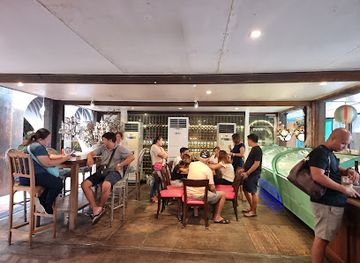
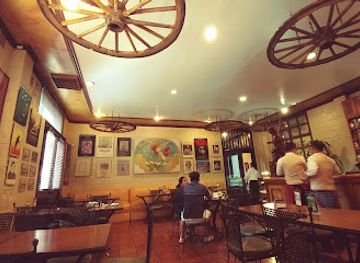
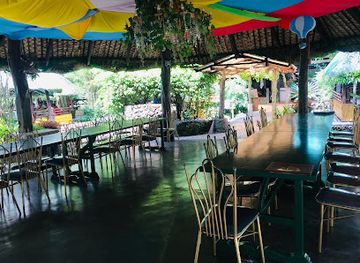
Visayan food differs noticeably between islands and reflects seafood, rice agriculture, tropical produce, Spanish colonial influences and long-standing inter-island trade. Cebu is widely associated with lechon, while Cebu City and other towns also offer grilled seafood, puso rice wrapped in woven leaves and hearty noodle dishes. Iloilo is known for batchoy, pancit molo and a strong heritage of panciterias, bakeries and family-run eateries; Guimaras is associated with mangoes and mango-based products. Bacolod’s chicken inasal is central to the city’s dining identity, and Negros also has sugar-influenced desserts and widely available local produce. Coastal towns serve fish, shellfish and kinilaw, raw seafood cured with vinegar and citrus, though preparation and freshness vary. Markets, carinderias, cafés, bakeries, hotel restaurants and rural eateries provide the broadest picture of everyday dining. Visitors should try regional dishes in their local setting while remembering that Filipino menus overlap across provinces and are not always exclusive to one island.
-
Buffet
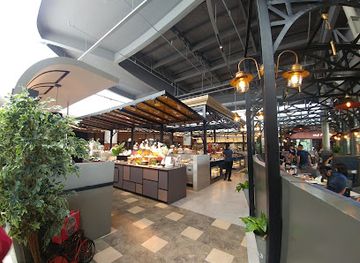
Vikings Luxury Buffet - SM City Iloilo Southpoint
Experience the ultimate culinary journey at Vikings Luxury Buffet in Iloilo City – where indulgence meets exceptional flavors.
-
French
La Vie Parisienne
Experience the delightful fusion of French cuisine and local flavors at La Vie Parisienne in Cebu City.
-
Filipino
Ilustrado Restaurant
Experience authentic Filipino flavors amidst the historical charm of Intramuros at Ilustrado Restaurant.
-
Seafood
Kamayan sa Palaisdaan
Discover authentic Filipino seafood dining at Kamayan sa Palaisdaan in Tayabas – where tradition meets taste amidst nature.
Best bars in Visayas
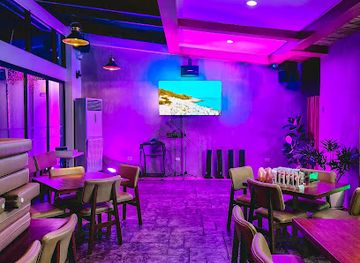
Nightlife in the Visayas ranges from busy urban entertainment to relaxed evenings in coastal towns. Cebu City has the region’s broadest selection of bars, live music, restaurants and late-night venues, while Iloilo City and Bacolod offer established dining, café and bar scenes shaped by their large urban populations. Dumaguete benefits from a youthful university atmosphere, and beach areas in Boracay and parts of Cebu and Bohol have resort bars and seasonal evening entertainment. In smaller islands, nightlife usually centres on family-run restaurants, roadside cafés, resorts, karaoke and traditional pubs rather than large clubs. Craft breweries and cocktail bars can be found in the main cities, but the regional drinking culture is not limited to alcohol: coffee shops, food markets, live acoustic music and evening promenades are also important. Check transport arrangements before staying out late, particularly where tricycles or ferries are the main local connections.
-
Grill
Top Floor
Discover Top Floor in Quezon City, where an exceptional grill experience meets stunning views and vibrant nightlife.
-
Bar
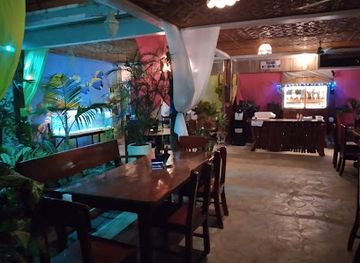
Hr musicbar
Discover the vibrant nightlife of Bantayan Island at Hr Musicbar, where great music and refreshing drinks create unforgettable moments.
-
Bar
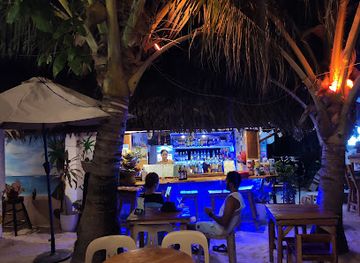
Two Palms Restobar
Experience the flavors of Cebu at Two Palms Restobar, a beachfront bar on Bantayan Island perfect for relaxation and culinary indulgence.
-
Bar
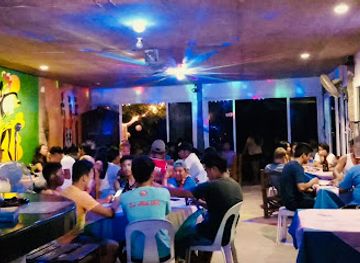
KANIMAMBO
Experience the vibrant nightlife and stunning views at KANIMAMBO, the go-to bar in Santa Fe, Bantayan Island, for relaxation and socializing.
Best nightclubs in Visayas
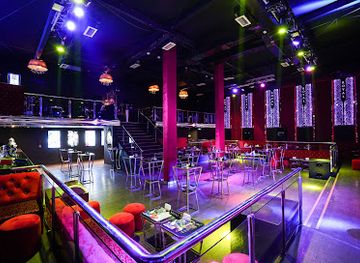
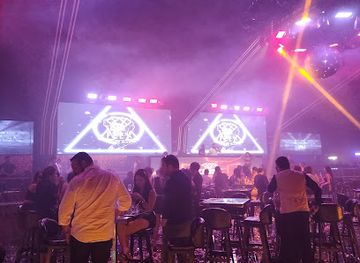
Nightlife in the Visayas ranges from busy urban entertainment to relaxed evenings in coastal towns. Cebu City has the region’s broadest selection of bars, live music, restaurants and late-night venues, while Iloilo City and Bacolod offer established dining, café and bar scenes shaped by their large urban populations. Dumaguete benefits from a youthful university atmosphere, and beach areas in Boracay and parts of Cebu and Bohol have resort bars and seasonal evening entertainment. In smaller islands, nightlife usually centres on family-run restaurants, roadside cafés, resorts, karaoke and traditional pubs rather than large clubs. Craft breweries and cocktail bars can be found in the main cities, but the regional drinking culture is not limited to alcohol: coffee shops, food markets, live acoustic music and evening promenades are also important. Check transport arrangements before staying out late, particularly where tricycles or ferries are the main local connections.
-
Disco club
Club Galaxy
Explore the electrifying nightlife of Boracay at Club Galaxy, where vibrant music and thrilling dance await you every night.
-
Night club
Royal Club
Discover Makati's Royal Club, where vibrant nightlife, electrifying music, and luxurious ambiance collide for an unforgettable experience.
-
Karaoke bar
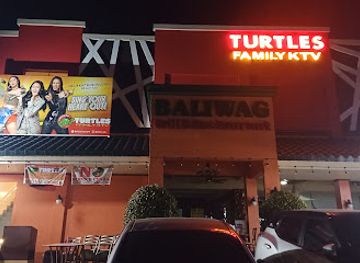
Turtles Family KTV
Experience the joy of karaoke at Turtles Family KTV, where fun and music unite in Quezon City for an unforgettable night out.
-
Night club
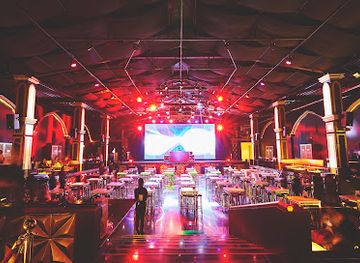
Club FLEX
Dive into the electrifying nightlife of Cebu at Club FLEX, where music, dance, and unforgettable memories await every night.
Best shops in Visayas
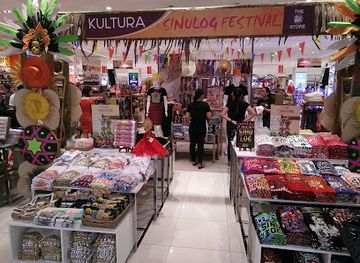
Shopping in the Visayas is strongest in its regional cities, market towns and food-producing communities. Cebu City has large malls, department stores, independent boutiques and craft retailers, while Iloilo’s older commercial streets and markets offer textiles, food products, household goods and locally made items alongside modern retail. Bacolod is a useful base for buying Negrense sweets, pastries and sugar-related products, and Guimaras is known for mangoes and preserved or processed mango goods. Public markets across the islands are the best places to see everyday produce, seafood, woven containers and practical local commerce, though packaging and transport should be considered when buying food. Panay and nearby islands have weaving traditions and craft products, while heritage districts in major cities contain galleries, bookshops and small design stores. In beach destinations, souvenirs range from woven goods to resort merchandise; choose products that do not use coral, protected shells or wildlife parts. Seasonal market arrangements and individual shops change, so ask locally for current opening days.
-
Shopping mall
SM Mall of Asia
Explore the vibrant shopping, dining, and entertainment scene at SM Mall of Asia, one of the largest malls in the world, along Manila Bay.
-
Shopping mall
SM Seaside City Cebu
Discover shopping, dining, and entertainment at SM Seaside City Cebu, the premier shopping destination with stunning coastal views.
-
Shopping mall
SM City Iloilo
Discover a shopping paradise at SM City Iloilo, where diverse stores meet delightful dining and entertainment options in the heart of Iloilo City.
-
Toy store
Toys"R"Us
Discover a magical toy shopping experience at Toys 'R' Us in Cebu, where every aisle is filled with fun and excitement for all ages.
Get your free copy of our complete guide to Visayas, delivered straight to you.
Everything on this page, from attractions and restaurants to essentials and local phrases, in one PDF you can read offline, print or share.
Already have an account? Sign in
Your Visayas guide is ready.
We'll send it to · Not you? Sign out

Getting your guide ready…
We are putting together a fresh copy of the Visayas guide. This can take up to a minute.
This can take a few moments. If your browser asks, choose Allow so the download can start. You'll find the guide in your Downloads folder.
Nothing happened? Download it again
Sorry, the guide is taking longer than usual. Please try again in a minute, or get it by email instead.
Visayas essentials
Currency and Payment
Safety
Emergency Situations
Do's and Don'ts
Local Tips
From Eve
Local phrases worth knowing
You don't need to get them perfect. A few words go a long way, and locals appreciate the effort.
Basics
| English | Local | Say it |
|---|---|---|
| Hello | Kumusta | [koo-moos-tah] |
| Goodbye | Paalam | [pah-ah-lahm] |
| Yes | Oo | [oh-oh] |
| No | Dili | [dee-lee] |
| Please/You're welcome | Palihug | [pah-lee-hoog] |
| Thank you | Salamat | [sah-lah-maht] |
| Excuse me/Sorry | Pasensya | [pah-sen-shah] |
| How are you? | Kumusta ka? | [koo-moos-tah kah] |
| Fine. And you? | Maayo. Ikaw? | [mah-ah-yoh. ee-kaw] |
| Do you speak English? | Naga-Ingles ka? | [nah-gah-een-glehs kah] |
| I don't understand | Wala ko kasabot | [wah-lah koh kah-sah-boht] |
Eating & Drinking
| English | Local | Say it |
|---|---|---|
| I'd like to see the menu, please | Gusto ko makita ang menu, palihug | [goos-toh koh mah-kee-tah ahng meh-noo, pah-lee-hoog] |
| I don't eat meat | Dili ko mokaon ug karne | [dee-lee koh moh-kah-ohn oog kar-neh] |
| Cheers! | Tagay! | [tah-gai] |
| I would like to pay, please | Gusto ko magbayad, palihug | [goos-toh koh mahg-bah-yahd, pah-lee-hoog] |
Emergencies
| English | Local | Say it |
|---|---|---|
| Help! | Tabang! | [tah-bahng] |
| Go away! | Uli na! | [oo-lee nah] |
| Call the Police! | Tawga ang Pulis! | [taw-gah ahng poo-lees] |
| Call a doctor! | Tawga ang doktor! | [taw-gah ahng dok-tor] |
| I'm lost | Nawala ko | [nah-wah-lah koh] |
| I'm ill | Masakit ko | [mah-sah-kit koh] |
Shopping
| English | Local | Say it |
|---|---|---|
| I'd like to buy... | Gusto ko mupalit... | [goos-toh koh moo-pah-leet] |
| I'm just looking | Naga-tan-aw lang ko | [nah-gah-tan-ahw lahng koh] |
| How much is it? | Tagpila ni? | [tahg-pee-lah nee] |
| That's too expensive | Sobra ka mahal | [soh-brah kah mah-hal] |
| Can you lower the price? | Pwede nimo ibayad ang presyo? | [pweh-deh nee-mo ee-bah-yahd ahng pres-yoh] |
Time & Numbers
| English | Local | Say it |
|---|---|---|
| What time is it? | Unsa na orasa? | [oon-sah nah oh-rah-sah] |
| It's one o'clock | Alas uno na | [ah-lahs oo-no nah] |
| Half past (10) | Katunga sa (10) | [kah-toong-gah sah (10)] |
| Morning | Buntag | [boon-tahg] |
| Afternoon | Hapon | [hah-pon] |
| Evening | Gabi-i | [gah-bee-ee] |
| Yesterday | Kahapon | [kah-hah-pon] |
| Today | Karun | [kah-roon] |
| Tomorrow | Ugma | [oog-mah] |
| 1 | Usa | [oo-sah] |
| 2 | Duha | [doo-hah] |
| 3 | Tulo | [too-loh] |
| 4 | Upat | [oo-pat] |
| 5 | Lima | [lee-mah] |
| 6 | Unom | [oo-nom] |
| 7 | Pito | [pee-toh] |
| 8 | Walo | [wah-loh] |
| 9 | Siyam | [see-yahm] |
| 10 | Sampo | [sahm-poh] |
Transport & Directions
| English | Local | Say it |
|---|---|---|
| Where's a/the...? | Asa ang...? | [ah-sah ahng] |
| What's the address? | Unsa ang adres? | [oon-sah ahng ah-dres] |
| Can you show me (on the map)? | Pwede nimo ipakita sa mapa? | [pweh-deh nee-mo ee-pah-kee-tah sah mah-pah] |
| When's the next (bus)? | Kanus-a ang sunod nga (bus)? | [kah-noos-ah ahng soo-nod ngah (bus)] |
| A ticket (to ....) | Usa ka tiket (paingon sa ...) | [oo-sah kah tee-ket (pah-ing-on sah ...)] |
History of Visayas
Austronesian maritime societies
Long before Spanish rule, the islands of the Visayas were inhabited by communities connected to the wider Austronesian world through seafaring, farming, fishing and trade. Archaeological evidence from places including Cebu, Bohol and Panay demonstrates long-established settlement and exchange, while oral traditions preserve memories of migrations, alliances and local rulers. Boats were central to movement between islands, and coastal settlements developed relationships with traders from other parts of the Philippines and maritime Southeast Asia. This maritime orientation remains one of the region’s defining historical characteristics.
Early trade and the Kedatuan of Madja-as tradition
Before Spanish colonisation, Visayan societies participated in regional commerce involving forest products, foodstuffs, ceramics and other goods. Panay is associated in later tradition with the Kedatuan of Madja-as, a polity described in the Maragtas narrative, although historians distinguish carefully between oral tradition and independently verified early history. Across the islands, settlements were governed through local political relationships rather than a single central state. Contact with Muslim, Chinese and other Southeast Asian trading networks broadened the region’s cultural and commercial connections.
The Spanish conquest and the founding of Cebu
Ferdinand Magellan reached Cebu in 1521 during the first circumnavigation of the world, an encounter that led to alliances, conversion efforts and conflict in the central Philippines. Permanent Spanish colonisation began later, with Miguel López de Legazpi establishing a settlement in Cebu in 1565. Cebu became an important base for Spanish administration, Catholic evangelisation and trade. Churches, devotional traditions and colonial institutions subsequently spread through the Visayas, although local communities retained distinct languages, customs and political identities.
Colonial ports, churches and inter-island trade
During the Spanish period, Iloilo, Cebu and other Visayan ports grew as centres of administration, commerce and religious life. Catholic churches and town plans reshaped older settlements, while coastal shipping linked agricultural districts with Manila and other Asian ports. Iloilo became especially important in the nineteenth century through textile production and export commerce; sugar later transformed parts of Negros. The period left a complex legacy of religious architecture, landholding patterns, urban elites and social inequalities that continue to influence the region.
Sugar, abaca and the nineteenth-century economy
Commercial agriculture expanded markedly in the nineteenth century. Sugar plantations and mills changed the economy and landscape of Negros, while Panay and Leyte were associated with crops including rice, coconut and abaca, a fibre used in rope and other products. Export growth encouraged new roads, ports, merchant houses and urban institutions, but plantation economies also produced sharp differences in wealth and relied on demanding labour systems. Historic houses, sugar estates and agricultural towns still provide visible reminders of this transformation.
Revolution, American rule and modern institutions
The Philippine Revolution and the end of Spanish rule brought political upheaval to the Visayas, followed by the Philippine-American War and the establishment of American administration. New systems of public education, municipal government, public health and transport developed during the twentieth century. English became influential in schools and administration, while commercial cities such as Cebu and Iloilo expanded. These changes added new layers to the region’s Spanish, indigenous and maritime heritage rather than replacing them entirely.
The Second World War in the Visayas
The Visayas was deeply affected by the Japanese occupation and the subsequent Allied campaign. Leyte was the site of General Douglas MacArthur’s return to the Philippines in October 1944, followed by the Battle of Leyte Gulf, one of the largest naval battles in history. Cebu, Panay, Negros, Samar and other islands also experienced occupation, resistance and wartime destruction. Memorials and historic sites across the region preserve the memory of military personnel and civilians affected by the conflict.
Post-war growth, migration and tourism
After 1945, the Visayas experienced rapid urbanisation, population movement and economic diversification. Cebu developed into a major commercial, educational and manufacturing centre; Iloilo and Bacolod retained important regional roles; and provincial towns became linked by improved roads, ports and airports. Tourism grew around beaches, diving, heritage, festivals and wildlife, particularly in Cebu, Bohol, Boracay and smaller islands. At the same time, typhoons, environmental pressure, uneven development and the protection of reefs and forests have remained significant regional concerns.
Visayas in Photos
Browse through our photo collection highlighting the charm and character of the destination.
Neighbouring regions of Visayas
The closest regions to Visayas, if you have time for more than one.
-

-

-

-

-


Swipe for more regions
Explore more
Explore more of Philippines
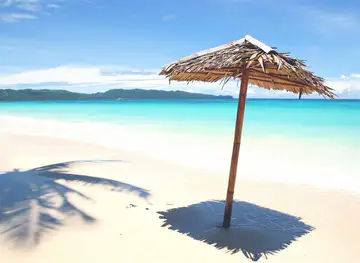
Discover the Philippines: A tropical paradise of islands, rich history, and warm hospitality, perfect for adventurers and relaxation seekers alike.
Explore Philippines