

Albufeira Travel Guide - Free Web & App
Your ultimate guide to Albufeira. Discover top landmarks, proposed trips, and local tips. Free on the web or via the Evendo companion app.


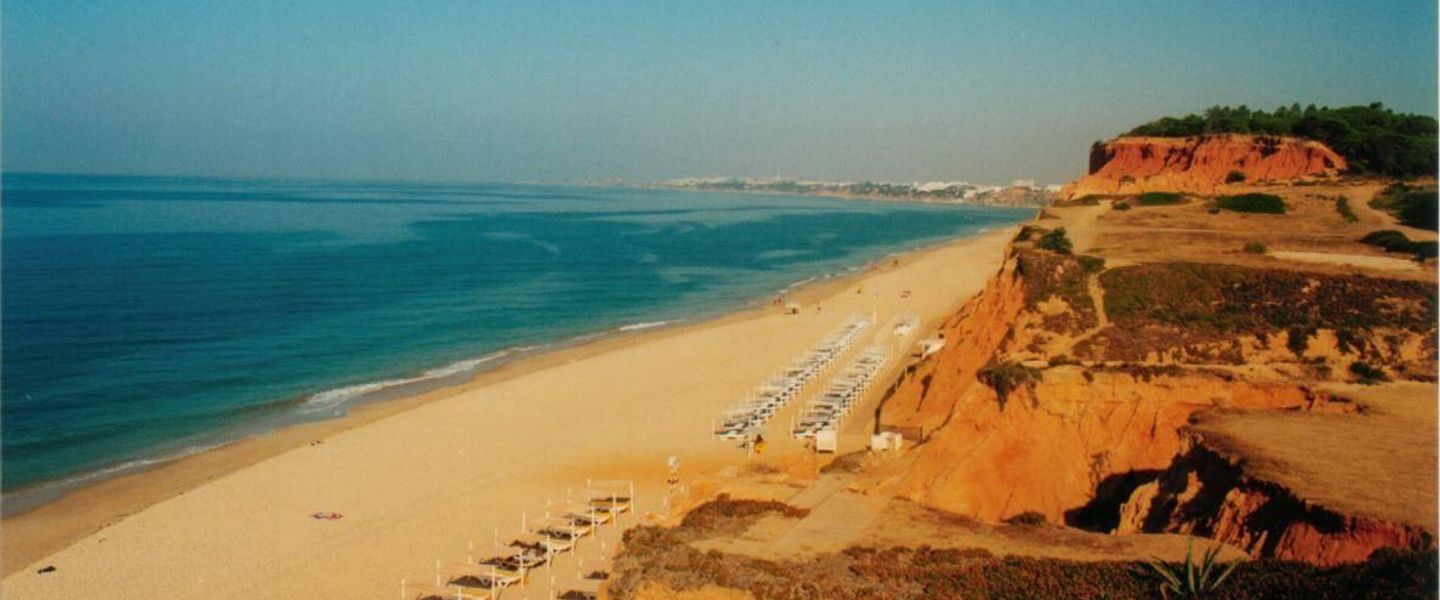


Albufeira, Portugal combines golden Algarve beaches, old-town lanes, sea caves, coastal walks, seafood and lively evenings along the Atlantic coast.
Atlantic Landscapes and Beaches
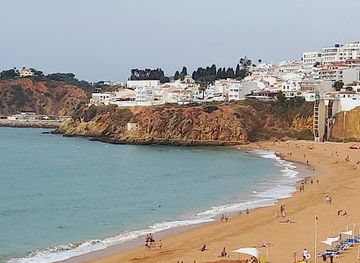
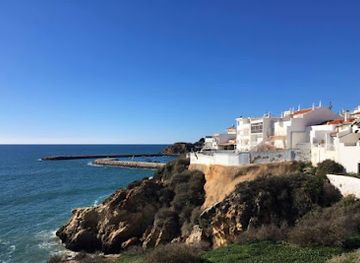
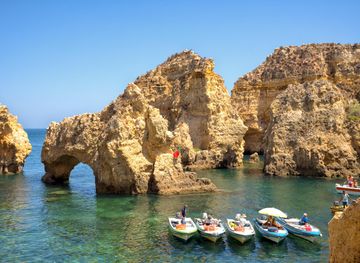
Albufeira occupies a central stretch of Portugal’s Algarve coast, where ochre cliffs, sandy coves and the open Atlantic define the landscape. The municipality extends from the historic coastal town towards inland villages and resort areas, with beaches ranging from the broad urban sweep of Praia dos Pescadores to the more sheltered coves of São Rafael, Castelo and Coelha. Near the marina, boat excursions follow a rugged shoreline marked by sea caves, arches and secluded inlets, while the coastal area around Praia da Falésia continues eastwards as a long band of red-gold cliffs and pale sand.Read more about Albufeira
Old Town and Resort Character
History, Food and Outdoor Experience
When is the best time to visit Albufeira?
Best: June–July, October · 25–29°C| Month | High (°C) | Rainfall (mm) |
|---|---|---|
| January | 17 | 60 |
| February | 17 | 55 |
| March | 18 | 50 |
| April | 20 | 40 |
| May | 22 | 30 |
| June (best) | 26 | 10 |
| July (best) | 29 | 5 |
| August | 29 | 10 |
| September | 28 | 30 |
| October (best) | 25 | 40 |
| November | 20 | 50 |
| December | 18 | 60 |
Getting to and around Albufeira
How to get there
Transportation
Best attractions in Albufeira
Albufeira’s attractions range from the sandy Praia dos Pescadores below the old town to the broad, cliff-backed beaches of Praia da Oura, Santa Eulália and Praia da Falésia. West of the centre, São Rafael, Castelo and Coelha offer smaller coves framed by ochre rock, while the marina is the departure point for coastal cruises and excursions to sea caves and secluded inlets. The old town provides a compact historic area of whitewashed streets, viewpoints and traditional squares, contrasting with the resort activity around Oura and The Strip. Inland, Guia is associated with the Algarve’s food culture and access to attractions such as Zoomarine, while Paderne offers a rural setting and the remains of Paderne Castle. The municipality’s appeal is therefore varied: visitors can move from urban beach life to cliff scenery, organised marine excursions, inland villages and quieter countryside without leaving the wider Albufeira area.
-
Seafood
Fish Market
Explore Quarteira's Fish Market, a vibrant hub of fresh seafood and local culture, perfect for culinary adventurers and seafood enthusiasts alike.
-
Tourist attraction
Miradouro do Pau da Bandeira
Experience stunning coastal views at Miradouro do Pau da Bandeira, a picturesque scenic spot in Albufeira, Portugal, perfect for relaxation and photography.
-
Beach
Praia do Forte Novo
Discover the serene beauty of Praia do Forte Novo, a stunning beach in Quarteira, Portugal, perfect for relaxation, water sports, and unforgettable sunsets.
-
Zoo
Krazy World
Experience the joy of wildlife and fun rides at Krazy World in Algoz, an exciting zoo and tourist attraction in the heart of Portugal's Algarve region.
Best landmarks in Albufeira
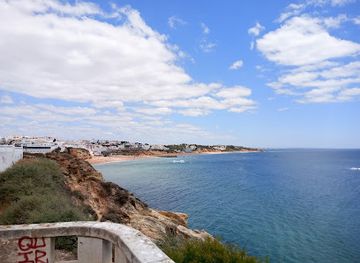
The foremost natural landmarks around Albufeira are the Algarve’s honey-coloured and red-banded coastal cliffs, which form distinctive headlands, arches and coves between beaches such as São Rafael, Castelo, Coelha and Falésia. Praia dos Pescadores and the old town’s seafront express the historic connection between the settlement and the Atlantic, while the marina marks the modern recreational relationship with the coast. Inland, Paderne Castle is a significant medieval landmark set among the municipality’s rural landscapes, and the whitewashed old centre retains the visual character of an Algarve town reshaped after the 1755 earthquake. The coastline itself is best understood as a changing landmark rather than a single monument: geology, erosion, tides and light continually alter the appearance of the cliffs, making official viewpoints and established paths preferable to informal access near fragile edges.
-
History museum
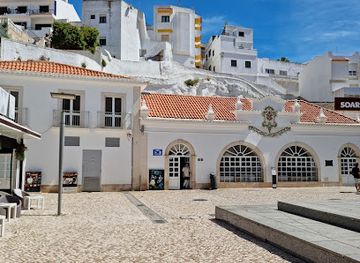
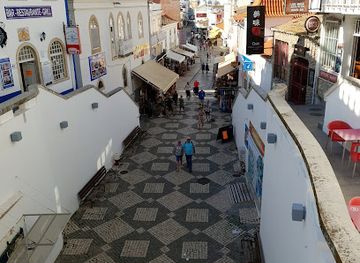
Albufeira Old Town
Experience the captivating blend of history, culture, and beachside charm in Albufeira Old Town, a must-visit jewel of the Algarve.
-
Scenic spot
Miradouro do Pau da Bandeira
Discover breathtaking panoramic views of Algarve's coastline at Miradouro do Pau da Bandeira, a must-visit scenic spot in Albufeira, Portugal.
-
Tourist attraction
Miradouro Rossio
Experience breathtaking views at Miradouro Rossio, a stunning viewpoint in Albufeira, Portugal, perfect for photography and soaking in the vibrant atmosphere.
-
Tourist attraction
Albufeira Tunnel
Explore the Albufeira Tunnel, a unique historical and architectural landmark in Portugal leading you to stunning beaches and vibrant culture.
Explore Albufeira on the map
Plan your trip on one map. See where the top attractions, landmarks, restaurants and hotels are, and book hotels and experiences in a few clicks.
Best hotels in Albufeira
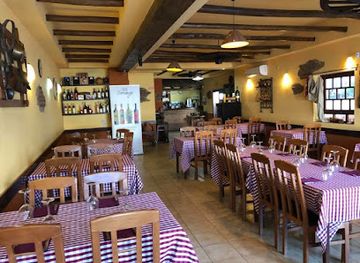
Best restaurants in Albufeira
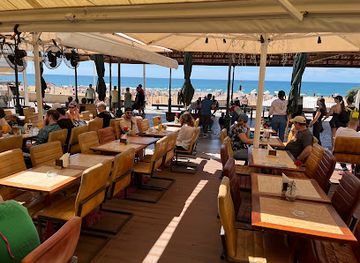
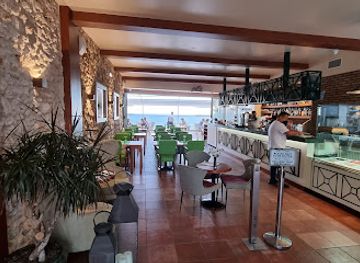
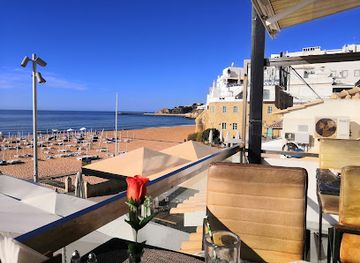
Albufeira’s food scene reflects both the Algarve’s fishing heritage and its role as a major international resort. Menus commonly feature grilled sardines and other fish, prawns, clams, octopus, cataplana and rice dishes, alongside chicken piri-piri, a speciality strongly associated with nearby Guia. Almonds, carob, figs and citrus appear in regional desserts and confectionery. The old town, marina and beach districts contain the greatest concentration of restaurants, cafés and casual dining, while Guia and inland villages offer more locally rooted settings, particularly for grilled chicken and traditional Algarve cooking. Visitors seeking seafood should look beyond purely international menus and ask about the day’s catch; smaller establishments may have more limited opening patterns outside the main season. Supermarkets, bakeries and food shops make self-catering practical for apartments and holiday homes, and regional produce is available in markets and specialist stores.
-
Restaurant
Cabana Fresca
Experience authentic Portuguese cuisine with stunning views at Cabana Fresca in Albufeira - a must-visit dining destination for every traveler.
-
Seafood
Casa del Mar
Experience exquisite seafood and cocktails at Casa del Mar in Albufeira - where every bite tells a story.
-
Restaurant
Flavours
Discover authentic Portuguese cuisine at Flavours in Albufeira – where every meal tells a story through rich flavors and warm hospitality.
-
Seafood
Jardim Rústico
Discover authentic Portuguese seafood cuisine at Jardim Rústico in Albufeira—where every meal is a coastal celebration!
Best bars in Albufeira
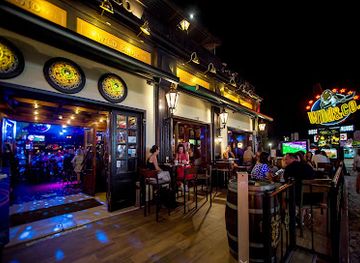
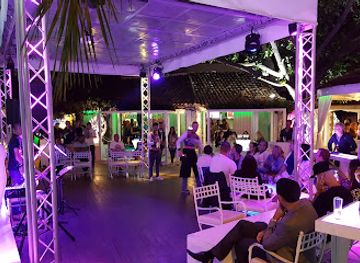
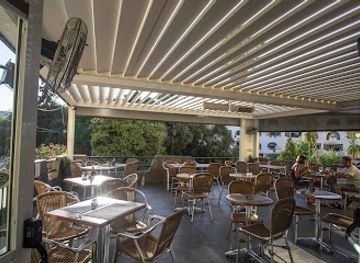
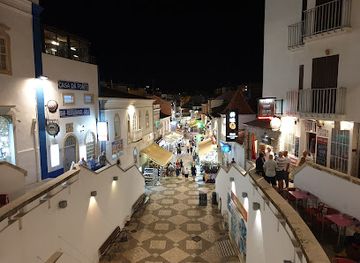
Evening entertainment is one of Albufeira’s most visible resort features, but it is concentrated rather than spread evenly across the municipality. The old town has bars, cafés and venues around its pedestrianised streets and squares, creating a sociable atmosphere that ranges from relaxed drinks to late-night activity. Areias de São João, particularly Avenida Sá Carneiro and the area known as The Strip, is associated with a denser selection of bars, music venues and seasonal nightlife aimed at holidaymakers. The marina offers a more spacious waterfront setting, while inland villages are generally quieter and centred on cafés, restaurants and traditional cafés or bars rather than clubs. In residential areas, visitors should keep noise under control and use licensed taxis or other suitable transport after drinking, especially when travelling between the old town, Oura and surrounding accommodation.
-
Bar
Wild & Co
Experience the vibrant nightlife of Albufeira at Wild & Co, where live music, cocktails, and great company await you.
-
Bar
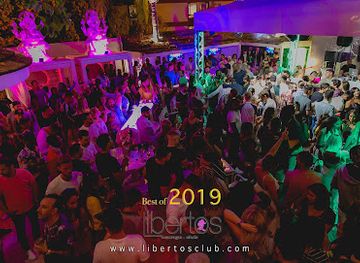
Libertos Club
Experience the vibrant nightlife at Libertos Club in Albufeira, featuring cocktails, DJ music, and an unforgettable party atmosphere.
-
Grill
Fat Cats Bar
Experience the vibrant atmosphere and delicious grilled dishes at Fat Cats Bar in Albufeira, the perfect spot for tourists and locals alike.
-
Bar
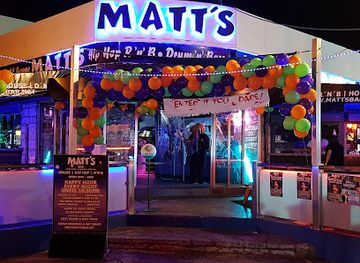
Matt's Bar
Experience the vibrant nightlife of Albufeira at Matt's Bar, where great music, delicious drinks, and a lively atmosphere await.
Best nightclubs in Albufeira
Evening entertainment is one of Albufeira’s most visible resort features, but it is concentrated rather than spread evenly across the municipality. The old town has bars, cafés and venues around its pedestrianised streets and squares, creating a sociable atmosphere that ranges from relaxed drinks to late-night activity. Areias de São João, particularly Avenida Sá Carneiro and the area known as The Strip, is associated with a denser selection of bars, music venues and seasonal nightlife aimed at holidaymakers. The marina offers a more spacious waterfront setting, while inland villages are generally quieter and centred on cafés, restaurants and traditional cafés or bars rather than clubs. In residential areas, visitors should keep noise under control and use licensed taxis or other suitable transport after drinking, especially when travelling between the old town, Oura and surrounding accommodation.
-
Bar
Libertos Club
Experience the vibrant nightlife of Albufeira at Libertos Club, featuring exquisite cocktails, dynamic DJs, and a lively hookah bar ambiance.
-
Bar
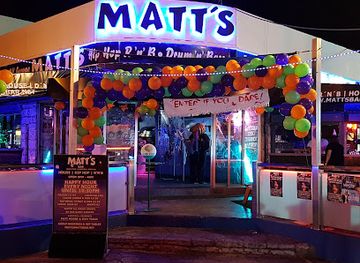
Matt's Bar
Discover the pulse of Albufeira's nightlife at Matt's Bar, where fun meets flavor in a vibrant disco atmosphere.
-
Disco club
Kiss Disco Club
Kiss Disco Club: A pulsating nightlife experience in Albufeira, where music, dancing, and unforgettable memories await.
-
Night club
Club Vida
Experience the vibrant nightlife of Albufeira at Club Vida, where electrifying music and an energetic atmosphere await every night.


Best shops in Albufeira
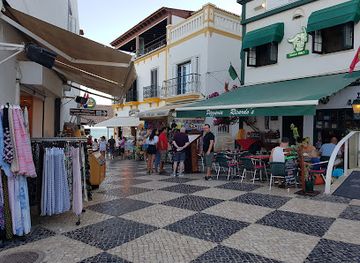
Shopping in Albufeira is concentrated in the old town, resort districts, marina area and larger commercial centres rather than in one traditional market quarter. Visitors can find Portuguese ceramics, cork goods, woven items, leather, local art and Algarve food products such as almonds, figs, carob-based specialities, preserves and regional wines, although quality and provenance vary between individual shops. Supermarkets and small food stores are useful for self-catering, while bakeries and specialist retailers provide regional ingredients for picnics or apartment kitchens. Larger retail centres on the outskirts offer mainstream fashion and practical holiday purchases, and nearby Guia has extensive commercial development. The old town is generally the most atmospheric area for browsing independent shops, but visitors should distinguish genuinely local products from generic souvenirs and check seasonal opening patterns in smaller establishments.
-
Shopping mall
Albufeira Terrace
Experience the vibrant shopping scene at Albufeira Terrace, a bustling mall offering a mix of retail, dining, and entertainment options in beautiful Portugal.
-
Shopping mall
Shopping Avenida da Liberdade
Experience the vibrant shopping scene at Avenida da Liberdade in Albufeira, where luxury meets local charm.
-
Gift shop
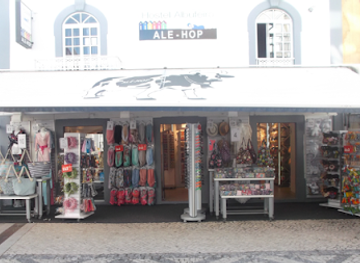
ALE-HOP Albufeira 1
Explore ALE-HOP Albufeira for unique gifts, local crafts, and delightful souvenirs that embody the charm of the Algarve region.
-
Fashion accessories store
Parfois
Explore Parfois in Albufeira for chic fashion accessories, stylish clothing, and exquisite jewelry that elevate your wardrobe while you travel.
Get your free copy of our complete guide to Albufeira, delivered straight to you.
Everything on this page, from attractions and restaurants to essentials and local phrases, in one PDF you can read offline, print or share.
Already have an account? Sign in
Your Albufeira guide is ready.
We'll send it to · Not you? Sign out

Getting your guide ready…
We are putting together a fresh copy of the Albufeira guide. This can take up to a minute.
This can take a few moments. If your browser asks, choose Allow so the download can start. You'll find the guide in your Downloads folder.
Nothing happened? Download it again
Sorry, the guide is taking longer than usual. Please try again in a minute, or get it by email instead.
Albufeira essentials
Currency and Payment
Safety
Emergency Situations
Do's and Don'ts
Local Tips
From Eve
Local phrases worth knowing
You don't need to get them perfect. A few words go a long way, and locals appreciate the effort.
Basics
| English | Local | Say it |
|---|---|---|
| Hello | Olá | [oh-lah] |
| Goodbye | Adeus | [ah-deh-oosh] |
| Yes | Sim | [seem] |
| No | Não | [now] |
| Please/You're welcome | Por favor/De nada | [poor fah-vohr/deh nah-dah] |
| Thank you | Obrigado | [oh-bree-gah-doo] |
| Excuse me/Sorry | Com licença/Desculpe | [kohm lee-sen-sah/deh-skool-peh] |
| How are you? | Como está? | [koh-moh ehs-tah] |
| Fine. And you? | Bem. E você? | [behn/eh voh-say] |
| Do you speak English? | Fala inglês? | [fah-lah een-glehsh] |
| I don't understand | Não entendo | [now ehn-tehn-doo] |
Eating & Drinking
| English | Local | Say it |
|---|---|---|
| I'd like to see the menu, please | Gostaria de ver o menu, por favor | [goh-stah-ree-ah deh vehr oh meh-noo/pohr fah-vohr] |
| I don't eat meat | Não como carne | [now koh-moh kahr-neh] |
| Cheers! | Saúde! | [sow-deh] |
| I would like to pay, please | Queria pagar, por favor | [keh-ree-ah pah-gahr/pohr fah-vohr] |
Emergencies
| English | Local | Say it |
|---|---|---|
| Help! | Socorro! | [soh-koh-roh] |
| Go away! | Vai embora! | [vah-ee ehm-boh-rah] |
| Call the Police! | Chame a polícia! | [shah-meh ah poh-lee-see-ah] |
| Call a doctor! | Chame um médico! | [shah-meh oom meh-dee-koo] |
| I'm lost | Estou perdido | [ehs-toh pehr-dee-doo] |
| I'm ill | Estou doente | [ehs-toh doo-en-teh] |
Shopping
| English | Local | Say it |
|---|---|---|
| I'd like to buy... | Gostaria de comprar... | [goh-stah-ree-ah deh kohm-prahr] |
| I'm just looking | Estou só a ver | [ehs-toh soh ah vehr] |
| How much is it? | Quanto custa? | [kwahn-toh koo-stah] |
| That's too expensive | Isso é demasiado caro | [ee-soh eh dah-mah-syah-doo kah-roo] |
| Can you lower the price? | Pode baixar o preço? | [poh-deh bahy-shahr oh preh-soo] |
Time & Numbers
| English | Local | Say it |
|---|---|---|
| What time is it? | Que horas são? | [keh oh-rahz sah-oh] |
| It's one o'clock | É uma hora | [eh oo-mah oh-rah] |
| Half past (10) | Meia hora (dez) | [may-ah oh-rah (dehz)] |
| Morning | Manhã | [mah-nyah] |
| Afternoon | Tarde | [tahr-deh] |
| Evening | Noite | [noy-tay] |
| Yesterday | Ontem | [ohn-tehm] |
| Today | Hoje | [oh-zhay] |
| Tomorrow | Amanhã | [ah-mah-nyah] |
| 1 | Um | [oom] |
| 2 | Dois | [doh-ees] |
| 3 | Três | [trehs] |
| 4 | Quatro | [kwah-troh] |
| 5 | Cinco | [seeng-koh] |
| 6 | Seis | [saysh] |
| 7 | Sete | [seht] |
| 8 | Oito | [oy-toh] |
| 9 | Nove | [noh-veh] |
| 10 | Dez | [dehz] |
Transport & Directions
| English | Local | Say it |
|---|---|---|
| Where's a/the...? | Onde fica o/a...? | [ohn-deh fee-kah oh/ah] |
| What's the address? | Qual é o endereço? | [kahl eh oh ehn-deh-reh-soo] |
| Can you show me (on the map)? | Pode mostrar-me (no mapa)? | [poh-deh mohs-trahr-meh (noh mah-pah)] |
| When's the next (bus)? | Quando é o próximo (autocarro)? | [kwahn-doo eh oh proh-ksee-moh (ow-toh-kah-roo)] |
| A ticket (to ....) | Um bilhete (para ...) | [oom bee-lyet (pah-rah)] |
History of Albufeira
Roman and Early Coastal Settlement
The Albufeira area was occupied before the modern resort emerged, and Roman presence is associated with settlements and agricultural activity in the wider Algarve. The coast offered access to fishing and maritime movement, while the inland terrain supported orchards and dry farming. Evidence from the municipality and surrounding region points to a long pattern of settlement shaped by the relationship between the sea, fertile valleys and defensible hill positions, although the surviving historic fabric is more closely associated with later Islamic and Portuguese periods than with a single Roman town.
The Islamic Period and Al-Buhera
During Muslim rule in the Algarve, Albufeira developed as a fortified coastal settlement known as al-Buhera, a name generally linked with the sea or a marine setting. Its position gave it strategic and commercial importance within the Algarve’s network of towns, fortifications and agricultural districts. Narrow streets and the town’s elevated position above the shore reflect, in part, the defensive logic of the historic settlement, although much of the visible architecture has been altered by later rebuilding and modern development.
Portuguese Rule and the Medieval Town
Albufeira was incorporated into the Portuguese kingdom during the Christian conquest of the Algarve in the thirteenth century, traditionally dated to the reign of Afonso III. The settlement continued as a walled coastal town, with its economy connected to fishing, small-scale agriculture and maritime trade. Over succeeding centuries, churches, civic buildings and houses developed around the older fortified core. The town’s position on the coast also left it exposed to seismic activity and the changes affecting other Algarve settlements.
The 1755 Earthquake and Reconstruction
The earthquake and tsunami of 1755 caused extensive destruction across the Algarve, including Albufeira. The disaster altered the historic town and led to rebuilding that changed the appearance of streets and buildings. Although the old centre no longer presents a fully medieval townscape, its compact lanes, white façades and relationship with the beach preserve the outline of a settlement whose history was repeatedly shaped by earthquakes, coastal forces and reconstruction. The event remains an important part of the region’s built and environmental history.
From Fishing Town to Algarve Resort
For much of the nineteenth and early twentieth centuries, Albufeira remained primarily a fishing and agricultural town. Improved roads, rising domestic and international tourism, and the Algarve’s growing reputation for a mild climate and beaches transformed its economy after the middle of the twentieth century. Hotels, holiday apartments, marinas and leisure facilities expanded beyond the old centre, particularly around Oura, Montechoro and the marina. Tourism brought prosperity and substantial physical change, while fishing, local food production and rural settlements continued to provide links with the municipality’s earlier identity.
Albufeira in Photos
Browse through our photo collection highlighting the charm and character of the destination.
Neighbouring destination travel guides
The closest destinations to Albufeira, if you have time for more than one.
-

-

-

-

-


Swipe for more destinations
Explore more
Explore more of Algarve
Discover Algarve: A sun-soaked destination in southern Portugal, offering stunning beaches, rich history, vibrant culture, and exquisite culinary delights.
Explore Algarve
Explore more of Portugal
Discover Portugal: A blend of historic charm, stunning coastlines, and delightful cuisine awaits in this captivating European gem.
Explore Portugal