

Free Viseu Travel Guide & Mobile App
Plan your Viseu trip with Evendo. Get free guides to top attractions, restaurants, hotels, and bars. Web access or download the mobile app.


Viseu, Portugal’s hilltop city, pairs Roman traces and Grão Vasco art with cathedral heritage, Dão wines, leafy streets and authentic central-Portugal culture.
A Hilltop City in the Dão
Viseu stands on the highlands of central Portugal, surrounded by the vineyards and wooded ridges of the Dão wine region. Its historic centre rises around the cathedral, where granite streets lead through compact squares, arcades and lanes lined with painted façades. The city has the measured pace of an inland provincial capital, yet its museums, cafés, university community and cultural programme give it a lively contemporary presence.Read more about Viseu
Medieval Streets and Renaissance Art
Gardens, Markets and Local Flavours
When is the best time to visit Viseu?
Best: June–August · 27–29°C| Month | High (°C) | Rainfall (mm) |
|---|---|---|
| January | 14 | 131 |
| February | 15 | 108 |
| March | 18 | 104 |
| April | 20 | 105 |
| May | 23 | 75 |
| June (best) | 27 | 39 |
| July (best) | 29 | 9 |
| August (best) | 29 | 22 |
| September | 26 | 68 |
| October | 22 | 110 |
| November | 17 | 110 |
| December | 14 | 130 |
Getting to and around Viseu
How to get there
Transportation
Best attractions in Viseu
Viseu’s principal sights are concentrated around the historic centre, making a day of sightseeing easy to organise on foot. The Sé Catedral dominates the upper town, while the Museu Nacional Grão Vasco displays Portuguese Renaissance painting in the former episcopal precinct. Across the square, the white-and-blue Igreja da Misericórdia provides a contrasting Baroque presence. Medieval traces appear at the Porta do Soar and along sections of the old defensive line, while the Cava de Viriato introduces a larger archaeological landscape just beyond the central streets. The Rossio, with its traditional azulejo panels, offers an attractive urban pause, and Parque Aquilino Ribeiro brings lawns and mature trees close to the old centre. For a broader sense of Viseu’s setting, the Fontelo parkland leads towards wooded slopes and walking paths. Cultural programming at Teatro Viriato adds a contemporary dimension to a city whose appeal lies in the meeting of art, religious heritage, gardens and regional life.
-
Tourist attraction
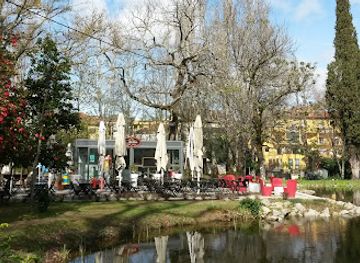
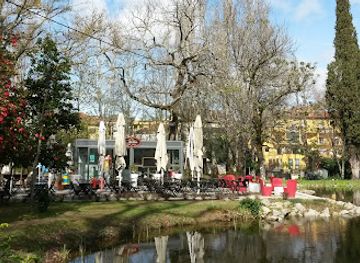
Aquilino Ribeiro Park
Explore the lush landscapes and serene pathways of Aquilino Ribeiro Park, a central gem in Viseu, Portugal, perfect for relaxation and outdoor activities.
11 min walk · 0.9 km from city centre
-
Tourist attraction
Fontelo Park
Experience the natural beauty and tranquility of Fontelo Park in Viseu, Portugal—a perfect escape for nature lovers and adventure seekers.
10 min walk · 0.8 km from city centre
-
Tourist attraction
Parque de Santiago
Explore the lush landscapes and vibrant atmosphere of Parque de Santiago, a serene park in the heart of Viseu, Portugal, perfect for relaxation and recreation.
9 min walk · 0.7 km from city centre
-
Tourist attraction
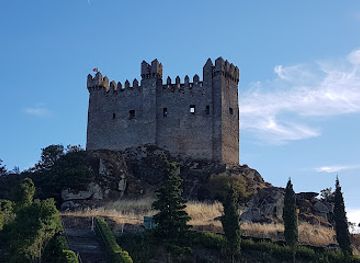
Castle of Penedono
Explore the majestic Castle of Penedono, a medieval gem offering breathtaking views and rich history in the heart of Portugal.
1 h 17 min drive · 57 km from city centre
Best landmarks in Viseu
Viseu’s most influential landmarks gather around the elevated cathedral quarter. The Sé Catedral combines medieval foundations with later rebuilding, a Manueline stone vault and richly decorated cloisters, while the adjoining former episcopal buildings house the Museu Nacional Grão Vasco. Facing it, the Igreja da Misericórdia is distinguished by its pale façade, twin towers and richly ornamented interior. The Porta do Soar is a surviving gateway from the medieval fortifications and helps reveal the former limits of the walled town. Near the modern centre, the Cava de Viriato is an imposing octagonal earthwork whose exact origins and function continue to be discussed, but whose scale makes it an unusual feature in the urban landscape. The azulejo panels of the Rossio add a civic and decorative landmark, illustrating Portuguese scenes and traditions within one of the city’s principal public spaces.
-
Park
Aquilino Ribeiro Park
Explore the natural beauty and vibrant atmosphere of Aquilino Ribeiro Park in Viseu, a perfect escape for relaxation and recreation.
11 min walk · 0.9 km from city centre
-
Park
Fontelo Park
Experience the natural beauty and vibrant culture of Fontelo Park, a tranquil haven in Viseu perfect for relaxation and recreation.
10 min walk · 0.8 km from city centre
-
Catholic cathedral
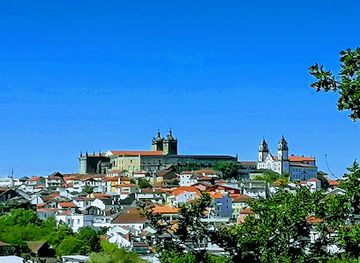
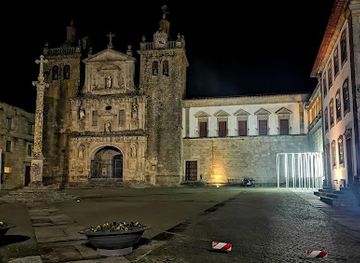
Viseu Cathedral
Discover the historic Viseu Cathedral, a stunning blend of architectural styles nestled in the heart of Viseu, Portugal, perfect for all culture lovers.
3 min walk · 0.3 km from city centre
-
Hotel
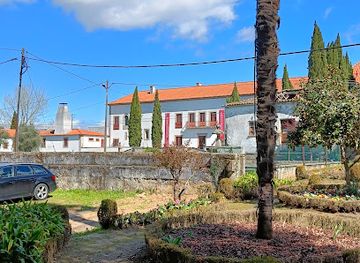
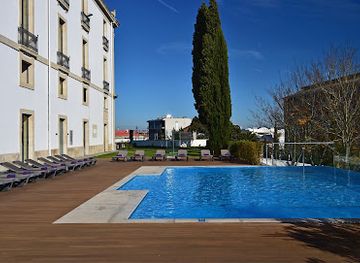
Pousada Viseu
Experience the perfect blend of luxury and heritage at Pousada Viseu, a boutique hotel in the heart of Portugal's charming Viseu.
11 min walk · 0.9 km from city centre
Explore Viseu on the map
Plan your Viseu trip on one map. See where the top attractions, landmarks, restaurants, bars and hotels are, find what's near where you're staying, and book hotels and experiences in a few clicks.
Best hotels in Viseu
Best restaurants in Viseu
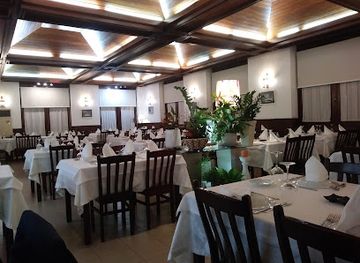
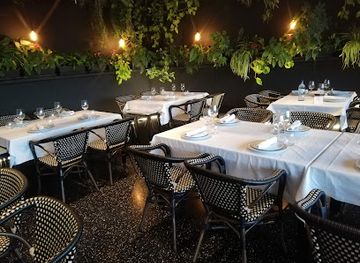
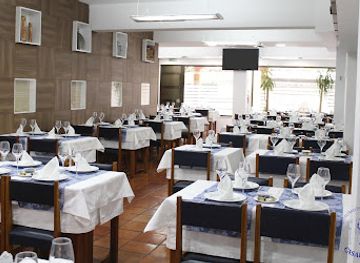
Viseu’s food culture reflects the substantial cooking of Beira Alta and the vineyards of the Dão, one of Portugal’s established wine regions. Menus commonly draw on locally raised meat, with roast veal associated with the neighbouring Lafões area, oven-roasted kid, pork dishes and assorted sausages appearing alongside seasonal vegetables and hearty soups. Serra da Estrela cheeses and other mountain products are available throughout the wider region, while traditional sweets and convent-influenced pastries accompany coffee. In the historic centre, family-run restaurants and modern Portuguese kitchens occupy granite buildings and quiet lanes, with cafés around the Rossio providing lighter stops. The Mercado 2 de Maio and local food shops offer a sense of everyday provisioning, although the city’s culinary identity is better understood through regional ingredients than through a single signature dish. Dão reds and elegant whites are natural partners for a meal, and wine bars or restaurants may offer bottles from nearby estates.
-
Restaurant
Quinta da Magarenha
Discover Quinta da Magarenha: A culinary haven in Viseu offering traditional Portuguese dishes paired with exquisite local wines.
17 min drive · 5.5 km from city centre
-
Portuguese
Casa Arouquesa
Discover authentic Portuguese flavors at Casa Arouquesa in Viseu – where tradition meets taste in every dish.
9 min drive · 3.1 km from city centre
-
Restaurant
Marisqueira Casablanca
Discover authentic Portuguese seafood at Marisqueira Casablanca in Viseu - where fresh flavors meet warm hospitality.
1 min walk · 0.1 km from city centre
-
Restaurant
Vintage Maison
Experience the best American cuisine at Vintage Maison - where mouthwatering burgers meet charming ambiance in Viseu.
10 min walk · 0.8 km from city centre

Best bars in Viseu
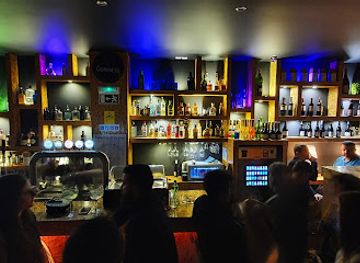
Viseu’s evening scene is modest and sociable rather than built around large clubs. Bars and cafés around the Rossio, Praça da República and streets near the historic centre fill gradually after dinner, with students and local residents creating a relaxed atmosphere. Traditional cafés suit a quiet drink or coffee, while newer bars may focus on Portuguese wine, cocktails or informal conversation. Rua Direita and adjacent lanes can be livelier at weekends, though activity remains on a smaller scale than in Lisbon or Porto. Teatro Viriato provides an important cultural night out with theatre, dance, music and other performances, and seasonal festivals can bring concerts and outdoor events to central spaces. Because the city’s nightlife is closely integrated with ordinary neighbourhood life, late evenings are better approached through a mixture of cafés, cultural programming and small bars than through expectations of an extensive nightclub district.
-
Bar
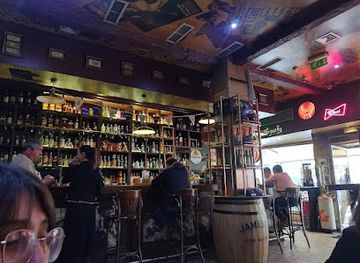
Irish Bar
Experience the warmth and charm of Irish hospitality in Viseu at the Irish Bar, your go-to destination for great drinks and lively atmosphere.
4 min walk · 0.3 km from city centre
-
Bar
Syrah Club - Gin & Cocktail-Viseu
Experience the vibrant nightlife of Viseu at Syrah Club, where exquisite cocktails and a lively atmosphere await you.
5 min drive · 1.5 km from city centre
-
Cafe
The Brothers Viseu
Discover the delightful ambiance and local flavors at The Brothers Viseu, a must-visit cafe and bar in the heart of Portugal.
8 min walk · 0.6 km from city centre
-
Bar
Vinyl Bar
Experience the vibrant nightlife at Vinyl Bar in Viseu, where music meets great drinks in a cozy atmosphere.
6 min drive · 1.9 km from city centre


Best nightclubs in Viseu
Viseu’s evening scene is modest and sociable rather than built around large clubs. Bars and cafés around the Rossio, Praça da República and streets near the historic centre fill gradually after dinner, with students and local residents creating a relaxed atmosphere. Traditional cafés suit a quiet drink or coffee, while newer bars may focus on Portuguese wine, cocktails or informal conversation. Rua Direita and adjacent lanes can be livelier at weekends, though activity remains on a smaller scale than in Lisbon or Porto. Teatro Viriato provides an important cultural night out with theatre, dance, music and other performances, and seasonal festivals can bring concerts and outdoor events to central spaces. Because the city’s nightlife is closely integrated with ordinary neighbourhood life, late evenings are better approached through a mixture of cafés, cultural programming and small bars than through expectations of an extensive nightclub district.
-
Disco club
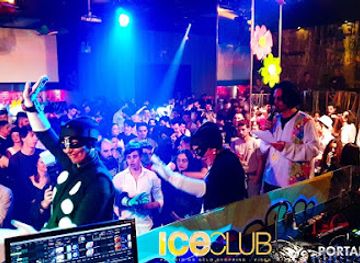
ICE Club
Experience Viseu's vibrant nightlife at ICE Club, a premier disco destination with electrifying beats and an unforgettable atmosphere.
6 min drive · 2.0 km from city centre
-
Night club
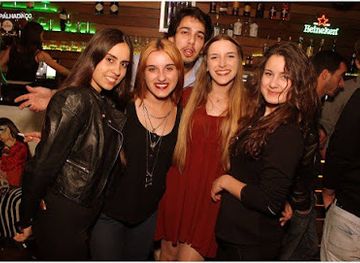
Palha Club Viseu
Discover the vibrant nightlife at Palha Club Viseu, where great music, delicious cocktails, and a lively atmosphere await you.
5 min drive · 1.8 km from city centre
-
Bar
4You Bar
Discover the lively nightlife of Viseu at 4You Bar, where great drinks and an electric atmosphere await every visitor.
3 min walk · 0.2 km from city centre
-
Disco club
Danceteria Mamma Mia
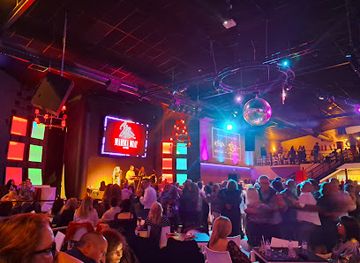
Experience the vibrant nightlife of Viseu at Danceteria Mamma Mia, a disco club where music and dance create unforgettable memories.
18 min drive · 6.2 km from city centre
Best shops in Viseu
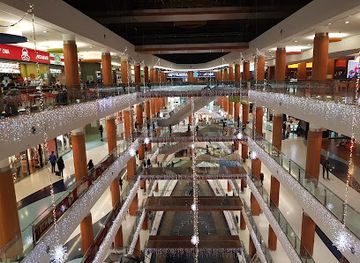
Shopping in Viseu centres on the historic streets around the Rossio, Rua Formosa, Rua Direita and the lanes leading towards the cathedral. Independent shops, cafés and small specialist retailers occupy traditional buildings, while the Mercado 2 de Maio provides a more everyday view of local commerce and seasonal produce. Visitors will find Dão wine, regional cheeses, cured meats, honey, olive oil and traditional sweets among the most characteristic purchases, alongside ceramics, textiles and craft items from the wider Beira region. The city also has modern retail at Palácio do Gelo, a large shopping and leisure complex outside the old centre, offering national chains and services in a contemporary setting. Antique and gift shops near the historic quarter can provide more individual souvenirs than standard tourist outlets. Shopping here is best understood as a blend of regional food culture, established local businesses and practical modern retail rather than as a luxury destination.
-
Shopping mall
Palácio do Gelo
Discover Palácio do Gelo in Viseu, a premier shopping mall offering diverse retail, dining, and entertainment experiences for all visitors.
6 min drive · 2.0 km from city centre
-
Shopping mall
Forum Viseu
Experience the vibrant shopping scene at Forum Viseu, where fashion, dining, and entertainment come together in a modern setting.
5 min walk · 0.4 km from city centre
-
Supermarket
Continente Viseu
Explore the flavors of Viseu at Continente, your ultimate supermarket destination for fresh produce, local delicacies, and a variety of shopping needs.
19 min walk · 1.5 km from city centre
-
Farm shop
Agriloja de Viseu
Explore Agriloja de Viseu: Your ultimate destination for gardening supplies, home goods, and pet care products in charming Viseu, Portugal.
6 min drive · 2.1 km from city centre


Get your free copy of our complete guide to Viseu, delivered straight to you.
Everything on this page, from attractions and restaurants to essentials and local phrases, in one PDF you can read offline, print or share.
Already have an account? Sign in
Your Viseu guide is ready.
We'll send it to · Not you? Sign out

Getting your guide ready…
We are putting together a fresh copy of the Viseu guide. This can take up to a minute.
This can take a few moments. If your browser asks, choose Allow so the download can start. You'll find the guide in your Downloads folder.
Nothing happened? Download it again
Sorry, the guide is taking longer than usual. Please try again in a minute, or get it by email instead.
Viseu essentials
Currency and Payment
Safety
Emergency Situations
Do's and Don'ts
Local Tips
From Eve
Local phrases worth knowing
You don't need to get them perfect. A few words go a long way, and locals appreciate the effort.
Basics
| English | Local | Say it |
|---|---|---|
| Hello | Olá | [oh-lah] |
| Goodbye | Adeus | [ah-deh-oosh] |
| Yes | Sim | [seem] |
| No | Não | [now] |
| Please/You're welcome | Por favor/De nada | [por fah-vohr/deh nah-dah] |
| Thank you | Obrigado | [oh-bree-gah-doo] |
| Excuse me/Sorry | Com licença/Desculpe | [kohm lee-SEHN-sah/dehs-KOOL-peh] |
| How are you? | Como está? | [koh-moh ehs-TAH] |
| Fine. And you? | Bem. E você? | [behn/eh voh-seh] |
| Do you speak English? | Fala inglês? | [FAH-lah een-GLEHSH] |
| I don't understand | Não entendo | [now ehn-TEHN-doo] |
Eating & Drinking
| English | Local | Say it |
|---|---|---|
| I'd like to see the menu, please | Gostaria de ver o menu, por favor | [goh-stah-REE-ah deh vehr oo MEH-noo/por fah-vohr] |
| I don't eat meat | Não como carne | [now KOH-moo KAHR-neh] |
| Cheers! | Saúde! | [sowd] |
| I would like to pay, please | Gostaria de pagar, por favor | [goh-stah-REE-ah deh pah-GAHR/por fah-vohr] |
Emergencies
| English | Local | Say it |
|---|---|---|
| Help! | Socorro! | [soh-KOH-roh] |
| Go away! | Vai embora! | [vah-ee ehm-BOH-rah] |
| Call the Police! | Chame a polícia! | [SHAH-meh ah poh-LEE-see-ah] |
| Call a doctor! | Chame um médico! | [SHAH-meh oom MEH-dee-koo] |
| I'm lost | Estou perdido | [ehs-TOH pehr-DEE-doo] |
| I'm ill | Estou doente | [ehs-TOH doh-EN-teh] |
Shopping
| English | Local | Say it |
|---|---|---|
| I'd like to buy... | Gostaria de comprar... | [goh-stah-REE-ah deh kohm-PRAR] |
| I'm just looking | Estou só a ver | [ehs-TOH soo ah vehr] |
| How much is it? | Quanto custa? | [KWAN-too KOOSH-tah] |
| That's too expensive | Isso é muito caro | [EE-soh eh MWEEN-too KAHR-oo] |
| Can you lower the price? | Pode baixar o preço? | [POH-deh BUY-shahr oo PREH-soo] |
Time & Numbers
| English | Local | Say it |
|---|---|---|
| What time is it? | Que horas são? | [keh OH-rahz sah-oh] |
| It's one o'clock | É uma hora | [eh OO-mah OH-rah] |
| Half past (10) | Meia hora (10) | [MAY-ah OH-rah (DEE-ehs)] |
| Morning | Manhã | [mah-NYAH] |
| Afternoon | Tarde | [TAHR-deh] |
| Evening | Noite | [NOY-teh] |
| Yesterday | Ontem | [ohn-TEHM] |
| Today | Hoje | [OH-zheh] |
| Tomorrow | Amanhã | [ah-mah-NYAH] |
| 1 | Um | [oom] |
| 2 | Dois | [doysh] |
| 3 | Três | [traysh] |
| 4 | Quatro | [KWAH-troo] |
| 5 | Cinco | [SEEN-koh] |
| 6 | Seis | [saysh] |
| 7 | Sete | [SEH-teh] |
| 8 | Oito | [OY-too] |
| 9 | Nove | [NOH-veh] |
| 10 | Dez | [dehsh] |
Transport & Directions
| English | Local | Say it |
|---|---|---|
| Where's a/the...? | Onde fica o/a...? | [ON-deh FEE-kah oo/ah] |
| What's the address? | Qual é a morada? | [kwahl eh ah moh-RAH-dah] |
| Can you show me (on the map)? | Pode mostrar-me (no mapa)? | [POH-deh moh-SHTR-meh (noo MAH-pah)] |
| When's the next (bus)? | Quando é o próximo (autocarro)? | [KWAN-doo eh oo PROH-ksee-moo (ow-TOH-kah-roo)] |
| A ticket (to ....) | Um bilhete (para ...) | [oom bee-YEH-teh (pah-rah)] |
History of Viseu
Roman Vissaium and Early Settlement
The Viseu area was occupied before Roman rule, and the Roman settlement generally identified as Vissaium helped establish the city’s importance in the interior of Lusitania. Its position on routes crossing the uplands of central Portugal connected local communities with wider administrative and commercial networks. The Cava de Viriato, a large octagonal earthwork near the modern centre, is traditionally associated with Roman military organisation, although its precise date and original purpose remain subjects of scholarly discussion. Roman influence survives less through standing monumental architecture than through the urban location, archaeological traces and long continuity of settlement on this elevated site.
Medieval Reorganisation and the Diocese
After the disruption of Roman authority, Viseu passed through the political world of the Suebi and Visigoths before Muslim rule reshaped the region. Christian control was gradually consolidated during the medieval reconquest, and the city became an important episcopal and administrative centre. A charter granted by King Afonso Henriques in the twelfth century helped formalise its civic privileges, while the cathedral precinct became the focus of religious and political life. The medieval town developed around defensive walls, gates and steep streets, many of whose routes remain legible in the historic centre. Viseu’s inland position also made it a useful link between coastal Portugal and the Beira interior.
The Cathedral and Renaissance Viseu
Viseu’s cathedral was repeatedly altered over the centuries, especially during the late medieval and early modern periods, when the episcopal centre acquired much of the architectural character visible today. The Manueline ribbed vault of the upper church and the azulejo decoration of the cloisters reflect Portugal’s artistic development in the sixteenth century. This was also the period associated with Vasco Fernandes, known as Grão Vasco, one of the country’s most important Renaissance painters. His workshop and artistic circle made Viseu a significant centre of painting, and works connected with that tradition are preserved in the Museu Nacional Grão Vasco beside the cathedral.
Civic Life and the Beira Interior
From the early modern period onwards, Viseu served as a regional centre for surrounding agricultural communities, estates and parishes. Religious institutions, confraternities and civic authorities shaped the town’s public spaces, while trade brought in wine, livestock, grain and other products from the Beira Alta. The Igreja da Misericórdia, founded by a charitable brotherhood, exemplifies the social and religious role such institutions played. Granite construction, narrow streets and the surviving gates of the old fortifications gave the town a distinctive physical identity. Its history was less defined by industrial expansion than by administrative importance, regional exchange and the persistence of local landholding and craft traditions.
Modern Viseu and Cultural Renewal
The nineteenth and twentieth centuries brought new roads, civic improvements and gradual expansion beyond the medieval core, while Viseu retained its role as the capital of the district. Modern public buildings, gardens and educational institutions changed the city’s scale without erasing its historic centre. In recent decades, museums, cultural venues and urban improvements have strengthened Viseu’s identity as an inland cultural capital. The city’s association with Grão Vasco, its cathedral heritage and the Dão wine region now sit alongside contemporary theatre, festivals and creative activity. This blend of inherited stone architecture and modern regional services explains Viseu’s present character.
Travel experiences inspired by this city
-
 10 Day Trip
Tomar with Family: 10 Days of Templar History and River Life
Explore Tomar, Portugal on a 10-day family escape: UNESCO Templar heritage, riverside strolls, day trips, and local bites—based at Flattered To Be In Tomar.
10 Day Trip
Tomar with Family: 10 Days of Templar History and River Life
Explore Tomar, Portugal on a 10-day family escape: UNESCO Templar heritage, riverside strolls, day trips, and local bites—based at Flattered To Be In Tomar.
 15 Jul 2026
By Joseph Alexander -
 8 Day Trip
Exploring the Historical Wonders of Tomar with Friends
Discover the rich history and stunning landscapes of Tomar, Portugal, as we explore this charming city with friends and enjoy a cozy stay at Thomar Boutique Hotel.
8 Day Trip
Exploring the Historical Wonders of Tomar with Friends
Discover the rich history and stunning landscapes of Tomar, Portugal, as we explore this charming city with friends and enjoy a cozy stay at Thomar Boutique Hotel.
 10 May 2026
By Fatimata Sawadogo -
 13 Day Trip
Exploring the Historical Charm of Tomar with Friends
Join Ngoc Nguyen and friends on a 13-day journey exploring the historical charm and cultural treasures of Tomar, Portugal.
13 Day Trip
Exploring the Historical Charm of Tomar with Friends
Join Ngoc Nguyen and friends on a 13-day journey exploring the historical charm and cultural treasures of Tomar, Portugal.
 10 Apr 2026
By Ngoc Nguyen -
 7 Day Trip
A Solo Journey Through Viseu's Timeless Charm
Discover the timeless charm of Viseu on a solo adventure. Explore history, savor local cuisine, and indulge in Portugal's craft beer scene.
7 Day Trip
A Solo Journey Through Viseu's Timeless Charm
Discover the timeless charm of Viseu on a solo adventure. Explore history, savor local cuisine, and indulge in Portugal's craft beer scene.
 15 Jan 2026
By James Smith -
 11 Day Trip
Exploring the Historic Charms of Tomar, Portugal
Discover the historic beauty and cultural richness of Tomar, Portugal on a family adventure, staying in the heart of the city for 11 unforgettable days.
11 Day Trip
Exploring the Historic Charms of Tomar, Portugal
Discover the historic beauty and cultural richness of Tomar, Portugal on a family adventure, staying in the heart of the city for 11 unforgettable days.
 15 Jun 2025
By João Costa
Swipe for more travel diaries
Viseu in Photos
Browse through our photo collection highlighting the charm and character of the destination.
Cities near Viseu
The closest cities to Viseu, if you have time for more than one stop.
-

-

-

-

-


Swipe for more cities
Explore more
Explore more of Portugal
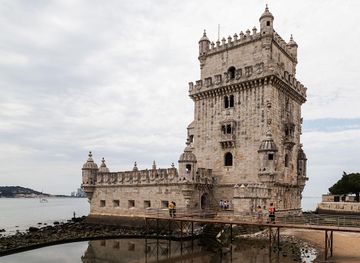
Discover Portugal: A blend of historic charm, stunning coastlines, and delightful cuisine awaits in this captivating European gem.
Explore Portugal