

Free Sintra Travel Guide & Mobile App
Plan your Sintra trip with Evendo. Get free guides to top attractions, restaurants, hotels, and bars. Web access or download the mobile app.


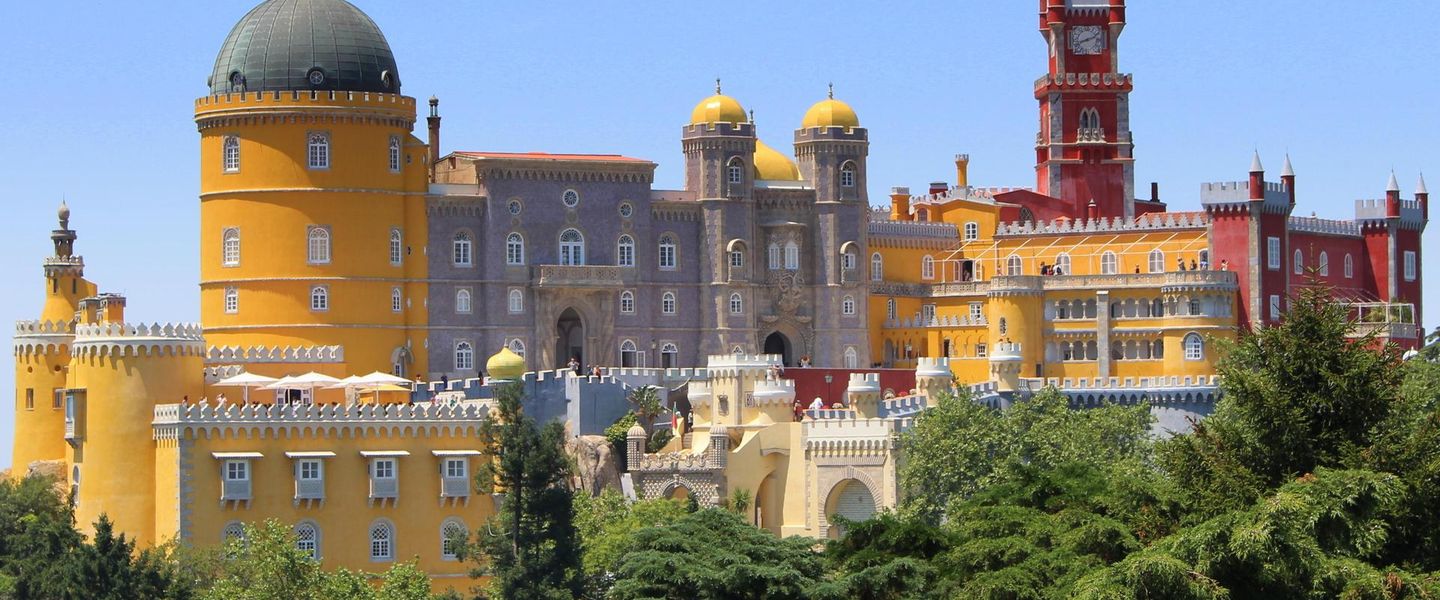


Sintra, Portugal blends Romantic palaces, Moorish ruins, forested hills and Atlantic scenery with rich history, cultural attractions and memorable day trips.
Palaces and Landscapes
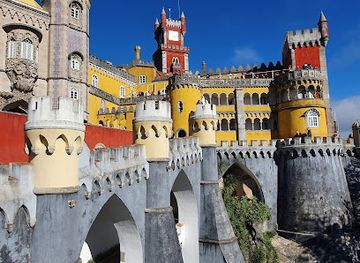
Set among wooded ridges west of Lisbon, Sintra is a town of extravagant palaces, granite outcrops, garden estates and cool, misty lanes. Its most recognisable landmark is the colourful Pena Palace, perched high above the historic centre, while the Castelo dos Mouros traces the skyline with its medieval walls. Below them, Sintra’s old village gathers around the National Palace, whose distinctive twin chimneys have become a local emblem. The surrounding hills form part of the Sintra Cultural Landscape, recognised by UNESCO for the way architecture, gardens and natural scenery developed together.Read more about Sintra
A Literary and Royal Retreat
From Hills to the Atlantic
When is the best time to visit Sintra?
Best: July–September · 26–27°C| Month | High (°C) | Rainfall (mm) |
|---|---|---|
| January | 16 | 100 |
| February | 17 | 96 |
| March | 17 | 90 |
| April | 19 | 85 |
| May | 21 | 80 |
| June | 24 | 75 |
| July (best) | 27 | 71 |
| August (best) | 26 | 75 |
| September (best) | 26 | 80 |
| October | 22 | 85 |
| November | 20 | 90 |
| December | 17 | 96 |
Getting to and around Sintra
How to get there
Transportation
Best attractions in Sintra
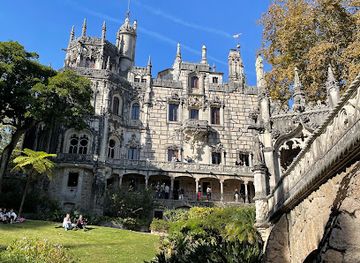
Sintra’s principal attractions unfold across wooded hills rather than along one central boulevard. Pena Palace is the most visually theatrical, with brightly coloured façades, turrets and terraces overlooking the surrounding landscape, while the Castelo dos Mouros offers a more austere experience of medieval walls, battlements and wide views. In the old centre, the National Palace preserves royal interiors, painted ceilings and its characteristic chimneys. Quinta da Regaleira draws visitors into an elaborate estate of gardens, grottoes, tunnels, wells and symbolic structures, and Monserrate combines an ornate palace with a botanical park shaped by international influences. The Sintra-Cascais Natural Park extends towards the coast, where Cabo da Roca, Praia Grande and Azenhas do Mar provide dramatic scenery beyond the palace circuit. Small museums, historic lanes and traditional pastry shops add texture between the major estates.
-
Castle
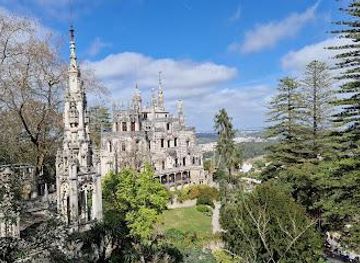
Quinta da Regaleira
Explore the enchanting Quinta da Regaleira in Sintra, where Gothic architecture meets lush gardens and rich symbolism in a UNESCO World Heritage site.
17 min walk · 1.4 km from city centre
-
Castle
National Palace of Pena
Discover the National Palace of Pena in Sintra, a majestic castle blending rich history with stunning architecture, set in a breathtaking landscape.
5 min drive · 1.7 km from city centre
-
Scenic spot
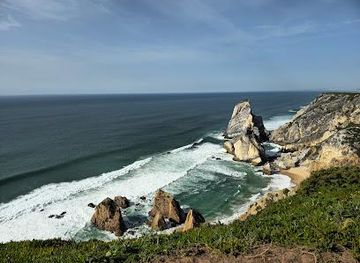
Cape Roca
Discover the breathtaking beauty of Cape Roca, the westernmost point of continental Europe, where stunning cliffs meet the mighty Atlantic Ocean.
30 min drive · 10 km from city centre
-
Stadium
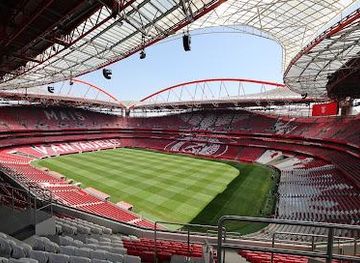
Estádio do Benfica
Discover the iconic Estádio do Benfica, a landmark of Portuguese football, offering immersive tours and a glimpse into the passion of the beautiful game.
38 min drive · 18 km from city centre

Best landmarks in Sintra
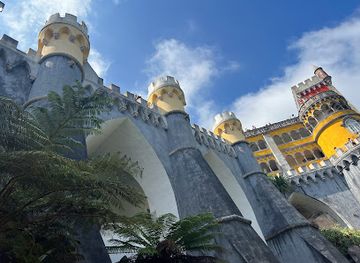
Pena Palace is Sintra’s defining architectural landmark, its Romantic revival design combining a former monastery with vivid façades, towers and terraces on the crest of the Serra de Sintra. Below it, the Castelo dos Mouros follows the mountain ridge with medieval fortifications that recall the area’s Islamic past and Christian conquest. The National Palace, recognisable by its two monumental chimneys, preserves a long royal building history within the old town. Quinta da Regaleira is distinguished by its symbolic gardens, carved stonework, underground passages and initiation wells, while Monserrate presents an ornate nineteenth-century palace set within a botanical estate. Together these sites show how royal power, medieval defence and Romantic-era imagination shaped Sintra’s identity and its UNESCO-recognised cultural landscape.
-
Monument
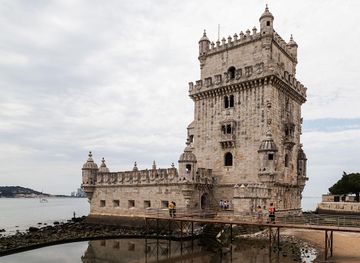
Belém Tower
Explore the iconic Belém Tower in Lisbon, a UNESCO World Heritage Site, showcasing Portugal's maritime history and stunning architectural beauty.
39 min drive · 19 km from city centre
-
Castle
Quinta da Regaleira
Discover the enchanting Quinta da Regaleira in Sintra, a UNESCO World Heritage site that blends history, architecture, and nature in a mystical setting.
17 min walk · 1.4 km from city centre
-
Castle
National Palace of Pena
Explore the National Palace of Pena, a stunning Romantic castle in Sintra, Portugal, renowned for its vibrant architecture and rich history.
5 min drive · 1.7 km from city centre
-
 Tourist attraction
Cabo da Roca
Discover Cabo da Roca, the breathtaking westernmost point of Europe, where stunning cliffs meet the Atlantic Ocean in a picturesque setting.
30 min drive · 10 km from city centre

Explore Sintra on the map
Plan your Sintra trip on one map. See where the top attractions, landmarks, restaurants, bars and hotels are, find what's near where you're staying, and book hotels and experiences in a few clicks.
Best hotels in Sintra
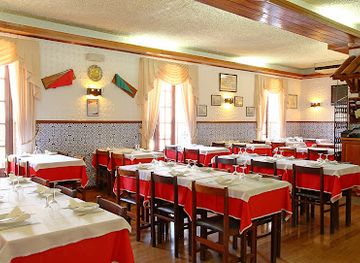
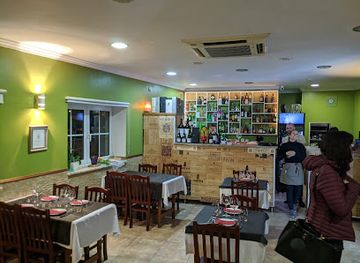
Best restaurants in Sintra
Sintra’s food culture combines the cooking of the Lisbon region with produce from the Atlantic coast and the fertile lands around Colares. Traditional restaurants serve Portuguese staples such as grilled fish, seafood rice, salt cod, roast meats and vegetable soups, while coastal villages in the municipality add a stronger emphasis on shellfish and fresh fish. The old centre is particularly associated with two pastries: the flaky, almond-filled travesseiro and the small, sweet queijada made with fresh cheese, sugar and cinnamon. Cafés and bakeries remain important stops, while restaurants in Colares and along the coast offer a more spacious setting than the tightly packed historic core. Local wines from the Colares area form a distinctive part of the region’s culinary identity, especially the traditional Ramisco-based production associated with sandy coastal vineyards.
-
Seafood
Restaurante Azenhas do Mar
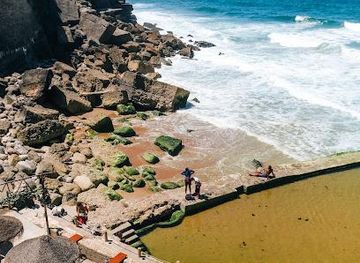
Cliffside seafood haven in Azenhas do Mar: fresh Atlantic catches, crashing waves, and Sintra coast magic where time slows amid majestic views.
25 min drive · 8.2 km from city centre
-
Restaurant
Incomum
Experience the best of local flavors at Incomum – where tradition meets innovation in Sintra's culinary scene.
7 min walk · 0.6 km from city centre
-
Restaurant
Apeadeiro
Experience authentic Portuguese flavors at Apeadeiro in Sintra - where every dish tells a story.
7 min walk · 0.6 km from city centre
-
Restaurant
Metamorphosis
Experience exquisite Portuguese cuisine at Metamorphosis in Sintra - where tradition meets modern flavors.
4 min walk · 0.3 km from city centre
Best bars in Sintra
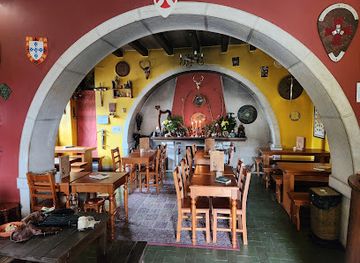
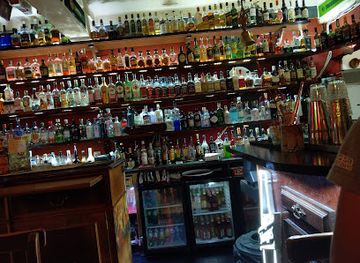
Sintra is not primarily a clubbing destination, and evenings tend to be quieter and more atmospheric than in central Lisbon. Around the historic centre, cafés, wine bars and traditional restaurants provide relaxed places for drinks after the monuments close, while hotel and estate restaurants may offer a more formal setting. Cultural programming can include concerts, theatre and events in historic venues, although schedules vary. In the wider municipality, Colares and the Atlantic settlements have informal bars and restaurants where evenings revolve around conversation, local wine and seafood rather than large nightclubs. Travellers seeking late-night dancing generally continue to Lisbon or Cascais, while those staying in Sintra should plan transport carefully after services become less frequent.
-
Pub
Casa do Fauno
Discover Casa do Fauno, a unique pub and bookstore in Sintra, where literature meets leisure in a charming atmosphere.
5 min drive · 1.6 km from city centre
-
Bar
Bar Saloon Cintra
Discover the vibrant nightlife at Bar Saloon Cintra, where delicious drinks and local culture meet in the heart of Lisbon.
3 min walk · 0.2 km from city centre
-
Tapas Bar
Tasco do Strauss
Experience authentic Portuguese tapas in a charming setting at Tasco do Strauss, a culinary jewel in Sintra that delights every palate.
13 min walk · 1.0 km from city centre
-
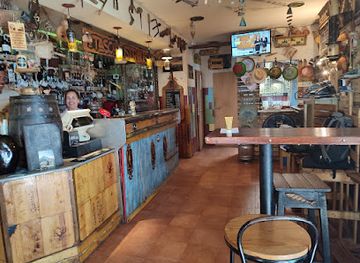
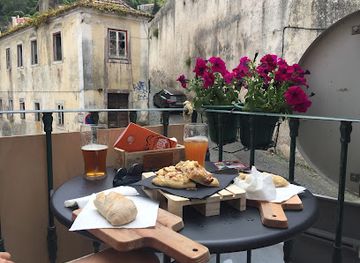
Bar
Villa Craft Beer & Bread
Discover the heart of Sintra at Villa Craft Beer & Bread, where craft brews meet artisanal bread in a cozy, inviting atmosphere.
10 min walk · 0.8 km from city centre
Best nightclubs in Sintra
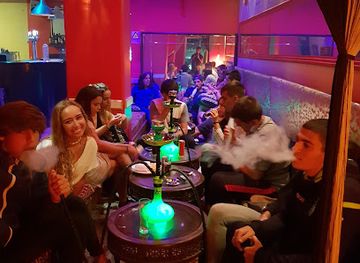
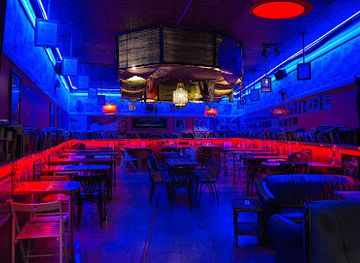
Sintra is not primarily a clubbing destination, and evenings tend to be quieter and more atmospheric than in central Lisbon. Around the historic centre, cafés, wine bars and traditional restaurants provide relaxed places for drinks after the monuments close, while hotel and estate restaurants may offer a more formal setting. Cultural programming can include concerts, theatre and events in historic venues, although schedules vary. In the wider municipality, Colares and the Atlantic settlements have informal bars and restaurants where evenings revolve around conversation, local wine and seafood rather than large nightclubs. Travellers seeking late-night dancing generally continue to Lisbon or Cascais, while those staying in Sintra should plan transport carefully after services become less frequent.
-
Pub
Casa do Fauno
Experience the charm of Casa do Fauno in Sintra, where delightful drinks and a cozy bookstore create the perfect retreat for literary lovers and social butterflies alike.
5 min drive · 1.6 km from city centre
-
Bar
Bar Saloon Cintra
Discover Bar Saloon Cintra in Lisbon - the perfect blend of lively ambiance, delicious food, and a diverse drink selection for an unforgettable night out!
3 min walk · 0.2 km from city centre
-
Bar
ZID lounge Bar
Discover the lively ZID Lounge Bar in Sintra, where great drinks and a welcoming atmosphere await every visitor.
15 min walk · 1.2 km from city centre
-
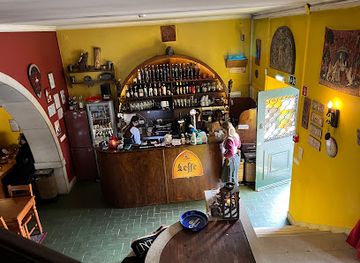
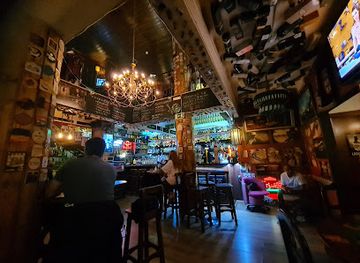
Bar
Salla de Estar
Discover the cozy charm of Salla de Estar, a beloved bar in Sintra offering delightful snacks and expertly crafted cocktails in a welcoming atmosphere.
4 min walk · 0.3 km from city centre
Best shops in Sintra
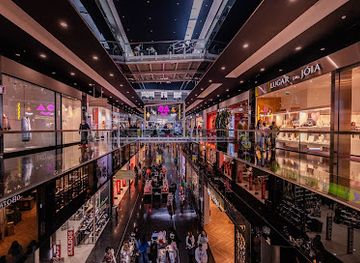
Shopping in Sintra is concentrated around the old village, where small shops, pastry counters and craft retailers occupy traditional streets near the National Palace. The most characteristic edible purchases are boxes of queijadas and travesseiros, while regional wines from Colares and Portuguese food products provide more durable souvenirs. Visitors may also find ceramics, cork goods, embroidered textiles, soaps and decorative objects reflecting wider Portuguese craft traditions, though quality and provenance vary between shops. Markets and independent retailers in the municipality serve local residents as well as tourists, and larger commercial centres are available towards the Lisbon suburbs rather than in the historic hills. In Colares and nearby coastal settlements, artisan products and provisions often have a more rural or maritime character than the palace-centred souvenirs found in central Sintra.
-
Shopping mall
Colombo Shopping Centre
Explore the Colombo Shopping Centre in Lisbon, an expansive shopping mall featuring top brands, diverse dining, and family-friendly entertainment.
38 min drive · 18 km from city centre
-
Shopping mall
UBBO
Explore UBBO in Pontinha, a shopping mall that offers a diverse blend of retail, dining, and entertainment experiences for all visitors.
34 min drive · 14 km from city centre
-
Shopping mall
Alegro Sintra
Discover Alegro Sintra, a vibrant shopping mall offering fashion, dining, and entertainment experiences in the heart of Rio de Mouro.
14 min drive · 4.6 km from city centre
-
Department store
Sintra Retail Park
Discover Sintra Retail Park: A shopping haven with diverse stores, delicious dining, and family-friendly amenities in scenic Rio de Mouro.
14 min drive · 4.7 km from city centre


Get your free copy of our complete guide to Sintra, delivered straight to you.
Everything on this page, from attractions and restaurants to essentials and local phrases, in one PDF you can read offline, print or share.
Already have an account? Sign in
Your Sintra guide is ready.
We'll send it to · Not you? Sign out

Getting your guide ready…
We are putting together a fresh copy of the Sintra guide. This can take up to a minute.
This can take a few moments. If your browser asks, choose Allow so the download can start. You'll find the guide in your Downloads folder.
Nothing happened? Download it again
Sorry, the guide is taking longer than usual. Please try again in a minute, or get it by email instead.
Sintra essentials
Currency and Payment
Safety
Emergency Situations
Do's and Don'ts
Local Tips
From Eve
Local phrases worth knowing
You don't need to get them perfect. A few words go a long way, and locals appreciate the effort.
Basics
| English | Local | Say it |
|---|---|---|
| Hello | Olá | [oh-lah] |
| Goodbye | Adeus | [ah-deh-oos] |
| Yes | Sim | [seem] |
| No | Não | [now] |
| Please/You're welcome | Por favor/De nada | [por fah-vohr/deh nah-dah] |
| Thank you | Obrigado/a | [oh-bree-gah-doo/ah] |
| Excuse me/Sorry | Com licença/Desculpe | [kohm lee-sehn-sah/dehs-kool-peh] |
| How are you? | Como está? | [koh-moh ehs-tah] |
| Fine. And you? | Bem. E você? | [behn/eh voh-seh] |
| Do you speak English? | Fala inglês? | [fah-lah een-glehsh] |
| I don't understand | Não entendo | [now ehn-tehn-doo] |
Eating & Drinking
| English | Local | Say it |
|---|---|---|
| I'd like to see the menu, please | Gostaria de ver o menu, por favor | [goh-stah-ree-ah deh vehr ooh meh-noo/por fah-vohr] |
| I don't eat meat | Não como carne | [now koh-moh kahr-neh] |
| Cheers! | Saúde! | [sah-oo-deh] |
| I would like to pay, please | Gostaria de pagar, por favor | [goh-stah-ree-ah deh pah-gahr/por fah-vohr] |
Emergencies
| English | Local | Say it |
|---|---|---|
| Help! | Socorro! | [soh-koh-roo] |
| Go away! | Vai-te embora! | [vah-ee-teh ehm-boh-rah] |
| Call the Police! | Chame a Polícia! | [shah-meh ah poh-lee-see-ah] |
| Call a doctor! | Chame um médico! | [shah-meh oohm meh-dee-koo] |
| I'm lost | Estou perdido/a | [ehs-toh pehr-dee-doo/ah] |
| I'm ill | Estou doente | [ehs-toh doo-ehn-teh] |
Shopping
| English | Local | Say it |
|---|---|---|
| I'd like to buy... | Gostaria de comprar... | [goh-stah-ree-ah deh kohm-prahr] |
| I'm just looking | Estou só a ver | [ehs-toh soh ah vehr] |
| How much is it? | Quanto custa? | [kwan-toh koos-tah] |
| That's too expensive | Isso é demasiado caro | [ee-soh eh deh-mah-see-ah-doo kah-roo] |
| Can you lower the price? | Pode baixar o preço? | [poh-deh bahy-shahr ooh preh-soo] |
Time & Numbers
| English | Local | Say it |
|---|---|---|
| What time is it? | Que horas são? | [keh oh-rahz sah-ooh] |
| It's one o'clock | É uma hora | [eh oo-mah oh-rah] |
| Half past (10) | Meia hora | [may-ah oh-rah] |
| Morning | Manhã | [mahn-yah] |
| Afternoon | Tarde | [tahr-deh] |
| Evening | Noite | [noy-teh] |
| Yesterday | Ontem | [ohn-tehm] |
| Today | Hoje | [oh-zheh] |
| Tomorrow | Amanhã | [ah-mahn-yah] |
| 1 | Um | [oom] |
| 2 | Dois | [doh-eez] |
| 3 | Três | [trehs] |
| 4 | Quatro | [kwah-troo] |
| 5 | Cinco | [seen-koo] |
| 6 | Seis | [saysh] |
| 7 | Sete | [seh-teh] |
| 8 | Oito | [oy-too] |
| 9 | Nove | [noh-veh] |
| 10 | Dez | [dehz] |
Transport & Directions
| English | Local | Say it |
|---|---|---|
| Where's a/the...? | Onde está um/o... | [ohn-deh ehs-tah oom/oh] |
| What's the address? | Qual é o endereço? | [kahl eh ooh ehn-deh-reh-soo] |
| Can you show me (on the map)? | Pode mostrar-me (no mapa)? | [poh-deh mohs-trahr-meh/noo mah-pah] |
| When's the next (bus)? | Quando é o próximo (autocarro)? | [kwan-doo eh ooh proh-kshee-moh/ow-toh-kah-roo] |
| A ticket (to ....) | Um bilhete (para ...) | [oom beel-eh-teh/pah-rah] |
History of Sintra
Early Settlements and Roman Sintra
The hills around Sintra were inhabited long before the town acquired its present form, with archaeological evidence pointing to prehistoric communities and later Roman activity. The Romans valued the region’s agricultural potential, water sources and position within the hinterland of Olisipo, the settlement that became Lisbon. Roman influence left traces in roads, rural occupation and local place names, although the surviving landscape is more strongly defined by later Islamic and Christian construction. The area’s rugged topography helped preserve a dispersed pattern of settlements, estates and hilltop sites rather than producing a single densely planned urban centre.
Moorish Rule and the Christian Conquest
Following the Muslim conquest of Iberia in the eighth century, Sintra developed as a fortified settlement known in Arabic sources as al-Shantara. The Castelo dos Mouros occupied a commanding ridge and protected the surrounding territory, while agriculture and settlement continued below. Christian forces under Afonso Henriques captured Sintra in 1147, during the wider conquest of Lisbon and its hinterland. A Christian community was subsequently established, and the town received a charter in the twelfth century. The castle walls and surviving Islamic-influenced urban fabric provide the clearest physical reminders of this period of political and cultural transition.
The Medieval Royal Residence
After the Christian conquest, Sintra became a favoured royal retreat because of its cooler climate, hunting grounds and proximity to Lisbon. The Paço Nacional de Sintra, or National Palace, developed over several centuries from earlier Islamic and medieval structures. Its courtyards, tiled interiors and great conical chimneys reflect successive royal campaigns rather than a single architectural moment. Monarchs used the palace for residence, administration and ceremonial life, helping Sintra retain importance even as Lisbon expanded. The town’s relationship with the crown also encouraged religious foundations, estates and roads that shaped its later historic centre.
The Romantic Transformation
Sintra was transformed in the nineteenth century by Romanticism, a movement that celebrated dramatic landscapes, medieval ruins and elaborate gardens. King Ferdinand II played a central role, commissioning the conversion of a former Hieronymite monastery into Pena Palace from the 1840s and developing its surrounding park. Wealthy landowners and aristocratic families established other estates, including Quinta da Regaleira and Monserrate, whose architecture and planting expressed contemporary fascination with symbolism, exoticism and historic revival. Writers and artists also helped turn Sintra into a celebrated cultural retreat, giving the town an identity closely associated with imagination, landscape and royal splendour.
Modern Heritage and the Sintra Cultural Landscape
During the twentieth century, Sintra evolved from an aristocratic retreat into a town visited by day-trippers, heritage travellers and residents commuting to Lisbon. Conservation efforts increasingly treated its palaces, gardens, woodland and historic settlements as an interconnected environment rather than isolated monuments. In 1995, UNESCO inscribed the Cultural Landscape of Sintra as a World Heritage site, recognising its unusual combination of natural setting and designed estates. Contemporary Sintra continues to balance tourism, local life and environmental protection, with heritage management especially important in the steep hills where roads, forests and monuments share limited space.
Travel experiences inspired by this city
-
 11 Day Trip
A Solo Adventure in Sintra-Cascais Natural Park
Explore the natural beauty and cultural richness of Sintra-Cascais Natural Park on a solo adventure, embracing the tranquility of Portugal's scenic landscapes.
11 Day Trip
A Solo Adventure in Sintra-Cascais Natural Park
Explore the natural beauty and cultural richness of Sintra-Cascais Natural Park on a solo adventure, embracing the tranquility of Portugal's scenic landscapes.
 5 Jun 2025
By Kirsten Nielsen -
 8 Day Trip
Exploring the Natural Beauty of Arrábida with David
Discover the serene landscapes and rich biodiversity of Arrábida Natural Park on an eco-friendly adventure with Emily and David.
8 Day Trip
Exploring the Natural Beauty of Arrábida with David
Discover the serene landscapes and rich biodiversity of Arrábida Natural Park on an eco-friendly adventure with Emily and David.
 5 May 2025
By Emily Smith -
 8 Day Trip
A Romantic Escape to the Enchanting Town of Sintra
Join us on an 8-day romantic journey through Sintra, Portugal, exploring historic palaces and lush gardens while staying at the charming Sintra Marmoris Camélia.
8 Day Trip
A Romantic Escape to the Enchanting Town of Sintra
Join us on an 8-day romantic journey through Sintra, Portugal, exploring historic palaces and lush gardens while staying at the charming Sintra Marmoris Camélia.
 1 Apr 2025
By Mary Sullivan -
 7 Day Trip
Exploring the Enchantment of Sintra with Family
Discover the magic of Sintra with family, exploring palaces and gardens while staying at the centrally located Sintra Bliss Hotel.
7 Day Trip
Exploring the Enchantment of Sintra with Family
Discover the magic of Sintra with family, exploring palaces and gardens while staying at the centrally located Sintra Bliss Hotel.
 10 Jan 2025
By Georgios Sideropoulos -
 7 Day Trip
Solo Adventure in Enchanting Sintra
Embark on a solo journey to Sintra, Portugal, exploring its mystical palaces, lush gardens, and rich cultural heritage.
7 Day Trip
Solo Adventure in Enchanting Sintra
Embark on a solo journey to Sintra, Portugal, exploring its mystical palaces, lush gardens, and rich cultural heritage.
 10 Jan 2025
By Aoife Walsh -
 8 Day Trip
Enchanting Escape to Sintra: Exploring Portugal's Fairytale City
Discover the charm of Sintra with its colorful palaces and lush gardens. A perfect 8-day retreat for cultural and natural exploration with your partner.
8 Day Trip
Enchanting Escape to Sintra: Exploring Portugal's Fairytale City
Discover the charm of Sintra with its colorful palaces and lush gardens. A perfect 8-day retreat for cultural and natural exploration with your partner.
 10 Jan 2025
By Ursula Weber
Swipe for more travel diaries
Sintra in Photos
Browse through our photo collection highlighting the charm and character of the destination.
Cities near Sintra
The closest cities to Sintra, if you have time for more than one stop.
-
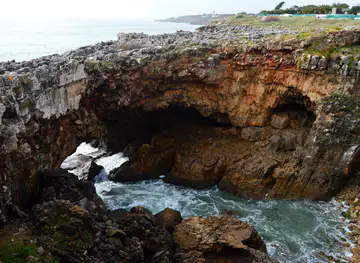
-

-

-

-


Swipe for more cities
Explore more
Explore more of Portugal
Discover Portugal: A blend of historic charm, stunning coastlines, and delightful cuisine awaits in this captivating European gem.
Explore Portugal