

Free Blackstone Valley Travel Guide & Mobile App
Explore Blackstone Valley with free travel guides. Discover regional history, expert tips, proposed trips, and audio guides on web or mobile app.


Explore Blackstone Valley’s mill heritage, river trails, museums, parks and immigrant history across northern Rhode Island.
Read more about Blackstone Valley
Getting to and around Blackstone Valley
How to get there
Transportation
Top city travel guides in Blackstone Valley
The cities of Blackstone Valley, and the easiest places to base yourself.
-

-


Swipe for more cities
Destinations in Blackstone Valley
Resorts, valleys and scenic spots worth a trip of their own.

Swipe for more destinations
Best attractions in Blackstone Valley
Blackstone Valley’s attractions form a connected historical and recreational landscape. In Pawtucket, Slater Mill explains the machinery, labour and waterpower behind early American textile manufacturing, while nearby historic streets and riverfront areas reveal how the industrial town developed. Woonsocket adds the Museum of Work & Culture, which focuses on French-Canadian immigration and working-class life, as well as cultural venues and former mill districts. Lincoln offers the Blackstone River State Park corridor, sections of the bikeway and the historic Hearthside House, while Lincoln Woods State Park provides swimming, boating, walking and picnicking in a wooded setting. Cumberland and North Smithfield bring a more rural dimension, with farms, open land, reservoirs and smaller historic sites. Families and outdoor visitors can combine easy paths with longer cycling or walking excursions, while history enthusiasts can follow the river’s dams, mill buildings and transportation routes. The strongest experience comes from linking several modest sites rather than expecting a single large attraction to represent the whole valley.
-
State park
Lincoln Woods State Park
Experience the serene beauty and outdoor adventures waiting for you at Lincoln Woods State Park, Rhode Island's natural retreat for all ages.
-
State park
Goddard Memorial State Park
Explore the natural beauty and historical significance of Goddard Memorial State Park in Rhode Island, a perfect family-friendly destination.
-
Recreation center
The Monastery
Experience the serene beauty and rich history of The Monastery in Cumberland, Rhode Island, where nature and heritage seamlessly intertwine.
-
Park
Blackstone Gorge
Experience the breathtaking beauty and outdoor adventures at Blackstone Gorge, a premier park in Massachusetts perfect for families and nature lovers.


Best landmarks in Blackstone Valley
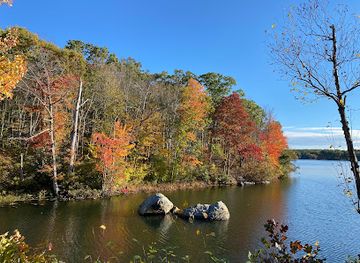
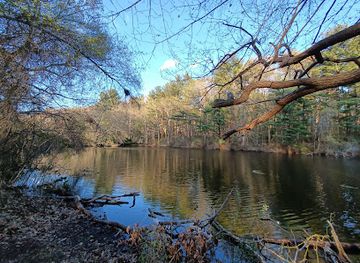
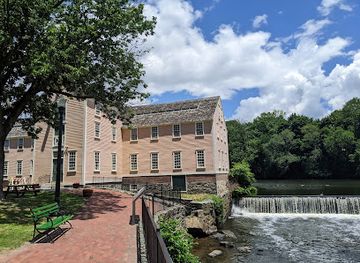
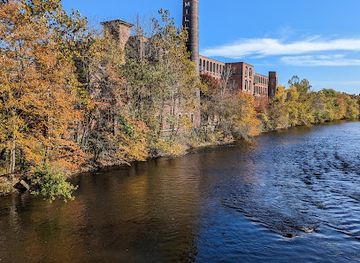
Slater Mill and the Pawtucket Falls are the defining landmarks of the Rhode Island Blackstone Valley. Together they show why Pawtucket became the setting for Samuel Slater’s pioneering textile enterprise: the falls supplied the waterpower, while the surviving mill complex represents the factory system that followed. In Woonsocket, the former industrial riverfront, dense historic neighbourhoods and prominent religious buildings express the scale and cultural diversity of the nineteenth-century mill city; St. Ann Arts and Cultural Center is particularly notable for its former church interior and community history. Hearthside House in Lincoln stands as an important example of an early nineteenth-century country estate, contrasting with the valley’s worker housing and factory architecture. The Blackstone River itself is a geographical landmark, repeatedly narrowed by dams and bordered by remnants of canals, rail infrastructure and mill sites. Lincoln Woods and the wooded stretches of the river corridor provide a natural counterpoint to the built heritage, showing how the valley’s identity depends on the continuing relationship between water, landscape and settlement.
-
State park
Lincoln Woods State Park
Explore Lincoln Woods State Park, a serene oasis in Rhode Island, where adventure meets tranquility amidst stunning natural landscapes.
-
Recreation center
The Monastery
Explore The Monastery in Cumberland, RI – a serene blend of historical significance and natural beauty, perfect for hiking and peaceful retreats.
-
Historical place museum
Old Slater Mill National Historic Landmark
Explore the birthplace of America's Industrial Revolution at Old Slater Mill, a landmark of history and innovation in Pawtucket, Rhode Island.
-
Park
Blackstone River State Park
Explore the natural beauty and historical charm of Blackstone River State Park in Lincoln, Rhode Island, a perfect getaway for adventurers and families.


Explore Blackstone Valley on the map
Plan your trip on one map. See where the top cities, national parks and sights are, and book hotels and experiences in a few clicks.
Best hotels in Blackstone Valley
Best restaurants in Blackstone Valley
Dining in Blackstone Valley reflects both Rhode Island’s broader food culture and the communities created by industrial migration. Pawtucket and Woonsocket have the widest choice of restaurants, cafés, bakeries and casual food businesses, while smaller towns are more likely to offer diners, pubs, family restaurants and seasonal farm outlets. French-Canadian heritage remains especially visible in Woonsocket, where visitors may encounter tourtière and other traditions associated with Québec-born communities, although local menus vary. Rhode Island staples such as clam cakes, chowder, coffee milk and seafood are also available across the region, alongside New England baking and contemporary American cooking. Farm stands and country stores in Cumberland, North Smithfield and Smithfield can provide eggs, produce, dairy products and baked goods when in season. A practical approach is to combine a museum or mill visit with a locally owned café or bakery, then seek a fuller restaurant meal in a larger town rather than expecting extensive dining options beside every trail or historic house.
-
American
blackie's
Discover the vibrant flavors of America at Blackie’s - where great food meets lively atmosphere in Smithfield, Rhode Island.
-
Breakfast
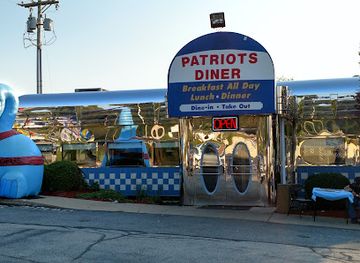
Patriots Diner
Discover Patriots Diner: A cozy haven serving delicious American breakfasts in Woonsocket, RI.
-
Family-friendly
Davenport's Family Restaurant
Experience family-friendly dining at Davenport's Family Restaurant in Cumberland, RI – where delicious American cuisine meets warm hospitality.
-
Restaurant
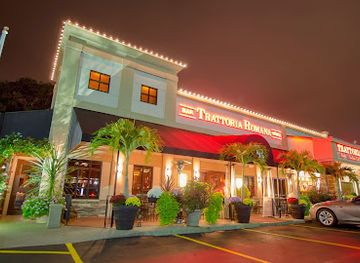
Trattoria Romana Lincoln
Experience authentic Italian flavors at Trattoria Romana Lincoln – where every meal is a celebration of taste.

Best bars in Blackstone Valley
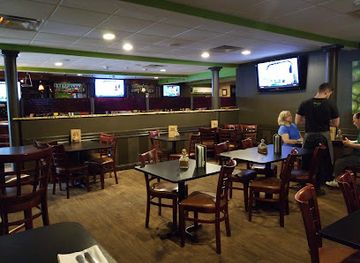
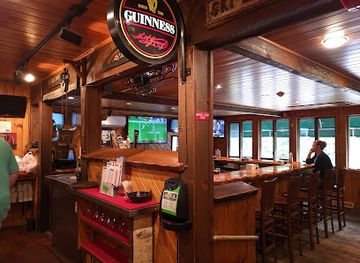
Evening life in Blackstone Valley is centred more on pubs, restaurants, breweries and community venues than on a large nightclub district. Pawtucket has the broadest urban choice, including places connected with its arts, food and mill-redevelopment scene, while Woonsocket offers locally oriented bars, restaurants, historic taverns and occasional live music. In Cumberland, Lincoln, North Smithfield and Smithfield, evenings tend to be quieter and more dispersed, with neighbourhood pubs, dining rooms and seasonal events providing the main options. Some former industrial buildings have been adapted for food, drink or creative activity, but commercial status and opening arrangements change, so check directly before travelling. Visitors interested in theatre, concerts or cultural programming should consult current listings in Pawtucket and Woonsocket. Rural nightlife is best approached as a relaxed meal or local gathering rather than a late-night club scene, and a designated driver or taxi plan is important when travelling between towns.
-
Grill
Laura’s Bar and Grill
Experience the best of American cuisine at Laura’s Bar and Grill in Smithfield, RI, featuring a delightful menu and a welcoming atmosphere for all.
-
American
blackie's
Experience the best of American comfort food at Blackie's in Smithfield, a local favorite for delicious meals and a welcoming atmosphere.
-
American
Lucky Dog Tavern - RI
Discover the culinary delights of Lucky Dog Tavern in Forestdale, RI, where American and Italian flavors come together in a welcoming atmosphere.
-
Pub
The Lodge Pub & Eatery
Discover the heart of Lincoln at The Lodge Pub & Eatery, where great food and friendly faces create unforgettable memories.


Best nightclubs in Blackstone Valley
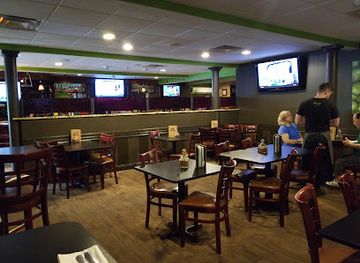
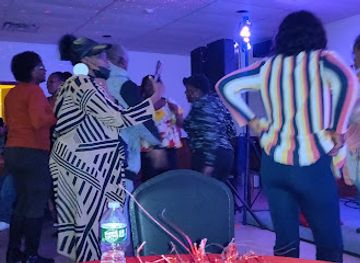
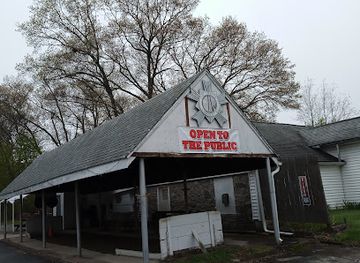
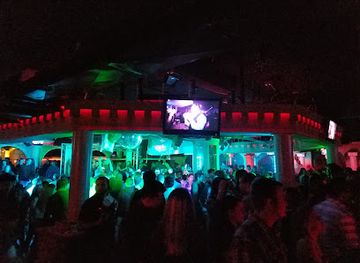
Evening life in Blackstone Valley is centred more on pubs, restaurants, breweries and community venues than on a large nightclub district. Pawtucket has the broadest urban choice, including places connected with its arts, food and mill-redevelopment scene, while Woonsocket offers locally oriented bars, restaurants, historic taverns and occasional live music. In Cumberland, Lincoln, North Smithfield and Smithfield, evenings tend to be quieter and more dispersed, with neighbourhood pubs, dining rooms and seasonal events providing the main options. Some former industrial buildings have been adapted for food, drink or creative activity, but commercial status and opening arrangements change, so check directly before travelling. Visitors interested in theatre, concerts or cultural programming should consult current listings in Pawtucket and Woonsocket. Rural nightlife is best approached as a relaxed meal or local gathering rather than a late-night club scene, and a designated driver or taxi plan is important when travelling between towns.
-
Bar
The Tyra Club
Experience the vibrant nightlife at The Tyra Club, a lively bar in Woonsocket, Rhode Island, offering a variety of drinks and a friendly ambiance.
-
Night club
Alchemy
Experience the vibrant nightlife at Alchemy, Providence's premier night club with electrifying music and an unforgettable atmosphere.
-
Bar
Club Lafayette Inc
Discover the vibrant nightlife at Club Lafayette Inc, a lively bar in Woonsocket, RI, perfect for drinks, entertainment, and friendly vibes.
-
Night club
Colosseum
Discover the pulse of Providence nightlife at Colosseum Night Club, where live music and vibrant energy create unforgettable nights.

Best shops in Blackstone Valley
Shopping in Blackstone Valley is primarily local and practical, with independent high-street businesses, bakeries, antique shops, galleries, farm outlets and small specialist retailers rather than a single dominant luxury district. Pawtucket provides the most varied browsing in an urban setting, particularly around its historic and arts-oriented areas, while Woonsocket combines traditional commercial streets with shops serving long-established neighbourhood communities. Farmers’ markets and seasonal farm stands in and around Cumberland, Lincoln, North Smithfield and Smithfield are useful for Rhode Island produce, dairy goods, baked items and other regional foods, although dates and locations vary. Visitors interested in the valley’s industrial character can look for locally made crafts, studio work, books on regional history and design goods in converted mill or cultural spaces. Antiques and vintage items also suit the region’s old housing stock and manufacturing history. Retail opening patterns are generally more limited in rural areas and on Sundays, so shopping is best combined with a museum, market or town-centre visit rather than treated as a separate full-day activity.
-
Outlet mall
Wrentham Village Premium Outlets
Discover unbeatable deals at Wrentham Village Premium Outlets, the ultimate shopping destination in Massachusetts with over 170 outlet stores.
-
Shopping mall
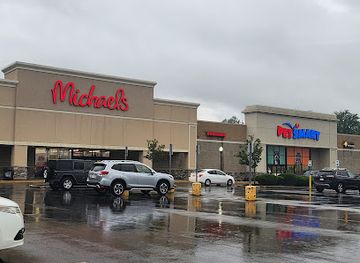
The Shops at Blackstone Valley
Discover a shopping paradise at The Shops at Blackstone Valley, where diverse stores meet delightful dining, all in one vibrant location.
-
Gift shop
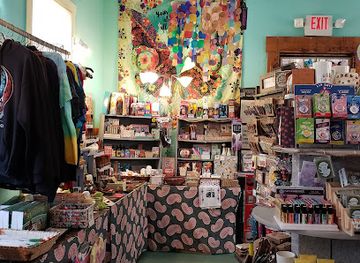
Fantastic Umbrella Factory
Explore the Fantastic Umbrella Factory in Charlestown, RI - a whimsical gift shop featuring unique crafts, local art, and charming outdoor spaces.
-
Shopping mall
Apple Valley Mall
Discover the charm of Apple Valley Mall in Greenville, RI, your go-to destination for shopping, dining, and entertainment all in one place.

Get your free copy of our complete guide to Blackstone Valley, delivered straight to you.
Everything on this page, from attractions and restaurants to essentials and local phrases, in one PDF you can read offline, print or share.
Already have an account? Sign in
Your Blackstone Valley guide is ready.
We'll send it to · Not you? Sign out

Getting your guide ready…
We are putting together a fresh copy of the Blackstone Valley guide. This can take up to a minute.
This can take a few moments. If your browser asks, choose Allow so the download can start. You'll find the guide in your Downloads folder.
Nothing happened? Download it again
Sorry, the guide is taking longer than usual. Please try again in a minute, or get it by email instead.
Blackstone Valley essentials
Currency and Payment
Safety
Emergency Situations
Do's and Don'ts
Local Tips
From Eve
Local phrases worth knowing
You don't need to get them perfect. A few words go a long way, and locals appreciate the effort.
Basics
| English | Local | Say it |
|---|---|---|
| Hello | Hey | [Hey] |
| Goodbye | See ya | [See ya] |
| Yes | Yeah | [Yeah] |
| No | Nah | [Nah] |
| Please/You’re welcome | No problem | [No problem] |
| Thank you | Thanks | [Thanks] |
| Excuse me/Sorry | Sorry | [Sorry] |
| How are you? | How ya doin'? | [How ya doin'?] |
| Fine. And you? | Good. You? | [Good. You?] |
| Do you speak English? | You speakin' English? | [You speakin' English?] |
| I don't understand | I don’t get it | [I don’t get it] |
Eating & Drinking
| English | Local | Say it |
|---|---|---|
| I’d like to see the menu, please | Can I see the menu? | [Can I see the menu?] |
| I don’t eat meat | I’m a vegetarian | [I’m a vegetarian] |
| Cheers! | Cheers! | [Cheers!] |
| I would like to pay, please | Can I get the check? | [Can I get the check?] |
Emergencies
| English | Local | Say it |
|---|---|---|
| Help! | Help! | [Help!] |
| Go away! | Get lost! | [Get lost!] |
| Call the Police! | Call the cops! | [Call the cops!] |
| Call a doctor! | Get a doctor! | [Get a doctor!] |
| I’m lost | I’m lost | [I’m lost] |
| I’m ill | I’m not feelin' good | [I’m not feelin' good] |
Shopping
| English | Local | Say it |
|---|---|---|
| I’d like to buy... | I wanna buy... | [I wanna buy...] |
| I’m just looking | Just lookin' | [Just lookin'] |
| How much is it? | How much? | [How much?] |
| That’s too expensive | That’s too pricey | [That’s too pricey] |
| Can you lower the price? | Can you drop the price? | [Can you drop the price?] |
Time & Numbers
| English | Local | Say it |
|---|---|---|
| What time is it? | What time ya got? | [What time ya got?] |
| It’s one o’clock | It's one o'clock | [It's one o'clock] |
| Half past (10) | Half past ten | [Half past ten] |
| Morning | Morning | [Morning] |
| Afternoon | Afternoon | [Afternoon] |
| Evening | Evening | [Evening] |
| Yesterday | Yesterday | [Yesterday] |
| Today | Today | [Today] |
| Tomorrow | Tomorrow | [Tomorrow] |
| 1 | One | [One] |
| 2 | Two | [Two] |
| 3 | Three | [Three] |
| 4 | Four | [Four] |
| 5 | Five | [Five] |
| 6 | Six | [Six] |
| 7 | Seven | [Seven] |
| 8 | Eight | [Eight] |
| 9 | Nine | [Nine] |
| 10 | Ten | [Ten] |
Transport & Directions
| English | Local | Say it |
|---|---|---|
| Where's a/the...? | Where's the...? | [Where's the...?] |
| What's the address? | What's the addy? | [What's the addy?] |
| Can you show me (on the map)? | Can ya show me on the map? | [Can ya show me on the map?] |
| When's the next (bus)? | When's the next bus? | [When's the next bus?] |
| A ticket (to ....) | A ticket to... | [A ticket to...] |
History of Blackstone Valley
Indigenous River Landscape Before European Settlement
Long before industrialisation, the Blackstone River and its tributaries formed part of an Indigenous landscape used for travel, fishing, hunting and seasonal settlement. The river was known by Indigenous names, including versions recorded as Sicog or Seekonk, while the surrounding region was associated with peoples of southern New England such as the Nipmuc and Wampanoag. European settlement altered land ownership, waterways and patterns of cultivation, but the valley’s geography continued to determine where communities and later industries developed.
Providence Plantations and Early Water-Powered Industry
Seventeenth- and eighteenth-century English settlement brought farms, mills and roads to the river corridor. Small gristmills and sawmills used the Blackstone’s falls before large-scale textile manufacturing appeared. Pawtucket’s substantial drop in elevation made it particularly suitable for waterpower, while northern communities developed around farms, quarrying, small workshops and transport routes. The river’s practical value, rather than a single planned town, created the linked settlement pattern that still characterises the Rhode Island valley.
Slater Mill and the Industrial Revolution, 1790s
In 1793, Samuel Slater and his partners established a cotton-spinning mill at Pawtucket using machinery derived from British textile technology. Slater Mill became the first successful water-powered cotton-spinning mill in the United States and helped launch a factory system that spread through New England. Its success changed Pawtucket from a small river settlement into an industrial centre and encouraged the construction of mills, dams, worker housing and supporting businesses farther up the Blackstone Valley.
Canals, Railways and the Expansion of Mill Towns
The Blackstone Canal opened in 1828, linking Worcester, Massachusetts, with Providence and allowing raw materials and finished goods to move more efficiently through the valley. It was soon overtaken by railways, but its route illustrates the importance of the river corridor as a transport and manufacturing axis. Rail connections reinforced the growth of Pawtucket, Central Falls and Woonsocket, while new mills produced textiles, thread and related goods on an increasingly large scale.
Immigration and Textile Communities in the Nineteenth Century
Industrial employment attracted workers from Ireland, French Canada, Italy and other parts of Europe, creating multilingual communities in the valley’s mill towns. Woonsocket became especially associated with French-Canadian migration, whose institutions included churches, schools, newspapers, mutual-aid societies and commercial streets. Mill work shaped family life, housing and local politics, while churches and civic organisations helped newcomers establish durable cultural identities. The Museum of Work & Culture in Woonsocket preserves and interprets this social history.
Industrial Decline and Changing River Communities
After reaching major manufacturing importance in the nineteenth and early twentieth centuries, the valley’s textile economy contracted as production moved elsewhere and mills closed or changed use. Deindustrialisation left vacant factories and environmental damage but also preserved a remarkable concentration of historic structures. Former mills have since been adapted for housing, studios, offices, food businesses and cultural use, while river clean-up, conservation and heritage work have supported a broader economic identity based on history, recreation and community life.
Heritage Conservation and the National Heritage Corridor
The Blackstone River Valley National Heritage Corridor was established in 1986 to recognise and help interpret the interconnected industrial, environmental and cultural history of the Blackstone River from Worcester to Providence. In Rhode Island, the corridor links mill districts, parks, museums, landscapes and local preservation projects across several municipalities. This approach treats the valley as a living historical landscape rather than a collection of isolated monuments, connecting industrial history with present-day recreation and community revitalisation.
Blackstone Valley in Photos
Browse through our photo collection highlighting the charm and character of the destination.
Neighbouring regions of Blackstone Valley
The closest regions to Blackstone Valley, if you have time for more than one.
-
-

-
-

-


Swipe for more regions
Explore more
Explore more of Rhode Island
Discover Rhode Island: Explore historic mansions, vibrant cities, serene islands, and culinary delights in the smallest state with a big heart.
Explore Rhode Island