

Free Providence County Travel Guide & Mobile App
Explore Providence County with free travel guides. Discover regional history, expert tips, proposed trips, and audio guides on web or mobile app.


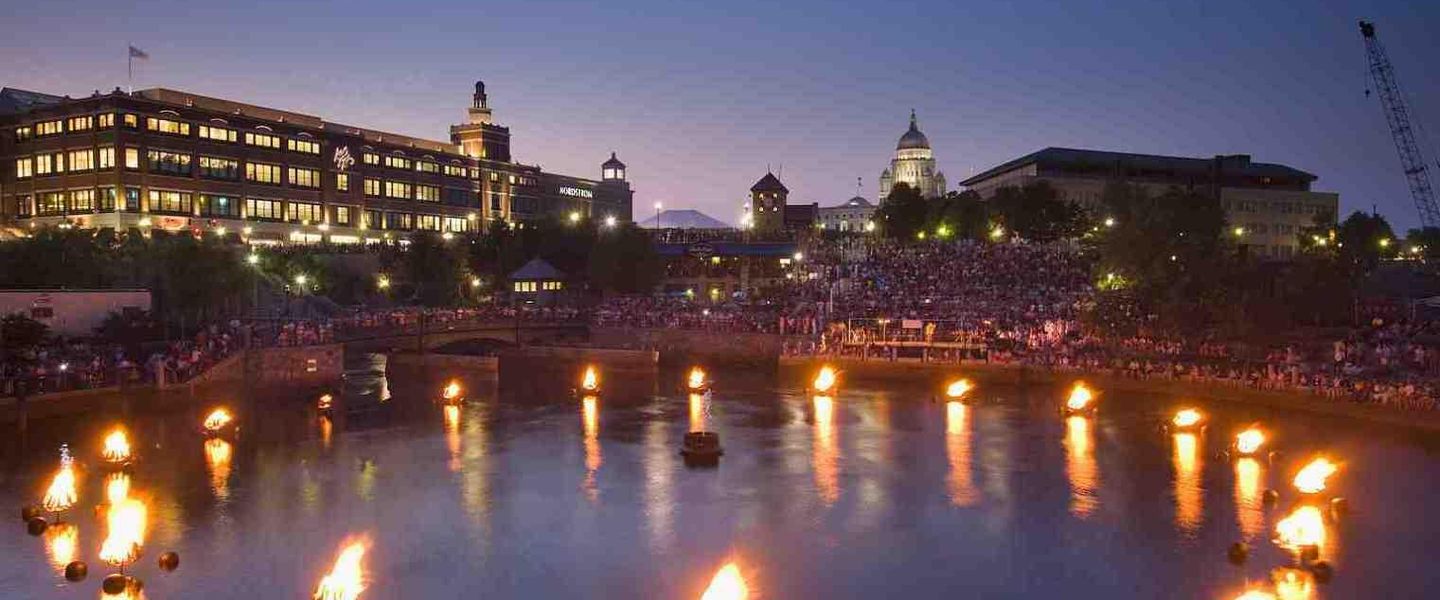


Explore Providence County for Rhode Island history, Blackstone River mills, creative city culture, diverse dining and wooded rural landscapes.
Read more about Providence County
When is the best time to visit Providence County?
Best: June, August–September · 23–27°C| Month | High (°C) | Rainfall (mm) |
|---|---|---|
| January | 4 | 89 |
| February | 5 | 81 |
| March | 8 | 99 |
| April | 14 | 96 |
| May | 20 | 89 |
| June (best) | 25 | 85 |
| July | 28 | 92 |
| August (best) | 27 | 94 |
| September (best) | 23 | 90 |
| October | 17 | 96 |
| November | 11 | 103 |
| December | 6 | 103 |
Getting to and around Providence County
How to get there
Transportation
Top city travel guides in Providence County
The cities of Providence County, and the easiest places to base yourself.
-

-

-

-


Swipe for more cities
Destinations in Providence County
Resorts, valleys and scenic spots worth a trip of their own.
-

-

-
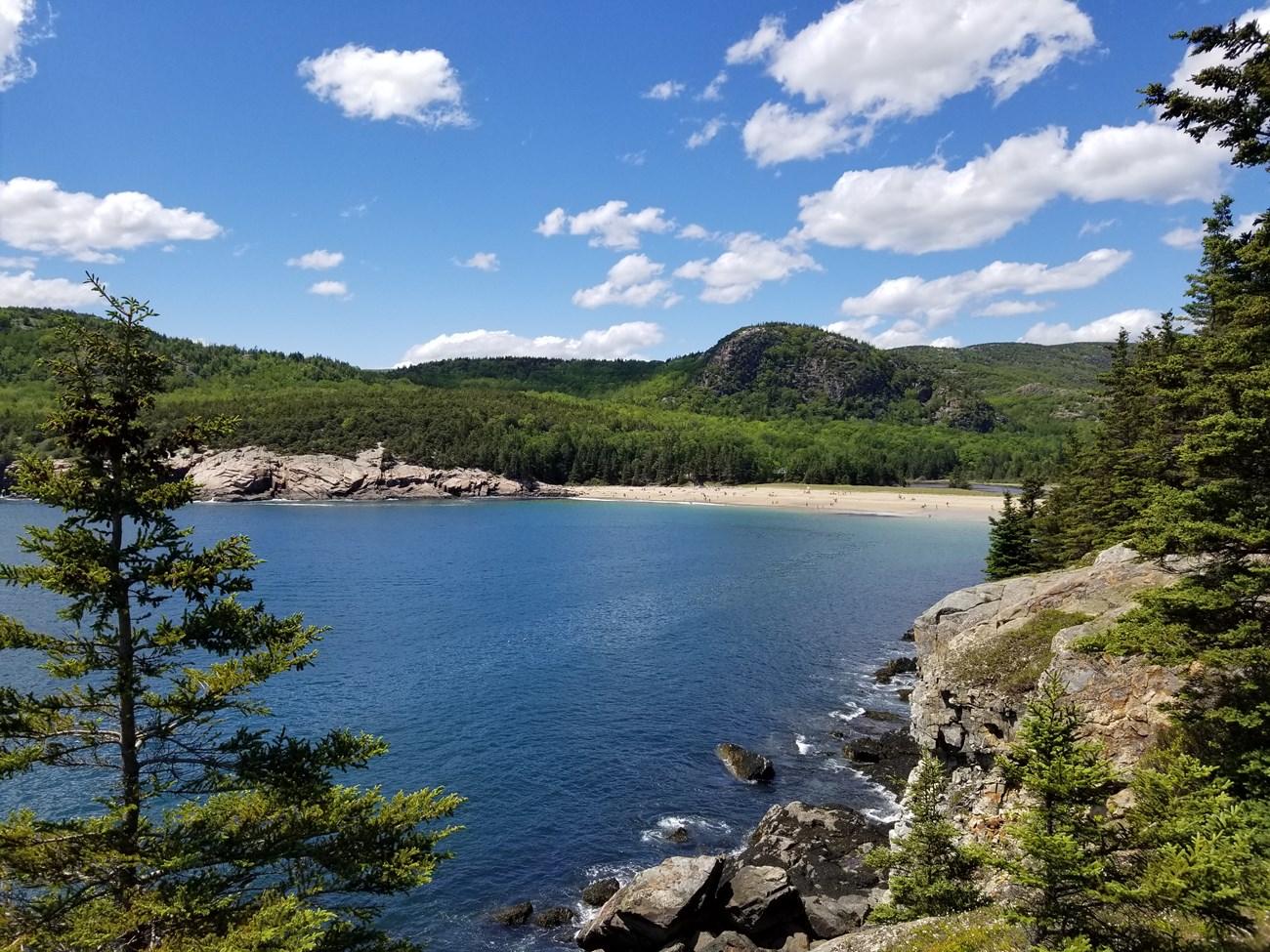 Arcadia Management Area
 in Rhode Island offers forest trails, ponds, Wood River fishing, camping and wildlife across southern New England landscapes.


Swipe for more destinations
Best attractions in Providence County
Providence County’s attractions range from major cultural institutions to river landscapes and industrial heritage. Providence offers the RISD Museum, the Providence Athenaeum, the John Brown House Museum, the Rhode Island State House and Roger Williams Park, whose museums, botanical settings and zoo make it one of the county’s most substantial recreation areas. Roger Williams National Memorial interprets the city’s founding and its association with religious liberty. Pawtucket is central to understanding American manufacturing through the Slater Mill historic site and the wider Blackstone River corridor, where former mills, canals and trails reveal the relationship between water power and urban growth. Woonsocket adds museums, churches and nineteenth-century mill architecture shaped by French-Canadian immigration. The northern valley also suits cycling, walking and paddling where conditions and access allow. In western communities such as Foster and Glocester, forest roads, reservoirs, farms and conservation land provide a quieter counterpoint to the county’s dense cities. Seasonal public art and riverfront events broaden Providence’s cultural programme, but schedules should be checked before travelling.
-
Stadium
Gillette Stadium
Experience the thrill of live sports and concerts at Gillette Stadium, home of the New England Patriots, in beautiful Foxborough, Massachusetts.
-
State park
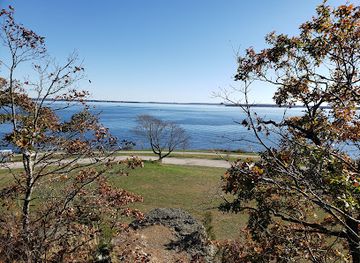
Fort Adams State Park
Explore the historic Fort Adams State Park in Newport, RI - a blend of history, nature, and outdoor fun in a picturesque coastal setting.
-
State park
Rocky Point State Park
Experience the enchanting Rocky Point State Park, a scenic retreat for nature lovers and families alike, with trails, picnic spots, and stunning bay views.
-
Art museum
RISD Museum
Explore centuries of creativity at the RISD Museum in Providence, RI, where art and design come to life in a vibrant cultural experience.


Best landmarks in Providence County
The Rhode Island State House is Providence County’s most commanding civic landmark, crowned by a prominent marble dome and set above the downtown streets. On College Hill, the First Baptist Church in America, founded by Roger Williams in 1639, and the Providence Athenaeum represent the city’s religious, intellectual and architectural history; nearby Benefit Street is notable for its concentration of historic houses. The Providence River’s redesigned downtown waterways frame the city centre and have become a defining modern landscape. In Pawtucket, Slater Mill is the county’s most important industrial landmark, preserving the setting associated with the early American textile revolution. The Blackstone River, its former canals and surviving mill buildings form a broader linear landmark across the northern county. Woonsocket’s mill complexes and churches express the scale of nineteenth-century manufacturing and French-Canadian settlement, while the wooded reservoirs and hills of western Providence County provide a contrasting natural identity.
-
Historical landmark
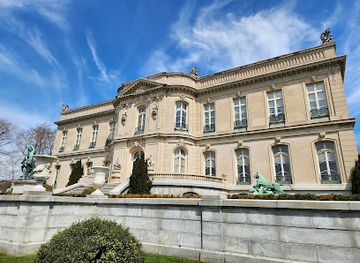
The Elms
Discover the opulent beauty and rich history of The Elms, a stunning Gilded Age mansion in Newport, Rhode Island, showcasing exquisite architecture and gardens.
-
Art museum
RISD Museum
Explore the cultural gem of Providence at the RISD Museum, showcasing an extensive collection of art spanning centuries and cultures.
-
Tourist attraction
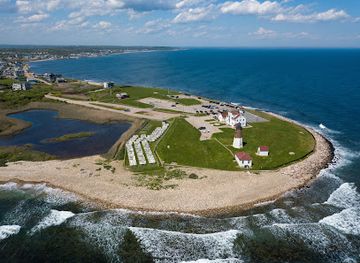
Point Judith Lighthouse
Explore Point Judith Lighthouse, a historical treasure on the Rhode Island coast, offering stunning ocean views and rich maritime heritage.
-
Hiking area
Neutaconkanut Hill Conservancy
Discover the beauty of Neutaconkanut Hill Conservancy in Providence, RI - a perfect blend of hiking trails, stunning views, and diverse wildlife.


Explore Providence County on the map
Plan your trip on one map. See where the top cities, national parks and sights are, and book hotels and experiences in a few clicks.
Best hotels in Providence County
Best restaurants in Providence County
Providence has the county’s broadest dining range, with restaurants and cafés influenced by New England seafood, Italian-American cooking, French-Canadian traditions and newer immigrant communities. Federal Hill is particularly associated with Italian-American food shops, bakeries and restaurants, while Downtown, the West End and neighbourhoods around College Hill offer varied contemporary dining. Rhode Island staples such as clam cakes, stuffies and coffee milk appear alongside oysters, shellfish, local produce and classic diner food, although menus change with the establishment and season. Pawtucket and Woonsocket provide longstanding family restaurants, bakeries and casual food linked to their industrial and immigrant histories. Rural northern and western districts are more likely to centre on diners, pubs, farm stands and modest country restaurants than on dense restaurant streets. Farmers’ markets and independent food shops are useful places to find regional produce, baked goods and prepared foods; sales times and locations vary seasonally.
-
Indian
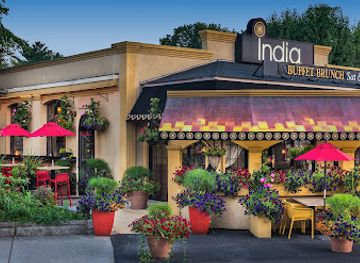
India Restaurant
Discover the authentic taste of India with vibrant flavors and diverse options at Providence's beloved India Restaurant.
-
Peruvian
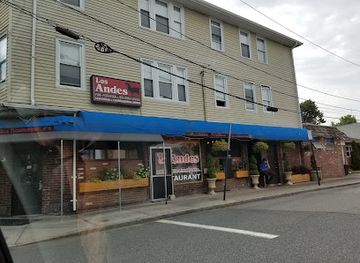
Los Andes
Experience the vibrant tastes of Peru at Los Andes, where culinary traditions meet modern flair in every dish.
-
Restaurant
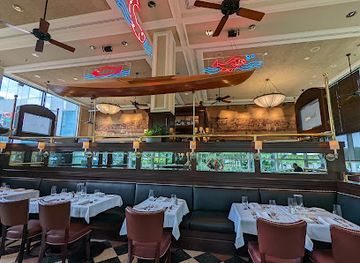
Hemenway's Restaurant
Experience fine dining at Hemenway's Restaurant in Downtown Providence with exquisite seafood dishes and exceptional service.
-
American
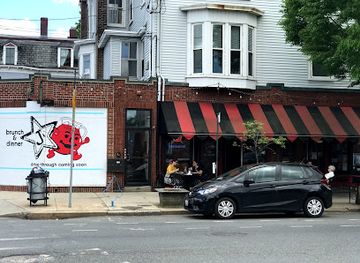
Julian's
Discover Julian's in Providence: A vibrant American restaurant known for creative dishes and delightful brunch experiences.
Best bars in Providence County
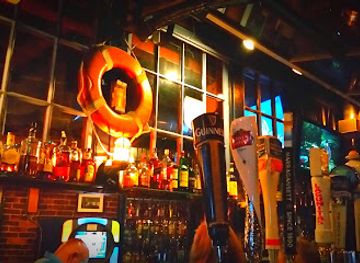
Evening life is concentrated in Providence, where Downtown, Federal Hill, the West End and areas around College Hill offer cocktail bars, pubs, breweries, restaurants, live music and theatre-related venues. The city’s universities contribute to a youthful calendar, while galleries, performances and public events provide alternatives to drinking-based nightlife. Pawtucket has a smaller scene connected to restaurants, breweries, arts spaces and former mill districts, and Woonsocket’s evenings are more focused on local bars, dining and occasional performances than on large clubs. In Central Falls and the rural towns, nightlife is generally neighbourhood-based, with pubs and restaurants serving local communities. WaterFire and other public programmes can bring people into Providence after dark on scheduled dates, but they are not nightly attractions and arrangements may change.
-
Bar
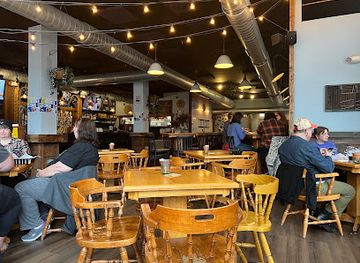
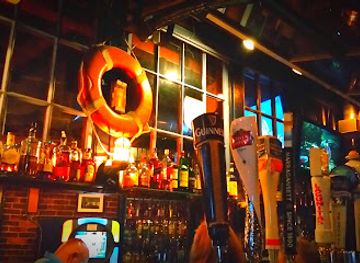
The Malted Barley
Experience the vibrant atmosphere of The Malted Barley in Downtown Providence, where craft beer meets delicious American cuisine.
-
Bar
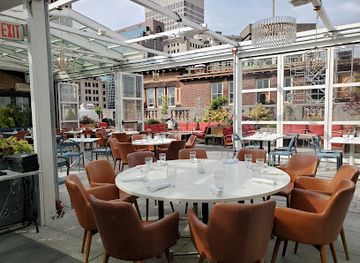
Rooftop at the Providence G
Discover the Rooftop at the Providence G, where breathtaking views and expertly crafted cocktails create an unforgettable experience in Downtown Providence.
-
Grill
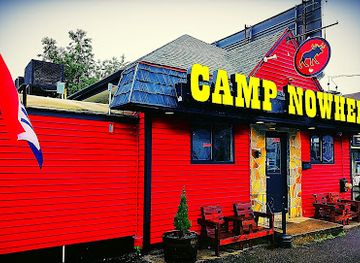
Camp Nowhere
Discover the culinary delights of Camp Nowhere in North Providence, a vibrant grill known for its creative and delicious comfort food.
-
Bar
The Hot Club
Discover The Hot Club: A lively bar and club in Providence offering great drinks, live music, and stunning waterfront views for an unforgettable night out.
Best nightclubs in Providence County
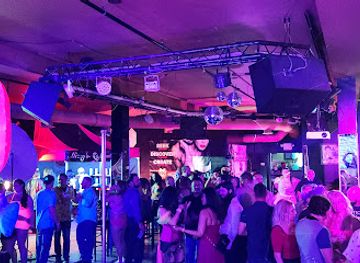
Evening life is concentrated in Providence, where Downtown, Federal Hill, the West End and areas around College Hill offer cocktail bars, pubs, breweries, restaurants, live music and theatre-related venues. The city’s universities contribute to a youthful calendar, while galleries, performances and public events provide alternatives to drinking-based nightlife. Pawtucket has a smaller scene connected to restaurants, breweries, arts spaces and former mill districts, and Woonsocket’s evenings are more focused on local bars, dining and occasional performances than on large clubs. In Central Falls and the rural towns, nightlife is generally neighbourhood-based, with pubs and restaurants serving local communities. WaterFire and other public programmes can bring people into Providence after dark on scheduled dates, but they are not nightly attractions and arrangements may change.
-
Restaurant
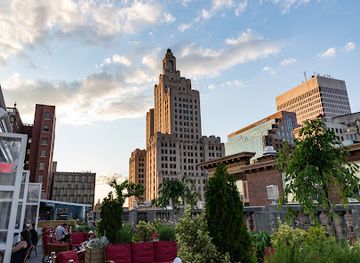
Rooftop at the Providence G
Experience breathtaking views, delightful cocktails, and vibrant nightlife at Rooftop at the Providence G, the ultimate destination in Providence.
-
Bar
The Hot Club
Experience the vibrant nightlife and delicious cuisine at The Hot Club, a premier bar and grill in Providence's scenic waterfront.
-
Dance club
Platforms Dance Club
Discover the electrifying nightlife at Platforms Dance Club, where the music never stops and the dance floor awaits your moves.
-
Night club
Alchemy
Experience the vibrant nightlife of Providence at Alchemy, where music, drinks, and unforgettable memories await in the heart of the Jewelry District.

Best shops in Providence County
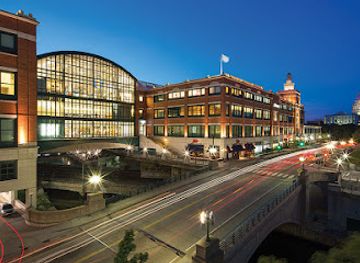
Providence is the county’s principal shopping centre, combining national retailers with independent boutiques, bookshops, galleries and design-led stores around Downtown, Westminster Street, Wayland Square and nearby neighbourhoods. Federal Hill is better known for Italian food shops, bakeries, wine and speciality groceries than for conventional retail, making it a useful place to buy edible souvenirs. Pawtucket and Woonsocket offer smaller high streets, antiques, independent businesses and arts-related shopping, though opening patterns vary. Farmers’ markets and seasonal produce stands across the county sell fruit, vegetables, baked goods, preserves and other local products; verify current locations and dates before visiting. Craft goods, jewellery, ceramics, prints and textiles are more readily found in Providence’s galleries and museum shops than in rural communities. Western Providence County is oriented towards farm stands and practical local produce rather than large shopping districts, while larger general retail areas tend to be concentrated along major roads outside the historic centres.
-
Shopping mall
Providence Place
Explore the bustling Providence Place, a premier shopping mall in Downtown Providence featuring unique shops, diverse dining, and exciting entertainment.
-
Flea market
Big Top Flea Market
Explore the vibrant Big Top Flea Market in Providence, RI, for unique antiques, handmade crafts, and delicious local treats amidst a lively atmosphere.
-
Antique store
Rhode Island Antiques Mall
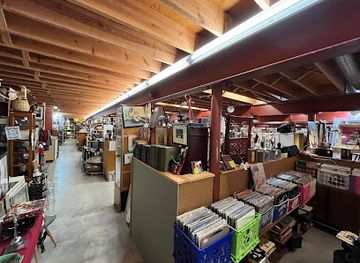
Uncover unique vintage treasures and timeless furniture at Rhode Island Antiques Mall, a must-visit destination for enthusiasts and collectors.
-
Gift shop
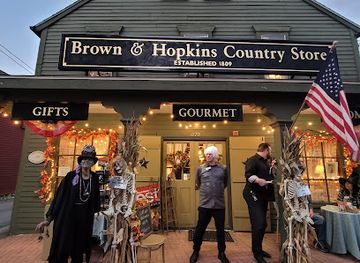
Brown & Hopkins Country Store
Discover unique gifts, gourmet foods, and charming home goods at Brown & Hopkins Country Store, a must-visit destination in Chepachet, Rhode Island.

Get your free copy of our complete guide to Providence County, delivered straight to you.
Everything on this page, from attractions and restaurants to essentials and local phrases, in one PDF you can read offline, print or share.
Already have an account? Sign in
Your Providence County guide is ready.
We'll send it to · Not you? Sign out

Getting your guide ready…
We are putting together a fresh copy of the Providence County guide. This can take up to a minute.
This can take a few moments. If your browser asks, choose Allow so the download can start. You'll find the guide in your Downloads folder.
Nothing happened? Download it again
Sorry, the guide is taking longer than usual. Please try again in a minute, or get it by email instead.
Providence County essentials
Currency and Payment
Safety
Emergency Situations
Do's and Don'ts
Local Tips
From Eve
Local phrases worth knowing
You don't need to get them perfect. A few words go a long way, and locals appreciate the effort.
Basics
| English | Local | Say it |
|---|---|---|
| Hello | Hey | [Hey] |
| Goodbye | See ya | [See ya] |
| Yes | Yeah | [Yeah] |
| No | Nah | [Nah] |
| Please/You're welcome | No problem | [No problem] |
| Thank you | Thanks | [Thanks] |
| Excuse me/Sorry | Sorry | [Sorry] |
| How are you? | How ya doin'? | [How ya doin'?] |
| Fine. And you? | Good. And you? | [Good. And you?] |
| Do you speak English? | You speakin' English? | [You speakin' English?] |
| I don't understand | I don't get it | [I don't get it] |
Eating & Drinking
| English | Local | Say it |
|---|---|---|
| I'd like to see the menu, please | Can I see the menu? | [Can I see the menu?] |
| I don't eat meat | I'm a vegetarian | [I'm a vegetarian] |
| Cheers! | Cheers! | [Cheers!] |
| I would like to pay, please | Check, please | [Check, please] |
Emergencies
| English | Local | Say it |
|---|---|---|
| Help! | Help! | [Help!] |
| Go away! | Get lost! | [Get lost!] |
| Call the Police! | Call the cops! | [Call the cops!] |
| Call a doctor! | Get a doctor! | [Get a doctor!] |
| I'm lost | I'm lost | [I'm lost] |
| I'm ill | I'm not feelin' good | [I'm not feelin' good] |
Shopping
| English | Local | Say it |
|---|---|---|
| I'd like to buy... | I wanna buy... | [I wanna buy...] |
| I'm just looking | Just browsin' | [Just browsin'] |
| How much is it? | How much? | [How much?] |
| That's too expensive | That's way too much | [That's way too much] |
| Can you lower the price? | Can you make it cheaper? | [Can you make it cheaper?] |
Time & Numbers
| English | Local | Say it |
|---|---|---|
| What time is it? | What time is it? | [What time is it?] |
| It's one o'clock | It's one o'clock | [It's one o'clock] |
| Half past (10) | Half past ten | [Half past ten] |
| Morning | Morning | [Morning] |
| Afternoon | Afternoon | [Afternoon] |
| Evening | Evening | [Evening] |
| Yesterday | Yesterday | [Yesterday] |
| Today | Today | [Today] |
| Tomorrow | Tomorrow | [Tomorrow] |
| 1 | One | [One] |
| 2 | Two | [Two] |
| 3 | Three | [Three] |
| 4 | Four | [Four] |
| 5 | Five | [Five] |
| 6 | Six | [Six] |
| 7 | Seven | [Seven] |
| 8 | Eight | [Eight] |
| 9 | Nine | [Nine] |
| 10 | Ten | [Ten] |
Transport & Directions
| English | Local | Say it |
|---|---|---|
| Where's a/the...? | Where's the...? | [Where's the...? ] |
| What's the address? | What's the address? | [What's the address?] |
| Can you show me (on the map)? | Can you show me on the map? | [Can you show me on the map?] |
| When's the next (bus)? | When's the next bus? | [When's the next bus?] |
| A ticket (to ....) | A ticket to ... | [A ticket to ...] |
History of Providence County
Indigenous Homelands and the Founding of Providence, seventeenth century
Before English settlement, the region was part of the homelands and seasonal landscapes of Indigenous peoples, including the Narragansett. In 1636, Roger Williams established Providence after leaving Massachusetts Bay, offering a settlement associated with religious liberty and a degree of separation between civil government and religious authority. The settlement developed around the Providence River and its coves, with farming, trade and maritime activity shaping its early economy. Indigenous dispossession and the pressures of colonial expansion remained fundamental to the region’s subsequent history.
Colonial commerce and the Providence River
During the eighteenth century, Providence grew as a port and commercial settlement connected to the wider Atlantic world. Shipbuilding, coastal trade, rum production and merchant activity brought wealth to some inhabitants, while the town’s economy was also entangled with slavery and the wider practices of the Atlantic trade. The Providence River provided access to Narragansett Bay, and roads and waterways gradually connected the town with inland farms and emerging settlements. Surviving houses, churches and civic buildings offer fragments of this colonial and early national period.
The Blackstone River and the American Industrial Revolution
In 1790, Samuel Slater began operating a cotton-spinning mill at Pawtucket using water-powered machinery based on British textile technology. The mill marked a decisive stage in American industrialisation and helped establish the Blackstone River as one of the country’s earliest major manufacturing corridors. Dams, canals and mill villages spread northwards, drawing workers and investment to Pawtucket, Woonsocket and neighbouring communities. The industrial landscape also brought pollution, demanding labour conditions and profound changes to the river and its surrounding settlements.
Immigration and nineteenth-century mill cities
Industrial expansion transformed Providence County during the nineteenth century. Irish, French-Canadian, English, Italian, Jewish and other immigrant communities arrived to work in mills, workshops, construction and commerce, adding new languages, religious institutions, foods and political organisations to the county’s cities. Pawtucket, Central Falls and Woonsocket became densely settled manufacturing centres, while Providence expanded as a regional commercial and governmental capital. Many churches, worker neighbourhoods, tenements and mill complexes still reveal the social geography created by this period.
Civic institutions, universities and cultural development
The nineteenth and early twentieth centuries also saw the consolidation of institutions that continue to define Providence. Brown University, founded in 1764, grew on College Hill, while the Rhode Island School of Design and its museum strengthened the city’s role in art and design education. The Rhode Island State House, completed in 1901, expressed the state’s civic ambitions in marble and monumental form. Libraries, theatres, parks and reform-minded organisations broadened public life beyond manufacturing and commerce.
Industrial decline and urban renewal after 1945
After the Second World War, textile production and other traditional industries declined as factories closed or moved elsewhere. Providence County’s mill cities faced unemployment, population change and deteriorating industrial buildings, while highways and suburban growth reshaped travel and settlement. From the late twentieth century, preservation projects, universities, arts organisations, riverfront improvements and adaptive reuse began to reinterpret former industrial spaces. Providence’s downtown river relocation and the creation of WaterFire helped renew public attention to the rivers, while heritage work in Pawtucket and Woonsocket preserved links to the manufacturing past.
Providence County in Photos
Browse through our photo collection highlighting the charm and character of the destination.
Neighbouring regions of Providence County
The closest regions to Providence County, if you have time for more than one.
-

-

-
-

-


Swipe for more regions
Explore more
Explore more of Rhode Island
Discover Rhode Island: Explore historic mansions, vibrant cities, serene islands, and culinary delights in the smallest state with a big heart.
Explore Rhode Island