

Free Pawtucket Travel Guide & Mobile App
Plan your Pawtucket trip with Evendo. Get free guides to top attractions, restaurants, hotels, and bars. Web access or download the mobile app.


Discover Pawtucket, Rhode Island: A blend of history, arts, and nature offering unique attractions like Slater Mill, Pawtucket Arts Festival, and serene Slater Memorial Park.
Read more about Pawtucket
When is the best time to visit Pawtucket?
Best: June–August · 24–28°C| Month | High (°C) | Rainfall (mm) |
|---|---|---|
| January | 3 | 97 |
| February | 4 | 88 |
| March | 8 | 108 |
| April | 14 | 99 |
| May | 20 | 93 |
| June (best) | 24 | 89 |
| July (best) | 28 | 87 |
| August (best) | 27 | 93 |
| September | 23 | 99 |
| October | 18 | 106 |
| November | 11 | 104 |
| December | 4 | 100 |
Getting to and around Pawtucket
How to get there
Transportation
Best attractions in Pawtucket
Pawtucket, Rhode Island, offers visitors a rich history and vibrant culture to explore. From the historic Slater Mill, considered the birthplace of the American Industrial Revolution, to the impressive Pawtucket Armory, there is something for every history buff. Art enthusiasts will appreciate the eclectic galleries and studios in the Arts and Entertainment District, while foodies can indulge in the diverse culinary scene, including local craft breweries and farm-to-table restaurants. Outdoor enthusiasts can enjoy the scenic Blackstone River Bikeway or take a leisurely stroll through the beautiful Slater Park. With a mix of history, culture, art, and nature, Pawtucket has something for everyone to enjoy.
-
Park
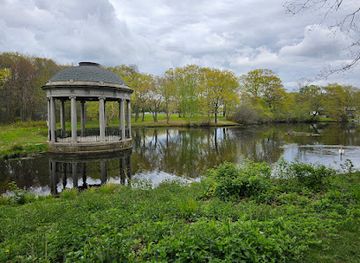
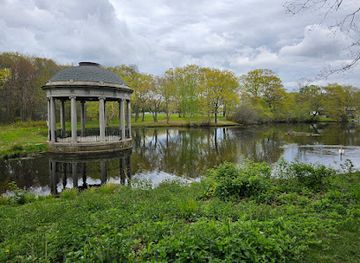
Slater Memorial Park
Explore Slater Memorial Park in Pawtucket, RI: a lush, serene park perfect for picnics, hiking, and family fun amidst nature's beauty.
8 min drive · 2.6 km from city centre
-
Tourist attraction
Sky Zone Trampoline Park
Experience the ultimate fun at Sky Zone Trampoline Park, where bouncing meets adventure in East Providence's top amusement center.
6 min drive · 2.0 km from city centre
-
Museum
Electromagnetic Pinball Museum and Restoration
Explore the Electromagnetic Pinball Museum in Pawtucket, RI, where nostalgia meets fun with vintage pinball machines and arcade games.
7 min drive · 2.2 km from city centre
-
Historical place museum
Old Slater Mill National Historic Landmark
Explore the Old Slater Mill National Historic Landmark, a key site in America’s industrial history, where innovation and heritage come together.
9 min walk · 0.8 km from city centre



Best landmarks in Pawtucket
Pawtucket, Rhode Island, is a hidden gem for history enthusiasts and culture seekers. Visitors can explore the iconic Slater Mill, the birthplace of the American Industrial Revolution, and immerse themselves in the city's rich industrial heritage. Stroll through the charming downtown area and admire the stunning architecture of the historic mills and buildings. Don't miss the Pawtucket Arts Festival, a month-long celebration of arts and culture, featuring live performances, art exhibits, and more. And for nature lovers, the beautiful Slater Memorial Park offers a peaceful escape with its scenic ponds, walking trails, and botanical gardens.
-
Park
Slater Memorial Park
Explore Slater Memorial Park, a scenic haven in Pawtucket, RI, offering lush landscapes, historical monuments, and family-friendly activities for an unforgettable outdoor experience.
8 min drive · 2.6 km from city centre
-
Pizza
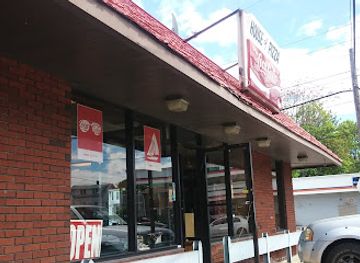
House of Pizza
Experience the authentic taste of Rhode Island at the House of Pizza, a local favorite in Pawtucket, known for its delicious, handcrafted pizzas.
3 min walk · 0.2 km from city centre
-
American
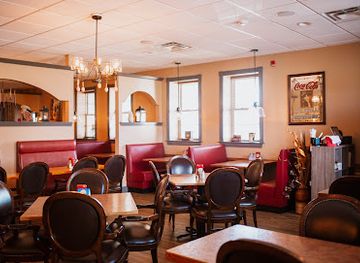
Roast House Pub & Restaurant
Discover the flavors of America at Roast House Pub & Restaurant, where comfort food meets a cozy pub atmosphere in Pawtucket, RI.
11 min walk · 0.9 km from city centre
-
Breakfast
Rhody Hen Cafe
Indulge in a delightful breakfast experience at Rhody Hen Cafe, renowned for its comforting American fare and inviting atmosphere in Pawtucket.
11 min walk · 0.8 km from city centre

Explore Pawtucket on the map
Plan your Pawtucket trip on one map. See where the top attractions, landmarks, restaurants, bars and hotels are, find what's near where you're staying, and book hotels and experiences in a few clicks.
Best hotels in Pawtucket
Best restaurants in Pawtucket
Pawtucket offers a diverse and vibrant dining scene that will tantalize the taste buds of every visitor. From cozy cafes serving up freshly brewed coffee and pastries to upscale restaurants showcasing local seafood and farm-to-table dishes, there is something for everyone. Explore the bustling food trucks dishing out creative and delicious street food, or unwind at a classic diner for some comfort food. Don't miss the opportunity to sample ethnic cuisines from around the world, including authentic Italian, Mexican, and Asian flavors. Whether you're looking for a quick bite or a fine dining experience, Pawtucket's dining scene is sure to leave a lasting impression on your taste buds.
-
Italian
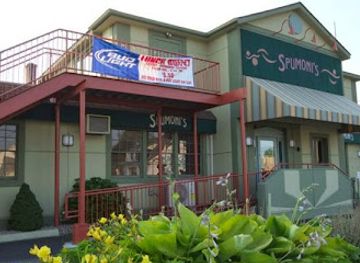
Spumoni's
Experience the rich flavors of Italy at Spumoni's in Pawtucket - where family dining meets culinary excellence.
8 min drive · 2.8 km from city centre
-
Breakfast
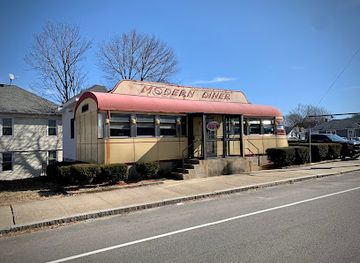
Modern Diner
Discover Modern Diner in Pawtucket for an unforgettable breakfast experience with delicious dishes and a cozy atmosphere.
15 min walk · 1.2 km from city centre
-
Irish pub
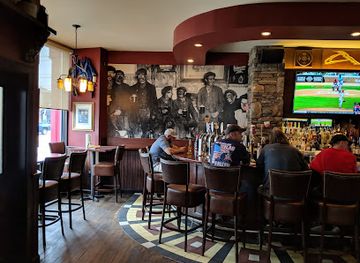
Arigna Irish Pub & Coal Fire Kitchen
Discover authentic Irish cuisine at Arigna Irish Pub & Coal Fire Kitchen in Pawtucket—where every meal feels like home.
5 min drive · 1.7 km from city centre
-
American
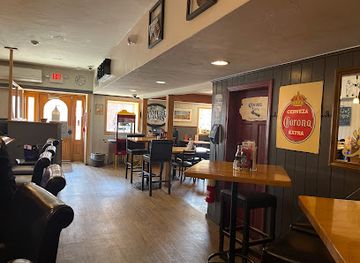
Roast House Pub & Restaurant
Experience the best of American cuisine at Roast House Pub & Restaurant in Pawtucket - where great food meets vibrant atmosphere.
11 min walk · 0.9 km from city centre
Best bars in Pawtucket
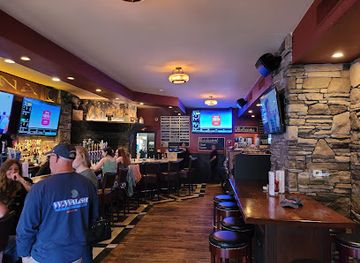
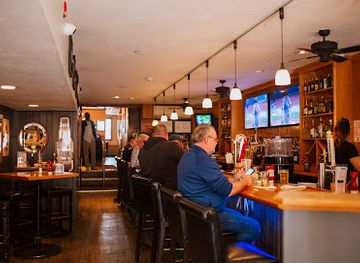
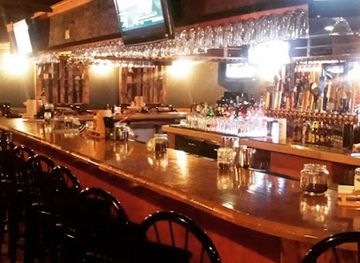
Pawtucket offers a vibrant nightlife scene with a variety of bars and nightclubs to cater to all tastes. From cozy pubs serving local craft beers to lively dance clubs with live music, visitors can expect to find a bustling atmosphere with friendly locals and plenty of entertainment options. Whether you're looking to unwind with a cocktail, dance the night away, or simply soak in the local nightlife vibe, Pawtucket has something for everyone to enjoy after the sun goes down.
-
Irish pub
Arigna Irish Pub & Coal Fire Kitchen
Enjoy a taste of Ireland at Arigna Irish Pub & Coal Fire Kitchen, where authentic food, drinks, and lively atmosphere await in Pawtucket.
5 min drive · 1.7 km from city centre
-
American
Roast House Pub & Restaurant
Experience the best of American cuisine at Roast House Pub & Restaurant in Pawtucket, where hearty meals and a vibrant atmosphere await.
11 min walk · 0.9 km from city centre
-
Bar
Boundary Kitchen, Bar & Events Center
Experience the vibrant culinary scene at Boundary Kitchen, Bar & Events Center in Pawtucket, RI, featuring delicious food, craft cocktails, and an inviting atmosphere.
9 min drive · 3.0 km from city centre
-
Bar
10 Rocks Tapas Bar & Restaurant
Discover the vibrant tastes of Cape Verdean and Portuguese cuisine at 10 Rocks Tapas Bar & Restaurant in Pawtucket, RI, perfect for families and food lovers alike.
8 min drive · 2.6 km from city centre

Best nightclubs in Pawtucket
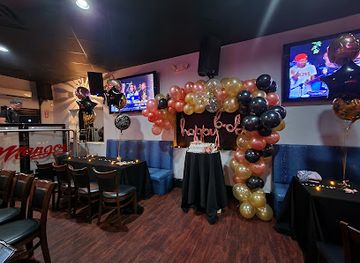
Pawtucket offers a vibrant nightlife scene with a variety of bars and nightclubs to cater to all tastes. From cozy pubs serving local craft beers to lively dance clubs with live music, visitors can expect to find a bustling atmosphere with friendly locals and plenty of entertainment options. Whether you're looking to unwind with a cocktail, dance the night away, or simply soak in the local nightlife vibe, Pawtucket has something for everyone to enjoy after the sun goes down.
-
Karaoke bar
Pawtucket Patriot Bar & Grill
Experience a lively atmosphere at Pawtucket Patriot Bar & Grill, where delicious food meets karaoke fun in the heart of Rhode Island.
10 min walk · 0.8 km from city centre
-
Restaurant
Boulevard Grille and Cigar Lounge
Experience a unique fusion of gourmet cuisine and premium cigars at Boulevard Grille and Cigar Lounge in Pawtucket, RI.
6 min drive · 2.0 km from city centre
-
Bar
News Cafe
Discover the lively ambiance and great music at News Cafe, Pawtucket's top spot for drinks and live entertainment.
14 min walk · 1.1 km from city centre
-
Latin American
Mangos Restaurant & Catering
Experience the vibrant essence of Latin American cuisine at Mangos Restaurant & Catering in Pawtucket, RI, where every dish tells a story.
14 min walk · 1.1 km from city centre



Best shops in Pawtucket
Pawtucket's shopping scene offers a unique blend of historic charm and modern convenience, with a variety of boutiques, antique shops, and art galleries lining the streets. Visitors can explore the local artisans' work at the Hope Artiste Village, a converted mill building filled with studios and shops selling everything from handmade jewelry to vintage clothing. The Pawtucket Armory Arts Center hosts a weekly farmer's market where visitors can sample local produce and handmade goods. For those looking for more mainstream shopping options, the nearby Providence Place Mall offers a wide range of retail stores and restaurants. Whether you're looking for one-of-a-kind treasures or the latest trends, Pawtucket has something for every shopper to enjoy.
-
Grocery store
Stop & Shop
Discover the local flavors and essentials at Stop & Shop, your go-to grocery store in Pawtucket, RI.
5 min drive · 1.7 km from city centre
-
Antique store
Rhode Island Antiques Mall
Explore unique antiques and vintage treasures at Rhode Island Antiques Mall, a must-visit destination for collectors and history enthusiasts.
5 min drive · 1.6 km from city centre
-
Discount store
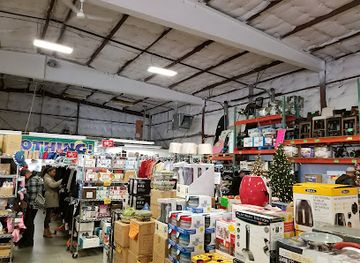
A Little Bit of Everything
Explore Pawtucket's 'A Little Bit of Everything', where unique finds and incredible bargains await every savvy shopper.
17 min walk · 1.4 km from city centre
-
Shopping mall
Blackstone Place
Explore Blackstone Place in Pawtucket, RI, a shopping haven with diverse stores, dining, and family-friendly entertainment for all visitors.
7 min drive · 2.3 km from city centre



Get your free copy of our complete guide to Pawtucket, delivered straight to you.
Everything on this page, from attractions and restaurants to essentials and local phrases, in one PDF you can read offline, print or share.
Already have an account? Sign in
Your Pawtucket guide is ready.
We'll send it to · Not you? Sign out

Getting your guide ready…
We are putting together a fresh copy of the Pawtucket guide. This can take up to a minute.
This can take a few moments. If your browser asks, choose Allow so the download can start. You'll find the guide in your Downloads folder.
Nothing happened? Download it again
Sorry, the guide is taking longer than usual. Please try again in a minute, or get it by email instead.
Pawtucket essentials
Currency and Payment
Safety
Emergency Situations
Do's and Don'ts
Local Tips
From Eve
Local phrases worth knowing
You don't need to get them perfect. A few words go a long way, and locals appreciate the effort.
Basics
| English | Local | Say it |
|---|---|---|
| Hello | Hey | [hey] |
| Goodbye | See ya | [see ya] |
| Yes | Yeah | [yeah] |
| No | Nah | [nah] |
| Please/You're welcome | Please/You're welcome | [please/you're welcome] |
| Thank you | Thanks | [thanks] |
| Excuse me/Sorry | Excuse me/Sorry | [excuse me/sorry] |
| How are you? | How you doin'? | [how you doin'] |
| Fine. And you? | Fine. And you? | [fine. and you?] |
| Do you speak English? | You speak English? | [you speak english?] |
| I don't understand | I don't get it | [i don't get it] |
Eating & Drinking
| English | Local | Say it |
|---|---|---|
| I'd like to see the menu, please | Can I see the menu? | [can i see the menu?] |
| I don't eat meat | I don't eat meat | [i don't eat meat] |
| Cheers! | Cheers! | [cheers!] |
| I would like to pay, please | Can I pay, please | [can i pay, please] |
Emergencies
| English | Local | Say it |
|---|---|---|
| Help! | Help! | [help!] |
| Go away! | Get lost! | [get lost!] |
| Call the Police! | Call the cops! | [call the cops!] |
| Call a doctor! | Get a doctor! | [get a doctor!] |
| I'm lost | I'm lost | [i'm lost] |
| I'm ill | I'm sick | [i'm sick] |
Shopping
| English | Local | Say it |
|---|---|---|
| I'd like to buy... | I wanna buy... | [i wanna buy...] |
| I'm just looking | Just browsing | [just browsing] |
| How much is it? | How much? | [how much?] |
| That's too expensive | Too pricey | [too pricey] |
| Can you lower the price? | Can you make it cheaper? | [can you make it cheaper?] |
Time & Numbers
| English | Local | Say it |
|---|---|---|
| What time is it? | What time is it? | [what time is it?] |
| It's one o'clock | It's one o'clock | [it's one o'clock] |
| Half past (10) | Half past (10) | [half past (10)] |
| Morning | Morning | [morning] |
| Afternoon | Afternoon | [afternoon] |
| Evening | Evening | [evening] |
| Yesterday | Yesterday | [yesterday] |
| Today | Today | [today] |
| Tomorrow | Tomorrow | [tomorrow] |
| 1 | One | [one] |
| 2 | Two | [two] |
| 3 | Three | [three] |
| 4 | Four | [four] |
| 5 | Five | [five] |
| 6 | Six | [six] |
| 7 | Seven | [seven] |
| 8 | Eight | [eight] |
| 9 | Nine | [nine] |
| 10 | Ten | [ten] |
Transport & Directions
| English | Local | Say it |
|---|---|---|
| Where's a/the...? | Where's the...? | [where's the...?] |
| What's the address? | What's the address? | [what's the address?] |
| Can you show me (on the map)? | Can you show me (on the map)? | [can you show me (on the map)?] |
| When's the next (bus)? | When's the next (bus)? | [when's the next (bus)?] |
| A ticket (to ....) | A ticket (to ....) | [a ticket (to ....)] |
History of Pawtucket
The Founding of Pawtucket
Pawtucket, located in the Blackstone Valley, was originally inhabited by the Narragansett people. The city's name derives from the Algonquian word for 'river fall'. The area was first settled by Europeans in the 1670s. Joseph Jenckes Jr. was granted a plot of land in the area in 1671, marking the beginning of Pawtucket as a settler community.
The Birthplace of the American Industrial Revolution
Pawtucket is often celebrated as the birthplace of the American Industrial Revolution. In 1793, Samuel Slater, an English immigrant, built the first successful water-powered cotton spinning mill in America, known as Slater Mill. This mill marked the beginning of a new era in manufacturing and set the stage for the rapid growth of industry in the United States.
The Growth of Textile Industry
Following the success of Slater Mill, Pawtucket became a hub for textile manufacturing. Numerous mills and factories sprang up along the Blackstone River, powered by its waters. By the mid-19th century, the city was a bustling center of industry, attracting workers from various backgrounds and fostering a diverse community.
Pawtucket During the Civil War
During the Civil War, Pawtucket played a significant role in supplying materials to the Union army. The city’s mills produced textiles for uniforms, tents, and other essentials. The economic boom during this period further solidified Pawtucket's status as an industrial powerhouse.
The Decline of the Textile Industry
The early 20th century saw a decline in Pawtucket's textile industry, as many companies relocated to the southern United States where labor was cheaper. The Great Depression further exacerbated the economic downturn, and many mills closed. However, Pawtucket's resilience shone through as the community adapted and diversified its economy.
Modern Revitalization and Cultural Renaissance
In recent decades, Pawtucket has undergone significant revitalization efforts. The city has embraced its industrial heritage while transforming old mill buildings into lofts, artist studios, and cultural spaces. The annual Pawtucket Arts Festival and the growth of local arts organizations have solidified Pawtucket as a vibrant cultural destination, blending its rich history with contemporary creativity.
The Role of the Blackstone River
The Blackstone River has been a central figure in Pawtucket's history. Initially vital for the Narragansett people, it later powered the mills that sparked the Industrial Revolution. Today, the river is a focal point for conservation and recreation. The Blackstone River Valley National Historical Park celebrates the river's contribution to American history and provides a scenic backdrop for outdoor activities.
Pawtucket in Photos
Browse through our photo collection highlighting the charm and character of the destination.
Cities near Pawtucket
The closest cities to Pawtucket, if you have time for more than one stop.
-

-

-

-

-


Swipe for more cities
Explore more
Explore more of Rhode Island
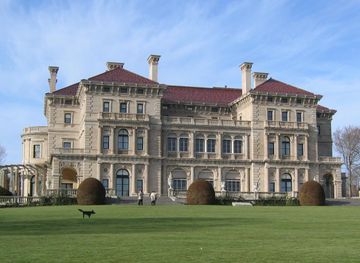
Discover Rhode Island: Explore historic mansions, vibrant cities, serene islands, and culinary delights in the smallest state with a big heart.
Explore Rhode Island