

Free Providence Travel Guide & Mobile App
Plan your Providence trip with Evendo. Get free guides to top attractions, restaurants, hotels, and bars. Web access or download the mobile app.


Providence, Rhode Island blends colonial history, WaterFire art, celebrated dining, leafy neighbourhoods and riverside culture in a compact New England city.
Rivers, History and Architecture
Providence, the capital of Rhode Island, occupies the meeting point of the Woonasquatucket and Providence rivers at the head of Narragansett Bay. Founded in 1636 by Roger Williams as a place of religious liberty, the city developed through maritime trade, manufacturing and immigration, leaving a compact centre layered with colonial houses, nineteenth-century commercial buildings and grand civic architecture. Benefit Street, one of the country's finest historic streetscapes, climbs above the river through College Hill, while the Rhode Island State House crowns the western side of downtown with its vast marble dome.Read more about Providence
Culture Along the River
Neighbourhoods and Local Character
When is the best time to visit Providence?
Best: June, August–September · 23–27°C| Month | High (°C) | Rainfall (mm) |
|---|---|---|
| January | 2 | 94 |
| February | 4 | 88 |
| March | 9 | 112 |
| April | 15 | 103 |
| May | 20 | 92 |
| June (best) | 25 | 84 |
| July | 28 | 89 |
| August (best) | 27 | 98 |
| September (best) | 23 | 97 |
| October | 18 | 99 |
| November | 11 | 108 |
| December | 5 | 107 |
Getting to and around Providence
How to get there
Transportation
Best attractions in Providence
Providence's attractions are concentrated enough to link several of them in a day on foot. The Rhode Island School of Design Museum ranges across fine art, decorative arts, costume and design, while the John Brown House Museum presents the world of an eighteenth-century Providence merchant family. Benefit Street's historic houses and the Providence Athenaeum introduce the cultural life of College Hill, and Prospect Terrace Park offers a high view over downtown. Along the rivers, Waterplace Park and the walkways provide an urban setting for the seasonal WaterFire installations, when floating braziers and music transform the centre after dusk. The Rhode Island State House, the city's civic centrepiece, is close to Downtown Providence's shops and restaurants, while Roger Williams Park, farther south, combines landscaped grounds with the Roger Williams Park Zoo, the Botanical Center and the Museum of Natural History and Planetarium.
-
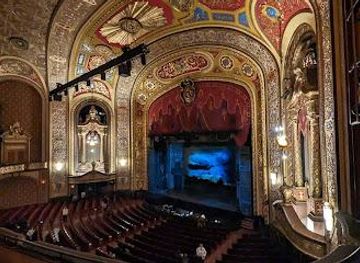
Performing arts theater
Providence Performing Arts Center
Discover the enchanting Providence Performing Arts Center, a historic venue showcasing Broadway shows, concerts, and cultural events in the heart of Rhode Island.
7 min walk · 0.5 km from city centre
-
Park
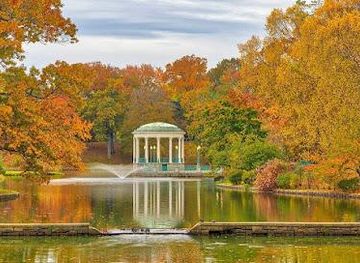
Roger Williams Park
Explore the lush landscapes and vibrant attractions of Roger Williams Park, an urban oasis in Providence, Rhode Island, perfect for nature lovers and families.
13 min drive · 4.5 km from city centre
-
Park
Roger Williams Park
Experience the natural beauty and cultural treasures of Roger Williams Park in Providence, Rhode Island, a perfect urban escape for all ages.
13 min drive · 4.5 km from city centre
-
Art museum
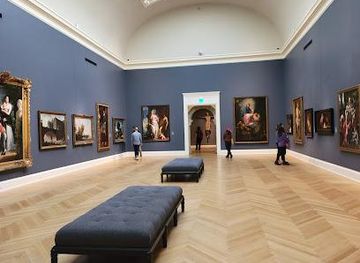
RISD Museum
Explore the RISD Museum, a cultural gem in Providence, RI, showcasing a diverse collection of art from around the globe and across the ages.
12 min walk · 1.0 km from city centre
Best landmarks in Providence
The Rhode Island State House is Providence's most commanding civic landmark, with a white Georgia marble exterior and a prominent dome that overlooks downtown and the railway corridor. On College Hill, the First Baptist Church in America, founded by Roger Williams in 1639, represents the city's early religious history, while the Providence Athenaeum reflects its long tradition of independent learning and civic culture. Benefit Street preserves an unusually dense collection of eighteenth- and nineteenth-century houses, including the John Brown House, whose scale records the wealth of colonial merchants. The Providence Arcade, opened in 1828, is an early surviving example of an enclosed shopping arcade. Waterplace Park and the river walks are newer urban landmarks, created through major late-twentieth-century changes that restored the rivers to the centre of public life.
-
Zoo
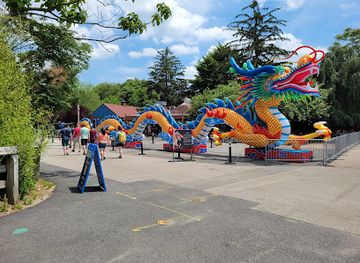
Roger Williams Park Zoo
Explore Roger Williams Park Zoo, a captivating family-friendly destination in Providence, RI, featuring diverse wildlife and enriching experiences for all ages.
11 min drive · 3.6 km from city centre
-
Park
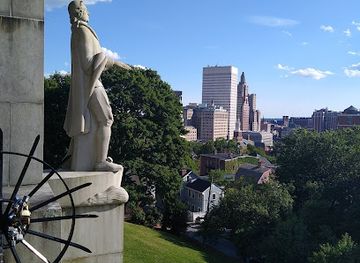
Prospect Terrace
Experience the breathtaking views and serene ambiance at Prospect Terrace, a must-visit park in the heart of Providence, Rhode Island.
15 min walk · 1.2 km from city centre
-
Tourist attraction
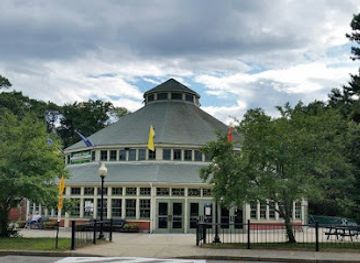
Carousel Village
Discover the enchanting Carousel Village in Providence, Rhode Island, where nostalgia meets family fun amidst beautiful park settings.
13 min drive · 4.4 km from city centre
-
Tourist attraction
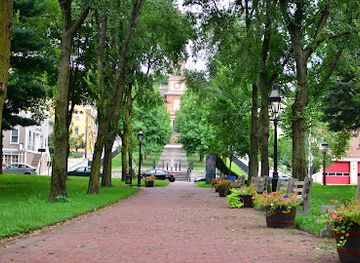
Roger Williams National Memorial
Explore the serene beauty and historical significance of Roger Williams National Memorial, a tribute to the founder of Rhode Island and champion of religious freedom.
14 min walk · 1.1 km from city centre

Explore Providence on the map
Plan your Providence trip on one map. See where the top attractions, landmarks, restaurants, bars and hotels are, find what's near where you're staying, and book hotels and experiences in a few clicks.
Neighbourhoods in Providence
-

-

-


Swipe for more neighbourhoods
Best hotels in Providence
Best restaurants in Providence
Providence has a dining culture shaped by its immigrant history, proximity to Narragansett Bay and strong concentration of culinary schools and independent chefs. Federal Hill remains associated with Italian-American cooking, with bakeries, pasta, seafood and speciality food shops along and around Atwells Avenue. In Fox Point and adjoining districts, Portuguese, Cape Verdean and other international influences sit alongside contemporary cafés and restaurants. Seafood is prominent, from oysters and clams to locally familiar preparations of fish, while Rhode Island staples include clam cakes and coffee milk. The West End and Broadway add modern restaurants in converted commercial and residential spaces, and the city also has farmers' markets and food halls where regional produce, baked goods and prepared food appear seasonally. Dining ranges from casual counter service and long-established family businesses to ambitious tasting menus, without being confined to one restaurant quarter.
-
Indian
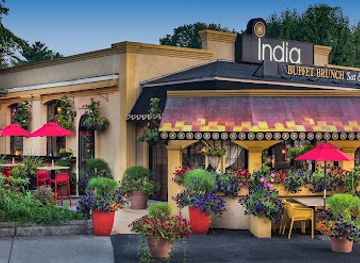
India Restaurant
Experience authentic Indian flavors at India Restaurant in Providence – where every dish tells a story of tradition and taste.
13 min drive · 4.3 km from city centre
-
Peruvian
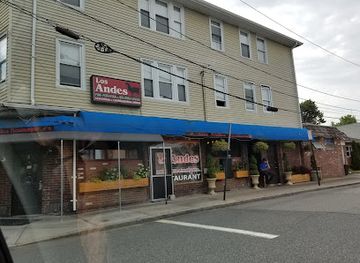
Los Andes
Discover the vibrant flavors of Peru and Eastern Europe at Los Andes, where every dish tells a story.
6 min drive · 1.9 km from city centre
-
Restaurant
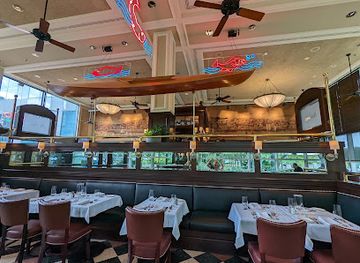
Hemenway's Restaurant
Experience fine dining at Hemenway's Restaurant in Providence - where exquisite seafood meets elegant ambiance.
12 min walk · 1.0 km from city centre
-
American
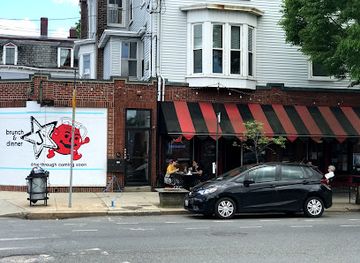
Julian's
Explore Julian's in Providence: A vibrant American restaurant offering creative dishes and eclectic vibes perfect for any dining occasion.
11 min walk · 0.9 km from city centre
Best bars in Providence
Providence's evening life centres on restaurants, independent bars, live music and performances rather than a single large club district. Downtown venues around Westminster Street, Dorrance Street and the riverfront attract after-work drinks and evening gatherings, while Federal Hill offers wine bars and lounges alongside its dining scene. Broadway and the West End have a more neighbourhood-oriented selection of bars, breweries and music spaces, and College Hill draws students and university visitors. The city has established theatres and performance venues, including Providence Performing Arts Center and Trinity Repertory Company, providing alternatives to nightlife based on drinking. WaterFire evenings bring public art, music and riverside crowds on scheduled dates. Opening patterns and event programmes vary, so evening plans are best checked locally, particularly outside university terms and during winter.
-
Bar
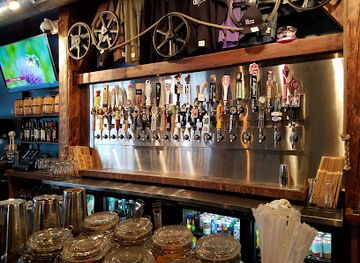
The Malted Barley
Explore The Malted Barley, a vibrant bar in Downtown Providence, known for its extensive craft beer selection and delicious pub cuisine.
5 min walk · 0.4 km from city centre
-
Bar
The Hot Club
Experience the vibrant nightlife and waterfront views at The Hot Club, a popular bar and grill in Providence, Rhode Island.
5 min drive · 1.5 km from city centre
-
Restaurant
Rooftop at the Providence G
Discover Rooftop at the Providence G: a vibrant restaurant and cocktail bar offering stunning city views, live music, and an unforgettable dining experience.
9 min walk · 0.7 km from city centre
-
Grill
Ladder 133 Kitchen & Social
Experience the best of American cuisine at Ladder 133 Kitchen & Social, a lively grill in Providence's Smith Hill neighborhood, perfect for food lovers.
5 min drive · 1.5 km from city centre


Best nightclubs in Providence
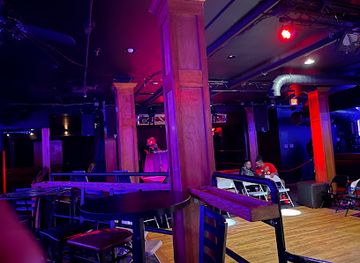
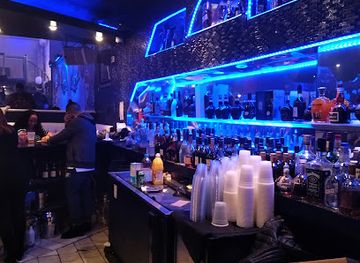
Providence's evening life centres on restaurants, independent bars, live music and performances rather than a single large club district. Downtown venues around Westminster Street, Dorrance Street and the riverfront attract after-work drinks and evening gatherings, while Federal Hill offers wine bars and lounges alongside its dining scene. Broadway and the West End have a more neighbourhood-oriented selection of bars, breweries and music spaces, and College Hill draws students and university visitors. The city has established theatres and performance venues, including Providence Performing Arts Center and Trinity Repertory Company, providing alternatives to nightlife based on drinking. WaterFire evenings bring public art, music and riverside crowds on scheduled dates. Opening patterns and event programmes vary, so evening plans are best checked locally, particularly outside university terms and during winter.
-
Night club
Colosseum
Dive into the vibrant nightlife at Colosseum Night Club in Providence, where live music and an electric atmosphere promise an unforgettable experience.
8 min walk · 0.6 km from city centre
-
Night club
Alchemy
Experience the best of Providence's nightlife at Alchemy, where music, dancing, and expertly crafted cocktails create unforgettable memories.
12 min walk · 0.9 km from city centre
-
Night club
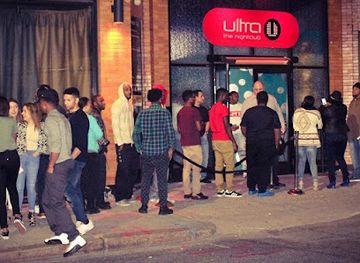
Ultra the Nightclub
Ultra the Nightclub: Dive into the pulsating nightlife of Downtown Providence with electrifying music and unforgettable experiences.
8 min walk · 0.7 km from city centre
-
Night club
LUNA NIGHT CLUB
Experience the vibrant nightlife at LUNA NIGHT CLUB in Providence, Rhode Island, where music, dance, and fun come together for unforgettable nights.
10 min drive · 3.4 km from city centre

Best shops in Providence
Shopping in Providence ranges from independent design-led retailers to specialist food shops and traditional city-centre stores. Westminster Street and nearby downtown blocks contain boutiques, galleries, bookshops and locally owned businesses, while Thayer Street on College Hill serves a student and university audience with clothing, books, gifts and casual retail. Federal Hill is the place to browse Italian food shops, bakeries, imported ingredients and culinary gifts, and Fox Point has smaller independent stores and vintage-oriented businesses. The Providence Flea, held at different times and locations depending on the season, is associated with local makers, vintage goods and small-scale design, though its schedule changes. Rhode Island-made jewellery, ceramics, prints and textiles are practical souvenirs, reflecting the state's continuing links with design, craft and manufacturing.
-
Gift shop
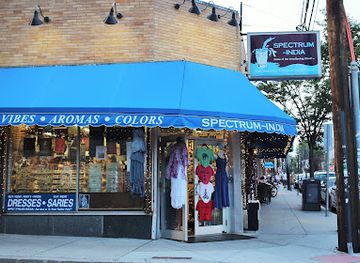
SPECTRUM-INDIA
Discover the essence of India at Spectrum India, a vibrant gift shop in Providence offering unique crafts, jewelry, and spiritual supplies.
5 min drive · 1.6 km from city centre
-
Gift shop
Frog & Toad - East
Explore Frog & Toad - East, a charming gift shop in Providence, RI, offering unique souvenirs, greeting cards, and local artisan crafts.
10 min drive · 3.4 km from city centre
-
Gift shop
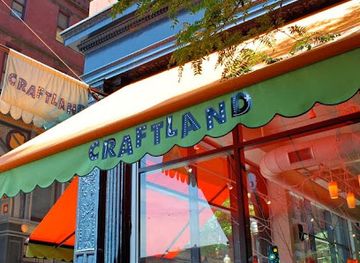
Craftland
Explore Craftland in Providence, RI - a unique gift shop and art gallery showcasing local artisans' creativity through handcrafted treasures.
7 min walk · 0.5 km from city centre
-
Gift shop
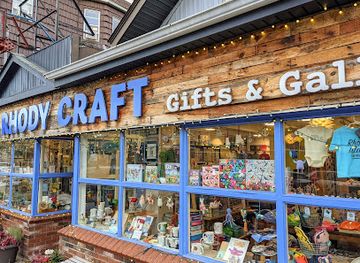
Rhody Craft
Explore Rhody Craft in Providence, RI for unique handmade gifts and local art that capture the essence of Rhode Island's creative spirit.
10 min drive · 3.4 km from city centre

Get your free copy of our complete guide to Providence, delivered straight to you.
Everything on this page, from attractions and restaurants to essentials and local phrases, in one PDF you can read offline, print or share.
Already have an account? Sign in
Your Providence guide is ready.
We'll send it to · Not you? Sign out

Getting your guide ready…
We are putting together a fresh copy of the Providence guide. This can take up to a minute.
This can take a few moments. If your browser asks, choose Allow so the download can start. You'll find the guide in your Downloads folder.
Nothing happened? Download it again
Sorry, the guide is taking longer than usual. Please try again in a minute, or get it by email instead.
Providence essentials
Currency and Payment
Safety
Emergency Situations
Do's and Don'ts
Local Tips
From Eve
Local phrases worth knowing
You don't need to get them perfect. A few words go a long way, and locals appreciate the effort.
Basics
| English | Local | Say it |
|---|---|---|
| Hello | What's up | [wats ahp] |
| Goodbye | Peace out | [pees aht] |
| Yes | Yeah | [yeh] |
| No | Nah | [na] |
| Please/You're welcome | Please and thank you | [pleez and thankyuh] |
| Thank you | Thanks a lot | [thangs uh laht] |
| Excuse me/Sorry | Pardon me | [pahd'n me] |
| How are you? | How you doin'? | [how yuh doin] |
| Fine. And you? | Good. You? | [gud, yuh?] |
| Do you speak English? | You speak English? | [yuh speak inglish?] |
| I don't understand | I don't get it | [I dun get it] |
Eating & Drinking
| English | Local | Say it |
|---|---|---|
| I'd like to see the menu, please | Can I check out the menu, please | [kan ah chek out the menu, pleez] |
| I don't eat meat | I don't do meat | [I dun do meat] |
| Cheers! | Cheers! | [cheers] |
| I would like to pay, please | Can I settle up, please | [kan ah set'l up, pleez] |
Emergencies
| English | Local | Say it |
|---|---|---|
| Help! | Send help! | [send help] |
| Go away! | Beat it! | [beet it] |
| Call the Police! | Dial the cops! | [dahyl the cops] |
| Call a doctor! | Get a doc! | [get uh dahk] |
| I'm lost | I'm wicked lost | [I'm wihkid lost] |
| I'm ill | I'm feelin' like garbage | [I'm feelin' like gahbidge] |
Shopping
| English | Local | Say it |
|---|---|---|
| I'd like to buy... | I wanna cop... | [I wahnah cop] |
| I'm just looking | I'm just browsin' | [I'm just browsin] |
| How much is it? | How much for this? | [how much fuh dis] |
| That's too expensive | That's mad pricey | [dats mad prahsy] |
| Can you lower the price? | Can you do me a solid on the price? | [kan yuh do meh uh sahlid on the prahs] |
Time & Numbers
| English | Local | Say it |
|---|---|---|
| What time is it? | What's the time? | [whats the tahm] |
| It's one o'clock | It's one | [its wun] |
| Half past (10) | Ten thirty | [ten thurty] |
| Morning | Mornin' | [mornin] |
| Afternoon | Afternoon | [aftahnoon] |
| Evening | Evenin' | [evenin] |
| Yesterday | Yestaday | [yestaday] |
| Today | Today | [today] |
| Tomorrow | Tomorrah | [tomorrah] |
| 1 | One | [wun] |
| 2 | Two | [too] |
| 3 | Tree | [tree] |
| 4 | Fo' | [fo'] |
| 5 | Five | [fahv] |
| 6 | Six | [six] |
| 7 | Seven | [sev'n] |
| 8 | Eight | [ate] |
| 9 | Nine | [nine] |
| 10 | Ten | [ten] |
Transport & Directions
| English | Local | Say it |
|---|---|---|
| Where's a/the...? | Where's the... | [wheres the] |
| What's the address? | What's the addy? | [whats the addy] |
| Can you show me (on the map)? | Can you point it out (on the map)? | [kan yuh point it aht (on the map)] |
| When's the next (bus)? | When's the next (bus)? | [whens the nixt (bus)] |
| A ticket (to ....) | A ticket (to ....) | [uh ticket (to)] |
History of Providence
Roger Williams and Religious Liberty
Providence was founded in 1636 by Roger Williams, an English theologian and advocate of separating religious authority from civil government. After being expelled from the Massachusetts Bay Colony, Williams negotiated with the Narragansett people for land at the head of Narragansett Bay and established a settlement he intended as a refuge for people facing religious punishment. Providence grew through small farms, river transport and maritime trade rather than through a rigidly planned colonial system. Williams's principles helped shape Rhode Island's reputation for religious toleration, although relations among settlers and Indigenous communities changed significantly as English settlement expanded across the region.
Colonial Port and Growing Settlement
During the seventeenth and eighteenth centuries, Providence developed as a port linked to coastal New England and the wider Atlantic world. The town traded agricultural goods, timber and manufactured products, while shipbuilding and seafaring supported its economy. Its location at the head of Narragansett Bay allowed merchants to connect inland communities with Newport, Boston and overseas markets. Providence was affected by the wider systems of the Atlantic economy, including the slave trade and the circulation of goods produced through enslaved labour. Places such as the John Brown House later reflected the wealth accumulated by merchant families during this period.
Revolution and Civic Independence
Providence played an active role in the American Revolution and in the political development of Rhode Island. The town's commercial interests and resistance to British regulation brought it into conflict with imperial authority, while its port and shipping community supplied the revolutionary cause. Rhode Island was the first of the thirteen colonies to renounce allegiance to the British Crown, on 4 May 1776, although it was the last state to ratify the United States Constitution, in 1790. The era left a civic tradition visible in the State House grounds, colonial buildings and the continuing importance of local self-government.
Industrial Transformation
From the late eighteenth century, Providence became one of New England's important manufacturing centres. Samuel Slater's cotton mill at nearby Pawtucket, opened in 1793, helped establish the region's factory system, while Providence itself expanded in textiles, jewellery, machinery and metalworking. The rivers supplied power and transport, and immigration brought workers from Ireland, French Canada, Italy, Portugal and other parts of Europe. Industrial growth reshaped the city's waterfront and neighbourhoods, produced fortunes for merchant and manufacturing families, and created the dense urban fabric of mills, commercial blocks and worker housing that still defines parts of Providence.
Urban Grandeur and Reform
In the late nineteenth and early twentieth centuries, Providence gained monumental public buildings, landscaped parks and prosperous residential districts. The Rhode Island State House, completed in 1901, expressed the state's confidence through its large marble dome, while institutions on College Hill strengthened the city's educational and cultural identity. At the same time, industrialisation brought overcrowding, pollution and unequal working conditions. Progressive reformers addressed public health, housing and civic administration, and new roads and bridges connected formerly separate districts. The period's architecture, from grand commercial buildings to modest triple-deckers, remains central to Providence's visual character.
Regeneration and Contemporary Culture
After the decline of many traditional industries in the twentieth century, Providence faced population loss, vacant industrial sites and pressure on its historic centre. Urban renewal altered parts of downtown, while the relocation of rail infrastructure and the uncovering of several waterways changed the city's relationship with its rivers. From the late twentieth century, universities, arts organisations, restaurants and creative businesses helped renew downtown and surrounding districts. WaterFire, first presented in 1994 by artist Barnaby Evans, became a defining public artwork, while institutions such as the Rhode Island School of Design continued the city's long association with design, education and independent cultural production.
Providence in Photos
Browse through our photo collection highlighting the charm and character of the destination.
Cities near Providence
The closest cities to Providence, if you have time for more than one stop.
-

-

-

-

-


Swipe for more cities
Explore more
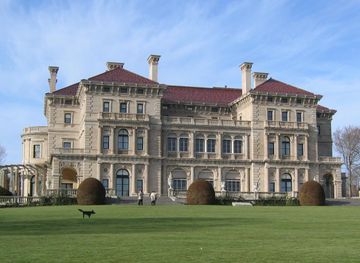
Explore more of Rhode Island
Discover Rhode Island: Explore historic mansions, vibrant cities, serene islands, and culinary delights in the smallest state with a big heart.
Explore Rhode Island