

Blackstone River Bikeway, Rhode Island Travel Guide
Explore the Blackstone River Bikeway: A Picturesque and Historical Cycling Route through Rhode Island's Natural and Industrial Heritage.
The Blackstone River Bikeway is an enchanting pathway that stretches through the heart of Rhode Island, offering cyclists and pedestrians a picturesque journey along the historic Blackstone River. Spanning approximately 48 miles, this bikeway connects the cities of Worcester, Massachusetts, and Providence, Rhode Island, making it an ideal destination for both casual riders and avid cyclists. As you travel along the Blackstone River Bikeway, you'll be treated to a diverse landscape of lush woodlands, serene wetlands, and charming mill villages. This route not only provides a peaceful escape into nature but also offers a glimpse into the rich industrial history of the Blackstone Valley. Historical markers and interpretive signs along the way narrate the story of America's early industrial revolution, adding an educational dimension to your adventure. Whether you're planning a leisurely day trip or an extended cycling excursion, the Blackstone River Bikeway is a versatile destination that caters to all levels of fitness and interest. With ample parking, well-maintained paths, and numerous access points, it's easy to start your journey from any point along the trail. Plus, the bikeway is dotted with parks, picnic areas, and rest stops, ensuring you have plenty of opportunities to relax and take in the scenic beauty around you.

Know before you go
Hi, I'm Eve. Here are a few practical things to know before exploring Blackstone River Bikeway.
- Check the weather forecast before your visit to dress appropriately and ensure a comfortable ride.
- Bring plenty of water and snacks, as amenities along the trail can be sparse in some sections.
- Wear a helmet for safety, especially if you plan on cycling the entire length of the bikeway.
- Bring a map or use a GPS app to navigate the various entry points and side trails.
- Visit in the fall to enjoy the stunning foliage along the bikeway.
- Look out for wildlife, especially in the early morning or late afternoon.
- Check for any local events or festivals happening along the trail to enhance your experience.
Explore Blackstone River Bikeway: Things to Do, Places to Eat, Hotels & More
Handpicked recommendations for top attractions, local dining, accommodations, and more

Best attractions in Blackstone River Bikeway
Top-rated picks
Best Attractions

The Arcade Providence
Explore The Arcade Providence, the historic indoor shopping mall that combines architectural beauty with unique shopping and dining experiences in the heart of Rhode Island.

Blackstone Valley Visitor Center
Explore the Blackstone Valley Visitor Center for a unique blend of nature, history, and adventure in Rhode Island's picturesque landscape.

Blackstone River Valley Bike Path Parking
Explore the stunning Blackstone River Valley Bike Path Parking, your gateway to scenic trails and outdoor adventures in Lincoln, Rhode Island.

Providence River Walk
Explore the beauty of the Providence River Walk, a scenic promenade perfect for leisurely strolls and cultural experiences in Rhode Island.


Best shops in Blackstone River Bikeway
Top-rated picks
Best Shops

Blackstone River State Park
Discover the serene landscapes and outdoor adventures at Blackstone River State Park in Lincoln, Rhode Island, a perfect escape for nature lovers.

Blackstone River Valley Bike Path Parking
Discover the beauty of the Blackstone River Valley from the convenience of its scenic bike path parking, ideal for nature lovers and outdoor enthusiasts.

Explore Blackstone River Bikeway on the Map
A handpicked selection of must-see spots in Blackstone River Bikeway, mapped for you.
Blackstone River Bikeway Essentials
-
The Blackstone River Bikeway is located in Rhode Island, United States. The nearest international airport is T.F. Green Airport (PVD) in Warwick, which is approximately 15 miles south of Providence. From the airport, you can rent a car or take a taxi to reach the bikeway. Alternatively, you can use public transportation, such as the Rhode Island Public Transit Authority (RIPTA) buses, which connect to various parts of the state including Providence, from where you can access the bikeway.
-
The Blackstone River Bikeway spans over 48 miles, and various access points are available along the route. Renting a bicycle is a popular option and can be done in nearby cities like Providence and Woonsocket. For those who prefer not to cycle the entire length, there are parking areas at various trailheads. Public transportation options include RIPTA buses that connect to major cities along the bikeway. Taxis and rideshare services like Uber and Lyft are also available for shorter distances.
-
The official currency in the United States is the US Dollar (USD). Credit and debit cards are widely accepted in most establishments along the Blackstone River Bikeway, including bike rental shops, cafes, and restaurants. ATMs are available in nearby cities such as Providence and Woonsocket, so it is recommended to carry some cash for smaller purchases or in case you encounter an establishment that does not accept cards.
-
The Blackstone River Bikeway is generally a safe area for tourists. However, as with any travel destination, it is advisable to take standard precautions. Avoid leaving valuables unattended and be cautious when cycling alone, especially at night. Some areas in Providence and Woonsocket have higher crime rates, so it is best to stay in well-populated and well-lit areas. Always wear a helmet and follow local traffic laws to ensure your safety while cycling.
-
In case of an emergency, dial 911 for immediate assistance. Medical facilities and hospitals are available in nearby cities such as Providence and Woonsocket. It is recommended to carry a basic first aid kit while cycling. For minor injuries, local pharmacies along the route can provide over-the-counter medications. Make sure to have travel insurance that covers medical emergencies.
-
Fashion: Do wear comfortable and weather-appropriate clothing, especially when cycling. Avoid wearing overly revealing outfits. Religion: There are no specific religious customs to be aware of along the bikeway, but general respect for local culture and traditions is appreciated. Public Transport: Do be courteous and follow local etiquette when using public transportation. Keep noise levels down and offer your seat to elderly passengers if needed. Greetings: A simple 'hello' or 'hi' is a common greeting. A friendly wave or nod is also acceptable. Eating & Drinking: Do try local cafes and restaurants along the route. Always clean up after yourself and dispose of trash properly.
-
To experience the Blackstone River Bikeway like a local, consider stopping by the historic sites along the route, such as the Slater Mill in Pawtucket and the Blackstone River State Park. Engage with locals at farmers' markets or community events. The fall season offers stunning foliage, making it an ideal time for a visit. Don't miss out on the local eateries that offer regional specialties, such as clam chowder and stuffies (stuffed quahogs).
When is the best time to visit Blackstone River Bikeway?
Useful Local Phrases for Blackstone River Bikeway
You don't need to speak the language perfectly. Even learning a few simple words can make conversations warmer—and locals usually appreciate the effort.
— Eve

Here are the phrases I use most often in Blackstone River Bikeway. Try a few—you'll be surprised how far they go! 😊
❤️
-
- HelloWassup
[wuh-sup] - GoodbyeLater
[lay-ter] - YesYeah
[yah] - NoNah
[nah] - Please/You're welcomePlease/No problem
[pleez/no prob-lem] - Thank youThanks
[thanks] - Excuse me/SorryPardon/Sorry
[par-dun/sor-ree] - How are you?What's good?
[wuts gud] - Fine. And you?Cool. You?
[kool. yoo?] - Do you speak English?You speak English?
[yoo speak ing-glish?] - I don't understandI don't get it
[i dont get it]
- HelloWassup
-
- I'd like to see the menu, pleaseI wanna check the menu, please
[i wanna chek the menu, pleez] - I don't eat meatI don't do meat
[i dont do meat] - Cheers!Cheers!
[cheers!] - I would like to pay, pleaseI wanna settle the bill, please
[i wanna set-ul the bil, pleez]
- I'd like to see the menu, pleaseI wanna check the menu, please
-
- Help!Help!
[help!] - Go away!Get lost!
[get lost!] - Call the Police!Call the cops!
[call the cops!] - Call a doctor!Get a doctor!
[get a doctor!] - I'm lostI'm confused
[im con-fuzd] - I'm illI'm sick
[im sik]
- Help!Help!
-
- I'd like to buy...I wanna cop...
[i wanna cop] - I'm just lookingJust browsing
[just brows-ing] - How much is it?How much?
[how much?] - That's too expensiveThat's mad pricey
[thats mad pricy] - Can you lower the price?Can you do better?
[can you do bet-ter]
- I'd like to buy...I wanna cop...
-
- What time is it?What's the time?
[wuts the time?] - It's one o'clockIt's one
[its one] - Half past (10)Ten thirty
[ten thur-tee] - MorningAM
[ay-em] - AfternoonPM
[pee-em] - EveningEvening
[ee-ven-ing] - YesterdayYest'day
[yes-t'day] - TodayToday
[to-day] - TomorrowTom'row
[tom-row] - 1One
[wun] - 2Two
[too] - 3Three
[three] - 4Four
[four] - 5Five
[five] - 6Six
[six] - 7Seven
[seven] - 8Eight
[ate] - 9Nine
[nine] - 10Ten
[ten]
- What time is it?What's the time?
-
- Where's a/the...?Where's the...
[wheres the...] - What's the address?What's the addy?
[whuts the addy?] - Can you show me (on the map)?Can you show me (on the map)?
[can you show me (on the map)?] - When's the next (bus)?When's the next (bus)?
[whens the next (bus)?] - A ticket (to ....)A ticket (to ....)
[a ticket (to ....)]
- Where's a/the...?Where's the...
History of Blackstone River Bikeway
-
The Blackstone River Bikeway traces its roots back to the early 19th century with the construction of the Blackstone Canal, which was completed in 1828. The canal connected Providence, Rhode Island to Worcester, Massachusetts, and played a pivotal role in transforming the Blackstone Valley into one of America's earliest industrial powerhouses. The canal facilitated the transport of raw materials and finished goods, fueling the growth of textile mills and other industries along its route.
-
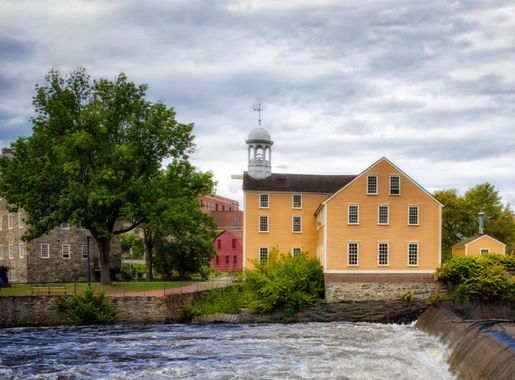
The Blackstone River Valley is often referred to as the birthplace of the American Industrial Revolution. The river's fast-moving waters provided the necessary power for early textile mills. Notably, the Slater Mill in Pawtucket, Rhode Island, established in 1793, is considered the first successful cotton-spinning factory in the United States. The industrial boom led to the development of numerous mill villages along the river, each with its own unique character and contributions to the region's economic growth.
-
By the mid-19th century, the advent of the railroad led to the decline of the Blackstone Canal. Railroads offered a faster, more efficient means of transporting goods, making the canal obsolete. The Providence and Worcester Railroad, chartered in 1844, became a vital transportation link for the region, further cementing the Blackstone Valley's industrial significance. Today, remnants of the old canal and railroad infrastructure can still be seen along the bikeway, serving as a testament to the area's rich industrial heritage.
-
In the late 20th century, efforts to restore the Blackstone River and its surrounding environment gained momentum. Decades of industrial activity had left the river heavily polluted. Community groups, government agencies, and environmental organizations collaborated to clean up the river and preserve its historical significance. The Blackstone River Bikeway emerged from these efforts as a means to both protect and celebrate the region's natural and historical resources. The bikeway now offers a scenic route for cyclists and pedestrians, highlighting the beauty and history of the Blackstone Valley.
-
Today, the Blackstone River Bikeway is more than just a recreational trail; it is a corridor of cultural and historical education. Along the bikeway, interpretive signs and historical markers provide insights into the region's past, from its Native American heritage to its industrial heyday. The bikeway also connects several parks, historic sites, and museums, making it a vital link for cultural tourism in the region. Annual events and festivals celebrate the area's rich history and vibrant community, drawing visitors from near and far.
Neighbouring destination travel guides
Browse our curated selection of top destinations, scenic points, and must-visit spots in the area.


Your all‑in‑one travel companion app
Explore expert travel guides, compare and book tours, experiences, hotels, and more—all from the palm of your hand. Download now for seamless trip planning wherever your wanderlust takes you.


Explore More of Blackstone Valley

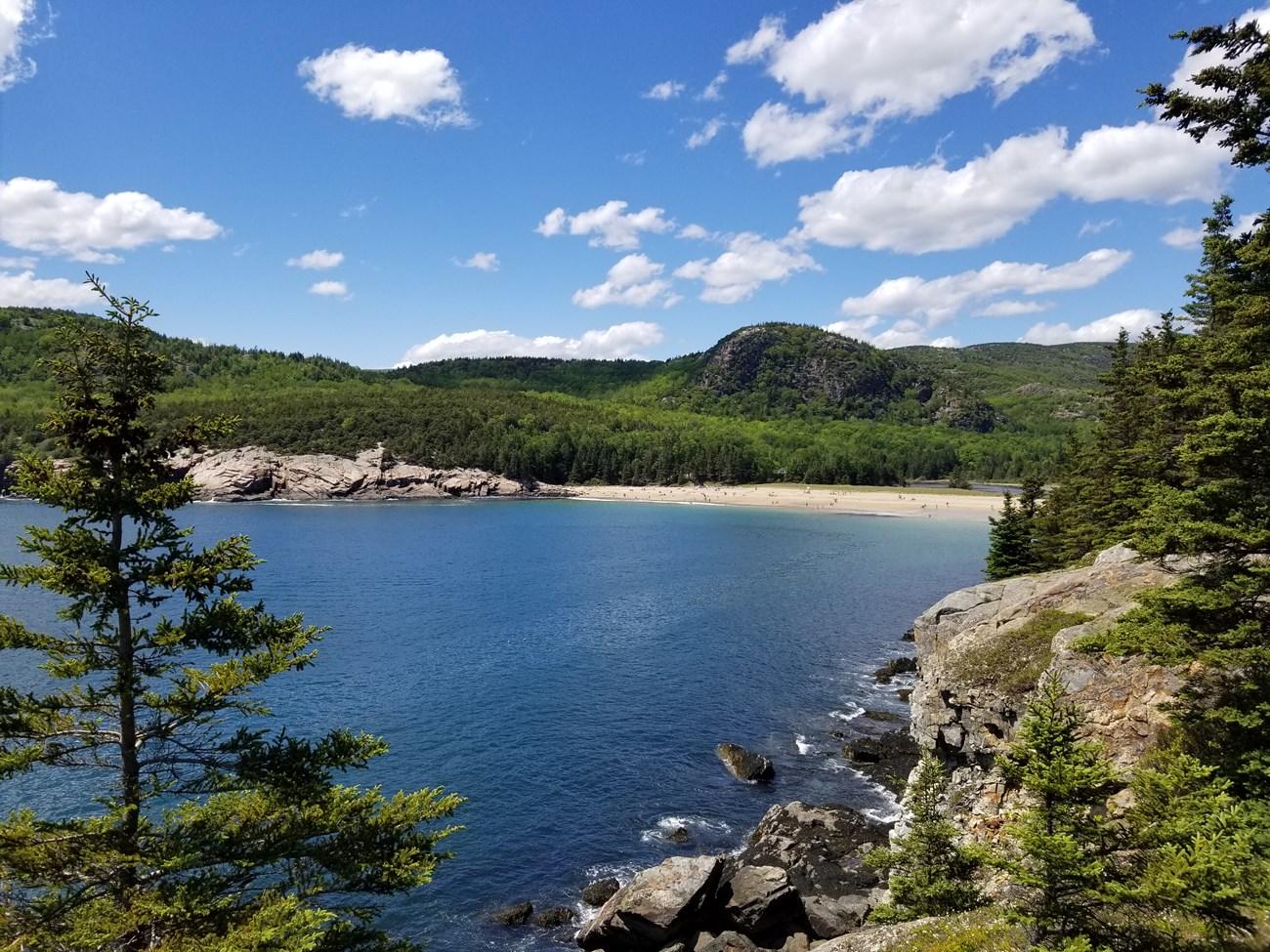
Looking beyond Blackstone River Bikeway? Discover Blackstone Valley for broader travel guides, local hot-spots, and regional highlights.
Explore Blackstone ValleyExplore More of Rhode Island
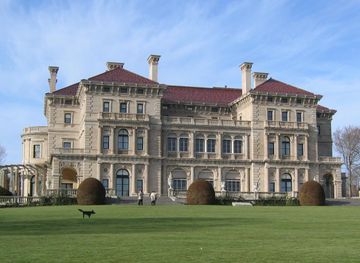
Looking beyond Blackstone River Bikeway? Discover Rhode Island for broader travel guides, local hot-spots, and regional highlights.
Explore Rhode IslandBlackstone River Bikeway in Photos
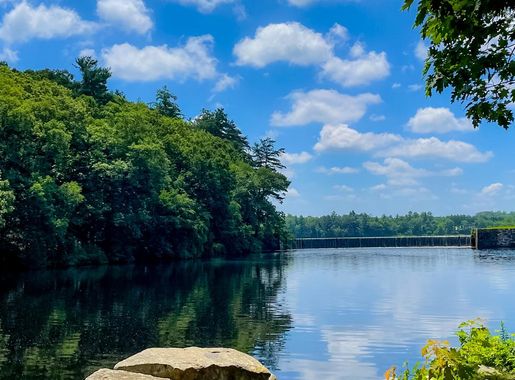
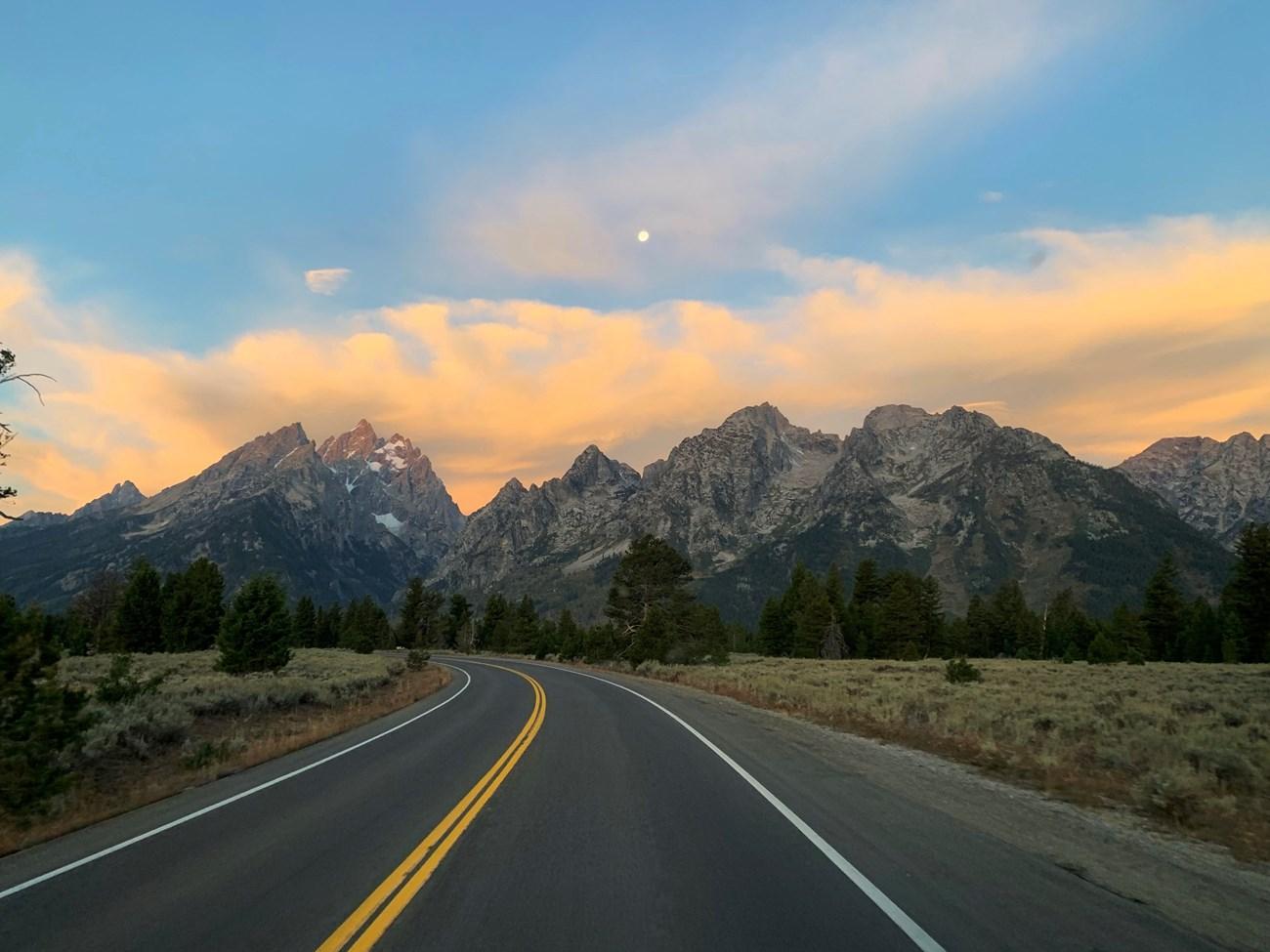
Browse through our photo collection highlighting the charm and character of the destination.




Discover the Scenic Wonders of Blackstone River Bikeway
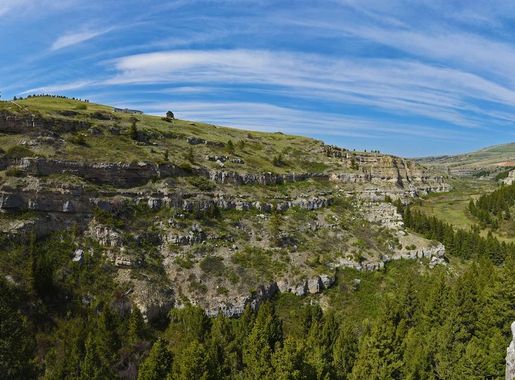
The Blackstone River Bikeway is an enchanting pathway that stretches through the heart of Rhode Island, offering cyclists and pedestrians a picturesque journey along the historic Blackstone River. Spanning approximately 48 miles, this bikeway connects the cities of Worcester, Massachusetts, and Providence, Rhode Island, making it an ideal destination for both casual riders and avid cyclists. As you travel along the Blackstone River Bikeway, you'll be treated to a diverse landscape of lush woodlands, serene wetlands, and charming mill villages. This route not only provides a peaceful escape into nature but also offers a glimpse into the rich industrial history of the Blackstone Valley. Historical markers and interpretive signs along the way narrate the story of America's early industrial revolution, adding an educational dimension to your adventure. Whether you're planning a leisurely day trip or an extended cycling excursion, the Blackstone River Bikeway is a versatile destination that caters to all levels of fitness and interest. With ample parking, well-maintained paths, and numerous access points, it's easy to start your journey from any point along the trail. Plus, the bikeway is dotted with parks, picnic areas, and rest stops, ensuring you have plenty of opportunities to relax and take in the scenic beauty around you.