

Free Bistrița-Năsăud Travel Guide & Mobile App
Explore Bistrița-Năsăud with free travel guides. Discover regional history, expert tips, proposed trips, and audio guides on web or mobile app.


Explore Bistrița-Năsăud, Romania's enchanting region of medieval towns, scenic landscapes, and vibrant folklore. Discover the heart of Transylvania's hidden treasures.
Read more about Bistrița-Năsăud
When is the best time to visit Bistrița-Năsăud?
Best: June–August · 23–25°C| Month | High (°C) | Rainfall (mm) |
|---|---|---|
| January | 2 | 25 |
| February | 4 | 27 |
| March | 9 | 30 |
| April | 14 | 35 |
| May | 19 | 50 |
| June (best) | 23 | 60 |
| July (best) | 25 | 60 |
| August (best) | 25 | 50 |
| September | 20 | 45 |
| October | 14 | 40 |
| November | 7 | 30 |
| December | 3 | 25 |
Getting to and around Bistrița-Năsăud
How to get there
Transportation
Top city travel guides in Bistrița-Năsăud
The cities of Bistrița-Năsăud, and the easiest places to base yourself.

Swipe for more cities
Destinations in Bistrița-Năsăud
Resorts, valleys and scenic spots worth a trip of their own.
-

-


Swipe for more destinations
Best attractions in Bistrița-Năsăud
Bistrița-Năsăud offers visitors an enchanting tapestry of medieval charm and natural beauty, beginning with the historic town of Bistrița, where the 14th-century Gothic Bistrița Church and well-preserved Saxon architecture transport you to a bygone era. The region's lush landscapes are perfect for adventure seekers, with the stunning Rodna Mountains National Park offering hiking trails, cascading waterfalls, and the mesmerizing Piatra Rea Nature Reserve. Delve into the mystical legend of Count Dracula at the striking Borgo Pass, and explore the unique wooden churches and fortified settlements scattered across the Năsăud area. For a touch of local culture, the small villages uphold vibrant traditions through folk festivals and artisanal crafts, making Bistrița-Năsăud a captivating blend of history, nature, and cultural richness.
-
Tourist attraction
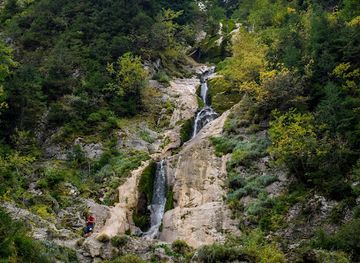
Horses' Falls
Explore the breathtaking Horses' Falls in Borșa, Romania, where nature's beauty and tranquility meet in a stunning waterfall experience.
-
National park
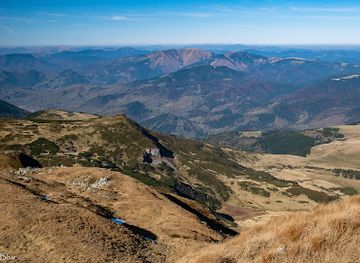
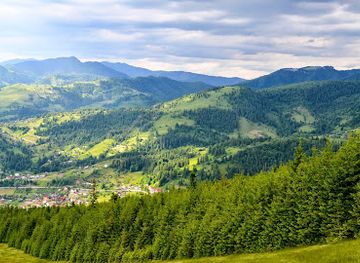
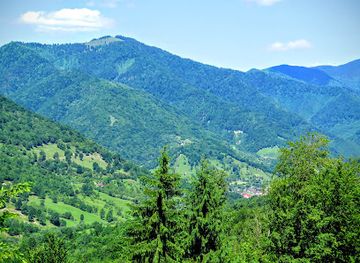
Rodnei Mountains National Park
Explore the breathtaking Rodnei Mountains National Park, a natural gem in Romania boasting stunning landscapes and diverse wildlife experiences.
-
Park
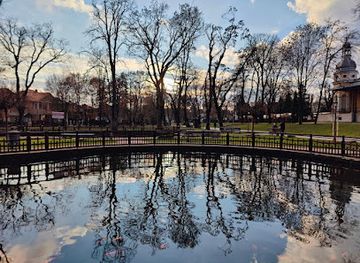
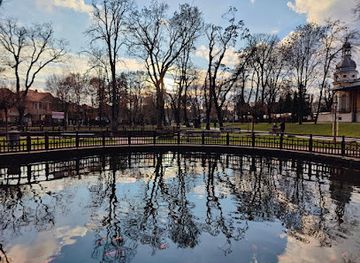
Parcul Municipal Regele Mihai I
Explore the lush landscapes and family-friendly attractions at Parcul Municipal Regele Mihai I, a serene urban park in Bistrița, Romania.
-
Museum
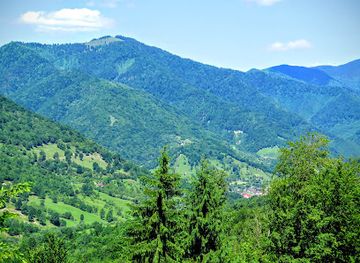
George Coşbuc Memorial Museum
Explore the rich literary heritage at the George Coșbuc Memorial Museum, honoring Romania's beloved poet in a beautiful countryside setting.
Best landmarks in Bistrița-Năsăud
Bistrița-Năsăud is a treasure trove for history enthusiasts and nature lovers alike, offering a rich tapestry of attractions that span centuries. Begin your journey in the medieval town of Bistrița, where the Gothic Bistrița Evangelical Church stands tall with its impressive bell tower, providing panoramic views of the charming old town. Venture to the mystical Bargau and Rodna Mountains, where well-marked trails lead to awe-inspiring vistas and the legendary Dracula Castle of Piatra Fântânele. Discover the historical gem of the Năsăud region, known for its traditional Romanian villages like Salva and Telciu, where time-honored crafts and customs come to life. Delve into the past at the Liviu Rebreanu Memorial House, honoring one of Romania's greatest writers, and explore the ancient ruins of the Rodna Citadel, nestled high in the Carpathians. Each landmark in Bistrița-Năsăud narrates a unique story, weaving together the rich cultural and natural heritage of this captivating region.
-
National park
Rodnei Mountains National Park
Explore the breathtaking landscapes and rich biodiversity of Rodnei Mountains National Park, Romania's hidden gem for adventure and nature lovers.
-
Park
Parcul Municipal Regele Mihai I
Experience the beauty of Parcul Municipal Regele Mihai I, a serene park in Bistrița perfect for relaxation, picnics, and cultural exploration.
-
Museum
George Coşbuc Memorial Museum
Discover the rich literary heritage of Romania at the George Coșbuc Memorial Museum, a tribute to the life and works of the beloved poet George Coșbuc.
-
Historical landmark
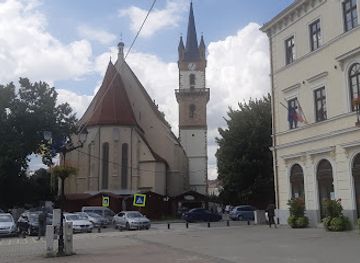
Centrul Istoric Bistrița
Explore the enchanting streets of Centrul Istoric Bistrița, where history, culture, and vibrant local life converge in a picturesque setting.
Explore Bistrița-Năsăud on the map
Plan your trip on one map. See where the top cities, national parks and sights are, and book hotels and experiences in a few clicks.
Best hotels in Bistrița-Năsăud
Best restaurants in Bistrița-Năsăud
The dining scene in Bistrița-Năsăud is a tantalizing blend of traditional Romanian flavors and contemporary culinary innovation, guaranteed to enchant any visitor's palate. Imagine savoring the hearty, rustic dishes like 'sarmale' (cabbage rolls stuffed with seasoned meat and rice) and 'mămăligă' (a delightful cornmeal porridge often served with cheese or sour cream), all prepared with locally-sourced ingredients that capture the essence of Transylvanian cuisine. The region's restaurants, ranging from cozy, family-run establishments to elegant, modern bistros, provide a welcoming ambiance where you can also indulge in exquisite Romanian wines and spirits. As you explore the charming streets of Bistrița and its surrounding villages, you'll find hidden gems offering seasonal specialties and farm-to-table experiences that reflect the area's rich agricultural heritage. Whether you are a food connoisseur or simply a curious traveler, the culinary landscape of Bistrița-Năsăud promises an unforgettable gastronomic journey.
-
Restaurant
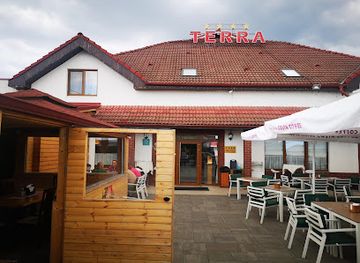
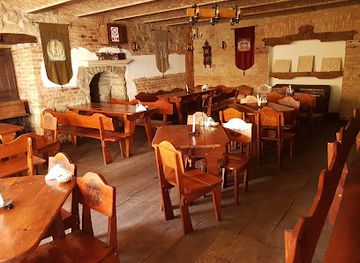
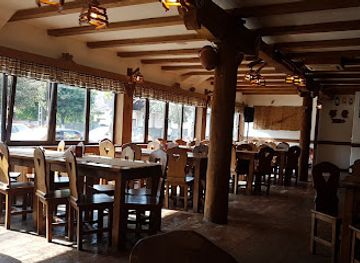
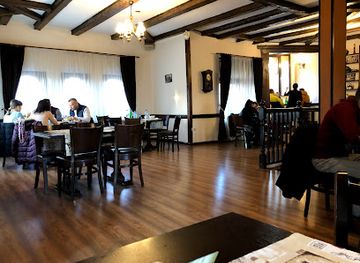
Pensiunea Terra
Experience authentic Romanian flavors at Pensiunea Terra while enjoying comfortable accommodations in beautiful Bistrița.
-
Restaurant
Crama Veche
Discover authentic Romanian flavors at Crama Veche in Bistrița - where tradition meets modern dining experiences.
-
Restaurant
Casa Someșană Bistrița
Experience authentic Romanian cuisine at Casa Someșană in Bistrița – where tradition meets taste in every dish.
-
Restaurant
Conacul Verde Bistrița
Discover culinary delights at Conacul Verde Bistrița - where tradition meets modernity in every bite.
Best bars in Bistrița-Năsăud
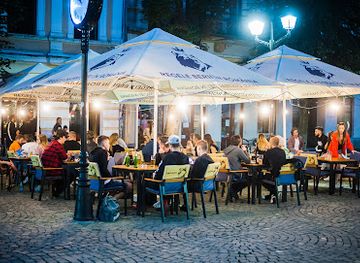
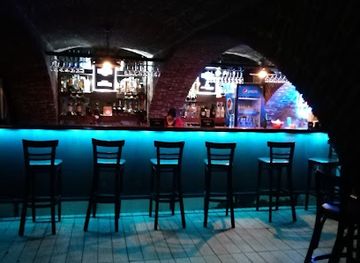
Bistrița-Năsăud’s nightlife scene is a delightful blend of historic charm and modern flair, offering visitors an array of vibrant bars, cozy pubs, and lively nightclubs. As the sun sets, the medieval streets of Bistrița come alive with music and laughter, where you can start your evening at one of the chic rooftop bars, sipping on expertly crafted cocktails while enjoying panoramic views of the city. Venture into the heart of the town to discover rustic taverns that echo the region's rich history, serving local wines and traditional Romanian drinks accompanied by live folk music. For those looking to dance the night away, the area boasts a variety of nightclubs with DJs spinning everything from contemporary hits to classic beats, ensuring a night of endless entertainment. Whether you're a history enthusiast wanting to soak in the atmosphere of centuries-old buildings or a party-goer seeking the latest nightlife trends, Bistrița-Năsăud offers a captivating nocturnal experience that caters to all tastes.
-
Bar
Crama Veche
Experience the charm of traditional Romanian cuisine at Crama Veche, Bistrița's premier bar and restaurant, where great food meets a vibrant atmosphere.
-
Restaurant
Conacul Verde Bistrița
Discover the authentic flavors of Romania at Conacul Verde Bistrița, where traditional meets modern in a charming dining experience.
-
Restaurant
CASA CU BERE
Discover the rich flavors of Romanian cuisine at Casa Cu Bere, Bistrița's favorite dining spot, offering a delightful menu in a charming atmosphere.
-
Restaurant
The Bricks 1903
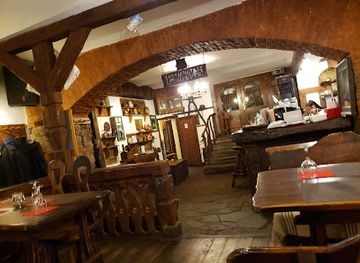
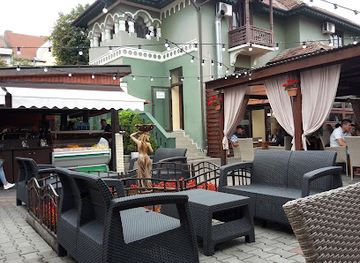
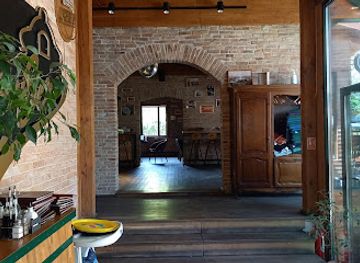
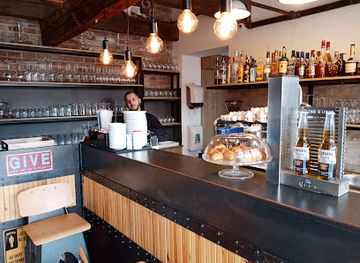
Discover the vibrant atmosphere and delicious flavors at The Bricks 1903, a must-visit gastropub in Bistrița offering gourmet pizzas and craft beers.
Best nightclubs in Bistrița-Năsăud
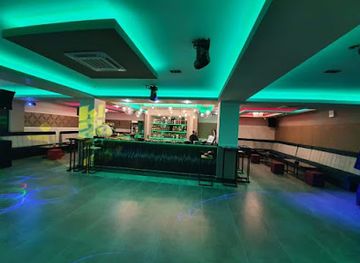
Bistrița-Năsăud’s nightlife scene is a delightful blend of historic charm and modern flair, offering visitors an array of vibrant bars, cozy pubs, and lively nightclubs. As the sun sets, the medieval streets of Bistrița come alive with music and laughter, where you can start your evening at one of the chic rooftop bars, sipping on expertly crafted cocktails while enjoying panoramic views of the city. Venture into the heart of the town to discover rustic taverns that echo the region's rich history, serving local wines and traditional Romanian drinks accompanied by live folk music. For those looking to dance the night away, the area boasts a variety of nightclubs with DJs spinning everything from contemporary hits to classic beats, ensuring a night of endless entertainment. Whether you're a history enthusiast wanting to soak in the atmosphere of centuries-old buildings or a party-goer seeking the latest nightlife trends, Bistrița-Năsăud offers a captivating nocturnal experience that caters to all tastes.
-
Bar
Brikada
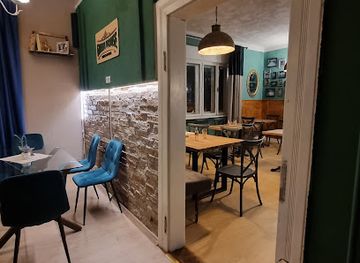
Discover Brikada, a warm bar and bistro in Bistrița, offering a taste of local cuisine and a cozy atmosphere perfect for relaxation.
-
Night club
Eclipse Club
Experience the ultimate nightlife at Eclipse Club in Prundu Bârgăului, where delicious dining meets vibrant entertainment.
-
Pub
Green House Pub
Discover Green House Pub, a delightful gastropub in Bistrița offering a fusion of local flavors and a vibrant atmosphere for an unforgettable experience.
-
Night club
Club Bistrita - AnyTime
Discover the ultimate nightlife experience at Club Bistrita - AnyTime, where electrifying DJ performances meet an unforgettable atmosphere in Bistrița.
Best shops in Bistrița-Năsăud
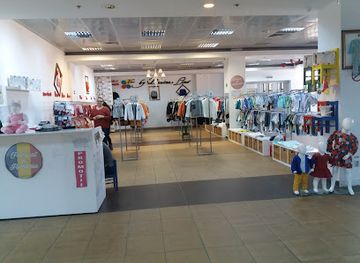
Bistrița-Năsăud offers a charming and eclectic shopping experience that seamlessly blends traditional Romanian culture with modern-day conveniences. Visitors can explore bustling local markets brimming with hand-crafted goods, from intricately woven textiles and pottery to delicious homemade cheeses and preserves. Wander through picturesque streets lined with quaint boutique stores where you can find unique souvenirs, artisanal jewelry, and contemporary Romanian fashion. For a more immersive experience, the region's craft fairs and seasonal festivals provide an opportunity to purchase authentic Transylvanian items directly from local artisans, ensuring each purchase is a piece of the region's rich heritage. Whether you're on the hunt for a special keepsake or simply want to enjoy the vibrant market atmosphere, Bistrița-Năsăud's shopping scene offers something for every traveler.
-
Appliance store
Altex Greenfield
Explore Altex Greenfield for the best in electronics, home appliances, and DIY supplies in the heart of Bistrița.
-
Shopping mall
Winmarkt Shopping Center
Explore the diverse offerings of Winmarkt Shopping Center, Bistrița’s premier shopping destination for fashion, dining, and entertainment.
-
Shopping mall
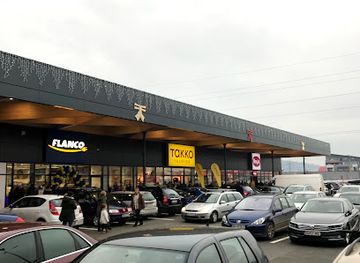
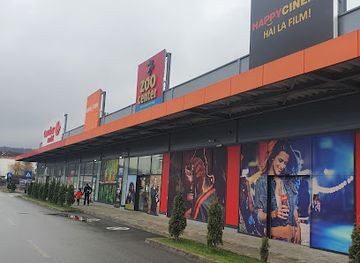
B1 Retail Park
Experience the vibrant shopping atmosphere of B1 Retail Park in Bistrița, offering diverse stores, dining, and entertainment options for every visitor.
-
Shopping mall
Bistrita Retail Park
Discover Bistrita Retail Park, the ultimate shopping mall experience in Bistrița with a wide selection of shops, dining, and family-friendly entertainment.

Get your free copy of our complete guide to Bistrița-Năsăud, delivered straight to you.
Everything on this page, from attractions and restaurants to essentials and local phrases, in one PDF you can read offline, print or share.
Already have an account? Sign in
Your Bistrița-Năsăud guide is ready.
We'll send it to · Not you? Sign out

Getting your guide ready…
We are putting together a fresh copy of the Bistrița-Năsăud guide. This can take up to a minute.
This can take a few moments. If your browser asks, choose Allow so the download can start. You'll find the guide in your Downloads folder.
Nothing happened? Download it again
Sorry, the guide is taking longer than usual. Please try again in a minute, or get it by email instead.
Bistrița-Năsăud essentials
Currency and Payment
Safety
Emergency Situations
Do's and Don'ts
Local Tips
From Eve
Local phrases worth knowing
You don't need to get them perfect. A few words go a long way, and locals appreciate the effort.
Basics
| English | Local | Say it |
|---|---|---|
| Hello | Salut | [sah-loot] |
| Goodbye | La revedere | [lah reh-veh-deh-reh] |
| Yes | Da | [dah] |
| No | Nu | [noo] |
| Please/You're welcome | Te rog/ Cu plăcere | [teh rog/ koo plah-cheh-reh] |
| Thank you | Mulțumesc | [mool-tsoo-mesk] |
| Excuse me/Sorry | Scuză-mă/Pardon | [skoo-zah-mah/ pahr-don] |
| How are you? | Ce mai faci? | [cheh my fahch] |
| Fine. And you? | Bine. Și tu? | [bee-neh. shee too] |
| Do you speak English? | Vorbești engleză? | [vor-besht eng-leh-zah] |
| I don't understand | Nu înțeleg | [noo un-tseh-leg] |
Eating & Drinking
| English | Local | Say it |
|---|---|---|
| I'd like to see the menu, please | Aș dori să văd meniul, te rog | [ash doh-ree sah vehd meh-nee-ul, teh rog] |
| I don't eat meat | Nu mănânc carne | [noo muh-nank kar-neh] |
| Cheers! | Noroc! | [noh-rok] |
| I would like to pay, please | Aș dori să plătesc, te rog | [ash doh-ree sah plah-tesk, teh rog] |
Emergencies
| English | Local | Say it |
|---|---|---|
| Help! | Ajutor! | [ah-zhoo-tor] |
| Go away! | Du-te de aici! | [doo-teh deh ah-eech] |
| Call the Police! | Sună la Poliție! | [soo-nah lah poh-leet-see-eh] |
| Call a doctor! | Sună un doctor! | [soo-nah oon dok-tor] |
| I'm lost | M-am pierdut | [mahm pee-er-dut] |
| I'm ill | Sunt bolnav | [soont bol-nahv] |
Shopping
| English | Local | Say it |
|---|---|---|
| I'd like to buy... | Aș dori să cumpăr... | [ash doh-ree sah koom-per] |
| I'm just looking | Mă uit doar | [muh uit dwaar] |
| How much is it? | Cât costă? | [kuht koh-stah] |
| That's too expensive | Asta e prea scump | [ahs-tah eh preh-ah skoomp] |
| Can you lower the price? | Poți să scazi prețul? | [poh-tsee sah skahz prehts-ul] |
Time & Numbers
| English | Local | Say it |
|---|---|---|
| What time is it? | Ce oră e? | [cheh oh-rah eh] |
| It's one o'clock | Este o'clock | [yes-teh oh-clock] |
| Half past (10) | Și jumătate (10) | [shee zhoo-mah-tah-teh (10)] |
| Morning | Dimineața | [dee-mee-neh-ah-tsah] |
| Afternoon | După-amiază | [doo-pah-ah-mee-ah-zah] |
| Evening | Seara | [seh-ah-rah] |
| Yesterday | Ieri | [yeh-ree] |
| Today | Astăzi | [ahs-tahz] |
| Tomorrow | Mâine | [mee-neh] |
| 1 | 1 | [unu] |
| 2 | 2 | [doi] |
| 3 | 3 | [trei] |
| 4 | 4 | [patru] |
| 5 | 5 | [cinci] |
| 6 | 6 | [șase] |
| 7 | 7 | [șapte] |
| 8 | 8 | [opt] |
| 9 | 9 | [nouă] |
| 10 | 10 | [zece] |
Transport & Directions
| English | Local | Say it |
|---|---|---|
| Where's a/the...? | Unde este un/ă...? | [oon-deh yeh-steh oon-uh] |
| What's the address? | Care e adresa? | [kah-reh eh ah-dreh-sah] |
| Can you show me (on the map)? | Poți să-mi arăți (pe hartă)? | [poh-tsee sahm ah-rah-ts (peh hahr-tah)] |
| When's the next (bus)? | Când vine următorul (autobuz)? | [koond vee-neh oor-mah-toh-rool (ow-toh-booz)] |
| A ticket (to ....) | Un bilet (către ....) | [oon bee-let (kă-treh)] |
History of Bistrița-Năsăud
Medieval Beginnings
Bistrița-Năsăud, located in northern Transylvania, has its roots in the medieval period. The town of Bistrița, the county's capital, was founded by Saxon settlers in the 12th century. As one of the seven fortified towns of Transylvania, it played a crucial role in the region's defense and trade networks during the Middle Ages.
The Saxon Influence
The Saxons left a lasting mark on Bistrița-Năsăud, evident in the architecture and cultural landscape. The Bistrița Evangelical Church, built in the 14th century, stands as a testament to their presence. The town's fortifications and the remaining defensive towers also reflect the Saxon architectural style.
Ottoman Incursions
During the 16th and 17th centuries, Bistrița-Năsăud faced numerous incursions from the Ottoman Empire. The region's strategic location made it a frequent target. The fortified churches and castles, such as the one in Rodna, were essential in protecting the inhabitants from these invasions.
Austro-Hungarian Rule
In the 18th and 19th centuries, Bistrița-Năsăud was part of the Austro-Hungarian Empire. This period saw significant economic development and modernization. The introduction of the railway in the late 19th century connected Bistrița-Năsăud to larger markets, fostering trade and industry.
World War I and the Great Union
After World War I, Bistrița-Năsăud became part of Greater Romania following the Great Union of 1918. This event marked a new chapter in the region's history, as it transitioned from Austro-Hungarian to Romanian administration. The interwar period was marked by cultural and social integration within the larger Romanian state.
World War II and Soviet Influence
Bistrița-Năsăud, like much of Romania, experienced significant upheaval during World War II. The region was occupied by Axis forces and later by the Soviet Union. The post-war period brought about major political and social changes, as Romania fell under Soviet influence and the communist regime was established.
The Communist Era
Under the communist regime, Bistrița-Năsăud underwent industrialization and urbanization. The period saw the development of factories and the expansion of the town of Bistrița. However, this era also brought repression and the forced collectivization of agriculture, which had lasting impacts on the rural population.
Post-Communist Transformation
Since the fall of communism in 1989, Bistrița-Năsăud has been undergoing a transformation. The region has embraced market economy principles and has seen growth in tourism, capitalizing on its rich history and natural beauty. Efforts have been made to preserve its cultural heritage, while also developing modern infrastructure and amenities.
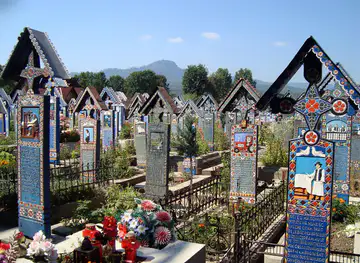
Bistrița-Năsăud in Photos
Browse through our photo collection highlighting the charm and character of the destination.
Neighbouring regions of Bistrița-Năsăud
The closest regions to Bistrița-Năsăud, if you have time for more than one.
-

-

-
-

-


Swipe for more regions
Explore more

Explore more of Romania
Discover Romania's blend of mystical castles, enchanting landscapes, and vibrant culture. Experience the rich history and natural beauty that make Romania a unique travel destination.
Explore Romania