

Free Sălaj Travel Guide & Mobile App
Explore Sălaj with free travel guides. Discover regional history, expert tips, proposed trips, and audio guides on web or mobile app.


Explore Sălaj in north-west Romania for Porolissum's Roman ruins, wooded hills, historic towns, botanical gardens, vineyards and village traditions.
Read more about Sălaj
When is the best time to visit Sălaj?
Best: June–August · 24–25°C| Month | High (°C) | Rainfall (mm) |
|---|---|---|
| January | 3 | 40 |
| February | 4 | 35 |
| March | 9 | 40 |
| April | 15 | 50 |
| May | 20 | 60 |
| June (best) | 24 | 70 |
| July (best) | 25 | 70 |
| August (best) | 25 | 60 |
| September | 21 | 50 |
| October | 15 | 40 |
| November | 8 | 40 |
| December | 3 | 40 |
Getting to and around Sălaj
How to get there
Transportation
Top city travel guides in Sălaj
The cities of Sălaj, and the easiest places to base yourself.
-

-

-


Swipe for more cities
Best attractions in Sălaj
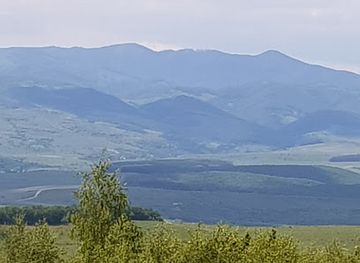
Sălaj's attractions are spread across archaeological hills, market towns, gardens and rural settlements rather than concentrated in one urban centre. Porolissum near Moigrad-Porolissum is the county's defining historical site, with the remains of a Roman fort, gates, walls, an amphitheatre and the civilian settlement extending across an open landscape. In Jibou, the Vasile Fati Botanical Garden combines landscaped grounds, plant collections and greenhouses with the historic Wesselényi Castle setting. Șimleu Silvaniei offers the Báthory castle ruins and access to the Silvania wine-growing area, while Zalău provides museums and an urban base for exploring the Meseș foothills. Across the county, churches, timber buildings, village cemeteries and traditional houses add cultural depth, although some require advance planning or local guidance. Walking, cycling and scenic driving are best enjoyed on the wooded roads and rolling hills, with care needed on minor routes and exposed archaeological terrain. Sălaj suits visitors who prefer connected themes—Roman frontier history, gardens, vineyards, religious architecture and rural landscapes—to a conventional sequence of large-ticket attractions.
-
Park
Cetățuia Park
Discover the tranquil beauty of Cetățuia Park in Cluj-Napoca, where nature meets breathtaking city views, perfect for relaxation and exploration.
-
Zoo
Wind Mill
Explore Wind Mill Zoo, a family-friendly attraction featuring diverse wildlife, immersive exhibits, and engaging educational programs in Romania.
-
Ethnographic museum
Ethnographic Park Romulus Vuia
Explore Romania's cultural treasures at Ethnographic Park Romulus Vuia, an open-air museum showcasing traditional architecture and vibrant folk life.
-
Nature preserve
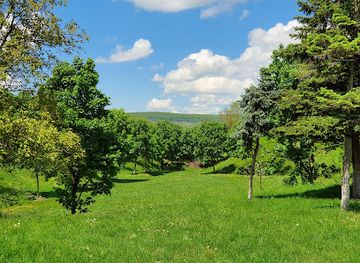
Zmeilor Garden
Experience the tranquility and natural beauty of Zmeilor Garden, a breathtaking nature preserve in Gâlgău Almașului, Romania, perfect for all nature lovers.
Best landmarks in Sălaj
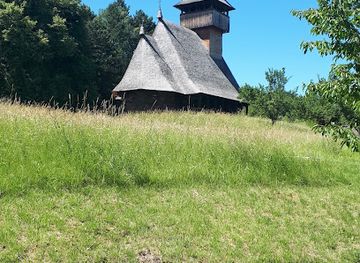
Porolissum is Sălaj's most significant landmark, occupying a strategic ridge near Moigrad-Porolissum where Roman walls, monumental gates and the amphitheatre outline the former frontier settlement. Its elevated position connects the ruins to the wider Meseș landscape and explains why the site was chosen. In Șimleu Silvaniei, the remains of the Báthory castle complex recall the town's early modern political importance and the influence of one of Transylvania's prominent noble families. Jibou's Wesselényi Castle complex is another important architectural reference, especially when considered alongside the botanical garden that now occupies part of the historic estate setting. The county's religious landmarks include stone and timber churches whose towers and roofs often remain focal points in village landscapes, although their access and preservation conditions differ. Zalău's civic and urban buildings provide a more modern counterpoint, showing how an administrative town developed during the nineteenth and twentieth centuries. Together these places express Sălaj's layered identity as Roman frontier, noble estate country, religious landscape and modern regional centre.
-
Castle
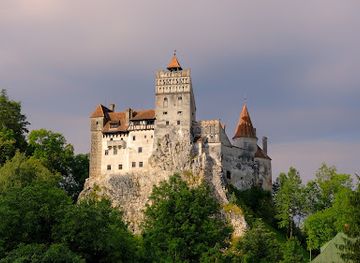
Bran Castle
Experience the allure of Bran Castle, Romania's iconic fortress steeped in history, legend, and breathtaking mountain views.
-
 Castle
Peleș Castle
Explore Peleș Castle, a breathtaking Neo-Renaissance masterpiece surrounded by the Carpathian Mountains, rich in history and stunning architecture.
-
Historical landmark
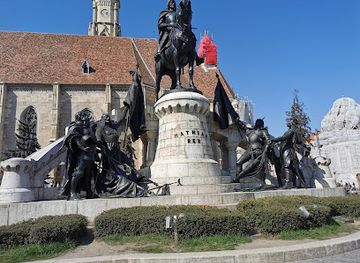
"Matthias Rex" Monument
Discover the grandeur of the Matthias Rex Monument in Cluj-Napoca, a historical landmark celebrating the legacy of King Matthias Corvinus.
-
Nature preserve
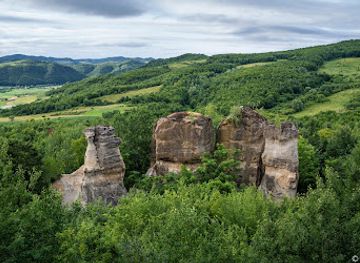
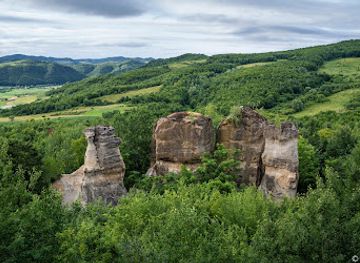
Zmeilor Garden
Explore the serene beauty of Zmeilor Garden, a nature preserve in Gâlgău Almașului, Romania, ideal for relaxation, exploration, and wildlife observation.
Explore Sălaj on the map
Plan your trip on one map. See where the top cities, national parks and sights are, and book hotels and experiences in a few clicks.
Best hotels in Sălaj
Best restaurants in Sălaj
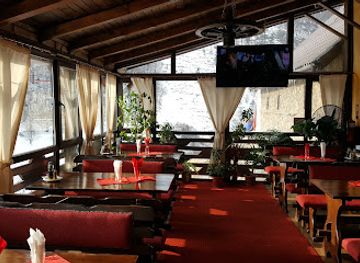
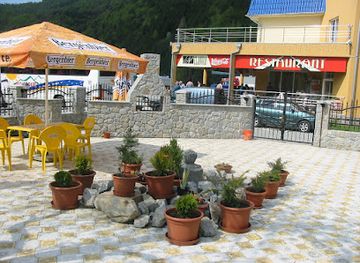
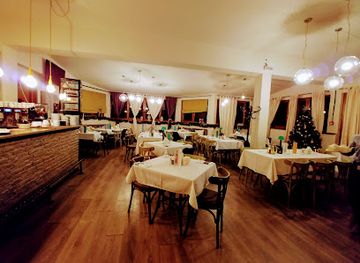
Dining in Sălaj reflects the north-western Transylvanian countryside, where Romanian, Hungarian and broader regional influences appear in soups, stews, roast meats, stuffed vegetables, potato dishes, seasonal vegetables and home-style baking. Pork, poultry, orchard fruit and preserves are common in rural cooking, while cakes and festive pastries often carry local family and community traditions. In Zalău and the larger towns, restaurants offer a wider choice of Romanian and international food, whereas villages are more likely to have simple eateries, inns or family-run services with menus that vary by day. The Silvania wine area gives local food and drink an important regional connection, and plum brandy is a familiar traditional spirit, usually served in small quantities as an aperitif or digestif. Farmers' markets and food shops are useful for finding fruit, vegetables, cheese, honey and baked goods, although product availability follows the season. Ask about regional dishes rather than expecting a single dish to represent the whole county.
-
Restaurant
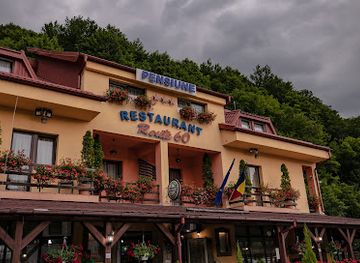
ROUTE 60 Restaurant Pensiune DN1 E60 Ciucea
Discover ROUTE 60 Restaurant Pensiune: A perfect blend of authentic Romanian cuisine and cozy accommodations along DN1 highway.
-
Restaurant
Restaurant Autogrill
Discover delicious meals at Restaurant Autogrill - the perfect stop for travelers along Romania's scenic E60 route.
-
Restaurant
Hotel-Restaurant Nelaura
Indulge in authentic Romanian cuisine and cozy accommodations at Hotel-Restaurant Nelaura - your perfect stop on the road!
-
Restaurant
Hanul Drumeților
Experience authentic Romanian cuisine at Hanul Drumeților in Zalău - where tradition meets warmth and flavor.
Best bars in Sălaj
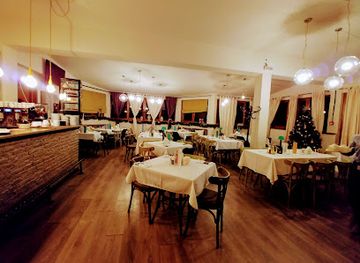
Evening life in Sălaj is centred on cafés, restaurants, traditional pubs and modest bars rather than a large nightclub circuit. Zalău has the broadest choice, with places for coffee, beer, wine, mixed drinks and occasional live entertainment, while Jibou and Șimleu Silvaniei provide a smaller town atmosphere. In villages and market settlements, evenings are more likely to revolve around a local pub, family gathering or restaurant meal than late-night dancing. Wine from the Silvania area may appear on regional menus, alongside Romanian beers and fruit brandies, but drinking is not necessary to engage with local culture. Opening patterns and venue offerings can change, so local noticeboards and recent recommendations are more reliable than assuming a fixed nightlife district. Cultural events, seasonal celebrations and town festivals may create livelier evenings at particular times, but these should be checked locally rather than treated as permanent fixtures.
-
Restaurant
Hanul Drumeților
Experience the essence of Romanian cuisine at Hanul Drumeților, where tradition meets taste in a cozy setting.
-
Restaurant
Hudin Anda
Experience the flavors of Romania at Hudin Anda, a cozy restaurant in Zalău offering delicious meals at affordable prices.
-
Restaurant
Atelier de Arome
Discover the exquisite flavors of Romanian cuisine at Atelier de Arome, a top dining destination in Zalău.
-
Restaurant
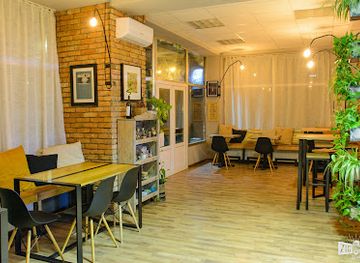
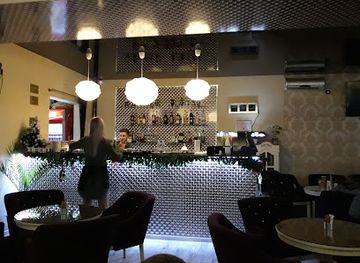
Divino Club & Lounge & Caffe Zalau. Club & Restaurant & Cafenea Zalau. Meniul Zilei Zalau
Experience the vibrant fusion of dining, coffee, and nightlife at Divino Club & Lounge in Zalău, Romania.

Best nightclubs in Sălaj
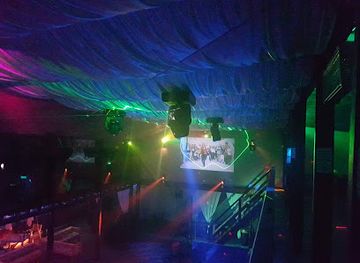
Evening life in Sălaj is centred on cafés, restaurants, traditional pubs and modest bars rather than a large nightclub circuit. Zalău has the broadest choice, with places for coffee, beer, wine, mixed drinks and occasional live entertainment, while Jibou and Șimleu Silvaniei provide a smaller town atmosphere. In villages and market settlements, evenings are more likely to revolve around a local pub, family gathering or restaurant meal than late-night dancing. Wine from the Silvania area may appear on regional menus, alongside Romanian beers and fruit brandies, but drinking is not necessary to engage with local culture. Opening patterns and venue offerings can change, so local noticeboards and recent recommendations are more reliable than assuming a fixed nightlife district. Cultural events, seasonal celebrations and town festivals may create livelier evenings at particular times, but these should be checked locally rather than treated as permanent fixtures.
-
Night club
Flying Circus
Experience the vibrant nightlife of Cluj-Napoca at Flying Circus, where the music never stops and the energy is contagious.
-
Lounge
Lotus
Experience tranquility at Lotus Lounge in Zalău, where comfort meets style and refreshments await every visitor.
-
Night club
The King Club
Experience the vibrant nightlife of Măgești at The King Club, where great music and unforgettable moments await.
-
Night club
Miki
Experience the vibrant nightlife at Miki, Gârceiu's ultimate nightclub destination for unforgettable nights of music and fun.
Best shops in Sălaj
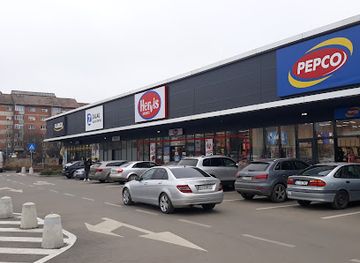
Shopping in Sălaj is primarily a matter of local markets, town high streets, food shops and independent businesses rather than destination luxury retail. Zalău has the widest selection of supermarkets, everyday shops, cafés and services, while Jibou, Șimleu Silvaniei and Cehu Silvaniei retain the practical character of market towns. Seek out seasonal produce, honey, preserves, baked goods, cheese and locally made fruit products at markets or specialist food shops, bearing in mind that supplies and market days vary. Bottles from the Silvania wine area and responsibly sourced plum brandy can make appropriate regional purchases where licensed sellers provide them. Small craft and folk-art offerings may include textiles, woodwork or religious objects, but availability is irregular rather than guaranteed. For a more meaningful souvenir, choose a locally produced food item or a book about Porolissum and Sălaj's heritage, and carry cash for smaller traders outside the main urban areas.
-
Supermarket
Kaufland
Explore Kaufland in Zalău for a unique shopping experience filled with fresh produce, local delicacies, and organic goods.
-
Shopping mall
Zalău Value Centre
Explore Zalău Value Centre: A vibrant shopping mall offering diverse stores, delicious dining, and entertainment for every visitor in Zalău.
-
Jewelry store
Chic Bijoux - Jewelry Shop
Discover Chic Bijoux, a premier jewelry store in Cluj-Napoca, offering exquisite pieces and exceptional service for all your gifting needs.
-
Supermarket
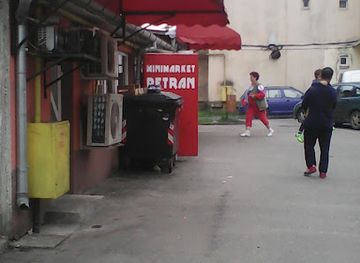
Mini Market Petrean
Explore the vibrant Mini Market Petrean in Jibou for authentic local flavors and a unique shopping experience in Romania.
Get your free copy of our complete guide to Sălaj, delivered straight to you.
Everything on this page, from attractions and restaurants to essentials and local phrases, in one PDF you can read offline, print or share.
Already have an account? Sign in
Your Sălaj guide is ready.
We'll send it to · Not you? Sign out

Getting your guide ready…
We are putting together a fresh copy of the Sălaj guide. This can take up to a minute.
This can take a few moments. If your browser asks, choose Allow so the download can start. You'll find the guide in your Downloads folder.
Nothing happened? Download it again
Sorry, the guide is taking longer than usual. Please try again in a minute, or get it by email instead.
Sălaj essentials
Currency and Payment
Safety
Emergency Situations
Do's and Don'ts
Local Tips
From Eve
Local phrases worth knowing
You don't need to get them perfect. A few words go a long way, and locals appreciate the effort.
Basics
| English | Local | Say it |
|---|---|---|
| Hello | Bună | [Boo-nuh] |
| Goodbye | La revedere | [Lah reh-veh-deh-reh] |
| Yes | Da | [Dah] |
| No | Nu | [Noo] |
| Please/You're welcome | Te rog/ Cu plăcere | [Teh rog/ Koo pluh-cheh-reh] |
| Thank you | Mulțumesc | [Mool-tsoo-mesk] |
| Excuse me/Sorry | Scuzați-mă | [Skoo-zah-tsi-muh] |
| How are you? | Ce mai faci? | [Cheh my fahch?] |
| Fine. And you? | Bine. Și tu? | [Bee-neh. Shee too?] |
| Do you speak English? | Vorbești engleză? | [Vor-besht eng-leh-zuh?] |
| I don't understand | Nu înțeleg | [Noo un-tseh-leg] |
Eating & Drinking
| English | Local | Say it |
|---|---|---|
| I'd like to see the menu, please | Aș dori să văd meniul, vă rog | [Ash doh-ree suh vehd meh-nee-ul, vah rog] |
| I don't eat meat | Nu mănânc carne | [Noo muh-nank kar-neh] |
| Cheers! | Noroc! | [Noh-rok] |
| I would like to pay, please | Aș dori să plătesc, vă rog | [Ash doh-ree suh plah-tesk, vah rog] |
Emergencies
| English | Local | Say it |
|---|---|---|
| Help! | Ajutor! | [Ah-zhoo-tor] |
| Go away! | Du-te! | [Doo-teh] |
| Call the Police! | Sună Poliția! | [Soo-nah Poh-lee-tsiah] |
| Call a doctor! | Sună un doctor! | [Soo-nah oon dok-tor] |
| I'm lost | M-am pierdut | [Mahm pyehr-doot] |
| I'm ill | Sunt bolnav | [Soont bol-nav] |
Shopping
| English | Local | Say it |
|---|---|---|
| I'd like to buy... | Aș dori să cumpăr... | [Ash doh-ree suh koom-per...] |
| I'm just looking | Doar mă uit | [Dwar muh uit] |
| How much is it? | Cât costă? | [Cuht koh-stah?] |
| That's too expensive | Asta e prea scump | [Ahs-tah eh preh-ah skoomp] |
| Can you lower the price? | Poți să scazi prețul? | [Poh-tsi suh skahz preh-tsool?] |
Time & Numbers
| English | Local | Say it |
|---|---|---|
| What time is it? | Ce oră este? | [Cheh oh-rah yeste?] |
| It's one o'clock | Este o oră | [Yeste oh oh-rah] |
| Half past (10) | Jumătate după (10) | [Joo-mah-tah-teh doo-pah (10)] |
| Morning | Dimineața | [Dee-mee-nyeh-tzah] |
| Afternoon | După-amiază | [Doo-pah ah-mee-ah-zah] |
| Evening | Seara | [Sah-rah] |
| Yesterday | Ieri | [Yair] |
| Today | Astăzi | [Ahs-tahz] |
| Tomorrow | Mâine | [Moo-eh-neh] |
| 1 | 1 | [1] |
| 2 | 2 | [2] |
| 3 | 3 | [3] |
| 4 | 4 | [4] |
| 5 | 5 | [5] |
| 6 | 6 | [6] |
| 7 | 7 | [7] |
| 8 | 8 | [8] |
| 9 | 9 | [9] |
| 10 | 10 | [10] |
Transport & Directions
| English | Local | Say it |
|---|---|---|
| Where's a/the...? | Unde este un/ o...? | [Oon-deh yeste oon/ oh...?] |
| What's the address? | Care este adresa? | [Kah-reh yeste ah-dreh-sah?] |
| Can you show me (on the map)? | Îmi poți arăta (pe hartă)? | [Uh-mee pohts ah-rah-tah (peh har-tuh)?] |
| When's the next (bus)? | Când vine următorul (autobuz)? | [Kund vee-neh oor-mah-tor-ul (ow-toh-booz)?] |
| A ticket (to ....) | Un bilet (spre ...) | [Oon bee-let (spre ...)] |
History of Sălaj
Dacian Communities and the Meseș Frontier
Before Roman conquest, the area around the Meseș Mountains and the Someș valley formed part of the wider Dacian world. Hilltop settlements, roads and agricultural communities connected the region with Transylvania and the north-western Carpathian approaches. The strategic importance of the passes later encouraged Roman military development, but the pre-Roman landscape was already shaped by cultivation, local exchange and fortified places. Archaeological discoveries around Porolissum and other Sălaj sites provide evidence for the region's role as a meeting zone between communities north and south of the mountains.
Roman Porolissum and Dacia Porolissensis
After the Roman conquest of Dacia in the early second century, Rome established Porolissum near present-day Moigrad-Porolissum to control routes through the Meseș passes. The settlement grew around a major military base and became the administrative centre of Dacia Porolissensis, one of the provinces or subdivisions of Roman Dacia. Its fortifications, gates, amphitheatre, roads and civilian settlement reveal a frontier society of soldiers, administrators, traders and local inhabitants. The surviving ruins are among the clearest material reminders of Roman power in north-western Romania.
Medieval Counties, Churches and Fortified Estates
In the medieval Kingdom of Hungary, the region was organised through counties, estates and ecclesiastical institutions, with routes across the Meseș remaining strategically important. Settlements developed around agriculture, local trade and noble properties, while churches became enduring landmarks in both towns and villages. The later county of Sălaj was shaped by the interaction of Hungarian, Romanian and other communities, as well as by the spread of different Christian denominations. Medieval and early modern church buildings, cemeteries and estate remains continue to reflect these layered political and religious histories.
The Báthory and Wesselényi Legacies
Sălaj is associated with two influential noble families whose estates and cultural legacies remain visible in the county. Șimleu Silvaniei was an important centre of the Báthory family, and the remains of its castle complex recall the political importance of the town in the early modern period. Around Jibou, the Wesselényi family shaped the local estate landscape, with the castle complex later becoming closely linked to the town's botanical garden. These places are not isolated monuments: they represent the aristocratic landholding, administration and cultural patronage that influenced Transylvanian society for centuries.
Religious Change and Village Architecture
The Reformation and Counter-Reformation altered the religious map of north-western Transylvania, while Romanian Greek Catholic and Orthodox communities maintained their own networks of worship and education. In Sălaj, churches and cemeteries often preserve evidence of this confessional diversity, including Reformed, Roman Catholic, Greek Catholic and Orthodox traditions. Rural timber churches and vernacular houses also record local building practices adapted to forested hills and agricultural life. Although many villages have changed substantially, religious buildings remain among the most accessible ways to understand the county's social history.
The Habsburg and Austro-Hungarian Period
From the eighteenth century, Sălaj was increasingly integrated into the administrative and economic structures of the Habsburg lands and later Austria-Hungary. Roads, estate management, schools, market towns and agricultural commerce developed within a more centralised framework. The region remained predominantly rural, but Zalău, Șimleu Silvaniei, Jibou and other settlements gained importance as local centres. Population, language and confessional questions were closely connected to wider political changes in Transylvania, culminating in the transformation of 1918, when the area became part of the Kingdom of Romania.
Twentieth-Century Romania and Industrial Transformation
The twentieth century brought major political changes, collectivisation and the expansion of state-led industry. Zalău became particularly associated with metallurgy and engineering, changing its urban form and attracting workers from across the county. Rural communities experienced mechanisation, demographic movement and the gradual decline of some traditional occupations, while historic buildings and churches remained important markers of local identity. After 1989, Sălaj moved towards a mixed economy in which manufacturing, agriculture, services and commuting coexist. Contemporary visitors therefore encounter both a living rural landscape and the industrial legacy of socialist-era development.
Sălaj in Photos
Browse through our photo collection highlighting the charm and character of the destination.
Neighbouring regions of Sălaj
The closest regions to Sălaj, if you have time for more than one.
-

-

-
-

-


Swipe for more regions
Explore more

Explore more of Romania
Discover Romania's blend of mystical castles, enchanting landscapes, and vibrant culture. Experience the rich history and natural beauty that make Romania a unique travel destination.
Explore Romania