

Free Transylvania Travel Guide & Mobile App
Explore Transylvania with free travel guides. Discover regional history, expert tips, proposed trips, and audio guides on web or mobile app.


Explore Transylvania’s medieval towns, fortified churches, Carpathian landscapes, regional cuisine and layered Romanian, Hungarian and Saxon heritage.
Read more about Transylvania
When is the best time to visit Transylvania?
Best: June–August · 25–27°C| Month | High (°C) | Rainfall (mm) |
|---|---|---|
| January | 2 | 30 |
| February | 5 | 35 |
| March | 10 | 40 |
| April | 16 | 50 |
| May | 21 | 60 |
| June (best) | 25 | 70 |
| July (best) | 27 | 65 |
| August (best) | 26 | 60 |
| September | 22 | 55 |
| October | 16 | 40 |
| November | 9 | 35 |
| December | 4 | 30 |
Getting to and around Transylvania
How to get there
Transportation
Top city travel guides in Transylvania
The cities of Transylvania, and the easiest places to base yourself.
-

-

-

-

-

-


Swipe for more cities
Destinations in Transylvania
Resorts, valleys and scenic spots worth a trip of their own.
-

-

-

-

-

-


Swipe for more destinations
Best attractions in Transylvania
Transylvania’s attractions range from medieval urban centres to broad mountain landscapes. Sighișoara’s citadel offers one of the region’s clearest encounters with late-medieval urban form, while Sibiu, Brașov and Alba Iulia combine historic squares, churches, fortifications and museums with active modern city life. The fortified churches of southern Transylvania, including those at Viscri, Biertan and Prejmer, reveal how Saxon communities organised worship and defence, although each site has its own character and visitor arrangements. Around the cities, the Carpathians provide walking, wildlife observation, cycling and winter activities, with the Piatra Craiului, Bucegi and Făgăraș areas especially important for mountain scenery. The Apuseni Mountains in western Transylvania add caves, limestone landscapes, forests and dispersed villages. Smaller museums, craft workshops, village collections and traditional guesthouses are valuable for understanding rural life, while Cluj-Napoca supplies galleries, theatres and cultural events. An itinerary works best when it balances major historic towns with slower journeys through villages and upland landscapes.
-
Tourist attraction
Salina Turda
Explore the majestic Salina Turda, an ancient salt mine transformed into a breathtaking underground attraction filled with history and adventure.
-
Tourist attraction
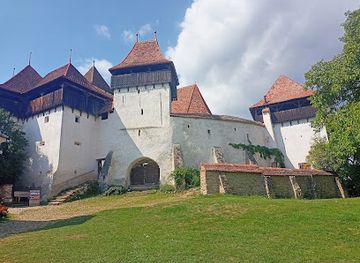
Viscri
Discover the charm of Viscri, a UNESCO World Heritage site in Romania, known for its Saxon architecture, stunning landscapes, and rich cultural heritage.
-
Hotel
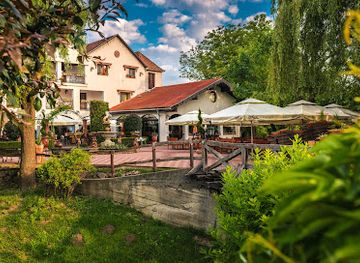
Domeniul Dracula Daneș
Experience the magic of Transylvania at Domeniul Dracula Daneș, a family-friendly hotel with an animal park, equestrian club, and organic dining options.
-
Amusement park
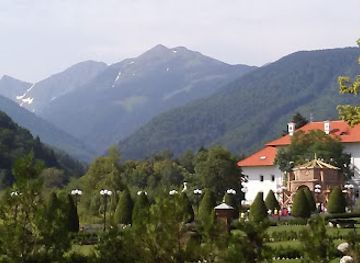
Aventura Drăguș
Experience the thrill of adventure and fun at Aventura Drăguș, Romania's premier amusement park, nestled in stunning natural surroundings.

Best landmarks in Transylvania
The Clock Tower and hilltop citadel of Sighișoara form one of Transylvania’s most recognisable historic ensembles, with defensive walls, towers and tightly crowded medieval streets. Sibiu’s Council Tower, Great Square, Evangelical Cathedral and distinctive rooflines express the city’s former Saxon commercial importance, while Brașov’s Black Church and surviving fortification structures reflect its position at a Carpathian trade crossroads. The fortified church at Biertan and the church-fortress at Prejmer are especially important examples of Saxon defensive architecture; Viscri is smaller in scale and notable for its rural setting and preserved village character. Alba Iulia’s star-shaped citadel is a major landmark of eighteenth-century military planning and modern Romanian political memory. In the mountains, the limestone ridges of Piatra Craiului and the high Făgăraș range provide geographical landmarks rather than built monuments, giving Transylvania a visual identity in which medieval walls and forested peaks are closely connected.
-
Castle
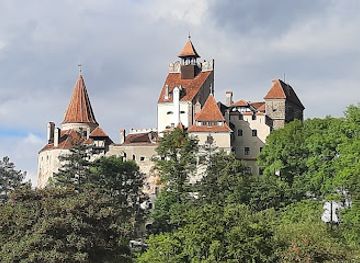
Bran Castle
Discover the allure of Bran Castle, a historical gem in Transylvania, intertwined with the Dracula legend and rich Romanian heritage.
-
Castle
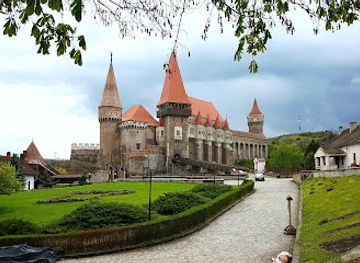
Castelul Corvinilor (Corvins' Castle)
Discover the enchanting Corvins' Castle in Hunedoara, a stunning medieval fortress rich in history and breathtaking architecture.
-
Fortress
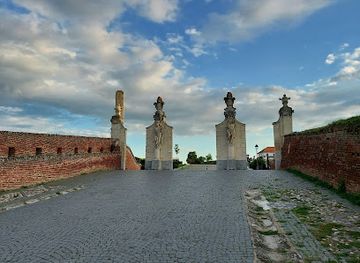
Alba-Carolina Citadel
Explore the Alba-Carolina Citadel: A Historical Fortress in Alba Iulia, Romania, Showcasing Rich Culture and Stunning Architecture.
-
Tourist attraction
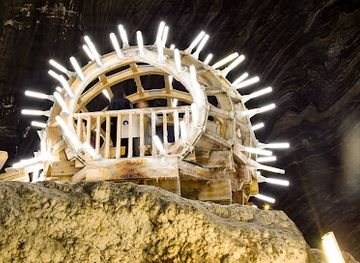
Salina Turda
Explore the stunning underground beauty and rich history of Salina Turda, one of Romania's most unique tourist attractions.
Explore Transylvania on the map
Plan your trip on one map. See where the top cities, national parks and sights are, and book hotels and experiences in a few clicks.
Best hotels in Transylvania
Best restaurants in Transylvania
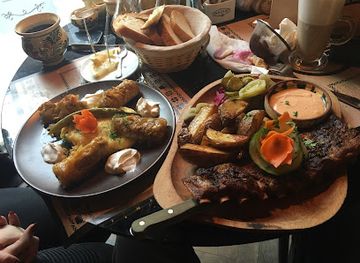
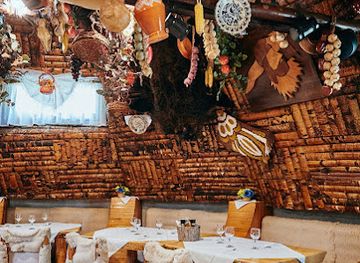
Transylvanian dining reflects the region’s Romanian, Hungarian, Saxon and Central European inheritances rather than a single uniform cuisine. City restaurants in Cluj-Napoca, Sibiu, Brașov and Târgu Mureș range from contemporary interpretations to familiar regional cooking, while village guesthouses often serve soups, polenta, sarmale, roasted or smoked meats, seasonal vegetables and homemade cakes. Hungarian influences appear in dishes such as goulash, layered pastries and paprika-seasoned cooking, while papanasi, cozonac and local breads are widely encountered in different forms. Mountain districts are associated with cheeses, cured products, berries and honey, and markets provide opportunities to find orchard fruit, preserves and small-scale dairy produce. Cafés and bakeries are particularly useful in historic centres, while rural inns and family kitchens offer a more intimate sense of local food traditions. Menus and ingredients vary considerably between southern Saxon-influenced areas, central cities and the eastern uplands.
-
Romanian
Sergiana
Experience authentic Romanian cuisine at Sergiana in Brașov, where traditional flavors meet warm hospitality in a charming setting.
-
Romanian
La Ceaun - Michael Weiss
Experience authentic Romanian cuisine at La Ceaun in Brașov—where tradition meets taste in every delightful dish.
-
Romanian
La Ceaun - Piata Sfatului
Experience the rich flavors of Romanian cuisine at La Ceaun - Piata Sfatului, where tradition meets taste in the heart of Brașov.
-
Restaurant
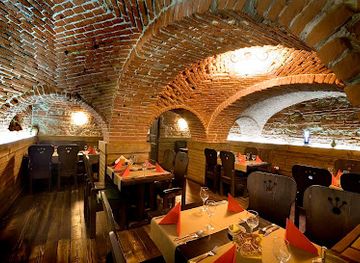
Restaurant Șura Dacilor
Experience authentic Romanian cuisine in the charming atmosphere of Restaurant Șura Dacilor in Brașov.
Best bars in Transylvania
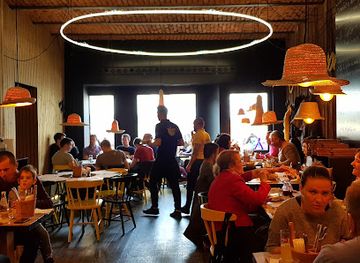
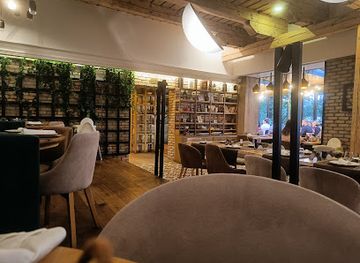
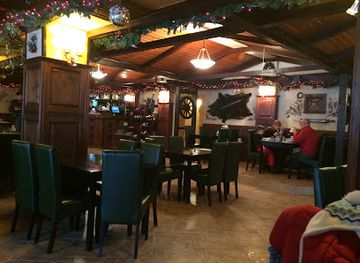
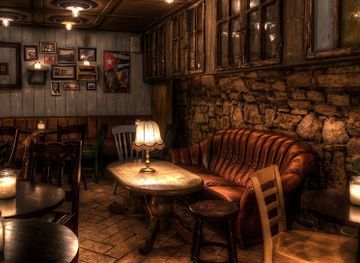
Evening life in Transylvania is concentrated in the larger cities rather than spread evenly across the countryside. Cluj-Napoca has the broadest selection of bars, cafés, live music venues and late-night clubs, shaped partly by its large student population and cultural calendar. Brașov and Sibiu offer wine bars, cocktail venues, traditional pubs and restaurants around or near their historic centres, with a quieter atmosphere outside peak weekends. Târgu Mureș and Alba Iulia provide smaller but active evening scenes, including cafés, cultural venues and local bars. In rural areas, evenings usually centre on guesthouse meals, village pubs, seasonal events or conversations over local beer and spirits rather than organised clubbing. Craft breweries and regional drinks are increasingly visible in cities, but visitors should treat alcohol as one part of the social landscape, not its defining feature.
-
Romanian
La Ceaun - Piata Sfatului
Savor the essence of traditional Romanian cuisine in the heart of Brașov at La Ceaun, a culinary gem for every traveler.
-
Bar
Sub Tâmpa
Experience the vibrant atmosphere and exquisite flavors at Sub Tâmpa, the must-visit bar and restaurant beneath Brașov's iconic Tâmpa Mountain.
-
Romanian
Casa Romaneasca
Discover the heart of Romanian cuisine at Casa Romaneasca, a culinary gem in Brașov offering authentic dishes and a warm atmosphere.
-
Pub
Che Guevara Social Pub
Discover the lively atmosphere of Che Guevara Social Pub in Cluj-Napoca, where culture, great food, and drinks come together in a vibrant setting.
Best nightclubs in Transylvania
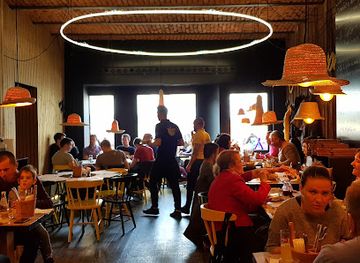
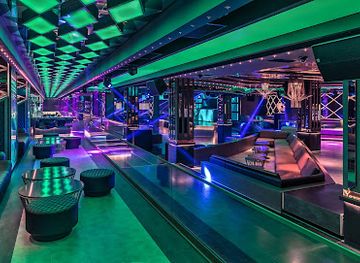
Evening life in Transylvania is concentrated in the larger cities rather than spread evenly across the countryside. Cluj-Napoca has the broadest selection of bars, cafés, live music venues and late-night clubs, shaped partly by its large student population and cultural calendar. Brașov and Sibiu offer wine bars, cocktail venues, traditional pubs and restaurants around or near their historic centres, with a quieter atmosphere outside peak weekends. Târgu Mureș and Alba Iulia provide smaller but active evening scenes, including cafés, cultural venues and local bars. In rural areas, evenings usually centre on guesthouse meals, village pubs, seasonal events or conversations over local beer and spirits rather than organised clubbing. Craft breweries and regional drinks are increasingly visible in cities, but visitors should treat alcohol as one part of the social landscape, not its defining feature.
-
Club
Club NOA
Discover the ultimate nightlife experience at Club NOA in Cluj-Napoca, where vibrant music and stylish ambiance create unforgettable nights.
-
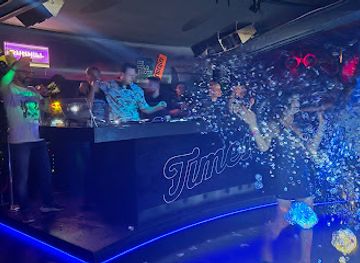
Night club
Times
Experience the vibrant nightlife of Brașov at Times, where the music is loud, the drinks are flowing, and the fun never stops.
-
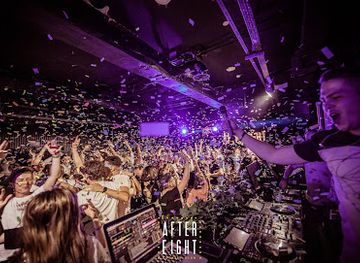
Night club
After Eight
Dive into the vibrant nightlife of Cluj-Napoca at After Eight, where electrifying music meets a welcoming atmosphere.
-
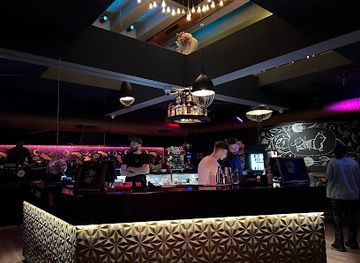
Night club
Aftăr Hours by AftărStube
Discover the lively nightlife at Aftăr Hours, a premier night club in Brașov offering great drinks and an unforgettable atmosphere.
Best shops in Transylvania
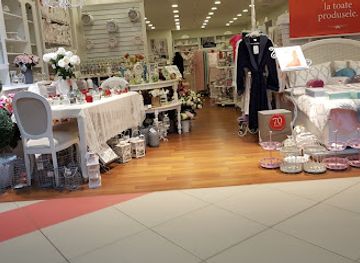
Shopping in Transylvania is strongest in historic city centres and market towns, where independent food shops, bakeries, bookshops, galleries and craft retailers sit alongside national chains. Sibiu, Brașov, Sighișoara and Cluj-Napoca offer different experiences: the first three concentrate on heritage streets and visitor-oriented crafts, while Cluj has the broadest contemporary retail and design scene. Farmers’ markets are useful for seasonal fruit, honey, preserves, cheeses and smoked products, although availability and market days vary by town. Rural areas may offer woollen textiles, carved wooden objects, ceramics and woven goods, but quality and authenticity differ, so buying directly from recognised workshops or established cooperative outlets is sensible. Regional foods travel well when properly packaged, including jams, honey, biscuits and selected cheeses. Antique and folk-art purchases require care, and visitors should avoid buying objects presented as historic unless provenance and legal export requirements are clear.
-
Shopping mall
Coresi Shopping Center
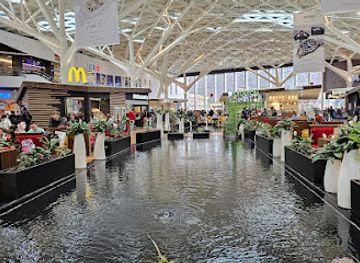
Discover a shopper's haven at Coresi Shopping Center in Brașov, featuring diverse shops, dining, and entertainment for an unforgettable experience.
-
Shopping mall
Iulius Mall
Discover the ultimate shopping experience at Iulius Mall in Cluj-Napoca, where fashion, food, and fun come together for an unforgettable visit.
-
Store
AFI
Experience the best of shopping and entertainment at AFI Brașov, a modern mall offering diverse stores and dining options in the heart of the city.
-
Store
Shopping City Deva
Explore Shopping City Deva: Where Shopping Meets Culinary Delights and Entertainment in the Heart of Romania.


Get your free copy of our complete guide to Transylvania, delivered straight to you.
Everything on this page, from attractions and restaurants to essentials and local phrases, in one PDF you can read offline, print or share.
Already have an account? Sign in
Your Transylvania guide is ready.
We'll send it to · Not you? Sign out

Getting your guide ready…
We are putting together a fresh copy of the Transylvania guide. This can take up to a minute.
This can take a few moments. If your browser asks, choose Allow so the download can start. You'll find the guide in your Downloads folder.
Nothing happened? Download it again
Sorry, the guide is taking longer than usual. Please try again in a minute, or get it by email instead.
Transylvania essentials
Currency and Payment
Safety
Emergency Situations
Do's and Don'ts
Local Tips
From Eve
Local phrases worth knowing
You don't need to get them perfect. A few words go a long way, and locals appreciate the effort.
Basics
| English | Local | Say it |
|---|---|---|
| Hello | Salut | [sah-loot] |
| Goodbye | La revedere | [lah reh-veh-deh-reh] |
| Yes | Da | [dah] |
| No | Nu | [noo] |
| Please/You're welcome | Te rog/Cu plăcere | [teh rog/koo plah-cheh-reh] |
| Thank you | Mulțumesc | [mool-tsoo-mesk] |
| Excuse me/Sorry | Scuză-mă/Îmi pare rău | [skoo-zah-mah/oom pah-reh rah-oo] |
| How are you? | Ce mai faci? | [cheh my fahch] |
| Fine. And you? | Bine. Și tu? | [bee-neh. shee too] |
| Do you speak English? | Vorbești engleză? | [vor-besht eng-leh-zah] |
| I don't understand | Nu înțeleg | [noo in-tseh-leg] |
Eating & Drinking
| English | Local | Say it |
|---|---|---|
| I'd like to see the menu, please | Aș dori să văd meniul, vă rog | [ash doh-ree sah vahd meh-nee-ul, vah rog] |
| I don't eat meat | Nu mănânc carne | [noo muh-nank kar-neh] |
| Cheers! | Noroc! | [noh-rok] |
| I would like to pay, please | Aș dori să plătesc, vă rog | [ash doh-ree sah plah-tesk, vah rog] |
Emergencies
| English | Local | Say it |
|---|---|---|
| Help! | Ajutor! | [ah-joo-tor] |
| Go away! | Du-te! | [doo-teh] |
| Call the Police! | Sună la Poliție! | [soo-nah lah poh-lee-tsee-eh] |
| Call a doctor! | Sună un doctor! | [soo-nah oon dok-tor] |
| I'm lost | M-am pierdut | [mahm pyair-doot] |
| I'm ill | Sunt bolnav/bolnavă | [soont bol-nav/bol-na-vah] |
Shopping
| English | Local | Say it |
|---|---|---|
| I'd like to buy... | Aș dori să cumpăr... | [ash doh-ree sah koom-per] |
| I'm just looking | Mă uit doar | [muh uit doar] |
| How much is it? | Cât costă? | [kuht koh-stah] |
| That's too expensive | E prea scump | [eh preh skoomp] |
| Can you lower the price? | Poți să reduci prețul? | [pots sah reh-dooch preh-tzul] |
Time & Numbers
| English | Local | Say it |
|---|---|---|
| What time is it? | Ce oră este? | [cheh o-rah yeh-steh] |
| It's one o'clock | Este o oră | [yes-teh o o-rah] |
| Half past (10) | Jumătate după (10) | [joo-mah-tah-teh doo-pah (10)] |
| Morning | Dimineața | [dee-mee-neh-ah-tsah] |
| Afternoon | După-amiaza | [doo-pah ah-mee-ah-zah] |
| Evening | Seara | [seh-ah-rah] |
| Yesterday | Ieri | [yehr] |
| Today | Astăzi | [ahs-tuhz] |
| Tomorrow | Mâine | [mee-neh] |
| 1 | 1 | [unu] |
| 2 | 2 | [doi] |
| 3 | 3 | [trei] |
| 4 | 4 | [patru] |
| 5 | 5 | [cinci] |
| 6 | 6 | [șase] |
| 7 | 7 | [șapte] |
| 8 | 8 | [opt] |
| 9 | 9 | [nouă] |
| 10 | 10 | [zece] |
Transport & Directions
| English | Local | Say it |
|---|---|---|
| Where's a/the...? | Unde este un/...? | [oon-deh yeh-steh oon/...] |
| What's the address? | Care este adresa? | [kah-reh yeh-steh ah-dreh-sah] |
| Can you show me (on the map)? | Îmi poți arăta (pe hartă)? | [oom pots ah-rah-tah (peh har-tah)] |
| When's the next (bus)? | Când vine următorul (autobuz)? | [kand vee-neh oor-mah-toh-rool (ow-toh-booz)] |
| A ticket (to ....) | Un bilet (către ....) | [oon bee-let (kuh-treh ....)] |
History of Transylvania
Dacian and Roman Foundations
Before Roman rule, the wider Transylvanian basin was inhabited by Dacian communities whose political centre lay in the surrounding Carpathian region. Roman conquest in the early second century brought the province of Dacia into the imperial world, with roads, forts, settlements and mining contributing to a new economic landscape. The Roman capital, Ulpia Traiana Sarmizegetusa, lies in present-day Hunedoara County, on the southwestern fringe of the historical region. Although Roman administration eventually withdrew, archaeological remains, roads and patterns of settlement provide an important early layer in Transylvania’s history.
Medieval Kingdom and Frontier Settlement
During the Middle Ages, Transylvania developed within the Kingdom of Hungary while retaining distinctive local institutions and communities. Hungarian nobles, Szeklers and Saxon settlers became important political, military and commercial groups. The Saxons, invited from the twelfth century onwards, established towns and villages with organised guilds, market rights and defensive churches. Szekler communities occupied much of the eastern borderlands and performed military duties. Fortified settlements, church precincts and town walls from this period remain among the region’s most recognisable historical features.
The Principality of Transylvania
After the Ottoman conquest of central Hungary in the sixteenth century, Transylvania became an autonomous principality under Ottoman suzerainty. Its rulers governed from centres including Alba Iulia and navigated between the Ottoman Empire, the Habsburgs and the Kingdom of Hungary. The principality supported a complex religious environment in which Catholic, Lutheran, Reformed and Unitarian communities gained recognition alongside Orthodox Romanian communities. This period brought political prosperity for some towns, but also military pressure and profound divisions in status and representation.
Habsburg Rule and Urban Transformation
Transylvania came under Habsburg control at the end of the seventeenth century, becoming part of the Habsburg lands and later the Austrian Empire and Austria-Hungary. Administrative reforms, military building, trade and education altered the region’s towns. Baroque churches, civic buildings and aristocratic residences appeared alongside older medieval structures. The eighteenth and nineteenth centuries also saw growing national movements among Romanians, Hungarians and Saxons, accompanied by disputes over political rights, language and cultural authority.
The Revolution of 1848 and National Movements
The revolutionary year 1848 exposed the competing political aims of Transylvania’s major communities. Hungarian reformers sought union with Hungary, while many Romanian leaders demanded political recognition and equality within the region. Conflict followed, including fighting between Hungarian revolutionary forces, Habsburg troops and Romanian and Saxon groups. The events remain significant because they intensified modern national identities and shaped later debates about language, representation and the political future of Transylvania.
Union with Romania and the Interwar Period
In the aftermath of the First World War, the union of Transylvania with Romania was proclaimed at Alba Iulia on 1 December 1918, and confirmed through the post-war settlement. The change brought major administrative and social reorganisation, as well as new tensions over minority rights, land, education and language. Interwar cities expanded and cultural institutions developed, but the region remained ethnically and linguistically diverse. Alba Iulia’s association with the 1918 declaration gives it a central place in modern Romanian national history.
War, Communism and Post-1989 Change
The Second World War and its territorial changes disrupted Transylvania’s communities, while the communist period brought nationalisation, industrialisation, urban expansion and restrictions on religious and civic life. Traditional village economies were reshaped, though many historic centres and rural buildings survived. After 1989, private enterprise, restored heritage districts, universities and tourism transformed cities including Cluj-Napoca, Sibiu and Brașov. The region still faces pressures from depopulation in some rural areas, development around historic sites and the need to preserve its multicultural architectural legacy.
Transylvania in Photos
Browse through our photo collection highlighting the charm and character of the destination.
Neighbouring regions of Transylvania
The closest regions to Transylvania, if you have time for more than one.
-

-

-

-

-


Swipe for more regions
Explore more

Explore more of Romania
Discover Romania's blend of mystical castles, enchanting landscapes, and vibrant culture. Experience the rich history and natural beauty that make Romania a unique travel destination.
Explore Romania