

Free Harghita Travel Guide & Mobile App
Explore Harghita with free travel guides. Discover regional history, expert tips, proposed trips, and audio guides on web or mobile app.


Explore Harghita in Romania for volcanic lakes, Carpathian forests, mineral spas, Székely culture, craft villages and mountain traditions.
Read more about Harghita
When is the best time to visit Harghita?
Best: June–August · 21–23°C| Month | High (°C) | Rainfall (mm) |
|---|---|---|
| January | -2 | 30 |
| February | 0 | 30 |
| March | 7 | 40 |
| April | 14 | 50 |
| May | 18 | 60 |
| June (best) | 21 | 70 |
| July (best) | 23 | 70 |
| August (best) | 23 | 60 |
| September | 19 | 50 |
| October | 13 | 40 |
| November | 6 | 40 |
| December | 0 | 30 |
Getting to and around Harghita
How to get there
Transportation
Top city travel guides in Harghita
The cities of Harghita, and the easiest places to base yourself.

Swipe for more cities
Destinations in Harghita
Resorts, valleys and scenic spots worth a trip of their own.
-

-


Swipe for more destinations
Best attractions in Harghita
Harghita's attractions combine mountain scenery, village culture and a substantial spa tradition. The volcanic landscape around Lake Saint Anne and the Mohos Peat Bog offers walking and natural interpretation, while the Red Lake area provides access to a forested mountain setting near the Bicaz Gorge, which lies partly beyond the county boundary. Băile Tușnad, Borsec and other resorts are associated with mineral springs, woodland walks and historic therapeutic architecture. Praid brings together salt-mining heritage, underground visitor facilities and a distinctive salt landscape, though current access arrangements should be checked before travelling. In the south, Miercurea Ciuc provides museums, cultural institutions and the pilgrimage centre at Csíksomlyó, while Odorheiu Secuiesc is a useful base for exploring the western valleys. Corund is known for pottery and other traditional crafts, and the county's villages contain churches, carved gates and vernacular houses. Hiking, skiing, cycling and wildlife observation are important seasonal activities, with the Harghita and Gurghiu mountains offering different levels of access. The attraction landscape is less about a single monumental sight than about combining geological features, living cultural traditions and long-established mountain settlements.
-
Nature preserve
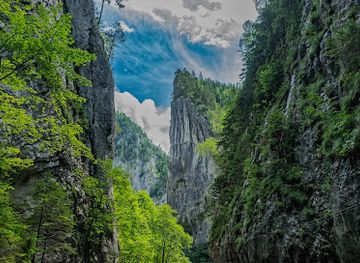
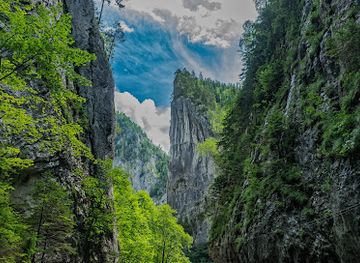
Cheile Bicazului
Discover the stunning Cheile Bicazului, a nature preserve in Romania featuring dramatic landscapes and exciting outdoor activities for every traveler.
-
Mine
The Saltmine of Praid
Experience the therapeutic wonders and fascinating history of the Saltmine of Praid, a unique underground destination in Romania.
-
Tourist attraction
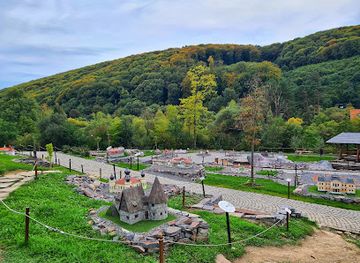
Mini Transilvania Park
Discover Romania's rich heritage in miniature at Mini Transilvania Park, where iconic landmarks come to life for visitors of all ages.
-
Catholic church
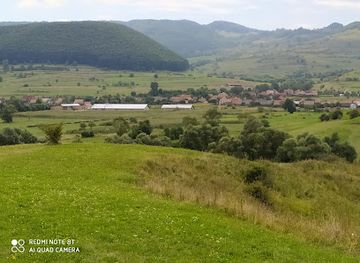
Roman Catholic Church in Șumuleu Ciuc
Explore the majestic Roman Catholic Church in Șumuleu Ciuc, a stunning architectural gem rich in history and spirituality, attracting travelers from around the globe.
Best landmarks in Harghita
Lake Saint Anne is Harghita's most recognisable natural landmark, occupying the crater of an extinct volcanic mountain and surrounded by the forested Ciomadul massif. Nearby Mohos Peat Bog is a related volcanic landscape with its own ecological character. The Red Lake, formed by a natural landslide in the nineteenth century, is visually distinctive for the weathered tree trunks rising from its waters and for the steep mountains around its shore. In Miercurea Ciuc, the Franciscan church and monastery at Csíksomlyó are a major religious and cultural landmark, particularly during the annual pilgrimage. Praid's salt workings express the county's geological and industrial identity, while the historic spa buildings and spring landscapes of Borsec and Băile Tușnad represent the development of Carpathian health resorts. In villages across the county, wooden gateways and fortified or traditionally remodelled churches provide smaller but significant markers of Székely architectural culture. The county's mountain passes, volcanic ridges and forested basins are also landmarks in a geographical sense, defining the visual character of Harghita more strongly than any single urban monument.
-
Nature preserve
Cheile Bicazului
Discover the natural beauty of Cheile Bicazului, a premier nature preserve in Romania renowned for its stunning gorges and diverse outdoor activities.
-
Fortress
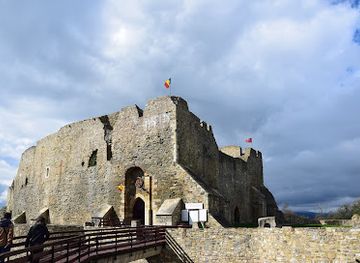
Neamț Citadel
Explore the Neamț Citadel, a historical fortress that offers captivating views, rich medieval history, and a glimpse into Romania's past.
-
Mine
The Saltmine of Praid
Explore the Praid Saltmine, a unique Romanian underground attraction with therapeutic salt air and fascinating mining history.
-
Hotel
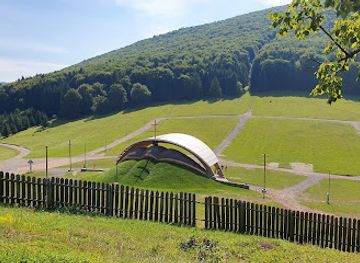
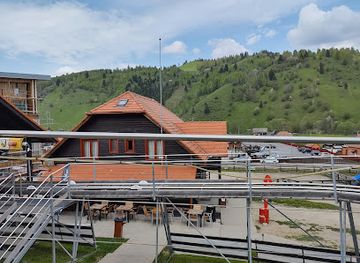
Ski Gyimes
Discover the beauty and thrill of skiing at Ski Gyimes, a charming winter getaway in Romania's scenic mountains, perfect for families and adventure seekers alike.
Explore Harghita on the map
Plan your trip on one map. See where the top cities, national parks and sights are, and book hotels and experiences in a few clicks.
Best hotels in Harghita
Best restaurants in Harghita
Harghita's food reflects Székely and Hungarian traditions alongside the broader cuisine of Transylvania and Romania. Rural guesthouses, market stalls and traditional restaurants commonly serve sour soups, cabbage dishes, potatoes, smoked meats, pork, game, fresh dairy products and substantial breads, with pastries and sweet cakes accompanying coffee or tea. Local mineral water is a natural feature of the dining table, particularly in spa towns, while fruit brandy is traditionally produced in some villages and should be approached as a strong spirit rather than a casual drink. In Corund and other craft communities, visitors may find simple home-style meals alongside pottery workshops. Miercurea Ciuc, Odorheiu Secuiesc and the larger resorts offer a broader choice of Romanian, Hungarian and contemporary cooking, including cafés and more polished restaurants. Menus and service can vary considerably outside the towns, so a little flexibility is useful. Farmers' markets are good places to look for cheeses, smoked products, preserves, honey and seasonal produce, though availability changes with the time of year.
-
Tourist attraction
Cheile Bicazului
Explore Cheile Bicazului: A breathtaking gorge offering stunning landscapes, diverse wildlife, and thrilling outdoor adventures in Romania.
-
Hungarian
Basa Inn
Experience the warmth of Romanian hospitality at Basa Inn – your gateway to authentic Hungarian cuisine in the heart of Borzont.
-
Restaurant
Gambrinus
Experience the heart of Romanian cuisine at Gambrinus in Miercurea Ciuc – where tradition meets taste in every delightful dish.
-
Restaurant
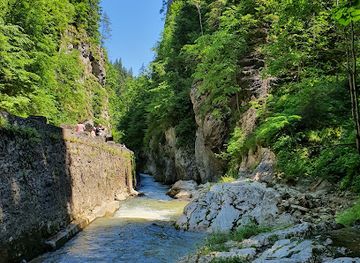
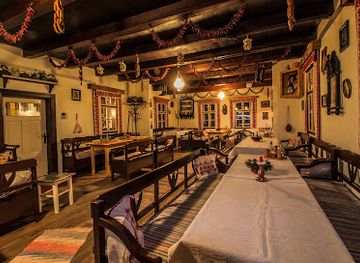
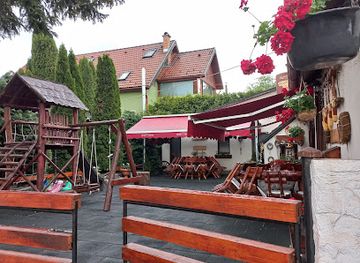
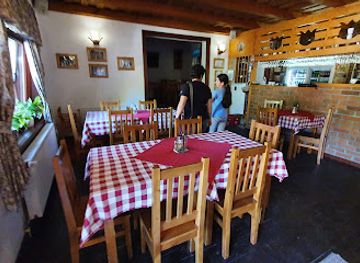
Sekler Resthouse
Experience authentic Romanian flavors at Sekler Resthouse in Băile Tușnad - a must-visit culinary destination for every traveler.
Best bars in Harghita
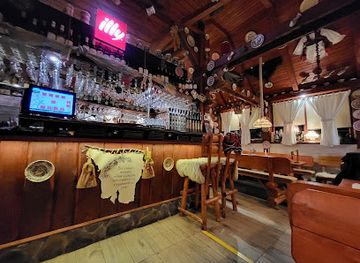
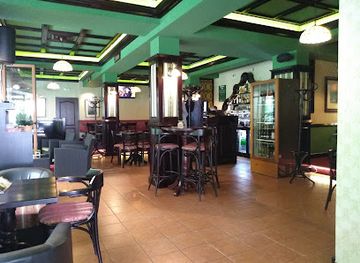
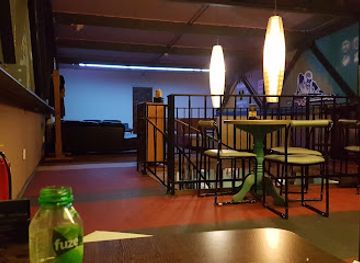
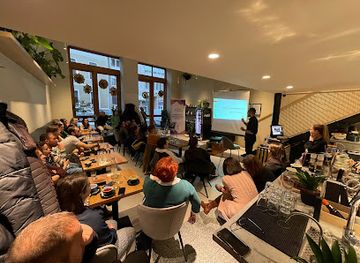
Evening life in Harghita is generally centred on pubs, cafés, restaurants and hotel bars rather than a large club circuit. Miercurea Ciuc and Odorheiu Secuiesc have the widest choice of modern bars, live music, cultural events and late-opening venues, while students and younger residents give the county's principal towns a more active evening rhythm. Băile Tușnad, Borsec and other resorts tend towards relaxed hotel lounges, terraces and restaurant-based evenings, with activity varying by season. Traditional pubs remain important meeting places in smaller towns and villages, and local beers, spirits and non-alcoholic mineral waters are commonly available. During festivals, pilgrimage periods and summer tourism, public cultural programmes may extend into the evening, but arrangements change from year to year. In rural areas, visitors should not expect frequent late-night transport, so staying near the centre of a town or at a booked guesthouse is more practical than relying on taxis after midnight.
-
Restaurant
Gambrinus
Discover the flavors of Romania at Gambrinus, a cozy restaurant in Miercurea Ciuc offering traditional dishes and a welcoming atmosphere for all visitors.
-
Restaurant
Jungle
Experience the lively atmosphere, delicious pizzas, and vibrant social scene at Jungle Pub in Odorheiu Secuiesc.
-
Bar
The Spirit Factory
Discover the vibrant atmosphere and unique spirits of The Spirit Factory in Odorheiu Secuiesc, where locals and tourists enjoy a great night out.
-
Brunch
Rubiq Social Club
Experience the perfect blend of brunch, coffee, and cocktails at Rubiq Social Club in Miercurea Ciuc, a must-visit for every traveler.
Best nightclubs in Harghita
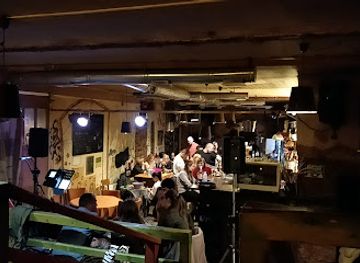
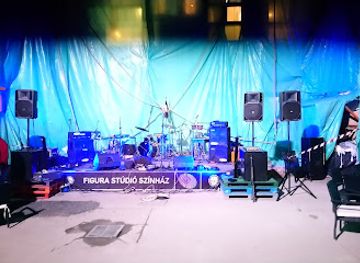
Evening life in Harghita is generally centred on pubs, cafés, restaurants and hotel bars rather than a large club circuit. Miercurea Ciuc and Odorheiu Secuiesc have the widest choice of modern bars, live music, cultural events and late-opening venues, while students and younger residents give the county's principal towns a more active evening rhythm. Băile Tușnad, Borsec and other resorts tend towards relaxed hotel lounges, terraces and restaurant-based evenings, with activity varying by season. Traditional pubs remain important meeting places in smaller towns and villages, and local beers, spirits and non-alcoholic mineral waters are commonly available. During festivals, pilgrimage periods and summer tourism, public cultural programmes may extend into the evening, but arrangements change from year to year. In rural areas, visitors should not expect frequent late-night transport, so staying near the centre of a town or at a booked guesthouse is more practical than relying on taxis after midnight.
-
Night club
Ólommadár
Experience the vibrant nightlife of Miercurea Ciuc at Ólommadár, where music, dance, and fun come together for an unforgettable evening.
-
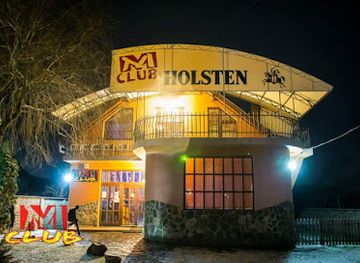
Disco club
M Club
Discover the electrifying nightlife at M Club, Chibed's premier disco club, where vibrant music and an energetic atmosphere await.
-
Night club
Yourlivingroom
Experience Gheorgheni's nightlife at Yourlivingroom, a vibrant night club offering music, drinks, and a lively atmosphere.
-
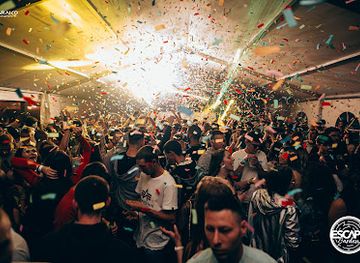
Night club
Escape Garden
Experience the vibrant nightlife at Escape Garden, a top night club in Vlăhița, Romania, where music, dancing, and fun come alive!
Best shops in Harghita
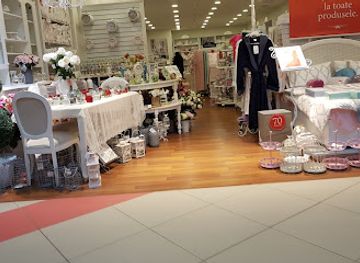
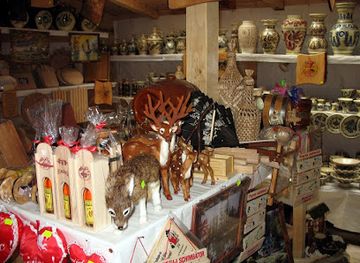
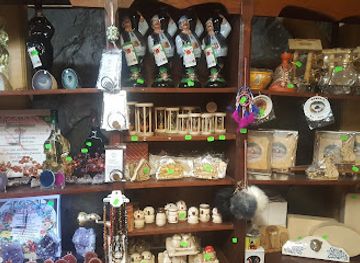
Shopping in Harghita is strongest in its market towns and craft villages rather than in large retail districts. Miercurea Ciuc and Odorheiu Secuiesc provide everyday shops, supermarkets, bookshops and independent businesses, while spa resorts add seasonal stores selling local foods and practical outdoor goods. Corund is the county's best-known craft destination, with painted pottery, carved wood, textiles and other handmade objects sold through workshops and small galleries; quality and originality vary, so looking at several makers is worthwhile. Markets and farm shops offer cheeses, honey, preserves, smoked products, pastries and seasonal fruit, although rural trading days may change. Praid is associated with salt products and souvenirs connected with the local mine, while mountain towns often sell woollen goods, ceramics and regional foodstuffs. Traditional wooden gates and decorative motifs appear on some contemporary handicrafts, but visitors should distinguish locally made work from mass-produced souvenirs. Larger branded shopping and extensive designer retail are limited, making Harghita more rewarding for practical local produce, crafts, books and small-scale artisan goods.
-
Shopping mall
Coresi Shopping Center
Explore Coresi Shopping Center in Brașov for a perfect blend of shopping, dining, and entertainment in a modern setting.
-
Nature preserve
Cheile Bicazului
Explore the breathtaking landscapes and rich biodiversity of Cheile Bicazului, a nature preserve in Romania that promises unforgettable adventures.
-
Mine
The Saltmine of Praid
Discover the magical underground world of The Saltmine of Praid, a unique museum and tourist attraction filled with breathtaking salt formations.
-
Tourist attraction
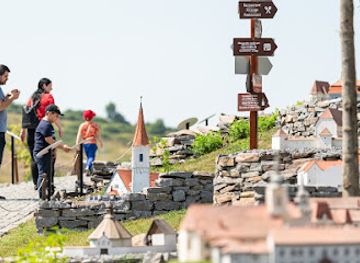
Mini Transilvania Park
Explore Romania's iconic landmarks in miniature at Mini Transilvania Park, a family-friendly amusement park in Odorheiu Secuiesc.
Get your free copy of our complete guide to Harghita, delivered straight to you.
Everything on this page, from attractions and restaurants to essentials and local phrases, in one PDF you can read offline, print or share.
Already have an account? Sign in
Your Harghita guide is ready.
We'll send it to · Not you? Sign out

Getting your guide ready…
We are putting together a fresh copy of the Harghita guide. This can take up to a minute.
This can take a few moments. If your browser asks, choose Allow so the download can start. You'll find the guide in your Downloads folder.
Nothing happened? Download it again
Sorry, the guide is taking longer than usual. Please try again in a minute, or get it by email instead.
Harghita essentials
Currency and Payment
Safety
Emergency Situations
Do's and Don'ts
Local Tips
From Eve
Local phrases worth knowing
You don't need to get them perfect. A few words go a long way, and locals appreciate the effort.
Basics
| English | Local | Say it |
|---|---|---|
| Hello | Salut | [sah-loot] |
| Goodbye | La revedere | [lah reh-veh-deh-reh] |
| Yes | Da | [dah] |
| No | Nu | [noo] |
| Please/You're welcome | Te rog | [teh rohg] |
| Thank you | Mulțumesc | [mool-tsoo-mesk] |
| Excuse me/Sorry | Scuză-mă | [skoo-zah-muh] |
| How are you? | Ce mai faci? | [cheh my fahch] |
| Fine. And you? | Bine. Și tu? | [bee-neh. shee too?] |
| Do you speak English? | Vorbești engleză? | [vor-besht eng-leh-zah?] |
| I don't understand | Nu înțeleg | [noo in-tseh-leg] |
Eating & Drinking
| English | Local | Say it |
|---|---|---|
| I'd like to see the menu, please | Aș dori să văd meniul, vă rog | [ash doh-ree sah vehd meh-nee-ul, vah rohg] |
| I don't eat meat | Nu mănânc carne | [noo mah-nank kar-neh] |
| Cheers! | Sănătate! | [sah-nah-tah-teh] |
| I would like to pay, please | Aș dori să plătesc, vă rog | [ash doh-ree sah plah-tesk, vah rohg] |
Emergencies
| English | Local | Say it |
|---|---|---|
| Help! | Ajutor! | [ah-zhoo-tor] |
| Go away! | Du-te! | [doo-teh] |
| Call the Police! | Sună Poliția! | [soo-nah poh-lee-tsee-ah] |
| Call a doctor! | Sună un doctor! | [soo-nah oon dok-tor] |
| I'm lost | M-am pierdut | [muhm pyehr-doot] |
| I'm ill | Sunt bolnav | [soont bol-nahv] |
Shopping
| English | Local | Say it |
|---|---|---|
| I'd like to buy... | Aș dori să cumpăr... | [ash doh-ree sah koom-pair...] |
| I'm just looking | Mă uit doar | [muh uit do-ar] |
| How much is it? | Cât costă? | [kuht koh-stah?] |
| That's too expensive | E prea scump | [eh preh skoomp] |
| Can you lower the price? | Poți să scazi prețul? | [pots sah skahz preh-tul?] |
Time & Numbers
| English | Local | Say it |
|---|---|---|
| What time is it? | Ce oră e? | [cheh oh-rah eh?] |
| It's one o'clock | E o oră | [eh oh oh-rah] |
| Half past (10) | Jumătate peste (10) | [joo-mah-tah-teh pes-teh (10)] |
| Morning | Dimineața | [dee-mee-neh-ah-tsah] |
| Afternoon | După-amiază | [doo-pah ah-mee-ah-zah] |
| Evening | Seara | [seh-ah-rah] |
| Yesterday | Ieri | [yehr-ee] |
| Today | Astăzi | [ahs-tuhz] |
| Tomorrow | Mâine | [mee-neh] |
| 1 | 1 | [unu] |
| 2 | 2 | [doi] |
| 3 | 3 | [trei] |
| 4 | 4 | [patru] |
| 5 | 5 | [cinci] |
| 6 | 6 | [șase] |
| 7 | 7 | [șapte] |
| 8 | 8 | [opt] |
| 9 | 9 | [nouă] |
| 10 | 10 | [zece] |
Transport & Directions
| English | Local | Say it |
|---|---|---|
| Where's a/the...? | Unde este un/ă...? | [oon-deh yes-teh oon-uh...?] |
| What's the address? | Care este adresa? | [kah-reh yes-teh ah-dreh-sah?] |
| Can you show me (on the map)? | Îmi poți arăta (pe hartă)? | [uhm pots ah-rah-tah (peh hahr-tah)?] |
| When's the next (bus)? | Când e următorul (autobuz)? | [kand eh oor-mah-tor-ool (ow-toh-booz)?] |
| A ticket (to ....) | Un bilet (la ....) | [oon bee-let (lah ....)] |
History of Harghita
Prehistoric and Dacian Landscapes
The territory of present-day Harghita has been occupied since prehistoric times, with archaeological evidence reflecting farming, metalworking and settlement in the Carpathian basins. Later communities connected with the Dacian world used mountain passes and upland routes linking Transylvania with the eastern Carpathians. Although many remains are modest rather than monumental, the archaeological record establishes Harghita as a long-inhabited borderland shaped by movement between highland valleys.
The Medieval Székely Frontier
From the medieval period, the Hungarian crown settled Székely communities in eastern Transylvania as a frontier population responsible for defending routes through the Carpathians. Their distinctive social organisation and military obligations helped shape the settlement pattern of present-day Harghita. Villages, churches and market centres developed in the mountain basins, while local traditions of communal land use and fortified religious buildings left a visible cultural legacy.
Medieval Churches and Market Towns
Between the Middle Ages and the early modern period, settlements such as Odorheiu Secuiesc, Miercurea Ciuc and Gheorgheni became regional centres for administration, trade and religious life. Churches were repeatedly altered or fortified in response to political uncertainty, and market towns connected timber, livestock, agricultural produce and craft goods from the surrounding valleys. Several historic churches and town buildings still express this layered Transylvanian heritage.
Habsburg Rule and the Military Frontier
After the incorporation of Transylvania into the Habsburg sphere, the region experienced administrative and military change. The organisation of the former military frontier affected communities, landholding and relations with central authority, while roads and official institutions strengthened connections across the mountains. The era also brought tensions that became particularly evident during the 1848–49 revolution and the subsequent reorganisation of Transylvania within the Habsburg Empire.
Salt, Timber and Mineral Springs
Harghita's economy developed around resources suited to its geology and forests. Salt extraction at Praid became especially important, while timber working and small-scale rural industries supported communities in the mountain valleys. Mineral springs encouraged the growth of spa settlements such as Borsec and Băile Tușnad from the eighteenth and nineteenth centuries onwards. These industries connected remote districts to wider Transylvanian markets and helped establish the county's enduring health-tourism tradition.
Belonging to Romania after 1918
The political settlement following the First World War brought Transylvania, including the territory of Harghita, into the Kingdom of Romania. Romanian administration was introduced into a region whose population remained predominantly Hungarian-speaking in many communities, creating a complex bilingual and multicultural local life. The twentieth century brought changing borders, state policies and economic structures, but Székely cultural institutions, religious traditions and village customs continued to influence the county's identity.
Communism and the Post-1989 Transformation
During the communist period, industrial employment, forestry, food processing and state planning altered the county's towns and rural economy. Apartment districts expanded around urban centres, while collective agriculture and restricted religious and civic life changed older patterns of community organisation. Since 1989, Harghita has seen renewed cultural expression, private enterprise and tourism development, alongside the continuing challenges of rural depopulation, infrastructure and the sustainable management of forests and mountain landscapes.
Harghita in Photos
Browse through our photo collection highlighting the charm and character of the destination.
Neighbouring regions of Harghita
The closest regions to Harghita, if you have time for more than one.
-

-
-

-

-


Swipe for more regions
Explore more

Explore more of Romania
Discover Romania's blend of mystical castles, enchanting landscapes, and vibrant culture. Experience the rich history and natural beauty that make Romania a unique travel destination.
Explore Romania