

Free Botoșani Travel Guide & Mobile App
Explore Botoșani with free travel guides. Discover regional history, expert tips, proposed trips, and audio guides on web or mobile app.


Explore Botoșani in Romania for Moldavian churches, literary memorials, village landscapes, historic towns and the cultural legacy of Eminescu and Enescu.
Read more about Botoșani
When is the best time to visit Botoșani?
Best: June–August · 23–25°C| Month | High (°C) | Rainfall (mm) |
|---|---|---|
| January | 1 | 30 |
| February | 2 | 30 |
| March | 8 | 35 |
| April | 14 | 40 |
| May | 20 | 50 |
| June (best) | 23 | 60 |
| July (best) | 25 | 50 |
| August (best) | 24 | 45 |
| September | 21 | 40 |
| October | 15 | 35 |
| November | 8 | 30 |
| December | 2 | 30 |
Getting to and around Botoșani
How to get there
Transportation
Top city travel guides in Botoșani
The cities of Botoșani, and the easiest places to base yourself.

Swipe for more cities
Best attractions in Botoșani
Botoșani’s attractions are primarily cultural, historical and landscape-based. In the county seat, museums, memorial houses, churches and older commercial buildings introduce the history of northern Moldavia and the lives of figures such as Nicolae Iorga. Ipotești, associated with Mihai Eminescu, offers a memorial complex set within the countryside that shaped the poet’s early years. At Liveni, near Ștefănești, the George Enescu Memorial House provides a more intimate connection with the composer’s childhood. Monasteries at Vorona and Agafton combine religious heritage with wooded surroundings and remain active Orthodox sites. Dorohoi adds historic churches and a distinctive small-town perspective, while the wider county is suited to drives through agricultural landscapes, village settlements and river valleys. Museums and cultural institutions are generally more dependable than seasonal outdoor facilities, and travellers should check opening arrangements before making a long rural journey. The attraction landscape rewards visitors who are interested in context: a memorial house, church or market town becomes more meaningful when considered alongside the region’s literary history, borderland position and continuing rural economy.
-
Park
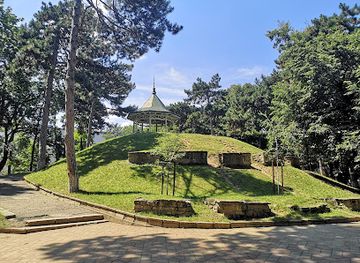
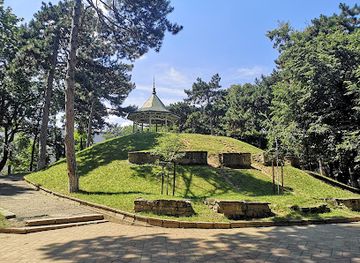
Mihai Eminescu Park
Explore Mihai Eminescu Park: A serene green space in Botoșani, Romania, perfect for relaxation, family fun, and cultural experiences in nature.
-
Amusement park ride
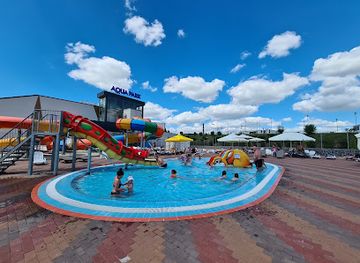
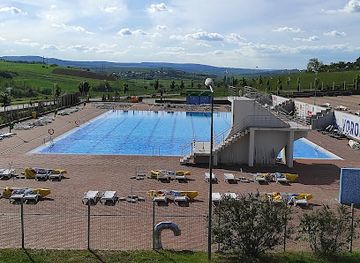
Cornișa Waterpark & Sports Botoșani
Explore the thrill of Cornița Waterpark & Sports in Botoșani, where adventure meets relaxation in a stunning setting.
-
Heritage museum
Memorial House "Mihai Eminescu" Ipoteşti
Explore the enchanting Memorial House Mihai Eminescu in Ipotești, where poetry comes to life in a beautifully preserved heritage museum.
-
Monastery
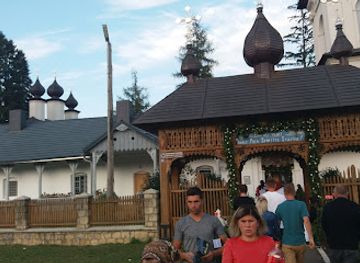
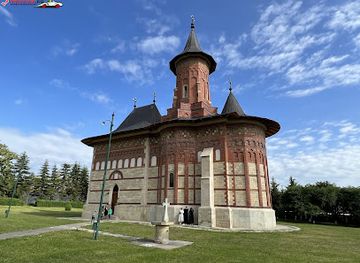
Mănăstirea Vorona
Explore Mănăstirea Vorona, a serene monastery in Romania, showcasing rich history, stunning architecture, and breathtaking natural beauty.
Best landmarks in Botoșani
Botoșani’s most recognisable landmarks include the historic churches and civic buildings of the county seat, where compact streets reveal the town’s development as a Moldavian market and administrative centre. Dorohoi’s Church of Saint Nicholas, associated with the medieval Moldavian tradition, is an important religious and architectural landmark in the north of the county. The monastic complexes at Vorona and Agafton are significant both for their Orthodox heritage and for their wooded settings, which distinguish them from the open agricultural landscape elsewhere. At Ipotești, the buildings and grounds connected with Mihai Eminescu form a cultural landmark rooted in the poet’s family history. The George Enescu Memorial House at Liveni is smaller in scale but significant for its association with the composer’s early life. Beyond built heritage, the broad Jijia and Prut landscapes, village roads and wooded valleys provide the geographical landmarks that give Botoșani its particular sense of place: a borderland county of open horizons, historic settlements and literary memory.
-
Park
Mihai Eminescu Park
Explore Mihai Eminescu Park in Botoșani, a serene retreat with lush greenery and cultural attractions for a peaceful getaway.
-
Amusement park ride
Cornișa Waterpark & Sports Botoșani
Experience thrilling water slides, relaxing pools, and family-friendly fun at Cornița Waterpark & Sports in Botoșani, a top destination for adventure seekers.
-
Tourist attraction
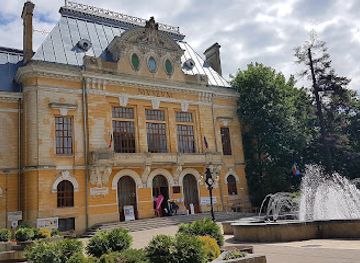
Bust of Mihai Eminescu
Discover the poignant legacy of Mihai Eminescu at his stunning bust in Botoșani, a must-visit for literature lovers and cultural enthusiasts alike.
-
Monastery
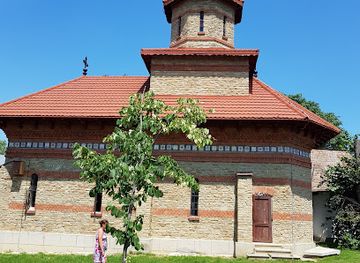
Mănăstirea Popăuți
Explore the tranquil beauty and rich spiritual heritage of Mănăstirea Popăuți in Botoșani, a must-visit for culture seekers and peace lovers alike.
Explore Botoșani on the map
Plan your trip on one map. See where the top cities, national parks and sights are, and book hotels and experiences in a few clicks.
Best hotels in Botoșani
Best restaurants in Botoșani
Dining in Botoșani reflects the broader food culture of Romanian Moldavia, with hearty soups, filled pastries, grilled or braised meats, polenta, fresh cheese, seasonal vegetables and home-style baking appearing across town and countryside. Urban restaurants in Botoșani and Dorohoi offer Romanian cooking alongside familiar international dishes, while cafés and traditional establishments are useful places to try regional interpretations of national specialities. Local markets provide fruit, vegetables, dairy products, honey, preserves and other produce from the surrounding agricultural area. In villages, food is more likely to be found through small shops, family kitchens or occasional community events than through a formal restaurant scene. Pork, poultry and river fish are part of the wider regional repertoire, while pickled vegetables, savoury pies and sweet pastries suit the colder continental seasons. Tipping is customary for good restaurant service, though visitors should regard it as a gesture rather than a compulsory surcharge.
-
Restaurant
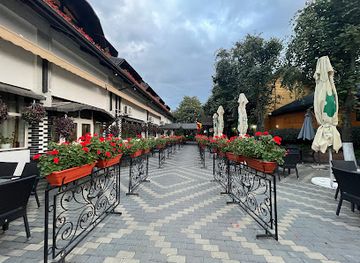
Popas Cucorăni
Discover authentic Romanian cuisine at Popas Cucorăni - where tradition meets flavor in a charming countryside setting.
-
Restaurant
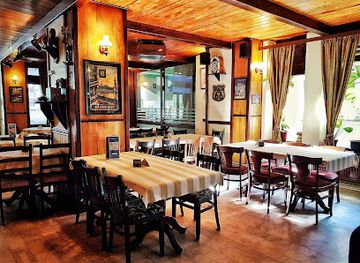
Restaurant "La Strada" Botosani
Experience the authentic taste of Romania at Restaurant La Strada in Botoșani – where tradition meets flavor.
-
Restaurant
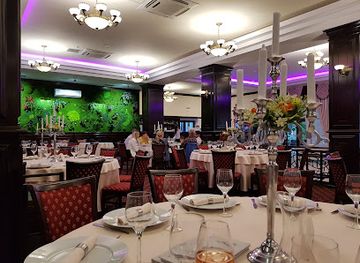
Rediu
Discover Rediu: A Culinary Gem in Romania Offering Exquisite Dining and Memorable Events Amidst Scenic Beauty.
-
Restaurant
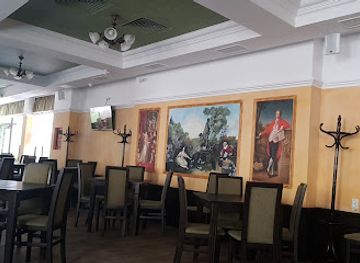
Pizzeria Magic Land
Discover the authentic taste of Italy at Pizzeria Magic Land in Botoșani – where every slice tells a story.
Best bars in Botoșani
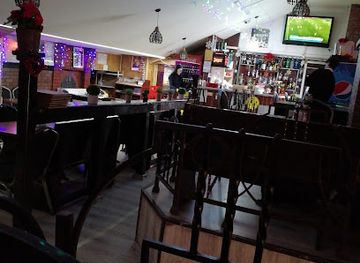
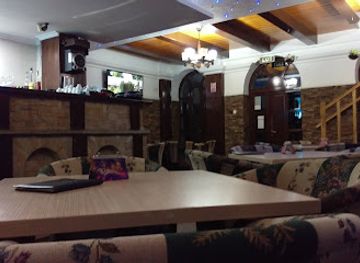
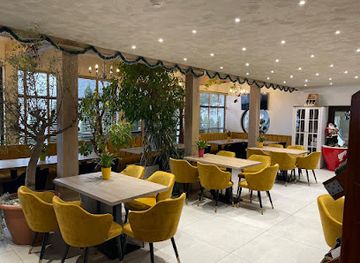
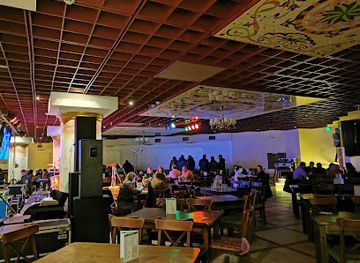
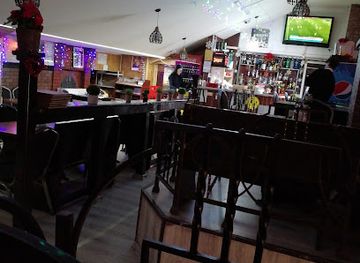
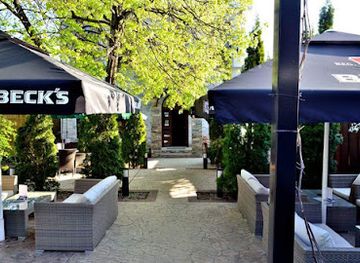
Botoșani has the county’s broadest evening scene, centred on cafés, restaurants, beer venues and bars around the central areas, with occasional live music and cultural programming. Dorohoi and the smaller towns offer a quieter choice of pubs, cafés and restaurants rather than a large club circuit. In rural Botoșani, evenings are generally shaped by family gatherings, local celebrations and traditional village establishments, not by dedicated nightlife districts. Students and younger residents contribute to a more active urban scene at weekends, but venues and schedules can change, so current local information is more reliable than assuming a permanent programme. Beer, wine, coffee and soft drinks are widely available, and the region’s evening culture can be enjoyed without making alcohol the focus. During summer, outdoor terraces provide much of the social atmosphere in the larger towns.
-
Pub
Enjoy Pub
Enjoy Pub in Botoșani: A lively pub offering delicious food, a vibrant atmosphere, and a wide selection of beverages in the heart of the city.
-
Lounge
Galacsy
Discover the vibrant atmosphere and delightful menu at Galacsy, the perfect lounge in Botoșani for relaxation and socializing.
-
Restaurant
Restaurant - Society Restaurant - Society Botoșani
Experience the best of Romanian and international cuisine at Society Restaurant in Botoșani, offering a warm atmosphere and exquisite dishes.
-
Irish pub
Grand Irish Pub
Delight in authentic Irish cuisine and vibrant atmosphere at the Grand Irish Pub in Botoșani, the perfect spot for relaxation and fun.
Best nightclubs in Botoșani
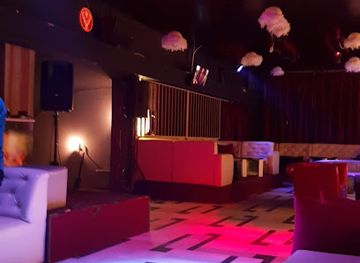
Botoșani has the county’s broadest evening scene, centred on cafés, restaurants, beer venues and bars around the central areas, with occasional live music and cultural programming. Dorohoi and the smaller towns offer a quieter choice of pubs, cafés and restaurants rather than a large club circuit. In rural Botoșani, evenings are generally shaped by family gatherings, local celebrations and traditional village establishments, not by dedicated nightlife districts. Students and younger residents contribute to a more active urban scene at weekends, but venues and schedules can change, so current local information is more reliable than assuming a permanent programme. Beer, wine, coffee and soft drinks are widely available, and the region’s evening culture can be enjoyed without making alcohol the focus. During summer, outdoor terraces provide much of the social atmosphere in the larger towns.
-
Pub
Enjoy Pub
Discover the lively Enjoy Pub in Botoșani, where great drinks, delicious food, and a vibrant atmosphere await every visitor.
-
Lounge
Galacsy
Experience the warm ambiance of Galacsy, a must-visit lounge in Botoșani, combining relaxation with a vibrant social scene.
-
Pub
Crema Rooms
Discover Crema Rooms, a lively pub in Botoșani, perfect for enjoying local drinks and immersing yourself in the city's vibrant nightlife.
-
Bar
Mon Cafe
Experience the charm of Mon Cafe in Botoșani, where delightful drinks and a cozy atmosphere await every visitor.

Best shops in Botoșani
Shopping in Botoșani is centred on ordinary Romanian town life rather than a specialist luxury circuit. The county seat has the widest choice of high-street shops, supermarkets, cafés and independent retailers, while Dorohoi, Săveni and Darabani serve as practical market towns for surrounding villages. Open markets are useful for seasonal fruit and vegetables, dairy products, honey, preserves and other foods from the agricultural hinterland. Small specialist shops and museum outlets may offer regional books, religious items, ceramics, textiles or craft products, although selection varies. For a useful souvenir, consider local food products, Romanian-language literary works connected with Eminescu or Iorga, or a craft item made in the wider Moldavian tradition rather than a mass-produced symbol. Rural shopping is limited and shops may have shorter hours or no card facility, so stock up on essentials in Botoșani before travelling to remote memorial sites and monasteries.
-
Shopping mall
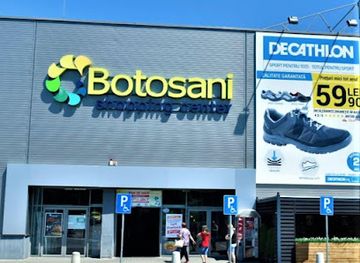
Botoșani Shopping Center
Discover the vibrant shopping scene and delightful dining at Botoșani Shopping Center, a must-visit destination for every tourist.
-
Shopping mall
Uvertura Mall
Explore Uvertura Mall in Botoșani for an exceptional shopping experience with diverse retail options, delicious dining, and family-friendly entertainment.
-
Shopping mall
BAZAR BOTOSANI
Explore Bazar Botosani, a lively shopping destination in Botoșani, Romania, where unique finds and local culture await every visitor.
-
Book store
Prolibris S.A.-Librăria Luceafărul
Discover a literary paradise in Botoșani at Prolibris S.A.-Librăria Luceafărul, where every book tells a story.
Get your free copy of our complete guide to Botoșani, delivered straight to you.
Everything on this page, from attractions and restaurants to essentials and local phrases, in one PDF you can read offline, print or share.
Already have an account? Sign in
Your Botoșani guide is ready.
We'll send it to · Not you? Sign out

Getting your guide ready…
We are putting together a fresh copy of the Botoșani guide. This can take up to a minute.
This can take a few moments. If your browser asks, choose Allow so the download can start. You'll find the guide in your Downloads folder.
Nothing happened? Download it again
Sorry, the guide is taking longer than usual. Please try again in a minute, or get it by email instead.
Botoșani essentials
Currency and Payment
Safety
Emergency Situations
Do's and Don'ts
Local Tips
From Eve
Local phrases worth knowing
You don't need to get them perfect. A few words go a long way, and locals appreciate the effort.
Basics
| English | Local | Say it |
|---|---|---|
| Hello | Salut | [sah-loot] |
| Goodbye | La revedere | [lah reh-veh-deh-reh] |
| Yes | Da | [dah] |
| No | Nu | [noo] |
| Please/You're welcome | Te rog/ Cu plăcere | [teh rog/ koo plah-cheh-reh] |
| Thank you | Mulțumesc | [mool-tsoo-mesk] |
| Excuse me/Sorry | Scuză-mă | [skoo-zah-muh] |
| How are you? | Ce mai faci? | [cheh my fahch?] |
| Fine. And you? | Bine. Și tu? | [bee-neh. shee too?] |
| Do you speak English? | Vorbești engleză? | [vor-besh-teh en-gleh-zah?] |
| I don't understand | Nu înțeleg | [noo in-tzeh-leg] |
Eating & Drinking
| English | Local | Say it |
|---|---|---|
| I'd like to see the menu, please | Aș dori să văd meniul, vă rog | [ash doh-ree sah vahd meh-nee-ul, vah rog] |
| I don't eat meat | Nu mănânc carne | [noo muh-nuh-nk kar-neh] |
| Cheers! | Noroc! | [noh-rok] |
| I would like to pay, please | Aș dori să plătesc, vă rog | [ash doh-ree sah plah-tesk, vah rog] |
Emergencies
| English | Local | Say it |
|---|---|---|
| Help! | Ajutor! | [ah-zhoo-tor] |
| Go away! | Du-te! | [doo-teh] |
| Call the Police! | Sună la Poliție! | [soo-nah lah poh-lee-tsee-eh] |
| Call a doctor! | Sună un doctor! | [soo-nah oon dok-tor] |
| I'm lost | M-am pierdut | [muhm pee-er-doot] |
| I'm ill | Sunt bolnav/ă | [soont bol-nahv/ah] |
Shopping
| English | Local | Say it |
|---|---|---|
| I'd like to buy... | Aș dori să cumpăr... | [ash doh-ree sah koom-pair...] |
| I'm just looking | Mă uit doar | [muh uit doar] |
| How much is it? | Cât costă? | [cuh-t kos-tah?] |
| That's too expensive | Asta e prea scump | [ahs-tah eh pree-ah skoomp] |
| Can you lower the price? | Poți să reduci prețul? | [pots sah reh-dooch preh-tsool?] |
Time & Numbers
| English | Local | Say it |
|---|---|---|
| What time is it? | Ce oră este? | [cheh oh-ruh yeh-steh?] |
| It's one o'clock | Este o oră | [yeh-steh o oh-ruh] |
| Half past (10) | Și jumătate (10) | [shee zhoo-mah-tah-teh (10)] |
| Morning | Dimineața | [dee-mee-neh-ah-tsah] |
| Afternoon | După-amiaza | [doo-pah-ah-mee-ah-zah] |
| Evening | Seara | [seh-ah-rah] |
| Yesterday | Ieri | [yeh-ree] |
| Today | Astăzi | [ahs-tuhz] |
| Tomorrow | Mâine | [muh-ee-neh] |
| 1 | 1 | [unu] |
| 2 | 2 | [doi] |
| 3 | 3 | [trei] |
| 4 | 4 | [patru] |
| 5 | 5 | [cinci] |
| 6 | 6 | [șase] |
| 7 | 7 | [șapte] |
| 8 | 8 | [opt] |
| 9 | 9 | [nouă] |
| 10 | 10 | [zece] |
Transport & Directions
| English | Local | Say it |
|---|---|---|
| Where's a/the...? | Unde este un/ă...? | [oon-deh yeh-steh oon/uh...?] |
| What's the address? | Care este adresa? | [kah-reh yeh-steh ah-dreh-sah?] |
| Can you show me (on the map)? | Îmi poți arăta (pe hartă)? | [uhm pots ah-rah-tah (peh har-tuh)?] |
| When's the next (bus)? | Când vine următorul (autobuz)? | [kuhnd vee-neh oor-mah-tor-ul (au-toh-booz)?] |
| A ticket (to ....) | Un bilet (către....) | [oon bee-let (kuh-treh....)] |
History of Botoșani
Prehistoric Communities and the Cucuteni Tradition
The territory of present-day Botoșani has been occupied since prehistoric times, and archaeological discoveries connect parts of the region with the wider Cucuteni cultural horizon of north-eastern Romania and neighbouring Moldova. Settlements associated with this tradition are known for finely made pottery, painted decoration and evidence of established farming communities. Later prehistoric and ancient populations continued to use the county’s fertile plateaux and river valleys. Although many archaeological sites are not arranged as conventional visitor attractions, the finds preserved in regional museums help explain why this landscape has supported settlement for thousands of years.
Botoșani in Medieval Moldavia
From the Middle Ages, the region formed part of the Principality of Moldavia, occupying a frontier position between the Carpathian interior and the lands towards the Dniester and the steppe. Botoșani developed as a market settlement, while Dorohoi became an important administrative and commercial centre. Churches founded or rebuilt during the medieval and early modern periods, including the Church of Saint Nicholas in Dorohoi, preserve the architectural and religious imprint of Moldavian rule. Trade, agriculture and movement along regional routes shaped the towns more than monumental court architecture did.
Monasteries, Estates and Orthodox Culture
Between the sixteenth and nineteenth centuries, monasteries, boyar estates and parish churches became major institutions across northern Moldavia. Vorona and Agafton are among the county’s best-known monastic complexes, situated in landscapes of woodland and fields that still influence their character. These foundations provided religious, educational and economic functions as well as places of worship. Their surviving buildings and sacred precincts reflect successive periods of construction and restoration, while Orthodox practice continues to give many rural communities a visible rhythm through feast days, pilgrimages and parish life.
A Commercial and Multicultural Townscape
During the nineteenth and early twentieth centuries, Botoșani and Dorohoi expanded as market and administrative towns within the modernising Principality and later Kingdom of Romania. Jewish communities played a substantial role in trade, crafts, finance and civic life, alongside Romanian and other local populations. The period left behind urban houses, commercial streets, churches and public institutions, although war, persecution and later political change transformed the social fabric profoundly. Today, the historic centres and local museums offer reminders of a more commercially diverse northern Moldavian urban world.
The Cultural Landscape of Eminescu and Iorga
Botoșani County is closely associated with several major Romanian cultural figures. Mihai Eminescu, one of Romania’s most influential poets, spent formative years in the area around Ipotești, where the memorial complex preserves elements of his family and childhood landscape. The historian and politician Nicolae Iorga was born in Botoșani in 1871, and the town maintains a memorial house devoted to his life and work. These associations helped establish the county as an important place in Romania’s literary and intellectual geography, rather than merely a peripheral administrative district.
George Enescu’s Early Years
The village of Liveni, in the present-day town of Ștefănești, is associated with the childhood of George Enescu, Romania’s leading composer, violinist and conductor. The memorial house presents the modest rural setting connected with his early life and offers context for the musical environment from which his career emerged. Enescu’s international reputation developed far beyond Botoșani, but the Liveni site remains significant because it links a globally known figure to the social and cultural world of northern Moldavia at the end of the nineteenth century.
War, Border Change and the Twentieth Century
The county’s position near the eastern frontier made the twentieth century particularly disruptive. The First World War, the interwar reorganisation of Greater Romania, the Holocaust and the Second World War altered populations, borders and local institutions. Jewish communities were persecuted and largely destroyed or displaced during the Holocaust, leaving a serious gap in the social history of Botoșani and Dorohoi. After 1945, communist nationalisation and collectivisation transformed estates, commerce and agriculture. The post-1989 period brought new economic pressures but also renewed interest in heritage conservation and cultural tourism.
Botoșani in Photos
Browse through our photo collection highlighting the charm and character of the destination.
Neighbouring regions of Botoșani
The closest regions to Botoșani, if you have time for more than one.
-

-

-
-

-


Swipe for more regions
Explore more

Explore more of Romania
Discover Romania's blend of mystical castles, enchanting landscapes, and vibrant culture. Experience the rich history and natural beauty that make Romania a unique travel destination.
Explore Romania