

Free Neamț Travel Guide & Mobile App
Explore Neamț with free travel guides. Discover regional history, expert tips, proposed trips, and audio guides on web or mobile app.


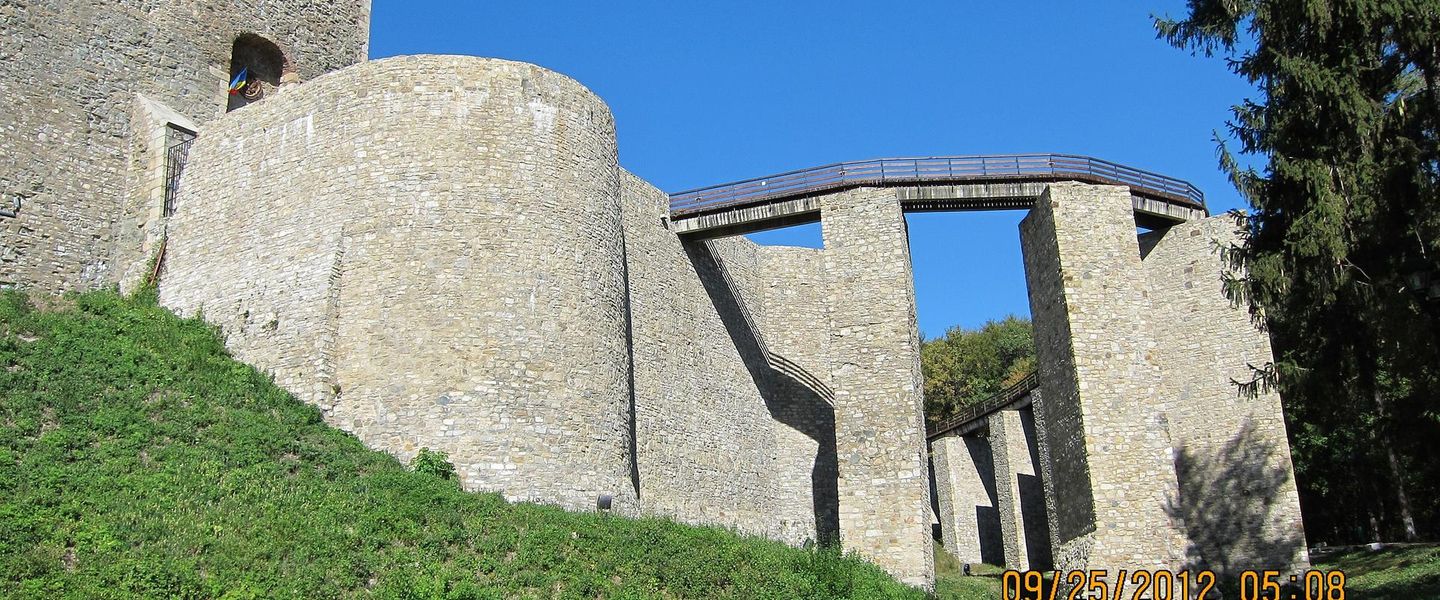


Explore Neamț in Romania for Carpathian hiking, Moldavian monasteries, medieval fortresses, mountain villages and the cultural streets of Piatra Neamț.
Read more about Neamț
When is the best time to visit Neamț?
Best: June–August · 24–26°C| Month | High (°C) | Rainfall (mm) |
|---|---|---|
| January | 1 | 30 |
| February | 3 | 25 |
| March | 10 | 30 |
| April | 15 | 40 |
| May | 20 | 50 |
| June (best) | 24 | 60 |
| July (best) | 26 | 70 |
| August (best) | 25 | 60 |
| September | 21 | 50 |
| October | 15 | 40 |
| November | 8 | 30 |
| December | 3 | 30 |
Getting to and around Neamț
How to get there
Transportation
Top city travel guides in Neamț
The cities of Neamț, and the easiest places to base yourself.
-

-


Swipe for more cities
Destinations in Neamț
Resorts, valleys and scenic spots worth a trip of their own.
-

-

-


Swipe for more destinations
Best attractions in Neamț
Neamț’s attractions range from archaeological collections and urban museums to fortified ruins, Orthodox monasteries and extensive mountain landscapes. Piatra Neamț provides an accessible starting point, with cultural institutions and historic churches, while the county’s rural west leads towards Ceahlău National Park and the resort settlement of Durău. Marked trails cross the Ceahlău Massif, and the Bistrița valley and Lake Izvorul Muntelui offer opportunities for scenic drives, walking and seasonal outdoor recreation. The Bicaz Gorge is a major natural attraction, its road passing between high limestone walls before continuing towards neighbouring counties. Around Târgu Neamț, visitors can combine Neamț Fortress with the Ion Creangă Memorial House at Humulești and the wooded monastery route through Agapia, Văratec, Secu and Sihăstria. Neamț Monastery is particularly important for religious history and manuscript culture, while local museums preserve archaeological evidence from the Cucuteni tradition and the Dacian period. The attraction landscape is strongest when explored gradually: a town museum, a historic foundation, a village meal and a mountain walk often form a more representative experience than a rapid checklist of sites.
-
Fortress
Neamț Citadel
Explore Neamț Citadel, a historical gem in Romania offering breathtaking views and a deep dive into the country's rich heritage.
-
Museum
Ion Creangă Memorial Museum
Experience the essence of Romanian folklore and literature at the Ion Creangă Memorial Museum, a captivating tribute to the beloved storyteller.
-
Monastery
Agapia Monastery
Discover the breathtaking beauty and spiritual significance of Agapia Monastery, a historic gem nestled in the heart of Romania's picturesque landscape.
-
Tourist attraction
Telegondola
Discover the breathtaking views and thrilling rides of Telegondola in Piatra Neamț, a must-see destination for every traveler in Romania.


Best landmarks in Neamț
Neamț Fortress is the county’s most recognisable medieval landmark, its restored walls occupying a steep hill above Târgu Neamț and illustrating the defensive importance of the Moldavian interior. Neamț Monastery is a landmark of religious architecture and Orthodox scholarship, set in a landscape of wooded foothills. The painted churches and monastic ensembles at Agapia and Văratec add a different architectural character, blending devotional spaces with later buildings and cultivated grounds. In Piatra Neamț, the medieval church of Saint John the Baptist and the nearby historic centre provide a compact reminder of the town’s Moldavian past. The Bâtca Doamnei archaeological area represents the county’s ancient Dacian heritage, although its remains are less visually monumental than the fortress. In the west, Ceahlău’s summit formations, particularly the Toaca peak and the Ocolașul Mare area, function as natural landmarks recognised across the Eastern Carpathians. The Bicaz Gorge is another defining feature: its sheer rock walls and constricted road corridor demonstrate the geological force of the mountain landscape as clearly as any built monument.
-
Fortress
Neamț Citadel
Discover the majestic Neamț Citadel, a historical fortress in Târgu Neamț, Romania, offering stunning views and rich cultural insights.
-
Museum
Ion Creangă Memorial Museum
Immerse yourself in the enchanting world of Romanian folklore at the Ion Creangă Memorial Museum, where stories come to life in a historic setting.
-
Monastery
Neamț Monastery.
Discover the historic Neamț Monastery, a tranquil retreat in Romania, known for its stunning architecture and rich cultural heritage.
-
Restaurant
Turnul Berarilor
Savor the best of traditional Romanian cuisine and a lively bar atmosphere at Turnul Berarilor in Piatra Neamț.


Explore Neamț on the map
Plan your trip on one map. See where the top cities, national parks and sights are, and book hotels and experiences in a few clicks.
Best hotels in Neamț
Best restaurants in Neamț
Dining in Neamț belongs to the broader culinary tradition of Moldavia, with hearty soups, sour soups known as ciorbă, cabbage rolls, polenta, grilled or stewed meats, fresh cheeses, sour cream, pickles and fruit preserves appearing across the county. Rural guesthouses around Târgu Neamț, Agapia, Văratec, Bicaz and Ceahlău often offer home-style cooking, though visitors should confirm meal arrangements in advance. Piatra Neamț and Roman have the widest choice of restaurants, cafés and bakeries, from Romanian staples to contemporary interpretations and international food. Look for local dairy products, forest-fruit preserves, walnut pastries and seasonal produce rather than expecting one dish to define the county. Markets and small food shops are useful for bread, cheese, smoked products and picnic supplies before a mountain excursion. Service and menus can be more informal in villages, and cash remains helpful outside the larger towns.
-
Restaurant
Turnul Berarilor
Discover authentic Romanian flavors at Turnul Berarilor in Piatra Neamț – where tradition meets taste in every bite.
-
Restaurant
Păstrăvăria Cheiţa
Discover authentic Romanian cuisine at Păstrăvăria Cheiţa, where fresh trout meets stunning natural landscapes for an unforgettable dining experience.
-
Restaurant
Nenea Iancu
Savor the essence of Romania at Nenea Iancu - where tradition meets taste in every dish served.
-


Best bars in Neamț
Evening life in Neamț is concentrated in Piatra Neamț, with cafés, pubs, restaurants and a modest selection of bars providing the broadest choice after dark. Roman and Târgu Neamț have more local, town-centred scenes, generally focused on restaurants, cafés and familiar pubs rather than a large club district. In Bicaz, Durău and the mountain villages, evenings are quieter and tend to revolve around guesthouse dining, hotel lounges or traditional inns; seasonal weekends and holiday periods can be busier. Live music and occasional cultural programming may be found in urban venues, but schedules change and should be checked locally. Local beer, Romanian wine and non-alcoholic drinks are widely available, and enjoying the region’s evening culture does not require a nightlife-focused itinerary.
-
Bar
Turnul Berarilor
Experience the best of Romanian cuisine and vibrant nightlife at Turnul Berarilor, a bar and restaurant in Piatra Neamț.
-
Restaurant
Nenea Iancu
Discover Nenea Iancu in Piatra Neamț - a lively beer hall and restaurant serving authentic Romanian cuisine and a vast selection of beers.
-
Restaurant
Cercul Gospodinelor
Experience the essence of Romanian culinary traditions at Cercul Gospodinelor in Piatra Neamț, where every dish tells a story.
-
Cafe
Skyfall Rooftop Lounge
Discover the breathtaking views and vibrant atmosphere at Skyfall Rooftop Lounge in Piatra Neamț, the ultimate destination for relaxation and enjoyment.


Best nightclubs in Neamț
Evening life in Neamț is concentrated in Piatra Neamț, with cafés, pubs, restaurants and a modest selection of bars providing the broadest choice after dark. Roman and Târgu Neamț have more local, town-centred scenes, generally focused on restaurants, cafés and familiar pubs rather than a large club district. In Bicaz, Durău and the mountain villages, evenings are quieter and tend to revolve around guesthouse dining, hotel lounges or traditional inns; seasonal weekends and holiday periods can be busier. Live music and occasional cultural programming may be found in urban venues, but schedules change and should be checked locally. Local beer, Romanian wine and non-alcoholic drinks are widely available, and enjoying the region’s evening culture does not require a nightlife-focused itinerary.
-
Pub
Temple Pub
Explore the vibrant atmosphere at Temple Pub in Piatra Neamț, where great food and drinks meet local charm.
-
Lounge
Kaius4 Lounge
Discover the perfect blend of relaxation and local culture at Kaius4 Lounge, a must-visit spot in Piatra Neamț.
-
Cocktail bar
Sweet & Sour
Discover Sweet & Sour, the vibrant cocktail bar in Piatra Neamț, where innovative drinks and a lively atmosphere create unforgettable nights.
-
Coffee shop
Lapsus By Arrena
Experience the vibrant essence of Piatra Neamț at Lapsus By Arrena, where coffee, food, and entertainment blend perfectly together.


Best shops in Neamț
Shopping in Neamț is centred on the high streets, markets and commercial areas of Piatra Neamț, Roman and Târgu Neamț rather than on luxury retail. Town markets are useful for seasonal fruit and vegetables, honey, dairy products, preserves, bread and other everyday foods, while small specialist shops may stock smoked products, wine and regional sweets. Around the monasteries, visitors may find religious icons, devotional objects, painted eggs, woven goods and locally made souvenirs, but quality and provenance vary, so buy respectfully and ask about materials when necessary. Rural guesthouses and craft outlets can offer woollen textiles, embroidery, woodwork and traditional household objects, although availability is seasonal. Bookshops and museum shops in the larger towns provide more reliable choices for Romanian literature, local history and reproductions of regional art. For practical shopping, Piatra Neamț offers the widest range of supermarkets and independent retailers; village shops are convenient but limited.
-
Store
Shopping City Piatra Neamț
Discover Shopping City Piatra Neamț: the ultimate shopping mall experience with a variety of stores, delicious dining options, and family-friendly entertainment.
-
Hypermarket
Carrefour
Explore Carrefour in Piatra Neamț for a unique shopping experience, featuring a wide variety of local and international products.
-
Shopping mall
Galleria Piatra Neamt
Explore the vibrant Galleria Piatra Neamt, a shopping haven with diverse stores, delightful dining options, and entertainment perfect for all travelers.
-
Shopping mall
Winmarkt Piatra Neamț
Explore Winmarkt Piatra Neamț, a dynamic shopping mall with diverse stores, delicious dining options, and fun entertainment for every traveler.


Get your free copy of our complete guide to Neamț, delivered straight to you.
Everything on this page, from attractions and restaurants to essentials and local phrases, in one PDF you can read offline, print or share.
Already have an account? Sign in
Your Neamț guide is ready.
We'll send it to · Not you? Sign out

Getting your guide ready…
We are putting together a fresh copy of the Neamț guide. This can take up to a minute.
This can take a few moments. If your browser asks, choose Allow so the download can start. You'll find the guide in your Downloads folder.
Nothing happened? Download it again
Sorry, the guide is taking longer than usual. Please try again in a minute, or get it by email instead.
Neamț essentials
Currency and Payment
Safety
Emergency Situations
Do's and Don'ts
Local Tips
From Eve
Local phrases worth knowing
You don't need to get them perfect. A few words go a long way, and locals appreciate the effort.
Basics
| English | Local | Say it |
|---|---|---|
| Hello | Bună | [boo-nuh] |
| Goodbye | La revedere | [lah reh-veh-deh-reh] |
| Yes | Da | [dah] |
| No | Nu | [ noo] |
| Please/You're welcome | Te rog | [teh rohg] |
| Thank you | Mulțumesc | [mool-tsoo-mesk] |
| Excuse me/Sorry | Scuză-mă | [skoo-zah-muh] |
| How are you? | Ce mai faci? | [cheh my fahch] |
| Fine. And you? | Bine. Și tu? | [bee-neh. shee too] |
| Do you speak English? | Vorbești engleză? | [vor-besht eng-leh-zuh] |
| I don't understand | Nu înțeleg | [noo un-tseh-leg] |
Eating & Drinking
| English | Local | Say it |
|---|---|---|
| I'd like to see the menu, please | Aș dori să văd meniul, te rog | [ahsh dor-ee sah vehd meh-nee-ul, teh rohg] |
| I don't eat meat | Nu mănânc carne | [noo muh-nuhnc kar-neh] |
| Cheers! | Noroc! | [noh-rok] |
| I would like to pay, please | Aș dori să plătesc, te rog | [ahsh dor-ee sah pluh-tesk, teh rohg] |
Emergencies
| English | Local | Say it |
|---|---|---|
| Help! | Ajutor! | [ah-zhoo-tor] |
| Go away! | Du-te! | [doo-teh] |
| Call the Police! | Sună la Poliție! | [soo-nah lah poh-lee-tsee-eh] |
| Call a doctor! | Sună un doctor! | [soo-nah oon dok-tor] |
| I'm lost | M-am pierdut | [mahm pyehr-doot] |
| I'm ill | Sunt bolnav | [soont bol-nahv] |
Shopping
| English | Local | Say it |
|---|---|---|
| I'd like to buy... | Aș dori să cumpăr... | [ahsh dor-ee sah koom-puhr] |
| I'm just looking | Mă uit doar | [muh oot doar] |
| How much is it? | Cât costă? | [kuht koh-stah] |
| That's too expensive | Asta e prea scump | [ahs-tah eh preh-ah skoomp] |
| Can you lower the price? | Poți să reduci prețul? | [pots sah reh-dooch preh-tsool] |
Time & Numbers
| English | Local | Say it |
|---|---|---|
| What time is it? | Ce oră este? | [cheh oh-rah yeh-steh] |
| It's one o'clock | Este o oră | [yeh-steh oh oh-rah] |
| Half past (10) | Jumătate după (10) | [zhoo-mah-tah-teh doo-pah (10)] |
| Morning | Dimineața | [dee-mee-neh-ah-tsah] |
| Afternoon | După-amiază | [doo-pah ah-mee-ah-zah] |
| Evening | Seara | [seh-ah-rah] |
| Yesterday | Ieri | [yehr-ee] |
| Today | Azi | [ahz] |
| Tomorrow | Mâine | [mee-neh] |
| 1 | 1 | [unu] |
| 2 | 2 | [doi] |
| 3 | 3 | [trei] |
| 4 | 4 | [patru] |
| 5 | 5 | [cinci] |
| 6 | 6 | [șase] |
| 7 | 7 | [șapte] |
| 8 | 8 | [opt] |
| 9 | 9 | [nouă] |
| 10 | 10 | [zece] |
Transport & Directions
| English | Local | Say it |
|---|---|---|
| Where's a/the...? | Unde este un...? | [oon-deh yeh-steh oon] |
| What's the address? | Care este adresa? | [kah-reh yeh-steh ah-dreh-sah] |
| Can you show me (on the map)? | Poți să-mi arăți (pe hartă)? | [pots sahm ah-rah-ts (peh hahr-tah)] |
| When's the next (bus)? | Când e următorul (autobuz)? | [kand eh oor-mah-toh-rool (ow-toh-booz)] |
| A ticket (to ....) | Un bilet (la ....) | [oon bee-let (lah ....)] |
History of Neamț
Prehistoric Settlements and the Cucuteni Tradition
The territory of present-day Neamț preserves important evidence of prehistoric settlement, particularly from the Neolithic and Chalcolithic periods. Archaeological work at sites such as Izvoare and elsewhere in the county has contributed to understanding the Cucuteni cultural tradition, known for settled farming communities, finely made pottery and striking painted designs. These societies flourished several millennia before the formation of medieval Moldavia. Museums in Piatra Neamț display archaeological material that helps place the county within the wider prehistoric history of north-eastern Romania.
Dacian Fortifications and Roman-Period Frontiers
Before and during the Roman era, the eastern Carpathian zone was occupied and influenced by Dacian communities and by peoples connected to routes across Moldavia. The fortified settlement associated with Bâtca Doamnei, near present-day Piatra Neamț, is among the county’s most significant ancient remains and is generally linked with the Dacian period. Although Roman rule did not encompass all of modern Neamț, the region lay near changing political and commercial frontiers, and Roman-era objects found locally indicate contact with the empire and its neighbouring societies.
The Formation of Medieval Moldavia
Neamț became part of the medieval Principality of Moldavia, whose political consolidation during the fourteenth and fifteenth centuries shaped the county’s fortresses, churches and settlement pattern. The mountain valleys offered routes between Transylvania and the Moldavian interior, while wooded terrain provided both resources and defensive advantages. The court of Prince Stephen the Great, who ruled from 1457 to 1504, supported the construction and strengthening of religious foundations across Moldavia. Neamț Fortress and several monastic sites reflect the political, military and spiritual importance of this period.
Neamț Fortress and the Defensive Landscape
Neamț Fortress, standing on a hill above Târgu Neamț, was developed as a major medieval stronghold controlling routes through northern Moldavia. Its history includes periods of resistance, repair and decline as the political and military balance of the region changed. The fortress is especially associated with the defence of Moldavia during the reign of Stephen the Great, although its story spans several centuries. Its surviving walls and elevated position offer a direct view of how geography influenced medieval power, communication and settlement.
Monastic Culture in the Carpathian Foothills
From the late medieval period onwards, the valleys and forests of Neamț became a prominent centre of Orthodox monasticism. Neamț Monastery developed into an influential religious and educational institution, while Agapia, Văratec, Secu and Sihăstria formed part of a wider network of spiritual communities. Monks copied and preserved religious texts, painters contributed to church decoration, and monastic estates shaped local economies. The monasteries were repeatedly rebuilt or enlarged, so their present appearance combines medieval foundations with later Moldavian, Byzantine-inspired and nineteenth-century elements.
Ion Creangă and Moldavian Literary Memory
The village world of Neamț gained lasting literary significance through Ion Creangă, one of Romania’s best-known nineteenth-century writers. Born at Humulești, near Târgu Neamț, Creangă drew on childhood memories, local speech, village customs and the rhythms of Moldavian rural life. His writing helped preserve an intimate social portrait of the region while becoming part of the Romanian literary canon. The Ion Creangă Memorial House in Humulești and the surrounding landscape connect visitors with the cultural setting behind his autobiographical work, particularly Childhood Memories.
Modern Administration, Industry and Mountain Development
The nineteenth and twentieth centuries brought new administrative structures, roads, railways and industrial activity to Neamț. Piatra Neamț expanded as an urban and commercial centre, while Roman developed as an important railway and manufacturing town. Hydropower and forestry influenced the Bistrița valley, and the construction of the Bicaz dam created Lake Izvorul Muntelui, altering transport, settlement and the local economy. In the later twentieth century, mountain tourism developed around Ceahlău and Durău. Today the county combines these modern legacies with heritage tourism, agriculture and protected landscapes.
Neamț in Photos
Browse through our photo collection highlighting the charm and character of the destination.
Neighbouring regions of Neamț
The closest regions to Neamț, if you have time for more than one.
-

-

-

-

-


Swipe for more regions
Explore more

Explore more of Romania
Discover Romania's blend of mystical castles, enchanting landscapes, and vibrant culture. Experience the rich history and natural beauty that make Romania a unique travel destination.
Explore Romania