

Free Bucovina Travel Guide & Mobile App
Explore Bucovina with free travel guides. Discover regional history, expert tips, proposed trips, and audio guides on web or mobile app.


Explore Bucovina's painted monasteries, medieval Suceava, mountain valleys, village crafts and Carpathian outdoor landscapes in northern Romania.
Read more about Bucovina
When is the best time to visit Bucovina?
Best: June–August · 23–25°C| Month | High (°C) | Rainfall (mm) |
|---|---|---|
| January | 2 | 31 |
| February | 3 | 35 |
| March | 9 | 40 |
| April | 14 | 46 |
| May | 20 | 55 |
| June (best) | 23 | 66 |
| July (best) | 25 | 70 |
| August (best) | 24 | 65 |
| September | 20 | 61 |
| October | 14 | 55 |
| November | 7 | 46 |
| December | 3 | 40 |
Getting to and around Bucovina
How to get there
Transportation
Top city travel guides in Bucovina
The cities of Bucovina, and the easiest places to base yourself.

Swipe for more cities
Destinations in Bucovina
Resorts, valleys and scenic spots worth a trip of their own.
-

-


Swipe for more destinations
Best attractions in Bucovina
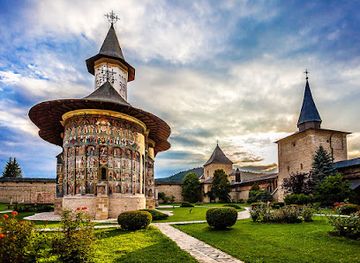
Bucovina's attractions centre on the UNESCO-listed Churches of Moldavia, a group of medieval and early modern Orthodox foundations whose painted exteriors remain the region's defining cultural experience. Voronet, Humor, Moldovita, Sucevita, Arbore, Probota and Patrauti each offer a different setting and artistic character, while the Church of Saint George in Suceava adds an urban example. Suceava provides complementary history through its medieval fortress, princely court and museums. In the western districts, Vatra Dornei, Campulung Moldovenesc and the Rarau area open onto forested mountains, hiking routes, winter sports and viewpoints. The Cacica salt mine offers an insight into the region's extractive heritage, while Putna combines religious importance with a mountain setting. Smaller attractions include wooden churches, village craft traditions, painted-egg workshops and local ethnographic collections. Distances between sites are significant enough that visitors should plan by cluster: central monastery country around Gura Humorului, the Radauti–Putna area, or the mountain towns and valleys to the west.
-
Tourist attraction
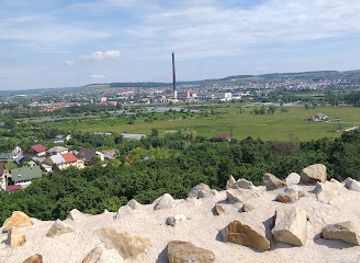
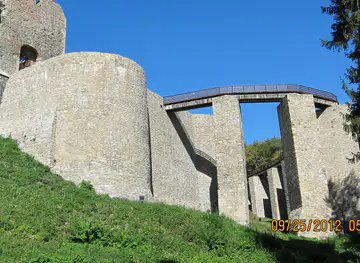
Cetatea de Scaun a Sucevei
Explore the historical grandeur of Cetatea de Scaun a Sucevei, a medieval fortress rich in culture and breathtaking views in Suceava, Romania.
-
Monastery
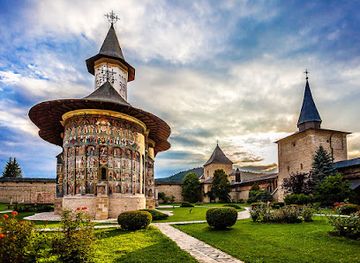
"Voroneț" Monastery
Explore Voroneț Monastery, a UNESCO World Heritage site with stunning frescoes and a tranquil atmosphere in Romania's picturesque landscape.
-
Tourist attraction
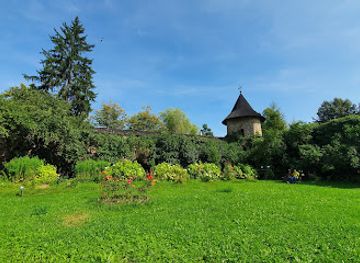
Sucevița Monastery
Explore the mesmerizing Sucevița Monastery, a UNESCO World Heritage site, renowned for its stunning frescoes and serene atmosphere in Romania's beautiful landscape.
-
Tourist attraction
Moldovita Monastery
Explore the serenity and artistic splendor of Moldovita Monastery, a UNESCO World Heritage site in Romania, rich in history and spiritual significance.

Best landmarks in Bucovina
The painted churches themselves are Bucovina's most recognisable landmarks. Voronet is noted for the intense blue widely associated with its exterior murals, while Humor, Moldovita and Sucevita display expansive narrative compositions within distinctive fortified or wooded settings. Arbore is particularly valued for its refined decoration, and the Church of Saint George in Suceava anchors the medieval heritage of the regional capital. Suceava Fortress, rebuilt and consolidated on a hill above the city, represents the defensive power of the medieval Moldavian capital. Putna Monastery is an important dynastic and spiritual landmark because it was founded by Stephen the Great and contains his tomb. In the natural landscape, the limestone forms and elevated viewpoints of the Rarau massif provide a contrasting geographical symbol, while the salt workings at Cacica preserve evidence of Bucovina's industrial and resource history. Each landmark is best understood in relation to the villages, forests and historic routes around it.
-
Historical landmark
Cetatea de Scaun a Sucevei
Discover the enchanting Suceava Fortress, a historic castle that captures the spirit of Romania's medieval past amidst stunning landscapes.
-
 Monastery
Voroneț Monastery
Discover the breathtaking art and history of Voroneț Monastery in Romania's Bucovina region, a UNESCO World Heritage site and spiritual haven.
-
Monastery
Sucevița Monastery
Explore the enchanting Sucevița Monastery, a UNESCO World Heritage Site, reflecting the beauty and spirituality of Moldavian culture in Romania.
-
Monastery
Moldovita Monastery
Discover the serene beauty and vibrant history of Moldovita Monastery, a UNESCO World Heritage site nestled in the heart of Bucovina, Romania.

Explore Bucovina on the map
Plan your trip on one map. See where the top cities, national parks and sights are, and book hotels and experiences in a few clicks.
Best hotels in Bucovina
Best restaurants in Bucovina
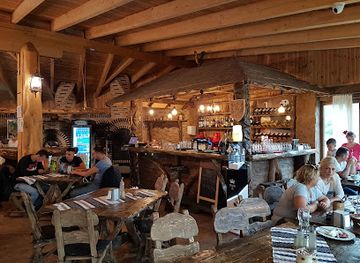
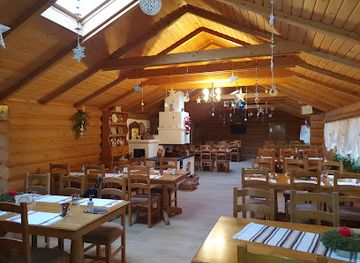
Bucovinian cooking draws on Moldavian traditions, Carpathian ingredients and the practical cuisine of farming households. Menus commonly include ciorba, stuffed cabbage, polenta, grilled or smoked meats, trout, forest mushrooms, potatoes, sheep's cheese and dairy products, with pickles and preserves supporting the winter larder. Guesthouses and rural pensions are often the best places to encounter home-style dishes, while Suceava, Gura Humorului, Campulung Moldovenesc and Vatra Dornei offer a broader choice of restaurants, cafés and bakeries. Look for cozonac and other filled pastries, as well as local interpretations of papanasi and seasonal fruit desserts. Food markets and farm shops can provide honey, jams, smoked products, cheese and bottled drinks, but purchase provenance matters when buying from small producers. Meals may be hearty and substantial, and service in rural areas can be unhurried, particularly when food is prepared to order.
-
Restaurant
Popasul Baciului
Discover traditional Romanian flavors at Popasul Baciului - a cozy restaurant in Câmpulung Moldovenesc offering delightful culinary experiences.
-
Restaurant
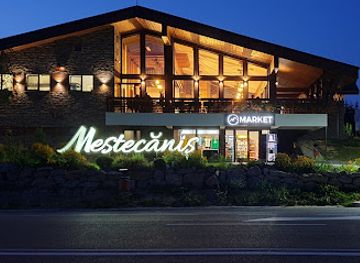
Restaurant Mestecăniș
Experience authentic Romanian cuisine at Restaurant Mestecăniș - where tradition meets flavor in every delightful dish.
-
Restaurant
Acasă în Bucovina
Discover Acasă în Bucovina: A delightful restaurant and guest house serving authentic Romanian cuisine in Capu Câmpului's stunning landscapes.
-
Restaurant
Casa Bucovineană
Experience authentic Romanian cuisine and warm hospitality at Casa Bucovineană in Vatra Dornei.
Best bars in Bucovina
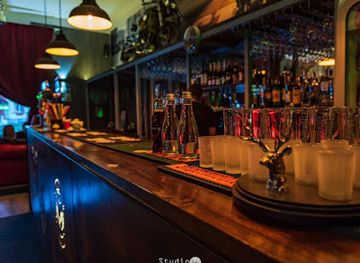
Nightlife in Bucovina is generally social and low-key rather than club-focused. Suceava has the broadest evening choice, including pubs, cafés, restaurants, occasional live-music venues and bars serving Romanian beer, wine and spirits. Gura Humorului, Campulung Moldovenesc and Vatra Dornei have smaller scenes shaped by local residents, visitors and seasonal tourism, with evenings often centred on restaurant terraces, hotel bars or traditional pubs. In mountain and monastery country, rural guesthouses may offer a communal dinner and a quiet drink rather than late-night entertainment. Some winter and summer periods bring more activity in the spa and mountain resorts, but opening arrangements vary. Visitors interested in local drinks can look for Romanian wines, fruit brandies and craft beers without assuming that alcohol is central to every regional experience.
-
Restaurant
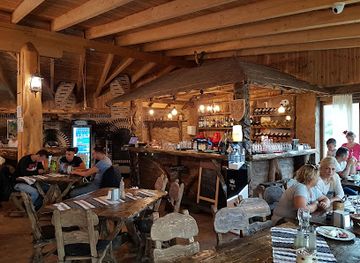
Popasul Baciului
Experience authentic Romanian flavors and stunning mountain views at Popasul Baciului, a must-visit restaurant in Câmpulung Moldovenesc.
-
Restaurant
Acasă în Bucovina
Discover the authentic flavors and rich culture of Bucovina at Acasă în Bucovina, a charming restaurant and guest house.
-
Restaurant
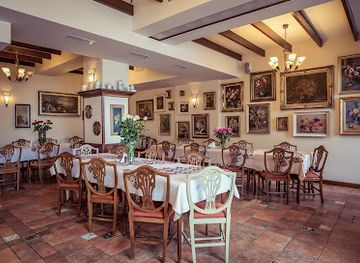
Antique
Explore the exquisite tastes of Antique gastropub in Rădăuți, where culinary tradition meets modern dining.
-
Traditional restaurant
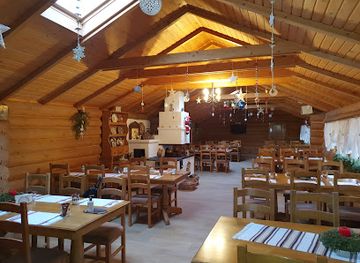
Codrii Bucovinei
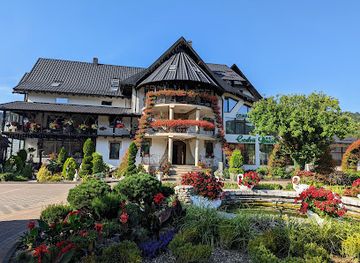
Experience authentic Romanian cuisine and hospitality at Codrii Bucovinei, a charming traditional restaurant and guest house in the heart of nature.
Best nightclubs in Bucovina
Nightlife in Bucovina is generally social and low-key rather than club-focused. Suceava has the broadest evening choice, including pubs, cafés, restaurants, occasional live-music venues and bars serving Romanian beer, wine and spirits. Gura Humorului, Campulung Moldovenesc and Vatra Dornei have smaller scenes shaped by local residents, visitors and seasonal tourism, with evenings often centred on restaurant terraces, hotel bars or traditional pubs. In mountain and monastery country, rural guesthouses may offer a communal dinner and a quiet drink rather than late-night entertainment. Some winter and summer periods bring more activity in the spa and mountain resorts, but opening arrangements vary. Visitors interested in local drinks can look for Romanian wines, fruit brandies and craft beers without assuming that alcohol is central to every regional experience.
-
Pub
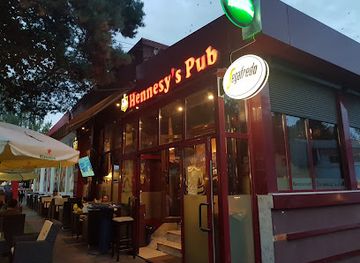
Hennesy's
Experience the lively atmosphere of Hennesy's Pub in Suceava, where local flavors and friendly vibes come together for an unforgettable night out.
-
Pub
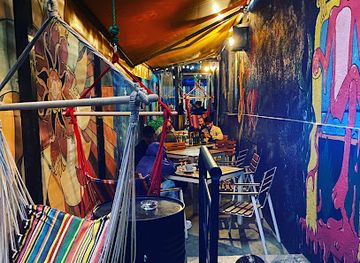
Rainbow pub
Discover the lively spirit of Rainbow Pub in Suceava, where refreshing cocktails and a vibrant atmosphere await every visitor.
-
Lounge
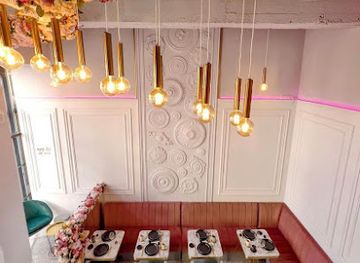
Muse
Experience culinary bliss at Muse, Suceava's premier lounge and café offering delightful dishes and a cozy atmosphere for every occasion.
-
Social club
NGR M.C. Club House
Experience the vibrant social scene at NGR M.C. Club House, where locals and tourists gather for fun and connection in Suceava.
Best shops in Bucovina
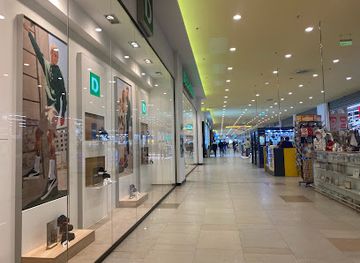
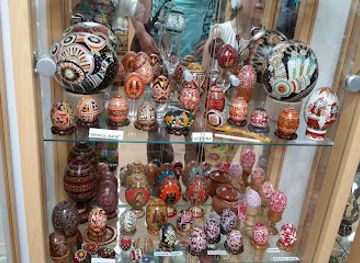
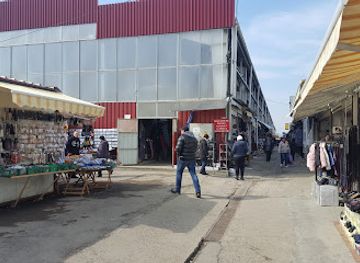
Shopping in Bucovina is strongest in market towns, craft workshops and food-producing villages rather than in large retail districts. Suceava offers the widest range of supermarkets, high-street shops and contemporary retail, while Radauti, Gura Humorului, Campulung Moldovenesc and Vatra Dornei are useful for local food, practical goods and smaller independent businesses. Regional purchases include painted eggs, carved wooden objects, woven textiles, wool items, pottery, religious art and embroidered household pieces. Farmers' markets and village producers may sell honey, preserves, cheese, smoked foods and seasonal fruit, although availability follows the agricultural calendar. Buy directly from established workshops or recognised market traders when possible, and ask about materials and production methods for handmade goods. A well-chosen craft item is generally more representative of Bucovina than a generic souvenir bearing a monastery image.
-
Shopping mall
Iulius Mall
Discover a shopping paradise at Iulius Mall in Suceava, where local flavors meet global brands in a vibrant atmosphere.
-
Museum
Vama Egg Museum
Explore the Vama Egg Museum, where art, culture, and tradition come together in a stunning display of over 16,000 painted eggs.
-
Market
Bazar
Discover the vibrant Bazar in Suceava, a market filled with local crafts, delicious Romanian cuisine, and a lively atmosphere that encapsulates the heart of the city.
-
Shopping mall
Bucovina Shopping Mall
Discover the vibrant shopping scene at Bucovina Shopping Mall in Suceava, where retail therapy meets local culture in a modern setting.
Get your free copy of our complete guide to Bucovina, delivered straight to you.
Everything on this page, from attractions and restaurants to essentials and local phrases, in one PDF you can read offline, print or share.
Already have an account? Sign in
Your Bucovina guide is ready.
We'll send it to · Not you? Sign out

Getting your guide ready…
We are putting together a fresh copy of the Bucovina guide. This can take up to a minute.
This can take a few moments. If your browser asks, choose Allow so the download can start. You'll find the guide in your Downloads folder.
Nothing happened? Download it again
Sorry, the guide is taking longer than usual. Please try again in a minute, or get it by email instead.
Bucovina essentials
Currency and Payment
Safety
Emergency Situations
Do's and Don'ts
Local Tips
From Eve
Local phrases worth knowing
You don't need to get them perfect. A few words go a long way, and locals appreciate the effort.
Basics
| English | Local | Say it |
|---|---|---|
| Hello | Bună | [Boo-nuh] |
| Goodbye | La revedere | [Lah reh-veh-deh-reh] |
| Yes | Da | [Dah] |
| No | Nu | [Noo] |
| Please/You're welcome | Te rog/Cu plăcere | [Teh rog/Koo pluh-cheh-reh] |
| Thank you | Mulțumesc | [Mool-tsoo-mesk] |
| Excuse me/Sorry | Scuză-mă/Îmi pare rău | [Skoo-zuh-muh/Um pah-reh roh] |
| How are you? | Ce mai faci? | [Cheh my fahch?] |
| Fine. And you? | Bine. Și tu? | [Bee-neh. Shee too?] |
| Do you speak English? | Vorbești engleză? | [Vor-besht eng-leh-zuh?] |
| I don't understand | Nu înțeleg | [Noo un-tzeh-leg] |
Eating & Drinking
| English | Local | Say it |
|---|---|---|
| I'd like to see the menu, please | Aș dori să văd meniul, vă rog | [Ash doh-ree suh vehd meh-nee-ul, vah rog] |
| I don't eat meat | Nu mănânc carne | [Noo muh-nuhnch kar-neh] |
| Cheers! | Noroc! | [No-rok!] |
| I would like to pay, please | Aș dori să plătesc, vă rog | [Ash doh-ree suh pluh-tesk, vah rog] |
Emergencies
| English | Local | Say it |
|---|---|---|
| Help! | Ajutor! | [Ah-zhoo-tor!] |
| Go away! | Du-te! | [Doo-teh!] |
| Call the Police! | Sună Poliția! | [Soo-nah Poh-lee-tsyah!] |
| Call a doctor! | Sună un doctor! | [Soo-nah oon dok-tor!] |
| I'm lost | M-am pierdut | [Mahm pyehr-doot] |
| I'm ill | Sunt bolnav/bolnavă | [Soont bol-nahv/bol-nah-vah] |
Shopping
| English | Local | Say it |
|---|---|---|
| I'd like to buy... | Aș dori să cumpăr... | [Ash doh-ree suh koom-per...] |
| I'm just looking | Mă uit doar | [Muh oot doar] |
| How much is it? | Cât costă? | [Koot koh-stah?] |
| That's too expensive | Asta e prea scump | [Ah-stah eh preh-ah skoomp] |
| Can you lower the price? | Poți să cobori prețul? | [Poh-tsee suh koh-bor-ee preh-tsool?] |
Time & Numbers
| English | Local | Say it |
|---|---|---|
| What time is it? | Ce oră e? | [Cheh oh-rah eh?] |
| It's one o'clock | Este o unu | [Yeh-steh oh oo-noo] |
| Half past (10) | Jumătate după (10) | [Joo-muh-tah-teh doo-pah (10)] |
| Morning | Dimineața | [Dee-mee-nya-tsah] |
| Afternoon | După-amiază | [Doo-pah-ah-mee-ah-zah] |
| Evening | Seara | [Sah-rah] |
| Yesterday | Ieri | [Yeh-ree] |
| Today | Astăzi | [Ah-stuh-dz] |
| Tomorrow | Mâine | [Myee-neh] |
| 1 | 1 | [1] |
| 2 | 2 | [2] |
| 3 | 3 | [3] |
| 4 | 4 | [4] |
| 5 | 5 | [5] |
| 6 | 6 | [6] |
| 7 | 7 | [7] |
| 8 | 8 | [8] |
| 9 | 9 | [9] |
| 10 | 10 | [10] |
Transport & Directions
| English | Local | Say it |
|---|---|---|
| Where's a/the...? | Unde este un/a...? | [Oon-deh yeh-steh oon/ah...?] |
| What's the address? | Care este adresa? | [Kah-reh yeh-steh ah-dreh-sah?] |
| Can you show me (on the map)? | Îmi poți arăta (pe hartă)? | [Um pee-tz ah-rah-tah (peh hahr-tuh)?] |
| When's the next (bus)? | Când vine următorul (autobuz)? | [Kund vee-neh oor-mah-toh-rul (ow-toh-booz)?] |
| A ticket (to ....) | Un bilet (spre ....) | [Oon bee-let (spre ....)] |
History of Bucovina
Early Settlement and Ancient Cultural Layers
Bucovina has been inhabited since prehistoric times, and the wider Suceava area preserves evidence of communities that farmed, traded and worked local resources long before the medieval principality of Moldavia emerged. The region's valleys connected the Carpathian basin with the eastern plains, encouraging movement between populations and cultural influences. Archaeological discoveries around Suceava and other settlements include prehistoric material as well as traces associated with later Dacian and Roman-era contexts. Although Bucovina is not defined by one single ancient monument, its long settlement history helps explain the continuity of villages, agricultural landscapes and routes through the forested foothills.
The Medieval Principality of Moldavia
From the fourteenth century, Bucovina formed part of the Principality of Moldavia, whose rulers established Suceava as an important political centre. The city served as the Moldavian capital from the late fourteenth century until the political centre moved to Iasi in the sixteenth century. Courts, churches, fortifications and monastic foundations developed during this period, linking the region to wider trade and diplomatic routes. The medieval legacy remains especially visible in Suceava's fortress and churches, as well as in the monasteries founded or endowed by princes and powerful local families.
Stephen the Great and the Monastic Foundations
The reign of Stephen the Great, or Stefan cel Mare, from 1457 to 1504 was a formative period for Moldavia and Bucovina. Following military conflicts and political challenges, Stephen founded or patronised churches and monasteries as places of worship, remembrance and dynastic authority. Putna Monastery, founded by Stephen, became his burial place and one of the most important spiritual sites in Romanian history. The period also established artistic and architectural traditions that later rulers developed, combining Byzantine religious forms with local craftsmanship and Moldavian stonework.
The Painted Churches of the Sixteenth Century
During the sixteenth century, several Moldavian monasteries received exterior frescoes of unusual scale and ambition. The murals at Voronet, Humor, Moldovita, Arbore, Probota, Sucevita, Patrauti and the Church of Saint George in Suceava present biblical scenes, saints and moral narratives across façades exposed to the landscape. Their distinctive colours and carefully composed imagery reflect a period when religious foundations also communicated political legitimacy and cultural confidence. The UNESCO listing of the Churches of Moldavia recognises their artistic and historical importance, while their survival provides an unusually direct connection with medieval and early modern Bucovina.
Habsburg Bucovina, 1775–1918
In 1775, the Habsburg Monarchy annexed the north-western part of Moldavia, which became known as Bukovina or Bucovina under Austrian administration. The region developed new administrative, educational and economic connections with Central Europe, and Cernăuti, now Chernivtsi in Ukraine, became its principal urban centre. German, Jewish, Polish, Armenian, Ruthenian, Romanian and other communities contributed to the province's complex cultural life. Romanian Bucovina remained within the Austrian imperial framework until the end of the First World War, when it joined the Kingdom of Romania in 1918.
Twentieth-Century Change and Cultural Continuity
The twentieth century brought border changes, war, political upheaval, population movements and the reorganisation of agriculture and industry. After 1945, Bucovina became part of communist Romania, while monasteries and religious institutions operated under state restrictions even as their artistic importance endured. Since 1989, restoration, heritage tourism and rural guesthouses have helped bring renewed attention to the painted churches, traditional crafts and mountain landscapes. Contemporary Bucovina combines this international heritage profile with working towns, forestry, farming, spa tourism and communities maintaining regional customs in changing social and economic conditions.
Bucovina in Photos
Browse through our photo collection highlighting the charm and character of the destination.
Neighbouring regions of Bucovina
The closest regions to Bucovina, if you have time for more than one.
-

-
-

-

-


Swipe for more regions
Explore more

Explore more of Romania
Discover Romania's blend of mystical castles, enchanting landscapes, and vibrant culture. Experience the rich history and natural beauty that make Romania a unique travel destination.
Explore Romania