

Free Bacău Travel Guide & Mobile App
Explore Bacău with free travel guides. Discover regional history, expert tips, proposed trips, and audio guides on web or mobile app.


Explore Bacău in eastern Romania for Moldavian history, salt mines, spa towns, wooded Carpathian valleys and distinctive local cuisine.
Read more about Bacău
When is the best time to visit Bacău?
Best: June, August–September · 22–27°C| Month | High (°C) | Rainfall (mm) |
|---|---|---|
| January | 2 | 33 |
| February | 4 | 28 |
| March | 10 | 31 |
| April | 16 | 45 |
| May | 22 | 60 |
| June (best) | 26 | 75 |
| July | 28 | 70 |
| August (best) | 27 | 55 |
| September (best) | 22 | 50 |
| October | 16 | 40 |
| November | 8 | 38 |
| December | 3 | 33 |
Getting to and around Bacău
How to get there
Transportation
Top city travel guides in Bacău
The cities of Bacău, and the easiest places to base yourself.

Swipe for more cities
Destinations in Bacău
Resorts, valleys and scenic spots worth a trip of their own.
-

-


Swipe for more destinations
Best attractions in Bacău
Bacău’s attractions range from urban museums and historic churches to underground industrial heritage and wooded mountain landscapes. In Bacău city, the Museum Complex of Iulian Antonescu introduces visitors to archaeology, local history, ethnography and art, while the George Bacovia Memorial House connects the city with one of Romania’s notable modern poets. The Precista Church provides a tangible link with medieval Moldavia. West of the county seat, Salina Târgu Ocna offers an unusual visitor experience inside a former salt-mining environment, and the town can be combined with nearby religious and historic sites. Slănic-Moldova is centred on mineral springs, forest promenades and access to the Nemira Mountains, with opportunities for walking and fresh-air recreation rather than intensive urban sightseeing. The Trotuș valley adds the Cantacuzino Palace in Comănești, the petroleum heritage of Moinești and the reservoir and mountain scenery around Dărmănești. Outdoor activities are strongest in the western foothills, where routes range from gentle resort walks to more demanding mountain excursions; conditions and markings should be checked locally.
-
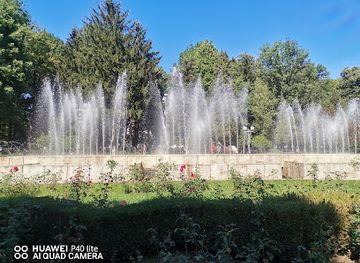
City park
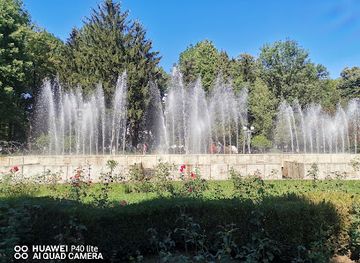
Mircea Cancicov City Park
Discover the tranquility of Mircea Cancicov City Park in Bacau, a perfect family-friendly destination with lush greenery and vibrant community activities.
-
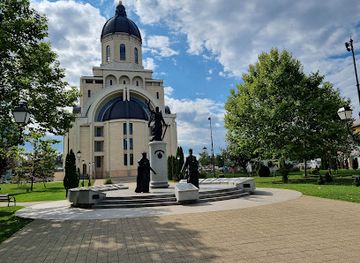
Park
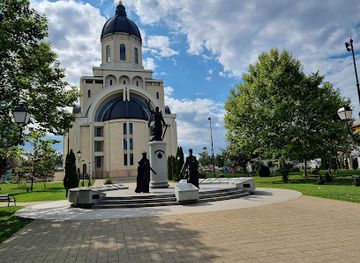
Parcul Catedralei
Explore the serene beauty of Parcul Catedralei in Bacau, a perfect retreat for relaxation and cultural immersion amid nature's charm.
-
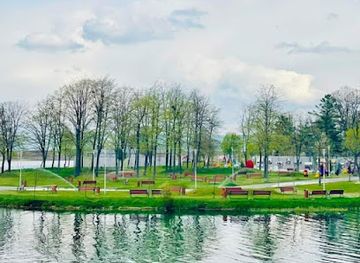
Park
Recreational Island Bacău
Explore the natural beauty and recreational delights of Recreational Island Bacãu, a serene park perfect for relaxation and family fun amidst lush landscapes.
-
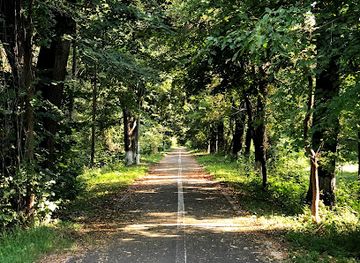
Park
Parcul Gherăiești
Explore Parcul Gherăiești in Bacău, a serene urban park perfect for relaxation, picnics, and riverside adventures amidst lush greenery.
Best landmarks in Bacău
The Precista Church in Bacău is one of the county’s most recognisable historic buildings, associated with the Moldavian princely period and valued for its religious and architectural continuity. In the same city, the George Bacovia Memorial House is a cultural landmark that preserves the connection between Bacău and the poet’s modern literary legacy. Târgu Ocna’s salt workings are a landmark of a different kind: they embody the geological resource and mining history that shaped the town and the Trotuș valley. The Cantacuzino Palace in Comănești, built for the local Cantacuzino family in the early twentieth century, represents the county’s aristocratic and administrative past. In Slănic-Moldova, the mineral springs and resort buildings form a historic landscape rather than one isolated monument, framed by the forested Nemira Mountains. The wooded valleys, mountain ridges and waters around Dărmănești and the Uz area are important natural markers of the county’s western geography, contrasting with the open Siret plain around Bacău.
-
City park
Mircea Cancicov City Park
Experience the tranquility and beauty of Mircea Cancicov City Park, a peaceful retreat in the heart of Bacau, Romania.
-
Park
Parcul Catedralei
Explore Parcul Catedralei in Bacău, a beautiful park blending nature, culture, and tranquility in Romania's vibrant heart.
-
Aquarium
Vivariul Bacău
Discover the enchanting aquatic world at Vivariul Bacău, a must-visit aquarium in Romania showcasing diverse marine life and ecosystems.
-
Museum
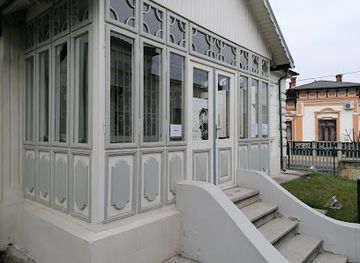
George Bacovia Memorial House
Discover the profound legacy of George Bacovia at his memorial house in Bacau, a unique museum celebrating Romania's literary heritage.
Explore Bacău on the map
Plan your trip on one map. See where the top cities, national parks and sights are, and book hotels and experiences in a few clicks.
Best hotels in Bacău
Best restaurants in Bacău
Dining in Bacău reflects the broader culinary traditions of Moldavia, with hearty soups, ciorbă, stuffed cabbage, baked poultry and pork, polenta, savoury pies, seasonal mushrooms and fruit preserves appearing on traditional menus. Bacău city offers the widest choice, from cafés and modern restaurants to Romanian establishments serving home-style cooking, while smaller towns and spa resorts tend to rely on family-run restaurants, hotel dining rooms and traditional inns. In the Trotuș valley, menus may draw on mountain produce and preserved foods, although dishes vary from one establishment to another rather than forming a single county cuisine. Markets and food shops are useful for local cheeses, honey, bread, jams and seasonal fruit. Visitors should expect Moldavian flavours and Romanian staples more often than a highly formalised regional dining style. Wine and spirits from across Romania are widely available, and non-alcoholic options such as mineral water and fruit-based drinks suit the spa setting of Slănic-Moldova.
-
Brewpub
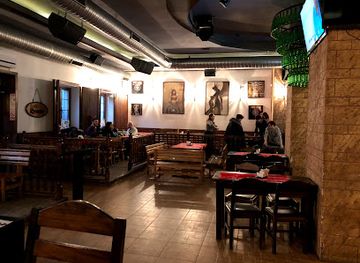
BERĂRIA VALHALLA • CITI.PRO
Experience the best of Bacău at Berăria Valhalla - where craft beer meets delicious cuisine in a vibrant atmosphere.
-
Restaurant
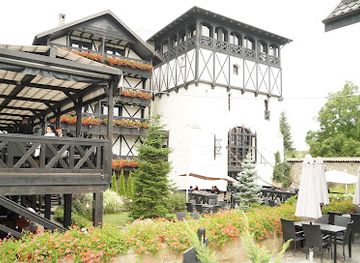
The Chain Bridge
Discover authentic Romanian cuisine at The Chain Bridge in Bacău - where tradition meets culinary excellence in a charming setting.
-
Restaurant
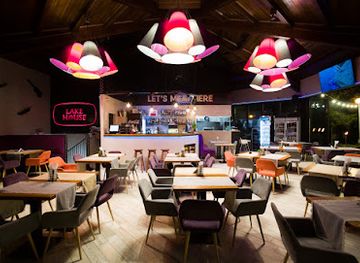
Lake House Restaurant
Discover the flavors of Romania at Lake House Restaurant in Bacău - where exquisite dining meets breathtaking lake views.
-
Restaurant
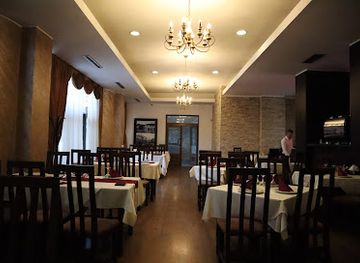
Restaurant Miorița Bacau
Discover the authentic taste of Romania at Restaurant Miorița Bacau - where tradition meets flavor in every dish.
Best bars in Bacău
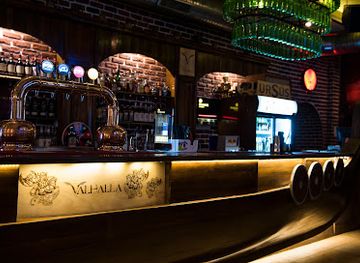
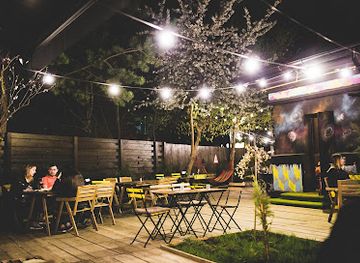
Nightlife in Bacău is concentrated in the county seat, where cafés, pubs, restaurants and a limited selection of late-opening venues provide the broadest evening choice. The atmosphere is generally social and urban rather than built around a single major entertainment district. Onești and the larger towns of the Trotuș valley have local bars, cafés and restaurants, while Slănic-Moldova is quieter and more associated with hotel lounges, resort dining and relaxed evenings after walking. Traditional pubs and terrace venues are suitable for Romanian beer, coffee or a glass of local spirit, and cultural programmes may occasionally provide alternatives to nightlife centred on alcohol. In smaller settlements, evening options can be sparse and may follow seasonal visitor patterns, so travellers should not assume late transport or extensive club programming. Checking current arrangements locally is sensible, particularly outside Bacău city.
-
Brewpub
BERĂRIA VALHALLA • CITI.PRO
Experience the best of Romanian craft beer and traditional cuisine at Berăria Valhalla in Bacău, a brewpub that celebrates local flavors.
-
Restaurant
Snobbish Burger
Discover the vibrant culinary scene of Bacău at Snobbish Burger, where gourmet burgers and a lively atmosphere await you.
-
Restaurant
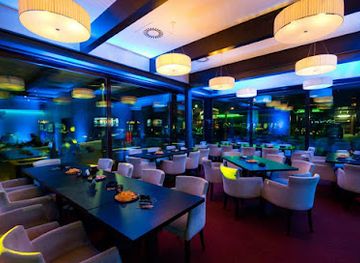
Vitraj Restaurant & Lounge
Experience the best of Bacău's dining scene at Vitraj Restaurant & Lounge, where exceptional cuisine meets a warm, inviting atmosphere.
-
Restaurant
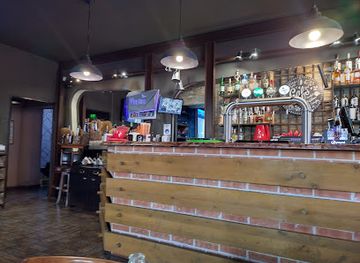
Gio Pub and Restaurant
Experience the vibrant flavors of Romania at Gio Pub and Restaurant in Bacău, where every meal is a celebration of taste and hospitality.
Best nightclubs in Bacău
Nightlife in Bacău is concentrated in the county seat, where cafés, pubs, restaurants and a limited selection of late-opening venues provide the broadest evening choice. The atmosphere is generally social and urban rather than built around a single major entertainment district. Onești and the larger towns of the Trotuș valley have local bars, cafés and restaurants, while Slănic-Moldova is quieter and more associated with hotel lounges, resort dining and relaxed evenings after walking. Traditional pubs and terrace venues are suitable for Romanian beer, coffee or a glass of local spirit, and cultural programmes may occasionally provide alternatives to nightlife centred on alcohol. In smaller settlements, evening options can be sparse and may follow seasonal visitor patterns, so travellers should not assume late transport or extensive club programming. Checking current arrangements locally is sensible, particularly outside Bacău city.
-
Pub
Rock It Pub
Discover the vibrant nightlife of Bacău at Rock It Pub, where great drinks, delicious food, and a lively atmosphere await you.
-
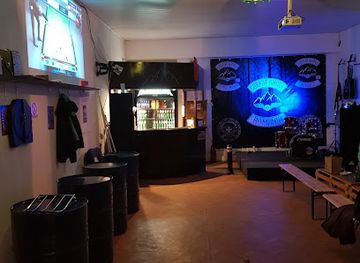
Rock music club
Carpat Bikers M.C. Bacău Club-House
Discover the heartbeat of Bacău’s rock scene at Carpat Bikers M.C. Club-House, where live music meets vibrant biker culture.
-
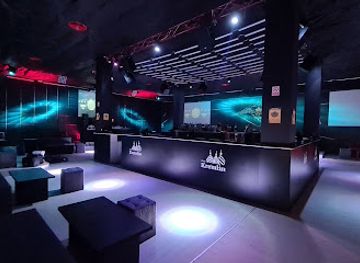
Night club
Club Kremlin Bacau
Discover the energetic nightlife of Bacău at Club Kremlin, a premier destination blending a night club, café, and concert hall into one exciting venue.
-
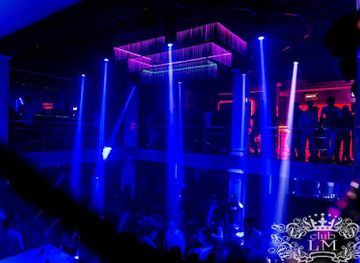
Night club
Club LM
Discover the vibrant nightlife at Club LM in Osebiți, where music, dancing, and a lively crowd create unforgettable memories.

Best shops in Bacău
Shopping in Bacău city covers ordinary Romanian high-street retail, supermarkets, cafés, bookshops and independent businesses, with the broadest selection found around the central areas and modern commercial complexes. For a more local character, seek out food markets and specialist shops selling bread, honey, preserves, cheese, smoked products and seasonal fruit, while checking provenance rather than assuming every Romanian product was made in the county. Onești, Moinești and Târgu Ocna serve as practical market towns with smaller local retail scenes, and Slănic-Moldova has resort-oriented shops and souvenirs rather than extensive fashion shopping. Useful regional gifts include packaged Moldavian foods, ceramics, embroidered textiles, carved wooden objects and small items connected with salt or spa traditions. Independent craft and antique offerings can be occasional rather than consistently available, so visitors should allow time to browse local markets instead of expecting a permanent artisan quarter. Romanian laws and customs also apply to food, alcohol and protected natural products purchased for travel.
-
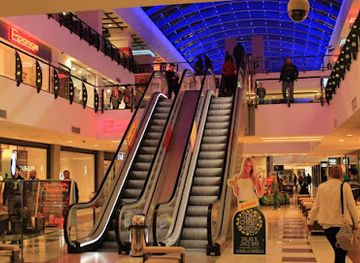
Shopping mall
Arena Mall
Discover Arena Mall in Bacău – your ultimate shopping, dining, and entertainment destination, perfect for every visitor.
-
Clothing store
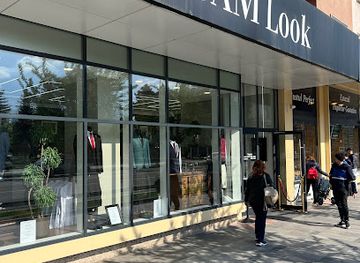
6AM Look Bacău
Explore the essence of Romanian fashion at 6AM Look Bacău, a trendy clothing store showcasing unique styles and quality designs.
-
 Book store
Librăria Alexandria
Discover the rich literary culture of Bacău at Librăria Alexandria, a charming bookstore filled with diverse literature for every reader.
-
Gift shop
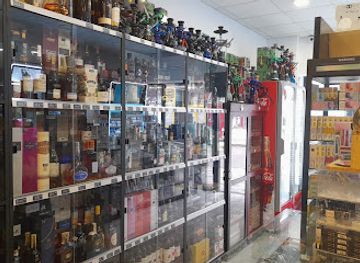
Tabacco Shop Bacau
Explore Tabacco Shop Bacau – Your destination for unique gifts, tobacco, and local liquors in Bacău.
Get your free copy of our complete guide to Bacău, delivered straight to you.
Everything on this page, from attractions and restaurants to essentials and local phrases, in one PDF you can read offline, print or share.
Already have an account? Sign in
Your Bacău guide is ready.
We'll send it to · Not you? Sign out

Getting your guide ready…
We are putting together a fresh copy of the Bacău guide. This can take up to a minute.
This can take a few moments. If your browser asks, choose Allow so the download can start. You'll find the guide in your Downloads folder.
Nothing happened? Download it again
Sorry, the guide is taking longer than usual. Please try again in a minute, or get it by email instead.
Bacău essentials
Currency and Payment
Safety
Emergency Situations
Do's and Don'ts
Local Tips
From Eve
Local phrases worth knowing
You don't need to get them perfect. A few words go a long way, and locals appreciate the effort.
Basics
| English | Local | Say it |
|---|---|---|
| Hello | Salut | [sah-loot] |
| Goodbye | La revedere | [lah reh-veh-deh-reh] |
| Yes | Da | [dah] |
| No | Nu | [noo] |
| Please/You're welcome | Te rog/ Cu plăcere | [teh rog/ koo plah-cheh-reh] |
| Thank you | Mulțumesc | [mool-tsoo-mesk] |
| Excuse me/Sorry | Scuză-mă/Îmi pare rău | [skoo-zah-muh/ um pah-reh rah-oo] |
| How are you? | Ce mai faci? | [cheh my fahch] |
| Fine. And you? | Bine. Dar tu? | [bee-neh. dar too?] |
| Do you speak English? | Vorbești engleză? | [vor-besht en-gleh-zuh] |
| I don't understand | Nu înțeleg | [noo in-tseh-lehg] |
Eating & Drinking
| English | Local | Say it |
|---|---|---|
| I'd like to see the menu, please | Aș dori să văd meniul, vă rog | [ahsh doh-ree sah vehd meh-nee-ul, vah rog] |
| I don't eat meat | Nu mănânc carne | [noo muh-nuhnk kar-neh] |
| Cheers! | Noroc! | [noh-rok] |
| I would like to pay, please | Aș dori să plătesc, vă rog | [ahsh doh-ree sah plah-tesk, vah rog] |
Emergencies
| English | Local | Say it |
|---|---|---|
| Help! | Ajutor! | [ah-zhoo-tor] |
| Go away! | Du-te! | [doo-teh] |
| Call the Police! | Sună Poliția! | [soo-nah poh-lee-tsyah] |
| Call a doctor! | Sună un doctor! | [soo-nah oon dok-tor] |
| I'm lost | M-am pierdut | [muhm pyair-doot] |
| I'm ill | Sunt bolnav | [soont bol-nav] |
Shopping
| English | Local | Say it |
|---|---|---|
| I'd like to buy... | Aș dori să cumpăr... | [ahsh doh-ree sah koom-puhr] |
| I'm just looking | Mă uit doar | [muh uit doar] |
| How much is it? | Cât costă? | [koot koh-stah] |
| That's too expensive | E prea scump | [eh preh skoomp] |
| Can you lower the price? | Poți să reduci prețul? | [pots sah reh-dooch preh-tsool] |
Time & Numbers
| English | Local | Say it |
|---|---|---|
| What time is it? | Ce oră este? | [cheh or-uh yeh-steh] |
| It's one o'clock | E ora unu | [eh or-uh oo-noo] |
| Half past (10) | Jumătate peste (10) | [zhoo-mah-tah-teh pes-teh] |
| Morning | Dimineața | [dee-mee-neh-ah-tsah] |
| Afternoon | După-amiaza | [doo-pah ah-mee-ah-zah] |
| Evening | Seara | [sah-rah] |
| Yesterday | Ieri | [yehr] |
| Today | Astăzi | [ahs-tuhz] |
| Tomorrow | Mâine | [mee-neh] |
| 1 | 1 | [unu] |
| 2 | 2 | [doi] |
| 3 | 3 | [trei] |
| 4 | 4 | [patru] |
| 5 | 5 | [cinci] |
| 6 | 6 | [șase] |
| 7 | 7 | [șapte] |
| 8 | 8 | [opt] |
| 9 | 9 | [nouă] |
| 10 | 10 | [zece] |
Transport & Directions
| English | Local | Say it |
|---|---|---|
| Where's a/the...? | Unde este un/ ...? | [oon-deh yeh-steh oon] |
| What's the address? | Care este adresa? | [kah-reh yeh-steh ah-dreh-sah] |
| Can you show me (on the map)? | Îmi poți arăta (pe hartă)? | [um pots ah-rah-tah peh har-tuh] |
| When's the next (bus)? | Când vine următorul (autobuz)? | [kuhnd vee-neh oor-mah-toh-rool] |
| A ticket (to ....) | Un bilet (către ...) | [oon bee-let keh-treh] |
History of Bacău
Prehistoric Settlements and the Cucuteni Legacy
The wider Bacău area formed part of the cultural landscape of prehistoric eastern Romania, including settlements associated with the Cucuteni cultural horizon of the fifth and fourth millennia BC. Archaeological discoveries from Moldavia reveal farming communities with substantial villages, painted ceramics and sophisticated symbolic traditions. Objects and interpretations connected with this early settlement history are presented through regional museum collections, especially in Bacău. The archaeological record gives the county a much older cultural depth than its medieval towns alone suggest.
Medieval Moldavia and the Growth of Bacău
Bacău developed during the medieval period within the Principality of Moldavia, benefiting from routes along the Siret and towards the Carpathian passes. Its position supported trade, administration and craft production, while settlements in the Trotuș valley connected the interior with Transylvania. Churches and archaeological remains reflect the religious and political framework of medieval Moldavia. The later city grew from this strategic setting rather than from a single monumental foundation, and its history is closely linked to the changing networks of eastern Romania.
The Precista Church and Moldavian Religious Heritage
The Precista Church in Bacău is traditionally associated with the reign of Alexandru Lăpușneanu in the sixteenth century and stands as an important surviving reminder of the city’s medieval religious landscape. Like other Moldavian churches, it has served both devotional and community functions, and its architecture reflects the region’s distinctive ecclesiastical tradition. Although repeatedly maintained and altered over time, the building helps visitors understand how princely patronage, Orthodox worship and urban life were connected in historic Moldavia.
Salt, Trade and the Trotuș Valley
Salt extraction shaped the history of Târgu Ocna and the Trotuș valley for centuries. Salt was a valuable resource in the Romanian principalities, and mines, brine sources and related transport routes supported settlement and commerce. The underground workings at Târgu Ocna represent the modern continuation of this economic legacy, while the town’s churches and urban fabric reflect the prosperity and strategic importance generated by the resource. Salt also influenced the development of nearby spa activity and local industries.
Oil, Forestry and Industrialisation
During the nineteenth and twentieth centuries, petroleum extraction around Moinești and the wider Trotuș valley became an important part of the region’s economic transformation. Forestry, mineral resources, transport improvements and manufacturing expanded alongside the oil industry, changing towns such as Moinești, Comănești and Onești. Industrialisation brought new workers, institutions and infrastructure, while also leaving environmental and social legacies. Today, museums, townscapes and industrial remains offer clues to this period of accelerated change.
Slănic-Moldova as a Spa Resort
Slănic-Moldova grew in the nineteenth century around mineral springs valued for therapeutic use and became one of Moldavia’s recognised resort destinations. Its development followed the broader European fashion for spa treatment, combining medical visits with promenades, hotels and mountain recreation. The resort’s setting in the wooded Carpathian foothills remains central to its identity. Historic buildings and the spring tradition preserve a chapter of regional tourism history that differed markedly from the industrial development of the Trotuș valley.
Bacău in Modern Romania
The county’s modern history has been shaped by Romania’s political transformations, war, centralised industrial development and the economic changes following 1989. Bacău city expanded as an administrative, educational and commercial centre, while Onești, Comănești and other towns experienced the rise and restructuring of state industries. The county’s contemporary character combines Moldavian cultural traditions with urban growth, labour migration and service-sector development. Literary figures such as the poet George Bacovia add an important cultural dimension to the region’s modern identity.
Bacău in Photos
Browse through our photo collection highlighting the charm and character of the destination.
Neighbouring regions of Bacău
The closest regions to Bacău, if you have time for more than one.
-

-
-

-

-


Swipe for more regions
Explore more

Explore more of Romania
Discover Romania's blend of mystical castles, enchanting landscapes, and vibrant culture. Experience the rich history and natural beauty that make Romania a unique travel destination.
Explore Romania