

Ceahlau National Park Travel Guide - Free Web & App
Your ultimate guide to Ceahlau National Park. Discover top landmarks, proposed trips, and local tips. Free on the web or via the Evendo companion app.


Ceahlau National Park in Romania pairs Eastern Carpathian peaks, Toaca summit, Duruitoarea Waterfall, marked trails and mountain villages near Durau.
Highland Landscapes and Alpine Character
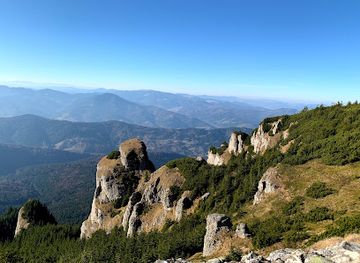
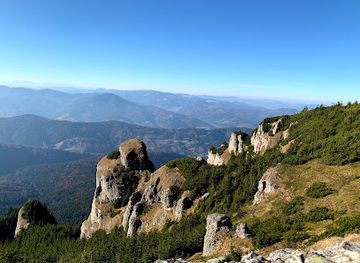
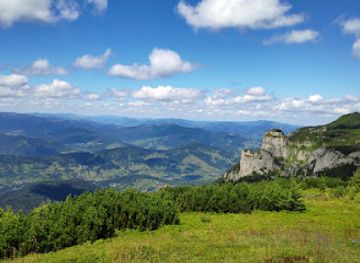
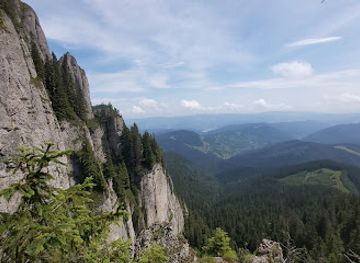
Ceahlau National Park protects the dramatic Ceahlau Massif in Romania’s Eastern Carpathians, in Neamt County, between the valleys of the Bistrita and Bicaz rivers. Its best-known gateways are the mountain resort of Durau on the north-western side and the Izvorul Muntelui area near the eastern shore of Lake Izvorul Muntelui. Above the forested lower slopes rise the park’s distinctive conglomerate towers and ridges, including Ocolasul Mare, the highest summit at 1,907 metres, and Toaca, whose sharply defined profile reaches 1,904 metres. The plateau, rocky outcrops and open viewpoints create a strong sense of elevation without the glaciated terrain associated with Romania’s higher ranges.Read more about Ceahlau National Park
Trails, Waterfalls and Mountain Heritage
Villages and Visitor Bases
When is the best time to visit Ceahlau National Park?
Best: June–July, September · 23–27°C| Month | High (°C) | Rainfall (mm) |
|---|---|---|
| January | 1 | 30 |
| February | 2 | 30 |
| March | 7 | 40 |
| April | 14 | 50 |
| May | 21 | 60 |
| June (best) | 25 | 50 |
| July (best) | 27 | 40 |
| August | 28 | 40 |
| September (best) | 23 | 40 |
| October | 16 | 50 |
| November | 10 | 40 |
| December | 5 | 30 |
Best attractions in Ceahlau National Park
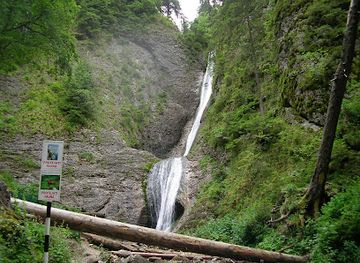
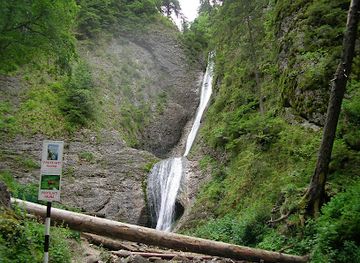
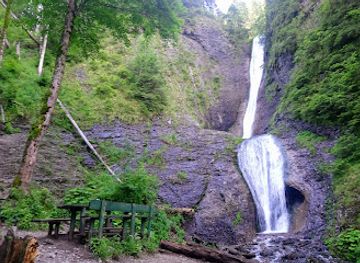
The core attraction of Ceahlau National Park is the high mountain plateau reached by marked trails from Durau and Izvorul Muntelui. Toaca, at 1,904 metres, is the massif’s most recognisable summit, while nearby Ocolasul Mare rises slightly higher and forms part of the dramatic upper landscape. The routes pass through beech and conifer forest, open grassland and conglomerate formations with evocative names, including the Panaghia and the Dochia Altar. Duruitoarea Waterfall is one of the park’s best-known natural sights, reached by a forested walking route from the Durau side. At the foot of the massif, Lake Izvorul Muntelui provides a broad eastern setting for the mountain and is closely associated with the approaches from Bicaz and Izvorul Muntelui. Durau Monastery adds a cultural dimension near the principal resort, while the wider Bistrita and Bicaz valleys offer rural scenery, village life and changing views of the Carpathian landscape.
-
National park
Ceahlău National Park
Discover the breathtaking landscapes and diverse wildlife of Ceahlău National Park, a top tourist attraction in Romania, perfect for outdoor adventures.
-
Tourist attraction
Cascada Duruitoarea
Discover the enchanting beauty of Cascada Duruitoarea, a stunning waterfall that captivates visitors with its natural charm and breathtaking scenery in Romania.
-
Tourist attraction
Panoramic View of Lake Bicaz
Discover the stunning panoramic views and rich natural beauty of Lake Bicaz, a must-visit destination in Romania for all nature enthusiasts.
-
Tourist attraction
Palatul Cnejilor
Explore Palatul Cnejilor, a stunning historical palace in Ceahlău, Romania, rich in culture and breathtaking architecture.
Best landmarks in Ceahlau National Park
Toaca and Ocolasul Mare are Ceahlau’s defining natural landmarks, their summit ridges and conglomerate forms shaping views from both the Bistrita valley and Lake Izvorul Muntelui. The Panaghia rock and the formation known as the Dochia Altar are prominent examples of the massif’s weathered stone towers and are closely woven into local legends. Duruitoarea Waterfall is a notable water landmark on the Durau-side trails, particularly after wet weather. Durau Monastery, at the foot of the mountain, is the principal cultural landmark associated with the resort; its church is known for the twentieth-century interior paintings linked with Nicolae Tonitza. The lake below the eastern slopes is a major regional feature rather than a high-mountain attraction, giving the park a distinctive relationship between elevated forest and open water.
-
National park
Ceahlău National Park
Explore the breathtaking beauty and diverse wildlife of Ceahlău National Park, Romania's majestic national treasure offering adventure and stunning landscapes.
-
Tourist attraction
Cascada Duruitoarea
Discover the breathtaking beauty of Cascada Duruitoarea, a stunning waterfall in Romania that captivates with its serene landscapes and vibrant nature.
-
 Campground
Camping Ursulet
Experience the natural beauty of Romania at Camping Ursulet, a premier campground nestled in the stunning Ceahlău region, perfect for outdoor enthusiasts.
-
Mountain range
Ceahlău Massif
Explore the stunning Ceahlău Massif, Romania's treasured mountain range, filled with breathtaking views, rich biodiversity, and cultural heritage.
Explore Ceahlau National Park on the map
Plan your trip on one map. See where the top attractions, landmarks, restaurants and hotels are, and book hotels and experiences in a few clicks.
Best hotels in Ceahlau National Park
Best restaurants in Ceahlau National Park
Dining in and around Ceahlau National Park is concentrated in Durau, Izvorul Muntelui, Bicaz and the accommodation properties serving visitors rather than in the high mountain area itself. Menus commonly reflect the cuisine of Moldavia and the Carpathians, with soups, grilled meats, potatoes, polenta, fresh cheese, cabbage-based dishes and regional pastries appearing alongside familiar Romanian specialities. In village and resort restaurants, trout and other freshwater dishes may be available in the wider lake and mountain region, but particular menus vary by season and establishment. Guesthouses can be useful places to experience home-style cooking, while shops and food businesses in Bicaz or Piatra Neamt are practical for assembling provisions before a walk. There are no restaurants on the summit routes, so hikers should carry food and water and avoid relying on huts or trail facilities without checking what is currently operating.
-
National park
Ceahlău National Park
Explore Ceahlău National Park: A breathtaking blend of majestic mountains, rich biodiversity, and unforgettable outdoor adventures await in Romania.
-
Restaurant
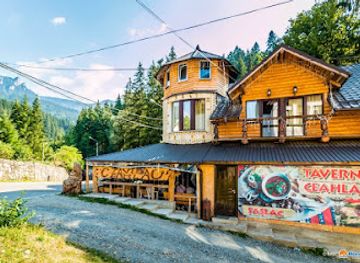
Taverna Ceahlau
Experience authentic Romanian cuisine with breathtaking mountain views at Taverna Ceahlau in Durău.
-
Tourist attraction
Cascada Duruitoarea
Experience tranquility at Cascada Duruitoarea - Romania's breathtaking waterfall surrounded by lush forests and scenic trails.
-
Mountain cabin
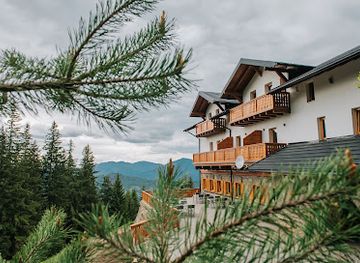
Cabana Fântânele
Discover serenity at Cabana Fântânele – your gateway to adventure and relaxation in Romania's Ceahlău Mountains.
Best bars in Ceahlau National Park
Ceahlau National Park does not have a concentrated nightlife scene, and evenings are generally quiet once walkers have returned from the trails. Durau provides the most likely setting for a drink in a hotel, guesthouse or resort restaurant, while village inns and accommodation lounges in the surrounding valleys offer a more traditional evening atmosphere than dedicated bars or clubs. Bicaz has a broader range of everyday hospitality venues, although it remains a small regional town rather than a late-night entertainment centre. Seasonal cultural programmes and occasional events may take place in resorts or local communities, but they should not be assumed to run on every visit. The area suits evenings spent over a regional meal, watching the mountain darken from a terrace or preparing for an early start rather than clubbing.
-
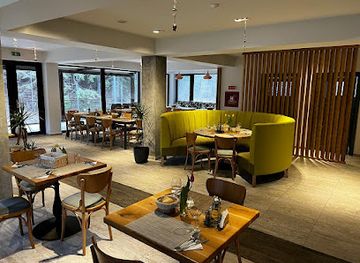
Restaurant
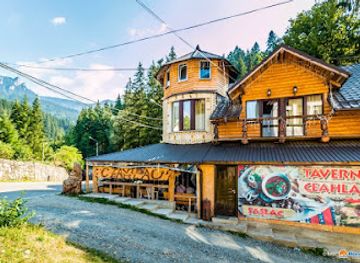
Taverna Ceahlau
Discover the flavors of Romanian cuisine at Taverna Ceahlau, where breathtaking mountain views enhance your dining experience.
-
Gastropub
Restaurant Antia
Discover the exquisite flavors of Romania at Restaurant Antia, a charming gastropub in Durău offering delicious pizza and traditional dishes.
-
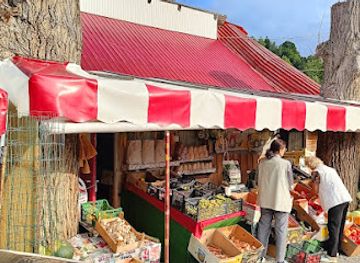
Market
ILSON Market
Experience the vibrant local culture and flavors at ILSON Market, nestled at the foot of Ceahlău Mountain.
Best nightclubs in Ceahlau National Park
Ceahlau National Park does not have a concentrated nightlife scene, and evenings are generally quiet once walkers have returned from the trails. Durau provides the most likely setting for a drink in a hotel, guesthouse or resort restaurant, while village inns and accommodation lounges in the surrounding valleys offer a more traditional evening atmosphere than dedicated bars or clubs. Bicaz has a broader range of everyday hospitality venues, although it remains a small regional town rather than a late-night entertainment centre. Seasonal cultural programmes and occasional events may take place in resorts or local communities, but they should not be assumed to run on every visit. The area suits evenings spent over a regional meal, watching the mountain darken from a terrace or preparing for an early start rather than clubbing.
-
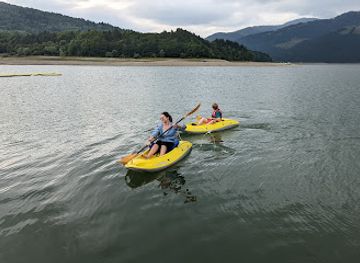
Boat club
Club Nautic Ceahlau
Discover the beauty of Ceahlău at Club Nautic Ceahlau: your ultimate destination for boating, relaxation, and delicious dining.
-
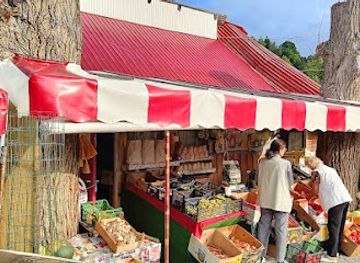
Market
ILSON Market
Discover the vibrant ILSON Market in Ceahlău, blending local flavors, crafts, and an inviting atmosphere for an unforgettable experience.
Best shops in Ceahlau National Park
Shopping within Ceahlau National Park is modest and practical, with most opportunities found in Durau, Bicaz and the larger regional centre of Piatra Neamt rather than along the mountain trails. Visitors can look for Romanian food products, honey, preserves, cheese, baked goods and locally made items in village shops or markets, while guesthouses and small businesses may sell seasonal produce or craft objects. Piatra Neamt offers the broadest choice of independent retail and regional specialities for travellers passing through. Outdoor equipment and provisions are easier to obtain before entering the mountain area, especially if a walk requires specialist clothing or navigation supplies. Any traditional textiles, woodwork, pottery or religious items should be bought from identifiable local makers or established shops, since the availability of particular crafts varies and there is no extensive permanent shopping district in the park.
-
National park
Ceahlău National Park
Explore the breathtaking beauty of Ceahlău National Park, Romania’s natural wonder filled with majestic mountains, diverse wildlife, and scenic hiking trails.
-
Coffee shop
Macinica Coffee Shop
Experience the best of specialty coffee at Macinica Coffee Shop in Durău, where every cup is a delightful journey for your senses.
-
Grocery store
Magazin mixt
Discover local flavors and traditional Romanian goods at Magazin mixt, your go-to grocery store in picturesque Ceahlău.
-
Boutique
Market Lord
Discover unique local products and artisanal treasures at Market Lord, a boutique in Durău that showcases the heart of Romanian craftsmanship.
Get your free copy of our complete guide to Ceahlau National Park, delivered straight to you.
Everything on this page, from attractions and restaurants to essentials and local phrases, in one PDF you can read offline, print or share.
Already have an account? Sign in
Your Ceahlau National Park guide is ready.
We'll send it to · Not you? Sign out

Getting your guide ready…
We are putting together a fresh copy of the Ceahlau National Park guide. This can take up to a minute.
This can take a few moments. If your browser asks, choose Allow so the download can start. You'll find the guide in your Downloads folder.
Nothing happened? Download it again
Sorry, the guide is taking longer than usual. Please try again in a minute, or get it by email instead.
Ceahlau National Park essentials
Local Tips
From Eve
Local phrases worth knowing
You don't need to get them perfect. A few words go a long way, and locals appreciate the effort.
Basics
| English | Local | Say it |
|---|---|---|
| Hello | Salut | [saˈlut] |
| Goodbye | La revedere | [la re.veˈde.re] |
| Yes | Da | [da] |
| No | Nu | [nu] |
| Please/You're welcome | Te rog | [te rog] |
| Thank you | Mulțumesc | [mulˈt͡su.mesk] |
| Excuse me/Sorry | Scuzați-mă | [sku.zaˈtsi mə] |
| How are you? | Ce faci? | [t͡ʃe fakj] |
| Fine. And you? | Bine. Și tu? | [bi.ne ʃi tu] |
| Do you speak English? | Vorbiți engleză? | [vorˈbit͡sj en.ˈgle.zə] |
| I don't understand | Nu înțeleg | [nu ɨn.t͡seˈleɡ] |
Eating & Drinking
| English | Local | Say it |
|---|---|---|
| I'd like to see the menu, please | Aș dori să văd meniul, vă rog | [aʃ ˈdo.ri sə vad meˈni.ul və rog] |
| I don't eat meat | Nu mănânc carne | [nu ˈmɨ.nɨŋk ˈkar.ne] |
| Cheers! | Noroc! | [ˈno.rok] |
| I would like to pay, please | Aș dori să plătesc, vă rog | [aʃ ˈdo.ri sə pləˈtesk və rog] |
Emergencies
| English | Local | Say it |
|---|---|---|
| Help! | Ajutor! | [aˈʒu.tor] |
| Go away! | Du-te! | [du.te] |
| Call the Police! | Apelați Poliția! | [a.peˈlat͡sɨ poˈlit͡si.a] |
| Call a doctor! | Apelați un doctor! | [a.peˈlat͡sɨ un doˈktor] |
| I'm lost | M-am pierdut | [mam piˈer.dut] |
| I'm ill | Sunt bolnav | [sunt boɫˈnav] |
Shopping
| English | Local | Say it |
|---|---|---|
| I'd like to buy... | Aș dori să cumpăr... | [aʃ ˈdo.ri sə kumˈpər] |
| I'm just looking | Doar mă uit | [do.ar mə uit] |
| How much is it? | Cât costă? | [kɨt kosˈtə] |
| That's too expensive | Este prea scump | [es.te pre.a skump] |
| Can you lower the price? | Puteți să scădeți prețul? | [puˈteʦj sə skəˈdet͡s pre.tsul] |
Time & Numbers
| English | Local | Say it |
|---|---|---|
| What time is it? | Cât este ceasul? | [kɨt es.te t͡ʃe.a.sul] |
| It's one o'clock | Este ora unu | [es.te o.ra unu] |
| Half past (10) | Jumătate după (zece) | [ʒu.mɨˈtate duˈpə ˈze.ʧe] |
| Morning | Dimineața | [di.mi.neˈat͡sa] |
| Afternoon | După-amiază | [duˈpə aˈmja.zə] |
| Evening | Seara | [ˈse.a.ra] |
| Yesterday | Ieri | [jeˈri] |
| Today | Astăzi | [asˈtəzʲ] |
| Tomorrow | Mâine | [mɨˈjne] |
| 1 | Unu | [unʊ] |
| 2 | Doi | [doj] |
| 3 | Trei | [trej] |
| 4 | Patru | [ˈpatru] |
| 5 | Cinci | [ˈt͡ʃint͡ʃʲ] |
| 6 | Șase | [ʃa.se] |
| 7 | Șapte | [ʃap.te] |
| 8 | Opt | [opt] |
| 9 | Nouă | [ˈno.wə] |
| 10 | Zece | [ˈze.t͡ʃe] |
Transport & Directions
| English | Local | Say it |
|---|---|---|
| Where's a/the...? | Unde este unul/una...? | [ˈun.de es.te uˈnul/u.na] |
| What's the address? | Care este adresa? | [ka.re es.te aˈdresə] |
| Can you show me (on the map)? | Puteți să-mi arătați (pe hartă)? | [puˈteʦj sə mi aˈrətat͡s (pe harˈtə)] |
| When's the next (bus)? | Când vine următorul (autobuz)? | [kɨnd vi.ne urˈməto.rul (au.toˈbuz)] |
| A ticket (to ....) | Un bilet (spre ....) | [un biˈlet (spre)] |
History of Ceahlau National Park
A Massif Shaped by Conglomerate
Ceahlau’s physical character comes from the long geological development of the Eastern Carpathians and from resistant conglomerate layers that weather into prominent towers, walls and ridges. Ocolasul Mare and Toaca dominate the upper massif, while named formations such as the Panaghia and the rock known as the Dochia Altar help give the mountain its recognisable profile. Erosion, frost and running water continue to shape the exposed rocks, while forests and alpine grasslands reflect altitude, slope and climate rather than human construction.
Early Communities and Sacred Traditions
The mountain has long stood within the cultural landscape of Moldavia, whose communities used the surrounding valleys for farming, forestry, pastoral activity and movement between settlements. Ceahlau became particularly prominent in local imagination through legends that attributed sacred or supernatural qualities to its isolated rocks and summit forms. These traditions were not a single formal religious system, but a body of regional stories that helped preserve the massif as a place of cultural importance as well as a geographical landmark.
Ceahlau in Moldavian Writing
Ceahlau was known beyond its immediate valleys as one of the notable mountains of historic Moldavia. The scholar and ruler Dimitrie Cantemir referred to important Moldavian mountains in his early eighteenth-century description of the principality, contributing to a wider written awareness of the region’s geography. Later travellers, scholars and artists were drawn to the massif’s unusual conglomerate shapes, its elevated plateau and its connection with Moldavian folklore. The mountain’s reputation therefore developed through both local oral tradition and the growing literary description of the principality.
Durau and the Growth of Mountain Travel
The settlement of Durau developed as a religious and rural community before becoming the principal resort and walking gateway for Ceahlau. Durau Monastery, founded in the nineteenth century, remains an important cultural presence at the foot of the massif; its church is especially associated with the wall paintings created by Nicolae Tonitza and his collaborators in the 1930s. As road access and domestic tourism expanded during the nineteenth and twentieth centuries, Durau became increasingly connected with mountain recreation, while routes from Izvorul Muntelui offered another approach to the high massif.
Protection and Contemporary Conservation
The distinctive geology, forests, upland habitats and cultural importance of Ceahlau led to the establishment of formal nature protection and, later, national-park management. Conservation now has to balance hiking, accommodation, forestry interests in the wider region and the protection of sensitive habitats. Marked trails and regulated access help concentrate foot traffic, particularly around the summit routes, Duruitoarea Waterfall and the Dochia area. The park’s modern identity rests on this combination of mountain scenery, biodiversity, local tradition and carefully managed recreation.
Ceahlau National Park in Photos
Browse through our photo collection highlighting the charm and character of the destination.
Neighbouring destination travel guides
The closest destinations to Ceahlau National Park, if you have time for more than one.
-

-

-

-

-


Swipe for more destinations
Explore more
Explore more of Neamț
Discover Neamț, Romania: A captivating blend of medieval history, stunning natural landscapes, and rich cultural heritage.
Explore Neamț
Explore more of Romania
Discover Romania's blend of mystical castles, enchanting landscapes, and vibrant culture. Experience the rich history and natural beauty that make Romania a unique travel destination.
Explore Romania