

Free Dobruja Travel Guide & Mobile App
Explore Dobruja with free travel guides. Discover regional history, expert tips, proposed trips, and audio guides on web or mobile app.


Explore Dobruja in Romania for the Danube Delta, Black Sea resorts, ancient ruins, multicultural towns and vast coastal landscapes.
Read more about Dobruja
When is the best time to visit Dobruja?
Best: June, August–September · 23–27°C| Month | High (°C) | Rainfall (mm) |
|---|---|---|
| January | 4 | 30 |
| February | 6 | 25 |
| March | 11 | 30 |
| April | 16 | 35 |
| May | 21 | 45 |
| June (best) | 25 | 50 |
| July | 28 | 45 |
| August (best) | 27 | 40 |
| September (best) | 23 | 35 |
| October | 16 | 30 |
| November | 9 | 25 |
| December | 5 | 25 |
Getting to and around Dobruja
How to get there
Transportation
Top city travel guides in Dobruja
The cities of Dobruja, and the easiest places to base yourself.

Swipe for more cities
Destinations in Dobruja
Resorts, valleys and scenic spots worth a trip of their own.
-

-

-

-


Swipe for more destinations
Best attractions in Dobruja
Dobruja’s attractions range from wetlands and beaches to archaeological sites and working ports. The Danube Delta Biosphere Reserve is the region’s defining natural destination, with boat excursions through reed beds, channels, lakes and willow forests offering opportunities to observe pelicans, herons and other wetland birds. Tulcea provides museums and a useful introduction to Delta geography and local history. Along the Black Sea, Constanța combines museums, historic streets and a maritime seafront, while the resorts from Mamaia to Mangalia focus on beaches, swimming and seasonal entertainment. Inland, Histria preserves the remains of an ancient Greek city, Adamclisi presents Roman monumental heritage, and Enisala’s hilltop fortress overlooks the lakes and open landscape near the Delta. The Măcin Mountains offer walking routes through one of Romania’s oldest geological landscapes, with broad views rather than high alpine scenery. Rural roads also lead through vineyards, agricultural settlements and villages shaped by Romanian, Turkish, Tatar, Lipovan and other communities. Because the region is spacious and transport is uneven, its attractions are best approached as several linked areas rather than as a series of effortless day trips from the coast.
-
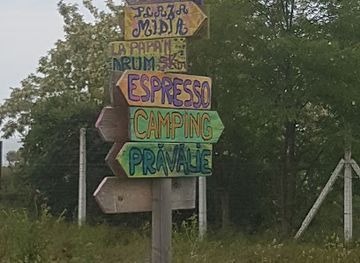
Public beach
Corbu Beach
Experience the tranquil beauty of Corbu Beach, a pristine public beach in Romania ideal for sunbathing, relaxation, and seaside adventures.
-
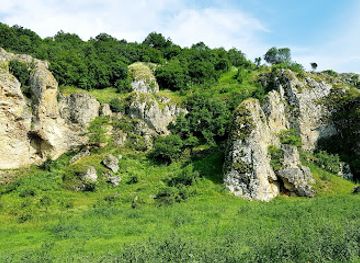
National reserve
"Dobrogea's Gorges" Geological Reservation
Discover the breathtaking landscapes and rich biodiversity of Dobrogea's Gorges Geological Reservation, a hidden gem in Romania's natural heritage.
-
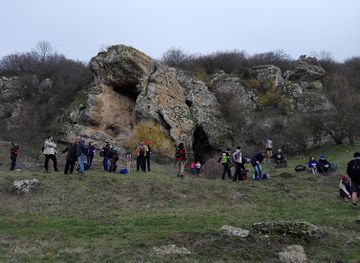
Tourist attraction
La Adam Cave
Discover the enchanting La Adam Cave in Romania, a natural wonder filled with stunning formations and rich geological history that captivates every visitor.
-
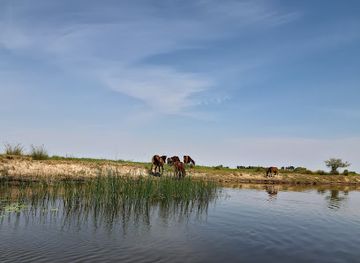
Tourist attraction
Pădurea Letea
Explore the breathtaking beauty and diverse wildlife of Pădurea Letea, a national forest in Romania's stunning Danube Delta region.
Best landmarks in Dobruja
Constanța’s historic peninsula contains some of Dobruja’s most recognisable urban landmarks, including the nineteenth-century Casino overlooking the sea, the Roman Edifice with Mosaic and the city’s historic mosques and churches. The Casino is a major architectural symbol, although visitors should check current access arrangements because conservation work can affect entry. At Histria, the excavated streets, temples, defensive walls and museum evoke one of the earliest Greek cities on the Romanian Black Sea coast. Near Adamclisi, the Tropaeum Traiani monument and associated archaeological remains represent Rome’s military presence in Scythia Minor. Enisala Fortress occupies a prominent limestone ridge above lakes and open steppe, providing one of Dobruja’s most distinctive historic views. In the Delta, the branching waterways, reed expanses and low horizons form a natural landmark rather than a single monument; their character is best understood from a boat or elevated viewpoint. The Măcin Mountains provide another geographical counterpoint, with weathered granite ridges and wide views across the lower Danube landscape. Together these places express Dobruja’s layered identity as a maritime, frontier, riverine and archaeological region.
-
Castle
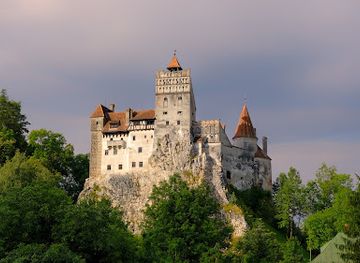
Bran Castle
Discover Bran Castle, a mystical fortress steeped in history and legend, surrounded by stunning Transylvanian landscapes and captivating tales of Dracula.
-
 Castle
Peleș Castle
Discover the enchanting beauty and rich history of Peleș Castle, a stunning gem nestled in the Carpathian Mountains of Romania.
-
Castle
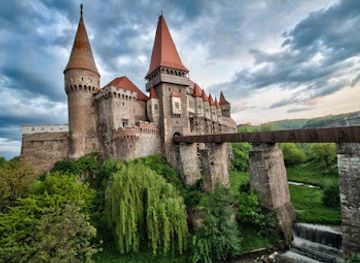
Castelul Corvinilor (Corvins' Castle)
Explore the enchanting Corvins' Castle, a Gothic masterpiece in Transylvania, steeped in history and surrounded by captivating landscapes.
-
Fortress
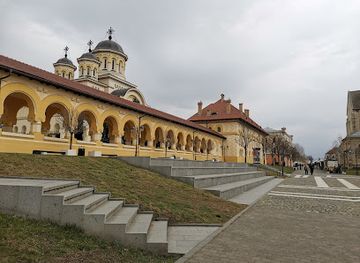
Alba-Carolina Citadel
Explore the stunning Alba-Carolina Citadel in Alba Iulia, Romania, a historical fortress that showcases rich heritage and captivating architecture.
Explore Dobruja on the map
Plan your trip on one map. See where the top cities, national parks and sights are, and book hotels and experiences in a few clicks.
Best hotels in Dobruja
Best restaurants in Dobruja
Dobrujan cooking draws on the Danube, the Black Sea, fertile farmland and the region’s multicultural history. Freshwater fish is central in Delta cuisine: carp, pike, catfish and other species may appear in fish soups, grilled dishes or baked preparations, although menus and local availability vary. In Tulcea and Delta villages, seek out family-run dining rooms and guesthouses that explain how dishes are made, rather than expecting identical menus everywhere. Constanța and Mangalia offer seafood alongside Romanian specialities, Turkish and Tatar influences, bakery traditions and contemporary dining. Mămăligă, vegetable dishes, grilled meats and seasonal salads are common regional companions, while local vineyards produce wines suited to the dry Dobrujan climate. Farmers’ markets in the larger towns are useful for fruit, vegetables, honey and other local produce. In the resorts, restaurants range from casual beach cafés to more formal establishments, with the busiest period during summer. Fish is not automatically local or freshly caught, so ask staff about the source when that matters to you.
-
Restaurant
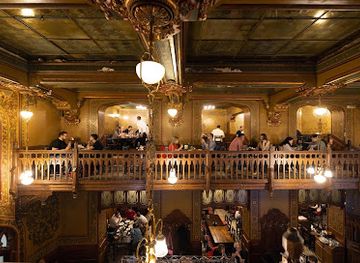
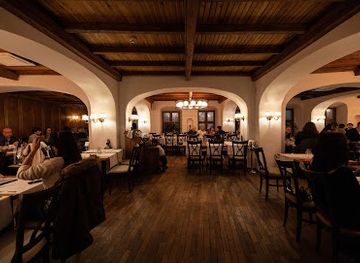
Caru' cu bere
Discover the rich flavors and vibrant history at Caru' cu Bere - Bucharest's iconic restaurant serving traditional Romanian cuisine since 1879.
-
Romanian
Manuc's Inn
Discover the rich flavors of Romanian cuisine at Manuc's Inn in Bucharest – a historic dining experience with modern flair.
-
Hungarian
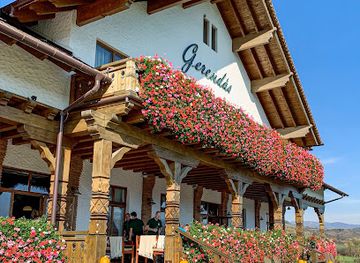
Gerendás Panzió
Discover the heart of Hungarian cuisine at Gerendás Panzió in Ghindari - where tradition meets flavor.
-
Restaurant
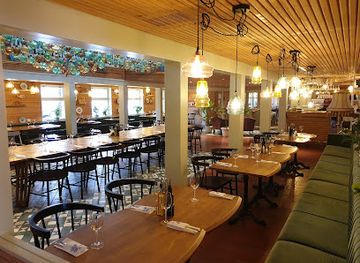
Restaurant Pescăruș
Discover the flavors of Eastern Europe at Restaurant Pescăruș in Bucharest—where fresh seafood meets exquisite steak in a charming setting.
Best bars in Dobruja
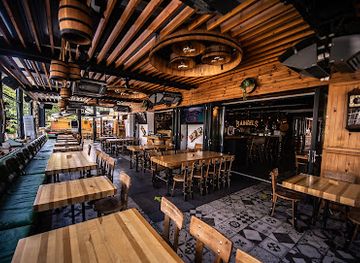
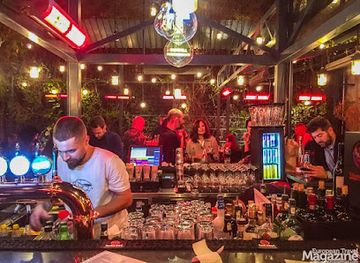
Evening life in Dobruja differs sharply between the coast, the main cities and the Delta. Constanța has the region’s broadest choice of cafés, pubs, wine bars, restaurants and live-music venues, with activity concentrated around the historic centre and seafront areas. Mamaia and the southern resorts develop a more seasonal nightlife scene, including beach bars, DJ events and clubs that are busiest in summer; opening arrangements and individual venues change frequently. Mangalia combines waterfront dining with a generally more measured evening atmosphere. In Tulcea, nightlife centres on restaurants, cafés and bars rather than large clubs, and Delta villages are better suited to quiet dinners, guesthouse courtyards and early starts on the water. Local wines and regional beers can be sampled in urban venues, while some rural settlements have simple bars serving residents. Check current arrangements locally, particularly outside the main holiday season, and do not treat alcohol as necessary to experience Dobruja’s evening culture.
-
Restaurant
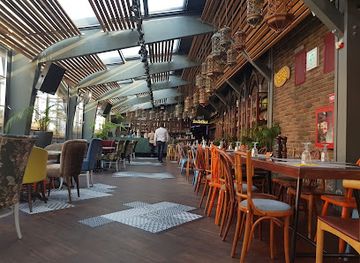
Nomad Skybar
Discover the vibrant atmosphere of Nomad Skybar, Bucharest’s premier rooftop bar offering stunning views, exquisite cocktails, and unforgettable nightlife.
-
Pub
Barrels Pub
Discover Barrels Pub in Constanța, a vibrant spot for food, drinks, and unforgettable experiences in the heart of Mamaia.
-
Restaurant
Irish Pub
Discover the heart of Irish culture in Constanța at the Irish Pub, where great food and drinks are paired with lively entertainment.
-
Night club
Control Club
Discover the heartbeat of Bucharest's nightlife at Control Club, where live music, good vibes, and unforgettable nights await.

Best nightclubs in Dobruja
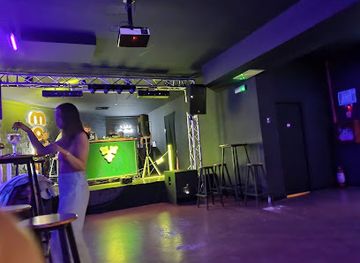
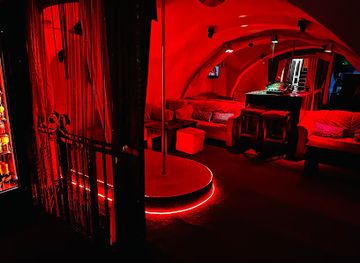
Evening life in Dobruja differs sharply between the coast, the main cities and the Delta. Constanța has the region’s broadest choice of cafés, pubs, wine bars, restaurants and live-music venues, with activity concentrated around the historic centre and seafront areas. Mamaia and the southern resorts develop a more seasonal nightlife scene, including beach bars, DJ events and clubs that are busiest in summer; opening arrangements and individual venues change frequently. Mangalia combines waterfront dining with a generally more measured evening atmosphere. In Tulcea, nightlife centres on restaurants, cafés and bars rather than large clubs, and Delta villages are better suited to quiet dinners, guesthouse courtyards and early starts on the water. Local wines and regional beers can be sampled in urban venues, while some rural settlements have simple bars serving residents. Check current arrangements locally, particularly outside the main holiday season, and do not treat alcohol as necessary to experience Dobruja’s evening culture.
-
Night club
Music Club
Discover the energetic vibes of Bucharest's Music Club, a premier night club for dance and nightlife enthusiasts.
-
Dance club
Club Mono
Discover the rhythm of Bucharest's nightlife at Club Mono, where great music, vibrant crowds, and unforgettable experiences await you.
-
Disco club
M Club
Discover the vibrant nightlife at M Club in Chibed, a premier disco club blending energetic music with an unforgettable atmosphere.
-
Night club
Pussycat night club brasov
Discover the pulsating nightlife of Brașov at Pussycat Night Club, where music, dancing, and unforgettable moments await you.


Best shops in Dobruja
Shopping in Dobruja is centred on town markets, independent food shops, resort promenades and regional produce rather than one dominant retail district. Constanța offers the widest choice, from modern shopping centres and high-street stores to the older commercial streets around the historic centre. Tulcea is a practical place to buy Delta-related food products, local crafts and provisions before an excursion, while smaller towns and villages have modest markets serving everyday needs. Look for honey, preserves, dried herbs, sunflower products, wines from Dobruja and packaged fish specialities, checking labelling and transport requirements before buying perishables. Traditional textiles, embroidered items, ceramics and decorative objects may reflect Romanian, Turkish, Tatar or Lipovan influences, but quality and authenticity vary, so buy from established craft sellers when possible. Coastal resorts sell beachwear, souvenirs and seasonal gifts, with the greatest selection in summer and a much quieter retail scene outside the holiday period. For a more local experience, visit a market early, carry reusable bags and remember that rural markets may prefer cash in Romanian lei.
-
Shopping mall
AFI Cotroceni
Discover AFI Cotroceni, Bucharest's ultimate shopping mall with diverse shops, dining experiences, and entertainment, perfect for tourists!
-
Shopping mall
Coresi Shopping Center
Discover Brașov's vibrant retail hub at Coresi Shopping Center, where shopping, dining, and entertainment come together in perfect harmony.
-
Store
AFI
Discover a shopping paradise at AFI Brașov, featuring an array of shops, delicious dining, and exciting entertainment options, perfect for every tourist's adventure.
-
Store
Shopping City Deva
Discover Shopping City Deva: A dynamic hub for shopping, dining, and entertainment in the heart of Deva, Romania.


Get your free copy of our complete guide to Dobruja, delivered straight to you.
Everything on this page, from attractions and restaurants to essentials and local phrases, in one PDF you can read offline, print or share.
Already have an account? Sign in
Your Dobruja guide is ready.
We'll send it to · Not you? Sign out

Getting your guide ready…
We are putting together a fresh copy of the Dobruja guide. This can take up to a minute.
This can take a few moments. If your browser asks, choose Allow so the download can start. You'll find the guide in your Downloads folder.
Nothing happened? Download it again
Sorry, the guide is taking longer than usual. Please try again in a minute, or get it by email instead.
Dobruja essentials
Currency and Payment
Safety
Emergency Situations
Do's and Don'ts
Local Tips
From Eve
Local phrases worth knowing
You don't need to get them perfect. A few words go a long way, and locals appreciate the effort.
Basics
| English | Local | Say it |
|---|---|---|
| Hello | Salut | [sah-loot] |
| Goodbye | La revedere | [lah reh-veh-deh-reh] |
| Yes | Da | [dah] |
| No | Nu | [noo] |
| Please/You're welcome | Te rog | [teh rohg] |
| Thank you | Mulțumesc | [mool-tzoo-mesk] |
| Excuse me/Sorry | Scuză-mă | [skoo-zuh-muh] |
| How are you? | Ce mai faci? | [cheh my fahch?] |
| Fine. And you? | Bine. Și tu? | [bee-neh. shee too?] |
| Do you speak English? | Vorbești engleză? | [vor-besht eng-leh-zuh?] |
| I don't understand | Nu înțeleg | [noo un-tzeh-lehg] |
Eating & Drinking
| English | Local | Say it |
|---|---|---|
| I'd like to see the menu, please | Aș dori să văd meniul, vă rog | [ahsh doh-ree sah vehd meh-nee-ul, vah rohg] |
| I don't eat meat | Nu mănânc carne | [noo muh-nuhnk kar-neh] |
| Cheers! | Noroc! | [noh-rok] |
| I would like to pay, please | Aș dori să plătesc, vă rog | [ahsh doh-ree sah pluh-tesk, vah rohg] |
Emergencies
| English | Local | Say it |
|---|---|---|
| Help! | Ajutor! | [ah-joo-tor] |
| Go away! | Du-te! | [doo-teh] |
| Call the Police! | Sună la Poliție! | [soo-nah lah poh-leet-see-eh] |
| Call a doctor! | Sună un doctor! | [soo-nah oon dok-tor] |
| I'm lost | M-am pierdut | [mahm pyehr-doot] |
| I'm ill | Sunt bolnav | [soont bol-nahv] |
Shopping
| English | Local | Say it |
|---|---|---|
| I'd like to buy... | Aș dori să cumpăr... | [ahsh doh-ree sah koom-puhr...] |
| I'm just looking | Mă uit doar | [muh oo-eet doo-ar] |
| How much is it? | Cât costă? | [kuht koh-stuh?] |
| That's too expensive | Asta e prea scump | [ahs-tah eh preh-ah skoomp] |
| Can you lower the price? | Poți să scazi prețul? | [poh-tsee sah skahz preh-tul?] |
Time & Numbers
| English | Local | Say it |
|---|---|---|
| What time is it? | Ce oră este? | [cheh oh-rah yeh-steh?] |
| It's one o'clock | Este o oră | [yeh-steh oh oh-rah] |
| Half past (10) | Jumătate peste (10) | [joo-muh-tah-teh pes-teh (10)] |
| Morning | Dimineața | [dee-mee-neh-ah-tzah] |
| Afternoon | După-amiază | [doo-pah-ah-mee-ah-zah] |
| Evening | Seara | [seh-ah-rah] |
| Yesterday | Ieri | [yehr-ee] |
| Today | Astăzi | [ahs-tahz] |
| Tomorrow | Mâine | [mee-neh] |
| 1 | 1 | [unu] |
| 2 | 2 | [doi] |
| 3 | 3 | [trei] |
| 4 | 4 | [patru] |
| 5 | 5 | [cinci] |
| 6 | 6 | [șase] |
| 7 | 7 | [șapte] |
| 8 | 8 | [opt] |
| 9 | 9 | [nouă] |
| 10 | 10 | [zece] |
Transport & Directions
| English | Local | Say it |
|---|---|---|
| Where's a/the...? | Unde este un/...? | [oon-deh yeh-steh oon/...?] |
| What's the address? | Care este adresa? | [kah-reh yeh-steh ah-dreh-sah?] |
| Can you show me (on the map)? | Îmi poți arăta (pe hartă)? | [uhm pohts ah-rah-tah (peh har-tah)?] |
| When's the next (bus)? | Când vine următorul (autobuz)? | [kuhnd vee-neh oor-mah-toh-rul (ow-toh-booz)?] |
| A ticket (to ....) | Un bilet (la ...) | [oon bee-let (lah ...)] |
History of Dobruja
Neolithic and Bronze Age Communities
Dobruja has been inhabited since prehistoric times, and its position between the lower Danube, the Black Sea and the Balkan interior encouraged movement and exchange. Archaeological discoveries include settlements, ceramics, tools and burial remains from Neolithic, Chalcolithic and Bronze Age cultures. The region’s exposed plateaux and river valleys preserve evidence of farming, pastoralism and long-distance contact. These early communities established patterns of settlement that were later reshaped by Greek colonisation, imperial administration and migrating peoples.
Greek Cities on the Black Sea
From the seventh century BC, Greek settlers established trading colonies along the western Black Sea. Histria, founded by Milesian colonists near the former Danube coastline, became one of the most important urban centres of the region. Tomis, modern Constanța, and Callatis, modern Mangalia, also developed as ports linking the Aegean and Mediterranean worlds with inland communities. Their remains, inscriptions, coins and imported goods demonstrate the commercial and cultural importance of the coast long before the emergence of modern Romania.
Roman and Late Antique Scythia Minor
Rome incorporated Dobruja, known as Scythia Minor, during the first centuries AD. The province was connected to the wider empire by roads, military installations, harbours and fortified settlements. Tomis grew in importance and later became an administrative and religious centre; the poet Ovid spent his final years there in exile. The monumental Tropaeum Traiani near Adamclisi commemorates a Roman victory in the Dacian Wars, while archaeological sites across Constanța and Tulcea counties reveal the region’s role in defending the lower Danube frontier.
Byzantine, Medieval and Ottoman Rule
After the Roman period, Dobruja remained tied to the eastern Roman, or Byzantine, world, although control repeatedly shifted during incursions and the movement of regional powers. Medieval fortifications such as Enisala reflect the strategic importance of the routes between the Danube and the Black Sea. From the fifteenth century, the territory was incorporated into the Ottoman sphere and remained there for several centuries. Turkish and Tatar communities became an enduring part of Dobruja’s cultural landscape, alongside Christian populations and trading settlements.
The Russo-Turkish War and Romanian Administration
Following the Russo-Turkish War of 1877–78, the Treaty of Berlin awarded Northern Dobruja to Romania, while Southern Dobruja followed a different political history and is now in Bulgaria. Romanian administration encouraged new infrastructure, settlement and economic development, particularly around Constanța and the Danube ports. The opening of the railway to Constanța and the construction of modern harbour facilities strengthened links between the interior of Romania and the Black Sea, transforming the city into a major national port.
Ports, Agriculture and Modernisation
During the late nineteenth and twentieth centuries, Dobruja developed as a region of grain cultivation, livestock farming, shipping, fishing and coastal tourism. Constanța became a major maritime gateway, while Tulcea served the river and Delta economy. The Danube–Black Sea Canal, completed in the twentieth century, created a major navigable connection between the Danube and the port of Constanța. Socialist-era investment expanded seaside resorts, many of which remain central to Romania’s summer tourism, although their appearance and economic role have changed since 1989.
The Danube Delta as a Protected Wetland
The Delta’s ecological importance gained formal recognition during the late twentieth century, when large areas were placed under national and international conservation frameworks. The Danube Delta Biosphere Reserve was established in 1990, recognising an exceptional mosaic of channels, lakes, reed beds, forests and coastal habitats. Conservation now coexists with fishing, navigation, agriculture, tourism and village life. The reserve’s history is therefore not only environmental but also social, involving negotiations over access, livelihoods and the responsible use of a fragile wetland.
Dobruja in Photos
Browse through our photo collection highlighting the charm and character of the destination.
Neighbouring regions of Dobruja
The closest regions to Dobruja, if you have time for more than one.
-

-

-

-

-


Swipe for more regions
Explore more

Explore more of Romania
Discover Romania's blend of mystical castles, enchanting landscapes, and vibrant culture. Experience the rich history and natural beauty that make Romania a unique travel destination.
Explore Romania