

Free Tulcea Travel Guide & Mobile App
Explore Tulcea with free travel guides. Discover regional history, expert tips, proposed trips, and audio guides on web or mobile app.


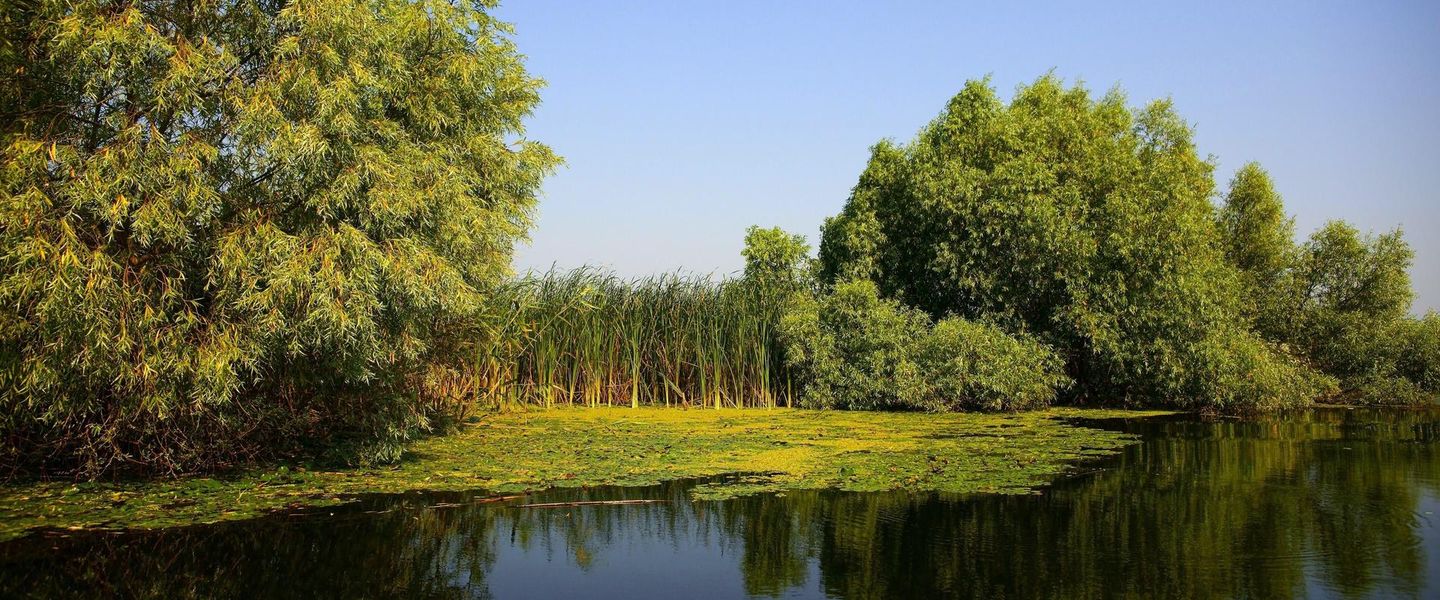


Discover Tulcea: The enchanting Romanian city that serves as the gateway to the breathtaking Danube Delta, offering rich history, vibrant culture, and stunning natural beauty.
Read more about Tulcea
When is the best time to visit Tulcea?
Best: May–June, September · 23–27°C| Month | High (°C) | Rainfall (mm) |
|---|---|---|
| January | 4 | 30 |
| February | 5 | 25 |
| March | 11 | 30 |
| April | 17 | 40 |
| May (best) | 23 | 50 |
| June (best) | 27 | 45 |
| July | 30 | 40 |
| August | 29 | 35 |
| September (best) | 24 | 30 |
| October | 19 | 35 |
| November | 11 | 35 |
| December | 5 | 30 |
Getting to and around Tulcea
How to get there
Transportation
Top city travel guides in Tulcea
The cities of Tulcea, and the easiest places to base yourself.

Swipe for more cities
Destinations in Tulcea
Resorts, valleys and scenic spots worth a trip of their own.
-
 Constanta Area
Discover Constanta, Romania's coastal treasure, where history meets the Black Sea's serene beauty and vibrant modern life.
Constanta Area
Discover Constanta, Romania's coastal treasure, where history meets the Black Sea's serene beauty and vibrant modern life.
-
 Constanta-Mamaia
: A Harmonious Blend of Historic Charm and Modern Seaside Splendor on Romania's Black Sea Coast.
Constanta-Mamaia
Constanta-Mamaia: A Harmonious Blend of Historic Charm and Modern Seaside Splendor on Romania's Black Sea Coast.
-
 Black Sea Coast
Discover Romania's Black Sea Coast: A blend of pristine beaches, historical treasures, and vibrant seaside towns perfect for sun-seekers, history buffs, and nature lovers.
Black Sea Coast
Discover Romania's Black Sea Coast: A blend of pristine beaches, historical treasures, and vibrant seaside towns perfect for sun-seekers, history buffs, and nature lovers.
Swipe for more destinations
Best attractions in Tulcea
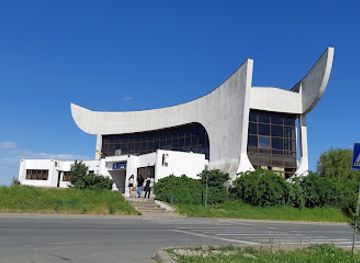
Tulcea, the gateway to the mesmerizing Danube Delta, offers a captivating blend of natural beauty, rich history, and vibrant culture. Visitors can explore the UNESCO-listed Danube Delta Biosphere Reserve, a paradise for bird watchers and nature enthusiasts with its labyrinthine waterways and diverse wildlife. History buffs will be enchanted by the Tulcea Art Museum, the Museum of History and Archaeology, and the Aegyssus Fortress ruins, which date back to Roman times. The town itself boasts charming promenades along the Danube River, bustling markets, and a mix of architectural styles that reflect its diverse cultural heritage. A boat tour of the delta is an absolute must, providing an unforgettable experience of serene landscapes and traditional fishing villages. Whether you're seeking adventure, tranquility, or a journey through time, Tulcea has something to offer every traveler.
-
Museum
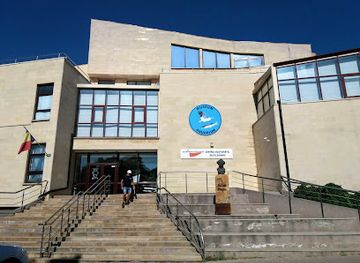
"The Danube Delta" Museum of Ecotourism
Explore the Danube Delta Museum of Ecotourism in Tulcea, Romania – a gateway to Europe's most biodiverse natural wonder and its cultural legacy.
-
Park
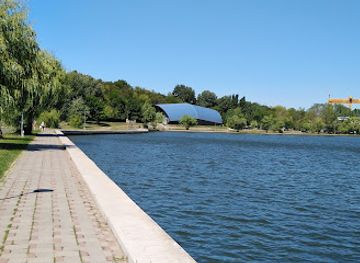
Parcul Ciuperca
Explore the lush landscapes and serene pathways of Parcul Ciuperca, a tranquil park in Tulcea, Romania, perfect for relaxation and outdoor activities.
-
Park
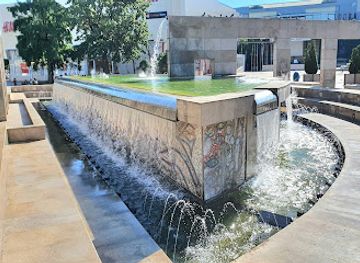
Piața Civică
Explore the tranquil beauty of Piața Civică, a serene park in Tulcea, perfect for relaxation and experiencing local culture.
-
Monument
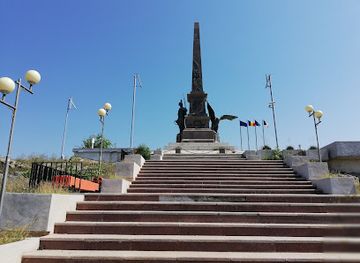
Monumentul Eroilor
Discover Monumentul Eroilor in Tulcea, Romania - a stunning monument honoring national heroes with breathtaking views of the Danube River.
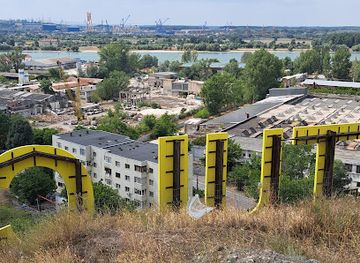
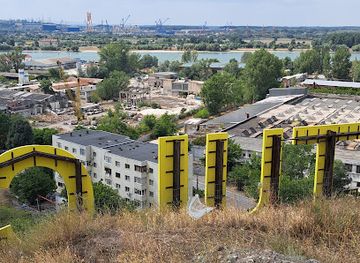
Best landmarks in Tulcea
Nestled at the gateway to the Danube Delta, Tulcea offers a captivating blend of natural beauty and historical richness. Visitors can marvel at the panoramic views from the Monument of Independence, delve into the region's ancient past at the Tulcea Art Museum and the Danube Delta Eco-Tourism Museum Center, and explore the enchanting ruins of the Aegyssus Fortress, which dates back to Roman times. The town's vibrant waterfront promenade, lined with traditional fish restaurants and bustling markets, provides an authentic taste of local culture, while boat tours offer an unforgettable journey through the intricate waterways of the UNESCO-listed Danube Delta, teeming with unique wildlife and lush landscapes.
-
Museum
"The Danube Delta" Museum of Ecotourism
Discover the ecological marvels of the Danube Delta Museum of Ecotourism, where nature conservation meets immersive learning in Tulcea, Romania.
-
Park
Parcul Ciuperca
Explore Parcul Ciuperca in Tulcea, Romania - a serene park with stunning views and rich biodiversity, perfect for relaxation and cultural experiences.
-
Monument
Monumentul Eroilor
Explore the rich history and serene beauty of Monumentul Eroilor in Tulcea, a tribute to Romania's brave heroes amidst lush gardens.
-
Museum
Museum of the Traditional Fishing Village
Explore the rich fishing heritage of the Danube Delta at the Museum of the Traditional Fishing Village in Tulcea, Romania.
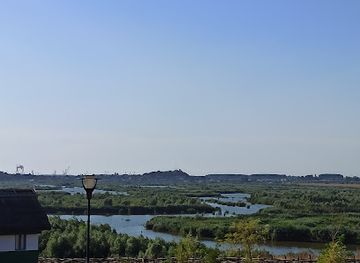
Explore Tulcea on the map
Plan your trip on one map. See where the top cities, national parks and sights are, and book hotels and experiences in a few clicks.
Best hotels in Tulcea
Best restaurants in Tulcea
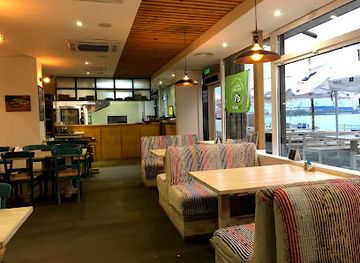
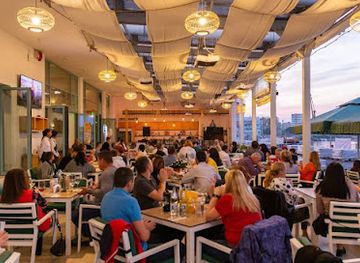
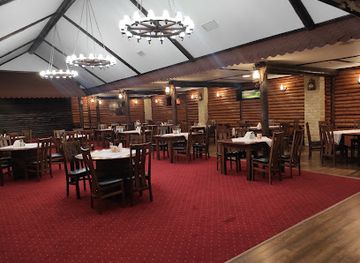
Tulcea, the gateway to the Danube Delta, offers a dining scene as rich and diverse as its landscapes. Visitors can expect to savor the freshest fish and seafood, caught daily from the nearby waters, and prepared in traditional Romanian styles that highlight the natural flavors. Rustic eateries serve up hearty stews, savory pies, and local wines, while more modern establishments offer innovative takes on regional classics. The multicultural heritage of the area also brings a delightful mix of Turkish, Greek, and Bulgarian influences, making each meal a culinary journey through history. Whether dining along the serene banks of the Danube or in the bustling town center, every bite in Tulcea promises a taste of the region's vibrant culture and storied past.
-
Restaurant
Ivan Pescar
Discover the flavors of Romania at Ivan Pescar in Tulcea - where fresh seafood meets traditional culinary excellence.
-
Restaurant
La Liman
Experience authentic Romanian cuisine at La Liman in Tulcea – a culinary gem by the Danube Delta offering fresh fish dishes and local hospitality.
-
Restaurant
Ca odinioară
Experience authentic Romanian cuisine at Ca odinioară in Tulcea – where tradition meets flavor in every dish.
-
Restaurant
Restaurant Passo Doble
Experience exquisite Mediterranean and barbecue flavors at Restaurant Passo Doble in Tulcea - A must-visit culinary gem!
Best bars in Tulcea
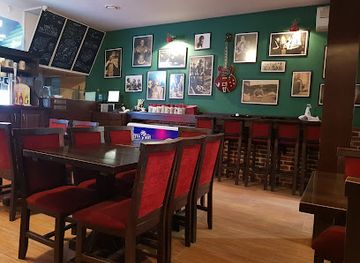
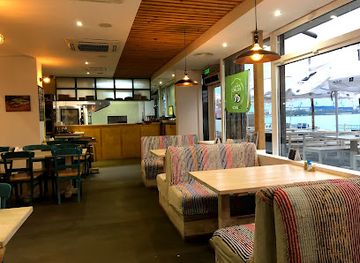
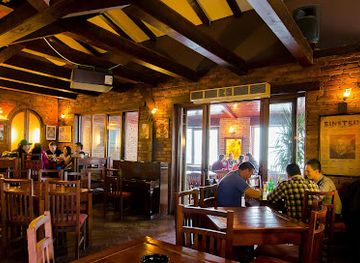
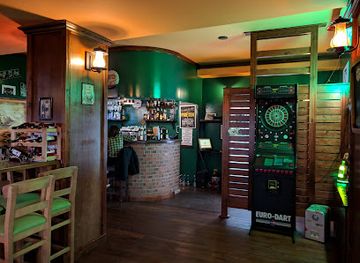
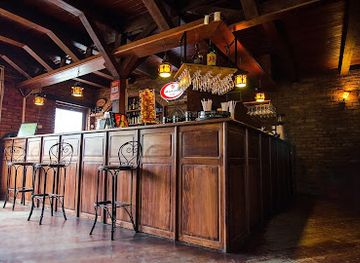
As the sun sets over the Danube, Tulcea's nightlife springs to life, offering a blend of modern vibrancy and iconic local charm. Visitors can start their evening with a leisurely stroll along the picturesque promenade, where the twinkling lights reflect off the river, setting a perfect backdrop for the night ahead. The town boasts a variety of bars and nightclubs, ranging from sleek, contemporary lounges with artisanal cocktails to rustic taverns where you can enjoy local wines and beers. Energetic nightclubs pump out infectious beats, inviting you to dance the night away, while cozy pubs provide a more laid-back atmosphere with live music and traditional Romanian folk tunes. Whether you're looking to mingle with locals, enjoy a quiet drink, or experience the pulsating nightlife, Tulcea offers a captivating experience that caters to every taste.
-
Restaurant
Ivan Pescar
Experience the flavors of Romania at Ivan Pescar, a culinary treasure in Tulcea renowned for its exquisite seafood and inviting ambiance.
-
Restaurant
Old Times Pub
Discover the heart of Tulcea at Old Times Pub, where authentic Romanian cuisine meets a cozy atmosphere for an unforgettable dining experience.
-
Restaurant
Santa Catalina
Experience the vibrant flavors of Santa Catalina in Tulcea, where buffet delights, coffee treats, and sports excitement come together for an unforgettable dining adventure.
-
Pub
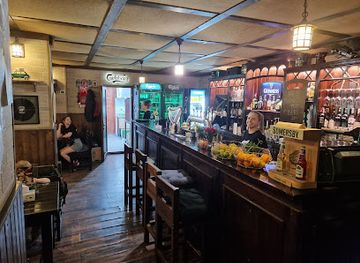
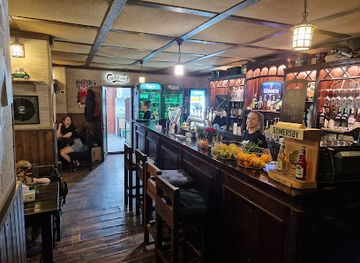
Cheers Pub Tulcea
Experience the lively atmosphere and delightful flavors at Cheers Pub Tulcea, a must-visit destination for travelers seeking local charm.
Best nightclubs in Tulcea
As the sun sets over the Danube, Tulcea's nightlife springs to life, offering a blend of modern vibrancy and iconic local charm. Visitors can start their evening with a leisurely stroll along the picturesque promenade, where the twinkling lights reflect off the river, setting a perfect backdrop for the night ahead. The town boasts a variety of bars and nightclubs, ranging from sleek, contemporary lounges with artisanal cocktails to rustic taverns where you can enjoy local wines and beers. Energetic nightclubs pump out infectious beats, inviting you to dance the night away, while cozy pubs provide a more laid-back atmosphere with live music and traditional Romanian folk tunes. Whether you're looking to mingle with locals, enjoy a quiet drink, or experience the pulsating nightlife, Tulcea offers a captivating experience that caters to every taste.
-
Restaurant
Old Times Pub
Discover the vibrant flavors of Tulcea at Old Times Pub, where culinary tradition meets modern comfort in a welcoming atmosphere.
-
Pub
Cheers Pub Tulcea
Discover the heart of Tulcea at Cheers Pub, where local flavors meet a vibrant atmosphere perfect for every traveler.
-
Bar
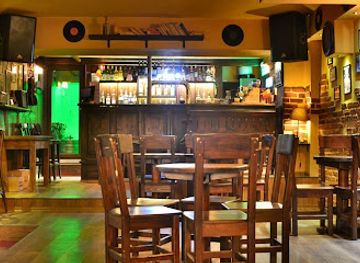
JAZZ CLUB CAFFE
Jazz Club Caffe in Tulcea: Where soulful melodies and a cozy atmosphere create unforgettable nights for every music lover.
-
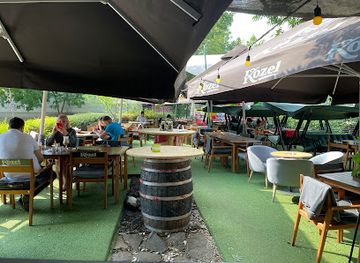
Restaurant
OPEN BAR & RESTAURANT
Delight in local and international cuisine at Tulcea's vibrant OPEN BAR & RESTAURANT, where flavor meets a lively atmosphere.
Best shops in Tulcea
Tulcea's shopping scene offers a vibrant mix of traditional and modern experiences, perfect for any visitor keen on exploring local culture and craftsmanship. Wander through bustling markets like the Central Market, where you can find an array of fresh produce, artisanal cheeses, and handmade souvenirs that reflect the rich heritage of the Danube Delta. For a more contemporary shopping experience, head to the city’s modern malls such as Winmarkt, where international brands sit alongside local boutiques offering everything from fashion to electronics. Don't miss the charming specialty shops scattered around the old town, where you can pick up unique items like hand-painted ceramics, intricate lacework, and locally distilled spirits, all of which make for perfect mementos of your visit to this historically rich city.
-
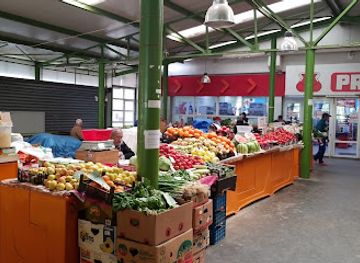
Produce market
Piața Nouă
Discover the vibrant flavors of Tulcea at Piața Nouă, a bustling produce market offering fresh local goods and a taste of authentic Romanian culture.
-
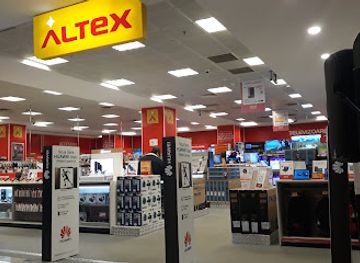
Electronics store
Altex Tulcea Winmarkt
Discover Altex Tulcea Winmarkt – your ultimate destination for electronics, appliances, and home goods in the heart of Tulcea.
-
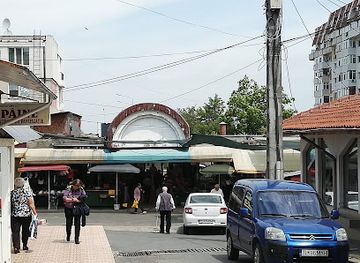
Boutique
Telena Piața Veche
Explore the vibrant boutique scene at Telena Piața Veche in Tulcea, where local craftsmanship meets delightful shopping experiences.
-
Store
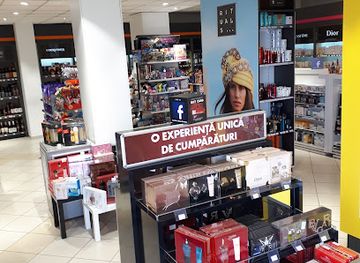
Travel FREE Shop Tulcea
Explore the unique flavors and crafts of Tulcea at Travel FREE Shop, your one-stop destination for authentic Romanian souvenirs.
Get your free copy of our complete guide to Tulcea, delivered straight to you.
Everything on this page, from attractions and restaurants to essentials and local phrases, in one PDF you can read offline, print or share.
Already have an account? Sign in
Your Tulcea guide is ready.
We'll send it to · Not you? Sign out

Getting your guide ready…
We are putting together a fresh copy of the Tulcea guide. This can take up to a minute.
This can take a few moments. If your browser asks, choose Allow so the download can start. You'll find the guide in your Downloads folder.
Nothing happened? Download it again
Sorry, the guide is taking longer than usual. Please try again in a minute, or get it by email instead.
Tulcea essentials
Currency and Payment
Safety
Emergency Situations
Do's and Don'ts
Local Tips
From Eve
Local phrases worth knowing
You don't need to get them perfect. A few words go a long way, and locals appreciate the effort.
Basics
| English | Local | Say it |
|---|---|---|
| Hello | Salut | [sah-loot] |
| Goodbye | La revedere | [lah reh-veh-deh-reh] |
| Yes | Da | [dah] |
| No | Nu | [noo] |
| Please/You're welcome | Te rog/ Cu plăcere | [teh rog / koo plah-cheh-reh] |
| Thank you | Mulțumesc | [mool-tsoo-mesk] |
| Excuse me/Sorry | Scuză-mă/Îmi pare rău | [skoo-zah-mah / uh-mih pah-reh rah-oo] |
| How are you? | Ce mai faci? | [cheh mai fahch] |
| Fine. And you? | Bine. Și tu? | [bee-neh / shee too] |
| Do you speak English? | Vorbești engleză? | [vor-besht en-gleh-zah] |
| I don't understand | Nu înțeleg | [noo in-tseh-leg] |
Eating & Drinking
| English | Local | Say it |
|---|---|---|
| I'd like to see the menu, please | Aș dori să văd meniul, vă rog | [ash doh-ree sah vehd meh-nyool, vah rog] |
| I don't eat meat | Nu mănânc carne | [noo mah-nank kar-neh] |
| Cheers! | Noroc! | [noh-rok] |
| I would like to pay, please | Aș dori să plătesc, vă rog | [ash doh-ree sah plah-tehsk, vah rog] |
Emergencies
| English | Local | Say it |
|---|---|---|
| Help! | Ajutor! | [ah-zhoo-tor] |
| Go away! | Du-te! | [doo-teh] |
| Call the Police! | Sunați la Poliție! | [soo-nahts lah poh-lee-tsee-eh] |
| Call a doctor! | Sunați un doctor! | [soo-nahts oon dok-tor] |
| I'm lost | M-am pierdut | [mahm pyair-doot] |
| I'm ill | Sunt bolnav | [soont bol-nahv] |
Shopping
| English | Local | Say it |
|---|---|---|
| I'd like to buy... | Aș dori să cumpăr... | [ash doh-ree sah koom-pair] |
| I'm just looking | Mă uit doar | [muh ooit doar] |
| How much is it? | Cât costă? | [kuht koh-stah] |
| That's too expensive | Este prea scump | [yeh-steh preh skoomp] |
| Can you lower the price? | Poți să reduci prețul? | [pots sah reh-dooch prehts-ul] |
Time & Numbers
| English | Local | Say it |
|---|---|---|
| What time is it? | Ce oră este? | [cheh oh-rah yeh-steh] |
| It's one o'clock | Este o oră | [yeh-steh oh oh-rah] |
| Half past (10) | Jumătate după (10) | [joo-mah-tah-teh doo-pah (10)] |
| Morning | Dimineața | [dee-mee-neh-ah-tsah] |
| Afternoon | După-amiază | [doo-pah ah-mee-ah-zah] |
| Evening | Seara | [sah-rah] |
| Yesterday | Ieri | [yehr-ee] |
| Today | Astăzi | [ahs-tahz] |
| Tomorrow | Mâine | [mee-neh] |
| 1 | 1 | [unu] |
| 2 | 2 | [doi] |
| 3 | 3 | [trei] |
| 4 | 4 | [patru] |
| 5 | 5 | [cinci] |
| 6 | 6 | [șase] |
| 7 | 7 | [șapte] |
| 8 | 8 | [opt] |
| 9 | 9 | [nouă] |
| 10 | 10 | [zece] |
Transport & Directions
| English | Local | Say it |
|---|---|---|
| Where's a/the...? | Unde este...? | [oon-deh yeh-steh] |
| What's the address? | Care este adresa? | [kah-reh yeh-steh ah-dreh-sah] |
| Can you show me (on the map)? | Îmi poți arăta (pe hartă)? | [uhm pots ah-rah-tah (peh hahr-tah)] |
| When's the next (bus)? | Când vine următorul (autobuz)? | [kand vee-neh oor-mah-tor-ul (ow-toh-booz)] |
| A ticket (to ....) | Un bilet (către ....) | [oon bee-let (keh-treh)] |
History of Tulcea
Ancient Origins and the Geto-Dacians
Tulcea's history dates back to ancient times when it was part of the territory inhabited by the Geto-Dacians. Archaeological evidence suggests that the area was an important settlement during the 4th century BC. The Geto-Dacians were known for their advanced culture and strong fortifications, which laid the groundwork for future civilizations in the region.
Roman Conquest and Settlement
The Roman Empire conquered the region in the 1st century AD, renaming the settlement Aegyssus. Under Roman rule, Tulcea became an important military and commercial hub. The Romans built roads, fortifications, and other infrastructure that significantly contributed to the area's development. Remnants of Roman architecture, such as the fortress walls, can still be seen in Tulcea today.
Byzantine Influence
Following the decline of the Roman Empire, Tulcea came under Byzantine control in the 5th century. The Byzantines fortified the city further and integrated it into their trade networks. This period saw the spread of Christianity in the region, with several churches and religious structures being established. Byzantine rule left a lasting impact on the cultural and religious landscape of Tulcea.
Ottoman Era
Tulcea fell under Ottoman control in the 15th century, becoming part of the Ottoman Empire for several centuries. During this time, the city was an important administrative and military center. The Ottomans introduced new architectural styles and cultural practices, some of which are still visible in the city's mosques and traditional buildings. The Ottoman influence added a rich layer to Tulcea's multicultural heritage.
Union with Romania
In 1878, following the Russo-Turkish War, Tulcea was incorporated into the Kingdom of Romania. This marked a new chapter in the city's history, as it became a significant port and industrial center. The integration into Romania brought modernization and economic development, which continued into the 20th century. Tulcea's strategic location on the Danube River played a crucial role in its growth and prosperity.
Modern Era and Cultural Revival
In the 20th and 21st centuries, Tulcea has experienced significant cultural and economic development. The city is now a gateway to the Danube Delta, a UNESCO World Heritage site, attracting tourists from around the world. Efforts to preserve and promote Tulcea's rich history and diverse cultural heritage are evident in its museums, festivals, and cultural institutions. Modern Tulcea is a vibrant blend of its historical past and contemporary innovation.
Tulcea in Photos
Browse through our photo collection highlighting the charm and character of the destination.
Neighbouring regions of Tulcea
The closest regions to Tulcea, if you have time for more than one.
-
 Dobruja
Discover Dobruja: A blend of Black Sea beaches, Danube Delta wildlife, and ancient history in Romania's enchanting coastal region.
Dobruja
Discover Dobruja: A blend of Black Sea beaches, Danube Delta wildlife, and ancient history in Romania's enchanting coastal region.
-
 Brăila
Discover Brăila, a picturesque city on the Danube River in Romania, where history, culture, and natural beauty converge to create an unforgettable travel experience.
Brăila
Discover Brăila, a picturesque city on the Danube River in Romania, where history, culture, and natural beauty converge to create an unforgettable travel experience.
-
 Constanța
Explore Constanța, Romania's ancient coastal city, where history meets modern charm on the beautiful shores of the Black Sea.
Constanța
Explore Constanța, Romania's ancient coastal city, where history meets modern charm on the beautiful shores of the Black Sea.
-
 Galați
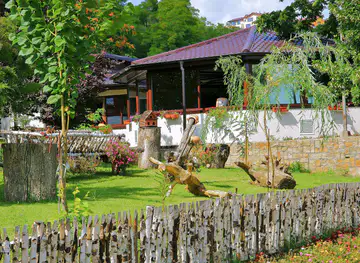
Explore Galați, Romania: A city where history meets the Danube River, offering stunning views, rich culture, and vibrant festivals. Discover the charm of Galați today.
Galați
Explore Galați, Romania: A city where history meets the Danube River, offering stunning views, rich culture, and vibrant festivals. Discover the charm of Galați today.
-
 Călărași
Discover Călărași, Romania's hidden gem along the Danube River, where nature and history blend to create an unforgettable experience.
Călărași
Discover Călărași, Romania's hidden gem along the Danube River, where nature and history blend to create an unforgettable experience.
Swipe for more regions

