

Free Brăila Travel Guide & Mobile App
Explore Brăila with free travel guides. Discover regional history, expert tips, proposed trips, and audio guides on web or mobile app.


Explore Brăila’s Danube port, historic streets, wetlands, literary heritage and Lacu Sărat resort in eastern Romania.
Read more about Brăila
When is the best time to visit Brăila?
Best: June–August · 25–27°C| Month | High (°C) | Rainfall (mm) |
|---|---|---|
| January | 3 | 30 |
| February | 5 | 25 |
| March | 11 | 35 |
| April | 16 | 45 |
| May | 21 | 50 |
| June (best) | 25 | 55 |
| July (best) | 27 | 45 |
| August (best) | 26 | 35 |
| September | 22 | 35 |
| October | 16 | 30 |
| November | 9 | 35 |
| December | 3 | 35 |
Getting to and around Brăila
How to get there
Transportation
Top city travel guides in Brăila
The cities of Brăila, and the easiest places to base yourself.

Swipe for more cities
Best attractions in Brăila
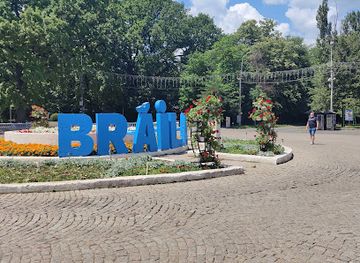
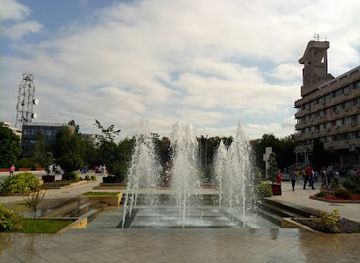
Brăila’s attractions are divided between an urban historic core, a working river landscape and wide rural spaces. In the city, visitors can explore the streets around Traian Square, see the Maria Filotti Theatre and visit museums and churches that reflect the port’s complex past. The Danube embankment offers a sense of the city’s commercial geography, although the river remains an active transport and working environment rather than simply a leisure promenade. For nature, Balta Mică a Brăilei is the county’s defining destination: its islands, channels, reed beds and floodplain habitats support rich birdlife and require planned excursions, usually by boat or with a local guide. South-west of the city, Lacu Sărat combines a saline lake with a long-established resort tradition, therapeutic mud and seasonal recreation. Elsewhere, the county’s agricultural plain is best experienced through slow journeys between market towns, villages and railway settlements. The attraction landscape is therefore less about a dense sequence of ticketed sights than about understanding how water, farming, trade and urban culture have shaped Brăila.
-
Park
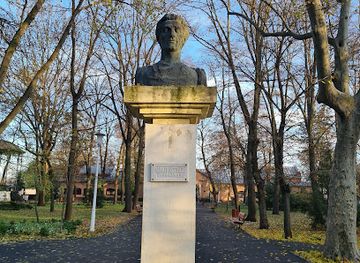
Monument Park Brăila
Explore Monument Park Brăila, a serene urban oasis filled with history, green spaces, and cultural events in the heart of Romania.
-
Park
Faleza
Discover the serene beauty of Faleza, a scenic park along the Danube River in Brăila, perfect for relaxation and cultural experiences.
-
Park
The Public Garden
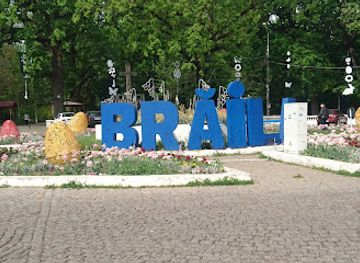
Explore the lush landscapes and serene atmosphere of The Public Garden in Brăila, a perfect retreat for nature lovers and families alike.
-
Zoo
Grădina Zoologică-Eco SA
Explore diverse wildlife at Grădina Zoologică-Eco SA in Brăila, a family-friendly zoo dedicated to conservation and education.
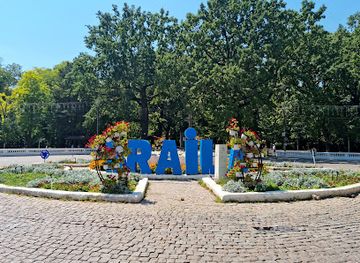
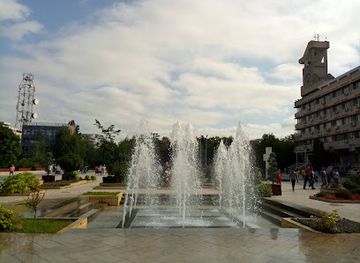
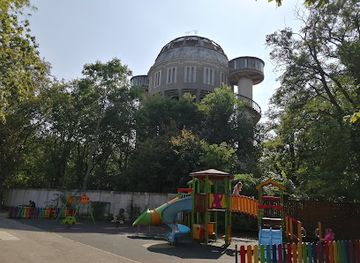
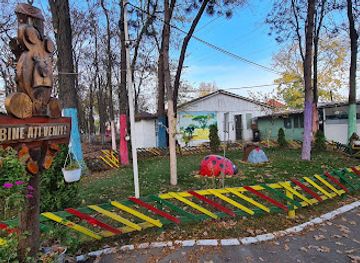
Best landmarks in Brăila
Brăila’s most recognisable landmarks are concentrated in its historic centre, where the city’s nineteenth-century commercial prosperity remains legible in its street plan and architecture. Traian Square forms an important civic setting, while the Maria Filotti Theatre occupies a prominent historic building and remains one of the city’s principal cultural symbols. Orthodox churches, including the Church of the Holy Archangels, add religious and architectural depth to the central streets, and the Brăila Clock is a familiar urban marker. The Danube embankment is a geographical landmark as much as a built one, revealing the reason the settlement became a port. Outside the city, Lacu Sărat’s saline lake is a natural and therapeutic landmark associated with Brăila’s resort history. Balta Mică a Brăilei provides a very different form of landmark: a changing floodplain of islands and channels rather than a single monument. Together these places represent Brăila’s layered identity as a river port, cultural city, resort area and wetland county.
-
Park
Monument Park Brăila
Immerse yourself in the tranquil beauty and historical richness of Monument Park, Brăila - a perfect retreat for every tourist.
-
Park
Faleza
Discover the beauty of Faleza, a serene park in Brăila, Romania, offering stunning Danube views and a perfect retreat for relaxation and cultural experiences.
-
Park
The Public Garden
Discover the tranquil beauty of The Public Garden in Brăila, a historical park perfect for relaxation and cultural exploration.
-
Park
Children's Playground Braila
Discover the vibrant Children's Playground in Braila, where fun and nature come together for an unforgettable family experience.
Explore Brăila on the map
Plan your trip on one map. See where the top cities, national parks and sights are, and book hotels and experiences in a few clicks.
Best hotels in Brăila
Best restaurants in Brăila
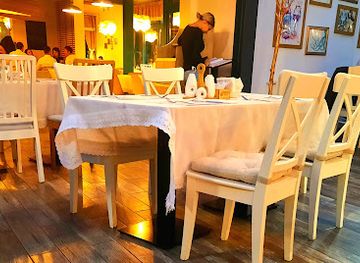
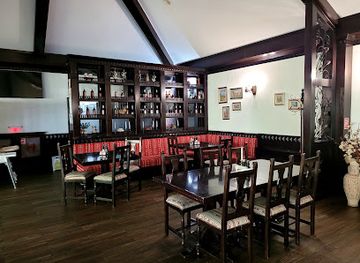
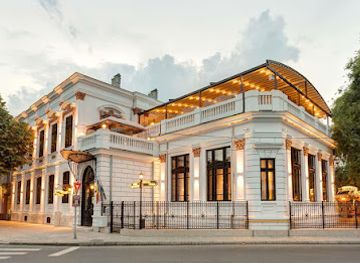
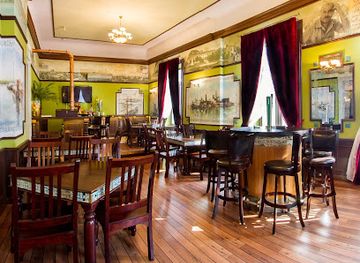
Brăila’s dining character is influenced by the Danube, the agricultural plain and the cultural exchanges of a historic port. Freshwater fish appears in local cooking alongside soups, grilled meats, stuffed vegetables, seasonal salads and baked dishes familiar across Romania. Fish soup and grilled or fried river fish are worth looking for, although recipes and availability vary between restaurants. City dining ranges from traditional Romanian restaurants and cafés to contemporary venues, while rural inns and roadside establishments provide simpler meals on journeys across the county. Markets and food shops are useful for discovering local vegetables, fruit, dairy products, preserves and bakery goods from the surrounding plain. Expect Romanian staples such as mici, ciorbă, sarmale and papanasi alongside dishes reflecting the broader lower-Danube and Balkan culinary environment. In summer, outdoor terraces are common in the city and resort areas, but seasonal opening patterns are more pronounced outside Brăila itself.
-
Restaurant
Pește și Vin
Experience the finest seafood and exquisite wines at Pește și Vin, Brăila's top-rated culinary destination.
-
Restaurant
La Casa Cu Stuf
Experience authentic Romanian cuisine amidst tranquil landscapes at La Casa Cu Stuf in Baldovinești.
-
Restaurant
Restaurant Carol
Discover authentic Romanian flavors at Restaurant Carol in Brăila - where tradition meets taste in an inviting atmosphere.
-
Restaurant
Casa Domnească
Experience authentic Romanian flavors at Casa Domnească in Brăila, where tradition meets culinary excellence.
Best bars in Brăila
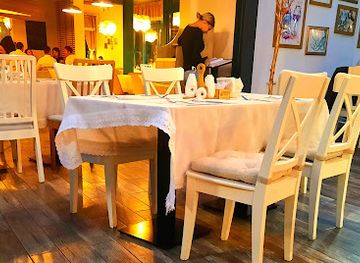
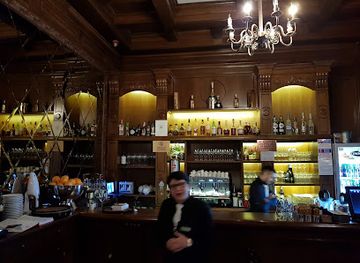
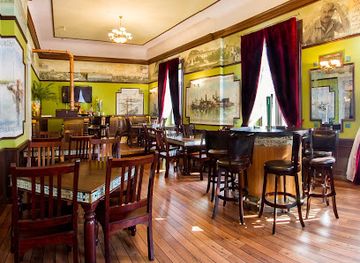
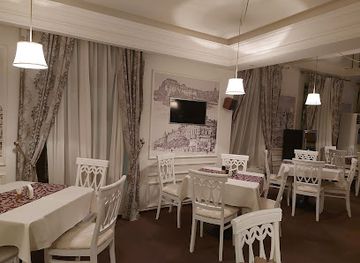
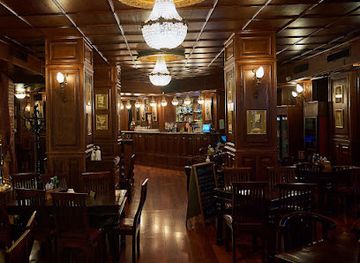
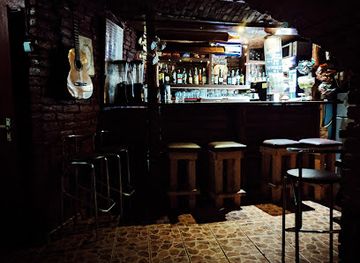
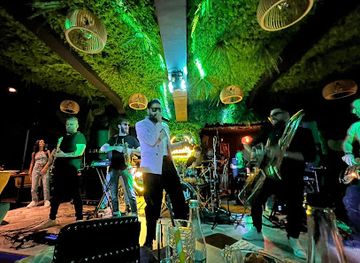
Evening life in Brăila is concentrated in the city, particularly around the central streets, theatre area and riverside leisure spaces. Traditional pubs, cafés, wine bars and restaurant terraces provide the main social settings, with beer, Romanian wines, coffee and spirits more prominent than a large international club scene. The Maria Filotti Theatre adds a cultural dimension through performances and a historic evening setting, while occasional live music and small late-night venues serve local audiences. Lacu Sărat can feel more active during the summer season, but its evening offer is oriented towards resort visitors rather than a permanent nightlife district. In smaller county towns, nightlife generally centres on cafés, restaurants and local bars, with earlier closing patterns than in Bucharest or major university cities. Check current programmes and opening arrangements locally, especially outside the summer season.
-
Restaurant
Pește și Vin
Experience the best of Romanian seafood cuisine at Pește și Vin, a top-rated restaurant in Brăila offering exquisite dishes and fine wines.
-
Restaurant
Restaurant Carol
Discover the culinary delight of Restaurant Carol in Brăila, where traditional flavors meet modern dining in a warm, welcoming atmosphere.
-
Restaurant
Casa Domnească
Discover the rich flavors of Romania at Casa Domnească, Brăila's beloved restaurant and coffee shop offering authentic local dishes.
-
Restaurant
Heavens
Experience exquisite dining at Heavens in Brăila, where local flavors meet international cuisine in an inviting atmosphere.
Best nightclubs in Brăila
Evening life in Brăila is concentrated in the city, particularly around the central streets, theatre area and riverside leisure spaces. Traditional pubs, cafés, wine bars and restaurant terraces provide the main social settings, with beer, Romanian wines, coffee and spirits more prominent than a large international club scene. The Maria Filotti Theatre adds a cultural dimension through performances and a historic evening setting, while occasional live music and small late-night venues serve local audiences. Lacu Sărat can feel more active during the summer season, but its evening offer is oriented towards resort visitors rather than a permanent nightlife district. In smaller county towns, nightlife generally centres on cafés, restaurants and local bars, with earlier closing patterns than in Bucharest or major university cities. Check current programmes and opening arrangements locally, especially outside the summer season.
-
Restaurant
Reset Irish Pub
Experience the warmth of Irish hospitality at Reset Irish Pub in Brăila, where delicious food and vibrant atmosphere come together.
-
Pub
Kalos Pub
Experience the vibrant atmosphere of Kalos Pub in Brăila, where great drinks and delicious bites come together in a cozy setting.
-
Restaurant
Pub 45
Discover the authentic flavors of Romania at Pub 45 in Brăila, where local cuisine meets a welcoming atmosphere.
-
Pub
Jaja Pub
Discover Jaja Pub in Brăila: A lively local pub offering a taste of Romanian culture with refreshing drinks and inviting ambiance.

Best shops in Brăila
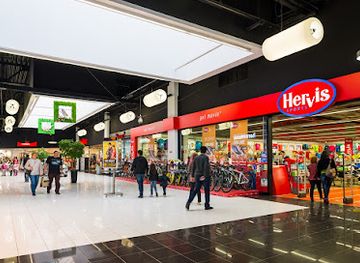
Shopping in Brăila is centred on the city’s high streets, market areas, supermarkets and independent shops rather than on a specialised luxury retail district. The historic centre is the most atmospheric area for browsing older streets, cafés, bookshops, small services and local retail, while larger commercial centres provide familiar Romanian and international brands. Markets are useful for seasonal fruit and vegetables, dairy goods, bakery products, preserves and other produce from the surrounding agricultural plain. Visitors seeking regional gifts can look for Romanian ceramics, woven goods, traditional food products, wine and locally made confectionery, although quality and provenance vary between sellers. Lacu Sărat has a more seasonal resort character, with practical holiday shopping and summer-oriented stalls rather than extensive specialist retail. Independent galleries, craft shops and cultural venues may offer more distinctive purchases than standard souvenir outlets, while the best food gifts are usually robust, packaged products that can be carried safely.
-
Store
Brăila Mall
Explore Brăila Mall, a bustling hub for shopping, dining, and entertainment in Romania, perfect for families and visitors of all ages.
-
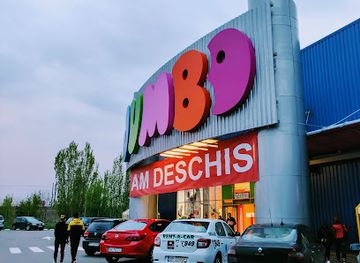
Toy store
Jumbo Braila
Explore Jumbo Braila – your one-stop toy store for endless fun and educational delights in Brăila.
-
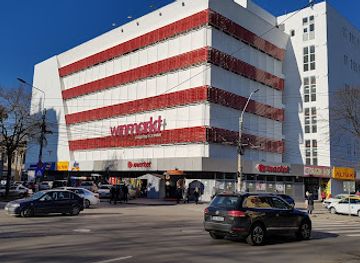
Shopping mall
Winmarkt
Experience the best shopping in Brăila at Winmarkt, where local charm meets international brands in a vibrant mall setting.
-
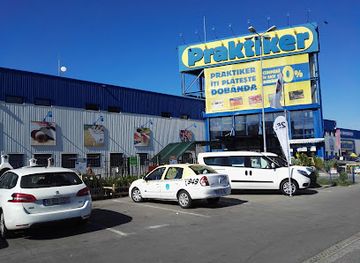
Hardware store
Brico Depot Braila (1 Decembrie)
Discover the ultimate DIY destination at Brico Depot Braila, offering everything from tools to kitchen furniture for all your home improvement projects.
Get your free copy of our complete guide to Brăila, delivered straight to you.
Everything on this page, from attractions and restaurants to essentials and local phrases, in one PDF you can read offline, print or share.
Already have an account? Sign in
Your Brăila guide is ready.
We'll send it to · Not you? Sign out

Getting your guide ready…
We are putting together a fresh copy of the Brăila guide. This can take up to a minute.
This can take a few moments. If your browser asks, choose Allow so the download can start. You'll find the guide in your Downloads folder.
Nothing happened? Download it again
Sorry, the guide is taking longer than usual. Please try again in a minute, or get it by email instead.
Brăila essentials
Currency and Payment
Safety
Emergency Situations
Do's and Don'ts
Local Tips
From Eve
Local phrases worth knowing
You don't need to get them perfect. A few words go a long way, and locals appreciate the effort.
Basics
| English | Local | Say it |
|---|---|---|
| Hello | Salut | [sah-loot] |
| Goodbye | La revedere | [lah reh-veh-deh-reh] |
| Yes | Da | [dah] |
| No | Nu | [noo] |
| Please/You're welcome | Te rog | [teh rohg] |
| Thank you | Mulțumesc | [mool-tsoo-mesk] |
| Excuse me/Sorry | Scuză-mă | [skoo-zah-muh] |
| How are you? | Ce mai faci? | [cheh my fahch] |
| Fine. And you? | Bine. Și tu? | [bee-neh. shee too] |
| Do you speak English? | Vorbești engleză? | [vor-besht eng-leh-zah] |
| I don't understand | Nu înțeleg | [noo in-tseh-leg] |
Eating & Drinking
| English | Local | Say it |
|---|---|---|
| I'd like to see the menu, please | Aș dori să văd meniul, te rog | [ash doh-ree sah vehd meh-nee-ul, teh rohg] |
| I don't eat meat | Nu mănânc carne | [noo muh-nank kar-neh] |
| Cheers! | Noroc! | [noh-rok] |
| I would like to pay, please | Aș dori să plătesc, te rog | [ash doh-ree sah pluh-tesk, teh rohg] |
Emergencies
| English | Local | Say it |
|---|---|---|
| Help! | Ajutor! | [ah-joo-tor] |
| Go away! | Du-te! | [doo-teh] |
| Call the Police! | Sunați Poliția! | [soo-nahts poh-leet-see-ah] |
| Call a doctor! | Sunați un doctor! | [soo-nahts oon dok-tor] |
| I'm lost | M-am pierdut | [mahm pee-er-doot] |
| I'm ill | Sunt bolnav | [soont bol-nahv] |
Shopping
| English | Local | Say it |
|---|---|---|
| I'd like to buy... | Aș dori să cumpăr... | [ash doh-ree sah koom-pur...] |
| I'm just looking | Mă uit doar | [muh oot doar] |
| How much is it? | Cât costă? | [kuht koh-stah] |
| That's too expensive | Asta e prea scump | [ahs-tah eh preh-ah skoomp] |
| Can you lower the price? | Poți să reduci prețul? | [poh-tsih sah reh-dooch preh-tsul] |
Time & Numbers
| English | Local | Say it |
|---|---|---|
| What time is it? | Ce oră este? | [cheh oh-rah yeh-steh] |
| It's one o'clock | Este o unu | [yeh-steh oh oo-noo] |
| Half past (10) | Jumătate după (10) | [joo-mah-tah-teh doo-pah (10)] |
| Morning | Dimineața | [dee-mee-neh-atsah] |
| Afternoon | După-amiază | [doo-pah ah-mee-ah-zah] |
| Evening | Seara | [seh-ah-rah] |
| Yesterday | Ieri | [yehr] |
| Today | Astăzi | [ahs-tahz] |
| Tomorrow | Mâine | [mee-neh] |
| 1 | 1 | [unu] |
| 2 | 2 | [doi] |
| 3 | 3 | [trei] |
| 4 | 4 | [patru] |
| 5 | 5 | [cinci] |
| 6 | 6 | [șase] |
| 7 | 7 | [șapte] |
| 8 | 8 | [opt] |
| 9 | 9 | [nouă] |
| 10 | 10 | [zece] |
Transport & Directions
| English | Local | Say it |
|---|---|---|
| Where's a/the...? | Unde este un/...? | [oon-deh yeh-steh oon/?] |
| What's the address? | Care este adresa? | [kah-reh yeh-steh ah-dreh-sah] |
| Can you show me (on the map)? | Îmi poți arăta (pe hartă)? | [uhm pohts ah-rah-tah (peh har-tah)] |
| When's the next (bus)? | Când e următorul (autobuz)? | [kand eh oor-mah-tor-ul (ow-toh-booz)] |
| A ticket (to ....) | Un bilet (către ....) | [oon bee-let (kuh-treh ....)] |
History of Brăila
Ancient Lower Danube Settlements
The Brăila area has long been occupied because the Danube floodplain offered water, fishing, transport routes and fertile soils. Ancient communities lived across the lower Danube and the surrounding plain, while the river connected the region with wider networks reaching the Black Sea and the interior of the Balkans. Archaeological evidence from the broader area records successive prehistoric and ancient cultures, although the modern city developed much later. The landscape’s changing channels and flood regimes mean that settlement patterns were never fixed: communities used higher ground, river terraces and islands while adapting to seasonal water levels.
Medieval Brăila and Wallachian Commerce
Brăila emerged in the Middle Ages as an important Danube settlement within Wallachia. Its river position made it a point of exchange for grain, livestock, fish, timber and manufactured goods, linking inland markets with Danubian and Black Sea trade. Medieval references to the settlement reflect its increasing commercial importance, while its exposed position also made it vulnerable to conflict. The town’s history was therefore shaped by both economic opportunity and the strategic value of controlling a major river port.
The Ottoman Raia, 1540–1829
In 1540 Brăila was incorporated into the Ottoman Empire as a raia, an Ottoman-administered border district. The town remained an important fortified port and trading centre for almost three centuries, positioned between Ottoman territories south of the Danube and Wallachia to the north. Ottoman rule left a lasting mark on Brăila’s commercial and cultural history, although much of the visible town today dates from later periods. Russian-Ottoman conflicts repeatedly affected the port, demonstrating the strategic importance of the lower Danube in regional power struggles.
Return to Wallachia and the Growth of the Port
Brăila returned to Wallachia under the Treaty of Adrianople in 1829, after which its port developed rapidly. Restrictions on Danubian trade were eased, encouraging grain exports and attracting merchants, shipping interests and workers from different communities. The city expanded beyond its older fortified area, and its urban society became notably diverse, with Romanian, Greek, Jewish, Bulgarian, Armenian and other commercial connections. This period established the foundations of Brăila’s nineteenth-century prosperity and helped create the architectural and cultural character still visible in the centre.
Nineteenth-Century Urban and Maritime Prosperity
During the nineteenth century and the early decades of the twentieth, Brăila became one of Romania’s leading grain ports. Warehouses, shipping facilities, banks, commercial houses and civic buildings reflected the importance of agricultural exports from the surrounding plain. The town acquired broad streets, public squares and imposing institutions, while its port connected the region with the wider Danube and international markets. The period also fostered an active cultural life. The historic centre, the Maria Filotti Theatre and surviving commercial architecture are among the clearest reminders of this transformation.
War, State Socialism and Industrial Change
The twentieth century brought major disruption through the two world wars, changing borders, economic instability and the decline of older commercial networks. Under state socialism, Brăila was reorganised around planned industry, agriculture and large collective enterprises, while the port retained an important logistical role. New housing and industrial districts altered the city’s form, and rural communities across the county were reshaped by collectivisation and mechanised farming. After 1989, many industries contracted or changed ownership, leaving Brăila to balance its port heritage and cultural institutions with the economic realities of post-socialist Romania.
Literary and Cultural Brăila
Brăila’s social variety and port environment produced an influential literary memory. Panait Istrati, born in Brăila in 1884, drew on the experiences of the lower Danube, travelling communities and people living at the margins of established society. His writing helped give the city an international literary profile, particularly in French-speaking cultural circles. The county’s cultural identity also rests on theatre, music, local museums and the preservation of historic urban spaces. Contemporary Brăila continues to interpret its past through the relationship between river commerce, migration, urban life and the surrounding plain.
Brăila in Photos
Browse through our photo collection highlighting the charm and character of the destination.
Neighbouring regions of Brăila
The closest regions to Brăila, if you have time for more than one.
-

-
-

-

-


Swipe for more regions
Explore more

Explore more of Romania
Discover Romania's blend of mystical castles, enchanting landscapes, and vibrant culture. Experience the rich history and natural beauty that make Romania a unique travel destination.
Explore Romania