

Free Galați Travel Guide & Mobile App
Explore Galați with free travel guides. Discover regional history, expert tips, proposed trips, and audio guides on web or mobile app.


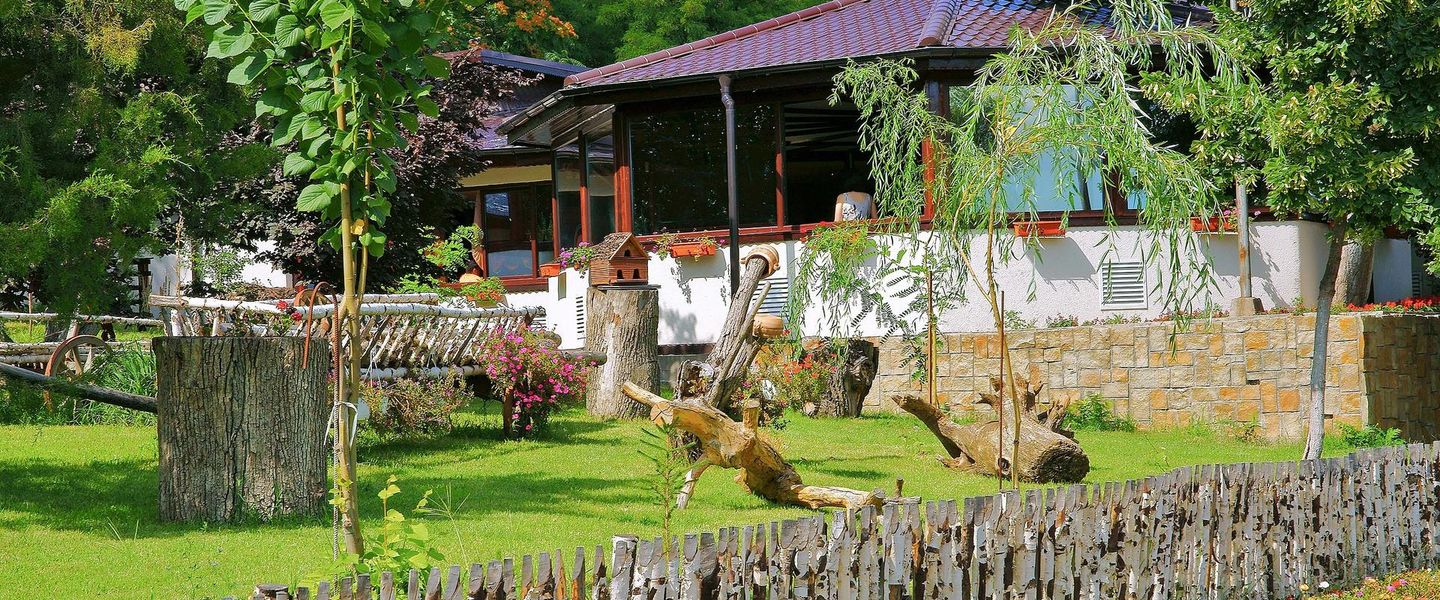


Explore Galați in eastern Romania for Danube waterfronts, river history, Moldavian cuisine, rural landscapes and access to the Lower Danube.
Read more about Galați
When is the best time to visit Galați?
Best: June, August–September · 23–27°C| Month | High (°C) | Rainfall (mm) |
|---|---|---|
| January | 2 | 35 |
| February | 4 | 25 |
| March | 10 | 30 |
| April | 16 | 40 |
| May | 22 | 50 |
| June (best) | 25 | 60 |
| July | 28 | 55 |
| August (best) | 27 | 45 |
| September (best) | 23 | 40 |
| October | 17 | 35 |
| November | 10 | 30 |
| December | 4 | 35 |
Getting to and around Galați
How to get there
Transportation
Top city travel guides in Galați
The cities of Galați, and the easiest places to base yourself.

Swipe for more cities
Best attractions in Galați
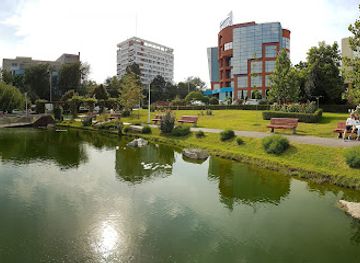
Galați’s attractions are shaped by the Lower Danube and by the city’s role as a working port. The waterfront promenade and public gardens are the natural starting point, offering river views and a sense of the scale of local shipping. In the city, the Museum Complex of Natural Sciences, with its natural-history displays, aquarium and planetarium facilities, is useful for understanding the region’s landscapes and wildlife, while the History Museum and other cultural institutions explain Galați’s commercial and industrial development. The fortified Precista Church adds a tangible medieval and early-modern dimension near the river. Outside the urban area, Gârboavele Forest provides a setting for informal walks and family-oriented recreation, with the nearby zoological facilities forming part of the county’s leisure offer. Lake Brateș and other lower-river environments appeal to visitors interested in birdlife, fishing traditions and open landscapes, though facilities are comparatively modest. Tecuci and the surrounding agricultural plain provide a quieter contrast, with local museums, churches and market-town streets. Monasteries and village settlements are best visited as part of a planned driving route rather than as isolated stops, since public transport and visitor services can be limited.
-
Garden
Grădina Publică
Explore Grădina Publică in Galați, a stunning garden oasis perfect for relaxation, family fun, and cultural events amidst beautiful floral displays.
-
Tourist attraction
Faleza Dunării
Discover the stunning Faleza Dunării, a riverside promenade in Galați offering breathtaking views, cultural experiences, and vibrant local life.
-
Natural history museum
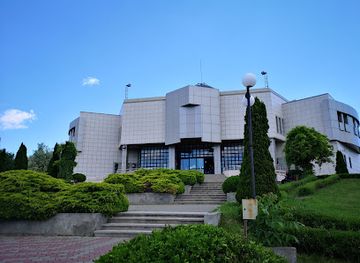
Museum of Natural Sciences "Răsvan Angheluță"
Explore the Museum of Natural Sciences Răsvan Angheluță in Galați, where the wonders of nature come alive with interactive exhibits and stunning collections.
-
City park
Parc Viva
Experience the charm of Parc Viva, a picturesque city park in Galați, Romania, perfect for relaxation, family fun, and enjoying nature.
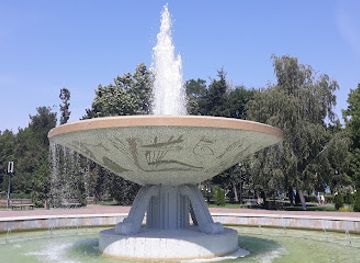
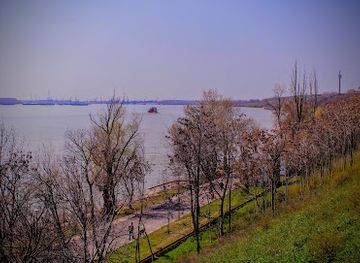
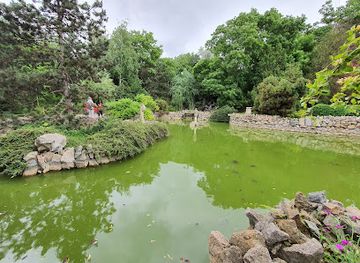
Best landmarks in Galați
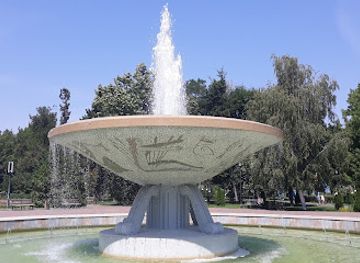
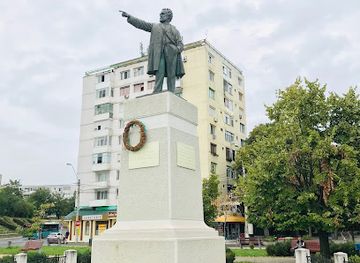
The Danube is Galați’s defining natural and symbolic landmark, shaping the city’s history, economy and visual character. The riverside Precista Church is the county’s most distinctive historic monument: its fortified form reflects the insecurity and strategic importance of the Lower Danube during the medieval and early-modern periods. In central Galați, late nineteenth- and early twentieth-century civic buildings, churches and commercial streets reveal the prosperity generated by port trade, even where later development has altered the historic fabric. The industrial riverfront and shipyard are important modern landmarks, representing the city’s transformation from a commercial port into a major manufacturing centre, although working areas are not generally open for casual exploration. Lake Brateș and the broad meeting zone of the Danube, Siret and Prut give the county a geographical identity based on water, floodplain and open horizons. Tecuci’s historic churches and market-town streets provide a more understated landmark landscape, while rural monasteries and village religious buildings preserve regional architectural traditions. Together, these places show Galați as a meeting point of river commerce, Moldavian history, industry and agricultural countryside.
-
Garden
Grădina Publică
Discover the beauty of nature at Grădina Publică in Galați, a serene garden oasis perfect for relaxation and cultural experiences.
-
Natural history museum
Museum of Natural Sciences "Răsvan Angheluță"
Discover the rich biodiversity and geological marvels at the Museum of Natural Sciences Răsvan Angheluță in Galați, a must-visit for nature lovers.
-
Park
Propeller Monument
Discover the Propeller Monument in Galați – a stunning tribute to maritime heritage set against the scenic backdrop of the Danube River.
-
Tourist attraction
Television Tower
Explore the stunning views and architectural beauty at the Galați TV Tower, a must-see tourist attraction in Romania.
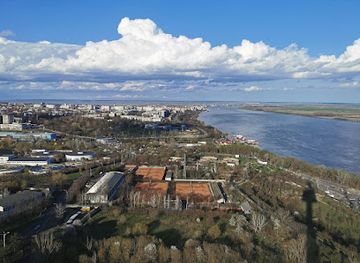
Explore Galați on the map
Plan your trip on one map. See where the top cities, national parks and sights are, and book hotels and experiences in a few clicks.
Best hotels in Galați
Best restaurants in Galați
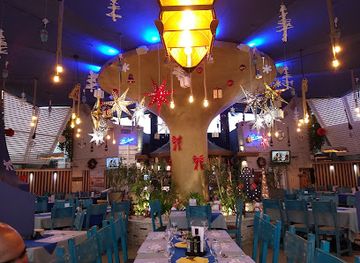
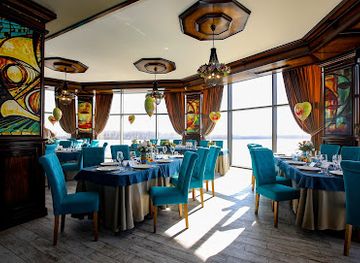
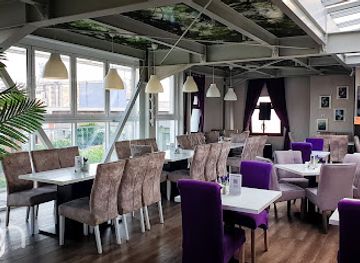
Dining in Galați reflects eastern Romanian and wider Moldavian traditions, with filling soups, grilled meats, stews, seasonal vegetables, polenta, fresh bread and cakes appearing alongside familiar Romanian favourites. Fish is a logical choice near the Danube, although menus vary between traditional restaurants, waterside venues and everyday cafés. Around markets and food shops, visitors can look for local cheeses, pickles, fruit, honey and baked goods, while the agricultural county supplies much of the produce used in regional cooking. Tecuci and the villages around it offer a more rural food culture, often centred on family-run establishments and seasonal ingredients rather than formal dining. Galați city has the broadest range, from bakeries and cafés to restaurants serving Romanian, Balkan and international dishes. Regional wines from Moldavia and nearby eastern vineyards may accompany meals, but the exact selection changes by establishment. Tipping is customary for good service but should remain proportionate and discretionary.
-
Angler fish restaurant
Restaurant Blue Acqua – Faleza Dunării Galaţi
Discover exquisite angler fish dishes and stunning river views at Restaurant Blue Acqua in Galați – a true culinary gem by the Danube.
-
Restaurant
Alex Restaurant Galați
Experience authentic Italian cuisine in Galați at Alex Restaurant – where every meal is crafted with passion and fresh ingredients.
-
Restaurant
STAGE - Nice Dining
Discover culinary excellence at STAGE - Nice Dining in Galați, where delicious food meets breathtaking views.
-
Restaurant
Ca Jou
Discover the flavors of Romania at Ca Jou in Galați – where tradition meets modern cuisine for an unforgettable dining experience.
Best bars in Galați
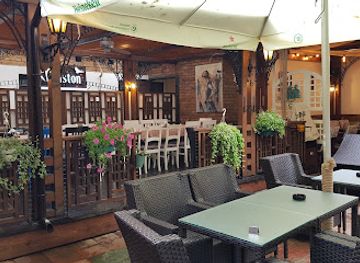
Evening life in Galați is concentrated in the city centre and along established leisure areas near the waterfront, where cafés, pubs, restaurants and bars provide the main social setting. Traditional-style pubs and contemporary bars coexist with venues offering coffee, desserts, live music or televised sport. The city has a modest club scene, but it is smaller and less internationally oriented than Bucharest’s or Cluj-Napoca’s nightlife, and venues and opening arrangements can change. Tecuci offers a quieter evening pattern focused on restaurants, cafés and local bars rather than late-night clubs. In villages and rural parts of the county, evenings generally revolve around family gatherings, inns and occasional community events. Local beer, Romanian wine and spirits are widely available, but visitors do not need to drink alcohol to participate in the region’s social life.
-
Angler fish restaurant
Restaurant Blue Acqua – Faleza Dunării Galaţi
Experience the culinary charm of Restaurant Blue Acqua – a perfect blend of fresh angler fish and stunning Danube views in Galați.
-
Pub
Union Jack
Discover Union Jack in Galați, an inviting pub offering a lively atmosphere, delicious food, and an extensive drink selection for all visitors.
-
Romanian
Teatris Restaurant
Savor authentic Romanian cuisine at Teatris Restaurant, where traditional flavors meet a charming atmosphere in Galați.
-
Irish pub
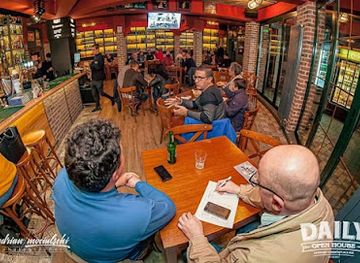
Daily Pub
Discover the lively atmosphere of Daily Pub, Galați's favorite Irish pub, where hearty meals and vibrant entertainment await every visitor.
Best nightclubs in Galați
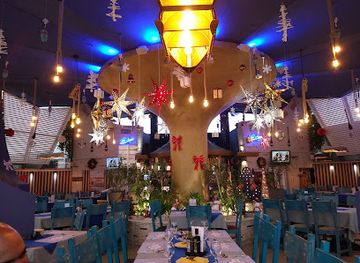
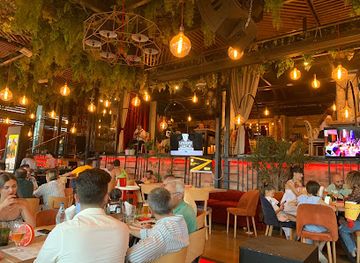
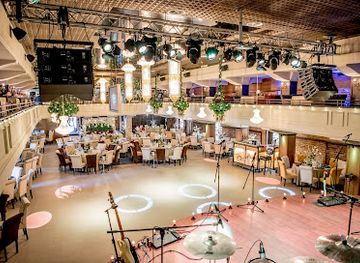
Evening life in Galați is concentrated in the city centre and along established leisure areas near the waterfront, where cafés, pubs, restaurants and bars provide the main social setting. Traditional-style pubs and contemporary bars coexist with venues offering coffee, desserts, live music or televised sport. The city has a modest club scene, but it is smaller and less internationally oriented than Bucharest’s or Cluj-Napoca’s nightlife, and venues and opening arrangements can change. Tecuci offers a quieter evening pattern focused on restaurants, cafés and local bars rather than late-night clubs. In villages and rural parts of the county, evenings generally revolve around family gatherings, inns and occasional community events. Local beer, Romanian wine and spirits are widely available, but visitors do not need to drink alcohol to participate in the region’s social life.
-
Lounge
90's Pub
Experience the vibrant nostalgia of the 90s at 90's Pub in Galați, where great music meets delicious drinks and fun times.
-
Pub
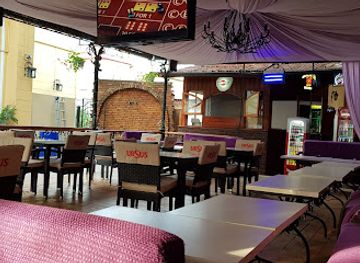
Versus Pub
Discover the vibrant atmosphere and delicious offerings at Versus Pub, a must-visit gastropub in the heart of Galați.
-
Event venue
Divino Club
Explore Divino Club in Galați: a premier event venue and restaurant offering exquisite dining and exceptional service for all occasions.
-
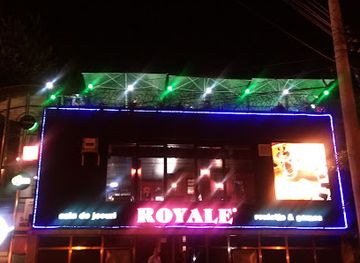
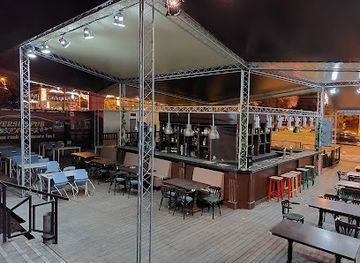
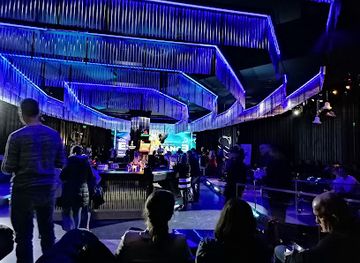
Night club
Infinity
Experience the vibrant nightlife of Galați at Infinity, the ultimate night club for music, dancing, and unforgettable memories.
Best shops in Galați
Shopping in Galați is primarily practical and local rather than centred on luxury retail. The city’s central streets, markets and food shops are the best places to find seasonal fruit and vegetables, cheeses, honey, preserves, pickles, bread and other Romanian pantry products. Independent bakeries and specialist food counters are useful for edible souvenirs, while larger retail developments provide familiar national and international brands. Tecuci has the character of a regional market town, with everyday shops and stalls serving surrounding agricultural communities. Visitors interested in craft purchases should look for Romanian ceramics, woven items, carved wooden objects and religious handicrafts in reputable shops or cultural venues, checking that goods are genuinely locally made. Bottles of Romanian wine, honey and packaged regional foods travel more easily than fresh produce. Market hours, stallholders and product ranges can vary, so carrying small-denomination Romanian lei remains helpful. The most rewarding shopping is generally found in food markets and independent stores rather than in a specialised tourist quarter.
-
Shopping mall
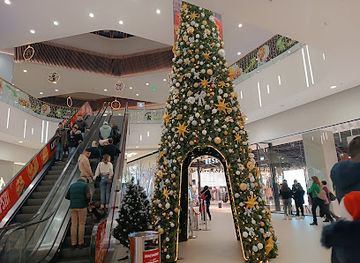
Shopping City
Discover Shopping City in Galați: A premier shopping destination with diverse stores, dining, and entertainment for every traveler.
-
Hypermarket
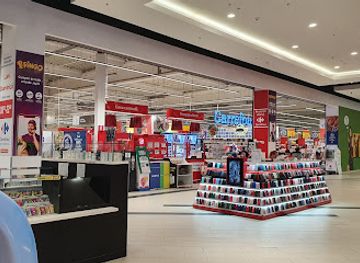
Carrefour
Discover Carrefour in Galați: A Hypermarket Haven for Tourists Seeking Local Flavors and Shopping Variety.
-
Shopping mall
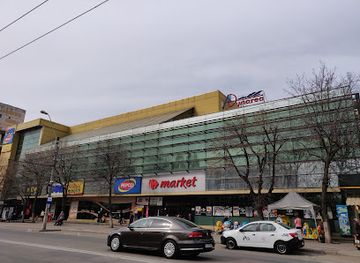
Dunărea Mall
Explore Dunărea Mall in Galați for a delightful shopping and dining experience, featuring a variety of brands and entertainment for all ages.
-
Produce market
Piața Micro 39
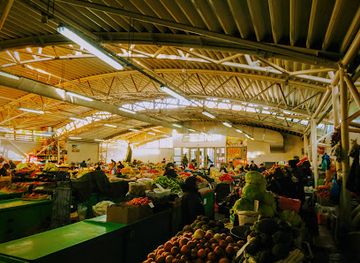
Explore the vibrant Piața Micro 39 in Galați, Romania, where fresh produce meets local culture in a lively market atmosphere.
Get your free copy of our complete guide to Galați, delivered straight to you.
Everything on this page, from attractions and restaurants to essentials and local phrases, in one PDF you can read offline, print or share.
Already have an account? Sign in
Your Galați guide is ready.
We'll send it to · Not you? Sign out

Getting your guide ready…
We are putting together a fresh copy of the Galați guide. This can take up to a minute.
This can take a few moments. If your browser asks, choose Allow so the download can start. You'll find the guide in your Downloads folder.
Nothing happened? Download it again
Sorry, the guide is taking longer than usual. Please try again in a minute, or get it by email instead.
Galați essentials
Currency and Payment
Safety
Emergency Situations
Do's and Don'ts
Local Tips
From Eve
Local phrases worth knowing
You don't need to get them perfect. A few words go a long way, and locals appreciate the effort.
Basics
| English | Local | Say it |
|---|---|---|
| Hello | Salut | [sah-LOOT] |
| Goodbye | La revedere | [lah reh-veh-DEH-reh] |
| Yes | Da | [dah] |
| No | Nu | [noo] |
| Please/You're welcome | Te rog/Mulțumesc | [teh rog/mool-tsoo-MESK] |
| Thank you | Mulțumesc | [mool-tsoo-MESK] |
| Excuse me/Sorry | Scuză-mă/Îmi pare rău | [skoo-ZAH-muh/im PAH-reh ROW] |
| How are you? | Ce mai faci? | [cheh my fahch?] |
| Fine. And you? | Bine. Și tu? | [BEE-neh. shee too?] |
| Do you speak English? | Vorbești engleză? | [vor-BESHT eng-LEH-zah?] |
| I don't understand | Nu înțeleg | [noo un-tzeh-LEG] |
Eating & Drinking
| English | Local | Say it |
|---|---|---|
| I'd like to see the menu, please | Aș dori să văd meniul, te rog | [ahsh DOH-ree sah vehd meh-NEW-ul, teh rog] |
| I don't eat meat | Nu mănânc carne | [noo muh-NINK kar-neh] |
| Cheers! | Noroc! | [noh-ROCK] |
| I would like to pay, please | Aș dori să plătesc, te rog | [ahsh DOH-ree sah plah-TESK, teh rog] |
Emergencies
| English | Local | Say it |
|---|---|---|
| Help! | Ajutor! | [ah-joo-TOR] |
| Go away! | Du-te! | [DOO-teh!] |
| Call the Police! | Sunați Poliția! | [soo-NAHTS poh-LEE-tsee-ah!] |
| Call a doctor! | Sunați un medic! | [soo-NAHTS oon MEH-dik!] |
| I'm lost | M-am pierdut | [muhm pee-EHR-doot] |
| I'm ill | Sunt bolnav | [soont bol-NAHV] |
Shopping
| English | Local | Say it |
|---|---|---|
| I'd like to buy... | Aș dori să cumpăr... | [ahsh DOH-ree sah COOM-pair...] |
| I'm just looking | Mă uit doar | [muh OIT doo-ar] |
| How much is it? | Cât costă? | [koot KOS-tah?] |
| That's too expensive | Asta e prea scump | [AH-stah eh PREH-ah skoomp] |
| Can you lower the price? | Poți să scazi prețul? | [pots sah skah-ZEE PREH-tsool?] |
Time & Numbers
| English | Local | Say it |
|---|---|---|
| What time is it? | Ce oră este? | [cheh OH-rah YES-teh?] |
| It's one o'clock | Este o oră | [YES-teh oh OH-rah] |
| Half past (10) | Treizeci | [TREI-zeh-chi] |
| Morning | Dimineața | [dee-mee-NEH-tsah] |
| Afternoon | După-amiază | [doo-pah ah-mee-AH-zah] |
| Evening | Seara | [SEH-rah] |
| Yesterday | Ieri | [YER-ee] |
| Today | Astăzi | [AH-stahz] |
| Tomorrow | Mâine | [MEE-neh] |
| 1 | 1 | [unu] |
| 2 | 2 | [doi] |
| 3 | 3 | [trei] |
| 4 | 4 | [patru] |
| 5 | 5 | [cinci] |
| 6 | 6 | [șase] |
| 7 | 7 | [șapte] |
| 8 | 8 | [opt] |
| 9 | 9 | [nouă] |
| 10 | 10 | [zece] |
Transport & Directions
| English | Local | Say it |
|---|---|---|
| Where's a/the...? | Unde este un/ă...? | [oon-deh YES-teh oon/ă...?] |
| What's the address? | Care este adresa? | [KAH-reh YES-teh ah-DREH-sah?] |
| Can you show me (on the map)? | Îmi poți arăta (pe hartă)? | [eem pots ah-rah-TAH (peh HAR-tah)?] |
| When's the next (bus)? | Când vine următorul (autobuz)? | [kând VEE-neh oor-mah-TOR-ul (ow-toh-BOOZ)?] |
| A ticket (to ....) | Un bilet (la ...) | [oon bee-LET (lah ...)] |
History of Galați
Prehistoric and ancient settlement
The lands of present-day Galați County have long been occupied because the Lower Danube plain offered water, fertile soils and routes between the Carpathian basin, the Black Sea and the Balkans. Archaeological discoveries in the wider region record prehistoric farming communities and later populations connected with the ancient cultures of Moldavia and the Lower Danube. Greek, Roman and local influences reached the area through river commerce and military movement, although the surviving evidence is dispersed rather than concentrated in one monumental archaeological complex.
The medieval Moldavian frontier
During the medieval period, the region formed part of the historical principality of Moldavia and occupied an important position near the Danube and the mouths of the Siret and Prut. Settlements and river crossings supported trade, taxation and military movement. Galați developed as a port associated with inland Moldavian commerce, while fortified religious buildings and rural monasteries reflected the political and spiritual organisation of the principality. The area’s location also exposed it to pressure from the Ottoman Empire and competing powers active around the lower river.
Galați as a Danube port
Galați’s importance increased as merchants used the Danube to move grain, timber, livestock and other products from Moldavia towards Black Sea and central European markets. Ottoman influence shaped regional trade for centuries, but the river port became especially prominent during the eighteenth and nineteenth centuries, when international commerce expanded. The city’s position made it a meeting point for Romanian, Greek, Jewish, Armenian and other merchant communities, whose activity contributed to its urban and commercial character.
The 1829 Treaty and the free-port era
The Treaty of Adrianople in 1829 removed major Ottoman restrictions on Danube commerce and helped create conditions for Galați’s development as a free port. Trade grew rapidly during the nineteenth century, particularly in grain exported from the Danubian principalities. Consulates, warehouses, shipping businesses and new civic buildings appeared as the town became increasingly connected to international markets. This period established the commercial foundations of modern Galați and explains why the city’s history is so closely linked to navigation and port administration.
Union, railways and modern Romania
After the union of Moldavia and Wallachia in 1859 and the creation of modern Romania, Galați benefited from closer administrative and economic integration with the rest of the country. Railway connections strengthened links with inland production areas, while the port remained a major outlet for agricultural goods. Urban growth brought schools, public institutions, churches and a more elaborate civic centre. Tecuci likewise developed as a regional railway and market town, serving the agricultural communities of western Galați County.
Shipbuilding and industrial transformation
During the twentieth century, Galați became one of Romania’s principal industrial centres, with shipbuilding and related metalworking adding an important manufacturing dimension to its historic port economy. The industrial expansion of the communist period reshaped the city’s workforce, housing and riverfront, while also leaving a substantial built legacy. After 1989, the local economy underwent difficult restructuring, but the port, shipyard and transport connections remain central to Galați’s identity and provide a visible link between its commercial past and present-day life.
The Lower Danube after 1989
Romania’s post-communist transformation changed patterns of employment, ownership and trade throughout Galați County. Heavy industry and port activity continued, but services, education, cultural tourism and cross-border commerce gained greater significance. The county’s proximity to Moldova and Ukraine gives it continuing strategic importance, while environmental awareness has encouraged greater interest in the Danube, wetlands, lakes and woodland. Today Galați combines the character of a working industrial city with the quieter agricultural and cultural landscapes of south-eastern Moldavia.
Galați in Photos
Browse through our photo collection highlighting the charm and character of the destination.
Neighbouring regions of Galați
The closest regions to Galați, if you have time for more than one.
-

-

-

-

-


Swipe for more regions
Explore more

Explore more of Romania
Discover Romania's blend of mystical castles, enchanting landscapes, and vibrant culture. Experience the rich history and natural beauty that make Romania a unique travel destination.
Explore Romania