

Free Călărași Travel Guide & Mobile App
Explore Călărași with free travel guides. Discover regional history, expert tips, proposed trips, and audio guides on web or mobile app.


Explore Călărași for Lower Danube wetlands, Gumelnița archaeology, riverside towns, birdlife and the open landscapes of southern Romania.
Read more about Călărași
When is the best time to visit Călărași?
Best: May–June, September · 22–27°C| Month | High (°C) | Rainfall (mm) |
|---|---|---|
| January | 4 | 35 |
| February | 5 | 30 |
| March | 12 | 35 |
| April | 17 | 40 |
| May (best) | 22 | 45 |
| June (best) | 27 | 50 |
| July | 29 | 45 |
| August | 28 | 40 |
| September (best) | 23 | 35 |
| October | 17 | 40 |
| November | 9 | 35 |
| December | 5 | 40 |
Getting to and around Călărași
How to get there
Transportation
Best attractions in Călărași
Călărași’s attractions are spread between river, wetland, town and archaeological site rather than concentrated in one historic centre. The Lower Danube Museum in Călărași introduces the county’s archaeology, history and natural environment, while the Museum of Gumelnița Civilisation in Oltenița is especially valuable for understanding the Copper Age communities of the Lower Danube. Archaeological areas around Sultana and the Gumelnița tell near Oltenița provide context for the museum collections, although visits may require advance planning. The county’s natural attractions include the Danube, the Borcea branch, lakes, islands, reedbeds and floodplain habitats, with opportunities for birdwatching, fishing and quiet riverside walks. Călărași’s urban parks and river approaches offer an accessible introduction to the landscape, while Oltenița provides a contrasting port-town setting. Rural roads lead through agricultural villages and open fields, where the experience is less about a succession of formal sights than about observing the broad Lower Danube environment. Visitors interested in nature should check local access conditions, water levels and any restrictions affecting wetlands or privately managed land.
-
Zoo
Zoo Garden
Discover the interactive Zoo Garden, where adventure meets education in a serene natural setting filled with diverse wildlife.
-
State park
Waterfront Park Central Calarasi
Experience the natural beauty and recreational charm of Waterfront Park in Central Calarasi, a perfect getaway for nature lovers and families alike.
-
Park
Parcul Dumbrava
Explore the serene beauty of Parcul Dumbrava in Călărași, Romania, a perfect destination for nature lovers and families seeking relaxation.
-
Park
Parcul Năvodari
Explore the natural beauty of Parcul Năvodari, a serene park in Călărași offering playgrounds, walking paths, and a perfect escape for all ages.


Best landmarks in Călărași
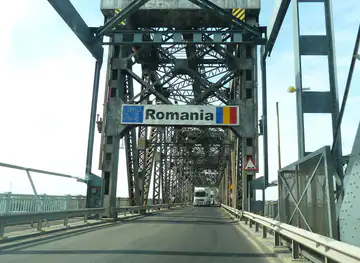
The Danube and Borcea branch are Călărași County’s most important natural landmarks, defining its geography, transport history and settlement pattern. The riverfront at Călărași provides the clearest urban encounter with the water, while the broader floodplain reveals channels, reedbeds and low islands shaped by seasonal movement. In Oltenița, the river-port setting is central to the town’s identity and its long connection with trade and transport. The Gumelnița tell near Oltenița is significant not because of monumental architecture but because it represents one of the key archaeological landscapes of the Copper Age Lower Danube. The Sultana-Malu Roșu site likewise marks the county’s deep prehistoric record and its relationship with former waterways. Museums in both principal towns are important interpretative landmarks: the Lower Danube Museum in Călărași and the Museum of Gumelnița Civilisation in Oltenița make the region’s archaeological and environmental heritage accessible. At Chiciu, the Danube becomes an internationally significant border landscape, with Silistra in Bulgaria visible across the river, although the Bulgarian town lies outside the county.
-
Castle
Bran Castle
Explore the mystical Bran Castle, a historical gem in Romania surrounded by tales of Dracula and breathtaking mountain scenery.
-
State park
Waterfront Park Central Calarasi
Experience nature's serenity at Waterfront Park Central Calarasi, a picturesque state park perfect for relaxation and outdoor activities in Romania.
-
Hotel
Hotel Călăraşi
Discover the charm of Călărași at Hotel Călărași, where comfort meets convenience in the heart of Romania.
-
Park
Parcul Dumbrava
Experience the tranquility and natural beauty of Parcul Dumbrava, a serene escape in Călărași, Romania, perfect for relaxation and outdoor activities.


Explore Călărași on the map
Plan your trip on one map. See where the top cities, national parks and sights are, and book hotels and experiences in a few clicks.
Best hotels in Călărași
Best restaurants in Călărași
Dining in Călărași County reflects the food culture of southern Romania and the Danube plain. Freshwater fish is the most geographically relevant theme, appearing in preparations such as fish soup, grilled fish and baked or fried catches, although menus vary according to supply and season. Traditional restaurants and rural inns also serve ciorbă, grilled meats, stuffed vegetables, beans, polenta, breads, pickles and seasonal salads. In markets and food shops, look for local vegetables, fruit, preserves, honey and dairy products from the surrounding agricultural plain. Călărași and Oltenița offer the widest choice of cafés and conventional restaurants, while village dining is more limited and may depend on advance arrangements. Romanian pastries and sweet breads are common, and beer, wine and soft drinks accompany meals in the usual national fashion. Ask whether fish is locally sourced and how it has been prepared, particularly in riverside establishments, rather than assuming that every menu represents a distinct county recipe.
-
Coffee shop
River's Lounge
Experience the charm of Călărași at River's Lounge - your go-to coffee shop and diner offering delicious meals and artisanal drinks.
-
Restaurant
Queen, Restaurant
Discover Queen Restaurant in Călărași for an unforgettable dining experience filled with delicious Romanian flavors and warm hospitality.
-
Restaurant
D'all Class
Discover D'all Class in Călărași: A vibrant restaurant with diverse menus, family-friendly features, and stunning views from the observation deck.
-
Restaurant
Restaurant Dumbrava Călărași
Discover authentic Romanian flavors at Restaurant Dumbrava Călărași, nestled in picturesque Dumbrava Park, perfect for food lovers and nature enthusiasts alike.


Best bars in Călărași
Nightlife in Călărași County is modest and centred on the principal towns rather than on a major club circuit. In Călărași and Oltenița, evening options generally include cafés, restaurants, bars and occasional live-music venues, with activity influenced by weekends, holidays and the student or working population. Traditional pubs and casual bars are more typical than large nightclubs, while riverside settings are best appreciated as places for an early evening drink or meal rather than as organised nightlife districts. In smaller settlements, evening social life is largely local and may revolve around family gatherings, village celebrations or restaurants. Visitors should not expect metropolitan opening hours or a dense concentration of venues, and current choices can change as businesses open or close. Local beer, Romanian wine and coffee are widely available, but alcohol is not necessary to experience the county’s evening culture; a walk through a town centre or a meal beside the river can be the more characteristic option.
-
Coffee shop
River's Lounge
Experience the charm of River's Lounge – a cozy coffee shop, diner, and sports bar in the heart of Călărași, perfect for casual dining and relaxation.
-
Restaurant
Queen, Restaurant
Experience the rich flavors of Romania at Restaurant Queen in Călărași, where tradition meets modern cuisine in a welcoming atmosphere.
-
Bar
D'all Class
Experience the vibrant flavors and family-friendly atmosphere at D'all Class, Călărași's top bar and restaurant destination.
-
Restaurant
Restaurant Dumbrava Călărași
Discover authentic Romanian flavors at Restaurant Dumbrava, nestled in the scenic Dumbrava Park in Călărași, perfect for nature-loving food enthusiasts.


Best nightclubs in Călărași
Nightlife in Călărași County is modest and centred on the principal towns rather than on a major club circuit. In Călărași and Oltenița, evening options generally include cafés, restaurants, bars and occasional live-music venues, with activity influenced by weekends, holidays and the student or working population. Traditional pubs and casual bars are more typical than large nightclubs, while riverside settings are best appreciated as places for an early evening drink or meal rather than as organised nightlife districts. In smaller settlements, evening social life is largely local and may revolve around family gatherings, village celebrations or restaurants. Visitors should not expect metropolitan opening hours or a dense concentration of venues, and current choices can change as businesses open or close. Local beer, Romanian wine and coffee are widely available, but alcohol is not necessary to experience the county’s evening culture; a walk through a town centre or a meal beside the river can be the more characteristic option.
-
Coffee shop
River's Lounge
Discover River's Lounge, where cozy coffee moments meet hearty diner delights and exciting sports events in the heart of Călărași.
-
Restaurant
D'all Class
Experience the vibrant fusion of dining, leisure, and fun at D'all Class in Călărași, where every moment is a celebration of flavor and joy.
-
Restaurant
Tchibo Pub&Grill
Experience the culinary delights of Tchibo Pub&Grill in Călărași, where local flavors meet international cuisine in a vibrant, welcoming atmosphere.
-
Bar
Bar La Ruine
Experience the vibrant nightlife of Călărași at Bar La Ruine, where great drinks and a cozy atmosphere await.


Best shops in Călărași
Shopping in Călărași County is practical and locally oriented, with the broadest selection in Călărași and Oltenița. Central streets, supermarkets, traditional markets and small independent shops serve everyday needs, while open-air markets are useful for seasonal vegetables, fruit, honey, preserves, cheese and other goods from the agricultural plain. Visitors looking for regional presents may find local food products, Romanian wine, ceramics, woven items or small craft pieces, although the range is smaller than in Romania’s major tourist cities. Oltenița’s connection with the Danube and Gumelnița heritage makes archaeological and river-themed museum material a more meaningful souvenir than generic merchandise. Rural villages may have basic shops but are not dependable destinations for specialist retail. Carrying cash is sensible at markets and small stalls, and shoppers should distinguish genuinely local produce from nationally distributed products marketed with a broad Romanian identity.
-
Supermarket
Kaufland
Explore the vibrant flavors of Romania at Kaufland, your ultimate destination for fresh produce, local delicacies, and everyday essentials in Călărași.
-
Hardware store
Brico Depot Calarasi
Explore Brico Depot Călărași for all your home improvement needs with top-quality products at competitive prices.
-
Clothing store
sinsay
Explore trendy styles and affordable fashion at Sinsay, the ultimate clothing store in Călărași for stylish tourists.
-
Shopping mall
asia shopping city(Magazin chinezesc )
Experience the best of retail and culture at Asia Shopping City in Călărași, Romania - a vibrant shopping destination for all.


Get your free copy of our complete guide to Călărași, delivered straight to you.
Everything on this page, from attractions and restaurants to essentials and local phrases, in one PDF you can read offline, print or share.
Already have an account? Sign in
Your Călărași guide is ready.
We'll send it to · Not you? Sign out

Getting your guide ready…
We are putting together a fresh copy of the Călărași guide. This can take up to a minute.
This can take a few moments. If your browser asks, choose Allow so the download can start. You'll find the guide in your Downloads folder.
Nothing happened? Download it again
Sorry, the guide is taking longer than usual. Please try again in a minute, or get it by email instead.
Călărași essentials
Currency and Payment
Safety
Emergency Situations
Do's and Don'ts
Local Tips
From Eve
Local phrases worth knowing
You don't need to get them perfect. A few words go a long way, and locals appreciate the effort.
Basics
| English | Local | Say it |
|---|---|---|
| Hello | Bună | [Boo-nuh] |
| Goodbye | La revedere | [Lah reh-veh-deh-reh] |
| Yes | Da | [Dah] |
| No | Nu | [Noo] |
| Please/You're welcome | Te rog/ Cu plăcere | [Teh rog/ Koo plah-cheh-reh] |
| Thank you | Mulțumesc | [Mool-tsoo-mesk] |
| Excuse me/Sorry | Scuză-mă/Pardon | [Scoo-zah-muh/ Pahr-dohn] |
| How are you? | Ce mai faci? | [Cheh mai fahch?] |
| Fine. And you? | Bine. Și tu? | [Bee-neh. Shee too?] |
| Do you speak English? | Vorbești engleză? | [Vor-besht eng-leh-zah?] |
| I don't understand | Nu înțeleg | [Noo in-tseh-leg] |
Eating & Drinking
| English | Local | Say it |
|---|---|---|
| I'd like to see the menu, please | Aș dori să văd meniul, te rog | [Ash doh-ree sah vehd meh-nyool, teh rog] |
| I don't eat meat | Nu mănânc carne | [Noo muh-nahnk kar-neh] |
| Cheers! | Noroc! | [Noh-rok!] |
| I would like to pay, please | Aș dori să plătesc, te rog | [Ash doh-ree sah plah-tesk, teh rog] |
Emergencies
| English | Local | Say it |
|---|---|---|
| Help! | Ajutor! | [Ah-joo-tor!] |
| Go away! | Du-te! | [Doo-teh!] |
| Call the Police! | Sunați Poliția! | [Soo-nahts Poh-lee-tsiah!] |
| Call a doctor! | Sunați un doctor! | [Soo-nahts oon dok-tor!] |
| I'm lost | M-am pierdut | [Mahm pyair-doot] |
| I'm ill | Sunt bolnav | [Soont bol-nahv] |
Shopping
| English | Local | Say it |
|---|---|---|
| I'd like to buy... | Aș dori să cumpăr... | [Ash doh-ree sah koom-pair...] |
| I'm just looking | Mă uit doar | [Muh oot doar] |
| How much is it? | Cât costă? | [Koot koh-stah?] |
| That's too expensive | Asta e prea scump | [Ah-stah eh pree-ah skoomp] |
| Can you lower the price? | Poți să scazi prețul? | [Poh-tsih sah skahz prehts-ul?] |
Time & Numbers
| English | Local | Say it |
|---|---|---|
| What time is it? | Ce oră este? | [Cheh oh-rah yeh-steh?] |
| It's one o'clock | Este o oră | [Yes-teh o oh-rah] |
| Half past (10) | Jumătate după (10) | [Joo-mah-tah-teh doo-pah (10)] |
| Morning | Dimineața | [Dee-mee-nya-tsah] |
| Afternoon | După-amiaza | [Doo-pah ah-mee-ah-zah] |
| Evening | Seara | [Sear-ah] |
| Yesterday | Ieri | [Yair] |
| Today | Astăzi | [Ahs-tahz] |
| Tomorrow | Mâine | [Moo-eh-neh] |
| 1 | 1 | [1] |
| 2 | 2 | [2] |
| 3 | 3 | [3] |
| 4 | 4 | [4] |
| 5 | 5 | [5] |
| 6 | 6 | [6] |
| 7 | 7 | [7] |
| 8 | 8 | [8] |
| 9 | 9 | [9] |
| 10 | 10 | [10] |
Transport & Directions
| English | Local | Say it |
|---|---|---|
| Where's a/the...? | Unde este un/ o...? | [Oon-deh yeh-steh oon/oh...?] |
| What's the address? | Care este adresa? | [Kah-reh yeh-steh ah-dreh-sah?] |
| Can you show me (on the map)? | Poți să-mi arăți (pe hartă)? | [Poh-tsih sahm ah-rah-ts (peh har-tah)?] |
| When's the next (bus)? | Când vine următorul (autobuz)? | [Kund vee-neh oor-mah-tor-ul (ow-toh-booz)?] |
| A ticket (to ....) | Un bilet (la....) | [Oon bee-let (lah....)] |
History of Călărași
Gumelnița Culture and the Copper Age
The Lower Danube around present-day Călărași was a major centre of the Gumelnița culture, which flourished during the fifth millennium BC. Communities lived in settled villages, cultivated crops, kept animals and made sophisticated pottery, tools and ornaments. Archaeological work at sites including Sultana-Malu Roșu and the Gumelnița tell near Oltenița has revealed evidence of domestic life, craft production and exchange. The finds are important because they show the complexity of prehistoric societies along the Danube and the close relationship between settlement, fertile plains and river transport. Museums in Călărași and Oltenița interpret this legacy for visitors.
Roman Frontier and the Lower Danube
The Danube formed a major frontier of the Roman Empire, with military roads, forts and settlements established along strategic points. The important Roman centre of Durostorum stood across the river at present-day Silistra in Bulgaria, outside Călărași County, but its presence influenced the wider river corridor and its trade. The landscape of modern Călărași therefore belongs to a border zone shaped by Roman military organisation, commerce and contact between communities on both banks. Archaeological remains elsewhere along the Lower Danube help place the county’s waterways within this larger imperial network.
Medieval Wallachian Riverlands
During the medieval period, the territory of present-day Călărași formed part of the riverine and agricultural world of Wallachia. Settlements developed around arable land, pasture, fishing and crossings, while the Danube served both commerce and defence. The area’s proximity to Ottoman-controlled territories brought periods of insecurity as well as sustained trade and cultural contact. Rather than being dominated by one large medieval city, the county evolved through dispersed villages, estates, monasteries and market connections. This settlement pattern remains visible in the broad rural character of southern Călărași.
Ottoman Borderlands and River Trade
For centuries, the Lower Danube marked a politically sensitive frontier between Wallachia and the Ottoman world south of the river. River crossings, ports and fortified positions gained importance as armies, merchants and agricultural goods moved through the region. The towns that later became Călărași and Oltenița were shaped by this borderland setting, even when their modern urban form developed much later. The Danube was not only a barrier: it was also a transport route connecting inland Wallachia with Balkan markets and the wider commercial system of the river.
Nineteenth-Century Modernisation and Urban Growth
The nineteenth century brought major administrative and economic changes after the modern Romanian state took shape. Agricultural production expanded across the fertile plain, while river traffic and improved roads strengthened the role of settlements along the Danube and Borcea. Călărași developed as an administrative and commercial centre, and Oltenița became an important river port. The period also saw the spread of schools, public institutions and new urban architecture. Much of the county’s later identity as an agricultural and transport region rests on these nineteenth-century transformations.
Agriculture, Industry and Socialist Planning
During the communist period, Călărași was integrated into large-scale agricultural and industrial planning. Irrigation, collectivised farming and state-managed production altered the relationship between villages, fields and wetlands, while towns expanded through factories, housing estates and public infrastructure. Industrial activity became particularly visible in the county’s principal urban centres, although agriculture remained fundamental to employment and local life. The post-1989 transition brought the restructuring of many state enterprises and farms, leaving a mixed landscape in which modern agribusiness, small-scale cultivation and older village patterns coexist.
Călărași in Photos
Browse through our photo collection highlighting the charm and character of the destination.
Neighbouring regions of Călărași
The closest regions to Călărași, if you have time for more than one.
-

-

-
-

-


Swipe for more regions
Explore more

Explore more of Romania
Discover Romania's blend of mystical castles, enchanting landscapes, and vibrant culture. Experience the rich history and natural beauty that make Romania a unique travel destination.
Explore Romania