

Free Brasov Travel Guide & Mobile App
Plan your Brasov trip with Evendo. Get free guides to top attractions, restaurants, hotels, and bars. Web access or download the mobile app.


Brasov, Romania blends a medieval Saxon centre, Black Church, mountain scenery and lively cultural life with historic Transylvanian sightseeing.
Medieval Core and Saxon Heritage
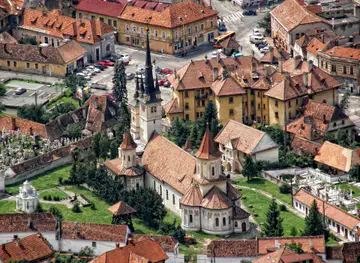
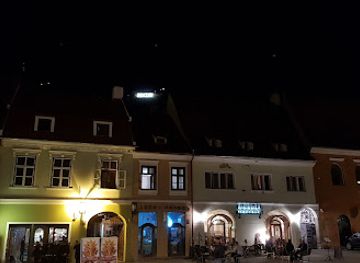
Brasov lies in central Romania, surrounded by the wooded ridges of the Southern Carpathians and shaped by centuries of Saxon, Romanian and Hungarian influence. Its compact historic centre is anchored by Piața Sfatului, a spacious square lined with colourful merchant houses, cafés and the former town hall. From here, Strada Republicii leads through the pedestrian centre towards the Black Church, whose Gothic scale and darkened stone exterior make it one of the city’s defining landmarks. Narrow passages such as Rope Street reveal the dense medieval fabric beyond the principal avenues.Read more about Brasov
Mountains, Fortifications and City Life
When is the best time to visit Brasov?
Best: June–August · 24–26°C| Month | High (°C) | Rainfall (mm) |
|---|---|---|
| January | 1 | 30 |
| February | 2 | 25 |
| March | 7 | 25 |
| April | 13 | 35 |
| May | 20 | 55 |
| June (best) | 24 | 65 |
| July (best) | 26 | 75 |
| August (best) | 26 | 65 |
| September | 21 | 55 |
| October | 13 | 45 |
| November | 8 | 35 |
| December | 3 | 30 |
Getting to and around Brasov
How to get there
Transportation
Best attractions in Brasov
Brasov’s principal sightseeing area unfolds around Piața Sfatului, where colourful historic façades surround the former town hall and open towards the Black Church, the largest Gothic church in Romania. The church’s interior, organ and collection of Anatolian carpets offer a deeper encounter with the city’s Saxon heritage. Nearby, Rope Street is a remarkably narrow medieval passage, while the Weavers’ Bastion presents the defensive and guild history of the old town. A walk through the Șchei district leads to St Nicholas Church and the First Romanian School, important places in Romanian religious and educational history. Above the centre, Mount Tâmpa provides forested trails and broad views over the red roofs and surrounding mountains, subject to weather and access conditions. The First Romanian School museum, fortification remains and the city’s pedestrian streets add variety beyond the best-known square.
-
Bran Castle
Explore the enchanting Bran Castle, a historical gem in Romania known for its stunning architecture, rich history, and captivating Dracula legends.
-
The Council Square
Explore Brașov, a historical jewel in Romania, featuring stunning architecture, rich culture, and breathtaking views of the Carpathian Mountains.
-
Tâmpa
Discover the stunning natural beauty and breathtaking views from Tâmpa, a must-visit mountain in Brașov, Romania.
-
Zoo Brașov
Explore the enchanting Zoo Brașov, a family-friendly destination with diverse wildlife and stunning mountain views in the heart of Romania.


Best landmarks in Brasov
The Black Church is Brasov’s defining architectural landmark, a substantial Gothic church rebuilt after the 1689 fire and named for the darkened exterior masonry left by the blaze. Piața Sfatului forms the civic heart of the old town, with the former council house and its trumpet tower expressing the power of the medieval Saxon administration. The Rope Street passage preserves an unusual fragment of the dense historic street plan. Along the fortifications, the Weavers’ Bastion and surviving towers recall the defensive system maintained by the city’s guilds. In Șchei, St Nicholas Church represents the long religious and cultural presence of the Romanian community, while the nearby First Romanian School marks the development of Romanian-language education. Together, these places trace Brasov’s civic, commercial, religious and multicultural history.
-
Nature preserve
Tâmpa
Discover Tâmpa, a stunning nature preserve in Brașov offering breathtaking views, diverse wildlife, and unforgettable outdoor adventures.
12 min drive · 4.0 km from city centre
-
Historical landmark
The Council Square
Discover the charm of Brașov at Council Square, a historical landmark filled with culture, stunning architecture, and vibrant local life.
11 min drive · 3.5 km from city centre
-
Park
Nicolae Titulescu Park
Explore the natural beauty and cultural richness of Nicolae Titulescu Park in Brașov, a must-visit destination for every traveler.
9 min drive · 3.0 km from city centre
-
Hiking area
Solomon's Rocks
Explore the breathtaking hiking trails and stunning landscapes of Solomon's Rocks in the Carpathians, a must-visit attraction for nature lovers in Brașov.
21 min drive · 7.1 km from city centre


Explore Brasov on the map
Plan your Brasov trip on one map. See where the top attractions, landmarks, restaurants, bars and hotels are, find what's near where you're staying, and book hotels and experiences in a few clicks.
Neighbourhoods in Brasov
-

-

-
-

-


Swipe for more neighbourhoods
Best hotels in Brasov
Best restaurants in Brasov
Brasov’s food culture reflects Transylvania’s overlapping Romanian, Saxon and Hungarian traditions. Menus commonly feature sarmale, cabbage rolls filled with meat and rice; ciorbă, a range of sour soups; mămăligă with cheese or savoury accompaniments; and hearty pork, mushroom and game dishes influenced by the Carpathian landscape. Pastries, cakes and coffee recall the city’s Central European connections, while local craft beer and Romanian wines appear increasingly often alongside traditional fare. Restaurants and cafés cluster around Piața Sfatului, Strada Republicii and the lanes leading towards Șchei, with a mixture of old-fashioned dining rooms, contemporary kitchens and casual places for lunch. Markets and food shops offer seasonal fruit, cheeses, cured meats and preserves, although the strongest market culture is found in ordinary neighbourhood commerce rather than a single monumental food hall.
-
Romanian
Sergiana
Experience authentic Romanian cuisine at Sergiana in Brașov – where tradition meets flavor in a cozy setting.
10 min drive · 3.2 km from city centre
-
Romanian
La Ceaun - Michael Weiss
Experience the essence of Romanian cuisine at La Ceaun in Brașov – where tradition meets taste in every delightful dish.
10 min drive · 3.3 km from city centre
-
Romanian
La Ceaun - Piata Sfatului
Experience authentic Romanian cuisine at La Ceaun in Brașov's iconic Piața Sfatului – where tradition meets taste.
11 min drive · 3.5 km from city centre
-
Hamburger
Old Jack
Savor gourmet burgers at Old Jack in Brașov - where flavor meets tradition in a vibrant atmosphere.
10 min drive · 3.5 km from city centre


Best bars in Brasov
Brasov’s evening life is concentrated in and around the historic centre, particularly along Strada Republicii, Piața Sfatului and the adjoining lanes. Historic cellars, relaxed pubs, wine bars and café-bars suit an unhurried evening, while a younger crowd gathers at venues offering craft beer, cocktails, live music and occasional DJ sets. Cultural evenings may include performances at the Reduta Cultural Centre, the Sica Alexandrescu Theatre or other city venues, depending on the programme. The atmosphere is social rather than relentlessly club-focused, and the nightlife becomes quieter outside the central streets. Visitors should check current local listings for performances and venue schedules, as smaller establishments and seasonal events can change more frequently than the city’s established cultural institutions.
-
Irish pub
Deane's Irish Pub&Grill
Discover the vibrant atmosphere of Deane's Irish Pub & Grill in Brașov, where authentic Irish cuisine meets local flair in a lively setting.
10 min drive · 3.3 km from city centre
-
Restaurant
Kasho Mosaico Urbano
Discover Kasho Mosaico Urbano in Brașov for a unique fusion of exquisite dining and vibrant lounge ambiance, perfect for an unforgettable culinary journey.
10 min drive · 3.3 km from city centre
-
Restaurant
Ma Cocotte Gastro Wine Bar
Experience the fusion of gourmet cuisine and exquisite wines at Ma Cocotte Gastro Wine Bar in Brașov, where every meal is a celebration.
8 min drive · 2.5 km from city centre
-
Pub
Jamaica
Discover Jamaica Pub: A Lively Bar Experience in Brașov Offering a Fusion of Local and International Drinks in a Vibrant Atmosphere.
10 min drive · 3.3 km from city centre


Best nightclubs in Brasov
Brasov’s evening life is concentrated in and around the historic centre, particularly along Strada Republicii, Piața Sfatului and the adjoining lanes. Historic cellars, relaxed pubs, wine bars and café-bars suit an unhurried evening, while a younger crowd gathers at venues offering craft beer, cocktails, live music and occasional DJ sets. Cultural evenings may include performances at the Reduta Cultural Centre, the Sica Alexandrescu Theatre or other city venues, depending on the programme. The atmosphere is social rather than relentlessly club-focused, and the nightlife becomes quieter outside the central streets. Visitors should check current local listings for performances and venue schedules, as smaller establishments and seasonal events can change more frequently than the city’s established cultural institutions.
-
Pub
Temple Pub & Grill
Immerse yourself in the lively nightlife of Brașov at Temple Pub & Grill, where delectable cuisine meets an electrifying atmosphere.
5 min drive · 1.7 km from city centre
-
Night club
Times
Explore vibrant nightlife at Times Night Club, Brașov's premier spot for dancing, drinks, and unforgettable experiences.
9 min drive · 3.1 km from city centre
-
Club
The Square
Experience the vibrant nightlife of Brașov at The Square, where music, dance, and unforgettable memories await every visitor.
10 min drive · 3.5 km from city centre
-
Lounge
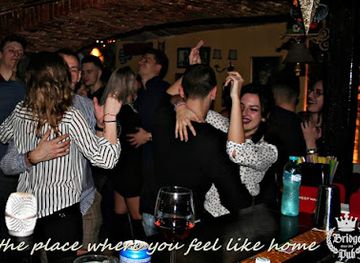
Bridge Pub
Experience the vibrant ambiance and delightful drinks at Bridge Pub, a cozy lounge in the heart of Brașov, perfect for unwinding after a day of exploration.
6 min drive · 2.2 km from city centre
Best shops in Brasov
Shopping in Brasov combines central pedestrian streets with the everyday commerce of a regional Romanian city. Strada Republicii and the lanes around Piața Sfatului contain cafés, bookshops, clothing retailers, souvenir shops and independent businesses in historic buildings, while neighbourhood markets provide a more ordinary view of local life. Visitors often look for Romanian ceramics, embroidered textiles, carved wooden objects, woollen goods, honey, preserves and regional cheeses, though quality and provenance vary and artisan production is not confined to the old town. Antique and craft-oriented shops appear among the central streets, while modern retail is found beyond the historic core in larger commercial areas. Food shops are useful for Transylvanian specialities and packaged gifts, but traditional markets remain better suited to seasonal produce than polished souvenirs.
-
Shopping mall
Coresi Shopping Center
Explore Coresi Shopping Center in Brașov for a unique shopping experience filled with fashion, food, and entertainment options.
8 min walk · 0.6 km from city centre
-
Store
AFI
Experience shopping, dining, and entertainment all under one roof at AFI Brașov, the ultimate destination for tourists in Romania.
6 min drive · 2.0 km from city centre
-
Shopping mall
Magnolia Shopping Center
Discover the ultimate shopping and dining experience at Magnolia Shopping Center in Brașov, where style meets comfort for every visitor.
9 min drive · 2.9 km from city centre
-
Shopping mall
Star
Discover a diverse shopping paradise at Star Mall in Brașov, where modern retail meets local charm in an exciting atmosphere.
9 min drive · 3.0 km from city centre


Get your free copy of our complete guide to Brasov, delivered straight to you.
Everything on this page, from attractions and restaurants to essentials and local phrases, in one PDF you can read offline, print or share.
Already have an account? Sign in
Your Brasov guide is ready.
We'll send it to · Not you? Sign out

Getting your guide ready…
We are putting together a fresh copy of the Brasov guide. This can take up to a minute.
This can take a few moments. If your browser asks, choose Allow so the download can start. You'll find the guide in your Downloads folder.
Nothing happened? Download it again
Sorry, the guide is taking longer than usual. Please try again in a minute, or get it by email instead.
Brasov essentials
Currency and Payment
Safety
Emergency Situations
Do's and Don'ts
Local Tips
From Eve
Local phrases worth knowing
You don't need to get them perfect. A few words go a long way, and locals appreciate the effort.
Basics
| English | Local | Say it |
|---|---|---|
| Hello | Salut | [saˈlut] |
| Goodbye | La revedere | [la re.veˈdere] |
| Yes | Da | [da] |
| No | Nu | [nu] |
| Please/You're welcome | Te rog/Cu plăcere | [te rog/ku plaˈt͡ʃere] |
| Thank you | Mulțumesc | [mul.t͡suˈmesk] |
| Excuse me/Sorry | Scuzați-mă/Îmi pare rău | [skuˈzaʦi mə/imj paˈre rəw] |
| How are you? | Ce faci? | [t͡ʃe ˈfat͡ʃʲ] |
| Fine. And you? | Bine. Și tu? | [biˈne‿ʃʲ‿ʲʲ‿tu] |
| Do you speak English? | Vorbești engleză? | [vorˈbeʃtʲ enˈglezə] |
| I don't understand | Nu înțeleg | [nu ɨnˈt͡se.leɡ] |
Eating & Drinking
| English | Local | Say it |
|---|---|---|
| I'd like to see the menu, please | Aș dori să văd meniul, vă rog | [aʃ doˈri sə vad meˈniw‿və rog] |
| I don't eat meat | Nu mănânc carne | [nu mɨ.ˈnɨŋk karˈne] |
| Cheers! | Noroc! | [noˈrok] |
| I would like to pay, please | Aș dori să plătesc, vă rog | [aʃ doˈri sə pləˈtesk‿və rog] |
Emergencies
| English | Local | Say it |
|---|---|---|
| Help! | Ajutor! | [aʒuˈtor] |
| Go away! | Du-te! | [du.te] |
| Call the Police! | Sunați Poliția! | [suˈnat͡s poˈlit͡si.a] |
| Call a doctor! | Sunați un doctor! | [suˈnat͡s un dokˈtor] |
| I'm lost | M-am pierdut | [mam pierˈdut] |
| I'm ill | Sunt bolnav | [sunt bolˈnav] |
Shopping
| English | Local | Say it |
|---|---|---|
| I'd like to buy... | Aș dori să cumpăr... | [aʃ doˈri sə kumˈpər] |
| I'm just looking | Doar mă uit | [doˈar mə wit] |
| How much is it? | Cât costă? | [kɨt kosˈtə] |
| That's too expensive | Este prea scump | [ˈeste pre̯a skump] |
| Can you lower the price? | Puteți să scădeți prețul? | [puˈtet͡s sə skəˈdet͡ʃ preˈt͡sul] |
Time & Numbers
| English | Local | Say it |
|---|---|---|
| What time is it? | Cât e ceasul? | [kɨt e t͡ʃe̯aˈsul] |
| It's one o'clock | E ora unu | [e oˈra unu] |
| Half past (10) | La jumătate (10) | [la ʒuˈmətate (10)] |
| Morning | Dimineața | [di.miˈne̯at͡sa] |
| Afternoon | După-amiază | [duˈpə‿aˈmjazə] |
| Evening | Seara | [ˈse̯ara] |
| Yesterday | Ieri | [ˈjerʲ] |
| Today | Astăzi | [asˈtəzʲ] |
| Tomorrow | Mâine | [mɨˈine] |
| 1 | Unu | [ˈunu] |
| 2 | Doi | [doj] |
| 3 | Trei | [trej] |
| 4 | Patru | [ˈpatru] |
| 5 | Cinci | [ˈt͡ʃint͡ʃʲ] |
| 6 | Șase | [ʃaʃe] |
| 7 | Șapte | [ʃapte] |
| 8 | Opt | [opt] |
| 9 | Nouă | [no.uə] |
| 10 | Zece | [zeˈt͡ʃe] |
Transport & Directions
| English | Local | Say it |
|---|---|---|
| Where's a/the...? | Unde este unul/... | [un.de esˈte uˈnul/...] |
| What's the address? | Care este adresa? | [kaˈre esˈte aˈdresa] |
| Can you show me (on the map)? | Puteți să-mi arătați (pe hartă)? | [puˈtet͡s səm‿aˈrətaʦi (pe harˈtə)] |
| When's the next (bus)? | Când este următorul (autobuz)? | [kɨnd esˈte urˈmətorul (autoˈbuz)] |
| A ticket (to ....) | Un bilet (spre ....) | [un biˈlet (spre)] |
History of Brasov
Early Settlements and the Teutonic Foundation
The Brasov area was inhabited before the medieval town emerged, with archaeological evidence of earlier settlement around the surrounding valleys and hills. The medieval city developed in a region that had long connected Transylvania with routes across the Carpathians. In the early thirteenth century, King Andrew II of Hungary invited the Teutonic Knights to the Burzenland, though their presence was brief. German-speaking settlers, later known as Transylvanian Saxons, established communities in the region and contributed to the formation of Corona, the medieval settlement that became Brasov. Its position at the meeting point of mountain passes and commercial routes encouraged urban growth, while nearby Romanian communities remained an important part of the area’s social and cultural landscape.
A Medieval Trading City
By the fourteenth and fifteenth centuries, Brasov had become one of Transylvania’s principal commercial centres. Its Saxon merchants traded with towns in Transylvania, Wallachia and beyond the Carpathians, dealing in textiles, metal goods, livestock and other commodities. The town’s prosperity supported the construction of substantial walls, bastions and guild-financed fortifications, many of whose surviving sections still shape the historic centre. The Black Church was rebuilt in its present Gothic form after the great fire of 1689, which devastated much of the town. Brasov’s guilds regulated crafts and commerce, while the fortified citadel protected a multilingual population living at a strategic frontier between Central Europe and the Romanian principalities.
The Șchei Community and Romanian Cultural Life
Outside the Saxon citadel, the Șchei district became the principal historic centre of Brasov’s Romanian community. St Nicholas Church developed into an important religious and educational institution, and the First Romanian School, traditionally associated with the church precinct, played a significant role in the development of Romanian-language education and printing. The district’s inhabitants maintained links with communities beyond the Carpathians and with the commercial life of the city, despite restrictions that historically affected access to the fortified town. The coexistence of Saxon, Romanian and Hungarian communities gave Brasov a layered identity visible in its churches, schools, architecture and documentary traditions.
Habsburg Rule and Nineteenth-Century Change
After the Habsburg conquest of Transylvania at the end of the seventeenth century, Brasov was incorporated into the Habsburg realm and later the Austrian Empire and Austria-Hungary. The city remained commercially important, but political and social change challenged the old privileges of the Saxon urban order. Reform movements, the growth of Romanian cultural institutions and the spread of modern administration altered civic life during the nineteenth century. Industrial activity expanded, new streets developed beyond the medieval walls and the railway connected Brasov more closely with other Transylvanian and Romanian centres. These changes helped transform a fortified trading town into a modern regional city while leaving its historic core substantially recognisable.
Twentieth-Century Romania and the Modern City
Following the First World War and the union of Transylvania with Romania in 1918, Brasov became part of the Romanian state and its linguistic and institutional balance changed further. The city industrialised significantly during the twentieth century, especially under communist rule, when factories and housing estates expanded far beyond the old centre. In 1950 it was renamed Orașul Stalin, a designation that lasted until 1960. The late communist period brought severe economic and social pressures, while the 1989 revolution opened a new era of political and commercial change. Since then, restoration of the historic centre, cultural institutions and mountain tourism have become central to Brasov’s contemporary identity.
Brasov in Photos
Browse through our photo collection highlighting the charm and character of the destination.
Cities near Brasov
The closest cities to Brasov, if you have time for more than one stop.
-

-
-

-

-


Swipe for more cities
Explore more

Explore more of Romania
Discover Romania's blend of mystical castles, enchanting landscapes, and vibrant culture. Experience the rich history and natural beauty that make Romania a unique travel destination.
Explore Romania