

Ntarama Genocide Memorial Travel Guide
Free Guide: Explore the Ntarama Genocide Memorial: A powerful tribute to resilience and remembrance in Rwanda's history.


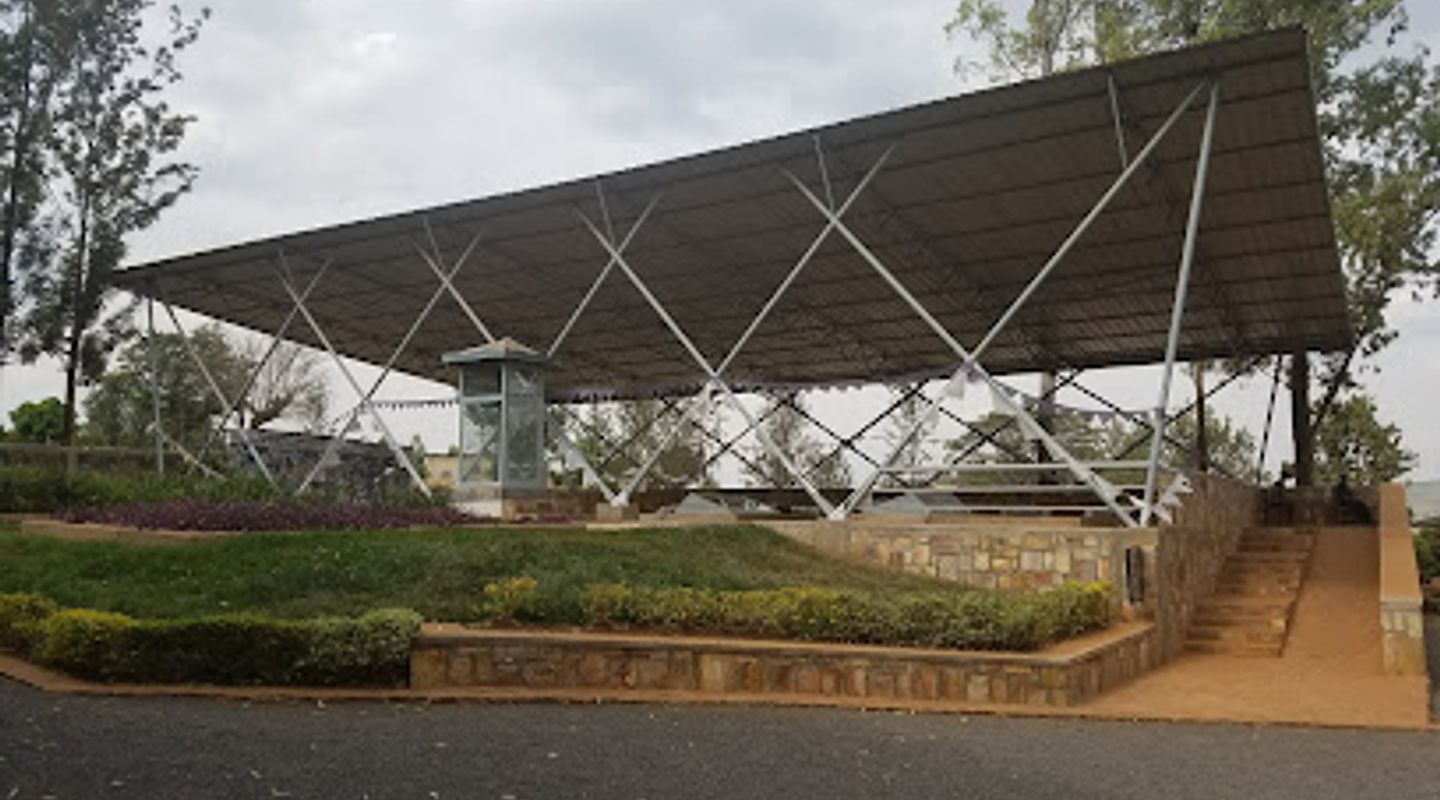
A brief summary of Ntarama Genocide Memorial
Explore the Ntarama Genocide Memorial: A powerful tribute to resilience and remembrance in Rwanda's history.
The Ntarama Genocide Memorial in Kayumba serves as a poignant reminder of Rwanda's tragic past. It offers tourists a deeply moving experience, honoring the memory of the victims of the 1994 genocide. Visitors can explore the exhibits that tell personal stories of loss and resilience, making it a vital stop for those seeking to understand the complexities of Rwanda's history.
Opening hours
- Every day8 am–5 pm
Opening hours as listed on the venue’s Google Business Profile. Hours can change for services and special events, so check with the venue before you go.
- Address
- V3P2+W2C, Kayumba
Getting there
Car
Public Transportation
Discover more about Ntarama Genocide Memorial
Overview
The Ntarama Genocide Memorial stands as a solemn testament to the resilience of the Rwandan people and serves as a crucial site for reflection and education. Located in Kayumba, this museum was established at the site of a former church where many innocent lives were lost during the 1994 genocide against the Tutsi. The memorial contains a variety of exhibits that recount the harrowing stories of victims, personal artifacts, and photographs that vividly portray the events that unfolded in this tragic chapter of history. As you walk through the memorial, you'll find that each room tells a story, connecting the past with the present and allowing visitors to grasp the profound impact of the genocide on Rwandan society. The emotional weight of the memorial is balanced by a message of hope and reconciliation as the nation continues to heal and rebuild. It is not just a place to remember the lost, but also a space that encourages understanding and dialogue about peace and coexistence. A visit here is highly recommended for those seeking a deeper insight into Rwanda's journey towards recovery, making it an essential stop on the travel itinerary for anyone visiting Rwanda. Respectful conduct is essential while visiting, as the memorial is a sacred place honoring the memories of those who suffered immeasurably.
Evendo Review Centre
 Google
Guest reviews
Explore Ntarama Genocide Memorial on the map
A handpicked selection of must-see spots near Ntarama Genocide Memorial, mapped for you.
Get your free copy of our complete guide to Ntarama Genocide Memorial, delivered straight to you.
Everything on this page, from opening hours and how to get there to Eve’s tips and the best time to go, in one PDF you can read offline, print or share.
Already have an account? Sign in
Your Ntarama Genocide Memorial guide is ready.
We'll send it to · Not you? Sign out

Getting your guide ready…
We are putting together a fresh copy of the Ntarama Genocide Memorial guide. This can take up to a minute.
This can take a few moments. If your browser asks, choose Allow so the download can start. You'll find the guide in your Downloads folder.
Nothing happened? Download it again
Sorry, the guide is taking longer than usual. Please try again in a minute, or get it by email instead.
Unlock the best of Ntarama Genocide Memorial
Skip-the-line tickets, guided tours with entry, and walking tours of the area, booked in a few clicks.

Other nearby places you may find interesting
The closest places of the same kind, if this one is not quite what you had in mind.
-
-
-
-
-


Swipe for more places
More to explore near Ntarama Genocide Memorial
-
 Best experiences near Ntarama Genocide Memorial
-
 Best hotels near Ntarama Genocide Memorial
-
 Best landmarks near Ntarama Genocide Memorial
-
 Best attractions near Ntarama Genocide Memorial
-
 Best shops near Ntarama Genocide Memorial
-
 Best restaurants near Ntarama Genocide Memorial
-
 Best bars near Ntarama Genocide Memorial


Do you manage this location?
Take control to get all the benefits, like improved information, better appearance, and stronger visibility across AI-powered discovery.
Explore more

Explore more of Gikongoro
Discover the serene beauty and historical depth of Gikongoro, Rwanda's hidden gem nestled in lush hills and home to rich cultural heritage and biodiversity.
Explore Gikongoro
Explore more of Rwanda
Discover Rwanda: A land of rolling hills, rich culture, and unforgettable wildlife experiences. From mountain gorillas to serene lakes, adventure awaits in every corner.
Explore Rwanda
