

Free Gikongoro Travel Guide & Mobile App
Explore Gikongoro with free travel guides. Discover regional history, expert tips, proposed trips, and audio guides on web or mobile app.


Explore Gikongoro in southern Rwanda for Nyungwe rainforest, tea highlands, rural landscapes and important sites of remembrance.
Read more about Gikongoro
When is the best time to visit Gikongoro?
Best: June–August · 25°C| Month | High (°C) | Rainfall (mm) |
|---|---|---|
| January | 25 | 100 |
| February | 25 | 75 |
| March | 25 | 125 |
| April | 25 | 150 |
| May | 25 | 100 |
| June (best) | 25 | 50 |
| July (best) | 25 | 25 |
| August (best) | 25 | 50 |
| September | 25 | 75 |
| October | 25 | 125 |
| November | 25 | 150 |
| December | 25 | 100 |
Getting to and around Gikongoro
How to get there
Transportation
Top city travel guides in Gikongoro
The cities of Gikongoro, and the easiest places to base yourself.
-

-

-


Swipe for more cities
Destinations in Gikongoro
Resorts, valleys and scenic spots worth a trip of their own.

Swipe for more destinations
Best attractions in Gikongoro
Gikongoro’s attractions are defined by landscape and meaning rather than a dense collection of urban sights. Murambi Genocide Memorial is the region’s most important historical site, offering a carefully presented account of the 1994 Genocide against the Tutsi at a former technical school. To the west, Nyungwe National Park provides the principal natural attraction, with montane rainforest, chimpanzee tracking, colobus encounters, birdwatching and guided walks among exceptionally rich vegetation. Access points and activities are spread across a large protected landscape, so visitors should plan around a chosen base rather than expect to cover the forest in a single short excursion. Tea-growing areas near the forest margins show how agriculture and conservation coexist in the highlands, while the roads around Nyamagabe reveal cultivated hills, valleys and rural communities. The region also suits travellers interested in photography, birding, forest ecology and walking, although weather and terrain require preparation. Nearby Huye, outside Gikongoro, can complement a southern itinerary with museums and urban services, but it should not be confused with the Gikongoro area itself.
-
Tourist attraction
Kibeho Holy Land Tours (KHLT)
Discover the sacred beauty of Kibeho, Rwanda's Holy Land, a pilgrimage destination steeped in spirituality and breathtaking landscapes.
-
Catholic cathedral
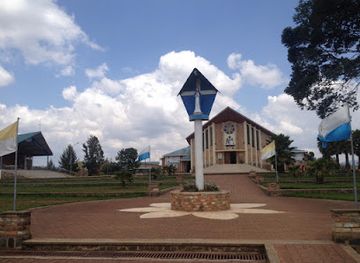
Cathedral of the Holy Family
Explore the architectural beauty and spiritual significance of the Cathedral of the Holy Family in Kibeho, Rwanda—a tranquil pilgrimage destination.
-
Bungwe Queen's Park/ MSC IBISUMIZI
Discover the serene beauty and rich biodiversity of Bungwe Queen's Park in Butare, a perfect retreat for nature lovers and adventurous spirits.
-
Tourist attraction
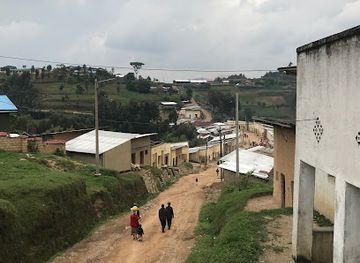
Gisanze center(agasantire ka Gisanze)
Experience the vibrant culture and authentic local life at Gisanze Center in Nshili, a must-visit tourist attraction in Rwanda.
Best landmarks in Gikongoro
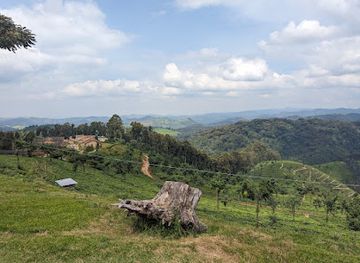
Murambi Genocide Memorial is the defining historic landmark associated with Gikongoro. The former technical-school buildings and grounds are inseparable from the testimony of the thousands of Tutsi killed there in 1994, making the site a place of national remembrance as well as a regional point of reference. In the natural landscape, Nyungwe’s forested ridges and steep green valleys form the region’s most recognisable geographical landmark. The canopy walkway, where accessible under current park arrangements, offers elevated views into the forest rather than a conventional architectural monument. Tea estates and planted slopes near the forest edge provide another distinctive visual marker of the southern highlands, showing the transition between managed agricultural land and protected rainforest. Nyamagabe’s townscape is more functional than monumental, but its markets, roads and hillside setting help explain the area’s role as an administrative and commercial centre. These landmarks are best understood together: memory at Murambi, conservation in Nyungwe and the working agricultural landscape between them.
-
History museum
Kigali Genocide Memorial
Explore the Kigali Genocide Memorial, a poignant tribute to resilience and a vital educational resource on Rwanda's history.
-
National park
Nyungwe Forest National Park
Explore the breathtaking beauty and biodiversity of Nyungwe Forest National Park, a serene haven in Rwanda for nature lovers and adventure seekers alike.
-
Museum
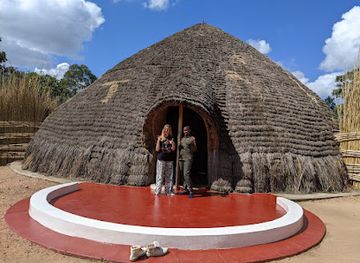
King's Palace Museum
Explore Rwanda's royal history at the King's Palace Museum, where tradition and culture come together in an enchanting setting.
-
Museum
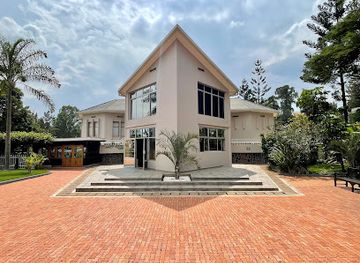
Kandt House Museum
Uncover Rwanda's history at Kandt House Museum, a must-visit destination showcasing the country's rich cultural heritage and the stories of its people.
Explore Gikongoro on the map
Plan your trip on one map. See where the top cities, national parks and sights are, and book hotels and experiences in a few clicks.
Best hotels in Gikongoro
Best restaurants in Gikongoro
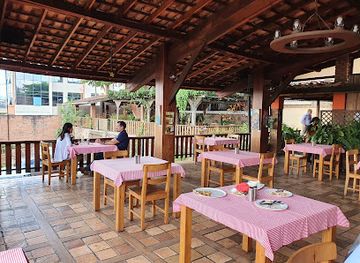
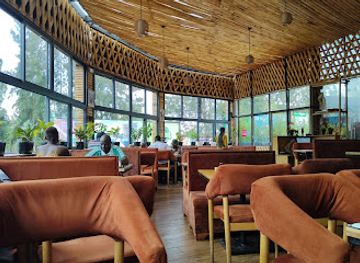
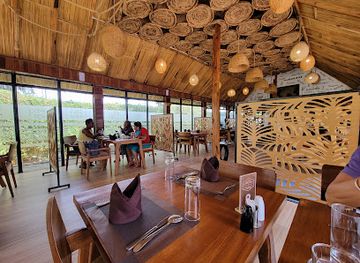
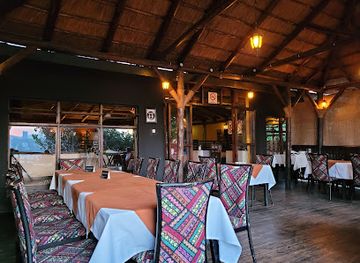
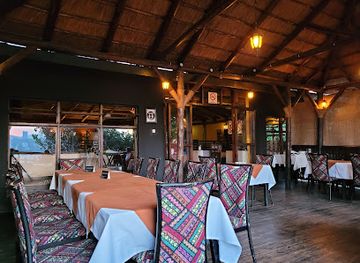
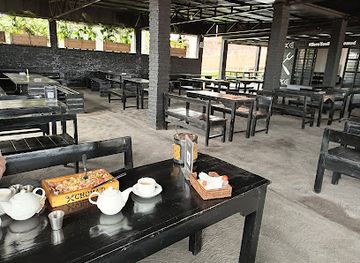
Dining in Gikongoro and Nyamagabe is principally local and practical, centred on modest restaurants, cafés, hotel dining rooms and small food stalls rather than a formal restaurant scene. Visitors will encounter Rwandan staples such as beans, plantains, cassava, sweet potatoes, rice and grilled or stewed meat, often served in straightforward combinations suited to everyday meals. Fresh produce reflects the productive southern highlands, while tea is an important regional drink and an agricultural product. Larger guesthouses can be useful for travellers departing early for Nyungwe, but menus and service may be simpler than in Kigali or Huye. In rural areas, food options become limited, so carrying water and a few snacks is sensible on forest or road excursions. Markets provide glimpses of local food culture, although visitors should choose busy, clean-looking vendors and eat freshly prepared food. The area’s culinary interest lies in its connection to farming, tea and ordinary Rwandan household cooking rather than in a distinctive luxury dining tradition.
-
Restaurant
Sole Luna
Discover the flavors of Italy at Sole Luna – Kigali's premier Italian restaurant offering an unforgettable dining experience with authentic cuisine.
-
Arab restaurant
The house of mandi
Experience the essence of Arab cuisine at The House of Mandi in Kigali – a haven for food lovers seeking authentic flavors.
-
Indian
Kurry Kingdom
Discover Kurry Kingdom in Kigali – where authentic North Indian cuisine meets family-friendly dining in a vibrant atmosphere.
-
Restaurant
Repub Lounge
Discover the vibrant flavors of Rwanda at Repub Lounge - where traditional cuisine meets contemporary lounge ambiance.
Best bars in Gikongoro
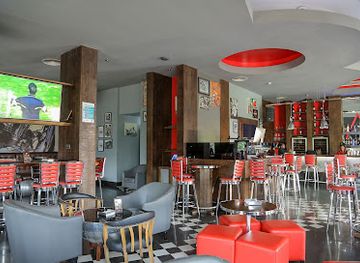
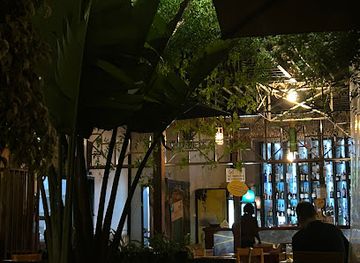
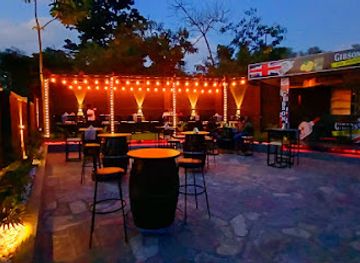
Nightlife in Gikongoro is low-key and concentrated around local bars, hotel lounges and cafés in the Nyamagabe town area. Evening social life is more likely to involve conversation, football on television, music and a cold drink than dedicated nightclubs or a substantial late-night entertainment district. Local beers and soft drinks are widely encountered, while restaurants and guesthouses provide the most dependable settings for visitors who prefer a quieter evening. Near Nyungwe, accommodation tends to prioritise early starts for forest activities, so nightlife is particularly limited and guests should not expect a seafront-style or city-centre club scene. If a later evening with more choice is important, Huye, outside the region, is a more substantial nearby urban centre, although its nightlife remains modest by international capital-city standards. Respect local residential quiet and arrange return transport in advance when staying outside the main town.
-
Restaurant
Riders Lounge Kigali
Experience the vibrant nightlife and culinary delights at Riders Lounge Kigali, where great food meets an unforgettable atmosphere.
-
Bar
Repub Lounge
Experience the vibrant culture and nightlife of Kigali at Repub Lounge, where art meets flavor in a lively bar and restaurant atmosphere.
-
Grill
Choma'd Bar & Grill
Discover the vibrant culinary scene at Choma'd Bar & Grill, where delicious grilled dishes meet a lively atmosphere in Kigali.
-
Restaurant
Burrows Bar & Restaurant
Experience the vibrant flavors of Kigali at Burrows Bar & Restaurant, where local meets global in a delightful culinary journey.
Best nightclubs in Gikongoro
Nightlife in Gikongoro is low-key and concentrated around local bars, hotel lounges and cafés in the Nyamagabe town area. Evening social life is more likely to involve conversation, football on television, music and a cold drink than dedicated nightclubs or a substantial late-night entertainment district. Local beers and soft drinks are widely encountered, while restaurants and guesthouses provide the most dependable settings for visitors who prefer a quieter evening. Near Nyungwe, accommodation tends to prioritise early starts for forest activities, so nightlife is particularly limited and guests should not expect a seafront-style or city-centre club scene. If a later evening with more choice is important, Huye, outside the region, is a more substantial nearby urban centre, although its nightlife remains modest by international capital-city standards. Respect local residential quiet and arrange return transport in advance when staying outside the main town.
-
Lounge
Copenhagen Lounge
Discover the inviting atmosphere of Copenhagen Lounge in Kigali, where delightful beverages and cozy ambiance create the perfect retreat.
-
Lounge
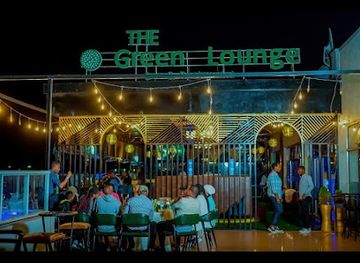
The Green Lounge Bar & Restaurant
Discover the vibrant rooftop experience at The Green Lounge Bar & Restaurant in Kigali, where delicious cuisine meets stunning city views.
-
Lounge
Deep Lounge
Experience Kigali's vibrant nightlife at Deep Lounge, a perfect blend of relaxation, great drinks, and live entertainment.
-
Disco club
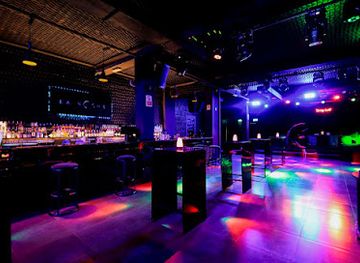
La Noche
Discover the vibrant nightlife of Kigali at La Noche, where electrifying music and a lively atmosphere create unforgettable memories.
Best shops in Gikongoro
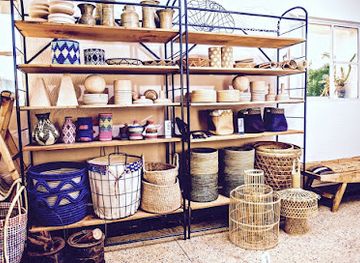
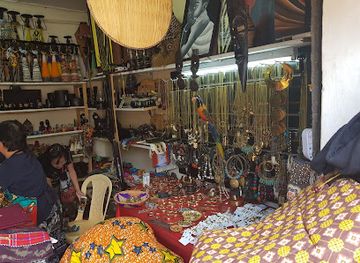
Shopping in Gikongoro is local in scale, with everyday markets and small high-street businesses serving residents rather than a specialist tourist retail district. Nyamagabe is the practical place to buy snacks, toiletries, clothing, basic travel supplies and locally traded produce before heading towards Nyungwe. Markets offer seasonal fruit and vegetables, grains, beans and other staples, while small shops may stock tea and packaged Rwandan products. Visitors can look for locally produced tea through reputable shops or accommodation providers, but should not assume that every informal stall represents an organised estate product. Craft purchasing is more limited than in Kigali, and quality and provenance vary, so buying directly from an established cooperative or recognised cultural outlet is preferable where available. Souvenirs should be chosen respectfully and need not be elaborate: tea, woven goods or small artisan items can have a clearer connection to Rwanda than generic imported merchandise. Bargaining should remain courteous and proportionate, particularly when buying from small-scale sellers.
-
Clothing store
Rwanda Clothing Store
Experience the vibrant essence of Rwandan culture through unique clothing at Rwanda Clothing Store in Kigali, a must-visit for every traveler.
-
Boutique
Go Kigali Tours & Boutique
Explore the vibrant culture and unique souvenirs at Go Kigali Tours & Boutique in the heart of Kigali, Rwanda.
-
E-commerce service
Roots Rwanda Online Shopping
Discover the essence of Rwanda through Roots Rwanda Online Shopping - your destination for authentic products and local treasures.
-
Souvenir store
Nziza Crafts
Discover unique Rwandan handcrafted souvenirs at Nziza Crafts, where every piece tells a story of local artistry and culture.


Get your free copy of our complete guide to Gikongoro, delivered straight to you.
Everything on this page, from attractions and restaurants to essentials and local phrases, in one PDF you can read offline, print or share.
Already have an account? Sign in
Your Gikongoro guide is ready.
We'll send it to · Not you? Sign out

Getting your guide ready…
We are putting together a fresh copy of the Gikongoro guide. This can take up to a minute.
This can take a few moments. If your browser asks, choose Allow so the download can start. You'll find the guide in your Downloads folder.
Nothing happened? Download it again
Sorry, the guide is taking longer than usual. Please try again in a minute, or get it by email instead.
Gikongoro essentials
Currency and Payment
Safety
Emergency Situations
Do's and Don'ts
Local Tips
From Eve
Local phrases worth knowing
You don't need to get them perfect. A few words go a long way, and locals appreciate the effort.
Basics
| English | Local | Say it |
|---|---|---|
| Hello | Muraho | [moo-rah-ho] |
| Goodbye | Nihagira | [nee-ha-gee-rah] |
| Yes | Yego | [yeh-go] |
| No | Oya | [oh-yah] |
| Please/You're welcome | Ndakwinginze | [n-dah-kwee-geen-zeh] |
| Thank you | Urakoze | [oo-rah-koh-zeh] |
| Excuse me/Sorry | Mbabarira | [m-bah-bah-ree-rah] |
| How are you? | Amakuru yawe? | [ah-mah-koo-roo yah-weh] |
| Fine. And you? | Ni byiza. Nawe? | [nee bee-za. nah-weh?] |
| Do you speak English? | Uravuga icyongereza? | [oo-rah-voo-gah ee-chon-geh-rah-zah] |
| I don't understand | Sinumva | [see-noom-vah] |
Eating & Drinking
| English | Local | Say it |
|---|---|---|
| I'd like to see the menu, please | Ndashaka kureba menu, ndakwinginze | [n-dah-shah-kah koo-reh-bah meh-noo, n-dah-kwee-geen-zeh] |
| I don't eat meat | Sinarya inyama | [see-nah-ryah ee-nyah-mah] |
| Cheers! | Isukuri! | [ee-soo-koo-ree] |
| I would like to pay, please | Ndashaka kwishyura, ndakwinginze | [n-dah-shah-kah kwee-shee-oo-rah, n-dah-kwee-geen-zeh] |
Emergencies
| English | Local | Say it |
|---|---|---|
| Help! | Fasha! | [fah-shah] |
| Go away! | Genda! | [gen-dah] |
| Call the Police! | Hamagarira Polisi! | [hah-mah-gah-ree-rah poh-lee-see] |
| Call a doctor! | Hamagarira umuganga! | [hah-mah-gah-ree-rah oo-moo-gah-ngah] |
| I'm lost | Ndi mu mvura | [n-dee moo em-vu-rah] |
| I'm ill | Ndi indwara | [n-dee een-dwah-rah] |
Shopping
| English | Local | Say it |
|---|---|---|
| I'd like to buy... | Ndashaka kugura... | [n-dah-shah-kah koo-goo-rah] |
| I'm just looking | Ndi kureba gusa | [n-dee koo-reh-bah goo-sah] |
| How much is it? | Ni angahe? | [nee ahn-gah-heh] |
| That's too expensive | Birahenze cyane | [bee-rah-hen-zay chah-neh] |
| Can you lower the price? | Wakwishyuza make? | [wah-koo-ee-shee-yoo-zah mah-keh] |
Time & Numbers
| English | Local | Say it |
|---|---|---|
| What time is it? | Ni saa ingahe? | [nee sah ahn-gah-heh] |
| It's one o'clock | Ni saa imwe | [nee sah eem-weh] |
| Half past (10) | Saa zine n'igice | [sah zee-neh n'ee-gee-cheh] |
| Morning | Mugitondo | [moo-gee-ton-doo] |
| Afternoon | Nimugoroba | [nee-moo-go-roh-bah] |
| Evening | Nijoro | [nee-joh-roh] |
| Yesterday | Ejo | [eh-joh] |
| Today | Uyu munsi | [oo-yoo moon-see] |
| Tomorrow | Ejo hazaza | [eh-joh hah-zah-zah] |
| 1 | 1 | [1] |
| 2 | 2 | [2] |
| 3 | 3 | [3] |
| 4 | 4 | [4] |
| 5 | 5 | [5] |
| 6 | 6 | [6] |
| 7 | 7 | [7] |
| 8 | 8 | [8] |
| 9 | 9 | [9] |
| 10 | 10 | [10] |
Transport & Directions
| English | Local | Say it |
|---|---|---|
| Where's a/the...? | Ahari ...? | [ah-hah-ree] |
| What's the address? | Ni iyihe adiresi? | [nee ee-yee-heh ah-dee-reh-see] |
| Can you show me (on the map)? | Ushobora kunshowa (ku ikarita)? | [oo-sho-boo-rah koon-show-ah (koo ee-kah-ree-tah)] |
| When's the next (bus)? | Igihe cy'ikindi (bisi)? | [ee-gee-heh chee-ee-keen-dee (bee-see)] |
| A ticket (to ....) | Itike (ku ...) | [ee-tee-keh (koo ...)] |
History of Gikongoro
Early settlement and the Kingdom of Rwanda
The hills around present-day Gikongoro formed part of the historical kingdom of Rwanda, whose political and social structures developed over centuries before European rule. Agriculture shaped settlement patterns, with families cultivating intensively in a landscape where land is valuable and slopes require careful management. Oral traditions, royal administration and local chiefly systems connected the southern highlands to the wider kingdom. Although little of this history survives as monumental architecture, it remains important for understanding why Rwanda’s countryside is so densely inhabited and why hills, lineage, land and authority have played such a powerful role in national history.
Colonial rule and mission influence
German influence in Rwanda was followed after the First World War by Belgian administration, which reorganised local government, promoted cash crops and expanded the role of Catholic missions and schools. Roads and administrative centres connected the southern highlands more closely with the rest of the territory, while colonial policies hardened social classifications that had previously been more fluid in many local contexts. Mission education and agriculture left a visible legacy in the region, but colonial rule also contributed to inequalities and political tensions that later shaped Rwanda’s post-war history.
The southern highlands and agricultural transformation
During the twentieth century, the Gikongoro area became increasingly linked to organised agriculture, public administration and road transport. Tea cultivation developed in the cool, wet highlands near the forest margins, creating estates and processing facilities tied to Rwanda’s export economy. Subsistence farming remained central, with crops grown on intensely cultivated hillsides. These changes brought employment and commercial connections but also placed pressure on land and natural resources. The present landscape of fields, tea, settlements and forest is therefore the result of both long-established farming and more recent economic planning.
Political violence and the 1994 Genocide against the Tutsi
The former Gikongoro prefecture was one of the areas severely affected by the violence of 1994. At Murambi, thousands of Tutsi sought refuge at a technical school before being killed during the Genocide against the Tutsi. The Murambi Genocide Memorial now preserves the site and presents testimony and historical interpretation. Its importance extends beyond the region: it documents how propaganda, administrative structures and organised violence were directed against civilians. Visiting requires sensitivity, but understanding this history is essential to engaging responsibly with southern Rwanda.
Nyungwe conservation and scientific importance
Nyungwe’s protection as a forest reserve and later as a national park reflects a major shift from viewing the highland forest primarily as a resource to recognising its ecological, scientific and economic value. The forest protects watersheds, rare plants, primates and birds, and forms part of the broader Albertine Rift ecosystem. Conservation has also created tourism and research opportunities, while raising continuing questions about access, livelihoods and the relationship between protected land and neighbouring communities. For the Gikongoro area, Nyungwe is both a natural inheritance and a central part of contemporary regional identity.
Administrative change and contemporary Nyamagabe
Rwanda’s post-2006 administrative reforms replaced the former provinces and prefectures with a new system of provinces, districts and sectors. The former Gikongoro name remains widely used in historical and everyday references, while Nyamagabe is the contemporary district and administrative centre associated with the town. This distinction matters to visitors because maps, older guidebooks and local conversation may use both names. Today the area combines public administration, farming, tea production, conservation-related tourism and memorial education within Rwanda’s Southern Province.
Gikongoro in Photos
Browse through our photo collection highlighting the charm and character of the destination.
Neighbouring regions of Gikongoro
The closest regions to Gikongoro, if you have time for more than one.
-

-

-

-

-


Swipe for more regions
Explore more

Explore more of Rwanda
Discover Rwanda: A land of rolling hills, rich culture, and unforgettable wildlife experiences. From mountain gorillas to serene lakes, adventure awaits in every corner.
Explore Rwanda