

Free Kibungo Travel Guide & Mobile App
Explore Kibungo with free travel guides. Discover regional history, expert tips, proposed trips, and audio guides on web or mobile app.


Kibungo introduces eastern Rwanda through rolling farmland, local markets, church heritage, lakeside landscapes and routes towards Akagera National Park.
Read more about Kibungo
When is the best time to visit Kibungo?
Best: January, July–August · 24–25°C| Month | High (°C) | Rainfall (mm) |
|---|---|---|
| January (best) | 25 | 75 |
| February | 25 | 75 |
| March | 25 | 100 |
| April | 25 | 125 |
| May | 24 | 100 |
| June | 24 | 75 |
| July (best) | 24 | 50 |
| August (best) | 24 | 50 |
| September | 25 | 75 |
| October | 25 | 100 |
| November | 25 | 100 |
| December | 25 | 75 |
Getting to and around Kibungo
How to get there
Transportation
Top city travel guides in Kibungo
The cities of Kibungo, and the easiest places to base yourself.
-
-


Swipe for more cities
Destinations in Kibungo
Resorts, valleys and scenic spots worth a trip of their own.
-

-


Swipe for more destinations
Best attractions in Kibungo
Kibungo’s attractions are primarily regional and landscape-based rather than concentrated in a large museum quarter. The town’s market, churches and everyday commercial streets offer an introduction to the life of an eastern Rwandan service centre, while the surrounding hills provide changing views over small farms, banana plots and valleys. Kibungo Cathedral is the principal heritage building in town and can be visited respectfully outside services. In the wider Ngoma area, excursions towards Lake Mugesera bring quieter lakeside scenery and opportunities for observing rural life and birdlife, subject to local access conditions and weather. Visitors interested in Rwanda’s recent history should approach churches, memorial places and community sites with sensitivity and seek local guidance rather than treating them as informal photo stops. Walking in the countryside is possible with permission and a guide, but paths can be difficult to follow and are not uniformly signposted. Akagera National Park is a major nearby destination for wildlife, yet it lies outside Kibungo and requires a separate, properly planned journey. The area’s attraction lies in combining modest town exploration with overland travel through eastern Rwanda’s cultivated landscapes.
-
Catholic church
Regina Pacis Catholic Church
Experience the elegance and tranquility of Regina Pacis Catholic Church, a spiritual haven and architectural marvel in Kigali, Rwanda.
-
Historical place museum
Rwanda Art Museum
Explore the rich cultural heritage of Rwanda at the Rwanda Art Museum, a captivating destination showcasing the nation's artistic legacy.
-
Catholic church
St Famille Church
Discover St Famille Church in Kigali: A beautiful blend of faith, history, and culture in Rwanda's vibrant capital.
-
Wedding venue
Romantic Garden
Discover the enchanting beauty of Kigali's Romantic Garden, a serene and picturesque venue perfect for couples and nature lovers alike.


Best landmarks in Kibungo
Kibungo Cathedral is the town’s most recognisable built landmark, its substantial church complex reflecting the long institutional presence of Catholic Christianity in eastern Rwanda. It also helps visitors understand why mission churches have played an important role in education, worship and community organisation across the country. The town’s market area provides a less monumental but highly characteristic landmark of Kibungo’s role as a trading centre for surrounding agricultural communities, with activity shaped by the arrival of produce and household goods from nearby hills. Beyond the built environment, the rolling ridgelines and cultivated valleys around Kibungo form the area’s defining geographical landmarks. Lake Mugesera, in the wider eastern lake landscape, offers a contrasting expanse of water and low shoreline scenery, although access points and facilities are limited and should be checked locally. The historic idea of Gisaka is also an important cultural landmark: it is not a single monument but a regional memory associated with eastern Rwanda’s precolonial political history. Akagera’s savannah landmarks are nearby in travel terms but outside Kibungo and should not be presented as town attractions.
-
History museum
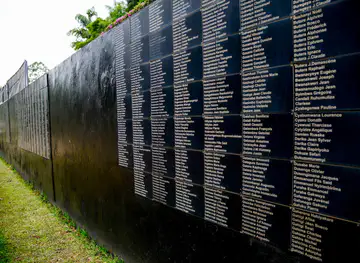
Kigali Genocide Memorial
Explore the Kigali Genocide Memorial, a profound historical museum that educates visitors on Rwanda's past while fostering hope and resilience for the future.
-
 Hotel
Hôtel des Mille Collines
Discover the legacy of Hôtel des Mille Collines, an iconic Kigali hotel blending rich history with modern elegance for a unique Rwandan experience.
-
Stadium
Amahoro National Stadium
Experience the vibrant pulse of Kigali at Amahoro National Stadium, the premier venue for sports and cultural events in Rwanda.
-
National park
Akagera National Park Rwanda
Discover the rich biodiversity and stunning landscapes of Akagera National Park, Rwanda's premier destination for wildlife lovers and adventure seekers.


Explore Kibungo on the map
Plan your trip on one map. See where the top cities, national parks and sights are, and book hotels and experiences in a few clicks.
Best hotels in Kibungo
Best restaurants in Kibungo
Dining in Kibungo is centred on modest local restaurants, cafés, hotel dining rooms and food stalls rather than a large formal restaurant scene. Typical meals in the region reflect wider Rwandan cooking, with plantains, beans, rice, potatoes, cassava, vegetables and grilled or stewed meat commonly appearing on menus. Brochettes, grilled skewers often served with chips or salad, are familiar across Rwanda, while fresh produce from the surrounding farming districts is important to everyday cooking. Tea and coffee are widely available, and a cold drink or simple breakfast is easy to find in the town centre. Small eateries may offer the most direct glimpse of local eating habits, although standards and menus vary, so choose busy, clean-looking places and carry cash. Hotels and larger establishments provide a more predictable setting for visitors seeking familiar options. Dining near rural lakes or markets should be approached as a local experience rather than a specialised culinary destination; ask about ingredients and availability, and do not assume that every menu item is served throughout the day.
-
Restaurant
Sole Luna
Experience the finest Italian dining in Kigali at Sole Luna, where authentic flavors meet local hospitality.
-
Arab restaurant
The house of mandi
Experience authentic Middle Eastern cuisine at The House of Mandi in Kigali – where flavors meet tradition in a cozy atmosphere.
-
Restaurant
Repub Lounge
Discover vibrant Rwandan cuisine and cocktails at Repub Lounge in Kigali - your go-to spot for relaxation and cultural immersion.
-
Restaurant
Khana Khazana Nyarutarama
Discover authentic Rwandan flavors at Khana Khazana Nyarutarama, where exceptional cuisine meets outstanding service in Kigali.


Best bars in Kibungo
Kibungo’s evening life is relatively low-key and is concentrated in hotel bars, neighbourhood cafés, restaurants and traditional pubs rather than a major nightclub district. Local venues generally provide places to meet, watch sport, listen to music or enjoy a beer, soft drink or simple meal, with activity tending to be greatest around the town centre. Nightlife in the surrounding countryside is quieter and usually revolves around family, community and small local establishments rather than late-night entertainment. Visitors should use known transport, avoid walking unfamiliar rural roads after dark and check closing arrangements locally, as hours can change. Rwanda has a growing drinks culture in its larger cities, but Kibungo is better understood as an evening social stop than as a destination for clubs or extensive cocktail venues. Respectful behaviour is important in bars and public places, and alcohol is not necessary to engage with the town’s social life.
-
Restaurant
Riders Lounge Kigali
Experience the vibrant fusion of dining and nightlife at Riders Lounge in Kigali, where every evening is a celebration of flavor and fun.
-
Bar
Repub Lounge
Discover Kigali's nightlife at Repub Lounge, a stylish bar and restaurant offering a fusion of local and international cuisine in a vibrant atmosphere.
-
Grill
Choma'd Bar & Grill
Discover the vibrant flavors of Kigali at Choma'd Bar & Grill, where delicious grilled meals and a lively atmosphere await.
-
Lounge
Chillax Lounge
Experience the vibrant nightlife of Kigali at Chillax Lounge, where creative cocktails, great music, and a lively atmosphere await you.


Best nightclubs in Kibungo
Kibungo’s evening life is relatively low-key and is concentrated in hotel bars, neighbourhood cafés, restaurants and traditional pubs rather than a major nightclub district. Local venues generally provide places to meet, watch sport, listen to music or enjoy a beer, soft drink or simple meal, with activity tending to be greatest around the town centre. Nightlife in the surrounding countryside is quieter and usually revolves around family, community and small local establishments rather than late-night entertainment. Visitors should use known transport, avoid walking unfamiliar rural roads after dark and check closing arrangements locally, as hours can change. Rwanda has a growing drinks culture in its larger cities, but Kibungo is better understood as an evening social stop than as a destination for clubs or extensive cocktail venues. Respectful behaviour is important in bars and public places, and alcohol is not necessary to engage with the town’s social life.
-
Lounge
Copenhagen Lounge
Discover relaxation at Copenhagen Lounge in Kigali, where modern ambiance meets a diverse menu of beverages and light bites.
-
Lounge
The Green Lounge Bar & Restaurant
Experience Kigali's vibrant nightlife and stunning views at The Green Lounge Bar & Restaurant, a rooftop oasis of culinary delights.
-
Lounge
Deep Lounge
Experience the vibrant nightlife of Kigali at Deep Lounge, a stylish haven for relaxation and entertainment in the heart of the city.
-
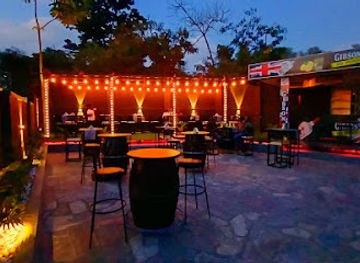
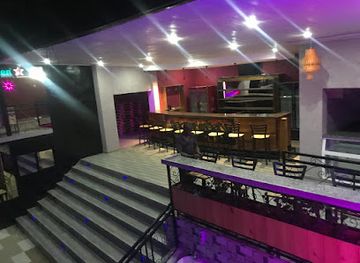
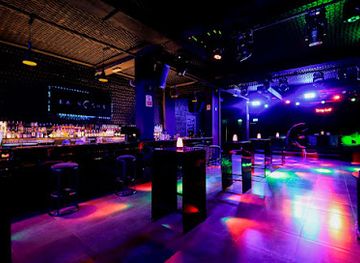
Disco club
La Noche
Experience the vibrant nightlife at La Noche, Kigali's premier disco club, where music, dance, and local culture come alive.

Best shops in Kibungo
Shopping in Kibungo is practical and locally oriented, with everyday trade taking place around the central market and small independent shops rather than large malls or luxury retail streets. Visitors can browse seasonal fruit and vegetables, clothing, household goods, baskets and basic travel supplies, while the surrounding agricultural area contributes much of the market’s character. Small food purchases such as tea, coffee and packaged local produce can make useful souvenirs, provided they are permitted through the visitor’s onward travel arrangements. Craft availability varies, so it is better to buy directly from established cooperatives or reputable shops than to expect a dedicated handicraft quarter. Bargaining may be possible in some informal settings, but it should be courteous and not aggressive. Kigali remains the stronger destination for a broad selection of galleries, designer goods and curated Rwandan crafts; Kibungo is more valuable for observing ordinary regional commerce and purchasing simple products connected with daily life in eastern Rwanda.
-
E-commerce service
Roots Rwanda Online Shopping
Explore a wide range of quality products at Roots Rwanda Online Shopping, your go-to e-commerce destination in Kigali for electronics, accessories, and more.
-
Shopping mall
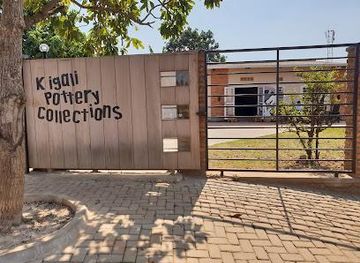
Kigali Pottery Collections, New store Kacyiru
Discover the vibrant artistry of Kigali Pottery Collections, showcasing exquisite handcrafted pottery that embodies Rwandan culture and craftsmanship.
-
Gift shop
Tic-Tac-Toe (Gift Shop)
Explore Tic-Tac-Toe Gift Shop in Kigali for unique Rwandan souvenirs and handcrafted treasures that celebrate local culture and artistry.
-
Boutique
Made in Rwanda Shop
Explore the Made in Rwanda Shop for authentic, locally crafted souvenirs that embody the rich heritage and artistry of Rwanda.


Get your free copy of our complete guide to Kibungo, delivered straight to you.
Everything on this page, from attractions and restaurants to essentials and local phrases, in one PDF you can read offline, print or share.
Already have an account? Sign in
Your Kibungo guide is ready.
We'll send it to · Not you? Sign out

Getting your guide ready…
We are putting together a fresh copy of the Kibungo guide. This can take up to a minute.
This can take a few moments. If your browser asks, choose Allow so the download can start. You'll find the guide in your Downloads folder.
Nothing happened? Download it again
Sorry, the guide is taking longer than usual. Please try again in a minute, or get it by email instead.
Kibungo essentials
Currency and Payment
Safety
Emergency Situations
Do's and Don'ts
Local Tips
From Eve
Local phrases worth knowing
You don't need to get them perfect. A few words go a long way, and locals appreciate the effort.
Basics
| English | Local | Say it |
|---|---|---|
| Hello | Muraho | [moo-rah-ho] |
| Goodbye | Nkwifurije urugendo rwiza | [nkoo-ee-foo-ree-jay roo-gen-do roo-ee-zah] |
| Yes | Yego | [yeh-go] |
| No | Oya | [oh-yah] |
| Please/You're welcome | Nyabuneka | [nyah-boo-neh-kah] |
| Thank you | Urakoze | [oo-rah-koh-zeh] |
| Excuse me/Sorry | Mbabarira | [mm-bah-bah-ree-rah] |
| How are you? | Amakuru yawe? | [ah-mah-koo-roo yah-weh] |
| Fine. And you? | Ndi neza. Nawe? | [ndee neh-zah. nah-weh?] |
| Do you speak English? | Uravuga Icyongereza? | [oo-rah-voo-gah ee-chohn-geh-rah-zah] |
| I don't understand | Sinumva | [see-noom-vah] |
Eating & Drinking
| English | Local | Say it |
|---|---|---|
| I'd like to see the menu, please | Nashaka kureba menu, nyabuneka | [nah-shah-kah koo-reh-bah meh-noo, nyah-boo-neh-kah] |
| I don't eat meat | Sinjya ndya inyama | [seen-jah n-dee-yah ee-nyah-mah] |
| Cheers! | Icyiza! | [ee-chee-zah] |
| I would like to pay, please | Nashaka kwishyura, nyabuneka | [nah-shah-kah kwee-shee-oo-rah, nyah-boo-neh-kah] |
Emergencies
| English | Local | Say it |
|---|---|---|
| Help! | Fasha! | [fah-shah] |
| Go away! | Genda! | [gen-dah] |
| Call the Police! | Hamagara Polisi! | [hah-mah-gah-rah poh-lee-see] |
| Call a doctor! | Hamagara umuganga! | [hah-mah-gah-rah oo-moo-gah-ngah] |
| I'm lost | Ndayobye | [ndah-yoh-beh] |
| I'm ill | Ndi indwara | [ndee een-dwah-rah] |
Shopping
| English | Local | Say it |
|---|---|---|
| I'd like to buy... | Nashaka kugura... | [nah-shah-kah koo-goo-rah] |
| I'm just looking | Ndi gusa ngerageza | [ndee goo-sah n-geh-rah-geh-zah] |
| How much is it? | Nibande? | [nee-bahn-deh] |
| That's too expensive | Birahenze cyane | [bee-rah-hen-zeh chah-neh] |
| Can you lower the price? | Ushobora kugabanya igiciro? | [oo-sho-boh-rah koo-gah-bah-nyah ee-ghee-roh] |
Time & Numbers
| English | Local | Say it |
|---|---|---|
| What time is it? | Ni saa ingahe? | [nee sah ahn-gah-eh] |
| It's one o'clock | Ni isaha imwe | [nee ee-sah-hah eem-weh] |
| Half past (10) | Saa tanu n'igice | [sah tah-noo n'ee-gee-cheh] |
| Morning | Mu gitondo | [moo gee-ton-doh] |
| Afternoon | Mu masaha ya nyuma | [moo mah-sah-hah yah nyoo-mah] |
| Evening | Mu gitondo | [moo gee-ton-doh] |
| Yesterday | Ejo hashize | [eh-joh hah-shee-zeh] |
| Today | Uyu munsi | [oo-yoo moon-sigh] |
| Tomorrow | Ejo hazaza | [eh-joh hah-zah-zah] |
| 1 | 1 | [imwe] |
| 2 | 2 | [kabiri] |
| 3 | 3 | [gatatu] |
| 4 | 4 | [kananu] |
| 5 | 5 | [gatanu] |
| 6 | 6 | [gatandatu] |
| 7 | 7 | [karindwi] |
| 8 | 8 | [umunani] |
| 9 | 9 | [icyenda] |
| 10 | 10 | [icumi] |
Transport & Directions
| English | Local | Say it |
|---|---|---|
| Where's a/the...? | Aho hantu...? | [ah-hoo hahn-too] |
| What's the address? | Ni iyihe aderesi? | [nee ee-yee-heh ah-deh-reh-see] |
| Can you show me (on the map)? | Ushobora kumpereka (ku ikarita)? | [oo-sho-boh-rah koom-peh-reh-kah (koo ee-kah-ree-tah)] |
| When's the next (bus)? | Igihe cya bus ikurikiyeho? | [ee-gee-heh chah yahs ee-kur-ee-kee-yeh-ho] |
| A ticket (to ....) | Itike (ku ...) | [ee-tee-keh (koo ...)] |
History of Kibungo
Gisaka and the Precolonial Eastern Kingdoms
Kibungo lies within the historical region of Gisaka, a kingdom and cultural area that occupied much of what is now eastern Rwanda. Gisaka maintained its own political identity before being drawn into the expanding Rwandan kingdom during the nineteenth century, particularly under the reign of Kigeli IV Rwabugiri. This history helps explain why eastern Rwanda has distinctive memories, place associations and cultural connections alongside its wider Rwandan identity. The region’s present-day hills and settlements therefore sit within a historical landscape shaped by shifting kingdoms, political integration and local agricultural communities.
Colonial Rule and Mission Institutions
German influence in Rwanda was followed by Belgian administration after the First World War. Colonial rule reorganised local authority, taxation and labour while introducing new administrative practices and expanding Christian mission activity. In the Kibungo area, Catholic institutions became significant centres of worship, education and social organisation, a legacy still visible in the prominence of Kibungo Cathedral and other church communities. Colonial policies also hardened social and political classifications that had wider consequences across Rwanda, rather than simply modernising the region in a neutral or even-handed way.
Agriculture, Roads and Regional Trade
For much of the twentieth century, the Kibungo area developed as an agricultural and trading zone linking eastern hill communities with larger Rwandan centres. Smallholder cultivation, livestock keeping and local markets shaped settlement patterns, while improved roads gradually strengthened connections with Kigali and the eastern borderlands. Kibungo’s role has consequently been less that of a manufacturing city than of a service and exchange centre for surrounding rural districts. The market activity visible today reflects this long relationship between town-based commerce and dispersed agricultural production.
The 1994 Genocide against the Tutsi and Its Aftermath
The 1994 Genocide against the Tutsi devastated communities throughout Rwanda, including the former Kibungo area. Homes, families, churches and local institutions were profoundly affected, while many people were displaced within the country or across national borders. The post-genocide period brought the difficult work of justice, reconciliation, return and reconstruction. Kibungo’s current civic and religious life should be understood in that national context: the region’s contemporary calm and development coexist with memories that remain important to survivors and their communities.
Administrative Reorganisation and Ngoma District
Rwanda’s post-2000 administrative reforms replaced older prefectural structures with provinces and districts. Kibungo became the principal urban centre of Ngoma District in the Eastern Province, while the name continued to be used for the town and its wider regional identity. This reorganisation supported a more decentralised system of public administration and service delivery. For visitors, the distinction matters because Kibungo is a town and local hub rather than a separate province; references to the surrounding area commonly overlap with the contemporary administrative geography of Ngoma District.
Contemporary Rural Transformation
In the twenty-first century, Kibungo and the surrounding eastern districts have experienced continuing investment in roads, public services, education and agricultural development. The town functions as a district centre, while the surrounding countryside remains strongly connected to farming and local trade. Tourism is present but comparatively limited beside Rwanda’s famous mountain and savannah destinations. This combination gives Kibungo its contemporary character: it is a useful window onto the everyday economic and social transformation of eastern Rwanda, as well as a possible stop on journeys towards Akagera National Park.
Kibungo in Photos
Browse through our photo collection highlighting the charm and character of the destination.
Neighbouring regions of Kibungo
The closest regions to Kibungo, if you have time for more than one.
-

-

-

-

-


Swipe for more regions
Explore more

Explore more of Rwanda
Discover Rwanda: A land of rolling hills, rich culture, and unforgettable wildlife experiences. From mountain gorillas to serene lakes, adventure awaits in every corner.
Explore Rwanda