

Kigali Province, Rwanda Travel Guide
Discover Kigali Province: A blend of modernity and tradition in Rwanda's vibrant heart, where history, art, nature, and cuisine create an unforgettable journey.
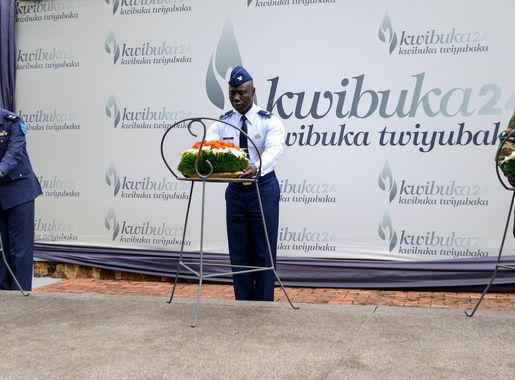
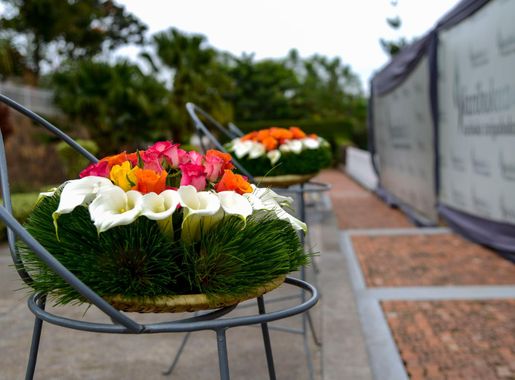
Nestled in the heart of Rwanda, Kigali Province is a vibrant and welcoming destination that blends modernity with rich cultural heritage. As the capital city, Kigali is known for its cleanliness, safety, and forward-thinking urban planning. The city's rolling hills offer breathtaking views and a serene atmosphere, making it a perfect getaway for those looking to explore Rwanda's central region. Visitors can immerse themselves in the history and culture of Rwanda at the Kigali Genocide Memorial, where they can learn about the country's past and its journey towards peace and reconciliation. The Inema Arts Center showcases contemporary Rwandan art, providing a platform for local artists to express their creativity. For nature enthusiasts, the nearby Nyamirambo neighborhood is a gateway to the lush forests and wildlife of Rwanda. Kigali's culinary scene is a delightful mix of traditional Rwandan dishes and international cuisine. The city's vibrant markets, like Kimironko Market, offer a sensory experience with fresh produce, handmade crafts, and friendly local vendors. Whether you're strolling through the streets of Kigali, enjoying a cup of Rwandan coffee, or exploring the surrounding hills, Kigali Province promises an unforgettable travel experience.

Know before you go
Hi, I'm Eve. Here are a few practical things to know before exploring Kigali Province.
- Visit the Kigali Genocide Memorial early in the day to avoid crowds and allow ample time for reflection.
- Try local dishes like 'brochettes' and 'ugali' at one of the city's many eateries for an authentic Rwandan culinary experience.
- Hire a local guide for a walking tour of the Nyamirambo neighborhood to gain insights into the local culture and history.
- Bring comfortable walking shoes, as Kigali's hilly terrain is best explored on foot.
- Purchase Rwandan coffee and handicrafts at Kimironko Market as souvenirs.
Top City Travel Guides in Kigali Province
The cities of Kigali Province, and the easiest places to base yourself.

Destinations in Kigali Province
Resorts, valleys and scenic spots worth a trip of their own.

Explore Kigali Province: Things to Do, Places to Eat, Hotels & More
Handpicked recommendations for top attractions, local dining, accommodations, and more

Top Attractions & Sightseeing in Kigali Province
Top-rated picks
Best Attractions
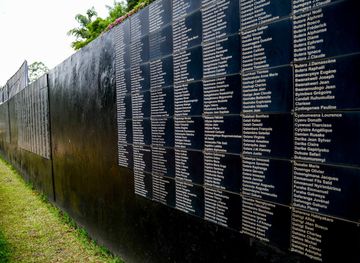
Kigali Genocide Memorial
Explore the Kigali Genocide Memorial, a profound tribute to resilience and human rights, and learn about Rwanda's journey towards peace.

Kigali Convention Centre
Discover the architectural marvel of Kigali Convention Centre, where culture meets innovation in the heart of Rwanda.

Inema Arts Centre
Explore Inema Arts Centre in Kigali, a vibrant hub for contemporary Rwandan art and culture, showcasing local talent and creativity.

Kigali Conference and Exhibition Village (KCEV)
Experience the heart of Rwanda's innovation at the Kigali Conference and Exhibition Village, a premier venue for conferences and cultural events.

Best landmarks in Kigali Province
Top-rated picks
Best Landmarks
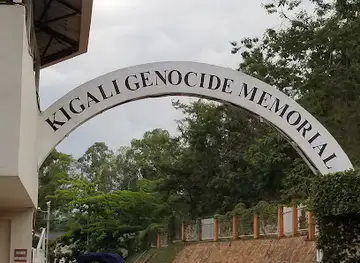
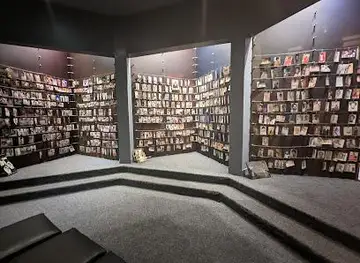
Kigali Genocide Memorial
Explore the Kigali Genocide Memorial, a poignant tribute to resilience, history, and the enduring spirit of the Rwandan people.

Kigali Convention Centre
Explore the architectural beauty and cultural significance of the Kigali Convention Centre, a premier venue in the heart of Rwanda's capital.

Kigali Heights
Discover Kigali Heights, a vibrant shopping mall in Rwanda's capital, blending shopping, dining, and entertainment in a single destination.

Radisson Blu Hotel & Convention Centre, Kigali
Discover the elegance of the Radisson Blu Hotel & Convention Centre in Kigali, Rwanda - a blend of luxury, comfort, and modern amenities in the heart of the city.

Best restaurants in Kigali Province
Top-rated picks
Best Restaurants

Sole Luna
Experience the essence of Italy in Kigali at Sole Luna - where authentic flavors meet vibrant ambiance.

The Hut Restaurant and Boutique Hotel
Discover exquisite Rwandan cuisine at The Hut Restaurant and Boutique Hotel in Kigali - where comfort meets culinary excellence.
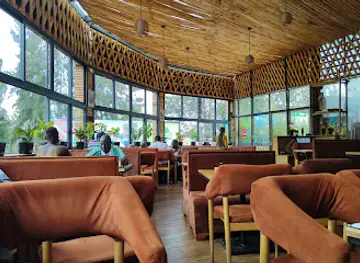
The house of mandi
Experience authentic Arab cuisine at The House of Mandi in Kigali—where every dish tells a story.

Kurry Kingdom
Discover Kurry Kingdom in Kigali - where authentic Indian cuisine meets warm hospitality in a family-friendly setting.

Best bars in Kigali Province
Top-rated picks
Best Bars

Sundowner
Discover the vibrant flavors of Kigali at Sundowner, where delicious grilled dishes meet a warm and inviting ambiance.

Riders Lounge Kigali
Experience the vibrant atmosphere and delicious cuisine at Riders Lounge Kigali, the ultimate destination for dining and nightlife.

Repub Lounge
Discover the vibrant atmosphere of Repub Lounge in Kigali, where traditional art meets modern relaxation and nightlife.

Fuchsia Lounge (Kwa Jules)
Experience the vibrant nightlife of Kigali at Fuchsia Lounge, a stylish bar offering a diverse drink menu and lively ambiance.

Best nightclubs in Kigali Province
Top-rated picks
Best Nightclubs

The Wave Lounge Gisimenti
Experience the vibrant nightlife of Kigali at The Wave Lounge, where great food and lively atmosphere meet in Gisimenti.

514 Club
Experience vibrant nightlife and local hospitality at 514 Club in Kigali, where delicious drinks and lively entertainment await.

Pearl Lounge Kigali
Discover the elegance and comfort of Pearl Lounge Kigali, a serene oasis in the heart of Kigali International Airport.

Aura Lounge and Espresso Bar
Discover the perfect blend of coffee and nightlife at Aura Lounge and Espresso Bar, Kigali's vibrant social hub for tourists.

Best shops in Kigali Province
Top-rated picks
Best Shops

Kigali Heights
Explore Kigali Heights, the ultimate shopping mall in Kigali, blending local culture with modern conveniences for a unique experience.

Kigali City Market
Discover the vibrant atmosphere of Kigali City Market, where local culture meets fresh produce and unique crafts in Rwanda's capital.

Kimironko Market
Explore Kimironko Market, a lively cultural hub in Kigali, offering authentic crafts, local cuisine, and a vibrant atmosphere that's a must-see for every traveler.

Inema Arts Centre
Discover Rwandan creativity at Inema Arts Centre, a vibrant art hub showcasing local talent and culture in the heart of Kigali.

Explore Kigali Province on the Map
A handpicked selection of must-see spots in Kigali Province, mapped for you.
Kigali Province Essentials
-
Kigali Province is the heart of Rwanda, and most travelers will arrive via Kigali International Airport (KGL), located just outside the city. The airport is well-connected with direct flights to major African cities and several European destinations. From the airport, you can take a taxi or use ride-hailing services like Yego Moto or SafeMotos to reach your accommodation. Alternatively, bus services connect Kigali to other parts of Rwanda and neighboring countries.
-
In Kigali, public transport primarily consists of buses and motos (motorcycle taxis). Buses are affordable and cover most areas of the city. Motos are a quicker option for shorter distances, but always ensure the driver provides you with a helmet. Taxis and ride-hailing services are widely available and offer a more comfortable mode of transportation. For those wishing to explore at their own pace, car rentals are available, though driving can be challenging due to the hilly terrain and local driving habits.
-
The official currency in Rwanda is the Rwandan Franc (RWF). Credit and debit cards are widely accepted in hotels, restaurants, and larger stores, but it's advisable to carry cash for smaller purchases and in more remote areas. ATMs are plentiful in Kigali, but notify your bank about your travel plans to avoid any issues with card usage. Mobile payment options like MTN Mobile Money are also popular among locals.
-
Kigali is generally considered one of Africa's safest cities, but it's still important to take standard precautions. Avoid walking alone at night, especially in less populated areas. Districts like Nyamirambo can be lively but may have higher petty crime rates targeting tourists. Always keep your valuables secure and be cautious when using ATMs. If you need assistance, the local police are approachable and can often be found patrolling the streets.
-
In case of emergency, dial 112 for immediate assistance from police, fire, or medical services. Kigali has several well-equipped hospitals like King Faisal Hospital for any medical emergencies. Pharmacies are also readily available for minor health issues. It is wise to have travel insurance that covers medical emergencies and evacuation if necessary.
-
Fashion: Do dress modestly, especially when visiting religious sites and rural areas. Avoid wearing overly revealing clothing. Religion: Do respect local customs and traditions. When visiting churches or memorial sites, dress conservatively and behave respectfully. Public Transport: Do be courteous and respectful to others. Don't eat or drink on public transport. Greetings: Do greet people with a handshake, and use the right hand or both hands together. Greetings can be formal, so 'Muraho' (Hello) is a good start. Eating & Drinking: Do try local dishes like 'brochettes' and 'ugali'. Don't refuse food or drink offered to you, as it can be seen as impolite.
-
To experience Kigali like a local, visit the Kimironko Market for a vibrant shopping experience and a taste of local life. Engage with locals in one of Kigali’s many coffee shops, as Rwandans are known for their hospitality and love to share their culture. Don't miss the chance to visit the Kigali Genocide Memorial to understand the country's history and resilience. For stunning views, head to Mount Kigali or take a walk through Nyamirambo, one of the city's most colorful neighborhoods.
When is the best time to visit Kigali Province?
Useful Local Phrases for Kigali Province
You don't need to speak the language perfectly. Even learning a few simple words can make conversations warmer—and locals usually appreciate the effort.
— Eve

Here are the phrases I use most often in Kigali Province. Try a few—you'll be surprised how far they go! 😊
❤️
-
- HelloMuraho
[moo-rah-ho] - GoodbyeMurabeho
[moo-rah-beh-ho] - YesYego
[yeh-go] - NoOya
[oh-yah] - Please/You’re welcomeNyabuneka
[nyah-boo-neh-kah] - Thank youUrakoze
[oo-rah-koh-zeh] - Excuse me/SorryMbabarira
[m-bah-bah-ree-rah] - How are you?Amakuru?
[ah-mah-koo-roo] - Fine. And you?Ni byiza. Nawe?
[nee bee-zah. nah-weh?] - Do you speak English?Uravuga Icyongereza?
[oo-rah-voo-gah ee-chong-eh-reh-zah] - I don't understandSinumva
[see-noom-vah]
- HelloMuraho
-
- I’d like to see the menu, pleaseNashaka kureba menu, nyabuneka
[nah-shah-kah koo-reh-bah meh-noo, nyah-boo-neh-kah] - I don't eat meatSinarya inyama
[see-nah-ree-ah een-yah-mah] - Cheers!Tugire ibihe byiza!
[too-ghee-reh ee-beh-heh bee-zah] - I would like to pay, pleaseNashaka kwishyura, nyabuneka
[nah-shah-kah kwee-shee-oo-rah, nyah-boo-neh-kah]
- I’d like to see the menu, pleaseNashaka kureba menu, nyabuneka
-
- Help!Fasha!
[fah-shah] - Go away!Genda!
[gen-dah] - Call the Police!Hamagara Polisi!
[hah-mah-gah-rah poh-lee-see] - Call a doctor!Hamagara umuganga!
[hah-mah-gah-rah oo-moo-gah-ngah] - I’m lostNabuze
[nah-boo-zeh] - I’m illNdakeye
[ndah-keh-yeh]
- Help!Fasha!
-
- I’d like to buy...Nashaka kugura...
[nah-shah-kah koo-goo-rah] - I’m just lookingNdi kureba gusa
[ndee koo-reh-bah goo-sah] - How much is it?Ni angahe?
[nee ahn-gah-heh] - That’s too expensiveBirahenze cyane
[bee-rah-hen-zeh chah-neh] - Can you lower the price?Wakwisubiza igiciro?
[wah-koo-ee-soo-bee-zah ee-gee-chee-roh]
- I’d like to buy...Nashaka kugura...
-
- What time is it?Ni ryari?
[nee ryah-ree] - It’s one o'clockNi saa moya
[nee sah moh-yah] - Half past (10)Saa kumi na mirongo itanu
[sah koo-mee nah mee-roh-ngo ee-tah-noo] - MorningMugitondo
[moo-gee-ton-doh] - AfternoonNyuma ya saa sita
[nyoo-mah yah sah see-tah] - EveningNijoro
[nee-jo-roh] - YesterdayEjo hashize
[eh-jo hah-shee-zeh] - TodayUbu
[oo-boo] - TomorrowEjo hazaza
[eh-jo hah-zah-zah] - 11
[imwe] - 22
[ebyiri] - 33
[ebyiri] - 44
[ebyiri] - 55
[ibyiri] - 66
[itatu] - 77
[ine] - 88
[umunani] - 99
[icyenda] - 1010
[icumi]
- What time is it?Ni ryari?
-
- Where's a/the...?Aho hantu?
[ah-hoh hahn-too] - What's the address?Ni iyihe aderesi?
[nee ee-yee-heh ah-deh-reh-see] - Can you show me (on the map)?Wankwereka (ku ikarita)?
[wahn-kweh-reh-kah (koo ee-kah-ree-tah)] - When's the next (bus)?Ni ryari ikindi (bisi)?
[nee ryah-ree ee-keen-dee (bee-see)] - A ticket (to ....)Tike (ku ....)
[tee-keh (koo ....)]
- Where's a/the...?Aho hantu?
History of Kigali Province
-
Before colonialism, Kigali was part of the larger Kingdom of Rwanda, which was established in the 15th century. The area was ruled by a series of monarchs known as Mwami, who wielded significant political and spiritual power. The kingdom was characterized by a well-organized social structure with a complex system of clans and sub-clans. The land that is now Kigali Province was primarily occupied by the Tutsi, Hutu, and Twa ethnic groups, each contributing to the region's rich cultural tapestry.
-
In the late 19th century, Rwanda became a target for European colonizers. Kigali was founded in 1907 by Dr. Richard Kandt, a German explorer and the first European to establish a permanent residence in the area. Under German and later Belgian colonial rule, Kigali began to grow as an administrative center. The colonial period introduced new governance structures, economic changes, and significant social upheaval, which laid the groundwork for future conflicts.
-
Rwanda gained independence from Belgium in 1962, and Kigali was named the capital of the newly independent state. The years following independence were marked by ethnic tensions and political instability. These tensions culminated in the tragic events of 1994, when the Rwandan Genocide took place. Kigali was a focal point during this horrific period, witnessing widespread atrocities that claimed the lives of an estimated 800,000 people, primarily Tutsis and moderate Hutus.
-
After the genocide, Kigali underwent substantial transformation under the leadership of the Rwandan Patriotic Front (RPF). The city embarked on a path of rapid development and modernization, focusing on reconciliation, justice, and unity. Kigali has since become a symbol of Rwanda's recovery, boasting impressive urban planning, cleanliness, and safety. Memorials, such as the Kigali Genocide Memorial, serve as poignant reminders of the past while fostering a spirit of resilience and hope.
-
Kigali Province is a melting pot of Rwandan culture. Traditional music and dance, such as the Intore dance, play an essential role in social functions and ceremonies. The area is also known for its vibrant crafts scene, including the famous Agaseke baskets. Traditional Rwandan cuisine, featuring dishes like 'Isombe' (cassava leaves) and 'Brochettes' (grilled meat skewers), can be enjoyed in many local restaurants. Kigali's cultural festivals and markets provide visitors with an immersive experience of Rwandan life.
Neighbouring Regions of Kigali Province
The closest regions to Kigali Province, if you have time for more than one.


Your all‑in‑one travel companion app
Explore expert travel guides, compare and book tours, experiences, hotels, and more—all from the palm of your hand. Download now for seamless trip planning wherever your wanderlust takes you.


Explore More of Rwanda

Looking beyond Kigali Province? Discover Rwanda for broader travel guides, local hot-spots, and regional highlights.
Explore RwandaKigali Province in Photos
Browse through our photo collection highlighting the charm and character of the destination.





Kigali Province: The Heartbeat of Rwanda
Nestled in the heart of Rwanda, Kigali Province is a vibrant and welcoming destination that blends modernity with rich cultural heritage. As the capital city, Kigali is known for its cleanliness, safety, and forward-thinking urban planning. The city's rolling hills offer breathtaking views and a serene atmosphere, making it a perfect getaway for those looking to explore Rwanda's central region. Visitors can immerse themselves in the history and culture of Rwanda at the Kigali Genocide Memorial, where they can learn about the country's past and its journey towards peace and reconciliation. The Inema Arts Center showcases contemporary Rwandan art, providing a platform for local artists to express their creativity. For nature enthusiasts, the nearby Nyamirambo neighborhood is a gateway to the lush forests and wildlife of Rwanda. Kigali's culinary scene is a delightful mix of traditional Rwandan dishes and international cuisine. The city's vibrant markets, like Kimironko Market, offer a sensory experience with fresh produce, handmade crafts, and friendly local vendors. Whether you're strolling through the streets of Kigali, enjoying a cup of Rwandan coffee, or exploring the surrounding hills, Kigali Province promises an unforgettable travel experience.