

Muhazi Lake Travel Guide - Free Web & App
Your ultimate guide to Muhazi Lake. Discover top landmarks, proposed trips, and local tips. Free on the web or via the Evendo companion app.


Muhazi Lake in Rwanda offers quiet waters, green hills, birdwatching, rural scenery and peaceful lakeside escapes within reach of Kigali and Rwamagana.
A Lake Shaped by Hills and Water
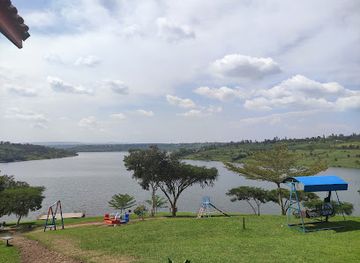
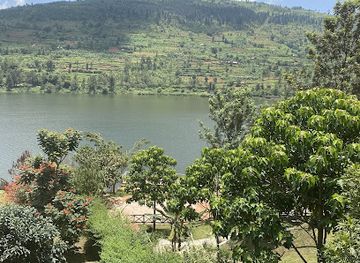
Muhazi Lake lies in Rwanda’s eastern highlands, a long, narrow body of water extending through a landscape of rounded hills, cultivated slopes and scattered settlements. Its irregular shoreline creates a sequence of bays and peninsulas rather than one continuous resort coast, while the surrounding countryside gives the lake a distinctly rural character. Rwamagana is the principal town on the western side and a useful base for reaching the lake; other settlements, including Gahini, are associated with the eastern and northern shores.Read more about Muhazi Lake
Rural Landscapes and Lakeside Life
Exploring the Shoreline
Getting to and around Muhazi Lake
How to get there
Transportation
Best attractions in Muhazi Lake
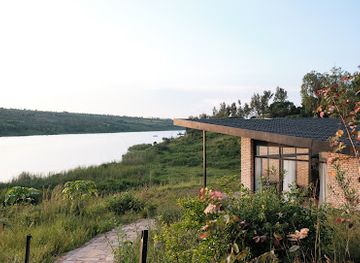
Muhazi Lake’s principal attraction is the lake itself: a long, irregular waterway whose bays, inlets and green hills create constantly changing rural views. The western side near Rwamagana is the most accessible starting point, while the eastern and northern shores around places such as Gahini offer a quieter agricultural setting. Lakeside accommodation provides opportunities to appreciate sunrise, observe waterbirds and arrange locally managed boating or fishing where available. The surrounding roads lead through cultivated hills, small settlements and viewpoints rather than through a concentration of formal visitor attractions. Rwamagana adds markets, everyday commerce and a useful base for understanding the region’s contemporary life. Visitors seeking a broader excursion can use Muhazi as part of a journey through eastern Rwanda, but attractions beyond the shoreline should be treated as separate destinations. Conditions and access vary between properties, so the most rewarding experiences are usually planned around a particular bay, lodge or local guide rather than an imagined continuous circuit.
-
Lake
Lake Muhazi
Experience the tranquil beauty of Lake Muhazi, a serene paradise in Rwanda perfect for relaxation, adventure, and nature exploration.
-
 Tourist attraction
S & Friends Game Lodge
Experience the beauty of Rwanda at S & Friends Game Lodge, where adventure meets tranquility amidst breathtaking wildlife.
-
Tourist attraction
Kira Farm
Discover the tranquility of Kira Farm along Lake Muhazi Road, a serene Rwandan retreat perfect for nature lovers and cultural exploration.
Best landmarks in Muhazi Lake
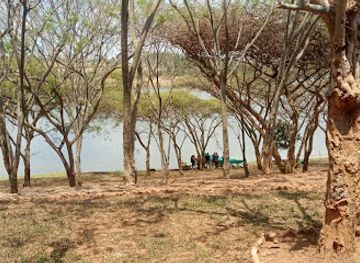
Muhazi Lake is itself the defining natural landmark, distinguished by its elongated shape, winding shoreline and relationship with Rwanda’s rounded eastern hills. Its many bays and narrow extensions create varied perspectives from the surrounding roads and lakeside properties, while the water provides a visual centre for the cultivated landscape. Rwamagana is the principal nearby urban landmark and gateway, representing the administrative and commercial life of the region rather than a historic monument within the lake landscape. Gahini, associated with the eastern side of the lake, is another recognised local reference point, though access and facilities should be checked locally. The principal cultural landmarks around Muhazi are rural churches, villages, farms and community spaces, whose significance lies in their place within living settlements; visitors should not enter or photograph them without appropriate permission.
-
Lodge
UMVA Muhazi
Discover the enchanting beauty of Lake Muhazi at UMVA Muhazi Lodge, a serene retreat for nature lovers and cultural explorers in Rwanda.
-
Hotel
Muhazi Beach Hotel
Discover the serene beauty and vibrant culture of Lake Muhazi at the Muhazi Beach Hotel, your perfect getaway in Rwanda.
-
Lake
Lake Muhazi
Experience the tranquil beauty of Lake Muhazi, a perfect retreat in Rwanda for nature lovers and adventure seekers alike.
-
Hotel
Vintage Cottage
Experience the tranquility of Vintage Cottage, your scenic retreat by Muhazi Lake, offering stunning views and a taste of Rwandan culture.
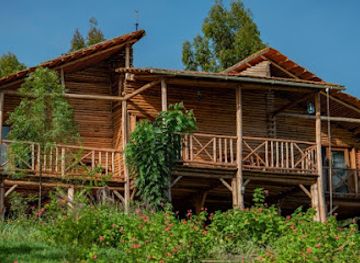
Explore Muhazi Lake on the map
Plan your trip on one map. See where the top attractions, landmarks, restaurants and hotels are, and book hotels and experiences in a few clicks.
Best hotels in Muhazi Lake
Best restaurants in Muhazi Lake
Dining around Muhazi Lake is generally linked to accommodation properties and small local establishments rather than a large independent restaurant scene. Lakeside hotels and guesthouses commonly provide meals for staying guests, with menus shaped by available Rwandan produce and familiar regional dishes such as rice, beans, plantain, potatoes, vegetables and grilled meats. Freshwater fish may appear in some lakeside settings, but visitors should confirm what is locally available rather than assuming a particular catch. Rwamagana offers the widest choice of everyday cafés, restaurants and shops for provisions, while smaller settlements have more limited options and may operate according to local demand. Travellers staying outside a town should arrange meals in advance, especially for excursions or late arrivals. Rwandan coffee, tea and fruit are appropriate local refreshments, and respectful curiosity about ingredients can open a useful window onto the farming communities around the lake.
-
Restaurant
The Fish Pub
Experience authentic Rwandan cuisine at The Fish Pub in Musha – where tradition meets taste in every delicious bite.
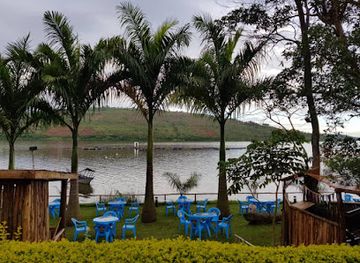
Best bars in Muhazi Lake
Muhazi Lake has a quiet rural evening atmosphere rather than a developed nightlife scene. The main options are drinks and conversation at a lakeside hotel, guesthouse or restaurant, where evenings may centre on the view, local hospitality and the sounds of the countryside. Rwamagana has more everyday cafés, bars and social venues than the shoreline, although it should not be presented as a major late-night entertainment centre. Small communities around the lake offer limited and locally focused evening activity, with availability varying by day and season. Visitors should arrange transport before drinking and avoid walking unfamiliar rural roads after dark. Evening bird and wildlife observation should only take place through responsible accommodation or guide arrangements, since unlit shorelines, private land and changing water conditions require caution.
-
Restaurant
The Fish Pub
Experience the rich flavors of Rwanda at The Fish Pub, a top destination for authentic country food and fresh local fish in Musha.
-
Bar
Black and White bar
Discover the lively spirit of Rwanda at Black and White Bar, where refreshing drinks and vibrant entertainment create an unforgettable nightlife experience.
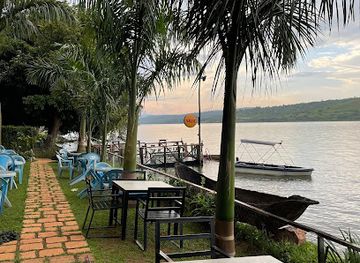
Best nightclubs in Muhazi Lake
Muhazi Lake has a quiet rural evening atmosphere rather than a developed nightlife scene. The main options are drinks and conversation at a lakeside hotel, guesthouse or restaurant, where evenings may centre on the view, local hospitality and the sounds of the countryside. Rwamagana has more everyday cafés, bars and social venues than the shoreline, although it should not be presented as a major late-night entertainment centre. Small communities around the lake offer limited and locally focused evening activity, with availability varying by day and season. Visitors should arrange transport before drinking and avoid walking unfamiliar rural roads after dark. Evening bird and wildlife observation should only take place through responsible accommodation or guide arrangements, since unlit shorelines, private land and changing water conditions require caution.
-
Bar
Black and White bar
Experience the vibrant nightlife at Black and White Bar, where refreshing drinks and a lively atmosphere come together for an unforgettable evening.
Best shops in Muhazi Lake
Shopping at Muhazi Lake is modest and practical, reflecting its rural setting. Rwamagana is the most useful nearby centre for groceries, everyday supplies, mobile services and locally traded goods, while smaller settlements around the shoreline have limited shops rather than dedicated tourist retail areas. Visitors may find regional produce, fruit, vegetables, woven goods or small craft items through local markets and community businesses, but permanent markets and product availability vary. Buying food and essentials before travelling to a remote lakeside property is sensible, particularly when the accommodation is some distance from a town. Rwanda’s coffee and tea are widely associated with the country, although branded or packaged products are more reliably found in larger shops. Ask permission before photographing market sellers and bargain only where local practice clearly makes it appropriate.
-
Beach pavillion
Muhazi Flowers Beach
Discover the natural beauty and tranquility of Muhazi Flowers Beach, a perfect getaway for relaxation and adventure by the serene Lake Muhazi.
-
Fruit and vegetable store
Belancila Fruits
Explore the vibrant flavors of Rwanda at Belancila Fruits, your destination for fresh, locally-sourced produce and authentic culinary experiences.
-
Cosmetics store
Munyaneza shop
Discover the vibrant beauty scene at Munyaneza Shop in Nyagihanga, Rwanda, where local charm meets quality cosmetics.
-
Shop supermarket furniture store
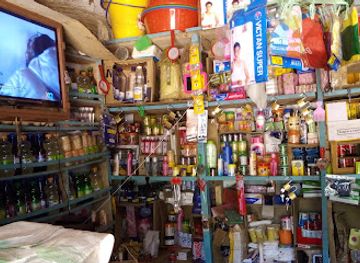
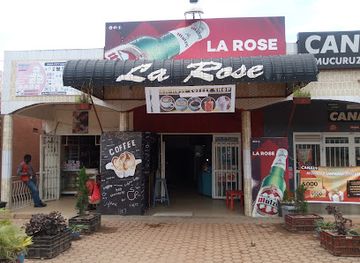
Alimentation la Rose chez KALISA
Experience the vibrant flavors of Nyagasambu at Alimentation la Rose chez KALISA, your go-to spot for fresh food, delicious meals, and local charm.
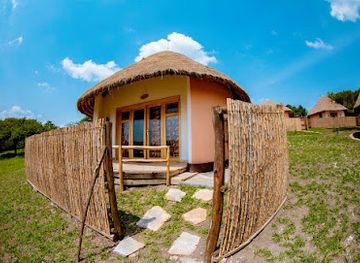
Get your free copy of our complete guide to Muhazi Lake, delivered straight to you.
Everything on this page, from attractions and restaurants to essentials and local phrases, in one PDF you can read offline, print or share.
Already have an account? Sign in
Your Muhazi Lake guide is ready.
We'll send it to · Not you? Sign out

Getting your guide ready…
We are putting together a fresh copy of the Muhazi Lake guide. This can take up to a minute.
This can take a few moments. If your browser asks, choose Allow so the download can start. You'll find the guide in your Downloads folder.
Nothing happened? Download it again
Sorry, the guide is taking longer than usual. Please try again in a minute, or get it by email instead.
Muhazi Lake essentials
Currency and Payment
Safety
Emergency Situations
Do's and Don'ts
Local Tips
From Eve
Local phrases worth knowing
You don't need to get them perfect. A few words go a long way, and locals appreciate the effort.
Basics
| English | Local | Say it |
|---|---|---|
| Hello | Muraho | [moo-rah-ho] |
| Goodbye | Murabeho | [moo-rah-beh-ho] |
| Yes | Yego | [ye-go] |
| No | Oya | [oh-ya] |
| Please/You're welcome | Kubaza | [koo-bah-zah] |
| Thank you | Murakoze | [moo-rah-ko-zeh] |
| Excuse me/Sorry | Ndasaba | [n-dah-sah-bah] |
| How are you? | Amakuru? | [ah-mah-koo-roo] |
| Fine. And you? | Ni meza. Nawe? | [nee-meh-zah. nah-weh] |
| Do you speak English? | Mwiyumvamo icyongereza? | [mwee-yoom-vah-mo ee-chyong-ge-reh-zah] |
| I don't understand | Ntazi | [n-tah-zee] |
Eating & Drinking
| English | Local | Say it |
|---|---|---|
| I'd like to see the menu, please | Nifuzwa guhura menu, cyane | [nee-fooz-wah goo-hoo-rah meh-noo, chya-neh] |
| I don't eat meat | Simbiyemera kwita ibiryo by'imboga | [seem-bee-yeh-meh-rah kwee-tah ee-bee-ryo bee-eem-boh-gah] |
| Cheers! | Amahoro! | [ah-mah-ho-ro] |
| I would like to pay, please | Nifuzwa gukodesha, cyane | [nee-fooz-wah goo-koh-de-shah, chya-neh] |
Emergencies
| English | Local | Say it |
|---|---|---|
| Help! | Ubutwari! | [oo-boo-twa-ree] |
| Go away! | Jya kure! | [jah koo-reh] |
| Call the Police! | Siga polisi! | [see-gah poh-lee-see] |
| Call a doctor! | Siga umurwayi! | [see-gah oo-moor-wah-yee] |
| I'm lost | Ndi nturuka | [ndee n-too-roo-kah] |
| I'm ill | Ndi gahunda | [ndee gah-hoon-dah] |
Shopping
| English | Local | Say it |
|---|---|---|
| I'd like to buy... | Nifuzwa gutanga... | [nee-fooz-wah goo-tahn-gah] |
| I'm just looking | Nifite isura | [nee-fee-teh ee-soo-rah] |
| How much is it? | Ni iki giciro? | [nee ee-kee gee-chee-ro] |
| That's too expensive | Ni byiza kandi biciriye | [nee bee-yee-zah kahn-dee bee-chee-ree-yeh] |
| Can you lower the price? | Mwifurize giciro? | [mwee-foo-ree-zeh gee-chee-ro] |
Time & Numbers
| English | Local | Say it |
|---|---|---|
| What time is it? | Saa ngapi? | [sah nah-gah-pee] |
| It's one o'clock | Ni saa munani | [nee sah moo-nah-nee] |
| Half past (10) | Saa munani n'igice | [sah moo-nah-nee nee-gee-chay] |
| Morning | umugoroba | [oo-moo-go-roh-bah] |
| Afternoon | saa za mu gitondo | [sah zah moo gee-ton-doh] |
| Evening | saa za mu gitondo | [sah zah moo gee-ton-doh] |
| Yesterday | Ejo | [eh-joh] |
| Today | Ejo | [eh-joh] |
| Tomorrow | Ejo | [eh-joh] |
| 1 | rimwe | [ree-mweh] |
| 2 | kabiri | [kah-bee-ree] |
| 3 | gatatu | [gah-tah-too] |
| 4 | kane | [kah-neh] |
| 5 | gatanu | [gah-tah-noo] |
| 6 | gatandatu | [gah-tahn-dah-too] |
| 7 | kagatandatu | [kah-gah-tahn-dah-too] |
| 8 | umunani | [oo-moo-nah-nee] |
| 9 | icyenda | [ee-chyen-dah] |
| 10 | icumi | [ee-choo-mee] |
Transport & Directions
| English | Local | Say it |
|---|---|---|
| Where's a/the...? | Iki ni he? | [ee-kee nee heh] |
| What's the address? | Iki ni aho? | [ee-kee nee a-ho] |
| Can you show me (on the map)? | Mwifunze (ku mutwe w'ikarita) | [mwee-foo-nzeh koo moot-weh w'ee-kah-ree-tah] |
| When's the next (bus)? | Ni saa ngapi igihe cya mbere? | [nee sah nah-gah-pee ee-ghee-hay chyah m-beh-reh] |
| A ticket (to ....) | Igiti kiri? | [ee-gee-tee kee-ree] |
History of Muhazi Lake
A Lake in Rwanda’s Eastern Highlands
Muhazi Lake occupies a long valley within Rwanda’s central-eastern highlands, where hills and seasonal waterways shape a landscape of cultivated slopes and wetlands. Its form reflects the region’s terrain rather than a broad, open basin, giving the lake its characteristic narrow and winding appearance. The surrounding watersheds have long connected agriculture, settlement and fishing, while the lake’s bays and inlets create distinct local environments along the shore. Geological explanations should be kept separate from the human history of the area: the lake is a natural geographical feature, while its cultural importance has developed through the communities living and working around it.
Settlement and Agricultural Landscapes
The hills around Muhazi have been inhabited and cultivated within the wider historical landscapes of Rwanda’s central and eastern regions. Rural livelihoods have traditionally depended on farming and livestock, with access to water influencing settlement patterns and local production. Rwamagana developed as an important administrative and commercial centre west of the lake, while smaller communities occupied the surrounding hills and shorelands. As elsewhere in Rwanda, land use has been shaped by population pressure, soil conservation and the organisation of agricultural life. The result is a lake landscape closely tied to worked fields and villages rather than an isolated wilderness.
The Lake and Modern Rwanda
Muhazi lies within a region that has experienced major political and social change during Rwanda’s modern history, including the violence and displacement associated with the 1994 genocide against the Tutsi. The eastern province was subsequently incorporated into programmes of reconstruction, local administration and economic development. Rwamagana’s growth strengthened its role as a gateway for the surrounding countryside, while improvements to roads and services made rural destinations such as Muhazi more accessible. The lake’s contemporary identity therefore combines established agricultural life with a modest but growing interest in domestic and international leisure travel.
Conservation, Fishing and Leisure
Muhazi’s recent tourism story has developed through small-scale lakeside hospitality, fishing activity and recreational use of its scenery rather than through intensive resort construction. The lake remains part of a lived rural environment, so shoreline management, water quality, responsible boating and respect for local livelihoods are important to its future. Birdwatching and landscape-based visits benefit from the mosaic of water, cultivated hills and wetland edges, although wildlife sightings are seasonal and never guaranteed. Visitors should follow local guidance on access, fishing, swimming and boating, since facilities and permissions vary from one part of the shoreline to another.
Muhazi Lake in Photos
Browse through our photo collection highlighting the charm and character of the destination.
Neighbouring destination travel guides
The closest destinations to Muhazi Lake, if you have time for more than one.
-

-

-

-

-


Swipe for more destinations
Explore more

Explore more of Eastern Province
Explore Rwanda’s Eastern Province for Akagera safaris, lake landscapes, rural culture, memorial heritage and the dramatic Rusumo Falls.
Explore Eastern Province
Explore more of Rwanda
Discover Rwanda: A land of rolling hills, rich culture, and unforgettable wildlife experiences. From mountain gorillas to serene lakes, adventure awaits in every corner.
Explore Rwanda