

Free Eastern Province Travel Guide & Mobile App
Explore Eastern Province with free travel guides. Discover regional history, expert tips, proposed trips, and audio guides on web or mobile app.


Explore Rwanda’s Eastern Province for Akagera safaris, lake landscapes, rural culture, memorial heritage and the dramatic Rusumo Falls.
Read more about Eastern Province
When is the best time to visit Eastern Province?
Best: December–February · 26–27°C| Month | High (°C) | Rainfall (mm) |
|---|---|---|
| January (best) | 26 | 75 |
| February (best) | 27 | 85 |
| March | 27 | 95 |
| April | 27 | 105 |
| May | 28 | 115 |
| June | 28 | 125 |
| July | 28 | 135 |
| August | 28 | 125 |
| September | 28 | 115 |
| October | 27 | 105 |
| November | 27 | 95 |
| December (best) | 27 | 85 |
Getting to and around Eastern Province
How to get there
Transportation
Top city travel guides in Eastern Province
The cities of Eastern Province, and the easiest places to base yourself.
-

-
-

-

-

-


Swipe for more cities
Destinations in Eastern Province
Resorts, valleys and scenic spots worth a trip of their own.
-

-

-

-

-


Swipe for more destinations
Best attractions in Eastern Province
Eastern Province’s attractions are defined by breadth and open landscapes rather than a concentration of urban monuments. Akagera National Park is the principal draw, offering game drives across savanna, woodland and wetland habitats, together with boat trips on Lake Ihema where hippos, crocodiles and birdlife are often observed. The park’s restored wildlife populations give it a major place in Rwanda’s conservation story. Outside the reserve, the province contains a chain of lakes, including Muhazi, Mugesera and Sake, whose shores provide rural scenery and occasional waterside recreation, although facilities vary considerably. Bugesera’s Nyamata and Ntarama memorials offer important historical education and should be approached with solemnity. Rusumo Falls, on the Kagera River, combines a forceful natural setting with deep twentieth-century history. Market towns, agricultural districts and cattle country add further interest for visitors travelling by road, while birdwatching, photography and community-based rural experiences are best arranged locally rather than pursued independently in remote areas.
-
Scenic spot
Rusumo Falls
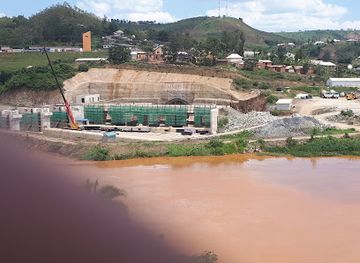
Experience the breathtaking beauty of Rusumo Falls, a stunning natural attraction along the Tanzania-Rwanda border, where nature and adventure await.
-
Park
Cultural Green square Park
Discover tranquility and local culture at Kigali's Cultural Green Square Park, an urban oasis perfect for relaxation and exploration.
-
Campground
Muhazi Flowers Beach via Kiramuruzi
Experience the tranquility of Muhazi Flowers Beach, a hidden gem in Rwanda perfect for relaxation, adventure, and natural beauty.
-
Garden
MUBYIMANA
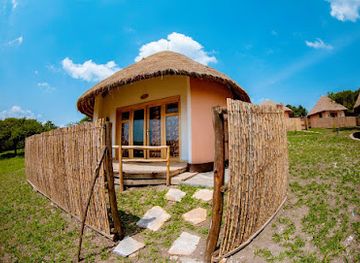
Experience the tranquility of MUBYIMANA Garden in Rwamagana, a serene oasis filled with vibrant flora and peaceful pathways for relaxation and reflection.

Best landmarks in Eastern Province
The most recognisable landmark in Eastern Province is Rusumo Falls, where the Kagera River drops through a narrow rocky landscape at the Rwanda–Tanzania border. The falls are both a geographical feature and a place marked by the region’s recent history. In Bugesera, the former churches at Nyamata and Ntarama are significant memorial landmarks whose preserved spaces bear witness to the 1994 genocide against the Tutsi; their importance is historical and human rather than conventional architectural grandeur. Akagera’s lakes, papyrus wetlands and open savanna form a changing natural landmarkscape, with Lake Ihema particularly associated with the park’s waterways and wildlife. Lake Muhazi, extending along the northern part of the province and neighbouring areas, provides another prominent waterside setting, although its shoreline is rural and developed unevenly. The province’s broad cultivated plains, cattle country and isolated wooded hills are also visually distinctive, offering a strong contrast with Rwanda’s steep central landscapes.
-
History museum
Kigali Genocide Memorial
Explore the Kigali Genocide Memorial: A profound reminder of resilience and the importance of peace in Rwanda's history.
-
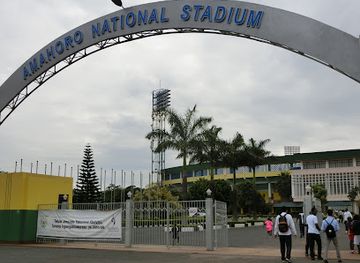
Stadium
Amahoro National Stadium
Discover the vibrant sports and cultural heart of Kigali at Amahoro National Stadium, Rwanda's largest venue for unforgettable events.
-
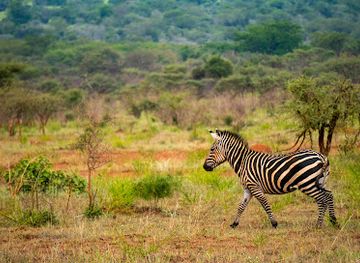
National park
Akagera National Park Rwanda
Experience the breathtaking beauty and diverse wildlife of Akagera National Park, Rwanda's premier destination for nature lovers and adventure enthusiasts.
-
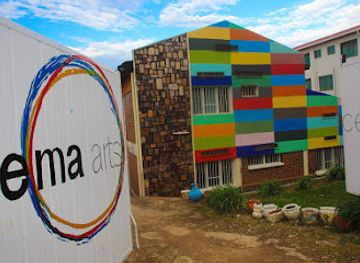
Art center
Inema Arts Centre
Experience the richness of Rwandan creativity and contemporary art at Inema Arts Centre, a vibrant cultural hub in Kigali.

Explore Eastern Province on the map
Plan your trip on one map. See where the top cities, national parks and sights are, and book hotels and experiences in a few clicks.
Best hotels in Eastern Province
Best restaurants in Eastern Province
Dining in Eastern Province is closely connected with Rwanda’s agricultural economy. Across district towns and rural trading centres, visitors commonly encounter beans, maize, cassava, bananas, sweet potatoes, rice and grilled or stewed meat, often served in simple restaurants, cafés and hotels. Milk and beef are particularly associated with the cattle-raising areas around Nyagatare, while freshwater fish may appear near lakes and waterways, though availability depends on the locality. Rwandan staples are often accompanied by vegetables and plantains, and locally grown produce is most evident in markets rather than formal menus. Rwamagana, Kayonza and Nyagatare offer the widest choice of everyday dining, while lodges around Akagera cater more directly for safari travellers. Kigali-style international cuisine is less common, so expectations should be adjusted towards straightforward regional cooking, fresh fruit, tea, coffee and cold drinks. Food markets are useful places to observe local commerce, but visitors should choose busy, hygienic establishments and take care with untreated water.
-
Restaurant
Sole Luna
Experience the essence of Italy in Kigali at Sole Luna – where authentic flavors meet warm hospitality.
-
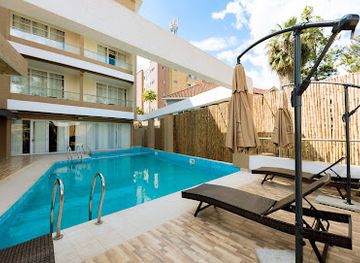
Hotel
The Hut Restaurant and Boutique Hotel
Experience the essence of Rwandan hospitality at The Hut Restaurant and Boutique Hotel – where comfort meets culinary excellence.
-
Arab restaurant
The house of mandi
Discover authentic Arab cuisine at The House of Mandi in Kigali – a delightful culinary journey awaits you.
-
Indian
Kurry Kingdom
Discover the rich flavors of North Indian cuisine at Kurry Kingdom in Kigali - where tradition meets taste.


Best bars in Eastern Province
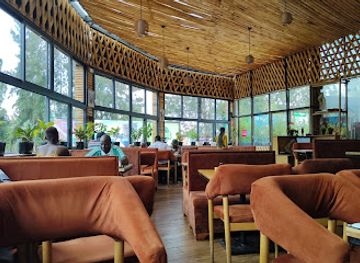
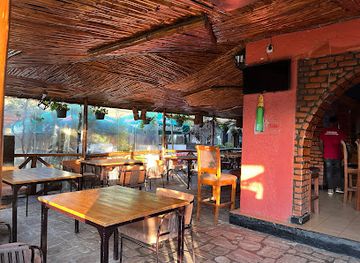
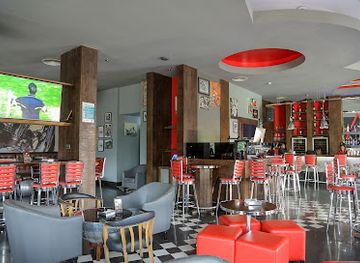
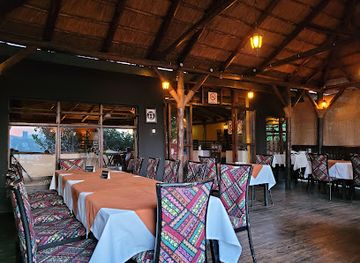
Nightlife in Eastern Province is modest and town-based. Rwamagana, Kayonza and Nyagatare have the broadest selection of cafés, restaurants, small bars and social venues, while evenings in smaller centres generally revolve around local bars, music and conversation rather than large club districts. Hotels and safari lodges around Akagera may provide a quiet drink or communal evening space, but they are primarily bases for early wildlife outings. In rural areas, venues can be dispersed and may close earlier than visitors expect, so arranging transport in advance is sensible. Beer is widely available, alongside soft drinks and locally familiar beverages, but drinking is not necessary to engage with the region’s evening culture. Live music and football broadcasts may animate town venues, although programming and opening arrangements change. Visitors should be discreet, respect local communities and avoid travelling unfamiliar rural roads late at night.
-
Grill
Sundowner
Experience the essence of Kigali's culinary scene at Sundowner, where delicious grilled delicacies meet a warm and inviting atmosphere.
-
Restaurant
Riders Lounge Kigali
Experience the vibrant culinary scene and nightlife of Kigali at Riders Lounge, a premier restaurant and lounge offering delicious food and exciting cocktails.
-
Bar
Repub Lounge
Discover Kigali's vibrant social scene at Repub Lounge, a bar and restaurant that offers delicious food and an extensive drink menu in a lively atmosphere.
-
Grill
Choma'd Bar & Grill
Discover the flavors of Rwanda at Choma'd Bar & Grill, where grilled delights meet a lively atmosphere in the heart of Kigali.
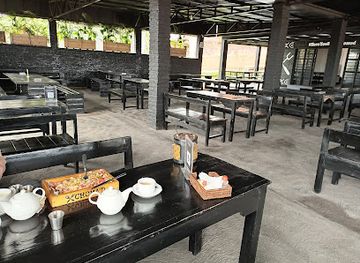
Best nightclubs in Eastern Province
Nightlife in Eastern Province is modest and town-based. Rwamagana, Kayonza and Nyagatare have the broadest selection of cafés, restaurants, small bars and social venues, while evenings in smaller centres generally revolve around local bars, music and conversation rather than large club districts. Hotels and safari lodges around Akagera may provide a quiet drink or communal evening space, but they are primarily bases for early wildlife outings. In rural areas, venues can be dispersed and may close earlier than visitors expect, so arranging transport in advance is sensible. Beer is widely available, alongside soft drinks and locally familiar beverages, but drinking is not necessary to engage with the region’s evening culture. Live music and football broadcasts may animate town venues, although programming and opening arrangements change. Visitors should be discreet, respect local communities and avoid travelling unfamiliar rural roads late at night.
-
Lounge
Copenhagen Lounge
Experience exquisite dining at Copenhagen Lounge in Kigali, where local flavors meet international cuisine in a stylish setting.
-
Disco club
La Noche
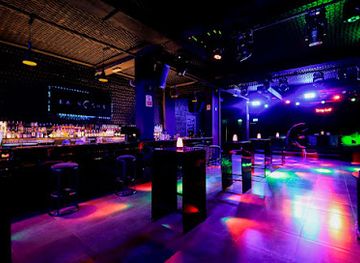
Experience the vibrant nightlife of Kigali at La Noche, the ultimate disco club for dance enthusiasts and party lovers.
-
Night club
People Bar & Dance Venue
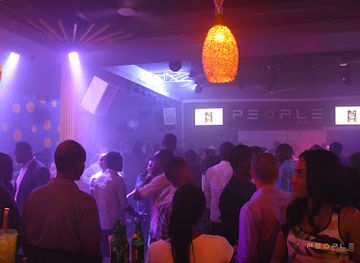
Discover Kigali's vibrant nightlife at People Bar & Dance Venue, a top spot for music, dancing, and unforgettable experiences in Rwanda.
-
Night club
Cadillac Night Club
Discover the heartbeat of Kigali's nightlife at Cadillac Night Club, where music, dance, and vibrant energy come alive.


Best shops in Eastern Province
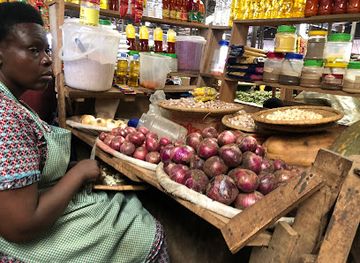
Shopping in Eastern Province is concentrated in district-town markets and ordinary high streets rather than large retail centres. Rwamagana, Kayonza and Nyagatare are useful places for everyday goods, clothing, mobile-phone services and locally traded produce, while smaller centres provide a more limited but direct view of rural commerce. Markets commonly feature beans, maize, bananas, cassava, vegetables and other agricultural products, although these are primarily for local use rather than convenient souvenirs. Visitors can look for woven goods, baskets, simple woodwork and locally produced food items, but quality and availability vary by town and season. Coffee and tea associated with Rwanda may be easier to source through established hotels or specialist shops than in rural markets. When buying crafts, ask about prices politely, carry small denominations of Rwandan francs and remember that many market stalls are informal family businesses. Travellers heading into Akagera should purchase basic supplies beforehand, as shopping options become sparse inside and near the park.
-
Butcher shop
Kigali City Market
Discover the vibrancy of Kigali City Market, where fresh produce, local crafts, and cultural experiences await every tourist.
-
Shopping mall
CHICLtd
Explore CHICLtd in Kigali: A vibrant shopping mall featuring diverse retail shops, dining options, and entertainment for every traveler.
-
Clothing store
Rwanda Clothing Store
Discover the essence of Rwandan fashion at Rwanda Clothing Store, where traditional craftsmanship meets contemporary style in Kigali.
-
Fabric store
NICCU CREATIONS LTD, SHOP NO C12 , FLOOR B1, Chic Shopping center
Explore Niccu Creations for unique fabrics and expert tailoring services in the heart of Chic Shopping Center.
Get your free copy of our complete guide to Eastern Province, delivered straight to you.
Everything on this page, from attractions and restaurants to essentials and local phrases, in one PDF you can read offline, print or share.
Already have an account? Sign in
Your Eastern Province guide is ready.
We'll send it to · Not you? Sign out

Getting your guide ready…
We are putting together a fresh copy of the Eastern Province guide. This can take up to a minute.
This can take a few moments. If your browser asks, choose Allow so the download can start. You'll find the guide in your Downloads folder.
Nothing happened? Download it again
Sorry, the guide is taking longer than usual. Please try again in a minute, or get it by email instead.
Eastern Province essentials
Currency and Payment
Safety
Emergency Situations
Do's and Don'ts
Local Tips
From Eve
Local phrases worth knowing
You don't need to get them perfect. A few words go a long way, and locals appreciate the effort.
Basics
| English | Local | Say it |
|---|---|---|
| Hello | Muraho | [moo-rah-ho] |
| Goodbye | Nkwifurije ibyiza | [n-kwee-foo-ree-zay ee-bee-za] |
| Yes | Yego | [yeh-go] |
| No | Oya | [oh-yah] |
| Please/You’re welcome | Nyabuneka | [nyah-boo-neh-kah] |
| Thank you | Urakoze | [oo-rah-ko-zay] |
| Excuse me/Sorry | Mbabarira | [m-bah-bah-ree-rah] |
| How are you? | Amakuru? | [ah-mah-koo-roo] |
| Fine. And you? | Ni byiza. Wowe se? | [nee bee-za. woh-veh say?] |
| Do you speak English? | Uravuga Icyongereza? | [oo-rah-voo-gah ee-choh-nger-eh-zah] |
| I don’t understand | Sinumva | [see-noom-vah] |
Eating & Drinking
| English | Local | Say it |
|---|---|---|
| I’d like to see the menu, please | Nashaka kureba menu, nyabuneka | [nah-shah-kah koo-reh-bah meh-noo, nyah-boo-neh-kah] |
| I don’t eat meat | Sinarya inyama | [see-nah-ree-ah ee-nyah-mah] |
| Cheers! | Kozinga! | [koh-zee-ngah] |
| I would like to pay, please | Nashaka kwishyura, nyabuneka | [nah-shah-kah kwee-shee-oo-rah, nyah-boo-neh-kah] |
Emergencies
| English | Local | Say it |
|---|---|---|
| Help! | Mfasha! | [m-fah-shah] |
| Go away! | Genda! | [gen-dah] |
| Call the Police! | Hamagara Polisi! | [hah-mah-gah-rah poh-lee-see] |
| Call a doctor! | Hamagara umuganga! | [hah-mah-gah-rah oo-moo-gah-nga] |
| I’m lost | Ndarwaye | [n-dah-rwah-yeh] |
| I’m ill | Ndakomeye | [n-dah-koh-meh-yeh] |
Shopping
| English | Local | Say it |
|---|---|---|
| I’d like to buy... | Nashaka kugura... | [nah-shah-kah koo-goo-rah] |
| I’m just looking | Ndi kureba gusa | [n-dee koo-reh-bah goo-sah] |
| How much is it? | Birangura angahe? | [bee-rahn-goo-rah ahn-gah-heh] |
| That’s too expensive | Birahenze cyane | [bee-rah-hen-zay chah-neh] |
| Can you lower the price? | Urashobora kugabanya ig价格? | [oo-rah-sho-boo-rah koo-gah-bah-nyah ee-gah-rah-mah] |
Time & Numbers
| English | Local | Say it |
|---|---|---|
| What time is it? | Isaha angahe? | [ee-sah-hah ahn-gah-heh] |
| It’s one o’clock | Ni saa mbiri | [nee sah mbih-ree] |
| Half past (10) | Saa yine n’iminota mirongo itanu | [sah yee-neh n-ih-mee-no-tah mee-rong-oh ee-tah-noo] |
| Morning | Mu gitondo | [moo gee-ton-do] |
| Afternoon | Mu masaha ya nyuma | [moo mah-sah-hah yah nyoo-mah] |
| Evening | Mu mugoroba | [moo moo-go-roh-bah] |
| Yesterday | Ejo hashize | [eh-jo hah-shee-zay] |
| Today | Uyu munsi | [oo-yoo moon-sigh] |
| Tomorrow | Ejo hazaza | [eh-jo hah-zah-zah] |
| 1 | 1 | [1] |
| 2 | 2 | [2] |
| 3 | 3 | [3] |
| 4 | 4 | [4] |
| 5 | 5 | [5] |
| 6 | 6 | [6] |
| 7 | 7 | [7] |
| 8 | 8 | [8] |
| 9 | 9 | [9] |
| 10 | 10 | [10] |
Transport & Directions
| English | Local | Say it |
|---|---|---|
| Where's a/the...? | Aho hantu...? | [ah-hoh hahn-too] |
| What’s the address? | Ni iyihe aderesi? | [nee ee-yee-heh ah-deh-reh-see] |
| Can you show me (on the map)? | Urashobora kumwereka (ku ikarita)? | [oo-rah-sho-boh-rah koom-weh-reh-kah (koo ee-kah-ree-tah)] |
| When's the next (bus)? | Igihe cya nyuma (bisi)? | [ee-gee-heh chah nyoo-mah (bee-see)] |
| A ticket (to ....) | Ikarita (ku ...) | [ee-kah-ree-tah (koo ...)] |
History of Eastern Province
Early settlement and the eastern lakes
The eastern plains and lake districts have long formed part of the wider human landscape of the Great Lakes region. Communities developed livelihoods based on cultivation, livestock keeping and fishing around waterways such as the Kagera River and Lake Ihema. Archaeological evidence across Rwanda is less visible to visitors than the country’s later monuments, but the province’s settlement patterns reflect centuries of movement, trade and adaptation between the wetter central highlands and the drier eastern savanna.
The Kingdom of Rwanda and eastern expansion
Before the colonial period, the Kingdom of Rwanda gradually extended its political influence eastwards through changing systems of provincial administration, tribute and alliance. The eastern districts occupied an important frontier zone towards the Kagera basin and present-day Tanzania. Rwandan royal authority varied across time and locality, and it coexisted with established communities, cattle economies and local leadership. This history helps explain why eastern Rwanda has cultural connections both with the central kingdom and with neighbouring Great Lakes societies.
German and Belgian colonial rule
Rwanda became part of German East Africa in the late nineteenth century before German authority was replaced by Belgian administration after the First World War. Colonial rule reshaped taxation, labour, education, religious institutions and local administration, while strengthening some existing political structures. Roads and mission stations linked the eastern districts more closely with the rest of Rwanda, but colonial economic policies also placed pressure on rural communities. The province’s modern administrative and agricultural geography was strongly influenced by this period.
Agriculture, cattle and settlement in the twentieth century
Eastern Rwanda developed a distinctive rural economy based on crops, cattle and movement between more densely populated highland areas and the open eastern plains. Districts around Bugesera, Kayonza, Nyagatare and Kirehe experienced changing settlement patterns, periodic pressure on land and significant investment in agricultural production after independence. Cattle keeping remains especially important in the north-east, while maize, beans, bananas, cassava and other crops are cultivated throughout the province.
The 1994 genocide against the Tutsi
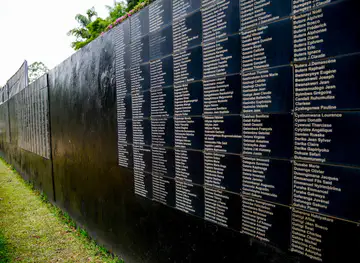
Eastern Province contains some of Rwanda’s most important places of remembrance connected with the 1994 genocide against the Tutsi. The churches at Nyamata and Ntarama in Bugesera became sites where large numbers of people were killed, and both are now memorials. The genocide devastated communities across the country, including the eastern districts, and its consequences were felt through displacement, loss and the destruction of social networks. Visits to these memorials are educational and solemn, and visitors should follow local guidance.
Rusumo Falls and the aftermath of genocide
Rusumo Falls, on the Kagera River at the Rwanda–Tanzania border, became an important crossing point in 1994 as people fled the genocide and the advancing conflict. Its bridge and border setting therefore carry historical meaning beyond the natural drama of the falls. The movement of refugees across the river contributed to a major regional humanitarian crisis and shaped the history of Rwanda and neighbouring countries. Today, the site remains both a working border area and a place where the region’s recent history can be considered.
Protected landscapes and contemporary eastern Rwanda
Akagera National Park represents a major modern transformation in the province. Established in 1934, the park suffered severe ecological and social disruption during the late twentieth century, particularly after the return and resettlement of refugees following the genocide. Since management reforms and wildlife reintroductions, conservation efforts have restored important species and strengthened tourism. The park now combines biodiversity protection with community-focused development, making wildlife tourism a significant part of Eastern Province’s contemporary economy.
Eastern Province in Photos
Browse through our photo collection highlighting the charm and character of the destination.
Neighbouring regions of Eastern Province
The closest regions to Eastern Province, if you have time for more than one.
-

-

-

-

-


Swipe for more regions
Explore more

Explore more of Rwanda
Discover Rwanda: A land of rolling hills, rich culture, and unforgettable wildlife experiences. From mountain gorillas to serene lakes, adventure awaits in every corner.
Explore Rwanda