

Free Mutara Travel Guide & Mobile App
Explore Mutara with free travel guides. Discover regional history, expert tips, proposed trips, and audio guides on web or mobile app.


Explore Mutara in eastern Rwanda for Nyagatare’s cattle country, Akagera’s savanna, rural landscapes and a different side of the nation.
Read more about Mutara
When is the best time to visit Mutara?
Best: January, July–August · 22–23°C| Month | High (°C) | Rainfall (mm) |
|---|---|---|
| January (best) | 23 | 100 |
| February | 23 | 110 |
| March | 24 | 130 |
| April | 24 | 170 |
| May | 23 | 190 |
| June | 23 | 110 |
| July (best) | 22 | 80 |
| August (best) | 23 | 90 |
| September | 23 | 120 |
| October | 23 | 150 |
| November | 23 | 140 |
| December | 23 | 120 |
Getting to and around Mutara
How to get there
Transportation
Top city travel guides in Mutara
The cities of Mutara, and the easiest places to base yourself.
-
-


Swipe for more cities
Destinations in Mutara
Resorts, valleys and scenic spots worth a trip of their own.
-

-


Swipe for more destinations
Best attractions in Mutara
Mutara’s attractions combine wildlife, open landscapes and the everyday life of Rwanda’s eastern lowlands. The principal draw is Akagera National Park, where guided game drives pass through savanna, woodland, wetlands and lake country containing large mammals and abundant birdlife. The park is extensive, so visitors should choose routes according to available time rather than expecting to see every habitat in one outing. Nyagatare provides a useful urban contrast, with markets, local cafés and access to the surrounding cattle-keeping countryside. Rural drives reveal changing patterns of grazing, cultivation and settlement, while community-based visits can offer insight into livestock, agriculture and conservation when arranged respectfully. The region is less suited to a dense programme of museums and monuments than central Rwanda; its appeal lies in landscape, wildlife, long road journeys and the opportunity to observe how protected areas and working rural districts exist alongside one another. Visitors should distinguish attractions within the park from services and communities outside its boundaries, since travel distances are considerable.
-
Monument
Cow Statue
Explore the Cow Statue in Kayonza, a cultural monument celebrating Rwanda's agricultural heritage amidst vibrant local life.
-
Tourist attraction
Colline Nyabubare
Experience the breathtaking vistas and rich culture at Colline Nyabubare, a serene hilltop attraction in Rwagitima, Rwanda.
-
Tourist attraction
Nyakayaga Defile
Discover the stunning Nyakayaga Defile, a majestic gorge along the Kayonza - Kagitumba Road, revealing Rwanda's breathtaking landscapes and rich ecology.
Best landmarks in Mutara
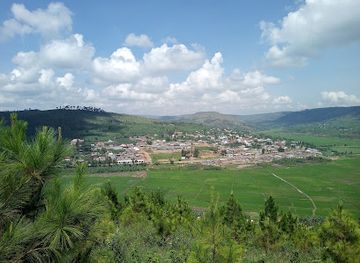
The defining landmark of Mutara is less a single monument than the broad eastern landscape associated with Akagera National Park. Its lake chains, papyrus wetlands, wooded ridges and open savanna create a distinctive geographic identity within Rwanda, while the park’s boundary marks an important meeting point between conservation and settled rural country. Nyagatare is the region’s principal civic landmark in practical terms: its expanding streets, public buildings, markets and commercial areas express the role of the town as an administrative centre for the eastern districts. Cattle herds and open grazing country are also characteristic visual features, reflecting a long-standing economic and cultural relationship with livestock. The name Mutara itself carries historical resonance through Rwanda’s royal tradition, particularly the kings who used Mutara as a regnal name, although the region should not be confused with the royal sites around Nyanza in southern Rwanda. Together, the park landscape, Nyagatare’s urban centre and the cattle country provide a more accurate sense of place than a list of isolated architectural monuments.
-
National park
Nyungwe Forest National Park
Explore the breathtaking Nyungwe Forest National Park, a natural paradise in Rwanda with diverse wildlife, stunning landscapes, and rich cultural experiences.
-
Media house
IGIHE
Discover the vibrant local media culture at IGIHE, where stories and Rwandan heritage intertwine in the heart of Kigali.
-
Museum
Ethnographic Museum
Discover the captivating history and culture of Rwanda at the Ethnographic Museum in Butare, a must-visit for every traveler seeking to understand this beautiful nation.
-
Museum
King's Palace Museum
Explore the regal past of Rwanda at the King's Palace Museum, where history, culture, and stunning architecture come alive.
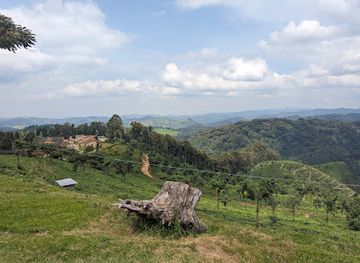
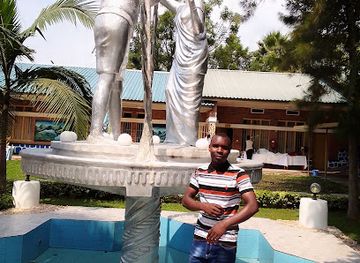
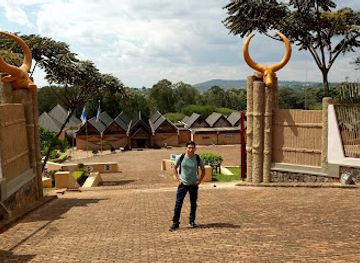
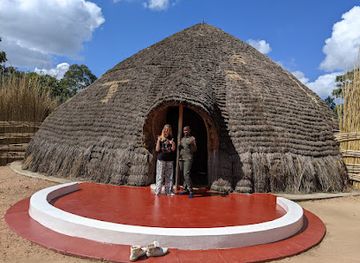
Explore Mutara on the map
Plan your trip on one map. See where the top cities, national parks and sights are, and book hotels and experiences in a few clicks.
Best hotels in Mutara
Best restaurants in Mutara
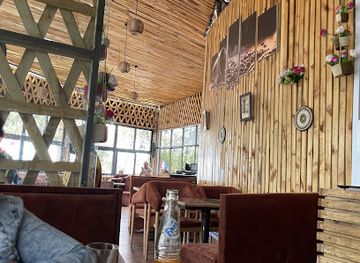
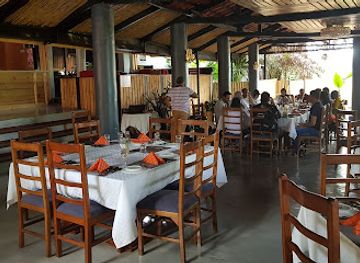
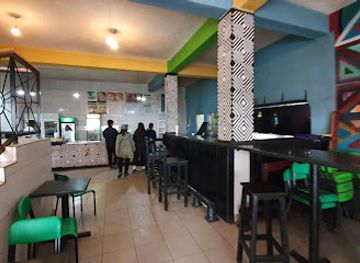
Dining in Mutara is centred on straightforward Rwandan cooking, local markets, cafés and hotels rather than a large fine-dining scene. Nyagatare is the most practical place to find a wider choice of restaurants, with grilled meat, brochettes, rice, beans, chips, plantain and vegetable dishes commonly available. Cattle keeping gives milk, fermented milk and beef particular local relevance, although preparation and availability vary between establishments. Rural eateries tend to offer simple meals, so visitors following a safari itinerary should confirm meal arrangements with their lodge or operator. Fresh fruit, including bananas and seasonal produce, is widely useful for road journeys, while markets provide a glimpse of the foods traded by surrounding communities. The region shares many dishes with Rwanda as a whole, and its distinctive culinary character lies more in the prominence of cattle, rural produce and eastern market life than in a separate regional cuisine. Bottled or treated water is advisable for visitors.
-
Arab restaurant
The house of mandi
Discover authentic Arabic flavors at The House of Mandi in Kigali - where every dish tells a story.
-
Indian
Khana Khazana Kiyovu
Discover authentic Indian cuisine at Khana Khazana Kiyovu in Kigali - where every dish tells a story.
-
Restaurant
Meze Fresh
Experience authentic Mexican flavors at Meze Fresh in Kigali, where every dish tells a story of vibrant culinary tradition.
-
Indian
Kurry Kingdom
Experience the rich flavors of North Indian cuisine at Kurry Kingdom in Kigali - where fine dining meets family-friendly charm.

Best bars in Mutara
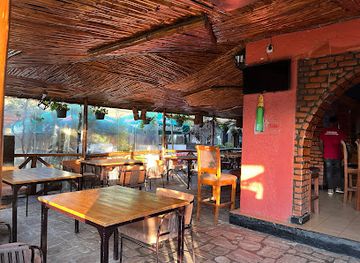
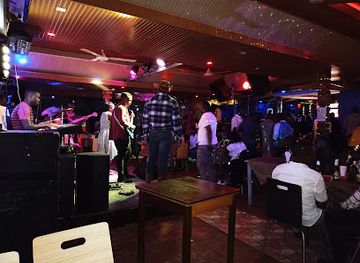
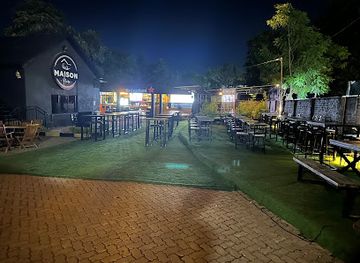
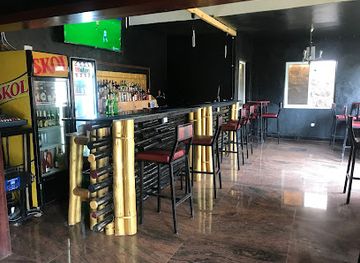
Evening life in Mutara is concentrated in Nyagatare and revolves mainly around cafés, hotel lounges, neighbourhood bars and restaurants rather than a major nightclub circuit. Local venues may serve beer, soft drinks and simple food, with conversation, televised sport and music forming a more typical evening than late-night clubbing. Safari lodges and hotels near Akagera generally provide quiet dining and drinks for guests, but their atmosphere is geared towards early starts and wildlife excursions. In smaller settlements, options can be limited and may close earlier than visitors expect. Rwanda’s national restrictions and local licensing arrangements can affect alcohol service, music and venue hours, so current information is best obtained from accommodation staff. Visitors should drink responsibly, arrange transport in advance and avoid walking unfamiliar rural roads after dark.
-
Grill
Sundowner
Discover a vibrant grill restaurant in Kigali with stunning views, a diverse menu, and a lively atmosphere perfect for tourists.
-
Bar
Rosty Club
Experience the vibrant nightlife at Rosty Club in Kigali, where delicious food meets a lively bar atmosphere for an unforgettable evening.
-
Bar
Maison Noire Bar & Restaurant
Experience the vibrant flavors of Kigali at Maison Noire Bar & Restaurant, where culinary delights meet a lively atmosphere.
-
Grill
Ram Lounge
Discover the taste of Rwanda at Ram Lounge, where grilled specialties and local flavors come together in a welcoming ambiance.
Best nightclubs in Mutara
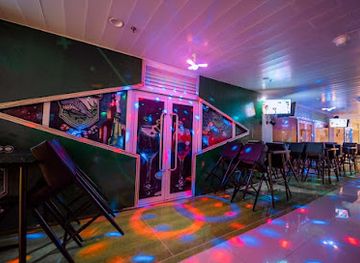
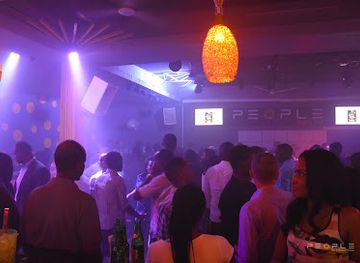
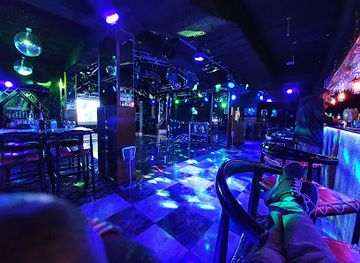
Evening life in Mutara is concentrated in Nyagatare and revolves mainly around cafés, hotel lounges, neighbourhood bars and restaurants rather than a major nightclub circuit. Local venues may serve beer, soft drinks and simple food, with conversation, televised sport and music forming a more typical evening than late-night clubbing. Safari lodges and hotels near Akagera generally provide quiet dining and drinks for guests, but their atmosphere is geared towards early starts and wildlife excursions. In smaller settlements, options can be limited and may close earlier than visitors expect. Rwanda’s national restrictions and local licensing arrangements can affect alcohol service, music and venue hours, so current information is best obtained from accommodation staff. Visitors should drink responsibly, arrange transport in advance and avoid walking unfamiliar rural roads after dark.
-
Lounge
Shooters Lounge
Unwind at Shooters Lounge: Kigali's premier destination for dining and night entertainment, blending local flavors with a lively nightlife experience.
-
Night club
People Bar & Dance Venue
Discover the pulse of Kigali's nightlife at People Bar & Dance Venue, where every night is a celebration of music, dance, and vibrant energy.
-
Night club
Cadillac Night Club
Discover the pulse of Kigali's nightlife at Cadillac Night Club, where vibrant music and lively crowds create unforgettable nights.
-
Bar
Pillar Bar And Night Club
Experience the vibrant nightlife of Kigali at Pillar Bar And Night Club, where music and culture meet in a lively atmosphere.

Best shops in Mutara
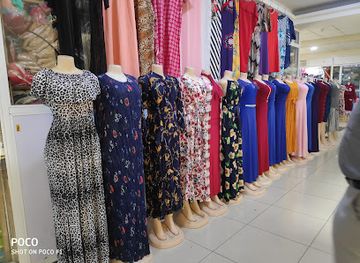
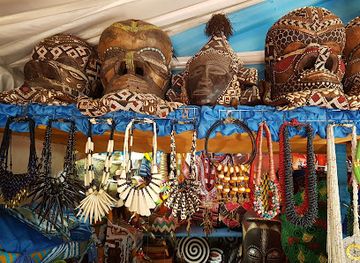
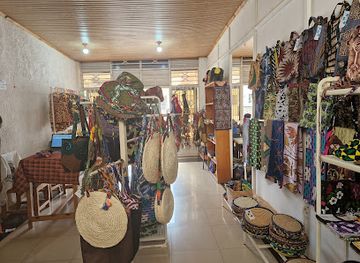
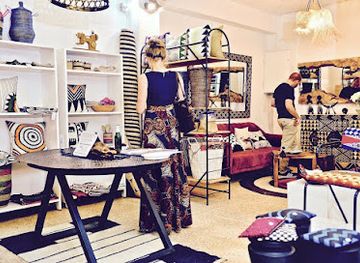
Shopping in Mutara is practical and locally focused. Nyagatare has the broadest selection of everyday goods, clothing, household items, mobile-phone services and fresh produce, while smaller rural markets serve nearby communities on particular days. Visitors can look for woven baskets, simple handicrafts, locally produced food and Rwanda-branded goods, although selection varies and specialist craft shopping is more limited than in Kigali. Markets are useful places to see the exchange of vegetables, fruit, grains and livestock-related products, but photography should be discreet and undertaken only with permission. Packaged coffee, tea and other nationally recognised Rwandan products may be easier to find in established hotels or shops than in village markets. Bargaining is sometimes possible for informal purchases, but it should be courteous and moderate. Carry cash in smaller Rwandan-franc denominations, as card payment is not dependable outside larger businesses and accommodation providers.
-
Shopping mall
CHICLtd
Discover the vibrant shopping experience at CHICLtd in Kigali, where local culture meets modern retail in a lively atmosphere.
-
Handicraft
Caplaki Craft Village
Discover the essence of Rwandan culture at Caplaki Craft Village, the ultimate destination for unique handicrafts and local artistry.
-
Clothing store
Nyamirambo Women's Center (NWC)
Explore unique clothing and support women's empowerment at Nyamirambo Women's Center, a vibrant cultural hub in Kigali.
-
Clothing store
Rwanda Clothing Store
Discover unique Rwandan apparel at Rwanda Clothing Store, where culture meets craftsmanship in the heart of Kigali.
Get your free copy of our complete guide to Mutara, delivered straight to you.
Everything on this page, from attractions and restaurants to essentials and local phrases, in one PDF you can read offline, print or share.
Already have an account? Sign in
Your Mutara guide is ready.
We'll send it to · Not you? Sign out

Getting your guide ready…
We are putting together a fresh copy of the Mutara guide. This can take up to a minute.
This can take a few moments. If your browser asks, choose Allow so the download can start. You'll find the guide in your Downloads folder.
Nothing happened? Download it again
Sorry, the guide is taking longer than usual. Please try again in a minute, or get it by email instead.
Mutara essentials
Currency and Payment
Safety
Emergency Situations
Do's and Don'ts
Local Tips
From Eve
Local phrases worth knowing
You don't need to get them perfect. A few words go a long way, and locals appreciate the effort.
Basics
| English | Local | Say it |
|---|---|---|
| Hello | Muraho | [moo-rah-ho] |
| Goodbye | Nkwifurije ihirwe | [n-kwee-foo-ree-jay ee-heer-way] |
| Yes | Yego | [yeh-go] |
| No | Oya | [oh-yah] |
| Please/You're welcome | Nyabuneka | [nya-boo-neh-kah] |
| Thank you | Urakoze | [oo-rah-koh-zeh] |
| Excuse me/Sorry | Mbabarira | [m-bah-bah-ree-rah] |
| How are you? | Amakuru yawe? | [ah-mah-koo-roo yah-weh] |
| Fine. And you? | Meze neza. Nawe? | [meh-zeh neh-zah. nah-weh?] |
| Do you speak English? | Uvuga Icyongereza? | [oo-voo-gah ee-choh-geh-reh-zah] |
| I don't understand | Sinumva | [see-noom-vah] |
Eating & Drinking
| English | Local | Say it |
|---|---|---|
| I'd like to see the menu, please | Nashaka kureba menu, nyabuneka | [nah-shah-kah koo-reh-bah meh-noo, nya-boo-neh-kah] |
| I don't eat meat | Sinya inyama | [seen-yah ee-nyah-mah] |
| Cheers! | Tugire ibihe byiza! | [too-gee-reh ee-bee-heh bee-zah] |
| I would like to pay, please | Nashaka kwishyura, nyabuneka | [nah-shah-kah kwee-shee-oo-rah, nya-boo-neh-kah] |
Emergencies
| English | Local | Say it |
|---|---|---|
| Help! | Mfasha! | [m-fah-shah] |
| Go away! | Genda kure! | [gen-dah koo-reh] |
| Call the Police! | Hamagara Polisi! | [hah-mah-gah-rah poh-lee-see] |
| Call a doctor! | Hamagara umuganga! | [hah-mah-gah-rah oo-moo-gah-ngah] |
| I'm lost | Nabuze | [nah-boo-zeh] |
| I'm ill | Ndakora | [ndah-koh-rah] |
Shopping
| English | Local | Say it |
|---|---|---|
| I'd like to buy... | Nashaka kugura... | [nah-shah-kah koo-goo-rah] |
| I'm just looking | Ndi kureba gusa | [n-dee koo-reh-bah goo-sah] |
| How much is it? | Ni angahe? | [nee ahn-gah-heh] |
| That's too expensive | Birahenze cyane | [bee-rah-hen-zay cha-neh] |
| Can you lower the price? | Urashobora kugabanya igiciro? | [oo-rah-shoh-boh-rah koo-gah-bah-nah ee-gee-roh] |
Time & Numbers
| English | Local | Say it |
|---|---|---|
| What time is it? | Ni isaha ingahe? | [nee ee-sah-hah in-gah-heh] |
| It's one o'clock | Ni isaha imwe | [nee ee-sah-hah eem-weh] |
| Half past (10) | Iminota icumi n'igice | [ee-mee-noh-tah ee-choo-mee n'ee-gee-cheh] |
| Morning | Mugitondo | [mee-gee-ton-doh] |
| Afternoon | Nimugoroba | [nee-moo-goh-roh-bah] |
| Evening | Nijoro | [nee-jo-roh] |
| Yesterday | Ejo hashize | [eh-jo hah-shee-zeh] |
| Today | Uyu munsi | [oo-yoo moon-sigh] |
| Tomorrow | Ejo hazaza | [eh-jo hah-zah-zah] |
| 1 | 1 | [imwe] |
| 2 | 2 | [kabiri] |
| 3 | 3 | [gatatu] |
| 4 | 4 | [kane] |
| 5 | 5 | [gatanu] |
| 6 | 6 | [gatandatu] |
| 7 | 7 | [karindwi] |
| 8 | 8 | [umunani] |
| 9 | 9 | [icyenda] |
| 10 | 10 | [icumi] |
Transport & Directions
| English | Local | Say it |
|---|---|---|
| Where's a/the...? | Ahantu he...? | [ah-han-too heh] |
| What's the address? | Ni iyihe adresse? | [nee ee-yee-heh ah-dress] |
| Can you show me (on the map)? | Urashobora kumfasha (kuri karita)? | [oo-rah-shoh-boh-rah koom-fah-shah (koo-ree kah-ree-tah)] |
| When's the next (bus)? | Igihe bus ikurikiye? | [ee-gee-heh boos ee-koo-ree-kee-yeh] |
| A ticket (to ....) | Itike (ku ...) | [ee-tee-keh (koo ...)] |
History of Mutara
Precolonial Rwanda and the Eastern Lowlands
Before colonial rule, the area now associated with Mutara formed part of the wider Rwandan kingdom and its eastern frontier. Political authority, settlement and economic life varied across the hills and plains, while cattle keeping held particular importance in the east. The region’s lower, drier environment also connected it with neighbouring territories around the Akagera River and Lake Ihema. Rather than being an isolated province, Mutara was part of a changing network of royal authority, local communities, trade and pastoral movement.
Colonial Rule and Administrative Reorganisation
German and later Belgian colonial administrations altered the way the eastern districts were governed, mapped and taxed. Missionary activity, compulsory labour systems and changing land and livestock policies affected rural communities, while colonial boundaries separated areas that had previously been linked by movement and trade. The region remained predominantly rural, with cattle and agriculture central to livelihoods. Colonial administrative practices later influenced the boundaries and institutions used by the independent Rwandan state.
Akagera’s Creation in 1934
Akagera National Park was established in 1934 in eastern Rwanda, protecting a landscape of savanna, woodland, wetlands and lakes along the country’s border with Tanzania. Conservation created an important refuge for wildlife but also restricted some forms of settlement and land use. The park’s history reflects a recurring tension in eastern Africa between protected areas, pastoral livelihoods, agriculture and national development. Its presence remains one of the defining features of the wider Mutara landscape.
Independence, the Monarchy and the Republican Era
Rwanda became independent in 1962 after the end of Belgian colonial rule and the monarchy was replaced by a republic. The name Mutara carries royal associations because several Rwandan kings bore the regnal name Mutara, most recently Mutara III Rudahigwa, who ruled from 1931 until 1959. Although the present-day region should not be confused with the locations of the royal court, these names reflect the enduring importance of the monarchy in Rwanda’s historical memory and national geography.
War, Genocide and Displacement in the 1990s
The civil war that began in 1990, the 1994 genocide against the Tutsi and the conflicts that followed caused profound disruption across Rwanda, including the eastern districts. Communities experienced killings, displacement, destroyed homes and the breakdown of local institutions. After 1994, returning refugees and displaced families resettled in many parts of the east, creating major pressure on land, services and housing. The region’s later development cannot be understood without recognising this painful period and its continuing consequences.
Umutara Province and the Modern Nyagatare Region
Umutara was one of Rwanda’s provinces during the administrative arrangements used before the 2006 decentralisation reforms. It was subsequently dissolved and its territory redistributed among modern districts, including Nyagatare and neighbouring areas. The reorganisation aimed to bring public administration and services closer to residents while simplifying the national structure. Today, Mutara survives primarily as a historical, geographic and cultural term, while Nyagatare functions as the main urban and administrative centre of the area.
Post-1994 Conservation and Economic Transformation
Since the late twentieth century, eastern Rwanda has seen major investment in roads, settlement planning, livestock, agriculture and conservation. Akagera’s wildlife protection was strengthened through partnerships, improved law enforcement and the restoration of important species, while surrounding districts developed as productive agricultural and cattle-keeping areas. These changes have brought employment and tourism opportunities but have also required careful management of land, water and relations between protected areas and neighbouring communities. Mutara today reflects both rural continuity and rapid institutional change.
Mutara in Photos
Browse through our photo collection highlighting the charm and character of the destination.
Neighbouring regions of Mutara
The closest regions to Mutara, if you have time for more than one.
-

-

-

-

-


Swipe for more regions

