

Bugesera, Rwanda Travel Guide
Explore Bugesera: Rwanda's scenic gem, where nature and culture blend harmoniously. Discover stunning landscapes, diverse wildlife, and rich traditions in this tranquil paradise.
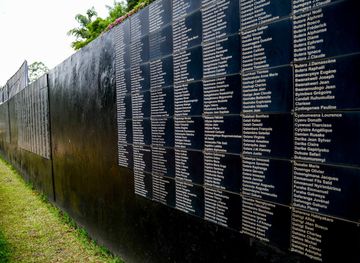
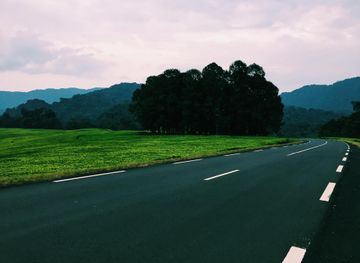
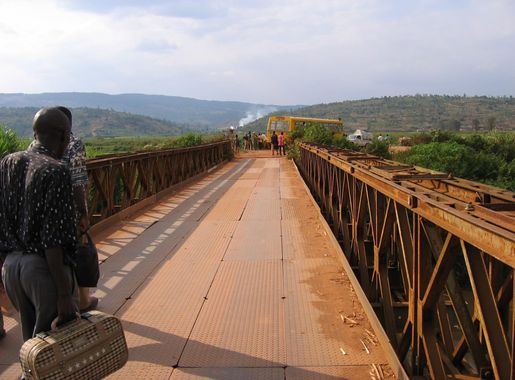
Bugesera, located in the southeastern part of Rwanda, is a treasure trove of natural wonders and cultural heritage. This region is known for its picturesque landscapes, featuring rolling hills, tranquil lakes, and abundant wildlife. Whether you are an avid bird watcher or simply looking to relax by the water, Bugesera offers a serene environment that is perfect for unwinding and reconnecting with nature. Bugesera is home to several important wetlands, including the Akagera River and Lake Cyohoha, making it a paradise for bird enthusiasts. The region attracts a variety of bird species, some of which are rare and endemic to the area. Visitors can enjoy guided bird-watching tours that offer a chance to see these magnificent creatures in their natural habitat. In addition to its natural beauty, Bugesera is rich in cultural history. The region is dotted with traditional Rwandan villages where visitors can learn about local customs and traditions. The people of Bugesera are known for their hospitality and visitors are often welcomed with open arms. You can visit local markets, participate in cultural dances, and even try your hand at traditional crafts. For those interested in history, Bugesera is home to the Nyamata Genocide Memorial, a poignant reminder of Rwanda's past. The memorial provides a place for reflection and education, ensuring that the stories of those who lost their lives are never forgotten. The site is a vital part of understanding Rwanda's journey towards peace and reconciliation.

Know before you go
Hi, I'm Eve. Here are a few practical things to know before exploring Bugesera.
- Visit early in the morning or late in the afternoon for the best bird-watching opportunities.
- Bring comfortable walking shoes for exploring the natural terrain and traditional villages.
- Carry a reusable water bottle to stay hydrated and support eco-friendly tourism.
- Respect local customs and dress modestly when visiting villages and cultural sites.
- Hire a local guide for an enriched experience and to support the community.
Top City Travel Guides in Bugesera
The cities of Bugesera, and the easiest places to base yourself.

Destinations in Bugesera
Resorts, valleys and scenic spots worth a trip of their own.

Explore Bugesera: Things to Do, Places to Eat, Hotels & More
Handpicked recommendations for top attractions, local dining, accommodations, and more

Top Attractions & Sightseeing in Bugesera
Top-rated picks
Best Attractions

KIGALI PELÉ STADIUM
Experience the vibrant atmosphere of Kigali Pelé Stadium, where sport unites fans and culture thrives in the heart of Rwanda's capital.

Nyamata Genocide Memorial Site
Explore the Nyamata Genocide Memorial Site, a profound tribute to resilience and remembrance in Rwanda's history, offering deep insights into the past.

Bugesera Museum
Explore the vibrant history and culture of Rwanda at Bugesera Museum, a heritage gem in Nyamata showcasing the region's unique stories and artifacts.

Best landmarks in Bugesera
Top-rated picks
Best Landmarks

Kigali Genocide Memorial
Explore the Kigali Genocide Memorial, a profound tribute to resilience and remembrance in the heart of Rwanda's capital, Kigali.

Inema Arts Centre
Explore the vibrant art scene at Inema Arts Centre in Kigali, where Rwandan creativity comes to life through stunning contemporary artworks.

Ethnographic Museum
Discover the heart of Rwandan culture at the Ethnographic Museum in Butare, showcasing rich traditions, art, and history in a breathtaking setting.

King's Palace Museum
Discover the regal legacy and cultural treasures at the King's Palace Museum, a vibrant testament to Rwanda's rich heritage.

Best restaurants in Bugesera
Top-rated picks
Best Restaurants

Sole Luna
Discover authentic Italian cuisine in Kigali at Sole Luna - where every meal is a celebration of flavor and culture.

The house of mandi
Discover the vibrant flavors of Arab cuisine at The House of Mandi in Kigali – where every meal is a cultural experience.

Repub Lounge
Experience the best of Rwandan cuisine at Repub Lounge – where tradition meets modern dining in Kigali.

Inka Steakhouse
Experience exquisite dining at Inka Steakhouse in Kigali, where every meal is a celebration of flavor and hospitality.

Best bars in Bugesera
Top-rated picks
Best Bars

Riders Lounge Kigali
Experience the vibrant nightlife and delicious cuisine at Riders Lounge Kigali, where every visit is a celebration of taste and culture.

Repub Lounge
Experience the vibrant culture of Kigali at Repub Lounge, where traditional art meets modern dining in an unforgettable setting.

Burrows Bar & Restaurant
Discover authentic Rwandan flavors at Burrows Bar & Restaurant in the heart of Kigali, where local ingredients meet vibrant culinary traditions.

Rooftop Rendezvous
Discover Rooftop Rendezvous, Kigali's premier bar and restaurant offering spectacular views, delightful cuisine, and a vibrant ambiance for every traveler.

Best nightclubs in Bugesera
Top-rated picks
Best Nightclubs

Deep Lounge
Experience vibrant nightlife at Deep Lounge in Kigali, a stylish venue for cocktails, live music, and unforgettable moments in a chic atmosphere.

La Noche
Experience the vibrant nightlife of Kigali at La Noche, the city's premier disco club where music and dancing come alive.

People Bar & Dance Venue
Dive into the vibrant nightlife of Kigali at People Bar & Dance Venue, where music, dancing, and local culture come alive until dawn.

Cadillac Night Club
Discover the ultimate nightlife experience at Cadillac Night Club in Kigali, where vibrant music and an electric atmosphere await every night.

Best shops in Bugesera
Top-rated picks
Best Shops

Caplaki Craft Village
Explore the colorful Caplaki Craft Village in Kigali, where local artisans showcase stunning handicrafts and unique souvenirs.

Go Kigali Tours & Boutique
Discover authentic Rwandan souvenirs and personalized tours at Go Kigali Tours & Boutique, a vibrant hub for travelers in the heart of Kigali.

Roots Rwanda Online Shopping
Discover authentic Rwandan products at Roots Rwanda, your premier online shopping destination in Kigali, blending tradition with modern convenience.

Nziza Crafts
Explore the essence of Rwanda at Nziza Crafts, a premier souvenir store offering unique handmade jewelry and crafts in Kigali.

Explore Bugesera on the Map
A handpicked selection of must-see spots in Bugesera, mapped for you.
Bugesera Essentials
-
Bugesera is located in the Eastern Province of Rwanda, approximately 30 kilometers southeast of Kigali. The nearest international airport is Kigali International Airport (KGL). From the airport, you can take a taxi or arrange for a private transfer to Bugesera, which typically takes around 45 minutes to an hour. Public buses also operate from Kigali to Bugesera, offering a more budget-friendly option for travelers.
-
In Bugesera, the most common modes of transportation are taxis, motorcycle taxis (moto-taxis), and public buses. Moto-taxis are a quick and affordable way to get around, but be sure to negotiate the fare in advance. Public buses connect Bugesera to nearby towns and Kigali. If you prefer more comfort and flexibility, consider renting a car. Ensure you have an international driving permit if you plan to drive.
-
The official currency in Rwanda is the Rwandan Franc (RWF). Credit cards are accepted in some hotels, restaurants, and larger shops, but cash is still essential, especially in smaller establishments and rural areas. ATMs are available in Bugesera, but it is advisable to withdraw sufficient cash in Kigali to avoid any inconvenience. Currency exchange services are also available in Kigali.
-
Bugesera is generally safe for tourists. However, it is advisable to take standard precautions. Avoid walking alone at night in unfamiliar areas and keep an eye on your belongings in crowded places. While Bugesera does not have specific high-crime areas targeting tourists, it is always best to stay vigilant and aware of your surroundings.
-
In case of emergency, dial 112 for immediate assistance. Bugesera has local police stations and medical facilities. It is recommended to have travel insurance that covers medical emergencies. For minor health issues, pharmacies in Bugesera can provide over-the-counter medications. Additionally, keep important contact numbers handy, such as the local embassy or consulate.
-
Fashion: Do dress modestly, especially when visiting religious or cultural sites. Avoid wearing revealing clothing. Religion: Do respect local customs and traditions. Always be respectful when visiting places of worship. Public Transport: Do be courteous and give up your seat to elderly or disabled passengers. Don’t eat or drink on public transport. Greetings: Do greet people with a handshake. A friendly smile and a slight bow of the head are also appreciated. Eating & Drinking: Do try local dishes and accept food offerings graciously. Don’t refuse hospitality, as it is considered impolite.
-
To experience Bugesera like a local, visit the local markets where you can buy fresh produce and traditional Rwandan goods. Engage with locals, as they are often friendly and willing to share stories about the area's history and culture. Don’t miss visiting the Rebero and Mayange sectors, known for their beautiful landscapes and community-based tourism initiatives. For a unique experience, participate in a traditional Rwandan dance or cooking class.
When is the best time to visit Bugesera?
Useful Local Phrases for Bugesera
You don't need to speak the language perfectly. Even learning a few simple words can make conversations warmer—and locals usually appreciate the effort.
— Eve

Here are the phrases I use most often in Bugesera. Try a few—you'll be surprised how far they go! 😊
❤️
-
- HelloMuraho
[moo-rah-ho] - GoodbyeMurabeho
[moo-rah-beh-ho] - YesYego
[yeh-go] - NoOya
[oh-yah] - Please/You're welcomeNyabuneka
[nyah-boo-neh-kah] - Thank youUrakoze
[oo-rah-koh-zeh] - Excuse me/SorryMbabarira
[m-bah-bah-ree-rah] - How are you?Amakuru?
[ah-mah-koo-roo] - Fine. And you?Ni byiza. Nawe?
[nee bee-zah. nah-weh?] - Do you speak English?Uravuga Icyongereza?
[oo-rah-vah-goo ee-chohn-geh-rah-zah] - I don't understandSinumva
[see-noom-vah]
- HelloMuraho
-
- I'd like to see the menu, pleaseNashaka kureba menu, nyabuneka
[nah-shah-kah koo-reh-bah meh-noo, nyah-boo-neh-kah] - I don't eat meatNtidya inyama
[n-tee-dyah ee-nyah-mah] - Cheers!Tugire ku buzima!
[too-gee-reh koo boo-zee-mah] - I would like to pay, pleaseNashaka kwishyura, nyabuneka
[nah-shah-kah kwee-shee-oo-rah, nyah-boo-neh-kah]
- I'd like to see the menu, pleaseNashaka kureba menu, nyabuneka
-
- Help!Mfasha!
[m-fah-shah] - Go away!Genda!
[gen-dah] - Call the Police!Hamaga Polisi!
[hah-mah-gah poh-lee-see] - Call a doctor!Hamaga umuganga!
[hah-mah-gah oo-moo-gahng-ah] - I'm lostNdi mu kaga
[n-dee moo kah-gah] - I'm illNdi indwara
[n-dee een-dwah-rah]
- Help!Mfasha!
-
- I'd like to buy...Nashaka kugura...
[nah-shah-kah koo-goo-rah] - I'm just lookingNdi kureba gusa
[n-dee koo-reh-bah goo-sah] - How much is it?Ni angahe?
[nee ahn-gah-heh] - That's too expensiveBiri ku giciro kinini
[bee-ree koo gee-chee-roh kee-nee-nee] - Can you lower the price?Wabasha kugabanya igiciro?
[wah-bah-shah koo-gah-bah-nyah ee-gee-chee-roh]
- I'd like to buy...Nashaka kugura...
-
- What time is it?Ni saangahe?
[nee sah-ahn-gah-heh] - It's one o'clockNi isaha imwe
[nee ee-sah-hah eem-weh] - Half past (10)Igihe cy'igice cya (10)
[ee-gee-heh chee ee-gee-cheh chah (10)] - MorningMornining
[moh-nee-ning] - AfternoonNyuma ya saa
[nyoo-mah yah sah] - EveningNijoro
[nee-jo-roh] - YesterdayEjo hashize
[eh-jo ha-shee-zeh] - TodayUyu munsi
[oo-yoo moon-sigh] - TomorrowEjo hazaza
[eh-jo hah-zah-zah] - 11
[1] - 22
[2] - 33
[3] - 44
[4] - 55
[5] - 66
[6] - 77
[7] - 88
[8] - 99
[9] - 1010
[10]
- What time is it?Ni saangahe?
-
- Where's a/the...?Aho hantu?
[ah-ho han-too] - What's the address?Ni iyihe aderesi?
[nee ee-yee-heh ah-deh-reh-see] - Can you show me (on the map)?Urashobora kumfasha (ku ikarita)?
[oo-rah-shoh-bah-rah koom-fah-shah (koo ee-kah-ree-tah)] - When's the next (bus)?Igihe bus itegereje?
[ee-gee-heh boos ee-teh-geh-reh-jeh] - A ticket (to ....)Itike (ku ....)
[ee-tee-keh (koo ....)]
- Where's a/the...?Aho hantu?
History of Bugesera
-
Bugesera was once part of the ancient Bugesera Kingdom, which played a significant role in the early history of Rwanda. This kingdom was known for its agricultural prowess and strategic location, offering a fertile ground for settlement and trade. The Bugesera Kingdom was eventually incorporated into the larger Rwandan Kingdom in the 18th century, marking a pivotal moment in the region's history.
-
During the late 19th and early 20th centuries, Bugesera, like the rest of Rwanda, came under German and then Belgian colonial rule. The colonial period brought significant changes to the social and political structures of Bugesera. The imposition of European administrative systems and the introduction of cash crops like coffee altered traditional ways of life, setting the stage for future economic and social transformations.
-
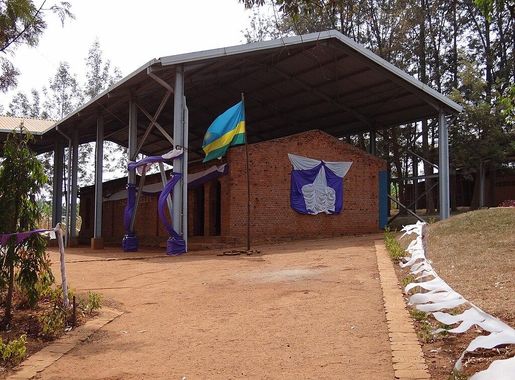
The 1994 Genocide against the Tutsi had a profound impact on Bugesera, as it did on the entire nation. Bugesera was one of the areas that witnessed extreme violence and loss of life. Many memorial sites in Bugesera, such as the Ntarama Genocide Memorial, serve as somber reminders of the atrocities and as places for reflection and education about the genocide.
-
Following the end of the genocide, Bugesera, like much of Rwanda, embarked on a journey of reconstruction and healing. Efforts were made to rebuild infrastructure, restore social cohesion, and promote economic development. Today, Bugesera stands as a testament to resilience and recovery, showcasing numerous development projects and community initiatives aimed at improving the quality of life for its residents.
-
Bugesera is rich in cultural heritage and traditions that have been preserved and celebrated by its inhabitants. Traditional dance, music, and crafts are integral aspects of life in Bugesera. The region is known for its vibrant cultural festivals, where locals and visitors alike can experience the unique customs and artistic expressions that define Bugesera's cultural identity.
-
One of the most significant recent developments in Bugesera is the construction of Bugesera International Airport. This project is part of Rwanda's broader vision to enhance its connectivity and position itself as a regional hub for business and tourism. The airport is expected to bring substantial economic benefits to Bugesera and its surrounding areas, further integrating the region into the global economy.
Neighbouring Regions of Bugesera
The closest regions to Bugesera, if you have time for more than one.




Your all‑in‑one travel companion app
Explore expert travel guides, compare and book tours, experiences, hotels, and more—all from the palm of your hand. Download now for seamless trip planning wherever your wanderlust takes you.


Explore More of Rwanda

Looking beyond Bugesera? Discover Rwanda for broader travel guides, local hot-spots, and regional highlights.
Explore RwandaBugesera in Photos
Browse through our photo collection highlighting the charm and character of the destination.




Bugesera: The Heart of Rwanda's Natural Beauty
Bugesera, located in the southeastern part of Rwanda, is a treasure trove of natural wonders and cultural heritage. This region is known for its picturesque landscapes, featuring rolling hills, tranquil lakes, and abundant wildlife. Whether you are an avid bird watcher or simply looking to relax by the water, Bugesera offers a serene environment that is perfect for unwinding and reconnecting with nature. Bugesera is home to several important wetlands, including the Akagera River and Lake Cyohoha, making it a paradise for bird enthusiasts. The region attracts a variety of bird species, some of which are rare and endemic to the area. Visitors can enjoy guided bird-watching tours that offer a chance to see these magnificent creatures in their natural habitat. In addition to its natural beauty, Bugesera is rich in cultural history. The region is dotted with traditional Rwandan villages where visitors can learn about local customs and traditions. The people of Bugesera are known for their hospitality and visitors are often welcomed with open arms. You can visit local markets, participate in cultural dances, and even try your hand at traditional crafts. For those interested in history, Bugesera is home to the Nyamata Genocide Memorial, a poignant reminder of Rwanda's past. The memorial provides a place for reflection and education, ensuring that the stories of those who lost their lives are never forgotten. The site is a vital part of understanding Rwanda's journey towards peace and reconciliation.