

Free Saint James Windward Parish Travel Guide & Mobile App
Explore Saint James Windward Parish with free travel guides. Discover regional history, expert tips, proposed trips, and audio guides on web or mobile app.


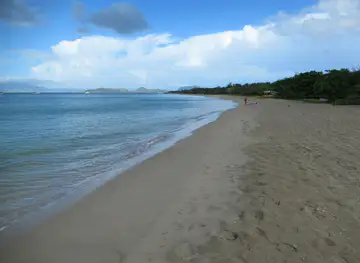
Explore Saint James Windward Parish on Nevis for Atlantic beaches, rural roads, plantation history and a quieter Caribbean island experience.
Read more about Saint James Windward Parish
When is the best time to visit Saint James Windward Parish?
Best: January–March · 28–29°C| Month | High (°C) | Rainfall (mm) |
|---|---|---|
| January (best) | 28 | 60 |
| February (best) | 28 | 50 |
| March (best) | 29 | 50 |
| April | 29 | 70 |
| May | 30 | 80 |
| June | 31 | 90 |
| July | 31 | 100 |
| August | 31 | 110 |
| September | 31 | 120 |
| October | 30 | 110 |
| November | 29 | 90 |
| December | 28 | 70 |
Getting to and around Saint James Windward Parish
How to get there
Transportation
Top city travel guides in Saint James Windward Parish
The cities of Saint James Windward Parish, and the easiest places to base yourself.
-
-

-


Swipe for more cities
Best attractions in Saint James Windward Parish
-
Tourist attraction
Nevis Hot Springs
Discover the healing serenity of Nevis Hot Springs, a tranquil escape in Charlestown, where nature meets relaxation in St. Kitts & Nevis.
-
Park
St.kitts & Nevis Independence Square
Experience the vibrant culture and rich history of St. Kitts & Nevis at Independence Square, the heart of Basseterre's cultural scene.
-
Tourist attraction
Nevis Artisan Village
Explore Nevis Artisan Village: A colorful hub of craftsmanship, local cuisine, and vibrant culture in the heart of Nevis.
-
Tourist attraction
Supreme + Motorsports SKN
Experience the thrill of adventure and the beauty of Nevis at Supreme + Motorsports SKN, your premier ATV rental destination on Pinney's Beach.


Best landmarks in Saint James Windward Parish
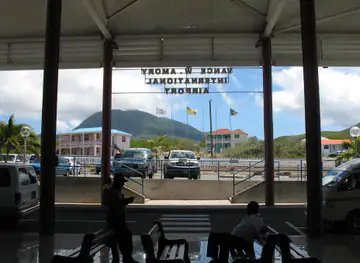
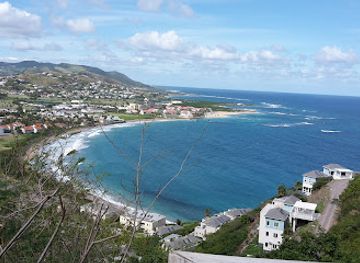
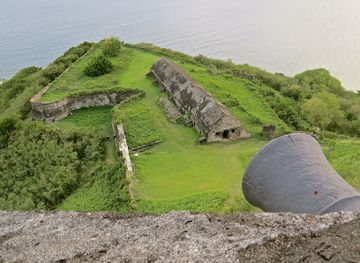
Vance W. Amory International Airport is the parish’s most recognisable modern landmark and an important symbol of Nevis’s connection with the wider Caribbean. Along the coast and inland slopes, the more characteristic landmarks are environmental and historic: Atlantic beaches, volcanic ridges, old estate walls and surviving plantation-era stonework that records the island’s sugar economy. These features rarely form a single monumental complex, but together they reveal how cultivation, slavery, emancipation and later rural life shaped Saint James Windward. The parish’s open eastern setting also creates notable views across The Narrows towards Saint Kitts, especially from elevated roads and coastal approaches. Visitors should distinguish these local features from Nevis’s most famous buildings and monuments, many of which are in other parishes. Old ruins should be viewed from a safe distance, since vegetation, weather and neglect can make masonry unstable.
-
Restaurant
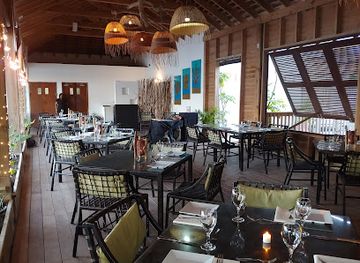
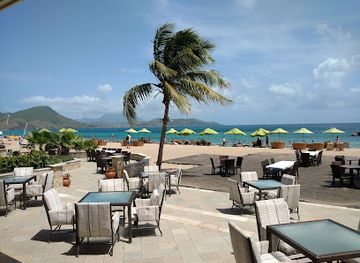
Carambola Beach Club
Experience the beauty of St. Kitts at Carambola Beach Club, where exquisite dining meets breathtaking beach views.
-
Grill
Reggae Beach Bar-Grill
Experience the vibrant flavors of Caribbean cuisine at Reggae Beach Bar-Grill, where every meal is a celebration of St. Kitts & Nevis.
-
Tourist attraction
Timothy Hill Overlook
Experience the stunning beauty of Timothy Hill Overlook, where breathtaking views of St. Kitts and Nevis await every visitor.
-
Fortress
Brimstone Hill Fortress National Park
Explore the grandeur of Brimstone Hill Fortress National Park, a UNESCO World Heritage site showcasing St. Kitts’ rich history and stunning landscapes.
Explore Saint James Windward Parish on the map
Plan your trip on one map. See where the top cities, national parks and sights are, and book hotels and experiences in a few clicks.
Best hotels in Saint James Windward Parish
Best restaurants in Saint James Windward Parish
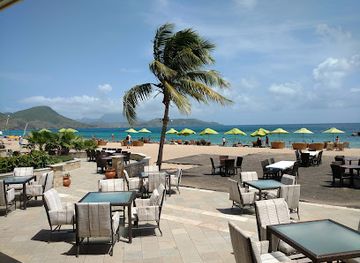
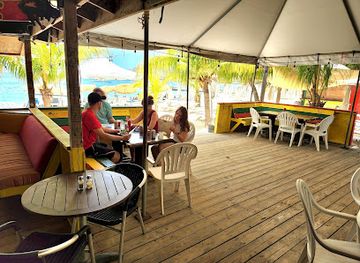
Dining in Saint James Windward is relatively small-scale, reflecting its rural communities and airport setting rather than a concentrated restaurant district. Look for local cooking featuring rice and peas, provisions, plantain, seafood, chicken and goat, alongside Caribbean breakfasts, fresh juices and simple takeaway meals. Fish and other seafood may appear on menus, but availability depends on catches, weather and the establishment. Rum-based drinks and the wider culinary traditions of Nevis are also part of the local experience, while international visitors will find more extensive resort and fine-dining choices elsewhere on the island. Small shops and village businesses can be useful for fruit, drinks and picnic supplies, although opening arrangements may be informal. Asking residents, taxi drivers or accommodation hosts about current places to eat is more reliable than expecting a permanent dining strip, particularly outside daytime travel hours.
-
Restaurant
Carambola Beach Club
Discover culinary delights at Carambola Beach Club, where exquisite flavors meet breathtaking views on St. Kitts' stunning shores.
-
Grill
Reggae Beach Bar-Grill
Experience Caribbean flavors at Reggae Beach Bar-Grill in St. Kitts & Nevis - where vibrant culture meets delicious cuisine.
-
Restaurant
Shipwreck Beach Bar
Discover Shipwreck Beach Bar: A perfect blend of delicious cuisine and breathtaking views in St. Kitts' Frigate Bay.
-
Caribbean
Spice Mill Restaurant
Experience authentic Caribbean flavors with breathtaking ocean views at Spice Mill Restaurant in St. Kitts.

Best bars in Saint James Windward Parish
Evenings in Saint James Windward are generally quiet and community-oriented. The parish’s nightlife centres on local rum shops, small bars, casual restaurants and occasional music or social gatherings rather than a large nightclub scene. Visitors staying near Newcastle or in rural accommodation may find that evenings are best spent over a meal, a drink and conversation, with more organised entertainment often located elsewhere on Nevis. Live music and cultural events can occur seasonally, but dates and venues change, so check locally rather than relying on fixed assumptions. As roads are dark and winding in places, arrange a taxi or designated driver before drinking, and avoid walking long distances after nightfall. The atmosphere is better suited to relaxed evenings and observing everyday island life than to late-night clubbing.
-
Restaurant
Carambola Beach Club
Experience exquisite dining at Carambola Beach Club, the ultimate beachside restaurant in St. Kitts offering stunning views and delicious Caribbean cuisine.
-
Grill
Reggae Beach Bar-Grill
Discover the vibrant flavors and relaxed atmosphere of Reggae Beach Bar-Grill in St. Kitts & Nevis, where every meal is a celebration of Caribbean culture.
-
Bar
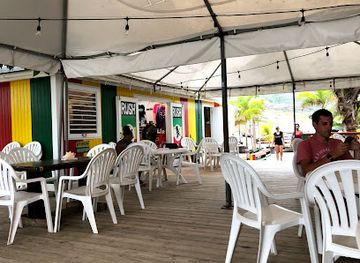
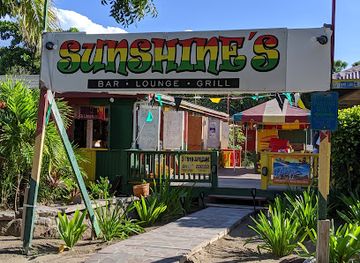
Sunshines Restaurant
Experience the lively atmosphere and delicious local cuisine at Sunshines Restaurant, a vibrant bar and nightclub in St. Kitts & Nevis.
-
Restaurant
Shipwreck Beach Bar
Experience the relaxed charm of Shipwreck Beach Bar in St. Kitts, offering delicious food, stunning views, and a vibrant beach atmosphere.
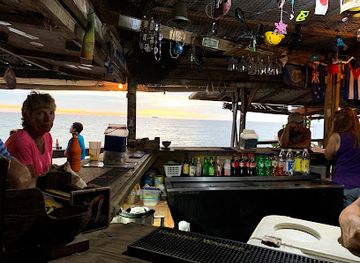
Best nightclubs in Saint James Windward Parish
Evenings in Saint James Windward are generally quiet and community-oriented. The parish’s nightlife centres on local rum shops, small bars, casual restaurants and occasional music or social gatherings rather than a large nightclub scene. Visitors staying near Newcastle or in rural accommodation may find that evenings are best spent over a meal, a drink and conversation, with more organised entertainment often located elsewhere on Nevis. Live music and cultural events can occur seasonally, but dates and venues change, so check locally rather than relying on fixed assumptions. As roads are dark and winding in places, arrange a taxi or designated driver before drinking, and avoid walking long distances after nightfall. The atmosphere is better suited to relaxed evenings and observing everyday island life than to late-night clubbing.
-
Grill
Reggae Beach Bar-Grill
Experience the vibrant Caribbean culture and delicious flavors at Reggae Beach Bar-Grill in St. Kitts, your perfect beachside retreat.
-
Bar
Hill Crest
Discover Hill Crest, the perfect bar in Cliftons, St. Kitts & Nevis, known for its cold beers and vibrant atmosphere, ideal for tourists seeking relaxation.
-
Bar
Sun & Fun Beach Bar
Experience the vibrant atmosphere of Sun & Fun Beach Bar, a local favorite in St. Kitts, offering refreshing drinks, delicious food, and stunning ocean views.
-
Bar
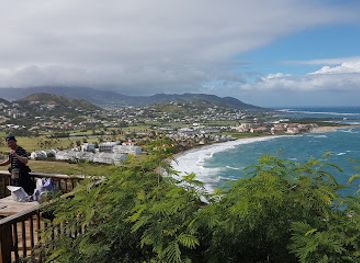
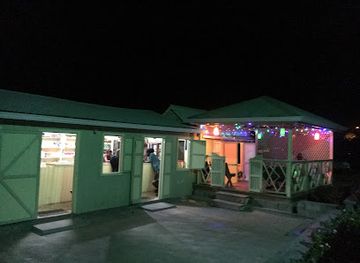
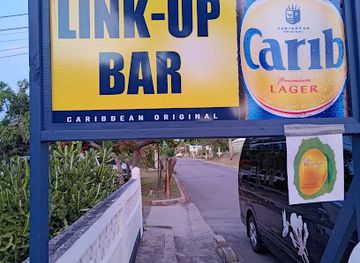
LINK-UP BAR
Discover the vibrant nightlife at LINK-UP BAR in New Castle, St. Kitts - where refreshing drinks and local culture meet!

Best shops in Saint James Windward Parish
Shopping in Saint James Windward is practical and local rather than focused on large retail centres. Small village shops and businesses supply everyday groceries, drinks, snacks and household goods, while the airport area may provide limited visitor-oriented purchases. For crafts, art, books, clothing and a wider selection of locally made food products, visitors generally need to travel to larger settlements elsewhere on Nevis. Useful regional purchases can include spices, sauces, rum, preserves, handmade jewellery and small artworks, but availability varies between businesses and seasons. Fresh produce and provisions may be available through informal sellers or local markets, although market days and locations should be confirmed locally. Carry cash for smaller transactions, ask before photographing craftwork or stalls, and remember that locally made goods are more meaningful souvenirs than generic island merchandise.
-
Jewelry store
Colors Duty Free Jewellers
Discover exquisite jewelry and luxury goods at Colors Duty Free Jewellers, a must-visit destination in St. Kitts' beautiful Marina Village.
-
Tourist attraction
Caribelle Batik at Romney Manor
Explore the vibrant world of batik art amidst the lush gardens of Caribelle Batik at Romney Manor, a unique cultural gem in St. Kitts.
-
Bar
La Casa Del Habano
Discover La Casa Del Habano, the ultimate cigar shop and lounge in Port Zante, where premium cigars meet a vibrant bar atmosphere.
-
Shopping mall
The Pelican Shopping Mall
Explore the vibrant Pelican Shopping Mall in St. Kitts, where shopping meets Caribbean culture and dining in a bustling atmosphere.

Get your free copy of our complete guide to Saint James Windward Parish, delivered straight to you.
Everything on this page, from attractions and restaurants to essentials and local phrases, in one PDF you can read offline, print or share.
Already have an account? Sign in
Your Saint James Windward Parish guide is ready.
We'll send it to · Not you? Sign out

Getting your guide ready…
We are putting together a fresh copy of the Saint James Windward Parish guide. This can take up to a minute.
This can take a few moments. If your browser asks, choose Allow so the download can start. You'll find the guide in your Downloads folder.
Nothing happened? Download it again
Sorry, the guide is taking longer than usual. Please try again in a minute, or get it by email instead.
Saint James Windward Parish essentials
Currency and Payment
Safety
Emergency Situations
Do's and Don'ts
Local Tips
From Eve
Local phrases worth knowing
You don't need to get them perfect. A few words go a long way, and locals appreciate the effort.
Basics
| English | Local | Say it |
|---|---|---|
| Hello | Hello | [Heh-lo] |
| Goodbye | Goodbye | [Good-bye] |
| Yes | Yes | [Yes] |
| No | No | [No] |
| Please/You're welcome | Please/You’re welcome | [Pleez/You’re wel-kum] |
| Thank you | Thank you | [Thank yuh] |
| Excuse me/Sorry | Excuse me/Sorry | [Ex-kyoos me/Sor-ry] |
| How are you? | How yuh doin’? | [How yuh doin’?] |
| Fine. And you? | Fine. An yuh? | [Fine. An yuh?] |
| Do you speak English? | Yuh speak English? | [Yuh speek In-glish?] |
| I don't understand | I no understand | [I no un-der-stand] |
Eating & Drinking
| English | Local | Say it |
|---|---|---|
| I'd like to see the menu, please | Can I see the menu, please? | [Can I see de men-yu, pleez?] |
| I don't eat meat | I don’t eat meat | [I don’t eet meet] |
| Cheers! | Cheers! | [Cheers!] |
| I would like to pay, please | I would like to pay, please | [I wud laik to pay, pleez] |
Emergencies
| English | Local | Say it |
|---|---|---|
| Help! | Help! | [Help!] |
| Go away! | Go away! | [Go away!] |
| Call the Police! | Call di Police! | [Call di Po-lees!] |
| Call a doctor! | Call a doctor! | [Call a doc-tor!] |
| I'm lost | I lost | [I lost] |
| I'm ill | I sick | [I sik] |
Shopping
| English | Local | Say it |
|---|---|---|
| I'd like to buy... | I want to buy... | [I want to buy...] |
| I'm just looking | I jus’ looking | [I jus’ luk-ing] |
| How much is it? | How much dis cost? | [How much dis kost?] |
| That's too expensive | Dat too expensive | [Dat too ex-pen-siv] |
| Can you lower the price? | Can yuh lower di price? | [Can yuh lo-wer di prais?] |
Time & Numbers
| English | Local | Say it |
|---|---|---|
| What time is it? | Wha time it is? | [Wha time it is?] |
| It's one o'clock | It one o'clock | [It one o'clock] |
| Half past (10) | Half past ten | [Half past ten] |
| Morning | Mornin’ | [Mornin’] |
| Afternoon | Afternoon | [Afternoon] |
| Evening | Evenin’ | [Evenin’] |
| Yesterday | Yesterday | [Yes-ter-day] |
| Today | Today | [To-day] |
| Tomorrow | Tomorrow | [To-mor-row] |
| 1 | One | [One] |
| 2 | Two | [Two] |
| 3 | Three | [Three] |
| 4 | Four | [Four] |
| 5 | Five | [Five] |
| 6 | Six | [Six] |
| 7 | Seven | [Seven] |
| 8 | Eight | [Eight] |
| 9 | Nine | [Nine] |
| 10 | Ten | [Ten] |
Transport & Directions
| English | Local | Say it |
|---|---|---|
| Where's a/the...? | Wha di...? | [Wha di...?] |
| What's the address? | Wha di address? | [Wha di ad-dress?] |
| Can you show me (on the map)? | Can yuh show me (on di map)? | [Can yuh sho me (on di map)?] |
| When's the next (bus)? | When di next (bus)? | [When di next (bus)?] |
| A ticket (to ....) | A ticket (to ...) | [A tik-it (to ...)] |
History of Saint James Windward Parish
Kalinago and Earlier Island Settlement
Nevis was inhabited long before European colonisation, with Indigenous communities using its fertile volcanic soils, freshwater sources and coastal waters. European accounts later applied names such as Carib to Indigenous people of the Lesser Antilles, although modern understanding recognises a more complex history of movement and exchange. Archaeological evidence across Nevis records settlement, pottery, food production and maritime connections. In Saint James Windward, the relationship between the uplands, interior valleys and Atlantic coast provides an important setting for understanding how people used the island before the plantation era.
English Colonisation and Sugar, Seventeenth Century
English colonisation of Nevis in the early seventeenth century established a plantation economy based first on tobacco and later, more decisively, on sugar. Estates expanded across the island’s productive middle slopes, supported by mills, boiling houses, roads, ports and enslaved labour. Saint James Windward formed part of this wider agricultural system, although its Atlantic-facing geography and more exposed coast gave it a different physical character from the sheltered western shore. Stone ruins and altered estate landscapes are surviving reminders of the scale of this transformation.
Enslavement and African-Caribbean Community Formation
The prosperity of Nevis’s sugar economy depended on the forced labour of Africans and African-descended people. Enslaved workers cultivated cane, processed sugar, maintained roads and buildings, and sustained domestic and cultural life under a profoundly unequal system. Their knowledge and descendants shaped the communities that continued after emancipation. Across Saint James Windward, village settlement, agricultural practice, foodways, religious traditions and family histories reflect this African-Caribbean inheritance as much as the surviving plantation fabric reflects colonial ownership.
Emancipation and the Post-Plantation Landscape
Emancipation in the British Caribbean took effect in the 1830s, bringing the formal end of slavery but not immediate social or economic equality. On Nevis, many formerly enslaved people remained connected to estate agriculture while also developing provision grounds, villages and independent livelihoods. Sugar continued to influence landholding and employment for generations, before its decline left abandoned mills, overgrown estate roads and changing patterns of settlement. Saint James Windward’s rural character is partly a product of this long transition from plantation production to mixed agriculture and service-based work.
Federation, Self-Government and Independence
Nevis became part of the Federation of Saint Christopher and Nevis in 1983, when Saint Kitts and Nevis achieved independence from Britain. The constitutional arrangement gives Nevis its own island administration within the federation, while Saint James Windward remains one of the island’s five parishes. Modern public services, roads, aviation and tourism have altered how the parish connects with the rest of Nevis, but its villages and open landscapes retain a distinctly local scale within the independent Caribbean nation.
Air Access and Contemporary Nevis
The development of Newcastle Airport, now Vance W. Amory International Airport, strengthened Nevis’s direct links with regional travel networks and placed Saint James Windward at the centre of the island’s air access. The parish has not developed into a dense urban or resort district; instead, airport infrastructure exists alongside small settlements, beaches, plantations and agricultural land. This combination illustrates contemporary Nevis, where tourism and international mobility coexist with long-established communities and landscapes shaped by centuries of cultivation.
Saint James Windward Parish in Photos
Browse through our photo collection highlighting the charm and character of the destination.
Neighbouring regions of Saint James Windward Parish
The closest regions to Saint James Windward Parish, if you have time for more than one.
-

-
-

-

-


Swipe for more regions
Explore more

Explore more of Saint Kitts and Nevis
Discover the pristine beaches, lush landscapes, and rich history of Saint Kitts and Nevis, a hidden gem in the Caribbean offering adventure and relaxation.
Explore Saint Kitts and Nevis