

Free Grenadines Travel Guide & Mobile App
Explore Grenadines with free travel guides. Discover regional history, expert tips, proposed trips, and audio guides on web or mobile app.


Explore the Grenadines of Saint Vincent and the Grenadines for sailing, coral reefs, quiet beaches, island villages and distinctive maritime heritage.
Read more about Grenadines
When is the best time to visit Grenadines?
Best: January–March · 29–30°C| Month | High (°C) | Rainfall (mm) |
|---|---|---|
| January (best) | 29 | 75 |
| February (best) | 29 | 65 |
| March (best) | 30 | 70 |
| April | 30 | 75 |
| May | 31 | 85 |
| June | 31 | 95 |
| July | 32 | 105 |
| August | 32 | 110 |
| September | 31 | 105 |
| October | 31 | 95 |
| November | 30 | 85 |
| December | 30 | 80 |
Getting to and around Grenadines
How to get there
Transportation
Top city travel guides in Grenadines
The cities of Grenadines, and the easiest places to base yourself.

Swipe for more cities
Best attractions in Grenadines
The Grenadines’ attractions are primarily maritime and ecological, complemented by small-island communities and traces of plantation and seafaring history. The Tobago Cays Marine Park is the region’s central natural attraction, offering sheltered waters, coral reefs, sandy islets and opportunities for snorkelling, swimming, sailing and wildlife observation. Bequia combines beaches such as Lower Bay and Friendship Bay with Port Elizabeth’s waterfront, boatbuilding traditions and excursions around Admiralty Bay. Union Island offers harbour life, coastal scenery and walks over dry, hilly terrain, while Mayreau appeals to visitors seeking a quieter settlement and broad views across the surrounding cays. Canouan has beaches, bays and resort-managed facilities, and Mustique, Palm Island and Petit St Vincent provide private-island environments governed by their own access arrangements. Fishing trips, diving, sailing charters and water taxis are often as important to a visit as fixed attractions. The region rewards visitors who treat the sea, reefs and working harbours as part of its cultural landscape rather than merely as scenery.
-
Park
Botanical Gardens
Explore the lush landscapes, vibrant flora, and rich history at the Botanical Gardens, a serene escape in Kingstown, St. Vincent.
-
Island
Canouan
Experience the breathtaking beauty of Canouan, the hidden paradise of the Grenadines, with stunning beaches, luxurious resorts, and vibrant marine life.
-
Sports complex
Victoria Park
Explore the vibrant community spirit at Victoria Park, Kingstown's premier sports complex and cultural hub, where events and relaxation blend seamlessly.
-
Resort hotel
Salt Whistle Bay
Explore the breathtaking tranquility of Salt Whistle Bay, a hidden paradise in the Grenadines, perfect for relaxation and adventure in nature's embrace.



Best landmarks in Grenadines
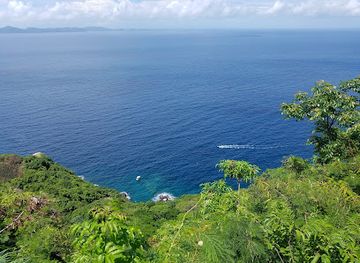
The Grenadines’ most recognisable landmarks are formed by their harbours, hills, reefs and small settlements. Port Elizabeth on Bequia is the region’s principal maritime town, with a waterfront shaped by sailing, fishing and inter-island trade. Its surrounding Admiralty Bay gives the island a distinctive geographical identity, while the boatbuilding traditions associated with Bequia provide a cultural landmark as much as a physical one. On Mayreau, the hilltop Roman Catholic church is a familiar focal point, overlooking the island and the chain of cays beyond it. Clifton Harbour on Union Island is another prominent landmark, framed by steep terrain and busy with boats, service businesses and local movement. The Tobago Cays themselves form the region’s defining natural landmark: low islands, reefs and shallow turquoise water protected within a marine park. Canouan’s ridgelines, Bequia’s headlands and the exposed profiles of the smaller cays complete a landscape in which navigation, settlement and marine ecology are inseparable.
-
Beach
Macaroni Beach
Experience the untouched beauty of Macaroni Beach, a hidden gem in the Caribbean perfect for relaxation and adventure.
-
 Island
The Pillories
Explore The Pillories, a tranquil Caribbean island with stunning beaches, vibrant marine life, and a peaceful atmosphere perfect for relaxation and adventure.

Explore Grenadines on the map
Plan your trip on one map. See where the top cities, national parks and sights are, and book hotels and experiences in a few clicks.
Best hotels in Grenadines
Best restaurants in Grenadines
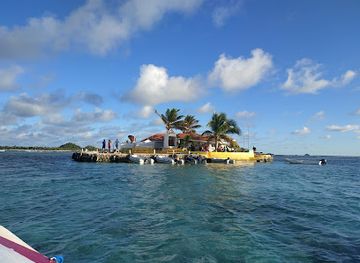
Dining in the Grenadines ranges from informal waterfront cooking and village cafés to hotel restaurants, yacht-oriented establishments and polished resort dining. Fresh fish, lobster when in season, conch, prawns and other seafood are common, while local meals may include rice, peas, breadfruit, plantain, provisions and Caribbean-style stews. Bequia and Union Island offer the broadest choice of independent restaurants and drinking-and-dining spots, particularly around Port Elizabeth and Clifton Harbour, whereas smaller islands have fewer options and may depend more heavily on guesthouses, beach kitchens or resort facilities. Menus often reflect both island produce and imported ingredients, with availability changing according to weather and supply boats. Markets and small shops are useful for fruit, baked goods and provisions for a sailing trip. Visitors should not expect identical service hours or extensive choice on every island; advance arrangements are sensible for remote beaches, private-island properties and smaller accommodation establishments.
-
Hotel
Blue Lagoon Hotel and Marina
Experience luxury at Blue Lagoon Hotel & Marina: where stunning views meet exceptional service in Saint Vincent.
-
Bar
Basil's Bar
Experience breathtaking sunsets at Basil's Bar in Lovell—where great drinks meet unforgettable views.
-
Caribbean
Happy Island
Experience the enchanting allure of Happy Island - a Caribbean paradise filled with stunning scenery and delectable cuisine.
-
Restaurant
Sparrow's Beach Club
Experience exquisite Caribbean cuisine and breathtaking ocean views at Sparrow's Beach Club in Clifton.


Best bars in Grenadines
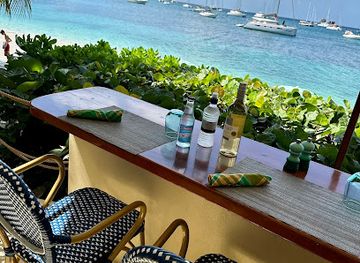
Evening life in the Grenadines is generally sociable and unhurried rather than centred on large nightclubs. Bequia and Union Island have the most varied pub, bar and restaurant scenes, with waterfront venues where residents, sailors and visitors gather for conversation, music and sunset drinks. Canouan and Mustique offer more resort-based cocktail and dining environments, while Mayreau and smaller islands tend towards guesthouse gatherings, beach bars and quiet evenings. Live music and informal Caribbean entertainment may appear seasonally or on particular nights, but schedules are not always fixed. In the Tobago Cays, evening activity belongs on boats or at authorised sites rather than in a conventional nightlife district. Responsible drinking, attention to boat-transfer arrangements and respect for residential communities are more useful principles here than searching for a substantial club scene.
-
Bar
Basil's Bar
Discover the lively atmosphere and refreshing cocktails at Basil's Bar in Lovell, a must-visit for every traveler.
-
Bar
Tree Bar
Experience the lively ambiance and refreshing drinks at Tree Bar in Arnos Vale, a must-visit for tourists seeking local culture and relaxation.
-
Bar
Jack's Beach Bar
Experience the vibrant atmosphere and delicious Caribbean cuisine at Jack's Beach Bar, the perfect beachside retreat in Port Elizabeth.
-
Grill
Flowt Beach Bar
Discover Flowt Beach Bar, a Caribbean paradise offering delicious grilled cuisine and stunning views at Blue Lagoon Marina.



Best nightclubs in Grenadines
Evening life in the Grenadines is generally sociable and unhurried rather than centred on large nightclubs. Bequia and Union Island have the most varied pub, bar and restaurant scenes, with waterfront venues where residents, sailors and visitors gather for conversation, music and sunset drinks. Canouan and Mustique offer more resort-based cocktail and dining environments, while Mayreau and smaller islands tend towards guesthouse gatherings, beach bars and quiet evenings. Live music and informal Caribbean entertainment may appear seasonally or on particular nights, but schedules are not always fixed. In the Tobago Cays, evening activity belongs on boats or at authorised sites rather than in a conventional nightlife district. Responsible drinking, attention to boat-transfer arrangements and respect for residential communities are more useful principles here than searching for a substantial club scene.
-
Night club
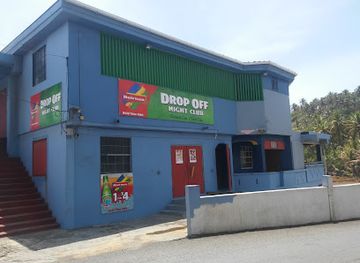
Drop Off Night Club
Experience unforgettable nights filled with music, dance, and delicious food at Drop Off Night Club in Friendly.
-
Bar
Happy Bar
Discover the vibrant nightlife at Happy Bar, Clifton's go-to spot for cocktails, live music, and unforgettable experiences under the Caribbean sky.
-
Disco club
Africano Disco
Dive into the vibrant nightlife at Africano Disco, a lively hub in Colonarie offering great music, affordable drinks, and an unforgettable experience.
-
Cocktail bar
Legair's Bar & Restaurant, Kingshill, St Vincent & the Grenadines
Unwind at Legair's Bar & Restaurant in Kingshill, where cocktails, karaoke, and billiards create unforgettable Caribbean nights.


Best shops in Grenadines
Shopping in the Grenadines is small-scale and practical, with the strongest choice found in Bequia and Union Island. Port Elizabeth and Clifton Harbour have shops supplying provisions, beachwear, sailing goods, gifts and everyday necessities, while smaller settlements offer a more limited selection. Local art, woodwork, woven items, island-themed clothing and handmade souvenirs can often be found through galleries, craft sellers and accommodation-based outlets, although stock varies by island and season. Food shopping is useful for visitors travelling by boat: fruit, bread, baked goods, drinks and other provisions can be bought before heading to less serviced cays. Markets are modest rather than grand retail destinations, and imported goods are common alongside local produce. Mustique, Palm Island and Petit St Vincent have shopping linked mainly to their private resort environments and may not function as open retail areas for independent visitors. Bring cash for smaller purchases and ask permission before photographing craftspeople, stalls or private premises.
-
Cosmetics store
Mareyna Fragrance Store
Explore Mareyna Fragrance Store in St. Vincent for a unique selection of exquisite perfumes and beauty essentials to elevate your travel experience.
-
Grocery store
Uncle Duff Store
Discover the charm of Derrick at Uncle Duff Store, your go-to grocery for local flavors and essentials during your travels.
-
Grocery store
The Food Store Coreas Mustique
Explore the culinary delights of Mustique at The Food Store Coreas, where gourmet meets local flavor in a vibrant shopping experience.
-
Boutique
Pink House Mustique
Explore Pink House Mustique for an unforgettable shopping experience on Mustique Island, featuring unique crafts and luxury items that capture the essence of the Caribbean.


Get your free copy of our complete guide to Grenadines, delivered straight to you.
Everything on this page, from attractions and restaurants to essentials and local phrases, in one PDF you can read offline, print or share.
Already have an account? Sign in
Your Grenadines guide is ready.
We'll send it to · Not you? Sign out

Getting your guide ready…
We are putting together a fresh copy of the Grenadines guide. This can take up to a minute.
This can take a few moments. If your browser asks, choose Allow so the download can start. You'll find the guide in your Downloads folder.
Nothing happened? Download it again
Sorry, the guide is taking longer than usual. Please try again in a minute, or get it by email instead.
Grenadines essentials
Currency and Payment
Safety
Emergency Situations
Do's and Don'ts
Local Tips
From Eve
Local phrases worth knowing
You don't need to get them perfect. A few words go a long way, and locals appreciate the effort.
Basics
| English | Local | Say it |
|---|---|---|
| Hello | Hello | [Heh-lo] |
| Goodbye | Goodbye | [Good-bye] |
| Yes | Yes | [Yes] |
| No | No | [No] |
| Please/You’re welcome | Please/You’re welcome | [Pleez/You’re wel-kum] |
| Thank you | Thank you | [Thank you] |
| Excuse me/Sorry | Excuse me/Sorry | [Ex-cuse me/Sorry] |
| How are you? | How yuh doin'? | [How yuh doin'?] |
| Fine. And you? | Fine. An yuh? | [Fine. An yuh?] |
| Do you speak English? | Yuh speak English? | [Yuh speak English?] |
| I don't understand | I nuh understand | [I nuh un-der-stand] |
Eating & Drinking
| English | Local | Say it |
|---|---|---|
| I’d like to see the menu, please | I would like to see the menu, please | [I wud laik to see the menu, pleez] |
| I don't eat meat | I nuh eat meat | [I nuh eet meat] |
| Cheers! | Cheers! | [Cheers!] |
| I would like to pay, please | I would like to pay, please | [I wud laik to pay, pleez] |
Emergencies
| English | Local | Say it |
|---|---|---|
| Help! | Help! | [Help!] |
| Go away! | Go way! | [Go way!] |
| Call the Police! | Call di Police! | [Call di Po-leez!] |
| Call a doctor! | Call a doctor! | [Call a doc-tor!] |
| I’m lost | I lost | [I lost] |
| I’m ill | I sick | [I sick] |
Shopping
| English | Local | Say it |
|---|---|---|
| I’d like to buy... | I would like to buy... | [I wud laik to bai...] |
| I’m just looking | I just a lookin' | [I just a lookin'] |
| How much is it? | How much dat cost? | [How much dat cost?] |
| That’s too expensive | Dat too expensive | [Dat too ex-pen-sive] |
| Can you lower the price? | Yuh can lower di price? | [Yuh can lower di price?] |
Time & Numbers
| English | Local | Say it |
|---|---|---|
| What time is it? | Wha time it? | [Wha time it?] |
| It’s one o'clock | It one o'clock | [It one o'clock] |
| Half past (10) | Half past ten | [Half past ten] |
| Morning | Mornin' | [Mornin'] |
| Afternoon | Afternoon | [Af-ter-noon] |
| Evening | Evening | [Eve-ning] |
| Yesterday | Yest'day | [Yest'day] |
| Today | Today | [To-day] |
| Tomorrow | Tomorrah | [To-mor-rah] |
| 1 | One | [One] |
| 2 | Two | [Two] |
| 3 | Three | [Three] |
| 4 | Four | [Four] |
| 5 | Five | [Five] |
| 6 | Six | [Six] |
| 7 | Seven | [Seven] |
| 8 | Eight | [Eight] |
| 9 | Nine | [Nine] |
| 10 | Ten | [Ten] |
Transport & Directions
| English | Local | Say it |
|---|---|---|
| Where's a/the...? | Wha di...? | [Wha di...?] |
| What's the address? | Wha di address? | [Wha di ad-dress?] |
| Can you show me (on the map)? | Yuh can show me (pon di map)? | [Yuh can show me (pon di map)?] |
| When's the next (bus)? | When di next (bus)? | [When di next (bus)?] |
| A ticket (to ....) | A ticket (to ....) | [A tick-et (to ....)] |
History of Grenadines
Indigenous Settlement and Kalinago Heritage
The Grenadine islands were inhabited and visited by Indigenous peoples before European colonisation, including communities associated with the Kalinago and earlier island populations. Their presence forms part of the wider Indigenous history of the Lesser Antilles, although the small, dry islands left fewer monumental remains than some larger Caribbean territories. European settlement, disease, enslavement and displacement profoundly altered these societies. Indigenous heritage remains an essential part of understanding the islands, even where visible archaeological evidence is limited and later colonial records dominate the historical landscape.
European Competition in the Lesser Antilles
From the seventeenth century, the Grenadines were drawn into European rivalry over the Lesser Antilles. French and British interests competed for territory, trade and strategic influence, while the islands’ small harbours and sea routes linked them to the wider Caribbean. Control changed during periods of imperial conflict before the British consolidated authority over Saint Vincent and the Grenadines. The result was a layered colonial geography in which maritime access mattered as much as the limited agricultural potential of the smaller islands.
Plantations, Enslavement and Emancipation
Under British rule, estates in the Grenadines produced crops including cotton and sugar with the labour of enslaved Africans. On the smaller islands, agriculture was shaped by limited freshwater, exposed terrain and the availability of suitable land, while coastal settlements remained connected to inter-island shipping. The abolition of slavery in the British Caribbean during the nineteenth century transformed labour and landholding, though economic inequality persisted. The surviving estate landscapes, old roads, harbour settlements and patterns of land use reflect this difficult colonial history.
Cotton, Shipping and Island Economies
After emancipation, cotton became particularly important in parts of the Grenadines, with Sea Island cotton associated with estates on islands such as Bequia and Mustique. Small-scale farming, fishing, boatbuilding and coastal trade also supported island communities. The Grenadines’ position between Saint Vincent and Grenada encouraged movement by schooner and other small craft, making maritime skill central to local life. These industries declined or changed over time, but boatbuilding, fishing and sailing remain visible continuities in the region’s economy and culture.
The Formation of Saint Vincent and the Grenadines
The islands became part of the British colonial territory of Saint Vincent and the Grenadines and followed the wider constitutional path of the eastern Caribbean towards self-government. Saint Vincent and the Grenadines achieved independence in 1979, with the Grenadine islands forming an important but geographically dispersed part of the new state. Their communities retain strong local identities, while ferries, small aircraft, fishing boats and family connections link them to one another and to mainland Saint Vincent.
Tourism and the Rise of Sailing Culture
During the twentieth century, tourism developed around the Grenadines’ sailing waters, beaches, reefs and secluded anchorages. Bequia became known for boatbuilding and yacht services, while Mustique developed as a private island destination and other islands received resort, villa and marina investment. The region’s appeal grew through yachting, charter cruising and marine recreation rather than through dense urban tourism. This development brought employment and infrastructure but also made questions of access, environmental protection and the balance between local communities and private tourism especially significant.
The Tobago Cays Marine Park
The Tobago Cays became increasingly recognised for their reefs, shallow waters, beaches and importance to sailing and marine wildlife. The Tobago Cays Marine Park was established in the late twentieth century to manage this sensitive environment and regulate activities such as anchoring, mooring, fishing and recreation. Its creation reflects a wider shift in the Caribbean towards protecting coral reefs and coastal ecosystems while accommodating visitors. Today, conservation rules are central to the experience of one of the Grenadines’ most important natural areas.
Grenadines in Photos
Browse through our photo collection highlighting the charm and character of the destination.
Neighbouring regions of Grenadines
The closest regions to Grenadines, if you have time for more than one.
-

-

-

-


Swipe for more regions
Explore more
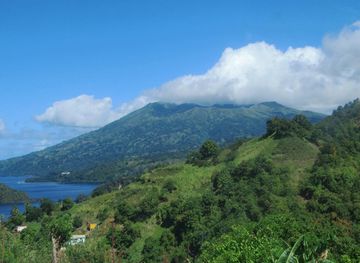
Explore more of Saint Vincent and the Grenadines
Discover the enchanting islands of Saint Vincent and the Grenadines, where lush rainforests, pristine beaches, and vibrant culture create an unforgettable Caribbean experience.
Explore Saint Vincent and the Grenadines