

Free Saint George Travel Guide & Mobile App
Explore Saint George with free travel guides. Discover regional history, expert tips, proposed trips, and audio guides on web or mobile app.





Explore Saint George in Saint Vincent and the Grenadines for Kingstown’s history, harbour life, botanical gardens, markets and island culture.
Read more about Saint George
When is the best time to visit Saint George?
Best: February–April · 30–31°C| Month | High (°C) | Rainfall (mm) |
|---|---|---|
| January | 30 | 110 |
| February (best) | 30 | 90 |
| March (best) | 30 | 75 |
| April (best) | 31 | 80 |
| May | 31 | 110 |
| June | 31 | 120 |
| July | 31 | 150 |
| August | 31 | 160 |
| September | 31 | 160 |
| October | 31 | 160 |
| November | 31 | 140 |
| December | 30 | 130 |
Getting to and around Saint George
How to get there
Transportation
Top city travel guides in Saint George
The cities of Saint George, and the easiest places to base yourself.

Swipe for more cities
Destinations in Saint George
Resorts, valleys and scenic spots worth a trip of their own.
-

-


Swipe for more destinations
Best attractions in Saint George
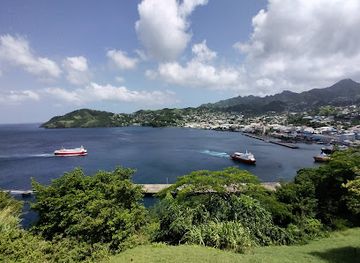
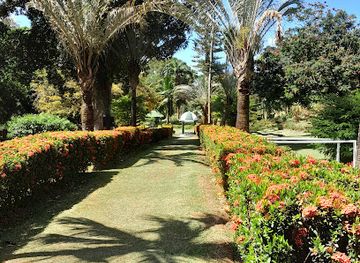
Saint George’s attractions are concentrated around Kingstown but represent much more than a conventional capital-city circuit. The central market introduces visitors to the island’s agricultural produce, spices, fish and everyday commerce, while the National Museum provides historical context for Saint Vincent and the Grenadines. St George’s Cathedral and other churches reveal the importance of religious institutions in the colonial and post-colonial town. The Botanical Gardens offer a quieter experience among mature tropical plantings and are especially valuable for understanding the island’s botanical history. Harbour walks and elevated streets provide changing views over Kingstown and the south-western coast. The parish is also a practical base for arranging excursions elsewhere on Saint Vincent and boat travel towards the Grenadines, but those destinations should not be confused with attractions within Saint George itself. Visitors seeking beaches, rainforest walks or waterfalls will generally need to travel beyond the parish boundaries.
-
Park
Botanical Gardens
Explore the lush landscapes and diverse flora at St. Vincent's Botanical Gardens, a historical haven for nature lovers and tourists alike.
-
Park
Victoria Park
Discover the tranquil beauty of Victoria Park in Kingstown, a lush park featuring sports facilities and serene landscapes perfect for relaxation.
-
Tourist attraction
Rawacou Recreational Park
Explore the breathtaking beauty of Rawacou Recreational Park in Argyle, a premier destination for nature lovers and families seeking outdoor adventure.
-
Caribbean
Happy Island
Discover the enchanting Happy Island in Union Island, where Caribbean cuisine meets stunning views and a relaxed island atmosphere.

Best landmarks in Saint George
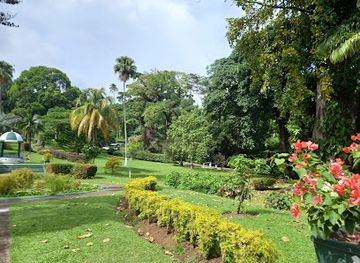
St George’s Cathedral is among Kingstown’s most recognisable historic buildings, its church architecture and elevated position reflecting the capital’s colonial-era development and continuing religious importance. The Kingstown Market is a landmark of a different kind: a practical civic space where the movement of produce and people gives visible form to the island’s agricultural economy. The Botanical Gardens stand out as a nationally important landscape landmark, linking Saint Vincent to the eighteenth- and nineteenth-century British interest in tropical plants and acclimatisation. Kingstown’s harbour remains a defining geographical feature, shaping the city’s trade, transport and views towards the southern coast. Streets around the centre contain a mixture of older churches, public buildings and later urban construction, illustrating how a compact Caribbean capital has adapted to steep terrain and changing political circumstances. Together these places express Saint George’s identity more clearly than any single monument.
-
Park
Botanical Gardens
Explore the lush landscapes of St. Vincent's Botanical Gardens, a historical gem showcasing diverse flora and a peaceful retreat in Kingstown.
-
Cruise terminal
SVG Cruise Ship Terminal
Experience the vibrant culture and stunning beauty of Saint Vincent and the Grenadines at the SVG Cruise Ship Terminal, your gateway to island adventures.
-
Island
Saint Vincent
Explore the stunning landscapes, rich culture, and vibrant experiences awaiting you on the beautiful island of Saint Vincent in the Caribbean.
-
 Hotel
HotelBlue Lagoon Hotel and Marina
Experience the perfect blend of luxury and adventure at Blue Lagoon Hotel and Marina, your serene escape in Saint Vincent.
Explore Saint George on the map
Plan your trip on one map. See where the top cities, national parks and sights are, and book hotels and experiences in a few clicks.
Best hotels in Saint George
Best restaurants in Saint George
Dining in Saint George is anchored by Kingstown’s blend of local food stalls, casual kitchens, cafés, hotel restaurants and independently run establishments. Market produce supports dishes based on fish, chicken, rice, peas, plantain, breadfruit and other provisions, while seasonal fruit and fresh juices reflect Saint Vincent’s agricultural landscape. Fried or grilled fish and practical takeaway meals are common choices, and menus may combine Eastern Caribbean traditions with broader international cooking. Breakfast and lunch trade can be particularly useful for experiencing everyday local food, whereas evening restaurants tend to offer a more leisurely setting. Look for locally landed seafood and island-grown ingredients, but remember that availability changes with weather and season. Dining customs are generally relaxed; service can take time, especially in smaller establishments, so visitors should plan accordingly rather than expect identical timing to a fast-moving city restaurant.
-
Park
Botanical Gardens
Explore the stunning diversity of tropical plants at Kingstown's Botanical Gardens - a serene oasis filled with beauty and history.
-
Hotel
Blue Lagoon Hotel and Marina
Experience luxury at Blue Lagoon Hotel and Marina with fine dining, breathtaking views, and world-class amenities on St. Vincent's southern coast.
-
Restaurant
Wallilabou Anchorage
Experience exquisite dining and breathtaking views at Wallilabou Anchorage - your perfect Caribbean getaway.
-
Restaurant
Beachcombers Hotel
Discover serenity at Beachcombers Hotel on Villa Beach – where comfort meets adventure amidst stunning ocean views.
Best bars in Saint George
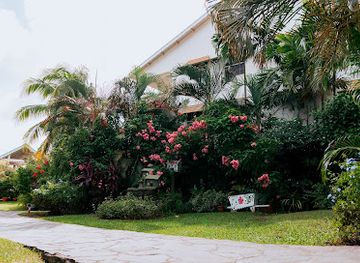
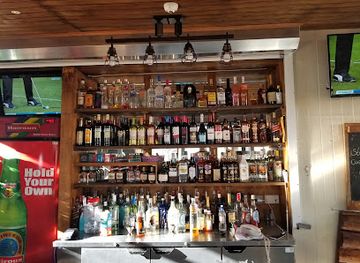
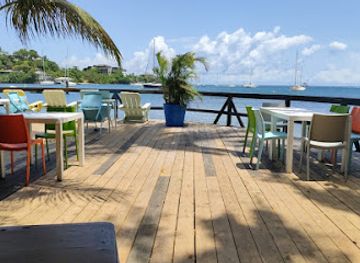
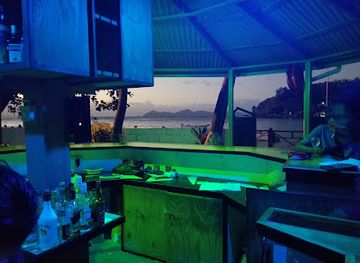
Nightlife in Saint George centres on Kingstown and is generally social, local and modest in scale rather than dominated by large clubs. Bars and rum shops provide informal settings for conversation, sport and music, while restaurants and hotel bars offer quieter evening options. Live music and occasional cultural events may create busier nights, but schedules and venues can change, so local advice is more reliable than assuming a permanent entertainment district. Friday and Saturday evenings are typically the most active, although activity varies by season and public events. Visitors should dress appropriately for the establishment, arrange a safe way back to their accommodation and avoid treating alcohol as the main measure of a successful evening. Outside Kingstown, nightlife becomes more dispersed and is usually centred on community bars, restaurants and private social occasions.
-
Restaurant
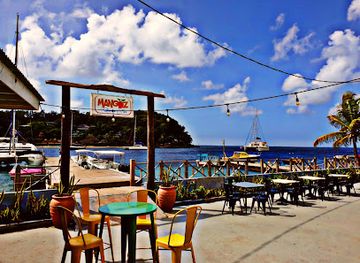
Mangoz Restaurant and Bar
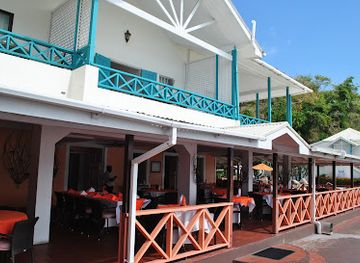
Experience delightful Caribbean cuisine in a vibrant setting at Mangoz Restaurant and Bar in Villa, where island vibes meet culinary excellence.
-
Bar
Tree Bar
Experience the lively spirit of Tree Bar in Arnos Vale, where great drinks and a vibrant atmosphere await every visitor.
-
Restaurant
French Verandah
Discover the culinary delights of The French Verandah in Arnos Vale, where local flavors meet French cuisine in a relaxed atmosphere.
-
Grill
Flowt Beach Bar
Experience the vibrant atmosphere and delicious grilled dishes at Flowt Beach Bar in Rathomill, a must-visit destination for tourists seeking relaxation.
Best nightclubs in Saint George
Nightlife in Saint George centres on Kingstown and is generally social, local and modest in scale rather than dominated by large clubs. Bars and rum shops provide informal settings for conversation, sport and music, while restaurants and hotel bars offer quieter evening options. Live music and occasional cultural events may create busier nights, but schedules and venues can change, so local advice is more reliable than assuming a permanent entertainment district. Friday and Saturday evenings are typically the most active, although activity varies by season and public events. Visitors should dress appropriately for the establishment, arrange a safe way back to their accommodation and avoid treating alcohol as the main measure of a successful evening. Outside Kingstown, nightlife becomes more dispersed and is usually centred on community bars, restaurants and private social occasions.
-
Bar
Tree Bar
Experience the lively spirit of Tree Bar in Arnos Vale, where great drinks meet unforgettable entertainment.
-
Wine bar
Flow Wine Bar and Kitchen
Experience the elegance of Flow Wine Bar and Kitchen in Kingstown, where fine wines and exquisite cuisine come together for an unforgettable evening.
-
Bar
Scruffy's Bar
Discover the lively atmosphere of Scruffy's Bar in Clifton, where cocktails and camaraderie meet unforgettable nights under the stars.
-
Bar
We Ting Entertainment & Bar, Villa
Experience the vibrant nightlife of Arnos Vale at We Ting Entertainment & Bar, where delicious drinks and live entertainment await.
Best shops in Saint George
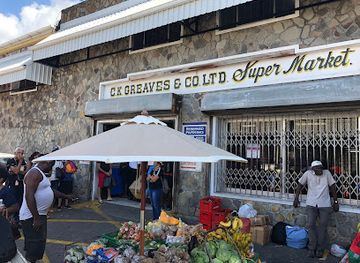
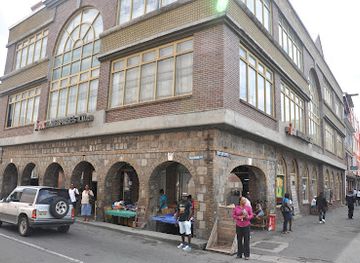
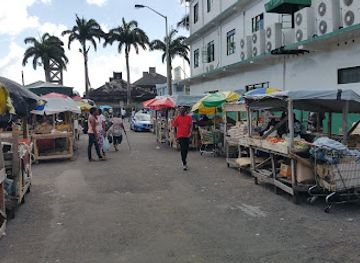
Shopping in Saint George is most rewarding for visitors interested in everyday Caribbean commerce and locally produced goods rather than large luxury centres. Kingstown Market is the principal place to browse fresh fruit, vegetables, root crops, spices and other provisions, with the selection changing according to harvests and deliveries. Shops in and around the capital sell clothing, household goods, snacks, rum and practical souvenirs, while small galleries and craft outlets may offer paintings, carvings, textiles or locally themed gifts. Packaged food products and bottles of Caribbean rum travel more easily than fragile fresh produce, but check customs rules before taking agricultural items abroad. The central shopping area is compact enough to explore on foot, although heat, crowds and intermittent rain can make a slower pace sensible. Bargaining is not automatically expected in ordinary shops or supermarkets; ask politely where prices are unclear.
-
Supermarket
C.K. Greaves
Discover local flavors and essentials at C.K. Greaves, the premier supermarket in Kingstown, blending convenience with a taste of St. Vincent's culture.
-
Department store
Jax Enterprises Ltd.
Discover the ultimate shopping destination at Jax Enterprises Ltd., Kingstown's premier department store for unique finds and local crafts.
-
Grocery store
New Central Market
Discover the flavors and crafts of St. Vincent at New Central Market, a lively destination that embodies the spirit of local culture and cuisine.
-
Clothing store
Cloud 9
Explore Cloud 9 in Kingstown for unique clothing that captures the spirit of St. Vincent and the Grenadines, perfect for every fashion enthusiast.
Get your free copy of our complete guide to Saint George, delivered straight to you.
Everything on this page, from attractions and restaurants to essentials and local phrases, in one PDF you can read offline, print or share.
Already have an account? Sign in
Your Saint George guide is ready.
We'll send it to · Not you? Sign out

Getting your guide ready…
We are putting together a fresh copy of the Saint George guide. This can take up to a minute.
This can take a few moments. If your browser asks, choose Allow so the download can start. You'll find the guide in your Downloads folder.
Nothing happened? Download it again
Sorry, the guide is taking longer than usual. Please try again in a minute, or get it by email instead.
Saint George essentials
Currency and Payment
Safety
Emergency Situations
Do's and Don'ts
Local Tips
From Eve
Local phrases worth knowing
You don't need to get them perfect. A few words go a long way, and locals appreciate the effort.
Basics
| English | Local | Say it |
|---|---|---|
| Hello | Hello | [Hello] |
| Goodbye | Goodbye | [Goodbye] |
| Yes | Yes | [Yes] |
| No | No | [No] |
| Please/You're welcome | Please/You’re welcome | [Please/You’re welcome] |
| Thank you | Thank you | [Thank you] |
| Excuse me/Sorry | Excuse me/Sorry | [Excuse me/Sorry] |
| How are you? | How you doing? | [How you doing?] |
| Fine. And you? | I’m fine. And you? | [I’m fine. And you?] |
| Do you speak English? | You speak English? | [You speak English?] |
| I don't understand | I don’t understand | [I don’t understand] |
Eating & Drinking
| English | Local | Say it |
|---|---|---|
| I'd like to see the menu, please | Can I see the menu, please? | [Can I see the menu, please?] |
| I don't eat meat | I don’t eat meat | [I don’t eat meat] |
| Cheers! | Cheers! | [Cheers!] |
| I would like to pay, please | Can I pay, please? | [Can I pay, please?] |
Emergencies
| English | Local | Say it |
|---|---|---|
| Help! | Help! | [Help!] |
| Go away! | Leave me alone! | [Leave me alone!] |
| Call the Police! | Call the police! | [Call the police!] |
| Call a doctor! | Call a doctor! | [Call a doctor!] |
| I'm lost | I lost! | [I lost!] |
| I'm ill | I’m not feeling well | [I’m not feeling well] |
Shopping
| English | Local | Say it |
|---|---|---|
| I'd like to buy... | I’d like to buy... | [I’d like to buy...] |
| I'm just looking | I’m just looking | [I’m just looking] |
| How much is it? | How much for this? | [How much for this?] |
| That's too expensive | That too expensive | [That too expensive] |
| Can you lower the price? | Can you drop the price? | [Can you drop the price?] |
Time & Numbers
| English | Local | Say it |
|---|---|---|
| What time is it? | Wha time it is? | [Wha time it is?] |
| It's one o'clock | It one o’clock | [It one o’clock] |
| Half past (10) | Half past ten | [Half past ten] |
| Morning | Morning | [Morning] |
| Afternoon | Afternoon | [Afternoon] |
| Evening | Evening | [Evening] |
| Yesterday | Yesterday | [Yesterday] |
| Today | Today | [Today] |
| Tomorrow | Tomorrow | [Tomorrow] |
| 1 | One | [One] |
| 2 | Two | [Two] |
| 3 | Three | [Three] |
| 4 | Four | [Four] |
| 5 | Five | [Five] |
| 6 | Six | [Six] |
| 7 | Seven | [Seven] |
| 8 | Eight | [Eight] |
| 9 | Nine | [Nine] |
| 10 | Ten | [Ten] |
Transport & Directions
| English | Local | Say it |
|---|---|---|
| Where's a/the...? | Wha’ de...? | [Wha’ de...?] |
| What's the address? | Wha’ de address? | [Wha’ de address?] |
| Can you show me (on the map)? | Can you show me on di map? | [Can you show me on di map?] |
| When's the next (bus)? | Wen di next bus? | [Wen di next bus?] |
| A ticket (to ....) | A ticket to... | [A ticket to...] |
History of Saint George
Indigenous Settlement and Kalinago Heritage
Saint Vincent was inhabited long before European colonisation by Indigenous peoples, including communities commonly identified in historical sources as Kalinago, alongside people of mixed Indigenous and African ancestry who became known as Black Caribs. The island’s fertile volcanic environment supported cultivation, fishing and settlement, while the surrounding sea connected communities to the wider Lesser Antilles. The Saint George area forms part of this longer island history, even though the surviving urban landscape is dominated by later colonial development. Indigenous heritage remains essential to understanding Saint Vincent beyond the buildings and institutions established under European rule.
European Colonisation and the Making of Kingstown
English settlement expanded during the eighteenth century, although Saint Vincent was contested by French forces and Indigenous communities before Britain secured control. Kingstown developed as the island’s principal administrative and commercial centre on the south-west coast. Its harbour, churches, government buildings and market helped concentrate trade and authority in the area now associated with Saint George parish. The town’s form reflects both the practical limits imposed by steep terrain and the importance of maritime connections in an island economy.
Plantations, Enslavement and Emancipation
During the colonial period, Saint Vincent’s economy relied heavily on plantation agriculture and the forced labour of enslaved Africans. Sugar became important, while other crops and later agricultural enterprises also shaped the island’s commercial life. Kingstown served as a point where products, provisions, officials and people moved through the colonial system. Emancipation in the British Caribbean took effect in the 1830s, transforming labour relations but not immediately removing social and economic inequalities. The institutions and patterns of landholding established during this period continued to influence Saint Vincent long after slavery ended.
The Garifuna Deportation and Regional Diaspora
Conflict between Britain and the Black Carib population culminated in the late eighteenth century with the defeat and forced removal of many Black Caribs from Saint Vincent. Large numbers were deported to the island of Roatán, off present-day Honduras, where Garifuna communities developed and later spread along the Central American coast. This history links Saint Vincent to a large transnational diaspora and remains significant to discussions of Indigenous resistance, displacement and identity. It is part of the national history represented in Kingstown’s museums and public memory, not a marginal episode.
From Colonial Rule to Independence
Saint Vincent gained increasing internal self-government during the twentieth century before becoming an independent state in 1979. Kingstown, within Saint George parish, became the centre of national administration and political life. Independence brought a new role for buildings, streets and public institutions that had previously served colonial government. The capital continues to concentrate parliament, ministries, courts, commerce and cultural organisations, making the parish an especially direct place to observe the country’s transition from British colony to sovereign Caribbean state.
Modern Kingstown and the Changing Island Economy
In the late twentieth and early twenty-first centuries, Saint Vincent’s economy moved beyond its former dependence on sugar and other plantation commodities, with services, government, tourism, small enterprise and remittances becoming increasingly important. Kingstown remains the country’s principal commercial and transport centre, while the harbour and surrounding urban districts continue to connect Saint Vincent with the Grenadines and the wider Caribbean. Contemporary Saint George combines inherited colonial architecture with modern public services, informal commerce and a growing national cultural life.
Saint George in Photos
Browse through our photo collection highlighting the charm and character of the destination.
Neighbouring regions of Saint George
The closest regions to Saint George, if you have time for more than one.
-

-

-

-


Swipe for more regions
Explore more
Explore more of Saint Vincent and the Grenadines
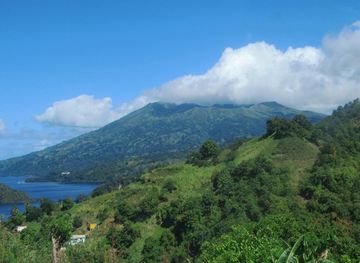
Discover the enchanting islands of Saint Vincent and the Grenadines, where lush rainforests, pristine beaches, and vibrant culture create an unforgettable Caribbean experience.
Explore Saint Vincent and the Grenadines