

Free Saint Andrew Travel Guide & Mobile App
Explore Saint Andrew with free travel guides. Discover regional history, expert tips, proposed trips, and audio guides on web or mobile app.


Explore Saint Andrew's volcanic valleys, rural villages, historic sugar routes, gardens and east-coast landscapes on Saint Vincent.
Read more about Saint Andrew
When is the best time to visit Saint Andrew?
Best: February–April · 29–30°C| Month | High (°C) | Rainfall (mm) |
|---|---|---|
| January | 29 | 90 |
| February (best) | 29 | 63 |
| March (best) | 29 | 50 |
| April (best) | 30 | 70 |
| May | 30 | 110 |
| June | 31 | 145 |
| July | 30 | 168 |
| August | 30 | 179 |
| September | 30 | 199 |
| October | 30 | 176 |
| November | 30 | 182 |
| December | 29 | 159 |
Getting to and around Saint Andrew
How to get there
Transportation
Top city travel guides in Saint Andrew
The cities of Saint Andrew, and the easiest places to base yourself.
-

-


Swipe for more cities
Destinations in Saint Andrew
Resorts, valleys and scenic spots worth a trip of their own.

Swipe for more destinations
Best attractions in Saint Andrew
Saint Andrew's attractions are closely tied to landscape, agriculture and history. In Mesopotamia, garden visits and walks through cultivated valleys show how the island's fertile volcanic soils support tropical plants, small farms and rural communities. Georgetown provides a useful base for exploring the parish, while Byera and nearby districts combine coastal scenery with historical remains. The Black Point Tunnel is one of the most notable heritage sites, illustrating how difficult terrain was managed during the plantation era. Around Layou, Indigenous rock carvings and river landscapes offer a different perspective on the island's past. Visitors can also seek out village churches, produce stalls, scenic roads and locally guided countryside excursions. This is not a parish of large commercial attractions or extensive resort infrastructure; its appeal lies in combining several modest experiences into a slower itinerary. Birdwatching, photography, garden visits and short rural walks are productive ways to appreciate the interior, while the coast offers changing views and exposure to the Atlantic. Conditions, access and opening arrangements can vary, so local advice is valuable before setting out.
-
Historical place
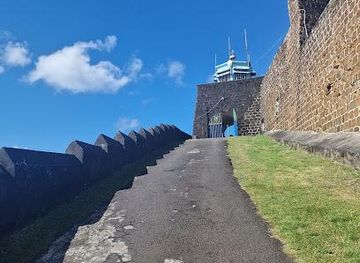
Fort Charlotte
Explore Fort Charlotte, a historic site in Clare Valley, offering breathtaking views and a glimpse into the colonial past of St. Vincent and the Grenadines.
-
Restaurant
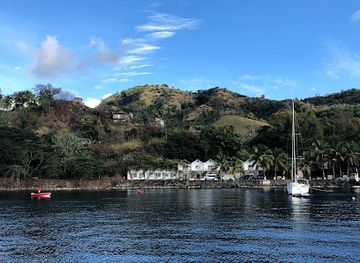
Wallilabou Anchorage
Experience authentic Caribbean cuisine and breathtaking views at Wallilabou Anchorage, a top dining and cocktail spot in Saint Vincent and the Grenadines.
-
Tourist attraction
Princess Margaret Beach
Experience the serene beauty of Princess Margaret Beach, a hidden gem in the Grenadine Islands, perfect for relaxation, adventure, and breathtaking sunsets.
-
Park
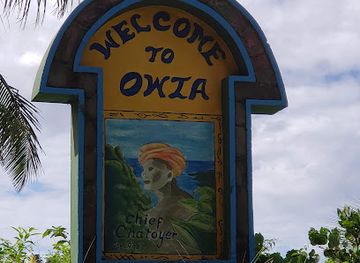
Owia Salt Pond
Experience the breathtaking beauty and tranquility of Owia Salt Pond, a natural gem in St. Vincent and the Grenadines, perfect for relaxation and exploration.
Best landmarks in Saint Andrew
The Black Point Tunnel near Byera is Saint Andrew's most distinctive historic structure, cut through coastal rock as part of the infrastructure associated with the island's plantation economy. Its scale conveys the difficulty of moving sugar and other agricultural produce across Saint Vincent's steep terrain, while its history also requires visitors to remember the enslaved labour that sustained colonial estates. Georgetown is another important visual reference point, with its east-coast position, local civic buildings and relationship to the surrounding hills giving it a distinct parish identity. In the Layou area, Indigenous petroglyphs are significant cultural landmarks: the carved rock surfaces provide evidence of pre-colonial life and should be viewed without touching, chalking or otherwise marking them. The Mesopotamia Valley is a natural and agricultural landmark rather than a single monument, defined by steep green slopes, cultivated land and waterways. Together these places express Saint Andrew's central themes—Indigenous heritage, plantation history, rural settlement and volcanic geography—more clearly than any collection of modern commercial buildings.
-
Park
Botanical Gardens
Explore the lush Botanical Gardens of St. Vincent, a tropical paradise filled with diverse flora and historical significance.
-
Island
Canouan
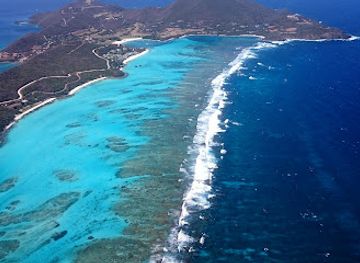
Experience the breathtaking beauty of Canouan Island, a tropical paradise in the Grenadines with stunning beaches, vibrant coral reefs, and luxury accommodations.
-
Island
Saint Vincent
Explore the breathtaking landscapes, vibrant culture, and rich history of Saint Vincent, the largest island in the enchanting Grenadines.
-
 Hotel
HotelBlue Lagoon Hotel and Marina
Experience the ultimate getaway at Blue Lagoon Hotel and Marina, where luxury meets adventure in the heart of Saint Vincent.

Explore Saint Andrew on the map
Plan your trip on one map. See where the top cities, national parks and sights are, and book hotels and experiences in a few clicks.
Best hotels in Saint Andrew
Best restaurants in Saint Andrew
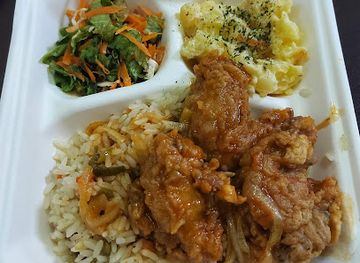
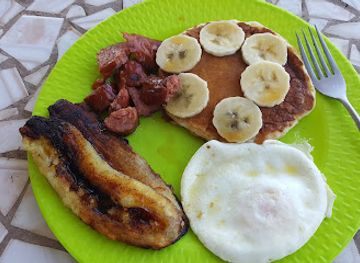
Dining in Saint Andrew is primarily local and informal, with the strongest sense of place found in roadside food stalls, family-run eateries, small restaurants and village shops rather than a concentrated fine-dining district. Menus commonly draw on Saint Vincent's agricultural produce: breadfruit, green banana, dasheen, cassava, sweet potato, plantain and seasonal vegetables may accompany fish, chicken or meat prepared with Caribbean herbs and spices. Fresh fish is particularly appropriate on the coast, while rural areas may offer produce from nearby gardens and farms. Georgetown has the parish's most useful concentration of everyday food options, but opening times can be limited outside busy periods. Bakeries and small provision shops are practical for snacks and picnic supplies, and visitors may encounter arrowroot products reflecting Saint Vincent's agricultural history. Ask about the day's catch or locally grown ingredients, and expect menus to change with supply. International and vegetarian choices are easiest to find in larger settlements or accommodation-based restaurants, so travellers spending time in the valleys should plan meals rather than assume continuous service.
-
Restaurant
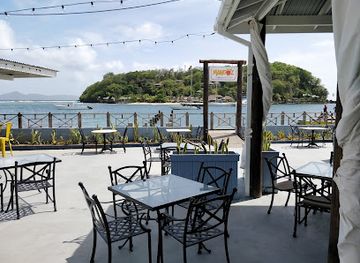
Mangoz Restaurant and Bar
Discover tropical flavors and stunning sea views at Mangoz Restaurant and Bar in Villa – a culinary gem in St. Vincent.
-
Restaurant
Vee Jay's Restaurant & Bar
Experience authentic Caribbean cuisine at Vee Jay's Restaurant & Bar in Kingstown - home to delicious roti and breathtaking bay views.
-
Grill
Flowt Beach Bar
Discover Flowt Beach Bar: A vibrant grill nestled in Blue Lagoon Marina offering delightful cuisine and stunning waterfront views.
-
Restaurant
Flow Wine Bar and Kitchen
Experience exquisite wines and gourmet dishes at Flow Wine Bar and Kitchen in Kingstown - a top destination for culinary enthusiasts.

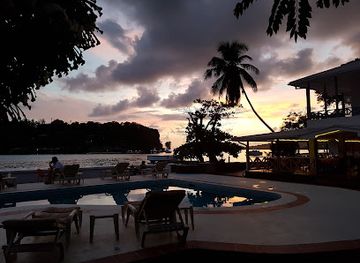
Best bars in Saint Andrew
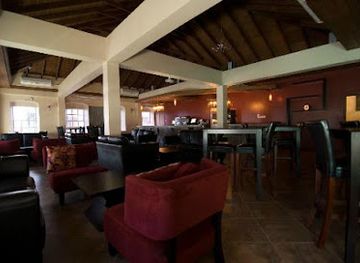
Saint Andrew has a modest evening scene centred on rum shops, village bars, small restaurants and community social life rather than large nightclubs. Georgetown provides the broadest choice within the parish, while smaller settlements may have a handful of casual venues where residents meet for conversation, music and televised sport. Some places offer locally produced rum, beer and simple food, but atmosphere and operating times can vary considerably by day and season. Live music and cultural events may occur in community settings, though they should not be assumed to follow a fixed visitor schedule. Travellers looking for late-night entertainment generally find more choice in Kingstown, outside Saint Andrew, and will need transport arrangements for the return journey. In the parish, evenings are better suited to an unhurried meal, a local bar or a quiet stay in the countryside than to a formal club circuit. Respect local residential areas by keeping noise at a reasonable level and ask before photographing people or private gatherings.
-
Wine bar
Flow Wine Bar and Kitchen
Flow Wine Bar and Kitchen in Kingstown offers a delightful blend of exquisite wines and local cuisine in a vibrant atmosphere for a unique dining experience.
-
Bar
Marty's Sport Bar
Discover the lively vibes and local flavors at Marty's Sport Bar in Layou, where great drinks and sports meet in a vibrant atmosphere.
-
Bar
Lashum's Bar
Discover the lively atmosphere of Lashum's Bar in Campden Park, where refreshing drinks and local culture come together in a vibrant setting.
-
Bar
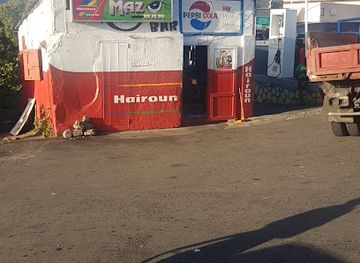
Maz - I Bar
Experience the vibrant nightlife at Maz - I Bar, where affordable drinks and a lively atmosphere await you in the heart of the island.
Best nightclubs in Saint Andrew
Saint Andrew has a modest evening scene centred on rum shops, village bars, small restaurants and community social life rather than large nightclubs. Georgetown provides the broadest choice within the parish, while smaller settlements may have a handful of casual venues where residents meet for conversation, music and televised sport. Some places offer locally produced rum, beer and simple food, but atmosphere and operating times can vary considerably by day and season. Live music and cultural events may occur in community settings, though they should not be assumed to follow a fixed visitor schedule. Travellers looking for late-night entertainment generally find more choice in Kingstown, outside Saint Andrew, and will need transport arrangements for the return journey. In the parish, evenings are better suited to an unhurried meal, a local bar or a quiet stay in the countryside than to a formal club circuit. Respect local residential areas by keeping noise at a reasonable level and ask before photographing people or private gatherings.
-
Night club
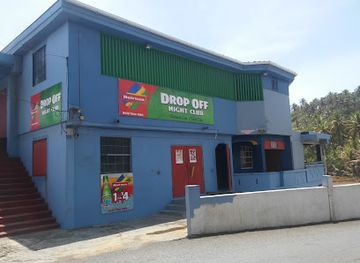
Drop Off Night Club
Discover the electrifying nightlife at Drop Off Night Club in Friendly, where music, dance, and an unforgettable atmosphere await every night!
-
Bar
Westside Karaoke And Bar.
Experience the vibrant nightlife of Kingstown at Westside Karaoke And Bar, where every night is a celebration of music and fun.
-
Disco club
Africano Disco
Dive into the vibrant nightlife at Africano Disco in Colonarie, where exhilarating music and a lively atmosphere create unforgettable nights.
-
Grill
Rescue Bar
Savor the taste of the Caribbean at Rescue Bar, Kingstown's premier grill serving up local flavors in a vibrant atmosphere.

Best shops in Saint Andrew
Shopping in Saint Andrew is practical and community-oriented, with small groceries, provision shops, roadside sellers and market activity supplying residents and visitors. Georgetown is the most useful place within the parish for everyday purchases, while village stalls may offer seasonal fruit, vegetables, breadfruit, cassava and other locally grown produce. Travellers can look for arrowroot-based foods and locally made Caribbean products, although availability changes with harvests and individual stock. Small shops may carry drinks, snacks and basic supplies but are not designed as extensive souvenir centres. Crafts, jewellery and artwork are more likely to be found through local makers, community events or specialist outlets elsewhere on Saint Vincent than through a single established shopping quarter in Saint Andrew. Buy produce respectfully and ask before photographing sellers or farms. For a wider selection of supermarkets, galleries, books, branded goods and formal souvenirs, Kingstown, outside the parish, offers more choice. Shopping here is therefore best understood as part of experiencing rural Vincentian life rather than as a dedicated retail attraction.
-
Department store
Jax Enterprises Ltd.
Shop local and discover unique finds at Jax Enterprises Ltd. in Kingstown, your gateway to an authentic shopping experience.
-
Supermarket
Greaves Marketplace
Experience the local flavors and vibrant culture of Layou at Greaves Marketplace, your go-to spot for fresh produce and local goods.
-
Shoe store
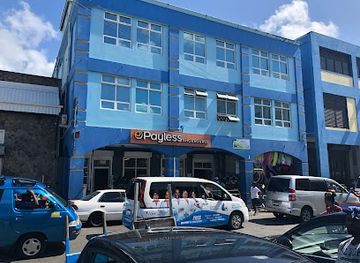
Payless ShoeSource St. Vincent
Discover stylish and affordable footwear at Payless ShoeSource St. Vincent, a tourist favorite for fashionable shoes without the hefty price tag.
-
Grocery store
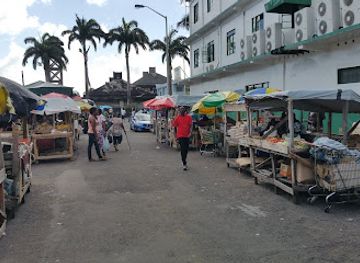
New Central Market
Experience the vibrant local culture and flavors at New Central Market in Kingstown, a must-visit for every traveler exploring St. Vincent.
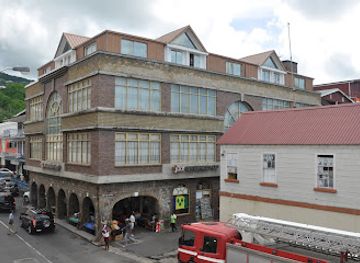

Get your free copy of our complete guide to Saint Andrew, delivered straight to you.
Everything on this page, from attractions and restaurants to essentials and local phrases, in one PDF you can read offline, print or share.
Already have an account? Sign in
Your Saint Andrew guide is ready.
We'll send it to · Not you? Sign out

Getting your guide ready…
We are putting together a fresh copy of the Saint Andrew guide. This can take up to a minute.
This can take a few moments. If your browser asks, choose Allow so the download can start. You'll find the guide in your Downloads folder.
Nothing happened? Download it again
Sorry, the guide is taking longer than usual. Please try again in a minute, or get it by email instead.
Saint Andrew essentials
Currency and Payment
Safety
Emergency Situations
Do's and Don'ts
Local Tips
From Eve
Local phrases worth knowing
You don't need to get them perfect. A few words go a long way, and locals appreciate the effort.
Basics
| English | Local | Say it |
|---|---|---|
| Hello | Hello | [Hello] |
| Goodbye | Goodbye | [Goodbye] |
| Yes | Yes | [Yes] |
| No | No | [No] |
| Please/You're welcome | Please/You’re welcome | [Please/You’re welcome] |
| Thank you | Thank you | [Thank you] |
| Excuse me/Sorry | Excuse me/Sorry | [Excuse me/Sorry] |
| How are you? | How yuh doin’? | [How yuh doin’?] |
| Fine. And you? | I’m good. And you? | [I’m good. And you?] |
| Do you speak English? | Yuh speak English? | [Yuh speak English?] |
| I don't understand | I nuh overstand | [I nuh overstand] |
Eating & Drinking
| English | Local | Say it |
|---|---|---|
| I'd like to see the menu, please | Mi wan see di menu, please | [Mi wan see di menu, please] |
| I don't eat meat | I nuh eat meat | [I nuh eat meat] |
| Cheers! | Cheers! | [Cheers!] |
| I would like to pay, please | Mi wan pay, please | [Mi wan pay, please] |
Emergencies
| English | Local | Say it |
|---|---|---|
| Help! | Help! | [Help!] |
| Go away! | Go way! | [Go way!] |
| Call the Police! | Call di Police! | [Call di Police!] |
| Call a doctor! | Call a doctor! | [Call a doctor!] |
| I'm lost | I lost | [I lost] |
| I'm ill | I sick | [I sick] |
Shopping
| English | Local | Say it |
|---|---|---|
| I'd like to buy... | Mi wan buy... | [Mi wan buy...] |
| I'm just looking | Mi jus a look | [Mi jus a look] |
| How much is it? | How much dat cost? | [How much dat cost?] |
| That's too expensive | Dat too expensive | [Dat too expensive] |
| Can you lower the price? | Yuh can lower di price? | [Yuh can lower di price?] |
Time & Numbers
| English | Local | Say it |
|---|---|---|
| What time is it? | Wha time it? | [Wha time it?] |
| It's one o'clock | It one o'clock | [It one o'clock] |
| Half past (10) | Half past ten | [Half past ten] |
| Morning | Morning | [Morning] |
| Afternoon | Afternoon | [Afternoon] |
| Evening | Evening | [Evening] |
| Yesterday | Yesterday | [Yesterday] |
| Today | Today | [Today] |
| Tomorrow | Tomorrow | [Tomorrow] |
| 1 | One | [One] |
| 2 | Two | [Two] |
| 3 | Three | [Three] |
| 4 | Four | [Four] |
| 5 | Five | [Five] |
| 6 | Six | [Six] |
| 7 | Seven | [Seven] |
| 8 | Eight | [Eight] |
| 9 | Nine | [Nine] |
| 10 | Ten | [Ten] |
Transport & Directions
| English | Local | Say it |
|---|---|---|
| Where's a/the...? | Wha de...? | [Wha de...?] |
| What's the address? | Wha di address? | [Wha di address?] |
| Can you show me (on the map)? | Yuh can show me (pon di map)? | [Yuh can show me (pon di map)?] |
| When's the next (bus)? | When di next (bus)? | [When di next (bus)?] |
| A ticket (to ....) | A ticket (to....) | [A ticket (to....)] |
History of Saint Andrew
Indigenous Settlement and Kalinago Heritage
Saint Vincent was inhabited long before European colonisation by Indigenous communities, including people commonly identified in historical sources as Kalinago, alongside earlier settlement traditions. The island's rivers, valleys and coastal routes supported fishing, cultivation and movement between communities. In Saint Andrew, the Layou and interior valley areas retain particular significance because rock carvings and landscape features point to a long relationship between people and the island's natural environment. Indigenous history is not simply a prelude to colonial history: it remains part of Saint Vincent's living cultural identity and deserves respectful interpretation.
European Colonisation and Plantation Agriculture
French and British influence developed at different stages before Britain consolidated control of Saint Vincent in the eighteenth century. Under colonial rule, plantations expanded in the fertile valleys and coastal districts, producing sugar and other export crops through the forced labour of enslaved Africans. Saint Andrew's agricultural terrain made it important to the plantation economy, while roads, estates and coastal landing places connected production with shipping. The unequal social and economic order created during this period shaped settlement patterns and left traces in historic routes, estate landscapes and the distribution of villages.
The Second Carib War, 1795–1797
The Second Carib War was a major resistance movement against British colonial expansion on Saint Vincent. Kalinago and Black Carib communities, supported by French interests, opposed the seizure of land and the extension of plantation authority. Fighting affected much of the island, including its central and western districts, and caused severe disruption to settlements and agriculture. After British victory, many surviving Black Caribs were deported to Roatán in the Bay of Honduras, where their descendants became associated with Garifuna society. The conflict remains essential to understanding Saint Vincent's land, identity and colonial history.
Sugar, Slavery and Emancipation
For much of the colonial period, sugar estates formed the economic foundation of Saint Vincent, with enslaved Africans providing the labour on which plantation wealth depended. Estate activity affected valleys and coastal communities in Saint Andrew, while roads and tunnels were built to move produce through difficult terrain. Britain abolished slavery in its Caribbean colonies in the 1830s, followed by a period of apprenticeship and then fuller freedom. Emancipation transformed labour relations but did not immediately remove economic inequality; former plantation lands and export agriculture continued to influence rural life.
Arrowroot and the Diversification of Rural Economy
After the decline of sugar, Saint Vincent developed a more varied agricultural economy. Arrowroot became especially associated with the island and was processed into a starch used in food and pharmaceutical products. Other crops, including bananas and root vegetables, supported rural communities and export trade. Saint Andrew's valleys and eastern districts benefited from their fertile soils and rainfall, although farming remained vulnerable to hurricanes, price changes and transport difficulties. The parish's cultivated hillsides, small farms and produce traditions still reflect this transition from plantation monoculture towards mixed agriculture.
Independence and Contemporary Saint Andrew
Saint Vincent and the Grenadines achieved independence from Britain in 1979, after a period of constitutional development and expanding self-government. Since independence, Saint Andrew has remained primarily a rural and agricultural parish while its communities have adapted to improved roads, migration, tourism and changing employment patterns. Georgetown and surrounding settlements continue to serve local needs, and heritage sites, gardens and countryside experiences have gained importance alongside farming. Contemporary visitors encounter a parish where colonial legacies, Indigenous memory, African-Caribbean culture and modern Vincentian life coexist within a relatively compact but physically demanding landscape.
Saint Andrew in Photos
Browse through our photo collection highlighting the charm and character of the destination.
Neighbouring regions of Saint Andrew
The closest regions to Saint Andrew, if you have time for more than one.
-

-

-

-


Swipe for more regions
Explore more
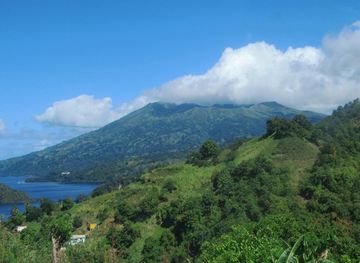
Explore more of Saint Vincent and the Grenadines
Discover the enchanting islands of Saint Vincent and the Grenadines, where lush rainforests, pristine beaches, and vibrant culture create an unforgettable Caribbean experience.
Explore Saint Vincent and the Grenadines