

Free Saint David Travel Guide & Mobile App
Explore Saint David with free travel guides. Discover regional history, expert tips, proposed trips, and audio guides on web or mobile app.


Explore Saint David in Saint Vincent and the Grenadines for forested valleys, Dark View Falls, Chateaubelair and the historic Wallilabou coast.
Read more about Saint David
When is the best time to visit Saint David?
Best: February–April · 29°C| Month | High (°C) | Rainfall (mm) |
|---|---|---|
| January | 29 | 80 |
| February (best) | 29 | 60 |
| March (best) | 29 | 50 |
| April (best) | 29 | 60 |
| May | 30 | 70 |
| June | 30 | 100 |
| July | 30 | 110 |
| August | 30 | 120 |
| September | 30 | 110 |
| October | 30 | 100 |
| November | 29 | 110 |
| December | 29 | 90 |
Getting to and around Saint David
How to get there
Transportation
Top city travel guides in Saint David
The cities of Saint David, and the easiest places to base yourself.
-

-


Swipe for more cities
Destinations in Saint David
Resorts, valleys and scenic spots worth a trip of their own.
-

-


Swipe for more destinations
Best attractions in Saint David
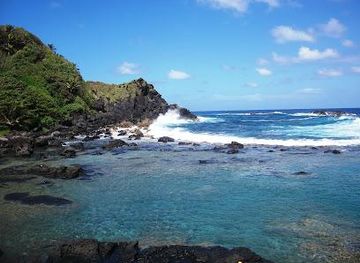
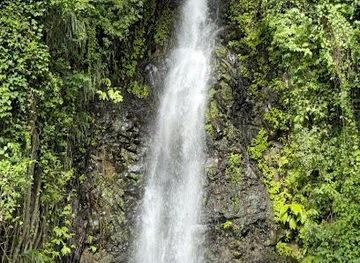
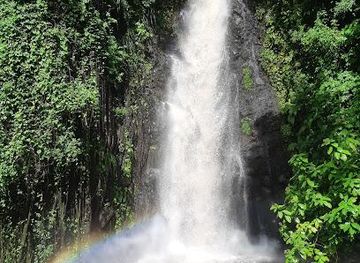
Saint David’s attractions are defined by the relationship between forest, mountain and sea. Dark View Falls is the parish’s best-known natural site, with a short approach leading to twin cascades and pools in a lush gorge; sturdy footwear is sensible because tropical rain can make the path wet. Wallilabou combines coastal scenery with film history, offering a chance to see the setting used for Pirates of the Caribbean while appreciating the working character of a Caribbean waterfront. Chateaubelair is useful for observing local life, fishing activity and the geography of the leeward coast rather than for a dense collection of formal museums. Inland roads reveal cultivated slopes, ravines and views towards the island’s mountainous interior. The parish also suits guided nature walks, birdwatching and photography, although longer routes require local advice and preparation. Small villages, roadside produce stalls and quiet bays add cultural interest, while the region’s appeal lies in experiencing a landscape that remains more rural and dispersed than Saint Vincent’s southern urban corridor.
-
Park
Owia Salt Pond
Experience the tranquil beauty of Owia Salt Pond, a natural oasis in St. Vincent perfect for relaxation, swimming, and stunning photography.
-
La Soufrière
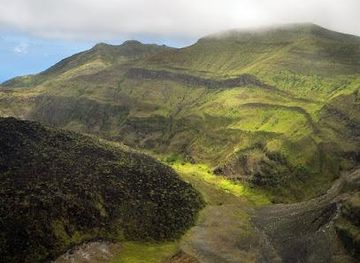
Explore the breathtaking La Soufrière volcano in St. Vincent, where nature's beauty and adventure collide in an unforgettable experience.
-
Tourist attraction
Dark View Fall
Experience the natural beauty of Dark View Fall, a hidden gem in Richmond, Saint Vincent and the Grenadines, perfect for adventure and relaxation.
-
Park
Dark View Falls
Explore Dark View Falls, a stunning natural park in Chateaubelair, St. Vincent, featuring breathtaking waterfalls and lush landscapes perfect for adventure and relaxation.
Best landmarks in Saint David
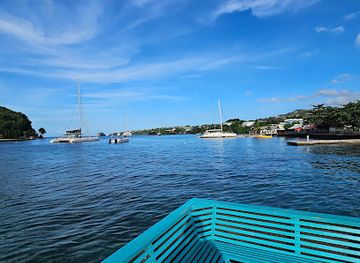
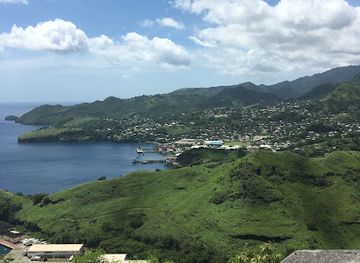
Chateaubelair Bay is Saint David’s most recognisable human landmark, a sheltered western harbour framed by steep hills and closely settled slopes. Its coastal position illustrates why maritime movement and fishing have remained important in communities that are connected by difficult roads. Wallilabou’s waterfront is another prominent site: its jetty, shoreline and surrounding hills gained international recognition through Pirates of the Caribbean, while the location still conveys the scale and texture of a working Caribbean coast. Dark View Falls provides a natural landmark rather than an architectural one, with two distinct drops cutting through tropical rock and vegetation. Further inland, the parish’s winding roads, deep ravines and cultivated mountain slopes form a continuous landscape landmark, revealing how settlement is constrained by Saint Vincent’s volcanic topography. Together these places represent Saint David more accurately than a single monumental building would: the parish’s identity rests on the visual contrast between enclosed valleys, forested high ground and open sea.
-
Park
Botanical Gardens
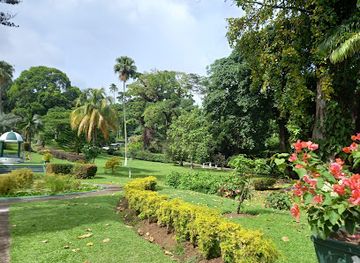
Discover the lush tranquility of St. Vincent's Botanical Gardens, a stunning paradise filled with exotic plants, rich history, and vibrant tropical beauty.
-
Island
Saint Vincent
Explore the vibrant landscapes and rich culture of Saint Vincent, the Caribbean's breathtaking island paradise renowned for its natural beauty and adventurous spirit.
-
Historical place
Fort Charlotte, Saint Vincent
Explore the historical significance and stunning views at Fort Charlotte, a colonial fortress in Saint Vincent that tells the story of the island's past.
-
Restaurant
Wallilabou Anchorage
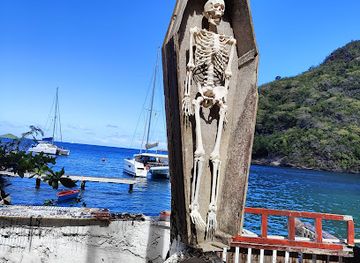
Experience the enchanting beauty of Wallilabou Anchorage, where Caribbean charm meets cinematic history amidst stunning coastal views.
Explore Saint David on the map
Plan your trip on one map. See where the top cities, national parks and sights are, and book hotels and experiences in a few clicks.
Best hotels in Saint David
Best restaurants in Saint David
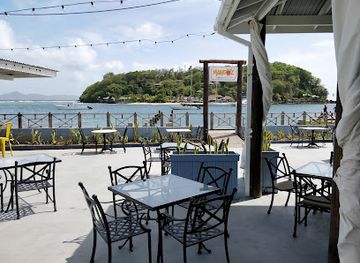
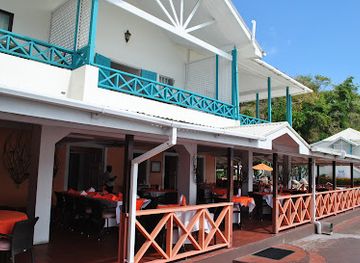
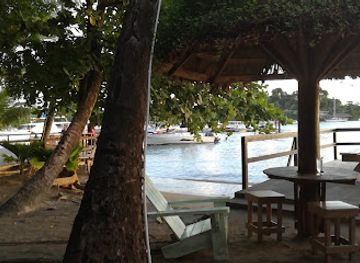
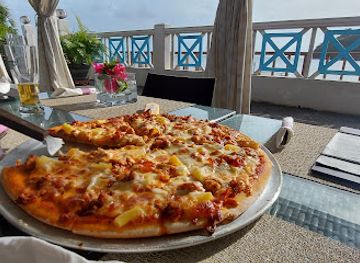
Dining in Saint David is generally informal and locally rooted, with the strongest choices often found in village eateries, small restaurants, guesthouses and roadside food sellers rather than in a concentrated restaurant district. Vincentian cooking commonly brings together fresh fish, chicken, pork or goat with rice, provisions, plantain, breadfruit, green bananas and vegetables, often accompanied by pepper sauce or other strongly seasoned condiments. Cassava and other ground provisions reflect older Indigenous and African influences, while fruit and agricultural produce vary with the season. Near the coast, ask about the day’s catch; inland, locally grown produce may be more prominent. Chateaubelair and the western coastal settlements offer the most practical places to look for meals, but opening arrangements can be limited outside busy periods. Larger tourism properties may provide more elaborate menus, while smaller establishments offer a closer connection to ordinary Vincentian food traditions. Carry snacks and water when visiting waterfalls or remote stretches, as dining options are not continuous along the roads.
-
Restaurant
Mangoz Restaurant and Bar
Experience exquisite Caribbean dining at Mangoz Restaurant and Bar on Villa beach—where flavor meets breathtaking views.
-
Restaurant
French Verandah
Experience exquisite dining with stunning ocean views at French Verandah in St. Vincent.
-
Grill
Flowt Beach Bar
Experience tropical flavors at Flowt Beach Bar, where stunning views meet delicious grilled cuisine in Rathomill's beautiful Blue Lagoon Marina.
-
Restaurant
Bungalow
Discover Bungalow in Villa - where authentic Caribbean flavors meet a cozy dining atmosphere for an unforgettable culinary journey.
Best bars in Saint David
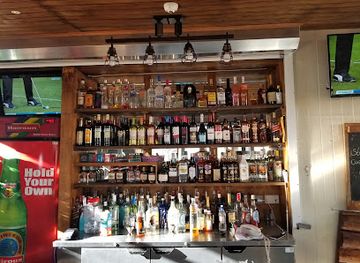
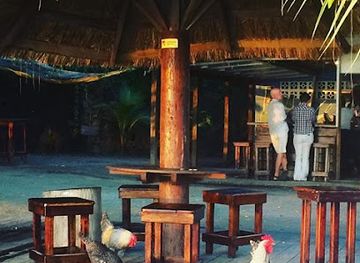
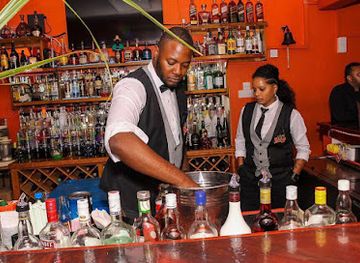
Saint David is not a major nightclub destination, and evening life is centred on small rum shops, village bars, informal eateries and community socialising rather than late-night entertainment districts. Chateaubelair and other settled parts of the western coast are the most likely places to find a local bar, while guesthouses and restaurants may provide quieter evening meals and drinks. The atmosphere can be sociable but low-key, with conversation, music and televised sport often more important than a formal programme of entertainment. Visitors should not expect reliable late opening hours in rural areas and should arrange transport before drinking or travelling after dark. Occasional fêtes, live music or community events may enliven particular evenings, but these are changeable and should be confirmed locally. Rum and rum-based drinks form part of the national drinking culture, yet visitors can enjoy Saint David equally through a meal, sunset at the coast or conversation with a host without treating alcohol as central to the experience.
-
Bar
Tree Bar
Experience the vibrant nightlife at Tree Bar in Arnos Vale, offering a variety of drinks and a lively atmosphere for an unforgettable evening.
-
Grill
Flowt Beach Bar
Experience the perfect blend of grilled delights and stunning lagoon views at Flowt Beach Bar, Rathomill's tropical paradise for food and fun.
-
Pub
BARCODE PUB LTD
BARCODE PUB LTD: Your go-to spot in Arnos Vale for local flavors, lively ambiance, and unforgettable experiences.
-
Wine bar
Flow Wine Bar and Kitchen
Discover the perfect blend of fine wines and exquisite cuisine at Flow Wine Bar and Kitchen in the heart of Kingstown.

Best nightclubs in Saint David
Saint David is not a major nightclub destination, and evening life is centred on small rum shops, village bars, informal eateries and community socialising rather than late-night entertainment districts. Chateaubelair and other settled parts of the western coast are the most likely places to find a local bar, while guesthouses and restaurants may provide quieter evening meals and drinks. The atmosphere can be sociable but low-key, with conversation, music and televised sport often more important than a formal programme of entertainment. Visitors should not expect reliable late opening hours in rural areas and should arrange transport before drinking or travelling after dark. Occasional fêtes, live music or community events may enliven particular evenings, but these are changeable and should be confirmed locally. Rum and rum-based drinks form part of the national drinking culture, yet visitors can enjoy Saint David equally through a meal, sunset at the coast or conversation with a host without treating alcohol as central to the experience.
-
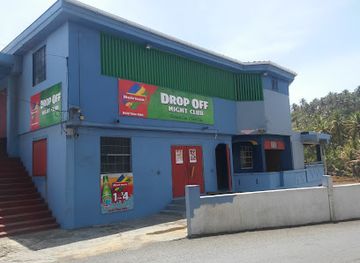
Night club
Drop Off Night Club
Dive into the vibrant nightlife of Friendly at Drop Off Night Club, where music, dancing, and fun create an unforgettable experience.
-
Bar
Westside Karaoke And Bar.
Experience the rhythm of Kingstown at Westside Karaoke And Bar, where good times and great music come together for an unforgettable night.
-
Disco club
Africano Disco
Experience the vibrant nightlife at Africano Disco in Colonarie, a lively spot for music, dance, and unforgettable memories.
-
Cocktail bar
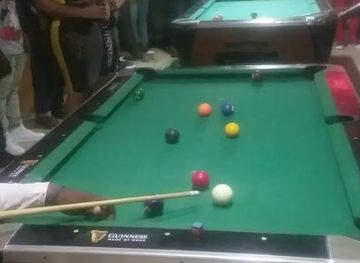
Legair's Bar & Restaurant, Kingshill, St Vincent & the Grenadines
Experience the vibrant nightlife at Legair's Bar & Restaurant in Kingshill, featuring cocktails, karaoke, and billiards in a lively atmosphere.

Best shops in Saint David
Shopping in Saint David is primarily local and practical rather than centred on large retail complexes. Small shops in Chateaubelair and other villages sell everyday provisions, drinks and basic travel supplies, while roadside sellers offer seasonal fruit, vegetables and ground provisions when harvests allow. Visitors may find locally prepared snacks, pepper sauces, baked goods or simple crafts, although availability varies and individual stalls should not be treated as permanent markets. Buying directly from growers and small food businesses can provide a more meaningful regional souvenir than imported gift merchandise. For a broader range of formal shopping, banking and specialist goods, visitors generally travel outside the parish towards larger settlements and Kingstown. Carry sufficient cash for small purchases, check prices politely and remember that rural shops may have limited stock. The most distinctive purchases from a Saint David visit are often edible: local fruit, spices, preserved products or other island-made provisions that can be transported safely and legally.
-
Supermarket
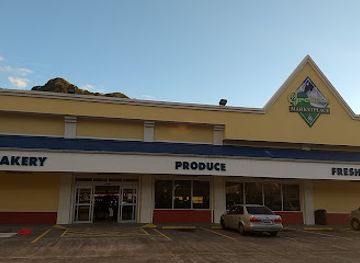
Greaves Marketplace
Explore the vibrant Greaves Marketplace in Layou, where local culture meets fresh produce and unique treasures for every traveler.
-
Cannabis store
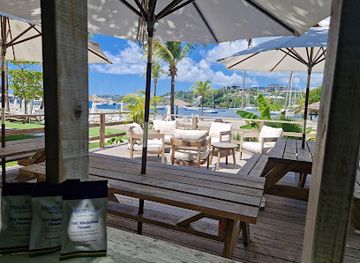
Greenhouse Cafe at Coconut Grove
Explore a unique fusion of dining and cannabis culture at the Greenhouse Cafe in Canash Beach, the perfect spot for relaxation and tasty delights.
-
Pawn shop
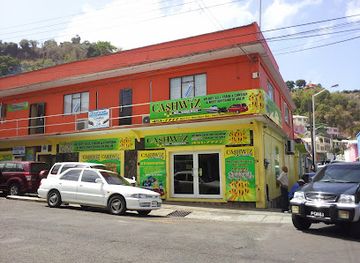
CashWiz
Explore CashWiz in Kingstown, your destination for premium pawn services, gold, and jewelry in the heart of Saint Vincent and the Grenadines.
-
Women's clothing store
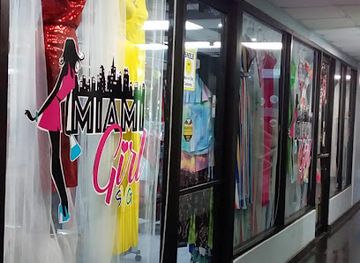
#1 Women's Boutique -Miami Girl Boutique
Explore Miami Girl Boutique in Kingstown for trendy women's clothing that captures Caribbean charm and contemporary style.
Get your free copy of our complete guide to Saint David, delivered straight to you.
Everything on this page, from attractions and restaurants to essentials and local phrases, in one PDF you can read offline, print or share.
Already have an account? Sign in
Your Saint David guide is ready.
We'll send it to · Not you? Sign out

Getting your guide ready…
We are putting together a fresh copy of the Saint David guide. This can take up to a minute.
This can take a few moments. If your browser asks, choose Allow so the download can start. You'll find the guide in your Downloads folder.
Nothing happened? Download it again
Sorry, the guide is taking longer than usual. Please try again in a minute, or get it by email instead.
Saint David essentials
Currency and Payment
Safety
Emergency Situations
Do's and Don'ts
Local Tips
From Eve
Local phrases worth knowing
You don't need to get them perfect. A few words go a long way, and locals appreciate the effort.
Basics
| English | Local | Say it |
|---|---|---|
| Hello | Hello | [Heh-lo] |
| Goodbye | Goodbye | [Good-bye] |
| Yes | Yes | [Yes] |
| No | No | [No] |
| Please/You're welcome | Please/You’re welcome | [Pleez/You’re wel-kum] |
| Thank you | Thank you | [Thank yuh] |
| Excuse me/Sorry | Excuse me/Sorry | [Ex-kyoos mi/Sor-ree] |
| How are you? | How yuh doin'? | [How yuh do-in'?] |
| Fine. And you? | I’m fine. An' you? | [I’m fain. An' yuh?] |
| Do you speak English? | Yuh speak English? | [Yuh speek English?] |
| I don't understand | I eh understand | [I eh un-der-stan'] |
Eating & Drinking
| English | Local | Say it |
|---|---|---|
| I'd like to see the menu, please | Me wan see di menu, please | [Me wan see di men-yu, pleez] |
| I don't eat meat | I eh eat meat | [I eh eet meet] |
| Cheers! | Cheers! | [Cheers!] |
| I would like to pay, please | Me wan pay, please | [Me wan pay, pleez] |
Emergencies
| English | Local | Say it |
|---|---|---|
| Help! | Help! | [Help!] |
| Go away! | Go way! | [Go way!] |
| Call the Police! | Call di Police! | [Call di Po-lees!] |
| Call a doctor! | Call a doctor! | [Call a doc-tor!] |
| I'm lost | I lost | [I lost] |
| I'm ill | I sick | [I sik] |
Shopping
| English | Local | Say it |
|---|---|---|
| I'd like to buy... | Me wan buy... | [Me wan buy...] |
| I'm just looking | Me just looking | [Me just luk-ing] |
| How much is it? | How much dat cost? | [How much dat cost?] |
| That's too expensive | Dat too expensive | [Dat too expen-siv] |
| Can you lower the price? | Yuh can lower di price? | [Yuh can low-er di prais?] |
Time & Numbers
| English | Local | Say it |
|---|---|---|
| What time is it? | What time it be? | [What time it be?] |
| It's one o'clock | It one o'clock | [It one o'clock] |
| Half past (10) | Half past ten | [Half past ten] |
| Morning | Mornin' | [Mornin'] |
| Afternoon | Afternoon | [Af-ter-noon] |
| Evening | Evenin' | [Evenin'] |
| Yesterday | Yest'day | [Yest'day] |
| Today | Today | [To-day] |
| Tomorrow | Tomorra | [To-mor-rah] |
| 1 | One | [One] |
| 2 | Two | [Too] |
| 3 | Three | [Tree] |
| 4 | Four | [For] |
| 5 | Five | [Five] |
| 6 | Six | [Six] |
| 7 | Seven | [Seven] |
| 8 | Eight | [Eight] |
| 9 | Nine | [Nine] |
| 10 | Ten | [Ten] |
Transport & Directions
| English | Local | Say it |
|---|---|---|
| Where's a/the...? | Wheh de ...? | [Wheh de ...?] |
| What's the address? | Wha di address? | [Wha di ad-dress?] |
| Can you show me (on the map)? | Yuh can show me (pon di map)? | [Yuh can show me (pon di map)?] |
| When's the next (bus)? | When di next (bus)? | [When di next (bus)?] |
| A ticket (to ....) | A ticket (to ...) | [A tik-it (to ...)] |
History of Saint David
Kalinago and Garifuna Heritage
Before European colonisation, Saint Vincent was inhabited by Indigenous communities whose descendants and cultural influence remain important to the island’s identity. Kalinago people maintained communities, cultivated crops and used the island’s rivers and coastlines as routes through a challenging volcanic landscape. Africans who escaped enslavement elsewhere in the Caribbean also settled in Saint Vincent, and through generations of interaction the Garifuna community developed. Saint David’s mountainous western setting formed part of this broader history of Indigenous resistance, mobility and adaptation before British control was firmly established.
European Colonisation and the First Plantations
European powers contested Saint Vincent from the seventeenth century, but Indigenous resistance delayed complete British control. During the eighteenth century, British settlement expanded and plantation agriculture reshaped accessible coastal valleys and slopes. Sugar was the principal commercial crop in the wider colony, supported by the forced labour of enslaved Africans, while smaller holdings produced food for local communities. The steep terrain around western Saint Vincent limited large-scale development in some places, but it did not remove the parish from the colonial economy or its system of land ownership.
The First Carib War and British Consolidation
The First Carib War of 1769–1773 reflected determined Indigenous opposition to British territorial expansion. Fighting took place across Saint Vincent’s mountains and valleys, and the conflict ended with an agreement that temporarily recognised Indigenous land rights in parts of the island. A later war, from 1795 to 1797, brought renewed resistance. After British victory, many Black Caribs were deported to Central America, where the Garifuna people continued to develop. This history remains central to understanding Saint Vincent’s complex Indigenous, African and colonial inheritance.
Slavery, Emancipation and Rural Society
Plantation agriculture depended on the labour and knowledge of enslaved Africans until emancipation was enacted in the British Caribbean during the 1830s, with full freedom following in 1838. Emancipation transformed labour relations but did not immediately produce equal access to land or wealth. Formerly enslaved families increasingly combined estate work, small farming, fishing and local trade. In Saint David, the persistence of villages along the coast and in narrow valleys reflects the long development of rural communities beyond the formal plantation system.
Agriculture and the Post-Plantation Economy
After the decline of sugar production, Saint Vincent’s economy became more dependent on smaller-scale agriculture and the export of crops such as bananas. The island’s volcanic soils and humid valleys supported cultivation, but rugged terrain, hurricanes and changing international markets created persistent challenges. Saint David’s communities participated in this agricultural economy while retaining strong links to fishing and coastal transport. Roads and public services gradually connected previously isolated settlements more closely with Kingstown and other parts of the island.
Tourism, Film and Contemporary Saint David
In the late twentieth and early twenty-first centuries, Saint David gained wider recognition through nature tourism and the filming of Pirates of the Caribbean at Wallilabou. The waterfront became associated with the film’s production while continuing to reflect the parish’s maritime setting. Visitors now come for waterfalls, forest scenery, coastal villages and film-related history, but tourism remains only one part of local life. The parish continues to be shaped by agriculture, fishing, family networks and the practical demands of living in a mountainous island environment.
Saint David in Photos
Browse through our photo collection highlighting the charm and character of the destination.
Neighbouring regions of Saint David
The closest regions to Saint David, if you have time for more than one.
-

-

-

-


Swipe for more regions
Explore more
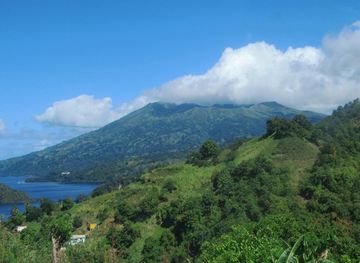
Explore more of Saint Vincent and the Grenadines
Discover the enchanting islands of Saint Vincent and the Grenadines, where lush rainforests, pristine beaches, and vibrant culture create an unforgettable Caribbean experience.
Explore Saint Vincent and the Grenadines