

Alofaaga Blowholes Travel Guide - Free Web & App
Your ultimate guide to Alofaaga Blowholes. Discover top landmarks, proposed trips, and local tips. Free on the web or via the Evendo companion app.


Alofaaga Blowholes in Samoa erupt from Savai'i's volcanic coast, offering dramatic ocean spray, village culture and a memorable coastal drive.
Ocean, Lava and Village Land
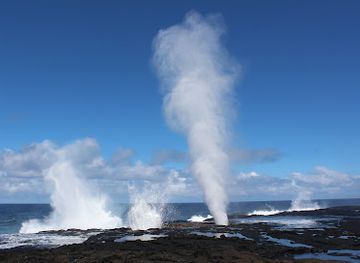
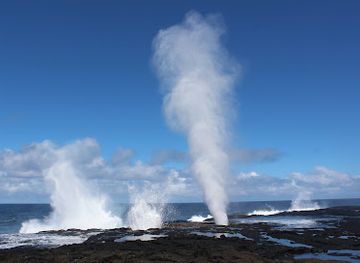
On the south coast of Savai'i, Samoa's largest island, the Alofaaga Blowholes form a dramatic line of openings in a low, dark lava shoreline near Taga village. When ocean swells drive water into the underlying passages, compressed air and seawater erupt through the holes as tall plumes, sometimes accompanied by a deep booming sound. The display depends on tide, swell and weather rather than a fixed schedule, and the coast can be hazardous when waves are large.Read more about Alofaaga Blowholes
A Compact Coastal Attraction
Exploring Savai'i's Southern Coast
When is the best time to visit Alofaaga Blowholes?
Best: June–August · 30°C| Month | High (°C) | Rainfall (mm) |
|---|---|---|
| January | 30 | 325 |
| February | 30 | 306 |
| March | 31 | 318 |
| April | 30 | 304 |
| May | 30 | 281 |
| June (best) | 30 | 264 |
| July (best) | 30 | 262 |
| August (best) | 30 | 270 |
| September | 30 | 289 |
| October | 31 | 312 |
| November | 31 | 325 |
| December | 31 | 330 |
Getting to and around Alofaaga Blowholes
How to get there
Transportation
Best attractions in Alofaaga Blowholes
The central attraction is the Alofaaga Blowholes, where Pacific waves forced through cavities in Savai'i's coastal lava burst upwards as columns of spray. The display is strongest under suitable swell and tide conditions, but it is never guaranteed and should be watched from a safe distance. Taga village provides the local setting and the customary access point, while the surrounding south-coast drive reveals a rural landscape of plantations, palms, village settlements and dark volcanic shoreline. Travellers with more time can extend their Savai'i circuit towards the island's western attractions, including the Falealupo area and its rainforest and coastal landscapes, though these are separate from Alofaaga and require additional driving. Other parts of Savai'i contain lava fields, caves and traditional sites, making the blowholes most rewarding as part of a broader island itinerary rather than as an isolated visitor complex.
-
Tourist attraction
Virgins Grave
Discover the enchanting Virgin's Grave, a captivating tourist attraction in Samoa, rich in natural beauty and cultural history, perfect for exploration.
-
Nature preserve
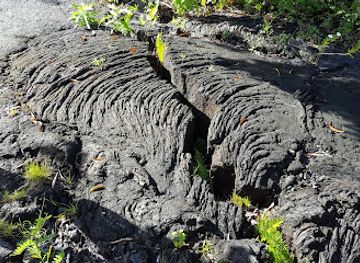
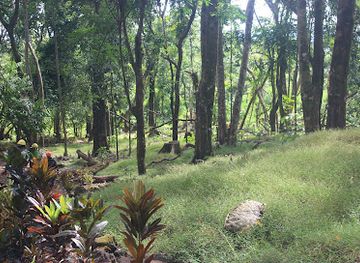
A'opo Forest Reserve and Cave and Forest Toilet
Experience the breathtaking beauty of A'opo Forest Reserve and Cave, a serene sanctuary in Samoa's vibrant wilderness, perfect for nature lovers and adventure seekers.
-
Tourist attraction
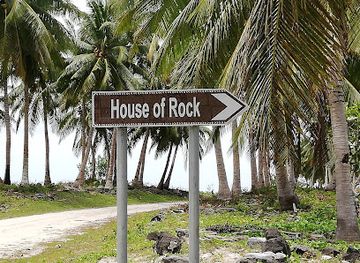
House of Rock
Explore the stunning natural beauty of the House of Rock in Samoa, where breathtaking rock formations meet serene landscapes in a must-visit tourist attraction.
-
Tourist attraction
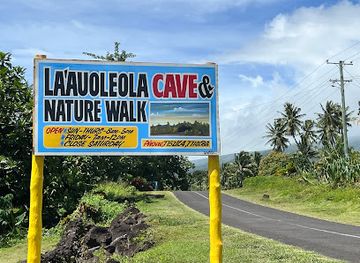
Laauoleola Cave
Discover the breathtaking beauty and serene ambiance of Laauoleola Cave in Aopo A'opo, a natural wonder waiting to be explored.
Best landmarks in Alofaaga Blowholes
Alofaaga Blowholes are the defining landmarks of this coastal site: a series of openings in a basalt lava platform that transform wave energy into vertical jets of seawater. Their importance is both geological and visual, as they reveal the interaction between Savai'i's volcanic foundation and the erosive force of the Pacific. Taga village is the associated cultural landmark, anchoring the attraction within Samoa's customary system of village land and local stewardship rather than separating it from community life. The wider south coast is marked by black lava surfaces, sea cliffs, reef-fringed shore and tropical vegetation. Other renowned landmarks on Savai'i, including sites around Falealupo and the island's lava landscapes, belong to the broader island itinerary and should not be confused with the Alofaaga site itself.
-
Tourist attraction
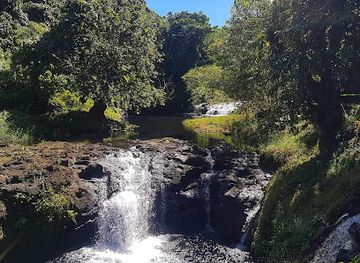
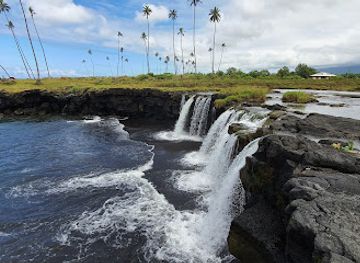
Afu Aau Waterfalls
Explore the enchanting Afu Aau Waterfalls in Vailoa, a tropical paradise where nature's beauty meets tranquil adventure.
-
Port
Salelologa Wharf
Experience the vibrant culture and stunning scenery at Salelologa Wharf, the gateway to Savai'i’s breathtaking beauty and rich traditions.
-
Tourist attraction
Mu Pagoa Waterfall
Experience the breathtaking beauty of Mu Pagoa Waterfall in Puleia, Samoa—a natural wonder that captivates with its serene ambiance and stunning landscapes.
Explore Alofaaga Blowholes on the map
Plan your trip on one map. See where the top attractions, landmarks, restaurants and hotels are, and book hotels and experiences in a few clicks.
Best hotels in Alofaaga Blowholes
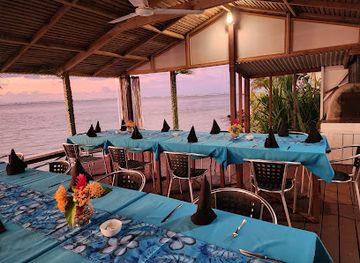
Best restaurants in Alofaaga Blowholes
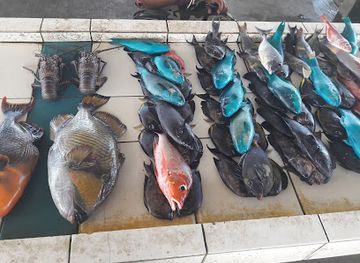
There is no substantial restaurant district at Alofaaga, and dining opportunities close to the blowholes are limited to what may be arranged locally or offered by nearby accommodation. In practice, visitors usually eat at a guesthouse, village stay or small local outlet along their Savai'i route, while Salelologa provides the broadest concentration of everyday food and provisions. Meals in Samoa commonly draw on taro, breadfruit, coconut, rice, fresh fruit and locally caught fish, with family and village cooking often more relevant than formal restaurant dining in rural areas. Visitors should not assume that a café or shop will be open at the time of arrival, particularly on Sundays or outside larger settlements. Carrying water and a simple picnic from a recognised shop can be sensible, while any invitation to share food should be approached with courtesy and respect for local custom.
-
Cafe
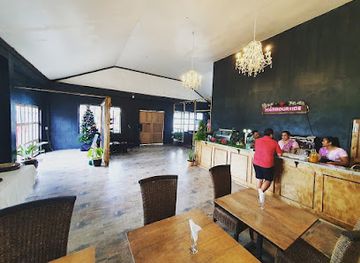
Savai'i Harbourside Café & Pizza Bar
Experience local flavors at Savai'i Harbourside Café & Pizza Bar – where delicious cuisine meets stunning ocean views in Salelologa.
-
Restaurant
Barefoot Bar and Restaurant
Experience authentic Samoan cuisine with breathtaking views at Barefoot Bar and Restaurant in Fagamalo.
-
Restaurant
Cocolini's by the Sea
Experience exceptional dining at Cocolini's by the Sea in Cape Fatuosofia—where exquisite cuisine meets breathtaking ocean views.

Best bars in Alofaaga Blowholes
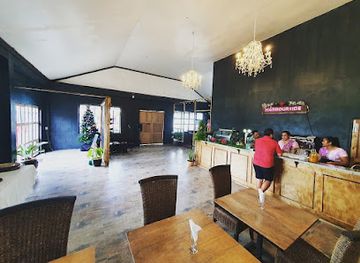
Alofaaga is a quiet rural coastline with no established nightclub or bar scene. Evenings are generally centred on guesthouses, village accommodation and family hospitality rather than late-night entertainment, and visitors should avoid treating Taga as a commercial resort. A drink may be available through some accommodation providers or local businesses, but opening arrangements vary and alcohol should never be assumed at a village gathering. Samoa's village life follows its own rhythms, with Sunday especially reserved for church, family and rest in many communities. Travellers seeking a wider choice of casual evening venues are more likely to find it in or near Salelologa, although Savai'i remains considerably quieter than Apia on Upolu and evening travel between scattered villages should be planned carefully.
-
Cafe
Savai'i Harbourside Café & Pizza Bar
Experience the vibrant flavors of Samoa at Savai'i Harbourside Café & Pizza Bar, where delicious pizzas meet stunning harbor views.
-
Restaurant
Barefoot Bar and Restaurant
Experience authentic Samoan cuisine with stunning ocean views at Barefoot Bar and Restaurant in Fagamalo.
-
Family-friendly
RTV
Discover RTV in Salelologa, where delicious dining meets a family-friendly atmosphere perfect for tourists and locals alike.
-
Restaurant
Tepatasi - Restaurant
Experience the authentic taste of Samoa at Tepatasi Restaurant in Salelologa, where fresh ingredients meet local culinary traditions.


Best nightclubs in Alofaaga Blowholes
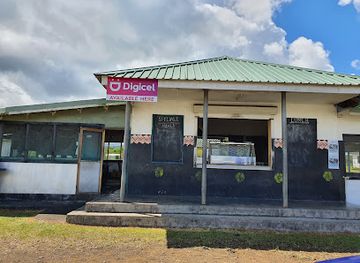
Alofaaga is a quiet rural coastline with no established nightclub or bar scene. Evenings are generally centred on guesthouses, village accommodation and family hospitality rather than late-night entertainment, and visitors should avoid treating Taga as a commercial resort. A drink may be available through some accommodation providers or local businesses, but opening arrangements vary and alcohol should never be assumed at a village gathering. Samoa's village life follows its own rhythms, with Sunday especially reserved for church, family and rest in many communities. Travellers seeking a wider choice of casual evening venues are more likely to find it in or near Salelologa, although Savai'i remains considerably quieter than Apia on Upolu and evening travel between scattered villages should be planned carefully.
-
Tourist attraction
Alofaaga Blowholes
Experience the awe-inspiring spectacle of the Alofaaga Blowholes, where nature's power meets breathtaking beauty in Samoa.
Best shops in Alofaaga Blowholes
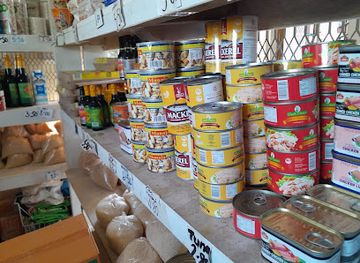
Shopping at Alofaaga is limited, with no permanent high street or dedicated craft market at the blowholes. Small purchases may be possible through village businesses or local arrangements, but visitors should not rely on them for fuel, food or souvenirs. Salelologa is the most practical place on Savai'i for everyday supplies, cash and basic provisions before travelling along the south coast. In villages and accommodation settings, visitors may encounter locally prepared food, woven items, handmade crafts or small-scale produce, although availability is variable and often informal rather than retail-based. Samoan handicrafts, including woven pandanus articles and carved objects, are connected with wider cultural traditions, but any purchase should be made through a respectful, legitimate seller. Taking volcanic stones or natural material from the coast is inappropriate.
-
Tourist attraction
Alofaaga Blowholes
Experience the breathtaking Alofaaga Blowholes in Samoa, where nature's raw power creates stunning geysers against a picturesque coastal backdrop.
-
Bakery
Kirahitto's Convenience Store/ Chicken & Chips
Experience the delicious chicken and chips at Kirahitto's Convenience Store in Iva, a must-visit for food lovers and travelers alike.
-
Supermarket
Frankie Supermarket Salelologa
Explore Frankie Supermarket in Salelologa for fresh local produce and unique Samoan products, capturing the essence of island life.
-
 Supermarket
Tiatia KALECS Store
Explore a vibrant supermarket in Salelologa, offering local produce and international goods to enhance your travel experience in Samoa.
Get your free copy of our complete guide to Alofaaga Blowholes, delivered straight to you.
Everything on this page, from attractions and restaurants to essentials and local phrases, in one PDF you can read offline, print or share.
Already have an account? Sign in
Your Alofaaga Blowholes guide is ready.
We'll send it to · Not you? Sign out

Getting your guide ready…
We are putting together a fresh copy of the Alofaaga Blowholes guide. This can take up to a minute.
This can take a few moments. If your browser asks, choose Allow so the download can start. You'll find the guide in your Downloads folder.
Nothing happened? Download it again
Sorry, the guide is taking longer than usual. Please try again in a minute, or get it by email instead.
Alofaaga Blowholes essentials
Currency and Payment
Safety
Emergency Situations
Do's and Don'ts
Local Tips
From Eve
Local phrases worth knowing
You don't need to get them perfect. A few words go a long way, and locals appreciate the effort.
Basics
| English | Local | Say it |
|---|---|---|
| Hello | Talofa | [Tah-loh-fah] |
| Goodbye | Fa | [Fah] |
| Yes | Ioe | [Ee-oh-eh] |
| No | Leai | [Leh-eye] |
| Please/You're welcome | Fa'amalie | [Fah-ah-mah-lee-eh] |
| Thank you | Fa'afetai | [Fah-ah-feh-tie] |
| Excuse me/Sorry | Tali lava | [Tah-lee lah-vah] |
| How are you? | O ai oe? | [Oh-eye oh-eh] |
| Fine. And you? | Lelei. O a a oe? | [Leh-leh-ee. Oh-ah-ah-oh-eh] |
| Do you speak English? | Ou te le faia gaga fa'ainglisi? | [Oh-oo teh leh fah-ee-ah gah-gah fah-ah-eeng-lee-see] |
| I don't understand | O le a le mafai ona malamalama | [Oh leh ah leh mah-fah-ee oh-nah mah-lah-mah-lah-mah] |
Eating & Drinking
| English | Local | Say it |
|---|---|---|
| I'd like to see the menu, please | Fa'amalie, ou te fia vaega i le menu | [Fah-ah-mah-lee, oh teh fee-ah vah-eh-gah ee leh men-oo] |
| I don't eat meat | Aua la'uai leai ona oua mea'ai | [Ah-ooh-ah la-oo-eye leh-eye oh-nah oh-oo-ah meh-ah-eye] |
| Cheers! | Manuia! | [Mah-noo-ee-ah] |
| I would like to pay, please | Fa'amalie, ou te fia totogi | [Fah-ah-mah-lee, oh teh fee-ah toh-toh-gee] |
Emergencies
| English | Local | Say it |
|---|---|---|
| Help! | Sosoo! | [Soh-soh] |
| Go away! | Alu i le taeao! | [Ah-loo ee leh tah-eh-ah-oh] |
| Call the Police! | Telefoni i leoleo! | [Teh-leh-foh-nee ee leh-oh-leh-oh] |
| Call a doctor! | Telefoni i le foma'i! | [Teh-leh-foh-nee ee leh foh-mah-ee] |
| I'm lost | Ua taulagi au | [Oo-ah tah-oo-lah-gee ow] |
| I'm ill | Ou te mate | [Oh teh mah-teh] |
Shopping
| English | Local | Say it |
|---|---|---|
| I'd like to buy... | Ou te fia fa'atau... | [Oh teh fee-ah fah-ah-tah-oo] |
| I'm just looking | Ou te va'ai uma | [Oh teh vah-ah-ee oo-mah] |
| How much is it? | E fia ai? | [Eh fee-ah eye] |
| That's too expensive | O lea e lelei atu | [Oh leh-ah eh leh-leh-ee ah-too] |
| Can you lower the price? | Ou te fia fa'amalie le tau | [Oh teh fee-ah fah-ah-mah-lee leh t-ah-oo] |
Time & Numbers
| English | Local | Say it |
|---|---|---|
| What time is it? | O le taimi e? | [Oh leh tah-ee-mee eh] |
| It's one o'clock | Ua le tasi | [Oo-ah leh tah-see] |
| Half past (10) | I le itula | [Eh leh ee-too-lah] |
| Morning | Taeao | [Tah-eh-ah-oh] |
| Afternoon | Afiafi | [Ah-fee-ah-fee] |
| Evening | Iliili | [Ee-lee-ee-lee] |
| Yesterday | Nei | [Neh-ee] |
| Today | I nei | [Ee neh-ee] |
| Tomorrow | Taeao | [Tah-eh-ah-oh] |
| 1 | Tasi | [Tah-see] |
| 2 | Lua | [Loo-ah] |
| 3 | Tolu | [Toh-loo] |
| 4 | Fa | [Fah] |
| 5 | Lima | [Lee-mah] |
| 6 | Ono | [Oh-no] |
| 7 | Fitu | [Fee-too] |
| 8 | Valu | [Vah-loo] |
| 9 | Iva | [Ee-vah] |
| 10 | Sefulu | [Seh-foo-loo] |
Transport & Directions
| English | Local | Say it |
|---|---|---|
| Where's a/the...? | O fea... | [Oh feh-ah] |
| What's the address? | O le tusi ese? | [Oh leh too-see eh-seh] |
| Can you show me (on the map)? | Ou te fia fa'ailoa mai (i le mapa)? | [Oh teh fee-ah fah-eye-loh-ah mah-ee (ee leh mah-pah)] |
| When's the next (bus)? | O le a o le aiga o le toe? | [Oh leh ah oh leh ah-ee-gah oh leh toh-eh] |
| A ticket (to ....) | Tiketi (i ...) | [Tee-keh-tee (ee)] |
History of Alofaaga Blowholes
A Volcanic Coastline
Alofaaga's physical character is geological rather than architectural. Savai'i is a volcanic island built from successive eruptions, and much of its coastline consists of basaltic lava shaped by the Pacific Ocean. At Alofaaga, waves enter cracks and cavities in the lava platform before forcing water upwards through narrow openings. The blowholes are therefore part of an active coastal process: erosion, wave pressure and the irregular structure of the rock continually influence their appearance. The site is best understood as a natural formation within a wider volcanic landscape, not as a constructed monument.
Samoan Settlement and Customary Land
The coast around Alofaaga has long formed part of the lived landscape of Savai'i's villages. Samoan communities traditionally organised land, chiefly authority and social responsibilities through village structures based on family connections and customary tenure. Taga remains the key settlement associated with the blowholes, and access to the attraction is connected with local stewardship and village practice. The surrounding plantations and coastal paths reflect an enduring relationship between residents and the island's fertile volcanic soils, reefs and shoreline rather than a landscape created solely for tourism.
A Wider Island Heritage
Alofaaga lies within a region whose history is inseparable from Samoa's oceanic networks and village culture. Savai'i preserves many places associated with Samoan oral traditions, ancestral landscapes and the arrival of Christianity, including Sapapali'i on the north coast, where John Williams is traditionally associated with the introduction of Christianity to Savai'i in 1830. That history belongs to the wider island rather than to the blowholes themselves. At Alofaaga, the strongest historical continuity is the continued presence of Taga and the customary relationship between village communities and their coastal land.
Tourism and Local Stewardship
The blowholes became a recognised stop on Savai'i's developing visitor circuit as roads, inter-island ferry links and small-scale accommodation made the island easier to explore. Unlike a formally urbanised attraction, Alofaaga remains a village-associated natural site, with access and visitor conduct shaped by local arrangements. Tourism brings attention to the geological feature while also making respectful behaviour important: visitors use customary land, pass through settled communities and share the coast with residents. Weather, ocean conditions and local advice continue to determine how the site can be experienced.
Alofaaga Blowholes in Photos
Browse through our photo collection highlighting the charm and character of the destination.
Cities in Alofaaga Blowholes
The towns and cities of Alofaaga Blowholes, and the easiest places to base yourself.
-

-

-

-

-
-


Swipe for more cities
Neighbouring destination travel guides
The closest destinations to Alofaaga Blowholes, if you have time for more than one.
-

-

-

-

-


Swipe for more destinations
Explore more

Explore more of Palauli
Discover Palauli in Samoa: A blend of natural wonders, rich history, and warm hospitality awaits in this serene escape.
Explore Palauli
Explore more of Samoa
Discover Samoa: Immerse in Polynesian culture, explore pristine beaches, and enjoy lush landscapes. Experience the unique blend of tradition and natural beauty.
Explore Samoa