

Free Domagnano Travel Guide & Mobile App
Plan your Domagnano trip with Evendo. Get free guides to top attractions, restaurants, hotels, and bars. Web access or download the mobile app.


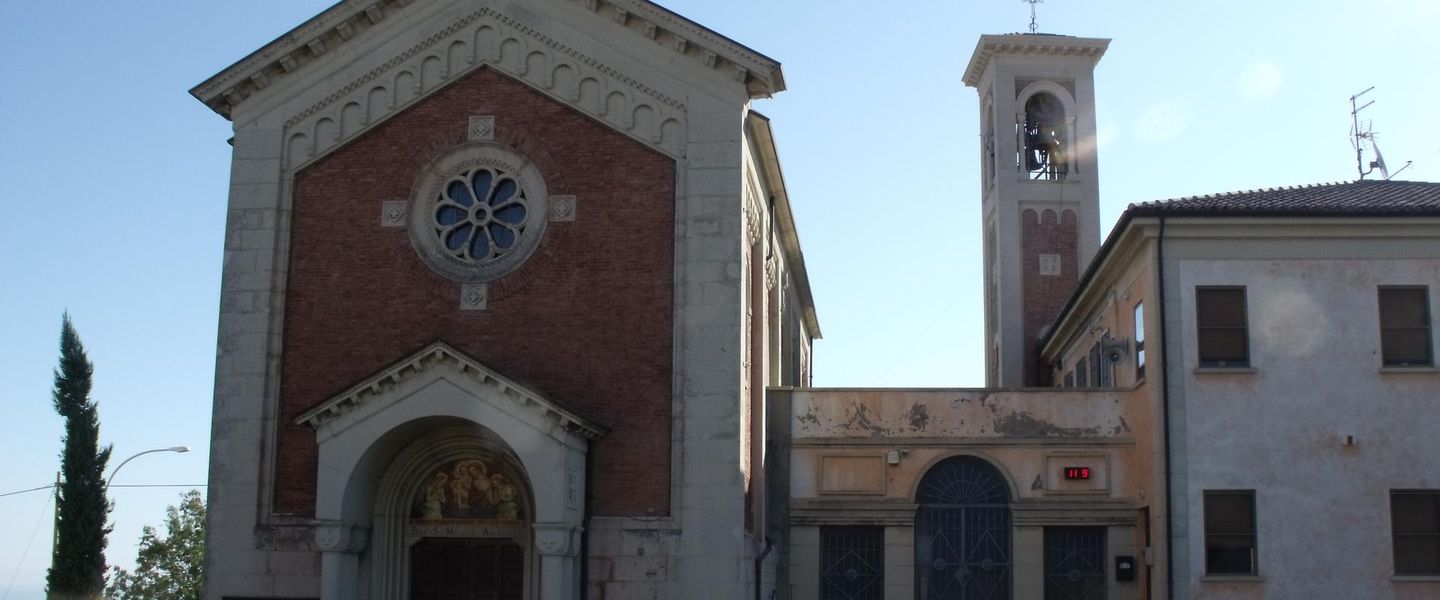


Domagnano, San Marino, pairs quiet Apennine hill-country views with medieval heritage, local cuisine, easy access to Monte Titano and Adriatic day trips.
A Hilltop Community in San Marino
\n\nDomagnano occupies a series of gentle hills in the eastern part of the Republic of San Marino, between the celebrated slopes of Monte Titano and the lower countryside leading towards the Adriatic. It is one of San Marino’s nine castelli, or municipalities, and has a more residential, village-like character than the fortified capital. Roads wind through scattered settlements, small commercial areas and open viewpoints where the landscape stretches towards the Italian Romagna plain.\n\nHeritage Beyond the Capital
\n\nThe castello’s identity is closely linked to Montelupo, an ancient fortified site associated with Domagnano’s medieval past, and to discoveries that reveal the area’s importance long before modern San Marino took shape. Archaeological finds, including the celebrated Domagnano Treasure of late antique or early medieval jewellery, have given the locality a place in European cultural history, even though the surviving pieces are now dispersed among collections. The parish church of San Michele Arcangelo and the village’s older lanes provide a more intimate sense of local life than the monumental streets of San Marino’s historic centre.\n\nLocal Life and Wider Horizons
\n\nDomagnano is well placed for visitors who want to combine San Marino’s major sights with quieter evenings, countryside walks and meals in the surrounding hills. Serravalle’s larger commercial areas are nearby, while Borgo Maggiore and the capital are within easy reach by road. The setting also makes excursions towards Rimini, the Adriatic coast and the inland landscapes of Emilia-Romagna straightforward, giving Domagnano a useful balance of small-state tranquillity and regional access.When is the best time to visit Domagnano?
Best: June–July, September · 23–27°C| Month | High (°C) | Rainfall (mm) |
|---|---|---|
| January | 7 | 76 |
| February | 7 | 70 |
| March | 10 | 66 |
| April | 14 | 62 |
| May | 19 | 58 |
| June (best) | 23 | 53 |
| July (best) | 27 | 50 |
| August | 27 | 51 |
| September (best) | 24 | 54 |
| October | 19 | 59 |
| November | 12 | 66 |
| December | 8 | 71 |
Getting to and around Domagnano
How to get there
Transportation
Best attractions in Domagnano
Domagnano’s attractions are quieter and more dispersed than those of San Marino’s celebrated capital. The hilltop remains and historical associations of Montelupo provide the castello’s strongest link with its medieval past, while the Domagnano Treasure gives the locality unusual archaeological importance through its late antique and early medieval goldwork. The parish church of San Michele Arcangelo offers a focal point for local religious life, and the surrounding neighbourhoods reveal the transition from rural settlement to modern hillside community. Visitors can also use Domagnano as a base for reaching Borgo Maggiore and Monte Titano, where the Three Towers, the historic centre and the panoramic paths form San Marino’s principal sightseeing area; these are outside Domagnano itself. Open roads and lanes around the castello create views towards the Romagna plain, particularly in clear weather, and the nearby countryside provides a gentler contrast to the capital’s stone streets and dense tourist activity.
-
Basilica
Basilica of Saint Marinus
Discover the Basilica of Saint Marinus, a stunning blend of history and spirituality in the heart of San Marino, offering breathtaking architecture and serene beauty.
6 min drive · 2.1 km from city centre
-
Government office
Public Palace of the Republic of San Marino
Discover the iconic Public Palace of San Marino, a historic site blending government function with breathtaking architecture and rich cultural heritage.
6 min drive · 2.2 km from city centre
-
Historical landmark
Cava dei Balestrieri
Discover the rich history and breathtaking views at Cava dei Balestrieri, San Marino's captivating historical landmark.
7 min drive · 2.2 km from city centre
-
Church
Porta del Paese - Porta San Francesco
Discover the historic charm of Porta del Paese - Porta San Francesco, an iconic gateway in San Marino that offers a glimpse into the rich past of this UNESCO World Heritage site.
7 min drive · 2.2 km from city centre


Best landmarks in Domagnano
Domagnano’s principal landmarks are modest in scale but important to the story of San Marino’s eastern hills. Montelupo is the key historic site, representing the defensive network and medieval settlement pattern that once watched over the surrounding countryside. The locality is also associated with the Domagnano Treasure, whose late antique or early medieval jewellery has become an internationally recognised reference in the study of the area’s past, although the find is no longer preserved as a complete local display. The parish church of San Michele Arcangelo serves as the castello’s religious and community landmark, while older lanes, hillside buildings and scattered remnants of fortified settlement preserve the relationship between village and terrain. The Three Towers and Palazzo Pubblico, often visited from Domagnano, belong to San Marino Città on Monte Titano rather than to this castello, but they provide essential wider context for understanding the republic’s architecture and political history.
-
Castle
Guaita Tower
Discover Guaita Tower, a majestic fortress offering stunning views and a deep dive into the rich history of San Marino, a UNESCO World Heritage site.
6 min drive · 2.1 km from city centre
-
Historical landmark
Falesia Second Tower
Discover the Falesia Second Tower in San Marino - an iconic historical landmark offering stunning vistas and a rich military heritage. Experience history atop the scenic heights.
6 min drive · 2.1 km from city centre
-
Basilica
Basilica of Saint Marinus
Explore the Basilica of Saint Marinus, a stunning neoclassical masterpiece and spiritual heart of San Marino, rich in history and architectural beauty.
6 min drive · 2.1 km from city centre
-
Mountain cable car
Cable Car San Marino - City
Experience breathtaking views and rich history aboard the Cable Car San Marino - City, a must-visit attraction for every traveler.
6 min drive · 2.0 km from city centre


Explore Domagnano on the map
Plan your Domagnano trip on one map. See where the top attractions, landmarks, restaurants, bars and hotels are, find what's near where you're staying, and book hotels and experiences in a few clicks.
Best hotels in Domagnano
Best restaurants in Domagnano
Domagnano’s dining scene reflects San Marino’s small scale and its close culinary relationship with neighbouring Emilia-Romagna. Family-run restaurants, pizzerias, cafés and informal eateries tend to emphasise handmade pasta, grilled meats, seasonal vegetables, local cheeses and generously filled piadina, the flatbread associated with Romagna. San Marino’s own sweet speciality, the Torta Tre Monti, appears widely across the republic, while regional wines and Italian coffee are natural parts of the local eating culture. The area around the principal roads offers practical choices for everyday meals, whereas quieter hillside establishments focus on relaxed dining and views across the countryside. Food markets and larger retail areas are more characteristic of nearby Serravalle and the wider Rimini region than of Domagnano itself, so the castello is best understood as a place for unhurried local meals rather than a concentrated restaurant quarter.
-
Restaurant
Ristorante Bolognese
Experience authentic Italian cuisine at Ristorante Bolognese in San Marino – where every meal is a delightful journey through Italy's culinary heritage.
7 min drive · 2.2 km from city centre
-
Restaurant
Ritrovo Dei Lavoratori XXVIII Luglio
Experience exquisite Italian cuisine at Ritrovo Dei Lavoratori XXVIII Luglio in San Marino – where every meal tells a story.
7 min drive · 2.2 km from city centre
-
Restaurant
Ristorante Pizzeria Spingarda
Experience authentic Italian flavors at Ristorante Pizzeria Spingarda in San Marino - a family-friendly dining destination with gluten-free options.
6 min drive · 2.1 km from city centre
-
Restaurant
Draft American Slow Diner
Discover the delightful tastes of America at Draft American Slow Diner – where pizza meets steak in a cozy atmosphere.
16 min walk · 1.2 km from city centre


Best bars in Domagnano
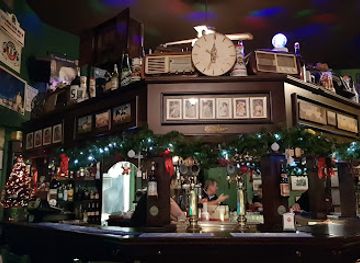
Domagnano has a modest evening scene centred on cafés, bars and restaurants rather than a dedicated club district. Local social life is most visible in neighbourhood establishments where residents meet for coffee, an aperitivo or a relaxed meal, and evenings are generally quieter than in Rimini or the busier areas around San Marino’s historic centre. Visitors seeking late-night dancing, larger music venues or a broader choice of bars are more likely to find them in the coastal towns of Romagna, while the capital provides occasional cultural events, concerts and evening sightseeing when programmes permit. The castello’s roads and residential areas become calm after dark, making it suitable for a low-key stay. Drivers should plan transport in advance because services between hill communities and the coast are less convenient late at night.
-
Bar
GUAITA food, drink & fun
Experience the best of Italian dining at GUAITA in San Marino, featuring a diverse menu of seafood, pizza, and handcrafted cocktails in a vibrant atmosphere.
7 min drive · 2.2 km from city centre
-
Pub
London Pub
Discover the cozy ambiance and delicious offerings at London Pub, a must-visit spot in the heart of San Marino, perfect for relaxation and socializing.
7 min drive · 2.5 km from city centre
-
Espresso bar
Cacao Cafe' di Santolini Andrea
Experience the best of Italian coffee culture at Cacao Cafe' di Santolini Andrea, where exceptional flavors meet a cozy atmosphere.
4 min walk · 0.3 km from city centre
-
Bar
Bar Trattoria Testaclà - Domagnano, San Marino
Discover the authentic flavors of Italy at Bar Trattoria Testaclà in Domagnano, where delicious cuisine meets vibrant live music.
7 min walk · 0.6 km from city centre


Best nightclubs in Domagnano
Domagnano has a modest evening scene centred on cafés, bars and restaurants rather than a dedicated club district. Local social life is most visible in neighbourhood establishments where residents meet for coffee, an aperitivo or a relaxed meal, and evenings are generally quieter than in Rimini or the busier areas around San Marino’s historic centre. Visitors seeking late-night dancing, larger music venues or a broader choice of bars are more likely to find them in the coastal towns of Romagna, while the capital provides occasional cultural events, concerts and evening sightseeing when programmes permit. The castello’s roads and residential areas become calm after dark, making it suitable for a low-key stay. Drivers should plan transport in advance because services between hill communities and the coast are less convenient late at night.
-
Pub
London Pub
Discover the vibrant atmosphere and authentic flavors of San Marino at London Pub, where local culture meets great food and drinks.
7 min drive · 2.5 km from city centre
-
Bar
Bar Trattoria Testaclà - Domagnano, San Marino
Discover authentic Italian cuisine and vibrant live music at Bar Trattoria Testaclà, a welcoming gem in Domagnano, San Marino.
7 min walk · 0.6 km from city centre
-
Bar
Time Off - Bar & Pub San Marino
Discover the lively ambiance and extensive drink menu at Time Off - Bar & Pub in San Marino, a hotspot for locals and visitors seeking a great night out.
6 min drive · 2.0 km from city centre
-
Brewpub
Birrificio Abusivo
Discover the art of craft brewing at Birrificio Abusivo, Domagnano's premier brewpub offering local flavors in a lively atmosphere.
5 min walk · 0.4 km from city centre


Best shops in Domagnano
Shopping in Domagnano is primarily local and practical, with small businesses and everyday services serving residents rather than a concentrated souvenir quarter. Visitors may find food products, San Marino-themed gifts and Italian-style household or fashion retail along the more developed roads, while larger commercial choice is available in nearby Serravalle. For crafts, postcards, collectibles and the republic’s distinctive commemorative euro coins, San Marino’s historic capital has the broadest visitor-oriented selection. Regional specialities make useful purchases, including packaged sweets such as Torta Tre Monti, local wines and foods associated with Romagna. The most rewarding shopping experience comes from distinguishing locally produced goods from generic imports and checking provenance when buying ceramics, crafts or food. Domagnano’s quieter streets are better suited to browsing small-scale retail than to a full day of dedicated shopping.
-
Souvenir store
San Marino Duck Store
Discover the whimsical world of the San Marino Duck Store, where unique souvenirs and playful toys await in the heart of San Marino.
7 min drive · 2.2 km from city centre
-
Leather goods store
Emporium Italy by Chiaroscuro - San Marino, Borse & Accessori In Vera Pelle Italiana
Explore exquisite handcrafted leather goods at Emporium Italy in San Marino, where tradition meets style in every piece.
6 min drive · 2.1 km from city centre
-
Health and beauty shop
Smoll - Domagnano
Explore Smoll in Domagnano for a unique blend of health and beauty products, including cosmetics, perfumes, and cleaning supplies.
6 min walk · 0.5 km from city centre
-
Boutique
Giorgia Boutique
Explore Giorgia Boutique in San Marino for an elegant selection of men's formal wear and stylish clothing that enhances your travel experience.
16 min walk · 1.3 km from city centre


Get your free copy of our complete guide to Domagnano, delivered straight to you.
Everything on this page, from attractions and restaurants to essentials and local phrases, in one PDF you can read offline, print or share.
Already have an account? Sign in
Your Domagnano guide is ready.
We'll send it to · Not you? Sign out

Getting your guide ready…
We are putting together a fresh copy of the Domagnano guide. This can take up to a minute.
This can take a few moments. If your browser asks, choose Allow so the download can start. You'll find the guide in your Downloads folder.
Nothing happened? Download it again
Sorry, the guide is taking longer than usual. Please try again in a minute, or get it by email instead.
Domagnano essentials
Currency and Payment
Safety
Emergency Situations
Do's and Don'ts
Local Tips
From Eve
Local phrases worth knowing
You don't need to get them perfect. A few words go a long way, and locals appreciate the effort.
Basics
| English | Local | Say it |
|---|---|---|
| Hello | Ciao | [chow] |
| Goodbye | Arrivederci | [ah-ree-veh-DEHR-chee] |
| Yes | Si | [see] |
| No | No | [noh] |
| Please/You're welcome | Per favore | [pair fah-VOH-reh] |
| Thank you | Grazie | [GRAH-tsyeh] |
| Excuse me/Sorry | Mi scusi | [mee SKOO-zee] |
| How are you? | Come stai? | [KOH-meh STAH-ee] |
| Fine. And you? | Bene. E tu? | [BEH-neh. eh too?] |
| Do you speak English? | Parli inglese? | [PAHR-lee een-GLEH-zeh] |
| I don't understand | Non capisco | [nohn kah-PEES-koh] |
Eating & Drinking
| English | Local | Say it |
|---|---|---|
| I'd like to see the menu, please | Vorrei vedere il menu, per favore | [vohr-RAY veh-DEH-reh eel MEH-noo, pair fah-VOH-reh] |
| I don't eat meat | Non mangio carne | [nohn MAHN-joh KAR-neh] |
| Cheers! | Salute! | [sah-LOO-teh] |
| I would like to pay, please | Vorrei pagare, per favore | [vohr-RAY pah-GAH-reh, pair fah-VOH-reh] |
Emergencies
| English | Local | Say it |
|---|---|---|
| Help! | Aiuto! | [ah-YOO-toh] |
| Go away! | Vai via! | [vy VEE-ah!] |
| Call the Police! | Chiama la polizia! | [KYAH-mah lah poh-LEE-tsyah!] |
| Call a doctor! | Chiama un medico! | [KYAH-mah oon meh-DEE-koh!] |
| I'm lost | Mi sono perso | [mee SOH-noh PEHR-soh] |
| I'm ill | Sono malato | [SOH-noh mah-LAH-toh] |
Shopping
| English | Local | Say it |
|---|---|---|
| I'd like to buy... | Vorrei comprare... | [vohr-RAY cawm-PRAR-reh] |
| I'm just looking | Sto solo guardando | [stoh SOH-loh gwar-DAHN-doh] |
| How much is it? | Quanto costa? | [KWAHN-toh KOHS-tah?] |
| That's too expensive | È troppo caro | [eh TROH-poh KAH-roh] |
| Can you lower the price? | Puoi abbassare il prezzo? | [PWAW-ee ahb-bah-SAH-reh eel PRET-soh?] |
Time & Numbers
| English | Local | Say it |
|---|---|---|
| What time is it? | Che ora è? | [keh OH-rah eh?] |
| It's one o'clock | È l'una | [eh LOO-nah] |
| Half past (10) | Sono le dieci e mezza | [SOH-noh leh dee-EH-chee eh MEHTS-zah] |
| Morning | Mattina | [maht-TEE-nah] |
| Afternoon | Pomeriggio | [poh-meh-REE-joh] |
| Evening | Sera | [SEH-rah] |
| Yesterday | Ieri | [YEH-ree] |
| Today | Oggi | [OH-jee] |
| Tomorrow | Domani | [doh-MAH-nee] |
| 1 | Uno | [OO-noh] |
| 2 | Due | [DWAY] |
| 3 | Tre | [TREH] |
| 4 | Quattro | [KWAH-troh] |
| 5 | Cinque | [CHEEN-kweh] |
| 6 | Sei | [SAY] |
| 7 | Sette | [SEH-teh] |
| 8 | Otto | [OH-toh] |
| 9 | Nove | [NOH-veh] |
| 10 | Dieci | [dee-EH-chee] |
Transport & Directions
| English | Local | Say it |
|---|---|---|
| Where's a/the...? | Dov'è un/il... | [doh-VEH oon/eel] |
| What's the address? | Qual è l'indirizzo? | [kwahl eh leen-DEER-eet-soh?] |
| Can you show me (on the map)? | Puoi mostrarmi (sulla mappa)? | [PWAW-ee mohs-TRAHR-mee (SOOL-lah MAHP-pah)?] |
| When's the next (bus)? | Quando passa il prossimo (autobus)? | [KWAHN-doh PAHS-sah eel PROHS-see-moh (OW-toh-boos)?] |
| A ticket (to ....) | Un biglietto (per ....) | [oon bee-LYET-toh (pair ....)] |
History of Domagnano
Early Settlement and Montelupo
The hills around modern Domagnano were occupied long before the present municipal boundaries existed. The fortified site of Montelupo, traditionally associated with the locality, reflects the defensive importance of elevated ground overlooking the surrounding plain. Archaeological discoveries in the area have also revealed material from late antiquity and the early medieval period, when political authority and settlement patterns were changing across the Italian peninsula. The Domagnano Treasure, a group of richly worked gold jewellery discovered in the nineteenth century, is particularly significant because its craftsmanship and style illuminate connections between San Marino and the wider cultural world of late Roman and early medieval Italy. The original find is no longer held together in one local collection, but its name remains central to Domagnano’s historical identity.
A Medieval San Marino Community
During the medieval period, settlements on San Marino’s eastern hills developed within the orbit of the small republic centred on Monte Titano. Domagnano’s elevated sites had practical value for observation and defence, while roads across the surrounding countryside linked farms, villages and market centres. The castello’s history was shaped by the wider consolidation of San Marino’s territorial institutions rather than by the growth of a large independent town. Medieval fortifications and local administrative divisions helped define the relationship between the mountain capital and its outlying communities, a pattern that remains visible in San Marino’s division into nine castelli. Domagnano’s later identity grew from this combination of rural settlement, strategic hill positions and allegiance to the republic.
The Territorial Expansion of 1463
San Marino’s territory expanded considerably in 1463 after the republic’s conflict with Sigismondo Pandolfo Malatesta, lord of Rimini. The resulting acquisition of lands helped establish the broader territorial shape of the state and strengthened its position between the Apennines and the Adriatic plain. Domagnano formed part of this wider landscape of communities incorporated into San Marino’s political system. The change affected administration, defence and the movement of people and goods across the hills. Although the locality did not become a major urban centre, its fields, roads and settlements were drawn more firmly into the republic’s economic and civic life. The historic capital remained the symbolic focus, while castelli such as Domagnano supplied the agricultural and residential hinterland that supported it.
Rural Life and Modern Administration
For centuries Domagnano remained primarily a rural community, shaped by farming, small settlements and movement along the roads connecting San Marino with neighbouring Italian territories. Religious institutions and parish life provided important centres of local identity, while the hilltop geography influenced both house building and transport. As San Marino entered the modern era, administrative structures became more developed and the castelli acquired clearer civic roles. Population growth, improved roads and the spread of services gradually changed the relationship between village and countryside. Churches, older farm buildings and surviving traces of defensive sites now sit alongside more recent homes and businesses, recording the transition from an agricultural locality to a settled municipality within a compact modern state.
A Contemporary Residential Castello
The twentieth and twenty-first centuries brought stronger links between Domagnano, San Marino’s capital and the expanding settlements near the Italian border. New roads, housing and commercial activity reduced the isolation of the eastern hills, while tourism transformed the country’s historic centre into its principal international attraction. Domagnano kept a quieter profile, retaining open slopes and neighbourhoods organised around local services rather than monumental visitor infrastructure. Its present character therefore reflects several layers of San Marino’s development: ancient settlement, medieval defence, agricultural life, parish community and modern suburban growth. Archaeological memory, including the legacy of the Domagnano Treasure, gives the castello a historical importance disproportionate to its modest size.
Travel experiences inspired by this city
-
 8 Day Trip
Exploring the Renaissance Charm of Urbino with My Spouse
Join us on a journey to Urbino, Italy, where history, art, and romance await amidst breathtaking landscapes and cultural treasures.
 15 Jun 2025
By Abimbola Hassan -
 9 Day Trip
Solo Renaissance Adventure in Urbino
Explore Urbino's rich Renaissance history and culture on a solo journey, enjoying art, architecture, and local cuisine.
 10 Jun 2025
By Yael Cohen-Levi -
 15 Day Trip
Exploring the Renaissance Charm of Urbino with Family
Discover the artistic and cultural treasures of Urbino, Italy, on a 15-day family adventure, staying at the charming Hotel Raffaello.
 10 Jun 2025
By Chih-Ming Huang -
 8 Day Trip
Family Adventure in the Heart of Renaissance Italy: Exploring Urbino
Discover the rich Renaissance history and culture of Urbino, Italy, with Jose Silva's family adventure, exploring architecture, cuisine, and local charm.
 5 Jun 2025
By Jose Silva -
 8 Day Trip
Exploring the Renaissance Charm of Urbino, Italy
Discover Urbino, Italy's Renaissance treasure, with Valentina and Maximilian. Immerse in culture, history, and breathtaking landscapes.
 5 Jun 2025
By Valentina Santiago -
 11 Day Trip
A Romantic Renaissance Getaway in Urbino
Discover the Renaissance charm of Urbino, Italy, on a romantic 11-day getaway, steeped in history and culture. Perfect for curious couples.
 10 May 2025
By Claire Taylor
Swipe for more travel diaries
Domagnano in Photos
Browse through our photo collection highlighting the charm and character of the destination.
Cities near Domagnano
The closest cities to Domagnano, if you have time for more than one stop.
-

-

-

-

-


Swipe for more cities
Explore more

Explore more of San Marino
Discover San Marino: A charming microstate with medieval towers, scenic vistas, rich history, and delightful cuisine. Perfect for a unique cultural escape.
Explore San Marino