

Lagoa Azul, Sao Tome and Principe Travel Guide
Discover the pristine waters and vibrant marine life of Lagoa Azul, a serene and secluded lagoon in the heart of Sao Tome and Principe.
Nestled in the heart of the Gulf of Guinea, Lagoa Azul is a captivating lagoon located in Sao Tome and Principe. This stunning destination is known for its crystal-clear waters and vibrant marine life, making it a paradise for snorkelers and divers. The tranquil setting is surrounded by lush greenery and offers a serene escape from the hustle and bustle of city life. Visitors to Lagoa Azul can explore the rich biodiversity of the lagoon, which is home to a variety of fish species and coral formations. The warm, inviting waters are perfect for swimming and kayaking, providing a unique opportunity to connect with nature. The lagoon's secluded beaches are ideal for sunbathing and picnicking, offering breathtaking views of the surrounding landscape. In addition to its natural beauty, Lagoa Azul is steeped in local culture and history. The nearby fishing villages provide a glimpse into the traditional way of life on the islands. Visitors can enjoy fresh seafood dishes prepared by local chefs, adding a culinary delight to their adventure. Whether you're an avid nature lover or simply seeking a peaceful retreat, Lagoa Azul is a must-visit destination in Sao Tome and Principe.

Know before you go
Hi, I'm Eve. Here are a few practical things to know before exploring Lagoa Azul.
- Bring your own snorkeling gear to fully enjoy the underwater scenery.
- Visit early in the morning to avoid crowds and have the lagoon to yourself.
- Pack a picnic and plenty of water, as there are limited facilities nearby.
- Wear reef-safe sunscreen to protect the delicate marine ecosystem.
- Hire a local guide for a more informative and enriching experience.


Explore Lagoa Azul on the Map
A handpicked selection of must-see spots in Lagoa Azul, mapped for you.
Lagoa Azul Essentials
-
Lagoa Azul is located on the northern coast of São Tomé Island in São Tomé and Príncipe. The nearest airport is São Tomé International Airport (TMS), approximately 30 kilometers away. From the airport, you can hire a taxi or arrange for a hotel transfer to reach Lagoa Azul. Alternatively, you can rent a car to explore the island at your own pace.
-
Transportation options in São Tomé and Príncipe include taxis, car rentals, and local buses. Taxis can be hired for short trips or full-day excursions and are a convenient way to get around. Car rentals are available at the airport and in the capital, São Tomé city, offering flexibility for exploring the island. Local buses and minibuses (called 'hiaces') are inexpensive but may not run on regular schedules.
-
The official currency of São Tomé and Príncipe is the São Tomé and Príncipe Dobra (STN). Credit cards are accepted in some hotels and restaurants in the capital, but cash is preferred, especially in more remote areas. ATMs are available in São Tomé city, so it is advisable to withdraw sufficient cash before traveling to Lagoa Azul.
-
São Tomé and Príncipe is generally a safe destination for tourists. However, standard precautions should be taken. Avoid walking alone at night in unfamiliar areas and keep an eye on your belongings in crowded places. There are no specific high-crime areas targeting tourists, but it is always best to stay vigilant and aware of your surroundings.
-
In case of emergency, dial 112 for immediate assistance. There are medical facilities in São Tomé city, including a hospital and pharmacies. It is recommended to have travel insurance that covers medical emergencies. For minor health issues, there are pharmacies where you can purchase over-the-counter medications.
-
Fashion: Do dress modestly, especially when visiting local villages or religious sites. Avoid wearing revealing clothing. Religion: Do respect local customs and traditions. Public Transport: Do be respectful and give up your seat to elderly passengers. Don't eat or drink on public transport. Greetings: Do greet people with a handshake or a polite nod. Eating & Drinking: Do try local delicacies and accept food offerings graciously. Don't refuse hospitality, as it is considered impolite.
-
To experience Lagoa Azul like a local, visit the local markets where you can buy fresh produce and traditional São Toméan goods. Engage with locals, as they are often friendly and willing to share stories about the area's history and culture. Don't miss snorkeling in the clear waters of Lagoa Azul, where you can see a variety of marine life. For a unique experience, try to participate in a local fishing trip or explore nearby hiking trails that offer stunning views of the coastline.
When is the best time to visit Lagoa Azul?
Useful Local Phrases for Lagoa Azul
You don't need to speak the language perfectly. Even learning a few simple words can make conversations warmer—and locals usually appreciate the effort.
— Eve

Here are the phrases I use most often in Lagoa Azul. Try a few—you'll be surprised how far they go! 😊
❤️
-
- HelloOlá
[oh-LAH] - GoodbyeTchau
[chow] - YesSim
[seem] - NoNão
[now] - Please/You're welcomePor favor/De nada
[pohr fah-VOHR/deh NAH-dah] - Thank youObrigado
[oh-bree-GAH-doo] - Excuse me/SorryCom licença/Desculpa
[kohm lee-SEN-sah/deh-SKOO-pah] - How are you?Como está?
[KOH-moo ehs-TAH] - Fine. And you?Estou bem. E você?
[ehs-TOH-oo behn/eh voh-SEH] - Do you speak English?Fala inglês?
[FAH-lah een-GLAYS] - I don't understandNão entendo
[now ehn-TAYN-doo]
- HelloOlá
-
- I'd like to see the menu, pleaseGostaria de ver o menu, por favor
[goh-STAH-ree-ah deh vehr oh MEH-noo/pohr fah-VOHR] - I don't eat meatNão como carne
[now KOH-moo KAHR-neh] - Cheers!Saúde!
[sah-OOH-deh] - I would like to pay, pleaseGostaria de pagar, por favor
[goh-STAH-ree-ah deh pah-GAHR/pohr fah-VOHR]
- I'd like to see the menu, pleaseGostaria de ver o menu, por favor
-
- Help!Socorro!
[so-KOH-roh] - Go away!Vai embora!
[vah-ee ehm-BOH-rah] - Call the Police!Chama a polícia!
[SHAH-mah ah poh-LEE-see-ah] - Call a doctor!Chama um médico!
[SHAH-mah oom MEH-dee-koo] - I'm lostEstou perdido
[ehs-TOH pehr-DEE-doo] - I'm illEstou doente
[ehs-TOH doo-EN-teh]
- Help!Socorro!
-
- I'd like to buy...Gostaria de comprar...
[goh-STAH-ree-ah deh kohm-PRAR] - I'm just lookingEstou só a ver
[ehs-TOH soh ah vehr] - How much is it?Quanto custa?
[KWAHN-too KOOSH-tah] - That's too expensiveIsso é muito caro
[EE-soh eh MOO-ee-toh KAH-roo] - Can you lower the price?Pode baixar o preço?
[POH-deh BAHY-shahr oh PREH-soo]
- I'd like to buy...Gostaria de comprar...
-
- What time is it?Que horas são?
[kay OH-rahz sah-oo?] - It's one o'clockÉ uma hora
[eh OO-mah OH-rah] - Half past (10)Meio-dia e meia
[MAY-oo JEE-ah e MAY-ah] - MorningManhã
[mah-NYAH] - AfternoonTarde
[TAHR-deh] - EveningNoite
[NOY-teh] - YesterdayOntem
[ohn-TEHM] - TodayHoje
[OH-zheh] - TomorrowAmanhã
[ah-mahn-YAH] - 1Um
[oom] - 2Dois
[doh-ees] - 3Três
[trehs] - 4Quatro
[KWAH-troo] - 5Cinco
[SEEN-koo] - 6Seis
[saysh] - 7Sete
[SEH-teh] - 8Oito
[OY-too] - 9Nove
[NOH-veh] - 10Dez
[dehz]
- What time is it?Que horas são?
-
- Where's a/the...?Onde fica o/a...?
[OHN-deh FEE-kah oh/ah] - What's the address?Qual é o endereço?
[kwahl eh oh ehn-DREH-soo] - Can you show me (on the map)?Pode mostrar-me (no mapa)?
[POH-deh mohs-TRAHR-meh (noo MAH-pah)] - When's the next (bus)?Quando é o próximo (autocarro)?
[KWAHN-doo eh oh PROH-ksee-moh (ow-toh-KAHR-roo)] - A ticket (to ....)Um bilhete (para ....)
[oom bee-LYEH-teh (pah-rah)]
- Where's a/the...?Onde fica o/a...?
History of Lagoa Azul
-
Lagoa Azul, or 'Blue Lagoon,' was discovered by Portuguese explorers in the late 15th century during their expeditions along the West African coast. The explorers were captivated by the stunning blue waters and the rich biodiversity in the area.
-
During the colonial era, Sao Tome and Principe became a significant hub for sugar plantations. The fertile volcanic soil around Lagoa Azul provided an ideal environment for sugarcane cultivation. The area saw an influx of enslaved Africans brought to work on the plantations, leaving a lasting impact on the local culture and demographics.
-
In the 17th and 18th centuries, the secluded coves and bays around Lagoa Azul served as hideouts for pirates who preyed on the lucrative shipping routes in the Gulf of Guinea. Naval battles between European powers and pirates were a common occurrence, adding a layer of intrigue and danger to the region's history.
-
The unique ecosystem of Lagoa Azul attracted many naturalists and researchers in the 19th and early 20th centuries. The lagoon and its surroundings became a focal point for botanical and zoological studies, leading to the discovery of several endemic species of plants and animals.
-
Lagoa Azul is not just a natural wonder but also a cultural hub. The local communities have developed unique traditions and festivals that celebrate their heritage. Events such as the Festa de São Tomé and the annual Blue Lagoon Festival highlight the rich cultural tapestry of the area, featuring music, dance, and culinary delights.
-
In recent decades, Lagoa Azul has become a focal point for conservation efforts. Local and international organizations have worked to protect the lagoon's unique ecosystems, promoting sustainable tourism and environmental education. These efforts aim to preserve Lagoa Azul's natural beauty and biodiversity for future generations.
Neighbouring destination travel guides
Browse our curated selection of top destinations, scenic points, and must-visit spots in the area.



Your all‑in‑one travel companion app
Explore expert travel guides, compare and book tours, experiences, hotels, and more—all from the palm of your hand. Download now for seamless trip planning wherever your wanderlust takes you.


Explore More of Lobata

Looking beyond Lagoa Azul? Discover Lobata for broader travel guides, local hot-spots, and regional highlights.
Explore LobataExplore More of Sao Tome and Principe

Looking beyond Lagoa Azul? Discover Sao Tome and Principe for broader travel guides, local hot-spots, and regional highlights.
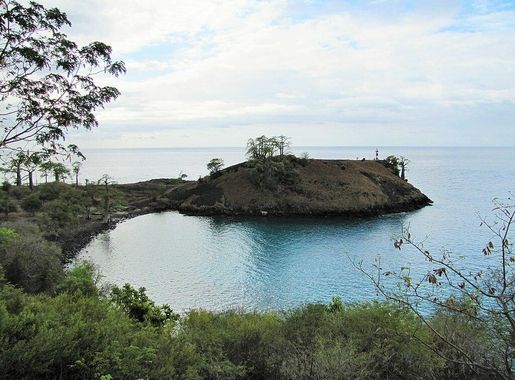
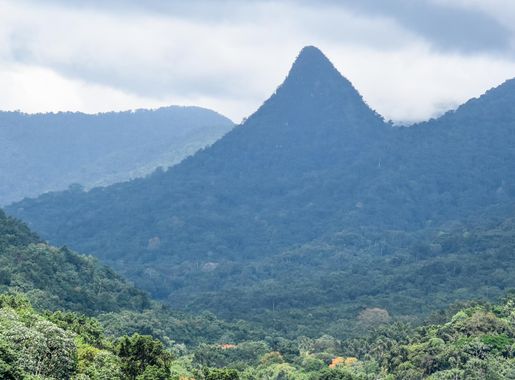
Explore Sao Tome and PrincipeLagoa Azul in Photos
Browse through our photo collection highlighting the charm and character of the destination.



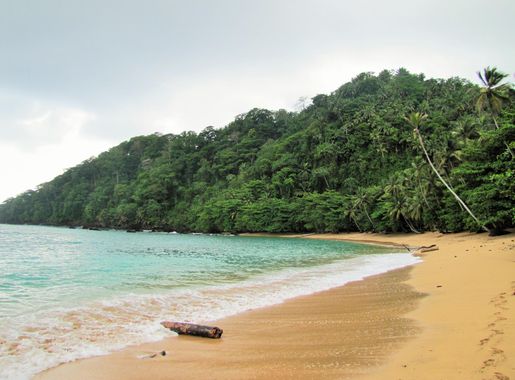


Lagoa Azul: The Hidden Gem of Sao Tome and Principe
Nestled in the heart of the Gulf of Guinea, Lagoa Azul is a captivating lagoon located in Sao Tome and Principe. This stunning destination is known for its crystal-clear waters and vibrant marine life, making it a paradise for snorkelers and divers. The tranquil setting is surrounded by lush greenery and offers a serene escape from the hustle and bustle of city life. Visitors to Lagoa Azul can explore the rich biodiversity of the lagoon, which is home to a variety of fish species and coral formations. The warm, inviting waters are perfect for swimming and kayaking, providing a unique opportunity to connect with nature. The lagoon's secluded beaches are ideal for sunbathing and picnicking, offering breathtaking views of the surrounding landscape. In addition to its natural beauty, Lagoa Azul is steeped in local culture and history. The nearby fishing villages provide a glimpse into the traditional way of life on the islands. Visitors can enjoy fresh seafood dishes prepared by local chefs, adding a culinary delight to their adventure. Whether you're an avid nature lover or simply seeking a peaceful retreat, Lagoa Azul is a must-visit destination in Sao Tome and Principe.