

Free Lobata Travel Guide & Mobile App
Explore Lobata with free travel guides. Discover regional history, expert tips, proposed trips, and audio guides on web or mobile app.


Explore Lobata’s Atlantic beaches, plantation heritage, tropical villages and volcanic landscapes in northern São Tomé.
Read more about Lobata
When is the best time to visit Lobata?
Best: January–March · 28°C| Month | High (°C) | Rainfall (mm) |
|---|---|---|
| January (best) | 28 | 100 |
| February (best) | 28 | 90 |
| March (best) | 28 | 110 |
| April | 28 | 120 |
| May | 28 | 130 |
| June | 28 | 140 |
| July | 28 | 150 |
| August | 29 | 160 |
| September | 28 | 150 |
| October | 28 | 140 |
| November | 28 | 130 |
| December | 28 | 120 |
Getting to and around Lobata
How to get there
Transportation
Top city travel guides in Lobata
The cities of Lobata, and the easiest places to base yourself.
-

-
-


Swipe for more cities
Destinations in Lobata
Resorts, valleys and scenic spots worth a trip of their own.
-

-


Swipe for more destinations
Best attractions in Lobata
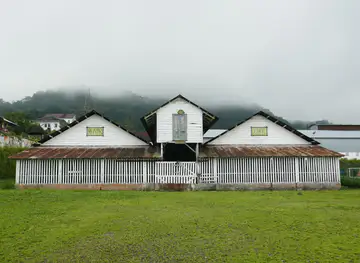
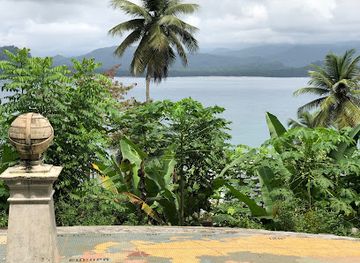
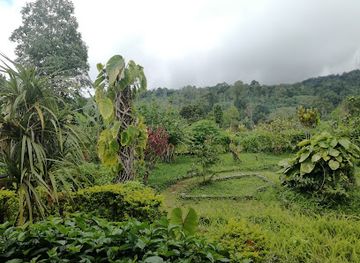
Lobata’s attractions combine Atlantic scenery with the surviving architecture of São Tomé’s plantation economy. Lagoa Azul is the district’s best-known coastal stop, with a sheltered bay, palms and volcanic surroundings that make it particularly attractive for swimming when conditions are suitable, photography and short walks. Praia das Conchas provides a more open coastal setting, while the northern roads offer views of villages, cultivated land and forested ridges. The major cultural attraction is Roça Agostinho Neto, formerly Rio do Ouro, where avenues, workers’ housing, administrative buildings and industrial remnants convey the scale of a former cocoa estate. Access and conservation vary, so a local guide is valuable. Other experiences are less formal: visiting small agricultural communities, observing tropical birdlife, tasting locally grown fruit and walking through landscapes shaped by cocoa, coconut, banana and breadfruit cultivation. Lobata is not primarily a resort district or a concentration of ticketed attractions; its interest lies in combining coast, countryside and difficult colonial history in a compact northern part of São Tomé island.
-
Island
Rolas Island
Discover the breathtaking Rolas Island, a serene tropical paradise at the equator in São Tomé and Príncipe, perfect for relaxation and adventure.
-
Botanical garden
Jardim Botânico do Bom Sucesso
Explore the vibrant flora of São Tomé at Jardim Botânico do Bom Sucesso, a botanical garden that showcases the island's unique biodiversity and beauty.
-
Beach
Praia Piscina
Discover the pristine beauty of Praia Piscina, a tropical paradise in São Tomé, offering sun, sand, and unforgettable ocean views.
-
Beach
Praia dos Tamarindos
Explore the tranquil Praia dos Tamarindos, a hidden gem in São Tomé with golden sands and serene waters, perfect for relaxation and natural beauty.


Best landmarks in Lobata
Roça Agostinho Neto is Lobata’s defining historic landmark. Formerly Rio do Ouro, the vast plantation complex displays the hierarchy and organisation of the cocoa economy through its planned avenues, workers’ quarters, hospital, storage buildings and more formal administrative architecture. Its importance is historical as much as visual: the site reflects colonial production, forced labour, post-independence change and the continuing life of estate communities. On the coast, Lagoa Azul is a natural landmark recognised for its blue-green sheltered waters, volcanic setting and palms, although its appearance changes with weather and light. The northern coastline around Praia das Conchas provides a contrasting landmark landscape of open shore and Atlantic vegetation. Guadalupe, the district capital, is a useful reference point for understanding how administrative and village life connects the coast with the interior roads. Across Lobata, plantation avenues, ageing bridges, tropical hills and cultivated lowlands form a dispersed heritage landscape rather than a single monumental centre.
-
Hotel
Pestana São Tomé
Experience unparalleled luxury at Pestana São Tomé, where tropical elegance meets adventure in a stunning island setting.
-
Hotel
Praia Inhame Eco Lodge
Discover the charm and serenity of Praia Inhame Eco Lodge, a perfect retreat nestled in the lush landscapes of São Tomé and Príncipe.
-
Scenic spot
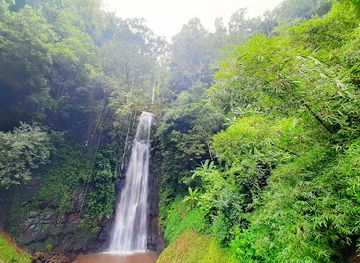
Saint Nicholas Waterfall
Explore the enchanting beauty of Saint Nicholas Waterfall in Monte Café, a scenic spot perfect for nature lovers and unforgettable memories.
-
Historical landmark
Equator Landmark
Experience the unique Equator Landmark in Porto Alegre, where history and nature blend seamlessly at the equatorial line.


Explore Lobata on the map
Plan your trip on one map. See where the top cities, national parks and sights are, and book hotels and experiences in a few clicks.
Best hotels in Lobata
Best restaurants in Lobata
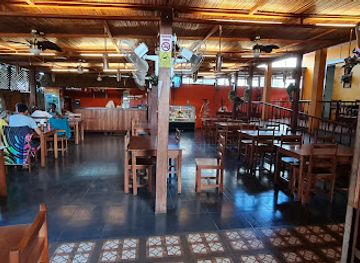
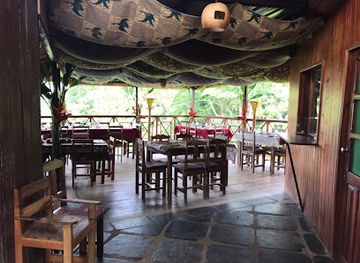
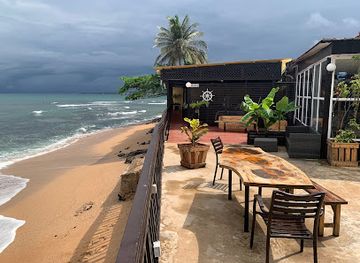
Dining in Lobata is generally informal and closely connected to village life rather than organised around a large restaurant scene. Small local eateries and roadside stalls may serve dishes based on rice, breadfruit, plantain, cassava, beans, fish and chicken, with chilli and aromatic sauces varying from kitchen to kitchen. Fresh fish is particularly relevant along the coast, while tropical fruit such as banana, papaya, pineapple and breadfruit appears in markets and household cooking. Travellers should not expect every rural attraction to have a café, so carrying water and a snack is sensible. Larger hotels and restaurants near São Tomé city provide more dependable choices, while locally arranged meals offer a better connection with everyday São Toméan cooking. Coffee and cocoa reflect the island’s agricultural history, although the plantation landscape should not be confused with a single, fixed regional cuisine. Prices, menus and opening arrangements can be informal, making it useful to ask a guide or accommodation for current local recommendations.
-
Restaurant
Papa-Figo
Experience authentic São Toméan cuisine at Papa-Figo, where local flavors meet warm hospitality in a vibrant setting.
-
Restaurant
Casa Museu Almada Negreiros
Discover exquisite cuisine intertwined with vibrant art at Casa Museu Almada Negreiros in São Tomé.
-
Restaurant
O Pirata
Discover authentic flavors at O Pirata, where São Tomé's culinary traditions come alive in every delicious dish.
-
Creole
Dona Teté
Discover the authentic flavors of Creole cuisine at Dona Teté in São Tomé - an unforgettable dining experience awaits.
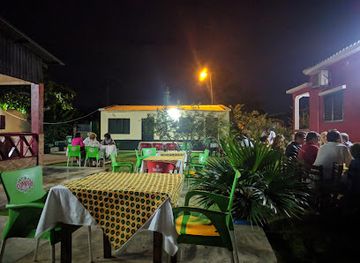
Best bars in Lobata
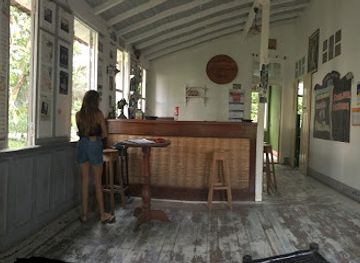
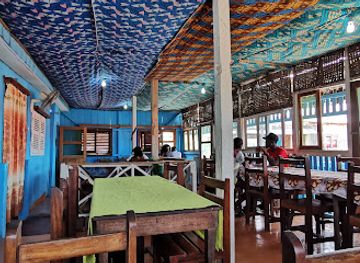
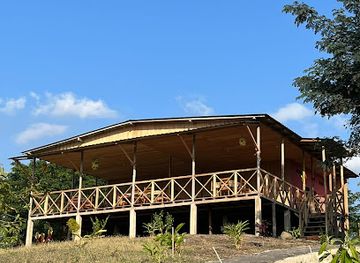
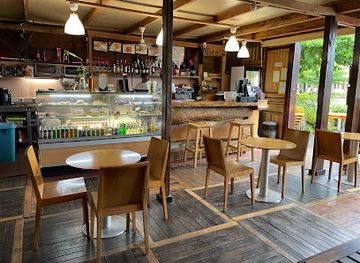
Lobata has a modest evening scene, centred on local bars, small restaurants and community social life rather than dedicated nightclubs. In Guadalupe and larger settlements, evenings may involve conversation, music and drinks in informal establishments, while rural areas become quiet after dark. São Tomé city, outside the district, offers the country’s broadest choice of bars and later entertainment and is the most practical base for visitors seeking a more varied night out. Local beer, soft drinks and fruit-based refreshments are widely available, and São Toméan drinking culture should not be reduced to nightlife alone. Because transport and street lighting are limited in parts of Lobata, arrange a dependable return journey before going out and avoid walking unfamiliar rural roads late at night. Live music and cultural events may occur, but they are not necessarily scheduled for tourists or held regularly.
-
Bar
Pico Mocambo
Experience the vibrant nightlife of São Tomé at Pico Mocambo, where locals and travelers gather for delightful drinks and great company.
-
Restaurant
Petisqueira Santola
Experience the authentic flavors of Neves at Petisqueira Santola, a delightful restaurant offering a taste of local cuisine in a cozy setting.
-
Restaurant
Monte Mar Restaurante São Tomé
Experience the culinary delights of Monte Mar Restaurante in São Tomé, where local flavors meet stunning ocean views for an unforgettable dining experience.
-
Pizza
90 Graus Esplanada Bar
Experience the vibrant atmosphere and delectable pizzas at 90 Graus Esplanada Bar, a culinary gem in São Tomé.
Best nightclubs in Lobata
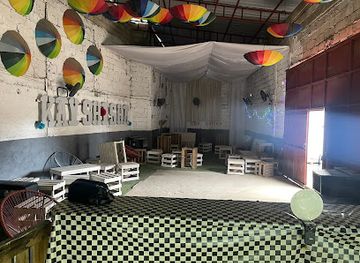
Lobata has a modest evening scene, centred on local bars, small restaurants and community social life rather than dedicated nightclubs. In Guadalupe and larger settlements, evenings may involve conversation, music and drinks in informal establishments, while rural areas become quiet after dark. São Tomé city, outside the district, offers the country’s broadest choice of bars and later entertainment and is the most practical base for visitors seeking a more varied night out. Local beer, soft drinks and fruit-based refreshments are widely available, and São Toméan drinking culture should not be reduced to nightlife alone. Because transport and street lighting are limited in parts of Lobata, arrange a dependable return journey before going out and avoid walking unfamiliar rural roads late at night. Live music and cultural events may occur, but they are not necessarily scheduled for tourists or held regularly.
-
Disco club
Discoteca Beach Club
Experience the vibrant nightlife at Discoteca Beach Club in São Tomé, where music, dancing, and stunning ocean views create an unforgettable atmosphere.
-
Disco club
Discoteca Kizomba
Immerse yourself in the vibrant nightlife of São Tomé at Discoteca Kizomba, where music and dance create unforgettable memories.
-
Bar
Kay Shisha
Discover the vibrant nightlife of São Tomé at Kay Shisha, where aromatic shisha and refreshing drinks create unforgettable moments.
-
Disco club
DJ Cabelo
Experience the vibrant nightlife of São Tomé at DJ Cabelo, where unforgettable dance and music await every night.



Best shops in Lobata
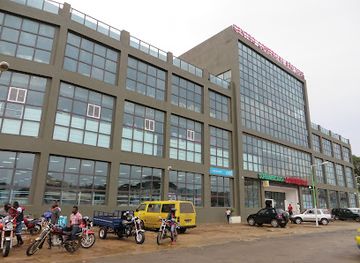
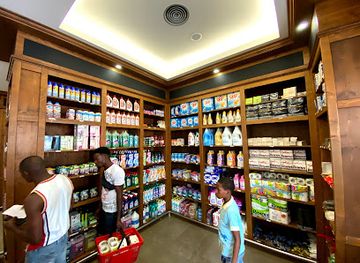
Shopping in Lobata is primarily local and practical. Small shops and market stalls in Guadalupe and other settlements provide food, drinks, household goods and basic travel supplies, while roadside sellers may offer bananas, coconuts, breadfruit, cocoa-related products and other seasonal produce. The range is more limited than in São Tomé city, so visitors should buy specialist medicines, reliable cash supplies and substantial picnic provisions before heading into rural areas. Informal purchases of fruit or prepared food support local trade, but ask permission before photographing sellers or stalls. Souvenirs may include locally made crafts, woven items, carved objects, coffee and cocoa, though availability changes and quality varies. The former roças are not conventional shopping destinations; their value is architectural and historical, and removing tiles, wood or other fragments is inappropriate. For a wider selection of crafts, packaged agricultural products, books and clothing, São Tomé city remains the country’s main retail centre outside Lobata.
-
Chocolate artisan
Claudio Corallo - Cacao & Caffe São Tomé e Príncipe
Experience the finest artisanal chocolate in São Tomé e Príncipe at Claudio Corallo, where cacao craftsmanship meets tropical authenticity.
-
Supermarket
SUPER CKDO
Explore the vibrant offerings at SUPER CKDO, São Tomé's leading supermarket for locals and tourists alike, featuring fresh produce and unique local products.
-
General store
Supermercado Continental
Experience the essence of São Tomé at Supermercado Continental, a local gem for authentic products and vibrant community spirit.
-
Shopping mall
Intermar
Discover a vibrant shopping experience at Intermar in São Tomé, featuring diverse stores and a taste of local culture.

Get your free copy of our complete guide to Lobata, delivered straight to you.
Everything on this page, from attractions and restaurants to essentials and local phrases, in one PDF you can read offline, print or share.
Already have an account? Sign in
Your Lobata guide is ready.
We'll send it to · Not you? Sign out

Getting your guide ready…
We are putting together a fresh copy of the Lobata guide. This can take up to a minute.
This can take a few moments. If your browser asks, choose Allow so the download can start. You'll find the guide in your Downloads folder.
Nothing happened? Download it again
Sorry, the guide is taking longer than usual. Please try again in a minute, or get it by email instead.
Lobata essentials
Currency and Payment
Safety
Emergency Situations
Do's and Don'ts
Local Tips
From Eve
Local phrases worth knowing
You don't need to get them perfect. A few words go a long way, and locals appreciate the effort.
Basics
| English | Local | Say it |
|---|---|---|
| Hello | Olá | [oh-lah] |
| Goodbye | Adeus | [ah-deh-oos] |
| Yes | Sim | [sim] |
| No | Não | [now] |
| Please/You’re welcome | Por favor | [poor fah-vor] |
| Thank you | Obrigado | [oh-bree-gah-do] |
| Excuse me/Sorry | Desculpe | [des-kool-peh] |
| How are you? | Como você está? | [koh-moh vo-seh es-tah] |
| Fine. And you? | Estou bem. E você? | [es-toh behm. eh vo-seh] |
| Do you speak English? | Você fala inglês? | [vo-seh fah-lah een-gles] |
| I don't understand | Eu não entendo | [eh-ooh now en-ten-do] |
Eating & Drinking
| English | Local | Say it |
|---|---|---|
| I’d like to see the menu, please | Gostaria de ver o menu, por favor | [goh-stah-ree-ah deh vehr oh meh-noo, poor fah-vor] |
| I don’t eat meat | Eu não como carne | [eh-ooh now koh-moh kar-nee] |
| Cheers! | Saúde! | [sah-oo-deh] |
| I would like to pay, please | Gostaria de pagar, por favor | [goh-stah-ree-ah deh pah-gar, poor fah-vor] |
Emergencies
| English | Local | Say it |
|---|---|---|
| Help! | Ajuda! | [ah-zhoo-dah] |
| Go away! | Vá embora! | [vah em-boh-rah] |
| Call the Police! | Chame a polícia! | [shah-meh ah poh-lee-siah] |
| Call a doctor! | Chame um médico! | [shah-meh oong meh-dee-koh] |
| I’m lost | Estou perdido | [es-toh pehr-jee-doo] |
| I’m ill | Estou doente | [es-toh do-ehn-chee] |
Shopping
| English | Local | Say it |
|---|---|---|
| I’d like to buy... | Gostaria de comprar... | [goh-stah-ree-ah deh kom-prahr] |
| I’m just looking | Estou só olhando | [es-toh soh oh-lhan-do] |
| How much is it? | Quanto custa? | [kwahn-toh koos-tah] |
| That’s too expensive | Isso é muito caro | [ee-soh eh mwee-toh kah-roh] |
| Can you lower the price? | Você pode baixar o preço? | [vo-seh poh-jee bahy-shar oh preh-soh] |
Time & Numbers
| English | Local | Say it |
|---|---|---|
| What time is it? | Que horas são? | [keh oh-ras sah-ooh] |
| It’s one o’clock | É uma hora | [eh oo-mah oh-rah] |
| Half past (10) | Meia hora | [may-ah oh-rah] |
| Morning | Manhã | [mahn-yah] |
| Afternoon | Tarde | [tar-deh] |
| Evening | Noite | [noy-teh] |
| Yesterday | Ontem | [on-tem] |
| Today | Hoje | [oh-zhay] |
| Tomorrow | Amanhã | [ah-mahn-yah] |
| 1 | Um | [oom] |
| 2 | Dois | [doy-ees] |
| 3 | Três | [trez] |
| 4 | Quatro | [kwah-tro] |
| 5 | Cinco | [seen-koh] |
| 6 | Seis | [says] |
| 7 | Sete | [seh-teh] |
| 8 | Oito | [oy-toh] |
| 9 | Nove | [noh-veh] |
| 10 | Dez | [dehz] |
Transport & Directions
| English | Local | Say it |
|---|---|---|
| Where's a/the...? | Onde fica um/a...? | [on-deh fee-kah oong/ah] |
| What's the address? | Qual é o endereço? | [kwal eh oh en-deh-reh-so] |
| Can you show me (on the map)? | Você pode me mostrar (no mapa)? | [vo-seh poh-jee meh mohs-trar (no mah-pah)] |
| When's the next (bus)? | Quando é o próximo (ônibus)? | [kwan-doh eh oh proh-see-moh (oh-nee-boos)] |
| A ticket (to ....) | Um bilhete (para....) | [oom bee-lyeh-teh (pah-rah)] |
History of Lobata
Portuguese settlement and early plantations
São Tomé was uninhabited when Portuguese settlers established a colony in the late fifteenth century. Sugar plantations developed during the sixteenth century, using enslaved Africans brought through Portuguese Atlantic networks. The northern part of the island, including present-day Lobata, became part of this plantation frontier, although early estates were repeatedly affected by resistance, disease, isolation and economic disruption. The agricultural landscape that visitors see today therefore has roots in a colonial system established more than five centuries ago.
The plantation economy and cocoa expansion
From the nineteenth century, cocoa transformed São Tomé into a major producer for the international market. Large roças combined plantations with housing, processing facilities, stores, hospitals and administrative buildings. Rio do Ouro, now Roça Agostinho Neto in Lobata, became one of the island’s largest complexes. Cocoa wealth brought investment in infrastructure for plantation owners, while workers lived under highly unequal conditions. The surviving buildings and avenues preserve the physical scale of that economy, even though the estates no longer operate as they once did.
Forced labour after emancipation
The formal abolition of slavery did not end coercive labour in São Tomé. Contract workers, known locally as serviçais, were recruited from other African territories and employed on plantations under restrictive conditions. Reports of abuse provoked international criticism, including a British boycott of São Toméan cocoa in the early twentieth century. Lobata’s former roças must be understood within this wider history: their orderly architecture reflected an efficient production system, but also a deeply unequal colonial society.
The Batepá massacre of 1953
In February 1953, colonial authorities and their forces violently suppressed resistance and fear surrounding labour policies in São Tomé. The killings, commonly remembered as the Batepá massacre, affected communities across the island and became a defining episode in São Toméan national memory. Sites associated with the violence, including places in and around Lobata, are reminders that the plantation landscape is also a landscape of trauma. Visitors should approach memorials and local accounts with respect rather than treating them as merely historical curiosities.
Late colonial change and the road to independence
The plantation system weakened during the later colonial period as cocoa production declined and political opposition to Portuguese rule grew. The Committee for the Liberation of São Tomé and Príncipe, later the MLSTP, led the independence movement. Following Portugal’s 1974 revolution, São Tomé and Príncipe became independent on 12 July 1975. Plantations, including those in Lobata, were nationalised, but many subsequently suffered from limited investment, changing agricultural priorities and the departure of Portuguese estate managers.
Post-independence communities and living heritage
Since independence, former plantation estates have become villages, agricultural settlements, partial ruins and occasional heritage or tourism sites. Roça Agostinho Neto illustrates this transition particularly clearly: its buildings belong to the colonial plantation era, but the site is also part of contemporary community life. In Lobata, small-scale farming, fishing, local commerce and public services now coexist with the remains of the cocoa economy. Conservation is therefore both an architectural challenge and a social question about how historic places should serve present residents.
Lobata in Photos
Browse through our photo collection highlighting the charm and character of the destination.
Neighbouring regions of Lobata
The closest regions to Lobata, if you have time for more than one.
-

-

-

-

-


Swipe for more regions
Explore more

Explore more of Sao Tome and Principe
Discover the untouched beauty of Sao Tome and Principe, where lush rainforests, pristine beaches, and rich cultural heritage await in this tranquil island paradise.
Explore Sao Tome and Principe