

Đerdap National Park Travel Guide - Free Web & App
Your ultimate guide to Đerdap National Park. Discover top landmarks, proposed trips, and local tips. Free on the web or via the Evendo companion app.


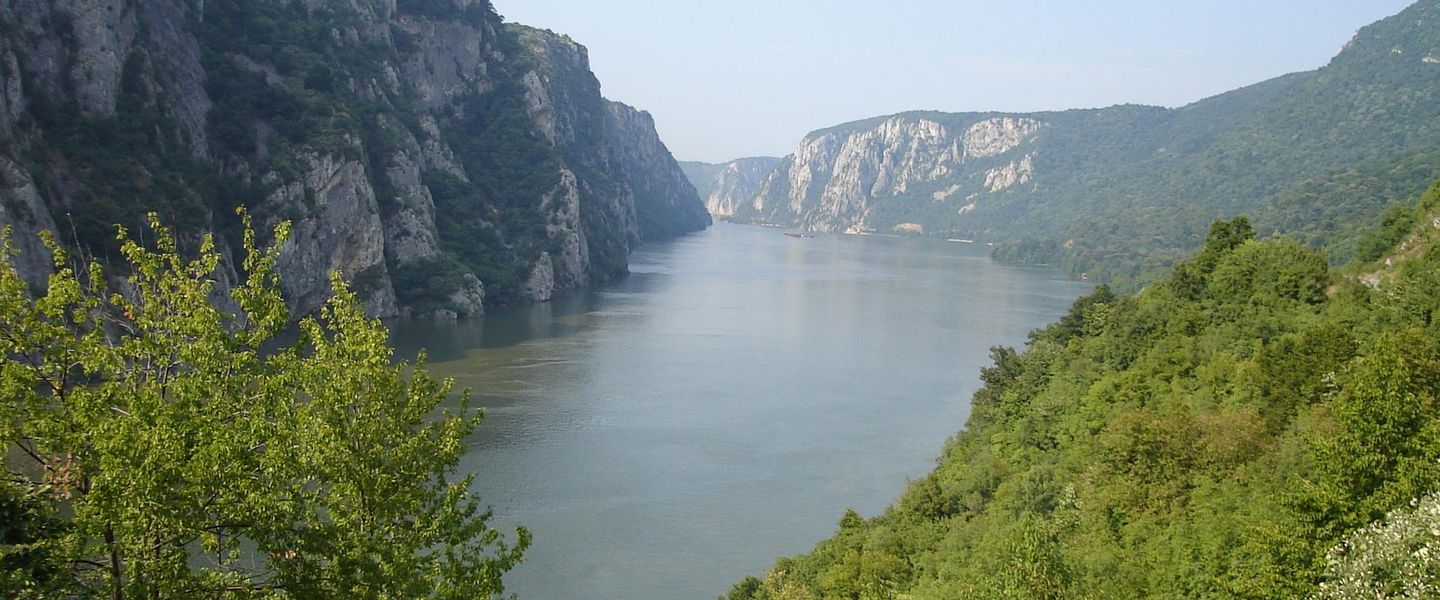


Đerdap National Park in Serbia follows the Danube through the Iron Gates, with Roman heritage, Lepenski Vir, forested hills, wildlife and river views.
The Iron Gates Landscape
Đerdap National Park follows the right bank of the Danube through eastern Serbia, from the medieval fortress at Golubac towards Kladovo and the Romanian border. Its defining feature is the Đerdap Gorge, better known internationally as the Iron Gates, where the river narrows between the Carpathian and Balkan mountain systems. Cliffs, wooded slopes, limestone formations, bays and small settlements create a landscape that changes constantly along the waterway. The park is extensive rather than compact, so its attractions are best explored by combining road travel, selected walks and time in gateway settlements such as Golubac, Donji Milanovac and Tekija.Read more about Đerdap National Park
Archaeology and Living Heritage
Exploring the Park
When is the best time to visit Đerdap National Park?
Best: May–June, September · 25–31°C| Month | High (°C) | Rainfall (mm) |
|---|---|---|
| January | 4 | 60 |
| February | 5 | 50 |
| March | 14 | 50 |
| April | 19 | 40 |
| May (best) | 25 | 40 |
| June (best) | 31 | 20 |
| July | 34 | 20 |
| August | 32 | 20 |
| September (best) | 27 | 40 |
| October | 21 | 50 |
| November | 11 | 60 |
| December | 6 | 60 |
Getting to and around Đerdap National Park
How to get there
Transportation
Best attractions in Đerdap National Park
Đerdap National Park’s principal attraction is the Danube itself, which passes through the dramatic Iron Gates and the narrower Kazan sections between steep wooded slopes and limestone cliffs. At the western entrance, Golubac Fortress rises above the river and provides a vivid introduction to the corridor’s strategic history. Near Donji Milanovac, the Lepenski Vir archaeological site and museum explain the importance of prehistoric settlement beside the Danube, while the Miroč mountain area offers forested landscapes, rural scenery and viewpoints reached by local roads and paths. The Tabula Traiana, carved into a cliff above the river, is best understood from the water or designated viewpoints, and the eastern part of the park leads towards Kladovo and the remains associated with Trajan’s bridge. Villages such as Tekija add a contemporary riverside dimension, with accommodation, food and locally arranged excursions concentrated in settlements rather than scattered through the protected hills.
-
Tourist attraction
Blederija Waterfall
Explore the breathtaking Blederija Waterfall in Reka, Serbia, a perfect blend of serene beauty and adventurous trails in nature's embrace.
-
Tourist attraction
Ploče viewpoint
Discover the serene beauty and breathtaking views of Ploče Viewpoint in Tekija, the perfect spot for nature lovers and photographers alike.
-
Tourist attraction
Ђердапска Клисура
Explore the breathtaking beauty and rich history of Đerdap National Park, a natural paradise along the majestic Danube River.
-
Tourist attraction
Zeleni zaliv
Experience the enchanting beauty of Zeleni Zaliv in Donji Milanovac, where nature meets family-friendly adventures and delightful local cuisine.


Best landmarks in Đerdap National Park
The Danube gorge is Đerdap’s defining natural landmark, particularly the Kazan narrows where the river passes between steep rocky slopes. Golubac Fortress is the most prominent medieval landmark, its towers and walls occupying a strategic position above the western approach to the Iron Gates. Lepenski Vir is the area’s foremost prehistoric landmark, preserving the location and interpretation of an important Mesolithic settlement beside the river. High on the gorge, the Roman Tabula Traiana records Trajan’s road-building works, while near Kladovo the remains associated with Trajan’s bridge recall the engineering ambition of the Roman frontier. Miroč mountain provides the park’s principal upland counterpoint to the river, with wooded ridges, limestone terrain and rural landscapes. Viewed together, these places show how geology, navigation, military power and settlement have continually shaped the identity of the Danube corridor.
-
Hotel
Hotel Djerdap
Experience the tranquil charm of Hotel Djerdap, a perfect blend of comfort, stunning river views, and delicious dining in Kladovo, Serbia.
-
 Hotel
Hotel Lepenski Vir
Discover the beauty of Đerdap National Park and the charm of Donji Milanovac while enjoying a comfortable stay at Hotel Lepenski Vir.
-
Fortress
Fetislam fortress
Discover the rich history and stunning scenery of Fetislam Fortress, a must-visit destination near the Danube River in Kladovo, Serbia.
-
Ravine
Iron Gates
Experience the stunning natural beauty and rich history of the Iron Gates, a breathtaking ravine along the Danube River in the Balkans.


Explore Đerdap National Park on the map
Plan your trip on one map. See where the top attractions, landmarks, restaurants and hotels are, and book hotels and experiences in a few clicks.
Best hotels in Đerdap National Park
Best restaurants in Đerdap National Park
Dining in Đerdap National Park is closely tied to the Danube settlements rather than to a dense restaurant scene within the forests and gorges. Golubac, Donji Milanovac, Tekija and Kladovo provide the most practical places to look for restaurants, cafés, bakeries and traditional cooking, while rural households and small guesthouses may offer food by arrangement. Fish from the Danube has an important place in the regional food culture, often appearing in grilled or cooked dishes, alongside soups, stews, roasted meats, breads, cheeses and seasonal produce typical of eastern Serbia. Local honey and fruit products may also be found through small producers and farm shops. Opening patterns and menus vary, particularly outside the larger settlements, so visitors travelling between sites should carry provisions and avoid assuming that a remote heritage attraction will have a café.
-
Fish restaurant
Panorama
Discover Panorama in Tekija: where exquisite seafood meets breathtaking views for an unforgettable dining adventure.
-
Restaurant
Капетан Мишин брег
Discover authentic Serbian cuisine at Капетан Мишин брег in Donji Milanovac - where tradition meets flavor in a stunning setting.
-
Restaurant
Restoran Varnica
Experience authentic Serbian cuisine amidst breathtaking views at Restoran Varnica in Djerdapska Klisura.
-
Restaurant
Restoran Djerdap
Experience authentic Serbian cuisine with stunning views at Restoran Djerdap in Kladovo - where every meal is a delightful journey along the Danube.


Best bars in Đerdap National Park
Evenings in Đerdap National Park are generally quiet and settlement-based rather than centred on nightclubs. Traditional cafés, village inns and restaurant terraces in Golubac, Donji Milanovac, Tekija and Kladovo provide places for coffee, Serbian beer, wine or a leisurely meal, with the Danube often shaping the atmosphere. Some accommodation businesses may serve drinks or host informal local gatherings, but entertainment provision is modest and seasonal events should not be assumed to operate on every visit. The park’s rural roads, dispersed attractions and protected landscapes make late-night movement between sites inconvenient, so visitors usually spend evenings close to their chosen base, listening to the river, viewing the gorge in changing light or joining a locally organised cultural occasion when one is taking place.
-
Restaurant
Капетан Мишин брег
Experience the flavors of Serbia with breathtaking views at Капетан Мишин брег in Donji Milanovac, a dining destination for every traveler.
-
Restaurant
Лепенска Рибица
Discover the flavors of Serbia at Lepenska Ribiça, a charming restaurant offering stunning Danube views and delicious local cuisine.
-
Bar
Caffe Bar Teuta
Experience the serene ambiance and delightful flavors at Caffe Bar Teuta in Donji Milanovac, where every sip and bite tells a local story.
-
Bar
Don Pepe Bar Kladovo
Discover the lively atmosphere and delicious drinks at Don Pepe Bar, Kladovo's favorite spot for relaxation and socializing.


Best nightclubs in Đerdap National Park
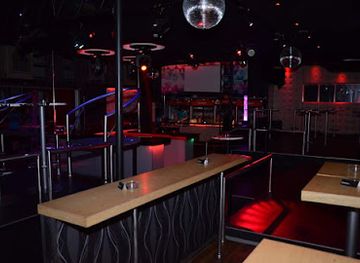
Evenings in Đerdap National Park are generally quiet and settlement-based rather than centred on nightclubs. Traditional cafés, village inns and restaurant terraces in Golubac, Donji Milanovac, Tekija and Kladovo provide places for coffee, Serbian beer, wine or a leisurely meal, with the Danube often shaping the atmosphere. Some accommodation businesses may serve drinks or host informal local gatherings, but entertainment provision is modest and seasonal events should not be assumed to operate on every visit. The park’s rural roads, dispersed attractions and protected landscapes make late-night movement between sites inconvenient, so visitors usually spend evenings close to their chosen base, listening to the river, viewing the gorge in changing light or joining a locally organised cultural occasion when one is taking place.
-
Bar
Caffe Bar Teuta
Discover the charm of Caffe Bar Teuta in Donji Milanovac, where delightful drinks meet stunning views, perfect for every traveler.
-
Disco club
Discotheque ATRIJUM
Discover Kladovo's nightlife at Discotheque ATRIJUM – where music, dance, and excitement come alive every weekend.

Best shops in Đerdap National Park
Shopping opportunities in Đerdap National Park are modest and concentrated in Golubac, Donji Milanovac, Tekija and Kladovo rather than around isolated natural sights. Small shops and supermarkets are useful for provisions, while cafés, local producers and farm businesses may offer honey, fruit products, cheeses, preserves and other foods associated with eastern Serbia. Visitors may also find regional wine, rakija and handmade items through local sellers, although selection and availability vary. Craft and souvenir purchases are more likely at established heritage attractions or in gateway settlements than on remote mountain roads. The best approach is to buy practical supplies before travelling into the park and to treat locally produced food and small-scale artisan goods as a reflection of the area’s agricultural and riverside culture rather than expecting a dedicated shopping district.
-
Restaurant
Капетан Мишин брег
Experience the best of local and international cuisine in a cozy atmosphere at Капетан Мишин брег, Donji Milanovac's top culinary destination.
-
Restaurant
Лепенска Рибица
Experience authentic Serbian cuisine with stunning views at Лепенска Рибица, a culinary gem by the Danube River.
-
Hotel
Hotel Lepenski Vir
Experience the beauty of Đerdap National Park while enjoying the comforts of Hotel Lepenski Vir in Donji Milanovac, Serbia.
-
Restaurant
Čarobna Ribica
Explore the flavors of Serbia at Čarobna Ribica, a delightful restaurant in Donji Milanovac offering a range of local and international dishes.


Get your free copy of our complete guide to Đerdap National Park, delivered straight to you.
Everything on this page, from attractions and restaurants to essentials and local phrases, in one PDF you can read offline, print or share.
Already have an account? Sign in
Your Đerdap National Park guide is ready.
We'll send it to · Not you? Sign out

Getting your guide ready…
We are putting together a fresh copy of the Đerdap National Park guide. This can take up to a minute.
This can take a few moments. If your browser asks, choose Allow so the download can start. You'll find the guide in your Downloads folder.
Nothing happened? Download it again
Sorry, the guide is taking longer than usual. Please try again in a minute, or get it by email instead.
Đerdap National Park essentials
Currency and Payment
Safety
Emergency Situations
Do's and Don'ts
Local Tips
From Eve
Local phrases worth knowing
You don't need to get them perfect. A few words go a long way, and locals appreciate the effort.
Basics
| English | Local | Say it |
|---|---|---|
| Hello | Zdravo | [ZDRAH-voh] |
| Goodbye | Doviđenja | [doh-VEE-jen-ya] |
| Yes | Da | [dah] |
| No | Ne | [neh] |
| Please/You're welcome | Molim | [MO-leem] |
| Thank you | Hvala | [HVAA-laa] |
| Excuse me/Sorry | Izvinite | [EEZ-vee-nee-te] |
| How are you? | Kako si? | [KAH-koh see] |
| Fine. And you? | Dobro. A ti? | [DOH-bro. Ah tee?] |
| Do you speak English? | Da li govorite engleski? | [dah lee go-VO-ree-teh ENG-les-kee] |
| I don't understand | Ne razumem | [neh rah-ZOO-mem] |
Eating & Drinking
| English | Local | Say it |
|---|---|---|
| I'd like to see the menu, please | Molim vas da vidim meni | [MO-leem vahs dah VEE-deem ME-nee] |
| I don't eat meat | Ja ne jedem meso | [yah neh YEH-dem MEH-so] |
| Cheers! | Živeli! | [ZHEE-veh-lee] |
| I would like to pay, please | Želeo bih da platim, molim | [ZHEH-leh-oh bee dah PLAH-teem, MO-leem] |
Emergencies
| English | Local | Say it |
|---|---|---|
| Help! | Pomoć! | [POH-mohch] |
| Go away! | Odlazi! | [OH-dlah-zee] |
| Call the Police! | Pozovite policiju! | [poh-ZOH-vee-teh POH-lee-tsee-yoo] |
| Call a doctor! | Pozovite doktora! | [poh-ZOH-vee-teh DOHK-toh-rah] |
| I'm lost | Izgubio sam se | [eez-GOO-byoh sahm seh] |
| I'm ill | Bolestan sam | [boh-LEH-stahn sahm] |
Shopping
| English | Local | Say it |
|---|---|---|
| I'd like to buy... | Hteo bih da kupim... | [HTEH-oh bee dah KOO-peem] |
| I'm just looking | Samo gledam | [SAH-moh GLEH-dam] |
| How much is it? | Koliko košta? | [KOH-lee-koh KOSH-tah] |
| That's too expensive | To je previše skupo | [toh yeh PREH-vee-sheh SKOO-poh] |
| Can you lower the price? | Mozete li spustiti cenu? | [MOH-zeh-teh lee SPOO-stee-tee CHEH-noo] |
Time & Numbers
| English | Local | Say it |
|---|---|---|
| What time is it? | Koliko je sati? | [KOH-lee-koh yeh SAH-tee] |
| It's one o'clock | Jedan je sat | [YEH-dahn yeh saht] |
| Half past (10) | Pola (deset) | [POH-lah (DEH-set)] |
| Morning | Jutro | [YOO-troh] |
| Afternoon | Popodne | [POH-pohd-neh] |
| Evening | Veče | [VEH-cheh] |
| Yesterday | Juče | [YOO-cheh] |
| Today | Danas | [DAH-nahs] |
| Tomorrow | Sutra | [SOO-trah] |
| 1 | Jedan | [YEH-dahn] |
| 2 | Dva | [d-vah] |
| 3 | Tri | [tree] |
| 4 | Četiri | [CHEH-tee-ree] |
| 5 | Pet | [peht] |
| 6 | Šest | [shehst] |
| 7 | Sedam | [SEH-dahm] |
| 8 | Osam | [OH-sahm] |
| 9 | Devet | [DEH-veht] |
| 10 | Deset | [DEH-set] |
Transport & Directions
| English | Local | Say it |
|---|---|---|
| Where's a/the...? | Gde je... | [gdeh yeh] |
| What's the address? | Koja je adresa? | [KOH-yah yeh ah-DREH-sah] |
| Can you show me (on the map)? | Možete li mi pokazati (na mapi)? | [MOH-zeh-teh lee mee poh-KAH-zah-tee (nah MAH-pee)] |
| When's the next (bus)? | Kada je sledeći (autobus)? | [KAH-dah yeh SLEH-deh-chee (OW-toh-boos)] |
| A ticket (to ....) | Jedna karta (do ...) | [YEH-dnah KAR-tah (doh ...)] |
History of Đerdap National Park
A Danube Gorge Shaped by Time
The Đerdap landscape developed through the long geological history of the Danube and the surrounding Carpathian and Balkan mountains. The river cut and widened a series of narrow gorges and broader basins, creating the dramatic sequence collectively known as the Iron Gates. Limestone cliffs, wooded ridges and sheltered river margins shaped human movement through eastern Serbia for millennia. Although the modern lake-like stretches of the Danube also reflect twentieth-century dam construction downstream, the gorge itself remains the central geographical feature of the national park and the reason the river corridor has held strategic and cultural importance.
Lepenski Vir and Early River Communities
Lepenski Vir, near Donji Milanovac, preserves one of the most important prehistoric sites in the central Danube region. Archaeological research identified a long-lived Mesolithic settlement with planned dwellings, distinctive trapezoidal structures and sculpted stone figures. The community’s position beside the river reveals how fishing, seasonal resources and the surrounding landscape influenced early settlement. The site belongs to a much broader prehistoric cultural sequence in the Danube basin, but its excavated remains are particularly significant for understanding the transition from mobile lifeways towards more settled communities in southeastern Europe.
Roman Control of the Danube Frontier
During the Roman period, the Danube served as a frontier and transport route. Emperor Trajan’s campaigns against Dacia brought major engineering works to the gorge and its approaches. The rock-cut Tabula Traiana, high above the river near the modern border, commemorates the construction of a road in AD 100–103. Near Kladovo, the remains of Trajan’s bridge testify to the Roman effort to connect the empire’s Balkan provinces with Dacia across the Danube. Changes in the river and later infrastructure mean that these remains are experienced as archaeological fragments rather than as an intact Roman transport system.
Medieval Fortresses and River Power
The Danube remained a contested corridor during the medieval period, linking inland territories with routes towards the Black Sea and central Europe. Golubac Fortress, built and expanded on a rocky promontory at the western entrance to the gorge, controlled movement along a strategically important stretch of river. Its ownership and political setting changed repeatedly as Serbian, Hungarian and Ottoman interests competed in the region. The fortress’s towers, walls and position above the water preserve the character of a frontier stronghold, while smaller settlements and routes around the gorge continued to depend on the river and mountain crossings.
Modern Conservation and the Changed Danube
River regulation, improved roads and large-scale hydroelectric development transformed the Iron Gates corridor during the twentieth century, altering navigation and submerging or relocating some riverside features. The Đerdap National Park was established in 1974 to protect the gorge, forests, geological formations, archaeological heritage and wildlife of the area. Conservation now sits alongside navigation, settlement and tourism, requiring visitors to respect designated access arrangements and protected habitats. The modern park therefore represents both a preserved landscape and a working Danube region whose appearance has been shaped by centuries of human use.
Đerdap National Park in Photos
Browse through our photo collection highlighting the charm and character of the destination.
Neighbouring destination travel guides
The closest destinations to Đerdap National Park, if you have time for more than one.
-

-

-
-

-


Swipe for more destinations
Explore more

Explore more of Timok
Explore Timok in eastern Serbia for Roman ruins, historic wine cellars, mountain landscapes, thermal waters and the mining heritage of Bor.
Explore Timok
Explore more of Serbia
Discover Serbia: A Balkan treasure with rich history, stunning natural landscapes, and vibrant cities waiting to be explored.
Explore Serbia