

Stara Planina Mountain, Serbia Travel Guide
Discover Stara Planina Mountain: Serbia's year-round destination for nature lovers, adventure seekers, and cultural explorers, offering stunning views, diverse activities, and rich biodiversity.
Nestled in the heart of the Balkans, Stara Planina Mountain is a breathtaking destination that offers a perfect blend of natural beauty, adventure, and tranquility. Known for its lush landscapes, scenic hiking trails, and rich biodiversity, this mountain range is a must-visit for nature enthusiasts and adventure seekers alike. The Stara Planina Mountain, also called the Balkan Mountains, stretches across Serbia and Bulgaria, providing stunning panoramic views and a variety of outdoor activities. In the warmer months, visitors can explore the numerous hiking and biking trails that meander through dense forests, past sparkling rivers, and up to high peaks that offer spectacular vistas. The mountain is also home to unique flora and fauna, making it a paradise for wildlife watchers and photographers. During the winter, Stara Planina transforms into a winter wonderland, attracting skiers and snowboarders with its pristine slopes and well-maintained facilities. The Babin Zub ski resort is particularly popular, offering a range of runs suitable for all skill levels. Additionally, the region is dotted with charming villages where visitors can experience authentic Serbian culture, taste local cuisine, and enjoy warm hospitality. Whether you're seeking an adrenaline-pumping adventure or a peaceful retreat in nature, Stara Planina Mountain offers an unforgettable experience. Its unspoiled beauty and diverse activities make it a year-round destination that promises to captivate every traveler.

Know before you go
Hi, I'm Eve. Here are a few practical things to know before exploring Stara Planina Mountain.
- Wear sturdy hiking boots if you plan to explore the trails, as some paths can be rocky and uneven.
- Visit the Babin Zub ski resort during the winter months for excellent skiing and snowboarding opportunities.
- Don't miss out on local Serbian dishes; try traditional foods like 'cevapi' and 'ajvar' in nearby villages.
- Bring binoculars or a camera with a good zoom to capture the diverse wildlife and stunning landscapes.
- Check the weather forecast before your trip, as conditions can change rapidly in the mountains.
Explore Stara Planina Mountain: Things to Do, Places to Eat, Hotels & More
Handpicked recommendations for top attractions, local dining, accommodations, and more

Best attractions in Stara Planina Mountain
Top-rated picks
Best Attractions

Stara Planina National Park
Explore Stara Planina National Park, Serbia's natural gem, offering breathtaking landscapes, diverse wildlife, and endless outdoor adventures for all ages.

Nature Park Sicevo Canyon
Discover the stunning beauty of Nature Park Sicevo Canyon, a natural preserve near Niška Banja, perfect for hiking and enjoying breathtaking landscapes.

Vodopad Bigar
Experience the stunning Vodopad Bigar, a breathtaking waterfall nestled in the heart of Stara Planina, perfect for nature lovers and adventure seekers.

Waterfall Tupavica
Explore Waterfall Tupavica, a stunning natural wonder in Stara Planina, perfect for hiking, photography, and nature lovers seeking tranquility.

Best landmarks in Stara Planina Mountain
Top-rated picks
Best Landmarks

Skull Tower
Explore the haunting history of Skull Tower in Niš, a local history museum that reveals the sacrifices of Serbian heroes through its striking and poignant exhibits.
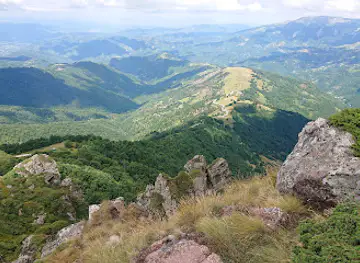
Stara Planina National Park
Experience the untouched wilderness of Stara Planina National Park, a breathtaking haven for nature lovers and adventure seekers in Serbia.

Vodopad Bigar
Experience the serene beauty of Vodopad Bigar, a breathtaking waterfall in Stanjinac, perfect for nature lovers and adventurers alike.

Waterfall Tupavica
Discover the breathtaking beauty of Waterfall Tupavica in Dojkinci, Serbia—a serene escape into nature's wonder.

Best restaurants in Stara Planina Mountain
Top-rated picks
Best Restaurants

Stambolijski
Experience authentic Serbian cuisine at Stambolijski in Niš - where tradition meets contemporary culinary excellence.

Плажа
Experience authentic local cuisine at Плажа in Crni Vrh – where breathtaking mountain views meet delightful dining.

Kod Piroćanca Restoran Pirot
Discover authentic Serbian cuisine at Kod Piroćanca in Pirot - a must-visit destination for food lovers seeking rich flavors and warm hospitality.

Restoran Desetka Pirot
Experience authentic Serbian cuisine at Restoran Desetka Pirot – where every meal tells a story.

Best bars in Stara Planina Mountain
Top-rated picks
Best Bars

Плажа
Experience the charm of Плажа Restaurant in Crni Vrh, where local flavors meet stunning mountain vistas for an unforgettable dining experience.

Shumski
Discover the delightful flavors of Shumski, a pizza restaurant in Crni Vrh, offering authentic Italian cuisine amidst stunning mountain views.

Best shops in Stara Planina Mountain
Top-rated picks
Best Shops

Forum
Discover the ultimate shopping experience at Forum Shopping Mall in Niš, where diverse brands and delightful dining await every visitor.

Stara Planina National Park
Explore the breathtaking landscapes and diverse wildlife of Stara Planina National Park, a premier destination for nature lovers and adventure seekers in Serbia.

Hotel Stara Planina
Experience the serene beauty of Hotel Stara Planina, a luxurious retreat in the heart of Serbia's majestic mountains, perfect for adventure and relaxation.

Waterfall Tupavica
Explore the breathtaking Waterfall Tupavica in Dojkinci, a serene natural wonder perfect for adventure, relaxation, and cultural immersion.

Explore Stara Planina Mountain on the Map
A handpicked selection of must-see spots in Stara Planina Mountain, mapped for you.
Stara Planina Mountain Essentials
-
Stara Planina Mountain, also known as the Balkan Mountains, is accessible from multiple points in Serbia. The nearest major city is Niš, which has an international airport (Constantine the Great Airport) with flights from various European cities. From Niš, you can take a bus or rent a car to reach the mountain. The drive typically takes around 2 to 3 hours. Alternatively, you can drive from Belgrade, which is approximately 300 kilometers away, making it a 4 to 5-hour drive.
-
Once in the Stara Planina region, transportation options include local buses, taxis, and rental cars. Buses connect major towns and villages, but schedules may be irregular. Taxis are available but may be expensive for long distances. Renting a car offers the most flexibility and convenience for exploring the mountain and its remote areas.
-
The official currency in Serbia is the Serbian Dinar (RSD). Credit cards are accepted in hotels, some restaurants, and larger shops, but it is advisable to carry cash, especially in smaller establishments and rural areas. ATMs are available in larger towns, but ensure you have enough cash before heading into remote areas.
-
Stara Planina is generally a safe destination for tourists. However, standard precautions should be taken. Avoid walking alone at night in unfamiliar areas and keep an eye on your belongings in crowded places. There are no specific high-crime areas targeting tourists, but staying vigilant and aware of your surroundings is always advisable.
-
In case of emergency, dial 112 for immediate assistance. Local police stations and medical facilities are available in larger towns like Pirot and Knjaževac. It is recommended to have travel insurance that covers medical emergencies. Pharmacies are available in towns where you can purchase over-the-counter medications.
-
Fashion: Do dress modestly, especially in rural areas and religious sites. Avoid wearing overly revealing clothing. Religion: Do respect local customs and traditions, especially in monasteries and churches. Public Transport: Do be respectful and give up your seat to elderly passengers. Avoid eating or drinking on public transport. Greetings: Do greet people with a handshake and a friendly smile. Eating & Drinking: Do try local delicacies and accept food offerings graciously. Don’t refuse hospitality, as it is considered impolite.
-
To experience Stara Planina like a local, visit traditional villages such as Topli Do and Gostuša, where you can experience authentic Serbian culture and hospitality. Engage with locals, who are often friendly and willing to share stories about the region's history and traditions. Don't miss out on local festivals and events, which showcase traditional music, dance, and cuisine. For outdoor enthusiasts, hiking trails offer stunning views of the mountains, and local guides can provide deeper insights into the area's natural beauty and heritage.
When is the best time to visit Stara Planina Mountain?
Useful Local Phrases for Stara Planina Mountain
You don't need to speak the language perfectly. Even learning a few simple words can make conversations warmer—and locals usually appreciate the effort.
— Eve

Here are the phrases I use most often in Stara Planina Mountain. Try a few—you'll be surprised how far they go! 😊
❤️
-
- HelloЗдраво
[Zdravo] - GoodbyeДовиђења
[Doviđenja] - YesДа
[Da] - NoНе
[Ne] - Please/You're welcomeМолим/Нема на чему
[Molim/Nema na čemu] - Thank youХвала
[Hvala] - Excuse me/SorryИзвините
[Izvinite] - How are you?Како си?
[Kako si?] - Fine. And you?Добро. А ти?
[Dobro. A ti?] - Do you speak English?Да ли говорите енглески?
[Da li govorite engleski?] - I don't understandНе разумем
[Ne razumem]
- HelloЗдраво
-
- I'd like to see the menu, pleaseХтео бих да видим мени, молим
[Hteo bih da vidim meni, molim] - I don't eat meatНе једем месо
[Ne jedem meso] - Cheers!Живели!
[Živeli!] - I would like to pay, pleaseЖелео бих да платим, молим
[Želeo bih da platim, molim]
- I'd like to see the menu, pleaseХтео бих да видим мени, молим
-
- Help!Упомоћ!
[Upomoć!] - Go away!Иди одавде!
[Idi odavde!] - Call the Police!Позвате полицију!
[Pozvate policiju!] - Call a doctor!Позвате лекара!
[Pozvate lekara!] - I'm lostИзгубио сам се
[Izgubio sam se] - I'm illБолестан сам
[Bolestan sam]
- Help!Упомоћ!
-
- I'd like to buy...Желео бих да купим...
[Želeo bih da kupim...] - I'm just lookingСамо гледам
[Samo gledam] - How much is it?Колико кошта?
[Koliko košta?] - That's too expensiveПревише је скупо
[Previše je skupo] - Can you lower the price?Можете ли снизити цену?
[Možete li sniziti cenu?]
- I'd like to buy...Желео бих да купим...
-
- What time is it?Колико је сати?
[Koliko je sati?] - It's one o'clockЈедан сат је
[Jedan sat je] - Half past (10)Пола (10)
[Pola (10)] - MorningЈутро
[Jutro] - AfternoonПоподне
[Popodne] - EveningВече
[Veče] - YesterdayЈуче
[Juče] - TodayДанас
[Danas] - TomorrowСутра
[Sutra] - 1Један
[Jedan] - 2Два
[Dva] - 3Три
[Tri] - 4Четири
[Četiri] - 5Пет
[Pet] - 6Шест
[Šest] - 7Седам
[Sedam] - 8Осам
[Osam] - 9Девет
[Devet] - 10Десет
[Deset]
- What time is it?Колико је сати?
-
- Where's a/the...?Где је...?
[Gde je...?] - What's the address?Која је адреса?
[Koja je adresa?] - Can you show me (on the map)?Можете ли ми показати (на мапи)?
[Možete li mi pokazati (na mapi)?] - When's the next (bus)?Кад је следећи (аутобус)?
[Kad je sledeći (autobus)?] - A ticket (to ....)Један билет (за ....)
[Jedan bilet (za ....)]
- Where's a/the...?Где је...?
History of Stara Planina Mountain
-
The Stara Planina Mountain, also known as the Balkan Mountain, has a rich history dating back to ancient times. The area was inhabited by the Thracian tribes, who were known for their fierce warriors and intricate metalwork. Archaeological findings in the region include remnants of Thracian forts, burial mounds, and artifacts, highlighting the advanced culture that once thrived here.
-
During the Roman era, Stara Planina served as a significant geographical marker. The Romans built roads and fortifications along the mountain range to protect their empire from invasions. The remnants of Roman roads and fortresses can still be seen today, serving as a testament to the strategic importance of this region.
-
In the medieval period, Stara Planina became a part of the Serbian Kingdom. The mountain was a natural barrier and refuge for the Serbian people during various invasions. Medieval monasteries and fortresses, such as the Pirot Fortress, were constructed in the region, reflecting the architectural and cultural advancements of the time.
-
The Ottoman Empire's conquest of the Balkans in the 14th century brought significant changes to the Stara Planina region. The Ottomans built new roads and bridges, some of which are still in use today. The cultural influence of the Ottoman period is evident in the local architecture, cuisine, and traditions.
-
During the Ottoman rule, the dense forests and rugged terrain of Stara Planina provided a perfect hideout for hajduks, the Serbian freedom fighters. These rebels played a crucial role in resisting Ottoman control, conducting guerrilla warfare and protecting local populations. Their bravery and exploits are still celebrated in Serbian folklore and songs.
-
Stara Planina also played a role in the conflicts of the 20th century. During World War I and II, the mountain served as a strategic location for military operations. Various battles occurred in the region, and the rugged terrain provided cover for resistance movements against occupying forces. Memorials and monuments in the area commemorate these historical events.
-
In recent years, Stara Planina has been recognized for its unique biodiversity and cultural heritage. Conservation efforts have been implemented to protect the natural environment and preserve historical sites. The mountain range is now part of a national park, attracting tourists and researchers interested in its rich history and natural beauty.
Cities in Stara Planina Mountain
Browse our curated selection of top destinations, scenic points, and must-visit spots in the area.

Neighbouring destination travel guides
Browse our curated selection of top destinations, scenic points, and must-visit spots in the area.



Your all‑in‑one travel companion app
Explore expert travel guides, compare and book tours, experiences, hotels, and more—all from the palm of your hand. Download now for seamless trip planning wherever your wanderlust takes you.


Explore More of Southern and Eastern Serbia

Looking beyond Stara Planina Mountain? Discover Southern and Eastern Serbia for broader travel guides, local hot-spots, and regional highlights.
Explore Southern and Eastern SerbiaExplore More of Serbia

Looking beyond Stara Planina Mountain? Discover Serbia for broader travel guides, local hot-spots, and regional highlights.
Explore SerbiaStara Planina Mountain in Photos
Browse through our photo collection highlighting the charm and character of the destination.
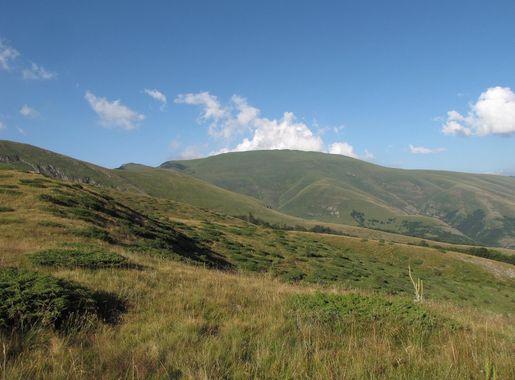


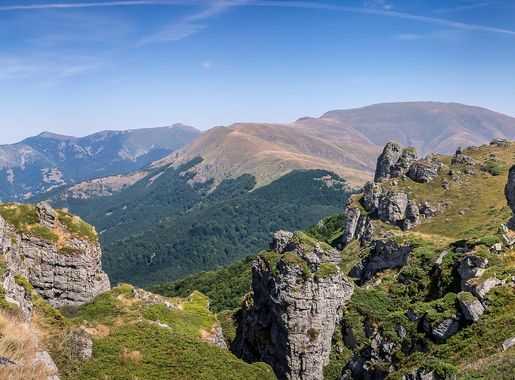


The Majestic Stara Planina Mountain: Serbia's Hidden Gem
Nestled in the heart of the Balkans, Stara Planina Mountain is a breathtaking destination that offers a perfect blend of natural beauty, adventure, and tranquility. Known for its lush landscapes, scenic hiking trails, and rich biodiversity, this mountain range is a must-visit for nature enthusiasts and adventure seekers alike. The Stara Planina Mountain, also called the Balkan Mountains, stretches across Serbia and Bulgaria, providing stunning panoramic views and a variety of outdoor activities. In the warmer months, visitors can explore the numerous hiking and biking trails that meander through dense forests, past sparkling rivers, and up to high peaks that offer spectacular vistas. The mountain is also home to unique flora and fauna, making it a paradise for wildlife watchers and photographers. During the winter, Stara Planina transforms into a winter wonderland, attracting skiers and snowboarders with its pristine slopes and well-maintained facilities. The Babin Zub ski resort is particularly popular, offering a range of runs suitable for all skill levels. Additionally, the region is dotted with charming villages where visitors can experience authentic Serbian culture, taste local cuisine, and enjoy warm hospitality. Whether you're seeking an adrenaline-pumping adventure or a peaceful retreat in nature, Stara Planina Mountain offers an unforgettable experience. Its unspoiled beauty and diverse activities make it a year-round destination that promises to captivate every traveler.