

Cheile Nerei National Park, Romania Travel Guide
Discover the breathtaking landscapes and rich history of Cheile Nerei National Park, a hidden gem in Romania perfect for nature lovers and adventurers alike.
Cheile Nerei National Park, located in the southwestern part of Romania, is a paradise for nature lovers and adventure seekers. This national park is renowned for its stunning landscapes, which include deep gorges, clear rivers, and lush forests. The Nera River carves through the park, creating impressive canyons and offering numerous spots for hiking, swimming, and kayaking. One of the highlights of Cheile Nerei National Park is the Beușnița Waterfall, a beautiful cascade that mesmerizes visitors with its crystal-clear water and surrounding greenery. The park is also home to Ochiul Beiului, a charming blue lake surrounded by legends and folklore. For those looking to explore the park's flora and fauna, there are plenty of trails that offer a chance to see rare plants and animals in their natural habitat. History enthusiasts will appreciate the ancient ruins scattered throughout the park, remnants of the region's Roman and medieval past. Whether you're looking for a peaceful retreat in nature or an adrenaline-pumping adventure, Cheile Nerei National Park offers something for everyone.

Know before you go
Hi, I'm Eve. Here are a few practical things to know before exploring Cheile Nerei National Park.
- Visit in spring or early summer for the best weather and blooming flowers.
- Wear sturdy hiking shoes, as some trails can be rocky and steep.
- Bring a swimsuit; there are many spots ideal for a refreshing dip.
- Don't miss the Beușnița Waterfall and Ochiul Beiului for stunning photo opportunities.
- Consider hiring a local guide to learn more about the park's history and hidden spots.
Explore Cheile Nerei National Park: Things to Do, Places to Eat, Hotels & More
Handpicked recommendations for top attractions, local dining, accommodations, and more

Best attractions in Cheile Nerei National Park
Top-rated picks
Best Attractions

Bigar Cascade Falls
Experience the captivating allure of Bigar Cascade Falls, a hidden gem in Romania surrounded by lush landscapes and serene beauty.

Semenic - Cheile Carasului National Park
Discover the stunning beauty and diverse wildlife of Semenic - Cheile Carasului National Park, a nature lover's paradise in Romania.

Beusnita Waterfall
Experience the breathtaking beauty of Beusnita Waterfall, a stunning natural gem in Romania's picturesque landscapes, perfect for nature lovers and adventurers alike.

Peștera Comarnic
Explore the breathtaking Peștera Comarnic, Romania's captivating unlit cave, rich in natural beauty and ancient history.

Best landmarks in Cheile Nerei National Park
Top-rated picks
Best Landmarks

Bigar Cascade Falls
Discover the stunning beauty of Bigar Cascade Falls, a natural wonder in Romania that enchants visitors with its serene ambiance and picturesque views.

Izvorul Bigar
Experience the breathtaking beauty of Izvorul Bigar, a stunning nature preserve in Romania featuring unique waterfalls and lush landscapes.

Cheile Nerei-Beușnița National Park
Explore the breathtaking landscapes and rich biodiversity of Cheile Nerei-Beușnița National Park, a hidden gem of Romania's natural wonders.
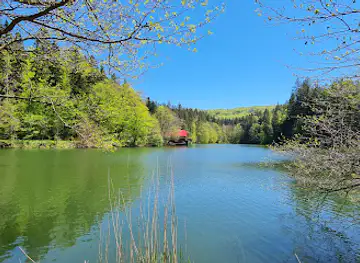
Semenic - Cheile Carasului National Park
Explore the breathtaking landscapes of Semenic - Cheile Carasului National Park, a must-visit for nature lovers and adventure enthusiasts in Romania.

Best restaurants in Cheile Nerei National Park
Top-rated picks
Best Restaurants

Izvorul Bigar
Experience the breathtaking beauty of Izvorul Bigar, a stunning natural spring with cascading waterfalls nestled in Romania's lush landscapes.

Cheile Nerei-Beușnița National Park
Explore Cheile Nerei-Beușnița National Park: A Natural Wonderland of Gorges, Waterfalls & Wildlife in Romania.

Beusnita Waterfall
Explore Beusnita Waterfall: A Stunning Natural Gem in Romania's Cheile Nerei National Park.

Waterfall At Văioaga
Explore Văioaga Waterfall - A Stunning Natural Wonder in Romania's Cheile Nerei National Park.

Best bars in Cheile Nerei National Park
Top-rated picks
Best Bars

Cheile Nerei-Beușnița National Park
Explore the breathtaking beauty of Cheile Nerei-Beușnița National Park, a natural paradise filled with stunning landscapes and diverse wildlife in Romania.

Beusnita Waterfall
Explore Beusnita Waterfall: a breathtaking natural wonder in Romania's Cheile Nerei National Park, perfect for nature lovers and adventure seekers.

Waterfall At Văioaga
Experience the breathtaking beauty of Văioaga Waterfall, a hidden gem in Romania's Cheile Nerei National Park, perfect for nature lovers and adventurers.

Pensiunea Cheile Nerei
Experience the serene beauty of Sasca Română at Pensiunea Cheile Nerei, a cozy bed and breakfast perfect for nature lovers and adventurers.

Best nightclubs in Cheile Nerei National Park
Top-rated picks
Best Nightclubs

Cheile Nerei-Beușnița National Park
Explore the stunning landscapes and diverse wildlife of Cheile Nerei-Beușnița National Park, a must-visit destination for nature lovers in Romania.

Beusnita Waterfall
Explore the enchanting Beusnita Waterfall, a natural wonder in Romania's breathtaking landscape, perfect for adventurers and nature lovers alike.

Iasmina And Pinocchio Bar
Dive into the energetic atmosphere of Iasmina And Pinocchio Bar, where sports, drinks, and camaraderie unite in Sichevița.

WOW Lounge&Bar
Experience the vibrant nightlife at WOW Lounge&Bar in Moldova Veche, offering unique cocktails, light bites, and a chic atmosphere for relaxation.

Best shops in Cheile Nerei National Park
Top-rated picks
Best Shops

Bigar Cascade Falls
Discover the breathtaking Bigar Cascade Falls, a hidden gem in Romania boasting stunning vistas and serene natural beauty, perfect for nature lovers and adventurers.

Izvorul Bigar
Explore the mesmerizing beauty of Izvorul Bigar, a hidden gem in Romania's Cheile Nerei-Beușnița National Park, where nature's wonders await.

Cheile Nerei-Beușnița National Park
Explore the breathtaking landscapes and serene beauty of Cheile Nerei-Beușnița National Park, a natural paradise in Romania.

Beusnita Waterfall
Discover the enchanting Beusnita Waterfall, a breathtaking natural attraction in Romania's Cheile Nerei National Park, perfect for outdoor adventures and relaxation.

Explore Cheile Nerei National Park on the Map
A handpicked selection of must-see spots in Cheile Nerei National Park, mapped for you.
Cheile Nerei National Park Essentials
-
Cheile Nerei National Park is located in the southwestern part of Romania, in the Caraș-Severin County. The nearest major city is Timișoara, which has an international airport, Traian Vuia International Airport (TSR). From Timișoara, you can rent a car or take a bus to the town of Oravița or Sasca Montană, which serve as gateways to the park. The drive takes approximately 2-3 hours. Alternatively, you can take a train to Oravița and then a local bus or taxi to the park.
-
Within Cheile Nerei National Park, the best way to explore is on foot or by bicycle, as many of the trails and attractions are not accessible by car. For longer distances, renting a car is recommended. Local buses and taxis are available in nearby towns like Oravița and Sasca Montană, but they may have limited schedules. It's advisable to plan your transportation ahead of time, especially during off-peak seasons.
-
The official currency in Romania is the Romanian Leu (RON). While credit cards are accepted in some hotels, restaurants, and shops in larger towns, it's advisable to carry cash, especially when visiting more remote areas like Cheile Nerei National Park. ATMs are available in larger towns such as Oravița, but may not be present in smaller villages. Ensure you have enough cash for your trip and any emergency situations.
-
Cheile Nerei National Park is generally a safe destination for tourists. However, it's essential to take standard precautions. Avoid hiking alone, especially in remote areas, and always inform someone of your plans. Keep an eye on your belongings in crowded places and be cautious of your surroundings, particularly in urban areas. While there are no specific high-crime areas targeting tourists, petty theft can occur, so stay vigilant.
-
In case of emergency, dial 112 for immediate assistance. The nearest medical facilities are in Oravița, which has a hospital and pharmacies. It's highly recommended to have travel insurance that covers medical emergencies. For minor health issues, there are pharmacies where you can purchase over-the-counter medications. Always carry a first aid kit when hiking, and familiarize yourself with the park's emergency protocols.
-
Fashion: Do wear comfortable hiking gear and sturdy footwear. Avoid wearing flashy or expensive items. Religion: Do respect local customs and traditions. Some areas may have religious significance, so dress modestly. Public Transport: Do be respectful and give up your seat to elderly passengers. Don’t eat or drink on public transport. Greetings: Do greet people with a friendly 'Bună ziua' (Good day) or 'Salut' (Hello). Handshakes are common. Eating & Drinking: Do try local dishes and accept food offerings graciously. Don’t refuse hospitality, as it is considered impolite.
-
To experience Cheile Nerei National Park like a local, visit during the weekdays to avoid crowds. Engage with local guides who can offer insights into the park's history and hidden gems. Don't miss the stunning waterfalls like Bigăr Waterfall and Beușnița Waterfall. For a unique experience, try camping overnight in designated areas to fully immerse yourself in nature. Always carry a map and stay on marked trails to protect the environment and ensure your safety.
When is the best time to visit Cheile Nerei National Park?
Useful Local Phrases for Cheile Nerei National Park
You don't need to speak the language perfectly. Even learning a few simple words can make conversations warmer—and locals usually appreciate the effort.
— Eve

Here are the phrases I use most often in Cheile Nerei National Park. Try a few—you'll be surprised how far they go! 😊
❤️
-
- HelloSalut
[sah-LOOT] - GoodbyeLa revedere
[lah reh-veh-DEH-reh] - YesDa
[dah] - NoNu
[noo] - Please/You're welcomeTe rog
[teh rohg] - Thank youMulțumesc
[mool-TSOO-mesk] - Excuse me/SorryScuzați-mă
[skoo-ZAHTS muh] - How are you?Ce mai faci?
[cheh my FAW-chee] - Fine. And you?Bine. Și tu?
[BEE-neh. shee too] - Do you speak English?Vorbiți engleză?
[vohr-BEETZ en-GLEH-zuh] - I don't understandNu înțeleg
[noo uhn-TEH-lehg]
- HelloSalut
-
- I'd like to see the menu, pleaseAș dori să văd meniul, vă rog
[ush DOH-ree suh vad meh-NYOOL, vuh rohg] - I don't eat meatNu mănânc carne
[noo muh-NUHNC KAR-neh] - Cheers!Noroc!
[NOH-rohk] - I would like to pay, pleaseAș dori să plătesc, vă rog
[ush DOH-ree suh PLUH-tesk, vuh rohg]
- I'd like to see the menu, pleaseAș dori să văd meniul, vă rog
-
- Help!Ajutor!
[ah-ZHOO-tohr] - Go away!Du-te!
[doo-teh] - Call the Police!Sunați Poliția!
[soo-NAHTS po-LEE-tsee-ah] - Call a doctor!Sunați un doctor!
[soo-NAHTS oon dohk-TOHR] - I'm lostM-am rătăcit
[mahm ruh-tuh-CHEET] - I'm illSunt bolnav
[soont bohl-NAHV]
- Help!Ajutor!
-
- I'd like to buy...Aș dori să cumpăr...
[ush DOH-ree suh KOOM-puhr] - I'm just lookingDoar mă uit
[doh-ahr muh ooit] - How much is it?Cât costă?
[kaht KOHS-tuh] - That's too expensiveE prea scump
[eh preh skoomp] - Can you lower the price?Puteți să scădeți prețul?
[poo-TEHTS suh skuh-DEHTS pretzool]
- I'd like to buy...Aș dori să cumpăr...
-
- What time is it?Cât este ora?
[kaht YES-teh OH-rah] - It's one o'clockEste ora unu
[YES-teh OH-rah OON-oo] - Half past (10)Zece și jumătate
[ZEH-cheh shee zhoo-muh-TAH-teh] - MorningDimineața
[dee-mee-NAT-sah] - AfternoonDupă-amiază
[doo-puh ah-mee-ah-ZAH] - EveningSeara
[SAH-rah] - YesterdayIeri
[YEH-ree] - TodayAstăzi
[ah-STUHZ] - TomorrowMâine
[Muh-YNEH] - 1Unu
[OO-noo] - 2Doi
[doy] - 3Trei
[tray] - 4Patru
[PAH-troo] - 5Cinci
[CHEEN-chee] - 6Șase
[shah-seh] - 7Șapte
[SHAHP-teh] - 8Opt
[opt] - 9Nouă
[NOO-uh] - 10Zece
[ZEH-cheh]
- What time is it?Cât este ora?
-
- Where's a/the...?Unde este unul/o...
[OON-deh YES-teh OO-noo/oh] - What's the address?Care este adresa?
[KA-reh YES-teh ah-DREH-sah] - Can you show me (on the map)?Puteți să-mi arătați (pe hartă)?
[poo-TEHTS suh-MEE ah-RAH-tsuhts (peh HAR-tuh)] - When's the next (bus)?Când este următorul (autobuz)?
[KAHND YES-teh oor-MUH-toh-rool (ow-toh-BOOZ)] - A ticket (to ....)Un bilet (spre ....)
[oon bee-LET (spreh)]
- Where's a/the...?Unde este unul/o...
History of Cheile Nerei National Park
-
Cheile Nerei National Park is home to numerous archaeological sites that date back to prehistoric times. The area has yielded artifacts from the Neolithic era, indicating that it was inhabited by early human settlers. Tools, pottery, and remnants of dwellings suggest a thriving community that took advantage of the region's natural resources.
-
During the Roman conquest of Dacia in the 2nd century AD, the region that includes Cheile Nerei saw considerable activity. Roman legions built roads and fortifications, remnants of which can still be found in the park. The Dacian heritage, however, remained strong, with local tribes continuing to practice their traditions and culture despite Roman occupation.
-
Throughout the medieval period, the Banat region, which encompasses Cheile Nerei, was a crossroads of different cultures and influences. The area was part of the Kingdom of Hungary and later the Ottoman Empire. Medieval fortresses and monastic ruins within the park, such as the ruins of the Socolari Church, reflect this turbulent history and the blending of Eastern and Western influences.
-
In the 18th and 19th centuries, the Austro-Hungarian Empire initiated several industrial projects in the Banat region. The extraction of natural resources, such as timber and minerals, led to the construction of infrastructure that altered the landscape of Cheile Nerei. The remnants of old railways and mining operations can still be discovered within the park's boundaries.
-
The two World Wars had a significant impact on Cheile Nerei and the surrounding region. The shifting borders and alliances saw the area change hands multiple times. During World War I and II, the park served as a strategic location for military operations and refuge for local populations. Memorials and war relics scattered throughout the park serve as somber reminders of these conflicts.
-
Cheile Nerei National Park was officially established in 2000 to protect its unique landscapes, biodiversity, and cultural heritage. The park covers over 36,000 hectares, featuring spectacular gorges, waterfalls, and diverse ecosystems. The establishment of the national park has also fostered efforts to preserve the historical and archaeological sites within its boundaries, ensuring that the rich history of the area is not forgotten.
Neighbouring destination travel guides
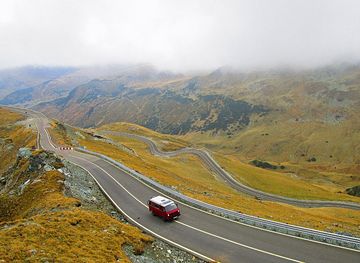
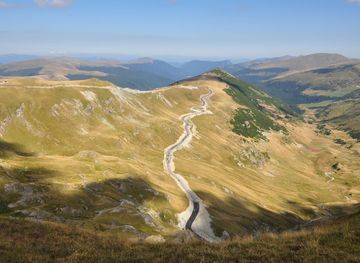
Browse our curated selection of top destinations, scenic points, and must-visit spots in the area.



Your all‑in‑one travel companion app
Explore expert travel guides, compare and book tours, experiences, hotels, and more—all from the palm of your hand. Download now for seamless trip planning wherever your wanderlust takes you.


Explore More of Caraș-Severin

Looking beyond Cheile Nerei National Park? Discover Caraș-Severin for broader travel guides, local hot-spots, and regional highlights.
Explore Caraș-SeverinExplore More of Romania

Looking beyond Cheile Nerei National Park? Discover Romania for broader travel guides, local hot-spots, and regional highlights.
Explore RomaniaCheile Nerei National Park in Photos
Browse through our photo collection highlighting the charm and character of the destination.




Cheile Nerei National Park: Romania's Hidden Gem
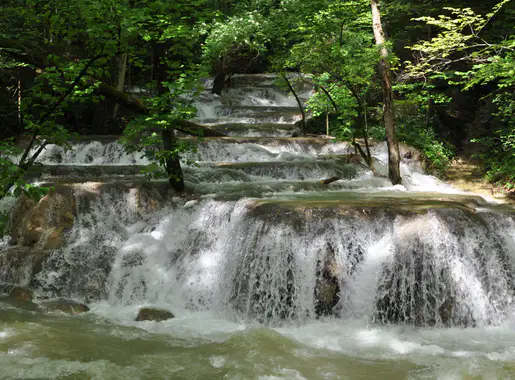
Cheile Nerei National Park, located in the southwestern part of Romania, is a paradise for nature lovers and adventure seekers. This national park is renowned for its stunning landscapes, which include deep gorges, clear rivers, and lush forests. The Nera River carves through the park, creating impressive canyons and offering numerous spots for hiking, swimming, and kayaking. One of the highlights of Cheile Nerei National Park is the Beușnița Waterfall, a beautiful cascade that mesmerizes visitors with its crystal-clear water and surrounding greenery. The park is also home to Ochiul Beiului, a charming blue lake surrounded by legends and folklore. For those looking to explore the park's flora and fauna, there are plenty of trails that offer a chance to see rare plants and animals in their natural habitat. History enthusiasts will appreciate the ancient ruins scattered throughout the park, remnants of the region's Roman and medieval past. Whether you're looking for a peaceful retreat in nature or an adrenaline-pumping adventure, Cheile Nerei National Park offers something for everyone.