

Free Timok Travel Guide & Mobile App
Explore Timok with free travel guides. Discover regional history, expert tips, proposed trips, and audio guides on web or mobile app.


Explore Timok in eastern Serbia for Roman ruins, historic wine cellars, mountain landscapes, thermal waters and the mining heritage of Bor.
Read more about Timok
When is the best time to visit Timok?
Best: May, September–October · 19–26°C| Month | High (°C) | Rainfall (mm) |
|---|---|---|
| January | 7 | 35 |
| February | 9 | 33 |
| March | 15 | 40 |
| April | 19 | 50 |
| May (best) | 26 | 60 |
| June | 29 | 65 |
| July | 32 | 55 |
| August | 31 | 50 |
| September (best) | 26 | 45 |
| October (best) | 19 | 40 |
| November | 12 | 35 |
| December | 7 | 33 |
Getting to and around Timok
How to get there
Transportation
Top city travel guides in Timok
The cities of Timok, and the easiest places to base yourself.

Swipe for more cities
Destinations in Timok
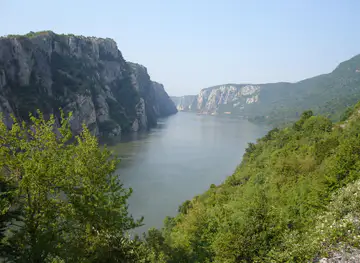
Resorts, valleys and scenic spots worth a trip of their own.
-
-


Swipe for more destinations
Best attractions in Timok
Timok's attractions are spread across a varied eastern Serbian landscape rather than concentrated in one resort. The foremost historical attraction is Felix Romuliana near Gamzigrad, where fortified Roman walls, palace remains and mosaics illuminate the reign of Emperor Galerius. Zaječar's museum collections provide useful context for the archaeological region, while Gamzigradska Banja offers thermal waters and a quieter spa setting. Around Negotin, the Rajačke and Rogljevačke Pivnice provide a distinctive cultural experience: these stone wine-cellar settlements reveal how vineyards shaped architecture, work and social life. Bor combines a working mining-city identity with access to Bor Lake and the caves and natural formations around Zlot. Knjaževac and the Timok valleys offer vineyard landscapes, rural roads and opportunities for walking and cycling. The area is best suited to travellers who enjoy combining heritage, food and landscape, with a car making the connections between its different attraction clusters considerably easier.
-
Museum
Museum of Second Serbian Uprising
Explore the impactful history of Serbia at the Museum of Second Serbian Uprising, where the fight for independence comes to life through engaging exhibits.
-
Memorial park
Ljubi Didić Monument
Explore the serene Ljubi Didić Monument in Zaječar, a memorial park dedicated to a local hero, surrounded by lush nature and rich history.
-
Tourist attraction
Vidikovac "Timok 1", Viewpoint
Experience the stunning landscapes of Gradskovo from Vidikovac Timok 1, a breathtaking viewpoint that captures the essence of Serbian nature.


Best landmarks in Timok
Felix Romuliana near Gamzigrad is Timok's defining landmark, a fortified late Roman palace whose monumental gates, towers and surviving mosaics express the power of Emperor Galerius and the importance of the region within the Roman Balkans. The Rajačke and Rogljevačke Pivnice are landmarks of a different kind: their tightly grouped stone wine cellars form historic rural ensembles closely associated with Negotin's viticultural identity. In Negotin, monuments and collections connected with Hajduk Veljko Petrović recall the town's role in the First Serbian Uprising. Bor's industrial skyline and mining infrastructure represent the modern transformation brought by copper extraction, while Bor Lake provides a contrasting landscape landmark outside the built-up city. The Timok river valleys and the wooded hills around Zlot and Knjaževac complete a landmark landscape in which ancient imperial power, local military history, wine production and twentieth-century industry remain visibly connected.
-
Fortress
Belgrade Fortress
Discover Belgrade Fortress, a breathtaking blend of history and natural beauty, offering stunning views and cultural insights in the heart of Serbia.
-
 Orthodox church
The Temple of Saint Sava
Explore the breathtaking Temple of Saint Sava, a stunning Orthodox church showcasing rich mosaics and Serbian cultural heritage in the heart of Belgrade.
-
City park
Kalemegdan
Discover the historic Kalemegdan Fortress in Belgrade, where rich history and stunning nature converge at the confluence of the Sava and Danube rivers.
-
Historical landmark
Republic Square
Explore Republic Square in Belgrade, a historical landmark bustling with culture, art, and vibrant atmosphere, perfect for tourists and locals alike.


Explore Timok on the map
Plan your trip on one map. See where the top cities, national parks and sights are, and book hotels and experiences in a few clicks.
Best hotels in Timok
Best restaurants in Timok
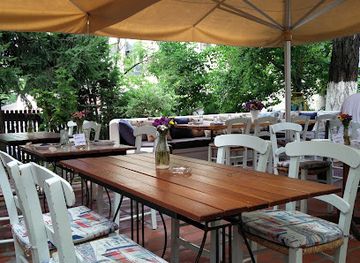
Timok's food culture is rooted in eastern Serbian home cooking, vineyard produce and the hospitality of small-town and village establishments. In Zaječar, Negotin, Bor and Knjaževac, restaurants commonly serve grilled meats, soups, stews, seasonal vegetables, salads, freshwater fish in suitable locations and hearty baked dishes typical of Serbian cuisine. The region's most distinctive culinary association is wine: Negotin and its surrounding villages are known for local vineyard production, and tastings may be arranged at cellars or through rural hosts. Look for regional cheeses, cured meats, peppers, fruit preserves and homemade pastries at markets and farm producers. Cafés and traditional restaurants dominate outside the larger towns, while contemporary menus are more likely in established urban venues. Local wines are the natural accompaniment to meals, but ask about provenance rather than assuming every bottle labelled with the region comes from a small producer.
-
Mediterranean
Mezestoran Dvoriste
Experience authentic Mediterranean cuisine at Mezestoran Dvoriste in Belgrade – where flavor meets tradition in a cozy setting.
-
Restaurant
Tomy Restaurant
Experience the rich flavors of Serbian cuisine at Tomy Restaurant in Šimanovci – a culinary delight not to be missed!
-
Restaurant
Ambar
Experience authentic Balkan cuisine at Ambar in Belgrade – where tradition meets modernity in every bite.
-
Traditional restaurant
Mirovica
Discover the authentic flavors of Serbia at Mirovica, where traditional recipes meet warm hospitality in the heart of Ritopek.


Best bars in Timok
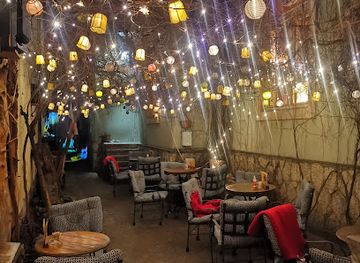
Evenings in Timok are centred on cafés, traditional restaurants, pubs and small bars rather than a large club circuit. Zaječar and Bor offer the broadest choice of late-opening urban venues, with younger crowds, televised sport, occasional live music and social café culture. Negotin and Knjaževac have a quieter evening rhythm, combining town-centre cafés with restaurants and seasonal outdoor seating. In wine country, cellar visits and tastings are usually social and food-oriented rather than nightclub experiences, and advance arrangements are sensible. Larger nightlife events may be occasional and subject to change, so local noticeboards and accommodation hosts are more reliable than assuming a permanent programme. Rural areas become notably quiet after dinner, making them better suited to vineyard hospitality, stargazing and relaxed meals than to late-night entertainment.
-
Bar
Shamrock bar
Experience the vibrant atmosphere of Shamrock Bar in Novi Sad, where great drinks, hearty meals, and live entertainment await.
-
Bar
Ok.No
Discover Ok.No, a dynamic bar in Belgrade offering the perfect blend of relaxation, nightlife, and local flavors for an unforgettable experience.
-
Bar
Monk's Bar
Discover Monk's Bar: A vibrant spot in Belgrade's Vračar district, offering an extensive drink menu and lively atmosphere for an unforgettable night out.
-
Cocktail bar
Monkey Bar Belgrade
Discover the lively atmosphere and innovative cocktails at Monkey Bar Belgrade, a premier nightlife destination in the heart of the city.



Best nightclubs in Timok
Evenings in Timok are centred on cafés, traditional restaurants, pubs and small bars rather than a large club circuit. Zaječar and Bor offer the broadest choice of late-opening urban venues, with younger crowds, televised sport, occasional live music and social café culture. Negotin and Knjaževac have a quieter evening rhythm, combining town-centre cafés with restaurants and seasonal outdoor seating. In wine country, cellar visits and tastings are usually social and food-oriented rather than nightclub experiences, and advance arrangements are sensible. Larger nightlife events may be occasional and subject to change, so local noticeboards and accommodation hosts are more reliable than assuming a permanent programme. Rural areas become notably quiet after dinner, making them better suited to vineyard hospitality, stargazing and relaxed meals than to late-night entertainment.
-
Night club
Backstage Belgrade
Discover the vibrant nightlife at Backstage Belgrade, a premier night club offering electrifying music and an unforgettable atmosphere in the heart of the city.
-
Night club
Gotik
Discover the electric atmosphere of Gotik Night Club in Belgrade, where vibrant music and stylish ambiance create unforgettable nightlife experiences.
-
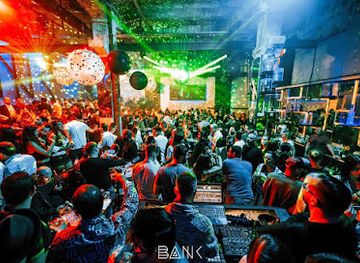
Night club
The BANK Club
Discover the heartbeat of Belgrade's nightlife at The BANK Club, where electrifying music and vibrant crowds create unforgettable nights.
-
Night club
Hype
Immerse yourself in Belgrade's nightlife at Hype Night Club, where electrifying beats and stylish ambiance create unforgettable experiences.


Best shops in Timok
Shopping in Timok is primarily local and practical, with the best opportunities found in the market areas and independent shops of Zaječar, Negotin, Bor and Knjaževac. Visitors can look for bottles of regional wine, fruit preserves, honey, cheeses, cured foods and seasonal produce, although availability and labelling vary between producers. The wine-cellar settlements around Negotin are especially suitable for buying directly from local makers when visits have been arranged. Town markets are useful for seeing the agricultural character of the region and may offer homemade foods, household goods and modest craft products. Zaječar and Bor provide more conventional high-street shopping, supermarkets and everyday services, while Knjaževac has a smaller market-town atmosphere. Do not expect a large luxury-retail scene; Timok's most meaningful purchases are edible regional products, wine and small items connected with local rural and industrial heritage.
-
Shopping mall
BIG FASHION Beograd
Discover the ultimate shopping experience at BIG FASHION Beograd, where style meets entertainment in the heart of Belgrade.
-
Store
OBEKS Kolor centar-gvodjara (sve za vas dom)
Explore OBEKS Kolor Centar in Negotin for all your home essentials, from paint and decor to DIY supplies, and unleash your creativity today.
-
Store
Tehnomanija
Explore Tehnomanija in Negotin for a diverse range of electronics and home appliances, perfect for every tech enthusiast and savvy shopper.
-
Supermarket
Duvanprodukt
Experience the best of local shopping at Duvanprodukt, the premier supermarket in Negotin, Serbia, with a wide variety of products and local flavors.


Get your free copy of our complete guide to Timok, delivered straight to you.
Everything on this page, from attractions and restaurants to essentials and local phrases, in one PDF you can read offline, print or share.
Already have an account? Sign in
Your Timok guide is ready.
We'll send it to · Not you? Sign out

Getting your guide ready…
We are putting together a fresh copy of the Timok guide. This can take up to a minute.
This can take a few moments. If your browser asks, choose Allow so the download can start. You'll find the guide in your Downloads folder.
Nothing happened? Download it again
Sorry, the guide is taking longer than usual. Please try again in a minute, or get it by email instead.
Timok essentials
Currency and Payment
Safety
Emergency Situations
Do's and Don'ts
Local Tips
From Eve
Local phrases worth knowing
You don't need to get them perfect. A few words go a long way, and locals appreciate the effort.
Basics
| English | Local | Say it |
|---|---|---|
| Hello | Zdravo | [Zdra-vo] |
| Goodbye | Doviđenja | [Do-vi-đen-ya] |
| Yes | Da | [Da] |
| No | Ne | [Ne] |
| Please/You're welcome | Molim | [Mo-lim] |
| Thank you | Hvala | [Hva-la] |
| Excuse me/Sorry | Izvinite | [Iz-vi-ni-te] |
| How are you? | Kako si? | [Ka-ko si?] |
| Fine. And you? | Dobro. A ti? | [Do-bro. A ti?] |
| Do you speak English? | Govoriš li engleski? | [Go-vo-riš li eng-les-ki?] |
| I don't understand | Ne razumem | [Ne ra-zu-mem] |
Eating & Drinking
| English | Local | Say it |
|---|---|---|
| I'd like to see the menu, please | Hteo bih da vidim meni, molim | [H-te-o bih da vi-dim me-ni, mo-lim] |
| I don't eat meat | Ne jedem meso | [Ne je-dem me-so] |
| Cheers! | Živeli! | [Ži-ve-li] |
| I would like to pay, please | Hteo bih da platim, molim | [H-te-o bih da pla-tim, mo-lim] |
Emergencies
| English | Local | Say it |
|---|---|---|
| Help! | Pomoć! | [Po-moć] |
| Go away! | Odlazi! | [Od-la-zi] |
| Call the Police! | Pozovi policiju! | [Po-zo-vi po-li-ci-ju] |
| Call a doctor! | Pozovi doktora! | [Po-zo-vi dok-to-ra] |
| I'm lost | Izgubio sam se | [Iz-gu-bi-o sam se] |
| I'm ill | Bolestan sam | [Bo-le-stan sam] |
Shopping
| English | Local | Say it |
|---|---|---|
| I'd like to buy... | Hteo bih da kupim... | [H-te-o bih da ku-pim] |
| I'm just looking | Samo gledam | [Sa-mo gle-dam] |
| How much is it? | Koliko košta? | [Ko-li-ko ko-šta?] |
| That's too expensive | To je preskupo | [To je pre-sku-po] |
| Can you lower the price? | Možeš li da spustiš cenu? | [Mo-žeš li da spu-stiš ce-nu?] |
Time & Numbers
| English | Local | Say it |
|---|---|---|
| What time is it? | Koliko je sati? | [Ko-li-ko je sa-ti?] |
| It's one o'clock | Jedan je čas | [Je-dan je čas] |
| Half past (10) | Polovinu (10) | [Po-lo-vi-nu] |
| Morning | Jutro | [Ju-tro] |
| Afternoon | Popodne | [Po-pod-ne] |
| Evening | Veče | [Ve-che] |
| Yesterday | Juče | [Ju-che] |
| Today | Danas | [Da-nas] |
| Tomorrow | Sutra | [Su-tra] |
| 1 | Jedan | [Je-dan] |
| 2 | Dva | [Dva] |
| 3 | Tri | [Tri] |
| 4 | Četiri | [Če-ti-ri] |
| 5 | Pet | [Pet] |
| 6 | Šest | [Šest] |
| 7 | Sedam | [Se-dam] |
| 8 | Osam | [O-sam] |
| 9 | Devet | [De-vet] |
| 10 | Deset | [De-set] |
Transport & Directions
| English | Local | Say it |
|---|---|---|
| Where's a/the...? | Gde je...? | [Gde je...?] |
| What's the address? | Koja je adresa? | [Ko-ja je a-dre-sa?] |
| Can you show me (on the map)? | Možeš li mi pokazati (na mapi)? | [Mo-žeš li mi po-ka-za-ti (na ma-pi)?] |
| When's the next (bus)? | Kada je sledeći (autobus)? | [Ka-da je sle-de-ći (au-to-bus)?] |
| A ticket (to ....) | Jedna karta (do ....) | [Jed-na kar-ta (do ....)] |
History of Timok
Pre-Roman Communities and the Timok Valley
The Timok valleys and eastern Serbian uplands have long provided routes between the central Balkans, the Danube basin and territories to the east. Archaeological evidence records prehistoric settlement and later communities connected with the wider Thracian, Celtic and Balkan cultural worlds. The region's rivers, fertile pockets and mineral resources encouraged movement and exchange, although its historical identity was never limited to one single ancient people. This strategic geography helps explain why Roman authorities later developed roads, settlements, fortifications and administrative centres across eastern Serbia.
Roman Moesia and Felix Romuliana
After Roman expansion into the central Balkans, the Timok area formed part of the imperial province of Moesia Superior and its later administrative divisions. Roads and military infrastructure connected the interior with the Danube frontier and mining districts. The most remarkable surviving monument is Felix Romuliana near Gamzigrad, an imperial palace complex built by Emperor Galerius in the late third and early fourth centuries. Its walls, gates, temples, residences and mosaics reveal the ceremonial ambitions of the Tetrarchic age and remain the clearest visible expression of Roman power in the region.
Medieval Borderlands and Serbian Rule
During the Middle Ages, eastern Serbia occupied a shifting position between neighbouring Bulgarian, Byzantine and Serbian spheres of power. Fortified settlements, churches and routes through the valleys reflected the area's strategic importance. Timok was incorporated into the medieval Serbian state at different stages, while local communities continued to farm, trade and move livestock across the uplands. The political landscape changed repeatedly as regional powers competed for control of the Danube approaches and the interior mountain corridors.
Ottoman Rule and the Eastern Frontier
The region spent centuries within the Ottoman imperial system, with its towns and villages shaped by frontier conditions, changing trade routes and movement between the Danube and the interior. Settlement patterns, agriculture and religious life developed through interaction among Orthodox Christian communities, Muslim authorities and wider Balkan networks. Ottoman rule also left the area close to a succession of imperial borders and conflicts, making eastern Serbia a zone in which military, commercial and local interests frequently overlapped.
The First Serbian Uprising and Hajduk Veljko
Timok has a strong connection with the First Serbian Uprising against Ottoman rule, which began in 1804. Negotin is especially associated with Hajduk Veljko Petrović, one of the uprising's most celebrated commanders. He defended the eastern frontier and was killed at Negotin in 1813. His historical image combines military leadership, local loyalty and the hardships of a border region. Museums and monuments in and around Negotin preserve this memory, while the wider uprising contributed to the creation of the modern Serbian state.
Wine Culture in the Nineteenth Century
Viticulture expanded significantly in the Negotin area during the nineteenth century, when vineyards and specialised wine-cellar settlements became central to local rural economy. The Rajačke Pivnice and Rogljevačke Pivnice developed as dense groups of stone cellars where wine was pressed, matured and stored under relatively stable conditions. Their architecture reflects both practical production needs and communal traditions. War, disease, economic upheaval and later changes in agriculture reduced the scale of the old wine economy, but the cellar complexes remain important evidence of Timok's regional identity.
Bor and the Industrial Mining Era
The discovery and exploitation of copper near Bor transformed the area in the early twentieth century. Mining brought industrial investment, new infrastructure, wage labour and rapid urban growth to a previously rural district. Bor subsequently became one of Serbia's most important mining centres, while the industry also caused major environmental pressures and reshaped the surrounding landscape. The city's character cannot be separated from copper extraction: industrial heritage, company-built housing, changing employment patterns and debates over environmental management all form part of modern Timok's story.
Timok in Photos
Browse through our photo collection highlighting the charm and character of the destination.
Neighbouring regions of Timok
The closest regions to Timok, if you have time for more than one.
-

-

-

-

-


Swipe for more regions
Explore more

Explore more of Serbia
Discover Serbia: A Balkan treasure with rich history, stunning natural landscapes, and vibrant cities waiting to be explored.
Explore Serbia