

Free Jablanica Travel Guide & Mobile App
Explore Jablanica with free travel guides. Discover regional history, expert tips, proposed trips, and audio guides on web or mobile app.


Explore Jablanica in southern Serbia for Roman ruins, Leskovac grilling traditions, mineral springs, market towns and wooded mountain landscapes.
Read more about Jablanica
When is the best time to visit Jablanica?
Best: June–August · 23–26°C| Month | High (°C) | Rainfall (mm) |
|---|---|---|
| JANUARY | 4 | 45 |
| FEBRUARY | 5 | 40 |
| MARCH | 9 | 50 |
| APRIL | 14 | 55 |
| MAY | 19 | 65 |
| JUNE (best) | 23 | 60 |
| JULY (best) | 26 | 55 |
| AUGUST (best) | 26 | 50 |
| SEPTEMBER | 21 | 55 |
| OCTOBER | 15 | 60 |
| NOVEMBER | 8 | 55 |
| DECEMBER | 5 | 50 |
Getting to and around Jablanica
How to get there
Transportation
Top city travel guides in Jablanica
The cities of Jablanica, and the easiest places to base yourself.

Swipe for more cities
Best attractions in Jablanica
Jablanica’s attractions combine archaeology, food culture, spa recreation and wooded countryside rather than a single concentrated sightseeing circuit. Caričin Grad near Lebane is the district’s outstanding historical attraction, with the remains of Justiniana Prima spread across an open archaeological landscape. In Leskovac, museums and historic civic buildings explain the area’s industrial, agricultural and cultural development, while the city’s restaurants provide an introduction to its renowned grilling tradition. Sijarinska Banja in Medveđa municipality brings together mineral springs, spa facilities and a mountain setting. Vlasotince offers a quieter base beside the Vlasina River, with surrounding hills and rural roads suited to gentle exploration. The uplands around Crna Trava and Kukavica are more appropriate for visitors interested in forests, walking and local settlement patterns than in formal attractions. Across the district, seasonal produce markets, village churches and small-town life add context, although distances and limited public transport make careful planning important.
-
Mountain peak
Tornik
Discover the stunning beauty and thrilling adventures of Tornik, the majestic mountain peak in Dobroselica, Serbia's outdoor paradise.
-
Museum
Museum of the Battle for the Wounded at Neretva - Jablanica
Discover the rich history of World War II at the Museum of the Battle for the Wounded at Neretva in Jablanica, Bosnia & Herzegovina.
-
Memorial park
Memorial complex "Battle of the Neretva"
Explore the Memorial Complex Battle of the Neretva, a breathtaking memorial park that honors the heroes of WWII amidst stunning natural landscapes.
-
Tourist attraction
Kayak canoe safari Neretva
Discover the breathtaking beauty of Neretva River with Kayak Canoe Safari, an unforgettable adventure in the heart of Bosnia & Herzegovina.

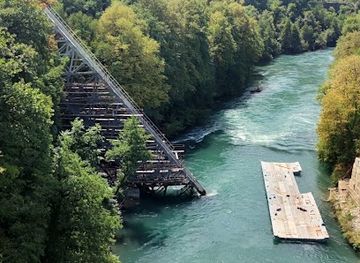

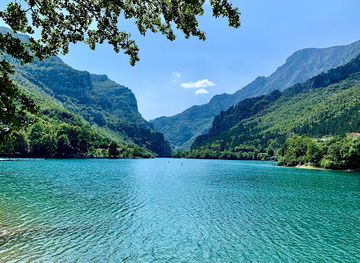
Best landmarks in Jablanica
Caričin Grad near Lebane is Jablanica’s defining landmark: the hilltop remains of Justiniana Prima preserve urban walls, streets, churches and civic structures from the sixth-century Byzantine period. In Leskovac, the Church of the Holy Trinity, commonly known as Odžaklija because of its unusual chimney-like feature, is an important local religious and architectural marker, while the Šop-Đokić House represents the town’s nineteenth-century urban heritage. The Hisar hill above Leskovac is a prominent natural and archaeological feature overlooking the city and the South Morava plain. Sijarinska Banja’s mineral springs and spa landscape form a different kind of landmark, linking geology with the long tradition of health tourism in Medveđa municipality. The Vlasina River gives Vlasotince its geographical identity, and the forested highlands around Crna Trava provide a broader landscape landmark shaped by mountain roads, woodland and scattered settlements. These places are significant because they reveal the district’s Roman-Byzantine, Serbian, religious, urban and upland identities.
-
Fortress
Belgrade Fortress
Discover the rich history and stunning views at Belgrade Fortress, a must-visit landmark blending culture, nature, and breathtaking panoramas.
-
City park
Kalemegdan
Discover the historical charm of Kalemegdan: Belgrade's iconic fortress and city park offering stunning views, rich culture, and lush landscapes.
-
 National reserve
Kravica Waterfall
Explore the stunning Kravica Waterfall, a breathtaking natural reserve in Bosnia & Herzegovina, perfect for relaxation, adventure, and unforgettable memories.
-
Tourist attraction
Gold gondola Zlatibor
Explore the breathtaking landscapes of Zlatibor from the Gold Gondola, a stunning cable car ride that reveals Serbia's natural beauty.


Explore Jablanica on the map
Plan your trip on one map. See where the top cities, national parks and sights are, and book hotels and experiences in a few clicks.
Best hotels in Jablanica
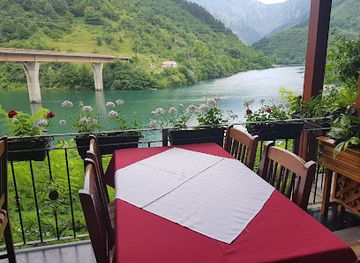
Best restaurants in Jablanica
Dining in Jablanica is closely associated with southern Serbian comfort food and the agricultural produce of the Leskovac basin. Leskovački roštilj, particularly grilled minced-meat specialities and other charcoal-cooked dishes, is the best-known local expression, while peppers feature in ajvar, relishes and preserved vegetable preparations. Seasonal tomatoes, fruit and vegetables from the surrounding plain appear in home cooking and market stalls. Leskovac has the broadest choice of traditional restaurants, cafés and contemporary dining, while smaller towns and spa settlements tend to favour grills, bakeries, simple restaurants and family-run establishments. Rural inns may serve hearty Serbian dishes, including meat, salads, soups and baked specialities, but choices can be limited outside the main towns. Local produce is often more visible in markets and household food traditions than in formal menus, so asking about the day’s dishes can be worthwhile. Wine and fruit brandies are found in the wider southern Serbian food culture, but responsible drinking is expected.
-
Motel
Motel Predejane
Experience comfort and authentic Serbian cuisine at Motel Predejane, your ideal getaway in picturesque Predejane.
-
Tourist attraction
Gold gondola Zlatibor
Discover breathtaking views and unforgettable experiences at Gold Gondola Zlatibor – a premier tourist attraction in Serbia's stunning mountains.
-
Restaurant
Restoran Zdrava voda
Experience authentic Bosnian cuisine at Restoran Zdrava Voda in Jablanica, where culinary tradition meets breathtaking views.
-
Restaurant
Restoran Kovačević
Experience authentic Bosnian cuisine at Restoran Kovačević in Donja Jablanica - a culinary treasure waiting for your taste buds.


Best bars in Jablanica
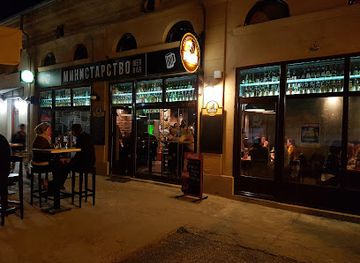
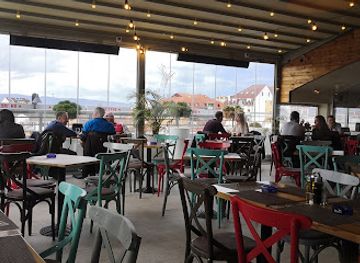
Evening life in Jablanica is centred on cafés, traditional pubs, restaurants and informal social venues rather than a large clubbing scene. Leskovac has the district’s widest choice, with cafés and bars around the central urban area and occasional live music or late-night entertainment, although venues and schedules change. Vlasotince and Lebane offer a quieter evening rhythm, with restaurants and cafés serving local residents and visitors. In Medveđa and Sijarinska Banja, nightlife is generally linked to spa stays, seasonal visitors and hotel or restaurant activity rather than dedicated nightclubs. Crna Trava and the more remote mountain settlements are places for quiet evenings, conversation and rural hospitality. Serbia’s café culture is important across the district, and coffee can be enjoyed at almost any time of day; visitors should not assume that drinking alcohol is necessary to participate in local social life.
-
Bar
MINISTARSTVO Beer Bar
Experience the vibrant atmosphere at MINISTARSTVO Beer Bar in Niš, where unique brews and local flavors come together for an unforgettable night out.
-
Gastropub
Komuna Gastro Bar
Discover the culinary magic of Komuna Gastro Bar in Niš, blending traditional flavors with modern flair for an unforgettable dining experience.
-
Bar
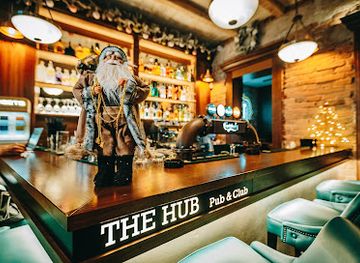
The Hub - pub and club
Experience the vibrant nightlife at The Hub in Niš, where great drinks and an electric atmosphere come together for an unforgettable evening.
-
Restaurant
Krnjicev Podrum
Discover the authentic flavors of Serbia at Krnjicev Podrum in Leskovac, where every meal is a celebration of local cuisine and hospitality.

Best nightclubs in Jablanica
Evening life in Jablanica is centred on cafés, traditional pubs, restaurants and informal social venues rather than a large clubbing scene. Leskovac has the district’s widest choice, with cafés and bars around the central urban area and occasional live music or late-night entertainment, although venues and schedules change. Vlasotince and Lebane offer a quieter evening rhythm, with restaurants and cafés serving local residents and visitors. In Medveđa and Sijarinska Banja, nightlife is generally linked to spa stays, seasonal visitors and hotel or restaurant activity rather than dedicated nightclubs. Crna Trava and the more remote mountain settlements are places for quiet evenings, conversation and rural hospitality. Serbia’s café culture is important across the district, and coffee can be enjoyed at almost any time of day; visitors should not assume that drinking alcohol is necessary to participate in local social life.
-
Night club
Ben Akiba
Experience the vibrant nightlife of Belgrade at Ben Akiba, where music, comedy, and dance unite for an unforgettable evening.
-
Night club
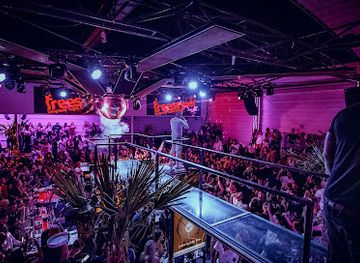
Freestyler Belgrade Night Club
Discover Freestyler Belgrade Night Club, a vibrant hotspot for nightlife lovers, featuring top DJs, stunning views, and an unforgettable party atmosphere.
-
Bar
Barrio Latino
Discover the heart of Belgrade's nightlife at Barrio Latino, where vibrant Latin rhythms and delicious cocktails come together for an unforgettable experience.
-
Night club
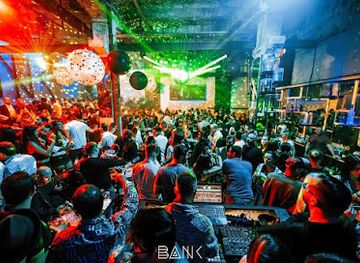
The BANK Club
Experience the electrifying nightlife at The BANK Club in Belgrade, where music, dance, and style converge for an unforgettable evening.


Best shops in Jablanica
Shopping in Jablanica is primarily local and practical, with the strongest selection in Leskovac’s central streets, food shops, supermarkets and market areas. Leskovac’s markets are useful for seasonal peppers, fruit, vegetables, preserves and other produce from the surrounding agricultural plain, while bakeries and specialist food shops offer easy gifts for travellers. Smaller market towns such as Lebane and Vlasotince provide everyday shopping and modest selections of regional food rather than large-scale retail. In spa settlements, visitors may find locally produced foods, simple souvenirs and health-related products, but choice varies by season. Traditional Serbian items such as ajvar, paprika-based products, honey, fruit preserves and bottles of regional rakija can be appropriate purchases when bought from reputable, labelled sellers and carried in accordance with travel rules. Independent shops and small galleries are more likely to reflect local character than branded retail, while mountain villages may have very limited opening arrangements and payment facilities.
-
Grocery store
Jablanica MP
Explore Jablanica MP in Belgrade for authentic Serbian ingredients, fresh produce, and a taste of local culinary culture.
-
Home goods store
Jablanica - prodavnica pekarskih i poslastičarskih proizvoda
Discover Jablanica in Boleč, a delightful home goods store offering exquisite bakery and pastry products reflecting local culinary traditions.
-
Supermarket
Trgovina Centar
Explore local flavors and fresh produce at Trgovina Centar, the vibrant supermarket in Gornje Stopanje.
-
Produce market
Zlatan Trag Bojnik
Discover the essence of Bojnik at Zlatan Trag, a vibrant produce market showcasing fresh local goods and rich Serbian culture.


Get your free copy of our complete guide to Jablanica, delivered straight to you.
Everything on this page, from attractions and restaurants to essentials and local phrases, in one PDF you can read offline, print or share.
Already have an account? Sign in
Your Jablanica guide is ready.
We'll send it to · Not you? Sign out

Getting your guide ready…
We are putting together a fresh copy of the Jablanica guide. This can take up to a minute.
This can take a few moments. If your browser asks, choose Allow so the download can start. You'll find the guide in your Downloads folder.
Nothing happened? Download it again
Sorry, the guide is taking longer than usual. Please try again in a minute, or get it by email instead.
Jablanica essentials
Currency and Payment
Safety
Emergency Situations
Do's and Don'ts
Local Tips
From Eve
Local phrases worth knowing
You don't need to get them perfect. A few words go a long way, and locals appreciate the effort.
Basics
| English | Local | Say it |
|---|---|---|
| Hello | Zdravo | [zdrah-vo] |
| Goodbye | Doviđenja | [doh-vee-jen-yah] |
| Yes | Da | [dah] |
| No | Ne | [neh] |
| Please/You're welcome | Molim/ Nema na čemu | [moh-leem/ neh-mah nah cheh-moo] |
| Thank you | Hvala | [hvah-lah] |
| Excuse me/Sorry | Izvinite | [eez-vee-nee-teh] |
| How are you? | Kako si? | [kah-koh see] |
| Fine. And you? | Dobro. A ti? | [doh-broh. ah tee] |
| Do you speak English? | Da li govoriš engleski? | [dah lee go-voh-reesh eng-les-kee] |
| I don't understand | Ne razumem | [neh rah-zoo-mehm] |
Eating & Drinking
| English | Local | Say it |
|---|---|---|
| I'd like to see the menu, please | Hteo bih da vidim meni, molim | [hteh-oh beekh dah vee-deem meh-nee, moh-leem] |
| I don't eat meat | Ne jedem meso | [neh yeh-dem meh-soh] |
| Cheers! | Živeli! | [zhee-veh-lee] |
| I would like to pay, please | Hteo bih da platim, molim | [hteh-oh beekh dah plah-teem, moh-leem] |
Emergencies
| English | Local | Say it |
|---|---|---|
| Help! | Pomoć! | [poh-mohch] |
| Go away! | Odlazi! | [od-lah-zee] |
| Call the Police! | Pozovite policiju! | [poh-zoh-vee-teh poh-lee-tsee-yoo] |
| Call a doctor! | Pozovite doktora! | [poh-zoh-vee-teh dok-toh-rah] |
| I'm lost | Izgubio sam se | [eez-goo-bee-oh sahm seh] |
| I'm ill | Bolestan sam | [boh-leh-stahn sahm] |
Shopping
| English | Local | Say it |
|---|---|---|
| I'd like to buy... | Hteo bih da kupim... | [hteh-oh beekh dah koo-peem] |
| I'm just looking | Samo gledam | [sah-moh gled-ahm] |
| How much is it? | Koliko košta? | [koh-lee-koh koh-shtah] |
| That's too expensive | To je previše skupo | [toh yeh preh-vee-sheh skoo-poh] |
| Can you lower the price? | Možeš li da spustiš cenu? | [moh-zhehsh lee dah spoo-steesh tseh-noo] |
Time & Numbers
| English | Local | Say it |
|---|---|---|
| What time is it? | Koliko je sati? | [koh-lee-koh yeh sah-tee] |
| It's one o'clock | Jedan je čas | [yeh-dahn yeh chahs] |
| Half past (10) | Pola (10) | [poh-lah (10)] |
| Morning | Jutro | [yoo-troh] |
| Afternoon | Popodne | [poh-poh-dneh] |
| Evening | Veče | [veh-cheh] |
| Yesterday | Juče | [yoo-cheh] |
| Today | Danas | [dah-nahs] |
| Tomorrow | Sutra | [soo-trah] |
| 1 | Jedan | [yeh-dahn] |
| 2 | Dva | [dva] |
| 3 | Tri | [tree] |
| 4 | Četiri | [cheh-tee-ree] |
| 5 | Pet | [peht] |
| 6 | Šest | [shest] |
| 7 | Sedam | [seh-dahm] |
| 8 | Osam | [oh-sahm] |
| 9 | Devet | [deh-vet] |
| 10 | Deset | [deh-set] |
Transport & Directions
| English | Local | Say it |
|---|---|---|
| Where's a/the...? | Gde je...? | [gdeh yeh] |
| What's the address? | Koja je adresa? | [koh-yah yeh ah-dreh-sah] |
| Can you show me (on the map)? | Možeš li da mi pokažeš (na mapi)? | [moh-zhehsh lee dah mee poh-kah-zhehsh (nah mah-pee)] |
| When's the next (bus)? | Kada je sledeći (autobus)? | [kah-dah yeh sleh-deh-chee (ow-toh-boos)] |
| A ticket (to ....) | Jedna karta (do ...) | [yeh-dnah kahr-tah (doh ...)] |
History of Jablanica
Prehistoric and Ancient Settlements
The valleys of the South Morava and Jablanica rivers have long provided routes for settlement, farming and movement through the central Balkans. Archaeological evidence from the wider Leskovac basin records prehistoric communities and later Iron Age occupation, while ancient routes connected the area with major centres to the north and south. Greek, Celtic, Roman and local influences successively shaped the region, although many early sites survive as archaeological traces rather than monumental ruins visible from modern roads.
Roman Roads and Naissus’ Southern Hinterland
Under Roman rule, the territory of present-day Jablanica lay within the communications network linking Naissus, the important city at modern Niš, with settlements and military routes farther south. Roads, agricultural estates and administrative structures tied the fertile valleys to the wider imperial economy. The Roman legacy is especially important because it established the transport corridors and settlement patterns that continued to influence southern Serbia after the western Roman Empire had disappeared.
Justiniana Prima and the Sixth-Century Byzantine Revival
Near Lebane stands Caričin Grad, identified with Justiniana Prima, a major sixth-century city founded during the reign of Emperor Justinian I. It was intended to serve as an important ecclesiastical and administrative centre in the emperor’s home region and included several monumental churches, paved streets, public buildings and fortifications. The city was abandoned after the upheavals of the late sixth and early seventh centuries, but its excavated remains provide one of the clearest archaeological windows onto the Byzantine Balkans in the territory of modern Serbia.
Medieval Serbian Rule and the Ottoman Frontier
During the medieval period, the Jablanica area formed part of the political and economic world of the Serbian states, with settlements, churches and routes connecting the Morava basin to Kosovo and Macedonia. Ottoman expansion in the late medieval period brought the region into the Ottoman administrative system and altered patterns of landholding, taxation and settlement. The long Ottoman era left a layered cultural landscape, although later wars, rebuilding and modern development have removed or transformed many earlier structures.
Nineteenth-Century Liberation and the Growth of Leskovac
The nineteenth century brought major political change as the area became part of the modern Serbian state after the Serbian-Ottoman wars and the Congress of Berlin in 1878. Leskovac expanded as a commercial centre, serving the surrounding agricultural districts and developing links with the railway network. Public buildings, schools and civic institutions accompanied the town’s growth, while new administrative arrangements gradually connected the valley more closely with the wider Serbian economy.
Industrialisation, Textiles and the Railway
Leskovac became particularly associated with textile production and was often described as a major industrial centre of southern Serbia. The arrival and expansion of railway connections encouraged the movement of raw materials, goods and people, accelerating urban growth and supporting factories, workshops and commerce. Although the industrial system changed substantially during the twentieth century and after the transition to a market economy, textile heritage remains part of Leskovac’s historical identity and museum interpretation.
Twentieth-Century War and Economic Transformation
Jablanica experienced the upheavals that affected Serbia and the wider Balkans during the twentieth century, including the First and Second World Wars, socialist reconstruction and the later economic crises accompanying the break-up of Yugoslavia. Leskovac was rebuilt and industrialised during the socialist period, while rural and mountain communities faced migration and demographic decline. Today the district combines urban industry and services with agriculture, spa tourism, archaeological research and efforts to sustain small settlements in the uplands.
Jablanica in Photos
Browse through our photo collection highlighting the charm and character of the destination.
Neighbouring regions of Jablanica
The closest regions to Jablanica, if you have time for more than one.
-

-

-

-

-


Swipe for more regions
Explore more

Explore more of Serbia
Discover Serbia: A Balkan treasure with rich history, stunning natural landscapes, and vibrant cities waiting to be explored.
Explore Serbia