

Free Nišava Travel Guide & Mobile App
Explore Nišava with free travel guides. Discover regional history, expert tips, proposed trips, and audio guides on web or mobile app.


Explore Nišava in Serbia for Roman heritage, Ottoman history, river gorges, mountain walks, southern Serbian food and the lively city of Niš.
Read more about Nišava
When is the best time to visit Nišava?
Best: June, August–September · 24–29°C| Month | High (°C) | Rainfall (mm) |
|---|---|---|
| January | 5 | 39 |
| February | 7 | 38 |
| March | 12 | 41 |
| April | 17 | 50 |
| May | 23 | 64 |
| June (best) | 26 | 64 |
| July | 29 | 45 |
| August (best) | 29 | 45 |
| September (best) | 24 | 45 |
| October | 18 | 44 |
| November | 11 | 46 |
| December | 5 | 51 |
Getting to and around Nišava
How to get there
Transportation
Top city travel guides in Nišava
The cities of Nišava, and the easiest places to base yourself.

Swipe for more cities
Destinations in Nišava
Resorts, valleys and scenic spots worth a trip of their own.

Swipe for more destinations
Best attractions in Nišava
Nišava’s attractions range from Roman archaeology and Ottoman fortifications to memorial sites and limestone landscapes. In Niš, the great fortress, the archaeological remains of Mediana, the Skull Tower and the Red Cross Concentration Camp form a powerful historical sequence, while the National Museum and other cultural institutions add context to the city’s long development. Čegar Hill, associated with the 1809 battle, lies east of the centre and connects military history with the surrounding countryside. For outdoor travellers, Jelašnica Gorge offers walking, climbing and close views of karst geology, while the Nišava valley leads towards more rural scenery around Svrljig and the lower slopes of Suva Planina. The district also contains village landscapes, orchards and agricultural areas that are best experienced through short drives and walks rather than a single organised circuit. Mediana and the city’s memorial locations require a reflective approach, whereas the gorges and uplands invite active exploration. Seasonal conditions matter: hot summers favour early walks and shaded routes, while spring and autumn provide more comfortable temperatures for combining nature with heritage.
-
Tourist attraction
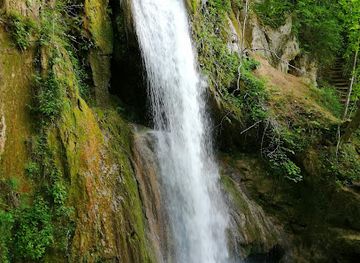
Ripaljka Waterfall
Explore the enchanting Ripaljka Waterfall in Sokobanja, Serbia - a serene retreat surrounded by nature's beauty and tranquility.
-
Historical landmark
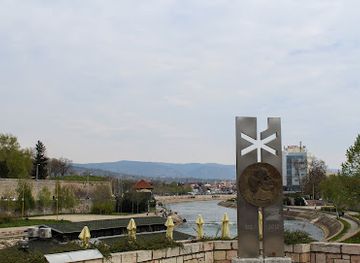
Monument to Constantine the Great
Explore the iconic Monument to Constantine the Great in Niš, Serbia, a historical landmark celebrating the legacy of the Roman Emperor amidst stunning riverside views.
-
Museum
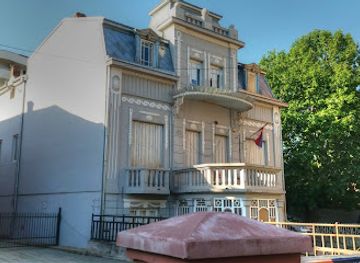
Administration of the National Museum Niš
Explore the National Museum of Niš, a cultural gem showcasing the rich history and artistic heritage of Serbia's vibrant past.
-
Tourist attraction
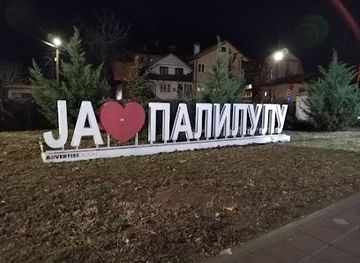
Sign “I Love Palilula”
Explore the iconic 'I Love Palilula' sign in Niš, a vibrant symbol of local pride and community spirit, perfect for memorable photos.
Best landmarks in Nišava
The most recognisable landmark in Nišava is Niš Fortress, whose broad walls and gates dominate the city centre beside the Nišava River. Although its visible form is largely Ottoman, the site contains evidence of earlier Roman, Byzantine and medieval occupation, making it a concise representation of the city’s strategic history. The Skull Tower is a stark nineteenth-century monument linked to the Battle of Čegar and the First Serbian Uprising, while the Bubanj Memorial Park uses monumental human forms to commemorate victims of wartime executions. Mediana, outside the central urban core, is significant for its late Roman mosaics and association with Constantine the Great. The Red Cross Concentration Camp is less visually monumental but carries exceptional historical weight as a rare surviving wartime camp site in the Balkans. Beyond the city, the stone walls and wooded slopes of Jelašnica Gorge and the high ridges of Suva Planina serve as natural landmarks, showing how the Nišava corridor combines strategic geography with exposed karst scenery.
-
Fortress
Belgrade Fortress
Explore the Belgrade Fortress, a historic landmark offering breathtaking views and rich cultural experiences in the heart of Serbia.
-
 Orthodox church
The Temple of Saint Sava
Discover the grandeur of the Temple of Saint Sava, an iconic Orthodox church in Belgrade, showcasing breathtaking architecture and profound spiritual significance.
-
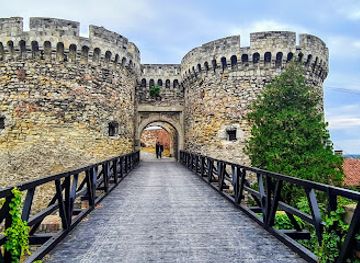
Fortress
Fortress of Niš
Explore the Fortress of Niš, a historical landmark that offers breathtaking views and a deep dive into Serbia's rich cultural heritage.
-
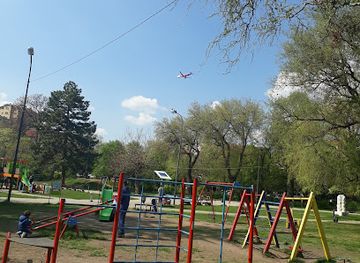
Park
Park Čair
Experience the natural beauty and relaxation of Park Čair, a serene oasis in Niš, perfect for leisurely strolls and family outings.
Explore Nišava on the map
Plan your trip on one map. See where the top cities, national parks and sights are, and book hotels and experiences in a few clicks.
Best hotels in Nišava
Best restaurants in Nišava
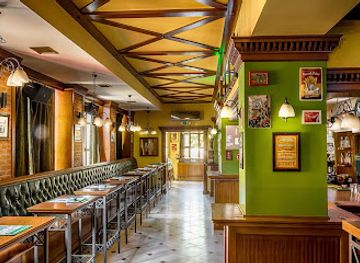
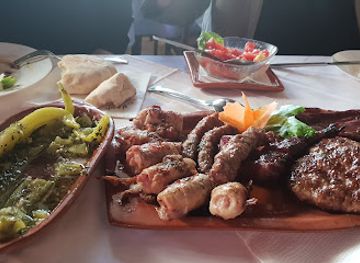
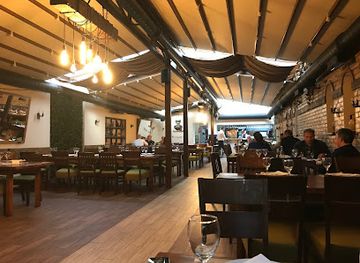
Nišava’s food culture is firmly associated with southern Serbian cooking, particularly burek, grilled meat and generous mezze-style starters. Niš is a good place to compare different versions of burek, usually served hot and often filled with meat, cheese or other savoury ingredients, while ćevapi, pljeskavica and grilled skewers appear widely in traditional restaurants and casual eateries. Shopska salad, roasted peppers, seasonal vegetables and preserves provide familiar accompaniments, and rural households across the district maintain traditions of fruit growing and home preparation. Merošina is known for its sour-cherry production, which appears in preserves, juices and desserts, while local markets are useful for finding seasonal produce from the surrounding valleys. Cafés and bakeries are important parts of everyday dining in Niš, and countryside restaurants may focus on straightforward grilled dishes, soups and baked specialities rather than elaborate menus. Serbian wines and fruit brandies may be offered, but products and quality vary by producer, so visitors should treat them as local discoveries rather than assume a single regional style.
-
Serbian
Kafana Marjan
Experience authentic Serbian dining at Kafana Marjan in Aleksinac, where tradition meets flavor in every dish.
-
Irish pub
Irish Pub Crazy Horse
Discover the charm of Ireland at Irish Pub Crazy Horse in Niš – where great food meets lively entertainment in a picturesque setting.
-
Barbecue
Kafana Mrak
Discover Kafana Mrak in Niš - where authentic Serbian barbecue meets warm hospitality in a cozy setting.
-
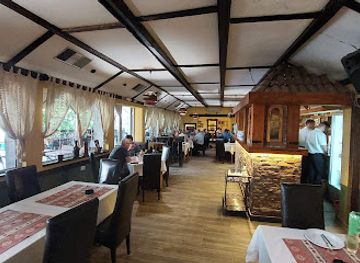
Restaurant
Nišlijska Mehana
Experience authentic Serbian cuisine at Nišlijska Mehana – where tradition meets flavor in every bite.
Best bars in Nišava
Evening life is concentrated in Niš, where cafés, traditional restaurants, bars and live-music venues fill the central streets and the lanes of Kazandžijsko sokače. The city has a more substantial nightlife scene than the surrounding municipalities, with younger crowds, cultural events and late venues clustered around the centre, although individual businesses and opening arrangements change. Traditional kafanas remain important for food, conversation and live music, while modern bars offer coffee, cocktails and Serbian beers in a less formal setting. Riverside areas can be pleasant in warm weather, but the atmosphere is generally more social and café-led than centred on large clubs. Outside Niš, evening options are usually limited to local restaurants, village cafés and pubs, with activity shaped by weekends, holidays and seasonal gatherings. Visitors should not expect a continuous nightlife circuit across the district; staying in Niš is the most practical choice for a varied evening.
-
Irish pub
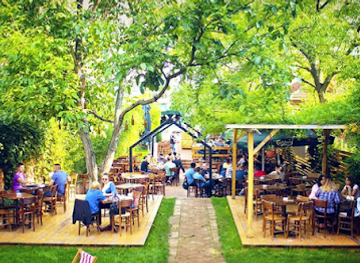
Irish Pub Crazy Horse
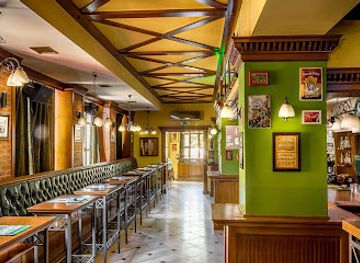
Discover the authentic Irish experience at Irish Pub Crazy Horse, a lively pub by the Nišava River offering delicious food and drinks.
-
Bar
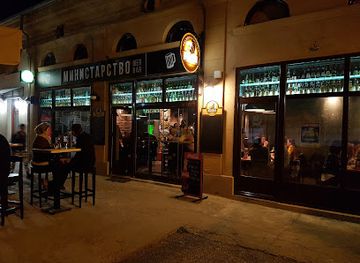
MINISTARSTVO Beer Bar
Discover the vibrant beer culture of Serbia at MINISTARSTVO Beer Bar in Niš, where craft brews meet a lively atmosphere.
-
Bar
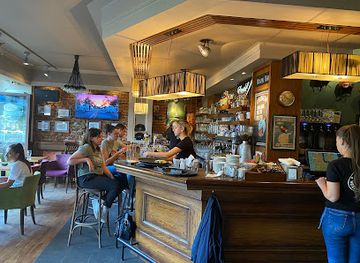
Vespa Bar
Discover the vibrant atmosphere and eclectic flavors of Vespa Bar, a must-visit cafe and bar in the heart of Niš.
-
Bar
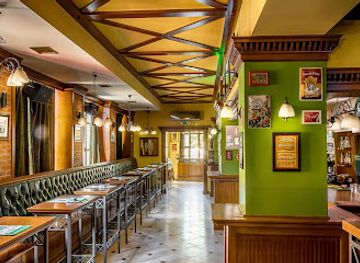
Pivnica Berta
Experience authentic Serbian hospitality at Pivnica Berta, the heart of local culture in Niš, where great drinks and vibrant atmosphere meet.
Best nightclubs in Nišava
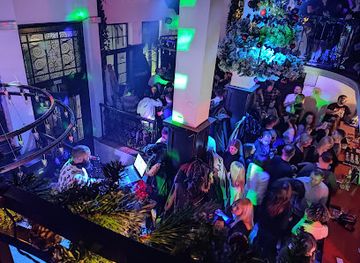
Evening life is concentrated in Niš, where cafés, traditional restaurants, bars and live-music venues fill the central streets and the lanes of Kazandžijsko sokače. The city has a more substantial nightlife scene than the surrounding municipalities, with younger crowds, cultural events and late venues clustered around the centre, although individual businesses and opening arrangements change. Traditional kafanas remain important for food, conversation and live music, while modern bars offer coffee, cocktails and Serbian beers in a less formal setting. Riverside areas can be pleasant in warm weather, but the atmosphere is generally more social and café-led than centred on large clubs. Outside Niš, evening options are usually limited to local restaurants, village cafés and pubs, with activity shaped by weekends, holidays and seasonal gatherings. Visitors should not expect a continuous nightlife circuit across the district; staying in Niš is the most practical choice for a varied evening.
-
Irish pub
Irish Pub Crazy Horse
Discover Irish Pub Crazy Horse in Niš: where delicious food meets vibrant culture along the beautiful Nišava river.
-
Bar
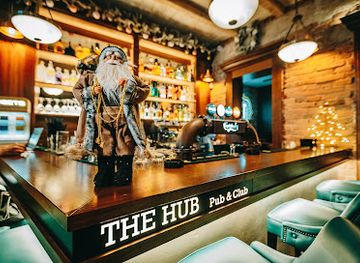
The Hub - pub and club
Experience the vibrant nightlife at The Hub, a premier bar and club in Niš offering diverse drinks and live entertainment.
-
Disco club
Carpe Diem
Dive into Niš's nightlife at Carpe Diem, where music, dance, and unforgettable memories await in a vibrant disco atmosphere.
-
Night club
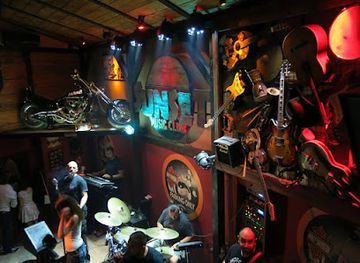
Sunset Club Niš
Discover the electrifying nightlife at Sunset Club Niš, where great music and a vibrant atmosphere create unforgettable experiences.
Best shops in Nišava
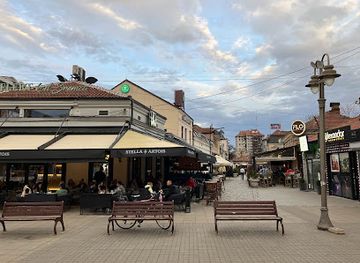
Shopping in Nišava is centred on Niš, where pedestrian streets, department-style retailers, bakeries, specialist food shops and open markets serve both residents and visitors. The city’s markets are useful for seasonal fruit, vegetables, peppers, dairy products and other everyday foods, while the central area offers Serbian wine, fruit preserves, coffee, confectionery and locally produced gifts. Small craft and souvenir shops around the fortress and historic centre may stock ceramics, textiles, religious items and decorative objects, though quality and provenance vary. Kazandžijsko sokače has a historic artisan identity and is a natural place to look for small-scale crafts alongside cafés and restaurants. In towns and villages beyond Niš, shopping is mainly practical, with local produce and homemade foods appearing through seasonal stalls rather than permanent tourist retail. Sour-cherry products from the Merošina area make a distinctive edible purchase when available, and visitors should carry cash for markets and smaller producers.
-
Store
Forum
Experience the best shopping, dining, and entertainment at Forum Shopping Center, the premier retail destination in Niš, Serbia.
-
Shopping mall
Kalča
Discover Kalča, Niš’s vibrant shopping mall offering a perfect blend of retail, dining, and entertainment in a lively atmosphere.
-
Shopping mall
STOP SHOP
Explore STOP SHOP Niš: A premier shopping destination blending local charm and international brands in a vibrant atmosphere.
-
Chinese supermarket
Exclusive Shopping Center
Explore the vibrant flavors of Asia at the Exclusive Chinese Supermarket in Niš, featuring an extensive selection of authentic products and ingredients.

Get your free copy of our complete guide to Nišava, delivered straight to you.
Everything on this page, from attractions and restaurants to essentials and local phrases, in one PDF you can read offline, print or share.
Already have an account? Sign in
Your Nišava guide is ready.
We'll send it to · Not you? Sign out

Getting your guide ready…
We are putting together a fresh copy of the Nišava guide. This can take up to a minute.
This can take a few moments. If your browser asks, choose Allow so the download can start. You'll find the guide in your Downloads folder.
Nothing happened? Download it again
Sorry, the guide is taking longer than usual. Please try again in a minute, or get it by email instead.
Nišava essentials
Currency and Payment
Safety
Emergency Situations
Do's and Don'ts
Local Tips
From Eve
Local phrases worth knowing
You don't need to get them perfect. A few words go a long way, and locals appreciate the effort.
Basics
| English | Local | Say it |
|---|---|---|
| Hello | Zdravo | [zdrah-vo] |
| Goodbye | Doviđenja | [doh-vee-jen-yah] |
| Yes | Da | [dah] |
| No | Ne | [neh] |
| Please/You're welcome | Molim | [moh-leem] |
| Thank you | Hvala | [hvah-lah] |
| Excuse me/Sorry | Izvinite | [eez-vee-nee-teh] |
| How are you? | Kako ste? | [kah-koh steh] |
| Fine. And you? | Dobro. A vi? | [doh-broh. ah vee] |
| Do you speak English? | Da li govorite engleski? | [dah lee goh-vor-ee-teh ehn-gleh-skee] |
| I don't understand | Ne razumem | [neh rah-zoo-mehm] |
Eating & Drinking
| English | Local | Say it |
|---|---|---|
| I'd like to see the menu, please | Hteo bih da vidim meni, molim | [hteh-oh beekh dah vee-deem meh-nee, moh-leem] |
| I don't eat meat | Ne jedem meso | [neh yeh-dem meh-so] |
| Cheers! | Živeli! | [zhee-veh-lee] |
| I would like to pay, please | Hteo bih da platim, molim | [hteh-oh beekh dah plah-teem, moh-leem] |
Emergencies
| English | Local | Say it |
|---|---|---|
| Help! | Upomoć! | [oo-poh-mohch] |
| Go away! | Odlazi! | [oh-dlah-zee] |
| Call the Police! | Pozovite policiju! | [poh-zoh-vee-teh poh-lee-tsi-yoo] |
| Call a doctor! | Pozovite doktora! | [poh-zoh-vee-teh doh-kto-rah] |
| I'm lost | Izgubio sam se | [eez-goo-bee-oh sahm seh] |
| I'm ill | Bolestan sam | [boh-leh-stahn sahm] |
Shopping
| English | Local | Say it |
|---|---|---|
| I'd like to buy... | Hteo bih da kupim... | [hteh-oh beekh dah koo-peem] |
| I'm just looking | Samo gledam | [sah-moh gled-am] |
| How much is it? | Koliko košta? | [koh-lee-koh koh-shtah] |
| That's too expensive | To je preskupo | [toh yeh preh-skoo-poh] |
| Can you lower the price? | Možete li smanjiti cenu? | [moh-zheh-teh lee sman-yee-tee tseh-noo] |
Time & Numbers
| English | Local | Say it |
|---|---|---|
| What time is it? | Koliko je sati? | [koh-lee-koh yeh sah-tee] |
| It's one o'clock | Jedan je čas | [yeh-dahn yeh chahs] |
| Half past (10) | Polovina (10) | [poh-loh-vee-nah] |
| Morning | Jutro | [yoo-troh] |
| Afternoon | Posle podne | [poh-sleh poh-dneh] |
| Evening | Veče | [veh-cheh] |
| Yesterday | Juče | [yoo-cheh] |
| Today | Danas | [dah-nahs] |
| Tomorrow | Sutra | [soo-trah] |
| 1 | Jedan | [yeh-dahn] |
| 2 | Dva | [dva] |
| 3 | Tri | [tree] |
| 4 | Četiri | [cheh-tee-ree] |
| 5 | Pet | [peht] |
| 6 | Šest | [shest] |
| 7 | Sedam | [seh-dahm] |
| 8 | Osam | [oh-sahm] |
| 9 | Devet | [deh-vet] |
| 10 | Deset | [deh-set] |
Transport & Directions
| English | Local | Say it |
|---|---|---|
| Where's a/the...? | Gde je...? | [gdeh yeh] |
| What's the address? | Koja je adresa? | [koy-ah yeh ah-dreh-sah] |
| Can you show me (on the map)? | Možete li mi pokazati (na mapi)? | [moh-zheh-teh lee mee poh-kah-zah-tee] |
| When's the next (bus)? | Kada je sledeći (autobus)? | [kah-dah yeh sleh-deh-chee] |
| A ticket (to ....) | Jedna karta (do ....) | [yeh-dnah kahr-tah] |
History of Nišava
Prehistoric and Ancient Naissus
The Nišava valley has attracted settlement since prehistoric times because it offered water, fertile ground and a strategic route through the Balkans. In antiquity, the settlement of Naissus developed into an important Roman centre on the road linking the Danube with the eastern Adriatic and Aegean worlds. Roman remains discovered in and around modern Niš reflect its role as a military, administrative and commercial hub. The ancient city’s position helped shape the later importance of the region, as successive powers continued to value the same corridor through southeastern Serbia.
Constantine the Great and Roman Mediana
Naissus is traditionally identified as the birthplace of Constantine the Great, the Roman emperor who legalised Christianity within the empire and founded Constantinople. The nearby archaeological site of Mediana was an imperial residence developed in the fourth century, probably during Constantine’s period and that of his successors. Its surviving foundations, mosaics and architectural remains illustrate the wealth of the late Roman elite and the importance of the Nišava valley within the empire. Mediana provides the region’s clearest physical link with the political and cultural transformations of late antiquity.
Byzantine, Medieval and Ottoman Rule
After the Roman period, Naissus and the surrounding valley remained exposed to conflict and changing imperial authority. Byzantine control was repeatedly challenged by migrating and Slavic peoples, while medieval Serbian rulers incorporated the area into evolving Balkan states. Niš later became part of the Ottoman Empire and developed as a fortified town on a major route between central Europe and the empire’s southern provinces. The fortress and the urban pattern around the Nišava retain visible traces of this long Ottoman phase, although much of the earlier city lies beneath modern Niš.
The Battle of Čegar and Serbian Liberation
The Nišava region was deeply involved in the First Serbian Uprising against Ottoman rule. In 1809, Serbian forces under Stevan Sinđelić fought the Battle of Čegar on the heights east of Niš. After his position became untenable, Sinđelić detonated the powder magazine, killing himself and many of the combatants around him. The Ottoman authorities later constructed the Skull Tower from the remains of fallen Serbian soldiers. Niš was finally incorporated into the Principality of Serbia in 1878, after the Russo-Turkish War and the Treaty of Berlin, marking a major political change for the district.
Railways, Industry and the Growth of Niš
The late nineteenth century brought new administrative, commercial and industrial importance to Nišava. The railway connection from Belgrade to Niš, opened in 1884, linked the city more closely with Serbia’s capital and helped strengthen its position on routes towards the south. Roads, railways, workshops and public institutions encouraged urban growth, while agriculture and trade continued to support smaller settlements across the district. Niš became an important centre for communications and manufacturing, a role that expanded during the twentieth century and shaped its modern regional identity.
Niš as a Wartime Capital, 1914–1915
During the First World War, when Belgrade was threatened and later occupied, Niš served as the wartime seat of the Serbian government for part of 1914 and 1915. The city became a centre of military administration, diplomacy and the organisation of national resistance. The period also brought disease, displacement and severe pressure on the population, especially as the Serbian army and government retreated towards the Adriatic in late 1915. Niš’s wartime role confirms its long-standing strategic significance as Serbia’s principal gateway to the south.
Occupation, the Red Cross Camp and Post-war Transformation
The Second World War brought occupation, repression and resistance to Nišava. The Red Cross Concentration Camp in Niš, established by the German authorities, held captured resistance members, civilians and other prisoners; many were deported or killed, while a notable escape took place in 1942. The Bubanj Memorial Park commemorates mass executions carried out near the city. After 1945, Niš expanded as an industrial, educational and transport centre within socialist Yugoslavia, transforming the scale and appearance of the urban region while leaving its wartime memorial sites as places of remembrance.
Nišava in Photos
Browse through our photo collection highlighting the charm and character of the destination.
Neighbouring regions of Nišava
The closest regions to Nišava, if you have time for more than one.
-

-

-

-

-


Swipe for more regions
Explore more

Explore more of Serbia
Discover Serbia: A Balkan treasure with rich history, stunning natural landscapes, and vibrant cities waiting to be explored.
Explore Serbia